The History and Significance of United States Aircraft Insurance Group

Explore the history, milestones, structure, and impact of United States Aircraft Insurance Group on aviation insurance and safety.
Background and Founding
The United States Aircraft Insurance Group (USAIG), a pioneer in aviation insurance, was established in 1928 by the visionary Reed McKinley Chambers, an accomplished World War I flying ace, and pilot David C. Beebe. Their inspiration came from the dire need for aviation insurance when Chambers’ own airline company, Florida Airways, was on the brink of bankruptcy following devastating losses due to storms and a tragic aircraft accident in 1926. This groundbreaking insurer marked its 90th anniversary on July 1, 2018.
USAIG’s Legacy: Pivotal Milestones
Throughout its rich history, USAIG played a pivotal role in underwriting significant milestones in aviation history. Some of these include insuring the first B-52 bomber flight, Boeing 707 prototype, 1969 lunar module flight, Boeing 747’s first commercial flight, and F-111A fighter jet development and testing. In addition, in 1968, Chambers himself broke the sound barrier while piloting a Convair F-106 Delta Dart – an impressive achievement that further solidified USAIG’s presence in the aviation industry.
Membership and Structure
USAIG operates as a pool of highly rated property and casualty insurance companies, with each member required to hold an “A” rating from either A.M. Best or Standard & Poor’s and maintain a statutory surplus of at least $1 billion. In addition, members must fund trust accounts to cover their respective net liabilities in full.
Coverages Offered
USAIG provides extensive coverage for various sectors within the aviation industry such as corporate aviation, commercial aviation, pleasure and business aircraft, helicopters, airlines, airport liability, and aviation products liability. USAIG was also the first insurer to offer insurance policies for international communications satellites – specifically the COMSAT “Early Bird” in 1965. In recent years, it has expanded its offerings to include coverage for small Unmanned Aircraft Systems (sUAS).
Promoting Safety in Flying
USAIG’s dedication to safety extends beyond insurance coverages through the publication of Safety First posters to raise awareness and promote safer practices within the aviation industry.
USAIG Milestones
The United States Aircraft Insurance Group (USAIG), established in 1928 by aviation pioneers Reed McKinley Chambers and David C. Beebe, has a rich history of milestones in the realm of aviation insurance and beyond. This section aims to shed light on USAIG’s most significant accomplishments throughout its nine-decade existence.
**First B-52 Bomber Flight** – In 1952, Boeing’s B-52 Stratofortress bomber took to the skies for the first time. This historic moment represented a turning point in military aviation and was made possible through USAIG’s innovative insurance coverage.
**Boeing 707 Prototype** – In 1954, when Douglas Aircraft Company unveiled its Boeing 707 jetliner prototype, USAIG once again played a pivotal role by insuring this game-changing aircraft that revolutionized commercial air travel.
**1969 Lunar Module Flight** – In July of 1969, NASA’s Apollo 11 mission successfully landed astronauts Neil Armstrong and Buzz Aldrin on the Moon – an event insured by USAIG as part of a comprehensive coverage plan.
**Boeing 747’s First Commercial Flight** – On January 22, 1969, Pan American World Airways (Pan Am) launched the first commercial flight of the Boeing 747 Jumbo Jet – a landmark achievement in civil aviation that USAIG was proud to be part of.
**F-111A Fighter Jet** – In 1968, General Dynamics’ F-111A fighter jet broke through the sound barrier with USAIG’s Reed Chambers at the controls – a testament to the company’s commitment to pushing the boundaries of aviation.
**Safety First Posters** – The Safety First posters published by USAIG have been instrumental in promoting safety within the aviation community, reminding pilots and industry professionals of the importance of safety practices.
USAIG is an integral part of aviation history, having insured countless groundbreaking moments while continuously evolving to meet the needs of a rapidly changing industry. Stay tuned for more insights into USAIG’s fascinating past and present in subsequent sections.

USAIG Structure and Membership
The United States Aircraft Insurance Group (USAIG) is not a standalone insurance company but rather a pool of member firms, all highly rated property and casualty insurance and reinsurance companies. USAIG was established on the principles that aviation requires specialized insurance coverage due to its inherent risks. The company’s origins date back to 1928 when Reed McKinley Chambers and David C. Beebe recognized the need for aviation insurance, as evidenced by Florida Airways’ bankruptcy following the loss of five aircraft in 1926.
Today, USAIG is a leading player in aviation insurance, with a rich history marked by insuring various significant milestones in aviation. Some of these include the first flight of the B-52 bomber, the Boeing 707 prototype, the lunar module’s 1969 flight, and the first commercial flight of the Boeing 747. The company has maintained a strong commitment to safety and innovation since its inception.
To ensure top-notch services, USAIG boasts members with only A or better ratings from prestigious rating agencies like A.M. Best or Standard & Poor’s. Each member must also maintain a statutory surplus of at least $1 billion. In addition to these requirements, every company is obligated to fund a trust account equivalent to their net liabilities as part of the security agreement with USAIG.
The pool comprises both United States Aircraft Insurance Group and Canadian Aircraft Insurance Group, each managed by United States Aviation Underwriters, a licensed New York agent, or the Canadian subsidiary. This collaborative arrangement allows for extensive coverage throughout North America, including: corporate aviation, commercial aviation, pleasure and business aircraft, helicopters, airlines, airport liability, aviation products liability, international communications satellite, and small Unmanned Aircraft Systems (sUAS).
The inception of USAIG led to the first insurance policy for an international communications satellite – COMSAT’s “Early Bird” – in 1965. In a significant development, the company issued its first small Unmanned Aircraft Systems (sUAS) policy in 2015.

USAIG Coverages
The United States Aircraft Insurance Group (USAIG), established in 1928, provides insurance coverage for diverse aviation sectors. With a rich history dating back almost a century, USAIG has been instrumental in insuring significant milestones in aviation. Its extensive range of coverages includes corporate aviation, commercial aviation, pleasure and business aircraft, helicopters, airlines, airport liability, aviation products liability, international communications satellite, and small Unmanned Aircraft Systems (sUAS).
Corporate Aviation: USAIG’s coverage for corporate aviation caters to businesses that utilize aircraft for their operations. This can include everything from executive travel to cargo transportation. By offering tailored solutions, the group ensures businesses have peace of mind knowing their investments are protected.
Commercial Aviation: The commercial aviation sector is a crucial component of USAIG’s offerings. With extensive experience in this domain, the group provides coverage for passenger and freight flights. This includes primary liability, war risks, and hull coverage – ensuring comprehensive protection for commercial airlines.
Pleasure and Business Aircraft: For those who own or operate their private aircraft, USAIG offers customized insurance solutions. The coverage caters to both pleasure and business use, providing peace of mind for pilots and owners alike.
Helicopters: Given the unique nature of helicopter operations, USAIG provides specialized coverage tailored to this sector. This includes liability coverage, hull coverage, and protection against various risks specific to helicopters.
Airlines: With a deep understanding of the airline industry’s complexities, USAIG offers comprehensive insurance solutions for airlines. The coverage includes primary liability, war risks, hull, and airport liability – ensuring airlines are protected from potential losses.
Airport Liability: Airport operators face unique exposures due to the large number of people and aircraft on their premises. USAIG’s airport liability coverage offers protection against third-party claims arising from accidents occurring at the insured airport.
Aviation Products Liability: As the aviation industry relies heavily on various products, USAIG provides insurance solutions for manufacturers and distributors of these items. The coverage includes product liability, as well as completed operations and ongoing operations exposures.
International Communications Satellite: In 1965, USAIG designed and implemented the first insurance policy for an international communications satellite – the COMSAT “Early Bird.” This pioneering move showcased the group’s foresight in adapting to emerging technologies and industries.
Small Unmanned Aircraft Systems (sUAS): With the rapid growth of the drone industry, USAIG issued its first small Unmanned Aircraft Systems (sUAS) policy in 2015. This coverage addresses the unique risks associated with these devices, enabling operators to mitigate potential losses while staying ahead of the curve.
USAIG’s Role in Avian Safety
United States Aircraft Insurance Group has played a pivotal role in the aviation industry by not only insuring historic events but also promoting safety through various initiatives. Founded in 1928, USAIG’s history is intertwined with some of the most groundbreaking achievements in aviation. From the first B-52 bomber flight and Boeing 707 prototype to the 1969 lunar module flight and Boeing 747’s first commercial flight, USAIG insured these milestones that contributed significantly to the advancement of air travel. However, their role in aviation safety extends beyond underwriting insurance policies.
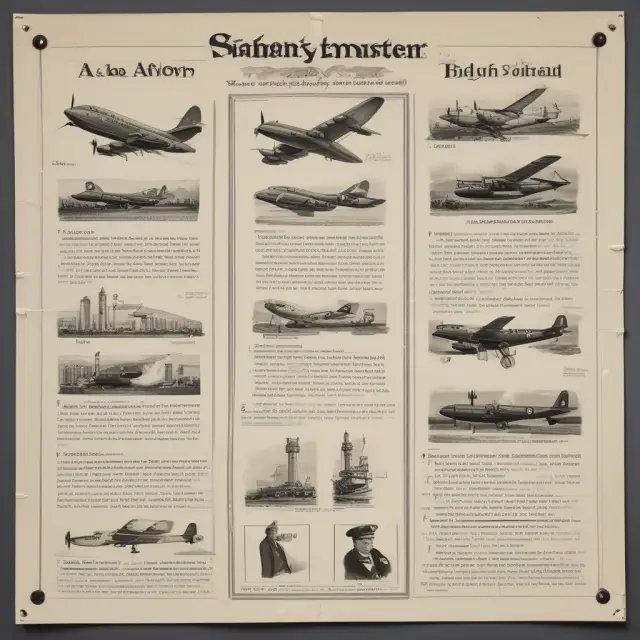
USAIG has always been committed to fostering a culture of safety within the aviation community. One of their most recognizable contributions is their “Safety First” poster series. These posters aim to raise awareness about various aspects of aviation safety and have been published several times each year since 1963. The posters cover topics such as runway incursions, bird strikes, emergency procedures, and maintenance practices. By providing these resources free of charge, USAIG has been able to disseminate essential information to numerous organizations across the industry.
Moreover, Reed Chambers, one of USAIG’s founders, was a pioneer himself when it comes to aviation safety. In 1968, he became the first person to break the sound barrier while flying in a Convair F-106 Delta Dart, demonstrating the potential of human achievement and pushing the boundaries of what was believed possible. This spirit of innovation and dedication to safety is a testament to USAIG’s lasting impact on aviation history.
Today, USAIG continues to serve as an essential resource for companies in the aviation industry. The company comprises a pool of highly rated property-casualty insurers that work together to provide insurance coverage for various sectors such as corporate aviation, commercial aviation, pleasure and business aircraft, helicopters, airlines, airport liability, and aviation products liability. By joining forces, these members are able to offer comprehensive coverage while maintaining financial stability and expertise in their respective fields. This collaborative approach has enabled USAIG to remain at the forefront of the industry and provide unparalleled support to its clients.
The company’s commitment to safety remains unwavering, as evidenced by their extensive line of coverages and initiatives such as the “Safety First” poster series. Through these efforts, USAIG continues to shape the future of aviation and inspire a culture of excellence within the industry.

USAIG and World War I
The United States Aircraft Insurance Group was founded in the aftermath of World War I when Reed McKinley Chambers and pilot David C. Beebe identified a critical need for aviation insurance. Prior to this time, there were no commercial airline companies or aviation insurance providers. However, the war had significantly increased interest in flying both as a means of transportation and military application. As aviation became more accessible, Chambers recognized that accidents would inevitably occur, leading him to establish USAIG in 1928.
The founders’ involvement in World War I played a crucial role in shaping their perspective on the importance of aviation insurance. Chambers, an American flying ace, had distinguished himself during the war with his exceptional piloting skills. After returning home from military service, he went on to create Florida Airways – the first private air mail carrier in the United States. Unfortunately, Florida Airways faced financial difficulties after losing five aircraft due to storms and one accident between 1925 and 1926. Chambers understood that without adequate insurance coverage for these losses, the company would not be able to recover financially. As a result, he set out to create an organization that could address this gap in the market.
USAIG’s inception came at a pivotal moment in aviation history, as new advancements in technology and the growing popularity of commercial aviation presented numerous opportunities for innovation and growth. USAIG went on to insure some of the most significant milestones in aviation, including the first B-52 bomber flight, the Boeing 707 prototype, and even the 1969 lunar module flight. By providing essential coverage during these critical moments, USAIG played a vital role in pushing the boundaries of what was possible in the field of aviation.
In conclusion, the founders’ experiences during World War I inspired them to create USAIG and address the need for aviation insurance, which proved instrumental in the growth and development of the industry over the past century. Today, USAIG continues to play a crucial role in the aviation sector, offering coverage for various types of aircraft, promoting safety through its Safety First program, and adapting to new technologies such as small Unmanned Aircraft Systems (sUAS).

USAIG’s Impact on the Aviation Industry
The United States Aircraft Insurance Group (USAIG), founded in 1928, is an essential player in the aviation industry. From historic flights to promoting safety, USAIG has significantly influenced the growth and development of this sector. This section delves into some of these pivotal moments, starting with the first B-52 bomber flight, the Boeing 707 prototype, the 1969 lunar module flight, the Boeing 747’s first commercial flight, and the F-111A fighter jet.
USAIG played a significant role in insuring the first B-52 bomber flight on August 17, 1950. This strategic bomber was a crucial asset during the Cold War era, providing long-range capabilities essential for national defense. USAIG’s involvement demonstrated its commitment to supporting innovative advancements and securing the future of aviation.
In the late 1950s, Boeing introduced the prototype of its new commercial jetliner, the 707. This groundbreaking aircraft set the stage for modern air travel, offering increased capacity, comfort, and convenience to passengers. Once again, USAIG’s role as a forward-thinking insurer was evident, as it underwrote this pioneering project.
A major milestone in human history unfolded on July 16, 1969, when NASA’s Apollo 11 mission successfully landed astronauts Neil Armstrong and Buzz Aldrin on the moon. USAIG insured the lunar module, ensuring the success of this monumental endeavor while demonstrating its extensive reach and expertise in aviation insurance.
The Boeing 747, the “Jumbo Jet,” made history on February 9, 1969, as it completed its first commercial flight from New York to London. This long-range wide-body airliner revolutionized air travel with its capacity for large passenger numbers and cargo loads. USAIG’s role in insuring this game-changing aircraft further solidified its reputation as an industry leader.
Another groundbreaking moment came in the late 1970s when General Dynamics developed and tested the F-111A fighter jet. USAIG’s involvement in this project showcased its dedication to insuring cutting-edge technologies that would shape the future of military aviation. In fact, founder Reed Chambers himself broke the sound barrier while flying in a Convair F-106 Delta Dart during this era, symbolizing USAIG’s commitment to pushing boundaries.
USAIG has also been instrumental in promoting safety in flying, and its Safety First posters remain a testament to its dedication. By publishing these posters regularly, USAIG continues to educate the aviation community about best practices and essential safety protocols.
USAIG’s Founder – Reed Chambers
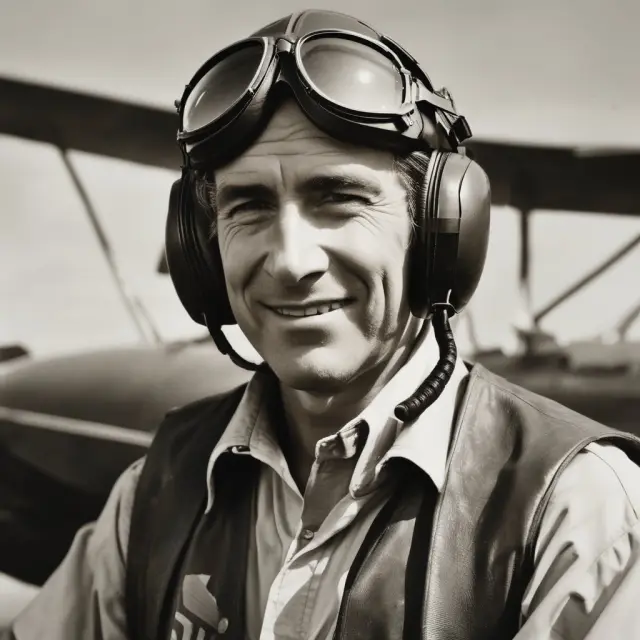
The history of the United States Aircraft Insurance Group (USAIG) is intertwined with that of its founder, Reed McKinley Chambers. Born on May 15, 1896, in Fort Worth, Texas, Chambers was an aviator who had served as a flying ace during World War I. He established Florida Airways in 1925, the first airline company to earn the private air mail contract awarded by the United States government. However, just two years later, Chambers and his partner David C. Beebe founded USAIG due to an increasing need for aviation insurance after several aircraft losses in 1926.
Florida Airways faced financial ruin following a string of setbacks: four planes lost to storms and one accident. The significance of these events prompted Chambers to recognize the necessity of aviation insurance. He co-founded USAIG to provide coverage for risks related to aircraft operations, thereby furthering the growth of the aviation industry.
In the decades following its inception, USAIG played a pivotal role in insuring numerous historical milestones. These events included: the first flight of the B-52 bomber in 1946, Boeing 707 prototype insurance in 1954, coverage for NASA’s lunar module’s historic journey to the moon in 1969, and even the first commercial flight of the Boeing 747 jumbo jet. USAIG also contributed to the development and testing of the F-111A fighter jet, breaking the sound barrier in 1968 while piloting a Convair F-106 Delta Dart.
USAIG has been committed to promoting safety in flying through its Safety First poster series, which it publishes several times a year. By insuring these monumental achievements, USAIG fostered the advancement of aviation technology and innovation while providing essential risk management solutions for companies and individuals within the industry.
Today, USAIG functions as a pool of member firms, all highly rated property-casualty insurance and reinsurance companies with an “A” rating or better from A.M. Best or Standard & Poor’s and a statutory surplus of at least $1 billion. Each member company pledges to fund a trust account equal to their respective net liabilities. USAIG’s coverage offerings encompass a wide range of aviation-related risks, including corporate and commercial aviation, pleasure and business aircraft, helicopters, airlines, airport liability, aviation products liability, and even international communications satellite insurance. In the late 1960s, USAIG developed the first insurance policy for an international communications satellite – the COMSAT “Early Bird.” More recently, it issued the industry’s first small Unmanned Aircraft Systems (sUAS) policy in 2015. With its rich history and unwavering commitment to aviation safety, USAIG continues to be a crucial player in the aviation insurance landscape.

USAIG Today
The United States Aircraft Insurance Group (USAIG) today is an alliance of highly rated property and casualty insurance companies that band together to provide aviation insurance coverage. The group was formed in 1928 by two visionary men, Reed McKinley Chambers, a World War I flying ace, and David C. Beebe, a pilot, with the goal of addressing the unique risks associated with air travel.
Aviation insurance was crucial during this era as commercial aviation began to take flight following World War I. Chambers recognized this need after his own airline company, Florida Airways, faced financial hardships due to the loss of five aircraft between 1926 and 1928. Despite these setbacks, Florida Airways was the first private air mail carrier to secure a government contract in the United States.
Fast forward to modern times, USAIG has grown into an esteemed insurance organization that boasts an impressive portfolio of historic accomplishments. These milestones include insuring the first B-52 bomber flight, Boeing 707 prototype, lunar module flight, Boeing 747’s commercial debut, F-111A fighter jet development, and sound barrier testing.
USAIG is not a standalone entity but instead a collective of elite property and casualty insurance firms. The company requires each member to maintain an “A” rating with either A.M. Best or Standard & Poor’s and possess a statutory surplus of at least $1 billion or greater. Furthermore, every company must fund a trust account equal to their net liabilities as part of the security agreement.
The pool of member firms comprises United States Aviation Underwriters (USAU), which manages USAIG’s operations in the U.S., and its Canadian counterpart, USAIG’s Canadian Aircraft Insurance Group (CAIG). The extensive range of coverage offered by USAIG includes corporate aviation, commercial aviation, pleasure and business aircraft, helicopters, airlines, airport liability, aviation products liability, as well as international communications satellite insurance.
USAIG marked another significant milestone in 1965 when it designed and implemented the first insurance policy for an international communications satellite – the COMSAT “Early Bird.” In 2015, USAIG issued the industry’s first small Unmanned Aircraft Systems (sUAS) policy.
Throughout its storied history, USAIG has remained committed to safety in flying and continues to publish Safety First posters several times per year. The company’s rich legacy underscores the importance of insurance in enabling aviation progress and innovation.
FAQs about USAIG
Question: What is United States Aircraft Insurance Group?
Answer: Founded in 1928 by flying ace Reed McKinley Chambers and pilot David C. Beebe, United States Aircraft Insurance Group (USAIG) was established to cater to the insurance needs of an emerging aviation industry. It was born out of necessity when Florida Airways, an airline company founded by Chambers, faced financial hardship due to a series of aircraft losses in 1926.
Question: Who are the founders of USAIG?
Answer: The founders of United States Aircraft Insurance Group were Reed McKinley Chambers and David C. Beebe. Chambers was a renowned flying ace, while Beebe was an accomplished pilot with extensive aviation experience.
Question: What types of offerings does USAIG provide?
Answer: Since its inception, USAIG has been at the forefront of insuring significant milestones in aviation history. Its offerings include corporate aviation, commercial aviation, pleasure and business aircraft, helicopters, airlines, airport liability, aviation products liability, international communications satellite insurance, and small Unmanned Aircraft Systems (sUAS) policies.
Question: How has USAIG contributed to the aviation industry?
Answer: Over the years, USAIG has played an essential role in advancing the aviation sector by insuring major events such as the first B-52 bomber flight, Boeing 707 prototype, 1969 lunar module flight, and Boeing 747’s first commercial flight. Its involvement extended to covering the development and testing of General Dynamics’ F-111A fighter jet. In addition, USAIG has been actively promoting aviation safety through its Safety First posters since 1968.
Question: Who is Reed McKinley Chambers?
Answer: Reed McKinley Chambers was not only a co-founder of United States Aircraft Insurance Group but also a World War I flying ace with an impressive military record. He broke the sound barrier while piloting a Convair F-106 Delta Dart in 1968.
Question: What is the current state of USAIG?
Answer: Today, USAIG operates as a pool of member firms consisting of highly rated property and casualty insurance companies. It has a stringent membership requirement, with each company holding an “A” rating from A.M. Best or Standard & Poor’s and maintaining a statutory surplus of at least $1 billion. The company’s line of coverages caters to various segments of the aviation industry, including corporate, commercial, helicopter, airline, airport liability, aviation products liability, international communications satellite, and sUAS insurance policies.
 Next entry · No. 5,270Understanding United States Government Life Insurance (USGLI): Origins, Workings, and Impact
See also
-
 No. 2,852
09 Feb 2025
18 min
Understanding Liability Insurance: Coverages, Types, and Differences
Insurance
No. 2,852
09 Feb 2025
18 min
Understanding Liability Insurance: Coverages, Types, and Differences
Insurance -
 No. 5,002
03 Aug 2025
20 min
Understanding Total Bond Funds: Structure, Operation, and Popular Options
Investments
No. 5,002
03 Aug 2025
20 min
Understanding Total Bond Funds: Structure, Operation, and Popular Options
Investments -
 No. 4,171
28 May 2025
18 min
Understanding Qualified Domestic Institutional Investor (QDII) Programs: An Insight into Foreign Investment by Chinese Institutions
Business Finance
No. 4,171
28 May 2025
18 min
Understanding Qualified Domestic Institutional Investor (QDII) Programs: An Insight into Foreign Investment by Chinese Institutions
Business Finance -
 No. 3,951
10 May 2025
19 min
Performance Management: A Key Tool for Optimizing Business Performance
Business Strategy
No. 3,951
10 May 2025
19 min
Performance Management: A Key Tool for Optimizing Business Performance
Business Strategy -
 No. 3,697
19 Apr 2025
18 min
Understanding Opco/Propco Deals: A Structure Common in Real Estate and REITs
Business Finance
No. 3,697
19 Apr 2025
18 min
Understanding Opco/Propco Deals: A Structure Common in Real Estate and REITs
Business Finance -
 No. 3,678
18 Apr 2025
20 min
Understanding the Role of Bank Holding Companies: Regulation, Structure and Function
Business Finance
No. 3,678
18 Apr 2025
20 min
Understanding the Role of Bank Holding Companies: Regulation, Structure and Function
Business Finance