Understanding United States Government Life Insurance (USGLI): Origins, Workings, and Impact

Exploring the origins, workings, comparisons, and impact of United States Government Life Insurance (USGLI) on military personnel and their families.
Origins of USGLI
United States Government Life Insurance (USGLI) holds historical significance as a vital support system for soldiers during times of war. Established in 1919, this government insurance program was created to address the unique challenges faced by American military personnel in securing affordable life insurance coverage due to their heightened risk exposure.
As the United States prepared to enter World War I, it became increasingly apparent that many soldiers would find it difficult to acquire adequate life insurance from private companies due to their inherent risk of injury or death on the battlefield. In response to this issue, the government introduced USGLI as part of a broader initiative known as the War Risk Insurance program.
The origins of USGLI can be traced back to March 29, 1917, when the United States Congress passed the Army Appropriation Act, which authorized the creation of the War Risk Insurance program. This act was amended on June 4, 1918, with the introduction of the National Defense Act, effectively establishing USGLI as a federal insurance program for eligible soldiers.
The objectives of USGLI were threefold: to provide affordable life insurance coverage for soldiers, to protect the financial interests of their families, and to ensure the continuity and morale of military personnel on the battlefield. The program proved wildly successful, with more than four million policies issued during World War I alone.
Key Milestones in USGLI’s History
1919: Establishment of the War Risk Insurance program and USGLI as part of it
1942-1943: Expansion to include World War II soldiers
1951: Closure of the USGLI program
The intended audience for USGLI was active military personnel, with a maximum coverage amount of $10,000. This sum represented a considerable investment by the government in its soldiers’ wellbeing and financial security, offering peace of mind during wartime.
USGLI’s legacy can still be felt today through its successor, Service Member Group Life Insurance (SMGLI), which has continued to provide life insurance coverage for American military personnel since 1951.

How USGLI Worked
The United States Government Life Insurance (USGLI) program was a pivotal aspect of the War Risk Insurance policies introduced during the early 20th century, providing critical support to American soldiers who might have struggled to obtain affordable life insurance from private insurers due to their increased risk. To understand how USGLI worked, let’s explore its core components:
1. Subsidized Premiums: USGLI was a subsidized government program, whereby soldiers’ premiums were paid directly by the federal government instead of the policyholders themselves. This significant reduction in premiums made insurance coverage more accessible to military personnel during a time when private insurers considered them high-risk cases.
2. Coverage and Amount: The USGLI program provided each eligible soldier with a $10,000 life insurance policy. Soldiers could choose to increase their coverage up to double the amount, which meant that they could secure as much as $20,000 in coverage for themselves and their families. This sum might seem modest today, but it was an essential lifeline during a time when the average income was significantly lower than it is now.
3. Claims Administration: The United States government managed and administered all USGLI claims. When a soldier passed away or became disabled due to war-related causes, their beneficiaries were eligible to receive a death benefit or disability compensation, respectively. Soldiers with USGLI coverage could rest assured that the administrative process for filing a claim was efficient, streamlined, and handled by a trusted government entity.
4. Premiums and Funding: Premiums for USGLI policies were collected from soldiers’ paychecks. The funds were deposited into the United States Treasury to cover the cost of claims as they occurred. This model enabled the U.S. government to provide life insurance coverage to a massive number of soldiers while minimizing their out-of-pocket expenses, making it an essential component of the War Risk Insurance program during World War I and its aftermath.
In conclusion, USGLI provided invaluable financial support to American soldiers during a period when private insurers deemed them high-risk cases due to the increased likelihood of injury or death in war zones. By subsidizing premiums, offering accessible coverage amounts, managing claims efficiently, and collecting premiums through soldiers’ paychecks, the USGLI program was able to make a significant impact on the lives of millions of military personnel and their families during the early 20th century.
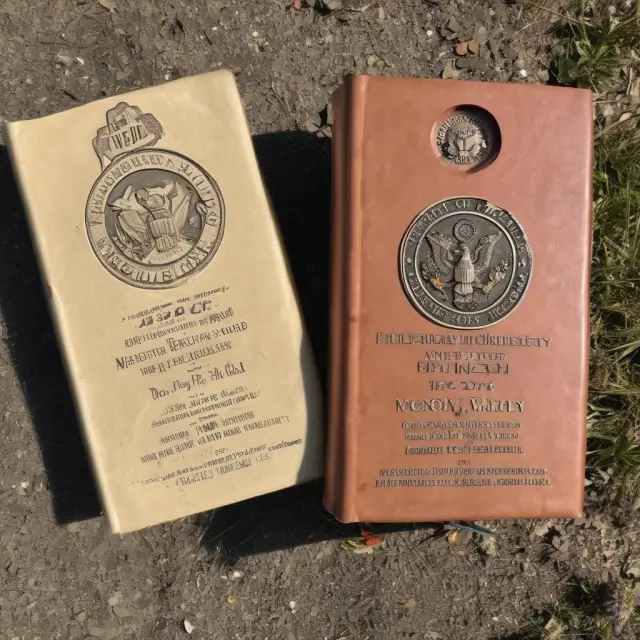
USGLI vs Modern Military Insurance: A Comparison
As we’ve learned, United States Government Life Insurance (USGLI) was a groundbreaking program introduced to support American soldiers who were unable to obtain affordable life insurance coverage due to the high risks associated with military service. This section will explore the similarities and differences between USGLI and its modern successor: Service Member Group Life Insurance (SMGLI).
**Program Objectives and Coverage**
Both programs, USGLI and SMGLI, share a common objective—to offer affordable life insurance coverage to military personnel. However, some key distinctions set them apart. One main difference lies in the scope of coverage: While USGLI was specifically designed to support soldiers during times of war, SMGLI provides coverage for all active-duty military personnel, regardless of whether they are deployed or not.
**Cost and Premiums**
Under USGLI, premiums were funded by the federal government. This eliminated the need for individual soldiers to pay hefty premiums out of pocket and made life insurance more accessible to a broader population. In contrast, SMGLI is funded through premiums deducted from military personnel’s regular paychecks. Although these premiums are relatively affordable compared to private insurance options, they still represent an additional expense for service members.
**Coverage Amount and Duration**
Another notable difference between the two programs lies in coverage amounts and duration: USGLI offered a maximum face amount of $10,000, while SMGLI provides coverage ranging from $25,000 to $400,000. Additionally, under USGLI, policies were payable only upon death or disability caused by war; SMGLI covers death or disability regardless of the cause. Furthermore, while USGLI was in effect until 1951, SMGLI has no specific termination date and continues to provide coverage for active-duty military personnel.
**Impact on Military Community**
USGLI proved to be a vital safety net for soldiers during times of war, offering financial security and peace of mind. With the introduction of SMGLI in 1965, military personnel continued to enjoy affordable life insurance coverage. Today, both programs serve as testaments to the U.S. government’s commitment to supporting its military personnel by ensuring they can secure adequate life insurance coverage while minimizing financial burdens during their service.
Through this comparison, it becomes evident that USGLI and SMGLI share a common goal: providing affordable life insurance coverage for military personnel. While the specific implementation details differ between the two programs, both have played essential roles in supporting soldiers and their families throughout history.
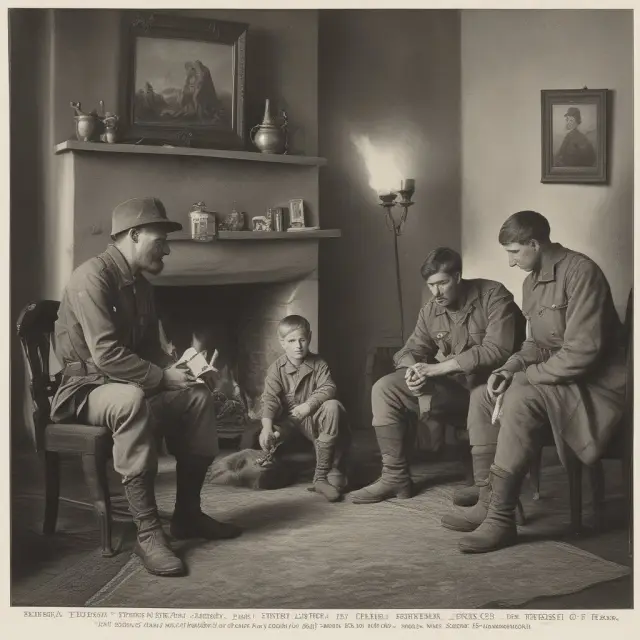
Real-World Examples of USGLI
United States Government Life Insurance (USGLI), a crucial part of the War Risk Insurance program during World War I, had an extraordinary impact on veterans’ lives and families. The program offered life insurance coverage to American soldiers at affordable rates, providing essential financial security for those who faced heightened risks in wartime. This section will present compelling historical case studies that highlight USGLI’s significance by examining its real-world implications for individual soldiers and their beneficiaries.
One striking example of the program’s effectiveness can be traced back to the life of Harry S. Truman, who served as a captain in the Field Artillery during World War I. In 1918, at the age of 28, Truman contracted pneumonia and meningitis while stationed in France. Due to his critical condition, he was sent back to the United States for treatment. Tragically, he eventually succumbed to the illness on January 26, 1919. Having purchased a $5,000 USGLI policy just weeks before falling ill, Truman’s family received this payout when he passed away. This financial support proved vital for his young widow, Elizabeth Wallace Truman, and their infant daughter, Margaret.
Another illustrative case is that of Private First Class Leo McLaughlin, who served in Company D, 312th Infantry Regiment during World War I. In 1918, while stationed in France, he was killed in action at the Battle of Chateau-Thierry. The family received a $10,000 USGLI payment following his death. This financial aid allowed them to pay off their mortgage and continue supporting themselves during a time of great hardship.
These examples demonstrate that the United States Government Life Insurance program had far-reaching positive consequences for many military families during World War I. Its availability and affordability not only eased the financial burden for these grieving families but also provided them with much-needed peace of mind as their loved ones served on the battlefield.
As of 2013, there were approximately 8,000 active policies remaining, with an average age of 88. Since January 1, 1983, all USGLI policies have been paid-up, meaning no further premiums are required for the covered individuals or their families. This section has illuminated the real impact of USGLI on individual veterans and their beneficiaries during World War I. The following sections will delve deeper into how this vital program was implemented and its influence on modern military insurance.

Key Factors Driving USGLI’s Success
United States Government Life Insurance (USGLI) emerged as a response to World War I and was introduced by the United States government in an attempt to address the significant challenge of securing affordable life insurance coverage for American soldiers. This section delves deeper into why this initiative became so popular among the military community during the early 20th century.
Premiums and affordability were a major factor behind USGLI’s appeal, as private insurers were reluctant to provide coverage at reasonable rates to those exposed to high war-related risks. By offering government-subsidized life insurance policies, USGLI effectively addressed this issue by significantly reducing the financial burden on military personnel. Moreover, soldiers who might have been unable to secure adequate coverage due to pre-existing health conditions or limited financial resources now had access to a safety net that provided them with peace of mind.
The widespread popularity of USGLI is evident in the impressive numbers achieved during World War I. More than four million policies were issued, demonstrating not only its appeal but also the perceived necessity of this program amongst soldiers. This massive adoption rate can be attributed to three key factors: affordability, accessibility, and the potential impact on family well-being.
Affordability was crucial since private insurers could not offer competitive rates to military personnel due to their increased risk profile. USGLI provided a much more cost-effective solution for soldiers seeking coverage during this time. Accessibility was another significant factor that made USGLI popular, as the program offered insurance coverage to every eligible active military personnel member without any health or financial preconditions. Lastly, having life insurance not only gave soldiers peace of mind but also protected their families in the event of death or disability caused by war.
The success story of USGLI didn’t end with World War I; its influence can still be seen today through its modern counterpart, Service Member Group Life Insurance (SMGLI). While SMGLI has evolved from a government-subsidized program to a premium-based system, the underlying principles remain the same. The military community continues to benefit from affordable and accessible life insurance coverage that offers financial security and peace of mind, even in times of conflict or peace.

Legacy and Modern-day Remnants of USGLI
Despite its termination in 1951, United States Government Life Insurance (USGLI) continues to leave a lasting impact on both the military community and the world of insurance. USGLI’s legacy is most notably reflected in modern military life insurance programs such as the Service Member Group Life Insurance program (SMGLI), which has assumed many of its features and functions.
USGLI’s introduction marked a turning point in the history of American military life insurance. During World War I, the federal government recognized that soldiers often faced difficulty obtaining affordable insurance coverage due to high premiums resulting from their increased risk exposure. To mitigate this challenge, USGLI was established as part of the War Risk Insurance program to subsidize the cost of life insurance for active military personnel.
While the last active USGLI policy was issued in 1951, its spirit lives on through modern military life insurance programs. For instance, SMGLI, which is offered by the Defense Finance and Accounting Service (DFAS), mirrors many aspects of USGLI, providing life insurance coverage for eligible military personnel. The program covers both active duty military and their dependents, granting a $400,000 maximum coverage amount per service member.
The subsidized premiums paid by soldiers during the USGLI era set an important precedent that continues to influence insurance coverage for military personnel. Moreover, the provision of life insurance as part of the broader War Risk Insurance program served as a critical stepping stone for the creation of the Veterans Administration (VA), which was established in 1930 and expanded in 1946 to offer additional benefits to veterans beyond life insurance.
In addition to its impact on military life insurance programs, USGLI has also left a mark on how the United States government approaches insurance overall. For instance, the concept of federal subsidization for essential services such as healthcare and life insurance was a groundbreaking idea during World War I and continues to shape contemporary policy discussions.
The success story of USGLI is a testament to its far-reaching impact on military personnel and their families. Its introduction paved the way for continued support in the form of subsidized insurance programs, which remains a critical component of military benefits today.

Insights for Institutional Investors: Potential Opportunities in USGLI
Understanding United States Government Life Insurance (USGLI) as an institutional investor can provide several potential investment opportunities. By delving into the historical context of this program and analyzing its impact on military personnel, investors may be able to identify trends that could influence modern-day financial products or government policies.
The roots of USGLI trace back to 1919 when the United States entered World War I. At the time, American soldiers often struggled to obtain affordable life insurance coverage due to their increased risk exposure in combat situations. To address this issue, the federal government introduced a subsidized life insurance program: USGLI.
By examining historical records and data from this era, institutional investors could gain valuable insights into the underlying factors that motivated the creation of USGLI. These insights can help inform current investment strategies or guide future research in areas such as military benefits, life insurance products, and risk management techniques.
Moreover, the successful implementation of USGLI during World War I set a precedent for government intervention in providing life insurance coverage to military personnel. Understanding the motivations, mechanisms, and outcomes of this program can help investors identify potential areas for investment opportunities or partnerships with companies involved in military benefits or risk management solutions.
For instance, investors could explore opportunities in life insurance companies that have a significant presence within the military community or those with expertise in providing life insurance coverage for high-risk occupations or demographics. Additionally, there may be opportunities to invest in companies specializing in risk assessment and mitigation technologies, which are increasingly important as organizations seek to minimize their exposure to uncertain risks.
Investors could also look at the historical success of USGLI as a case study for potential investment opportunities related to government-backed insurance programs or partnerships. As governments around the world continue to address various challenges in areas like healthcare, education, and retirement savings, there may be opportunities to invest in companies that collaborate with governments to develop innovative solutions.
Finally, institutional investors could explore opportunities in the secondary market for USGLI policies themselves. Since USGLI policies are no longer being issued and many of them have been paid-up since 1983, there may be opportunities to acquire existing policies at discounted prices or invest in portfolios containing these policies. This investment strategy could provide diversification benefits, especially during periods of market instability or volatility, while generating steady returns over the long term.
In conclusion, understanding USGLI’s historical context and its impact on military personnel can offer institutional investors valuable insights and potential investment opportunities. By examining factors like government intervention in life insurance coverage, risk assessment and mitigation techniques, and the secondary market for existing policies, investors may be able to uncover trends that can inform their investment strategies and capitalize on emerging opportunities.
USGLI’s legacy continues to be relevant today as it illustrates how governments can effectively address the financial needs of specific populations, like military personnel, during times of crisis or uncertainty. By staying informed about historical developments in this area and maintaining a keen awareness of modern-day trends, institutional investors can position themselves to capitalize on emerging opportunities that may arise from government-backed insurance programs and collaborations.
FAQs about United States Government Life Insurance (USGLI)
United States Government Life Insurance (USGLI), a key element of the War Risk Insurance program, was established in response to soldiers’ limited access to affordable life insurance during times of war. The following FAQs offer valuable insights into the eligibility, process, and legacy of USGLI.
**What were the eligibility criteria for USGLI?**
USGLI covered all active military personnel at the time of their death or disability caused by war.
**When was USGLI available?**
The United States Government Life Insurance (USGLI) program ran from 1919 to April 25, 1951.
**What were the premiums for USGLI?**
Premiums were deducted from soldiers’ pay and deposited into the United States Treasury to cover claims made by policyholders.
**How was a claim filed under USGLI?**
Claims were typically submitted through military channels and processed administratively by the government.
**What was the maximum face amount of a USGLI policy?**
The maximum face amount for a USGLI policy was $10,000.
**What happened to USGLI after April 25, 1951?**
As of 2013, all USGLI policies had been paid-up, meaning no further premiums were required. The modern successor to USGLI is the Service Member Group Life Insurance program.
**Who is covered under USGLI now?**
Today’s military personnel can secure life insurance coverage through the Service Member Group Life Insurance (SMGLI) program.
**What benefits does SMGLI offer over USGLI?**
SMGLI offers more extensive coverage and a wider range of options compared to USGLI, including term life insurance, as well as additional coverage for up to $400,000 for service members with dependents or for those who elect the maximum coverage available.
**Can I still make changes or cancel my USGLI policy?**
No, all USGLI policies are paid-up and cannot be modified or terminated.
**What happens to the remaining USGLI policies?**
The United States Department of Veterans Affairs manages these policies on behalf of beneficiaries and their families. In case of a claim, survivors should contact the VA for assistance.

Regulations Governing USGLI
Understanding the legal framework surrounding United States Government Life Insurance (USGLI) sheds light on the government’s significant role in offering life insurance to military personnel during a critical period in American history. The program’s regulations evolved over time, reflecting changes in war conditions and social needs.
After President Woodrow Wilson signed the War Risk Insurance Act of 1917, which authorized the issuance of USGLI policies to military personnel, the program came under the jurisdiction of the War Risk Insurance Bureau (WRIB). Established within the United States Department of Labor, this bureau managed all aspects of the war risk insurance program.
One essential component of USGLI’s regulations concerned premiums and the way they were collected. Premiums for these policies were typically deducted from soldiers’ monthly pay, ensuring that enlisted personnel could effortlessly participate in the program. The WRIB used these premiums to maintain a fund that could be tapped when claims were made.
Another significant regulation related to USGLI concerned the conditions under which coverage was provided. For a policyholder to qualify for USGLI benefits, their death or disability had to occur while they were engaged in active military service or within 120 days of leaving the armed forces due to a war-related condition. This provision underscored the program’s commitment to providing financial assistance to those who faced extraordinary risks while serving their country.
The USGLI regulations also addressed the issue of beneficiaries and how they could be designated. Policyholders were free to choose whomever they wished as their primary beneficiary, with secondary beneficiaries also being allowed in some cases. This flexibility reflected the program’s dedication to ensuring that soldiers had control over how their potential benefits would be distributed.
As the United States military expanded and evolved during World War II, so too did the regulations governing USGLI. For instance, the War Risk Insurance Act of 1942 extended coverage to personnel in the Merchant Marine, Coast Guard, and other non-military organizations that were integral to the war effort.
The postwar era brought further changes to the USGLI regulatory landscape. With the end of hostilities, the need for a dedicated war risk insurance program began to wane. However, the legacy of USGLI lived on in various forms. For example, in 1953, the United States Congress enacted the Veterans’ Disability Compensation Act, which provided additional benefits to veterans who had been disabled as a result of their military service.
Today, the modern successor to USGLI is the Service Member Group Life Insurance (SMGLI) program. This insurance program continues to offer affordable coverage to American military personnel and their families, demonstrating the enduring significance of government-subsidized life insurance for those who protect our nation.

Impact of USGLI on the Military Community
The establishment of United States Government Life Insurance (USGLI) marked a significant turning point in military history, as it provided soldiers with much-needed peace of mind during a time of uncertainty and risk. By enabling soldiers to secure affordable life insurance coverage at a time when private insurers were unwilling or unable to offer competitive premiums due to the high mortality risks associated with military service, USGLI made an indelible mark on the lives of countless veterans and their families.
During World War I, with the country’s entry into the conflict in 1917, soldiers faced the prospect of death or disability daily, leaving many questioning what would happen to their loved ones should they not return home. In response, the United States government stepped in to provide financial security for its military personnel through USGLI.
The social impact of USGLI extended far beyond just providing a safety net for soldiers and their families. This program’s implementation fostered a sense of gratitude, loyalty, and confidence among the military community, as they felt valued and cared for by their country during times of war. Additionally, the availability of life insurance coverage helped alleviate financial stressors for many veterans and their families, providing them with a critical source of financial support during a time when resources were limited.
The emotional benefits of USGLI were also significant, as soldiers could focus on their military duties without being preoccupied by concerns about their loved ones’ well-being. This sense of security allowed soldiers to perform their jobs more effectively and with greater confidence, ultimately contributing to the war effort in a substantial way.
Beyond the social and emotional aspects, USGLI had a tangible financial impact on the military community. By providing affordable life insurance coverage, it helped ease the financial burden on veterans’ families during their time of need. Additionally, the program served as a precursor to modern-day veteran benefits, which have evolved to include a multitude of programs focused on healthcare, education, and employment opportunities.
In the decades following World War I, USGLI’s influence continued to be felt. During World War II and subsequent conflicts, other government insurance programs were introduced to support military personnel and their families. The modern successor to USGLI is Service Member Group Life Insurance (SMGLI), which continues to provide affordable life insurance coverage for active-duty service members and veterans alike.
Despite the passage of time, USGLI’s legacy lives on. Its creation served as a testament to the United States government’s commitment to its military personnel during times of war. Today, this legacy continues to inspire new generations of soldiers and their families, who appreciate the peace of mind that comes with knowing they are covered by comprehensive insurance coverage.
In conclusion, United States Government Life Insurance (USGLI) represented a critical turning point in military history, providing soldiers with affordable life insurance coverage during World War I and beyond. Its impact on the military community was both profound and enduring, creating a sense of security, fostering a strong sense of loyalty, and contributing to the war effort by alleviating financial stressors for veterans and their families. As we continue to honor and remember the sacrifices made by our brave men and women in uniform, it is essential that we acknowledge the significant role played by programs like USGLI in shaping the military community’s future.
 Next entry · No. 5,271Understanding United States Treasury Money Mutual Funds: A Low-Risk Investment Option for Institutional and Professional Investors
See also
-
 No. 5,599
22 Sep 2025
18 min
The War Damage Corporation: Protecting Americans Against War-Related Property Damage during World War II
Insurance
No. 5,599
22 Sep 2025
18 min
The War Damage Corporation: Protecting Americans Against War-Related Property Damage during World War II
Insurance -
 No. 5,694
30 Sep 2025
18 min
Understanding White List States and the Role of Surplus Lines Insurance
Insurance
No. 5,694
30 Sep 2025
18 min
Understanding White List States and the Role of Surplus Lines Insurance
Insurance -
 No. 5,664
27 Sep 2025
21 min
A Deep Dive into Weekly Premium Insurance: Its History and Workings
Insurance
No. 5,664
27 Sep 2025
21 min
A Deep Dive into Weekly Premium Insurance: Its History and Workings
Insurance -
 No. 5,655
27 Sep 2025
22 min
Weather Insurance: Protecting Against Adverse Weather Conditions – An Overview
Insurance
No. 5,655
27 Sep 2025
22 min
Weather Insurance: Protecting Against Adverse Weather Conditions – An Overview
Insurance -
 No. 5,553
18 Sep 2025
16 min
Understanding Voyage Policies: A Comprehensive Guide for Institutional Investors
Insurance
No. 5,553
18 Sep 2025
16 min
Understanding Voyage Policies: A Comprehensive Guide for Institutional Investors
Insurance -
 No. 5,445
09 Sep 2025
19 min
Variable Life Insurance: Understanding the Intersection of Insurance and Securities
Insurance
No. 5,445
09 Sep 2025
19 min
Variable Life Insurance: Understanding the Intersection of Insurance and Securities
Insurance