A Comprehensive Guide to Understanding the History and Services of the U.S. Department of Veterans Affairs
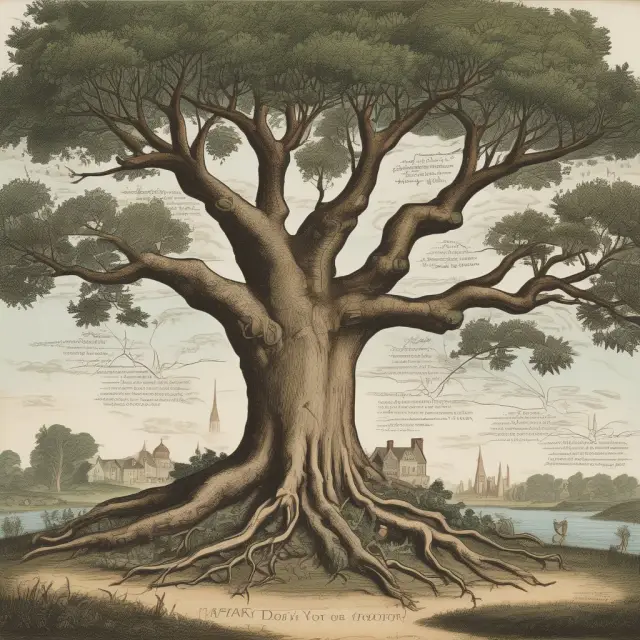
Explore the rich history, structure, and services of the U.S. Department of Veterans Affairs. From its origins to eligibility and modern challenges.
The Historical Roots of the U.S. Department of Veterans Affairs
The Veterans Administration (VA) is an essential part of American society, providing medical care, benefits, and vital services to veterans of the U.S. armed forces and their families. The VA’s origins can be traced back to the early days of the United States, with the provision of support for soldiers dating back to 1636 when the Pilgrims of Plymouth Colony voted to help disabled soldiers from the war with the Pequot.
In the years that followed, veterans’ benefits were extended to those who served during the Revolutionary War and continued to expand throughout history. During the Civil War era, Congress enacted pensions for disabled soldiers and their widows and dependents. Further expansion occurred during World War I, when the Veterans Bureau was formed in 1921 to consolidate veterans’ programs.
However, it wasn’t until 1930 that President Herbert Hoover signed an Executive Order to establish the Veterans Administration (VA) as a federal administration dedicated to providing medical care, benefits, and essential services. With the creation of this new agency, veterans gained access to a consolidated system for support during times of need.
The VA’s services have evolved throughout history to meet changing veteran demographics and needs. After World War II, for instance, the VA expanded its scope to accommodate the vast number of returning soldiers. Today, the U.S. Department of Veterans Affairs (VA) continues to provide a comprehensive range of benefits and services to veterans and their families.
The establishment of the VA as a cabinet-level department in 1989 marked a significant milestone in its history. The change from an independent agency to a cabinet department allowed for greater visibility and resources, ensuring that the VA remains at the forefront of delivering essential services to those who have served our nation.
Stay tuned as we explore the structure of the VA, its administrations (Veterans Health Administration, Veterans Benefits Administration, and National Cemetery Administration), eligibility requirements, and the impact of veterans’ benefits on post-war society in subsequent sections of this comprehensive guide.

Establishment and Early Development: The Veterans Administration (1930-1945)
The history of veterans’ benefits in the United States can be traced back to as early as 1636 when the Pilgrims established Plymouth Colony and decided to provide financial support for soldiers who were disabled during their war with the Pequot tribe. During the Revolutionary War, the Continental Congress passed legislation providing pensions for disabled soldiers and, later, extending this support to their widows and dependents.
As America entered the 20th century, veterans’ benefits continued to evolve, particularly during World War I. In 1921, Congress created the Veterans Bureau in response to the growing need for consolidated and more efficient administration of veterans’ programs. However, it wasn’t until President Herbert Hoover signed an Executive Order on July 21, 1930, that this independent government agency was formally established as the Veterans Administration (VA).
Initially, the VA absorbed several pre-existing veterans’ organizations and assumed responsibility for providing medical care, benefits, and essential services to veterans of the U.S. armed forces and their families. These offerings included burial and memorial benefits for eligible veterans and family members.
The importance of the Veterans Administration grew significantly as World War II began, with millions of soldiers returning home from the battlefield seeking assistance in adjusting to civilian life. To address this need, Congress passed legislation expanding eligibility for disability compensation, education, training, home loans, and other benefits to these veterans. By 1945, the VA had become an essential institution in American society.
In 1988, President Ronald Reagan recognized the importance of the VA’s role in supporting veterans by elevating it from a federal administration to a U.S. Cabinet-level department, which took effect in 1989 and renamed it the U.S. Department of Veterans Affairs (VA). This reorganization allowed the VA to better coordinate its various functions and continue serving veterans more effectively. Today, the VA remains committed to providing comprehensive healthcare services, financial assistance, and essential services to those who have served our nation in uniform and their families.
Next, we will explore the structure and main components of this critical department.
Upcoming Sections
– The U.S. Department of Veterans Affairs: Structure, Agencies, and Administrations
– VA Healthcare: The Veterans Health Administration (VHA)
– VA Benefits: The Veterans Benefits Administration (VBA)
– The National Cemetery Administration
– Eligibility for VA Services: Criteria and Documentation
– Impact of Veterans’ Benefits on Post-War Society
– Modern-Day Challenges and Future Directions for the VA
– FAQs about U.S. Department of Veterans Affairs

Post World War II Expansion and Evolution
The Veterans Administration experienced significant growth following World War II due to an unprecedented influx of returning service members. The organization expanded its reach and scope in response to the needs of veterans from this era, whose demographics and requirements differed greatly from those of earlier generations. This section explores these changes that took place from 1945 until the department’s transformation into the U.S. Department of Veterans Affairs in 1989.
In the aftermath of World War II, millions of veterans returned home with physical and emotional challenges as a result of their service. The VA faced the challenge of addressing this vast new population of veterans and their families. To meet the demand, the agency increased its staffing levels dramatically and established new medical centers across the country. Between 1945 and 1950, the number of VA hospitals grew from 36 to 123. By 1950, more than 1 million veterans were receiving care at VA facilities.
One notable development during this period was the expansion of the VA’s disability compensation program. Previously limited to World War I veterans with service-connected disabilities, it was extended to all veterans of the Second World War, including those with non-service-connected disabilities. This change brought a significant increase in enrollees, which placed considerable pressure on the VA’s resources. By 1950, over 74,000 veterans were receiving disability compensation.
During the Korean War (1950-1953), the VA continued to adapt its services to meet the changing needs of veterans. The organization provided medical care for more than 250,000 veterans who served in the conflict, and it also expanded its disability compensation program to include those with war-related injuries and illnesses.
With the advent of the Vietnam War (1964-1973), the VA faced new challenges as a large number of returning soldiers required mental health services due to PTSD. In response, the VA increased the capacity of its mental health facilities and hired more specialists in this area. The department also established outpatient clinics to provide care for veterans who could not travel long distances to receive treatment at larger medical centers.
The late 20th century brought further expansion of the VA’s benefits programs, including the creation of the Veterans Readjustment Assistance Act (VRAA) in 1966. The VRAA offered disability compensation to veterans with disabilities not related to their military service, as well as increased educational and training opportunities for disabled veterans. This act laid the groundwork for several other legislative measures designed to extend benefits to veterans based on their individual needs.
The Vietnam era also brought about significant changes in demographics among veterans, including a larger number of women and racial minorities. In response, the VA increased efforts to provide culturally competent care and expanded its services to meet the unique challenges faced by these groups.
These developments set the stage for further growth and transformation as the VA continued to evolve into the U.S. Department of Veterans Affairs in 1989. The organization would continue to adapt to the changing needs of veterans, ensuring they received the care and benefits they were entitled to.

The U.S. Department of Veterans Affairs: Structure, Agencies, and Administrations
As we delve deeper into the U.S. Department of Veterans Affairs (VA), it becomes essential to examine its organizational structure and key components that enable the provision of services for veterans. The VA, initially established as the Veterans Administration in 1930 and elevated to a Cabinet-level department in 1989, is renowned for offering medical care, benefits, and crucial services to veterans of the United States Armed Forces and their families.
The VA’s impressive reach extends to three primary administrations: the Veterans Health Administration (VHA), the Veterans Benefits Administration (VBA), and the National Cemetery Administration (NCA). Each administration plays a pivotal role in ensuring that veterans receive the assistance they deserve.
1. Veterans Health Administration (VHA): The VHA, as the largest integrated health care system in the United States, boasts 1,298 health care facilities, including 171 VA medical centers and 1,113 outpatient sites. Serving more than nine million veterans enrolled in the VA health care program, the VHA offers a vast array of medical services to eligible veterans. Beyond medical care, the VHA also provides specialty services such as dermatology, dental care, neurology, podiatry, and vision care.
2. Veterans Benefits Administration (VBA): The VBA is responsible for making available various benefits and services to service members, their dependents, and survivors. These benefits include disability compensation, education and training, life insurance, vocational rehabilitation, and job placement assistance. Furthermore, the VBA offers federal guarantees of home loans for eligible applicants through a participating mortgage lender. The VA-guaranteed home loan program is one of the few 0% down payment loans accessible in the United States.
3. National Cemetery Administration (NCA): The NCA oversees 155 national cemeteries throughout the United States and Puerto Rico, providing burial and memorial benefits to eligible service members and their families. These benefits include opening and closing of the grave, perpetual care, a burial flag, a headstone/marker, and a presidential memorial certificate.
As veterans’ needs continue to evolve, these administrations under the U.S. Department of Veterans Affairs adapt to ensure that they provide essential services tailored to the unique challenges veterans face. In the following sections, we will discuss the history of the VA, the eligibility requirements for its services, and current initiatives aimed at addressing the needs of veterans in today’s society.
In conclusion, understanding the structure and agencies within the U.S. Department of Veterans Affairs is crucial to appreciating the breadth and depth of services available to our nation’s heroes. Through the VHA, VBA, and NCA, the VA offers medical care, financial assistance, and burial benefits, ensuring that veterans and their families receive the support they deserve for their unwavering dedication to our country.

VA Healthcare: The Veterans Health Administration (VHA)
The origins of veterans’ healthcare in the United States can be traced back to the Pilgrims, who provided medical care and financial assistance for soldiers disabled during their war with the Pequot tribe in 1636. Over three centuries later, the Veterans Administration (VA), then known as the Veterans Health Administration (VHA), would continue this legacy of caring for those who had served their country.
The VHA is a significant component of the U.S. Department of Veterans Affairs (VA), which was established in 1930 when President Herbert Hoover consolidated various veterans’ programs into a single federal administration. The VA was elevated to a cabinet-level department in 1988 and has since grown to become one of the largest integrated health care systems in the country.
The primary function of the VHA is to provide medical services, as well as a range of specialty services, to eligible veterans. Encompassing over 1,298 healthcare facilities, including 171 VA medical centers and 1,113 outpatient sites, the VHA serves more than nine million veterans enrolled in its program.
Veterans eligible for VHA healthcare must have served on active duty in one of the U.S. armed forces or in the National Guard or Reserve and be unable to obtain health care through other sources due to their military service-related injury or disability. Those who were dishonorably discharged are not eligible.
Understanding the eligibility criteria for VA healthcare can be complex, but it is essential to ensure that veterans receive the benefits they’re entitled to. Eligibility is determined by the time period in which a veteran served and the duration of their military service. Veterans who meet these requirements are granted access to comprehensive medical services provided by the VHA, including outpatient care, long-term care, mental health services, and more.
In addition to medical care, veterans can benefit from a range of other VA programs and services designed to support their unique needs. These include education and training, disability compensation, vocational rehabilitation, job placement assistance, and life insurance. For families of deceased veterans, burial and memorial benefits are also available through the National Cemetery Administration within the U.S. Department of Veterans Affairs.
With a commitment to providing compassionate and comprehensive care for America’s veterans, the VHA continues its long legacy of ensuring that those who have served our country receive the support they deserve.

VA Benefits: The Veterans Benefits Administration (VBA)
The U.S. Department of Veterans Affairs provides an extensive range of services and financial assistance for veterans through its three main administrations: the Veterans Health Administration, the Veterans Benefits Administration, and the National Cemetery Administration. This section focuses on the latter – the Veterans Benefits Administration (VBA).
Originating in 1930 when then-President Hoover consolidated various veterans’ programs into a single agency, the VBA has evolved significantly over time to address the ever-changing needs of service members and their families. The VBA provides financial assistance through several programs, including disability compensation, education and training, life insurance, and VA-guaranteed home loans.
Disability Compensation
One of the primary benefits offered by the VBA is disability compensation. This monthly monetary benefit helps veterans who have been medically discharged or have impairments due to military service. Eligibility for disability compensation depends on the severity and length of the veteran’s service-connected disabilities. The Department of Veterans Affairs uses a 100% rating scale, with a rating from 0% to 100% given based on the degree of the veteran’s disability.
Education and Training
Another significant offering by the VBA is education and training. This benefit allows veterans to receive assistance in completing their education, learning new skills, or receiving vocational rehabilitation. Veterans may be eligible for this program if they have a service-connected disability rating of 10% or more. The program provides financial support in the form of tuition payments, books, and supplies, along with a monthly housing allowance.
Life Insurance
Veterans may also benefit from the life insurance services provided by the VBA. This includes the Servicemembers’ Group Life Insurance (SGLI) for active-duty personnel and veterans who were discharged or released under conditions other than dishonorable, as well as Veterans’ Mortgage Life Insurance (VMLI). The SGLI coverage is automatically provided to all eligible service members, while VMLI provides coverage for VA home loans.
VA-Guaranteed Home Loans
Perhaps one of the most popular benefits offered by the VBA are VA-guaranteed home loans. These loans are specifically designed for veterans and provide them with an opportunity to purchase homes or refinance their existing mortgages with more favorable terms than typically available in the conventional market. Eligibility for a VA-guaranteed loan depends on the veteran’s military service, length of service, and discharge status. To secure a VA home loan, veterans must obtain a Certificate of Eligibility (COE) from the VA, which verifies their eligibility for the program. With this certificate, veterans can then work with any mortgage lender that participates in the VA home loan program to obtain financing for a property.
The VBA’s impact on post-war society has been profound. These benefits have not only helped millions of veterans and their families during times of need but have also played a significant role in shaping American society and culture by providing opportunities for education, affordable housing, and financial support to generations of service members. As the veteran population continues to evolve, the VBA remains committed to adapting its services and innovating new solutions to meet the ever-changing needs of those who have served our country.
FAQs:
Q: What is the Veterans Benefits Administration (VBA)?
A: The Veterans Benefits Administration is a part of the U.S. Department of Veterans Affairs that provides financial assistance and other forms of help to service members, their dependents, and survivors through various programs like disability compensation, education and training, life insurance, vocational rehabilitation, and job placement assistance.
Q: Who is eligible for VA benefits?
A: Eligibility depends on several factors, such as military service history, length of service, and discharge status. Veterans and their survivors may be eligible for various benefits based on these factors. For a comprehensive understanding of eligibility requirements, visit the Department of Veterans Affairs’ Eligibility web page.
Q: What is a VA Certificate of Eligibility (COE)?
A: A VA Certificate of Eligibility is a document provided by the Veterans Administration that verifies a veteran’s eligibility for various benefits, such as VA-guaranteed home loans. The certificate can be obtained from the Department of Veterans Affairs or through an authorized VA lender.
Q: How do I apply for VA benefits?
A: To apply for VA benefits, veterans and their families should gather any required documentation and submit it to the Department of Veterans Affairs. Applications can be filed online, by mail, or at a VA regional office. The specific application process depends on the benefit being sought. For more information, visit the Department of Veterans Affairs’ Application web page.
The National Cemetery Administration
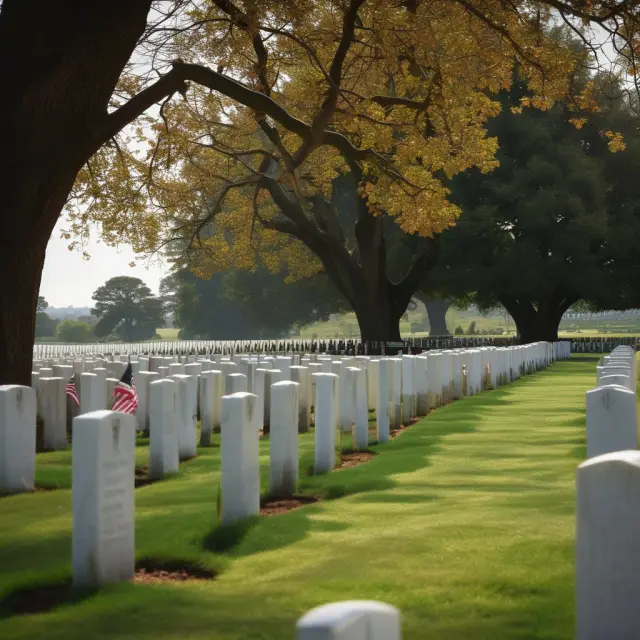
Burial and memorial benefits are a crucial part of the U.S. Department of Veterans Affairs’ mission, honoring the sacrifices of our military heroes. Established in 1862 to manage Soldiers’ Home burials, this branch has grown significantly since then. Now known as the National Cemetery Administration (NCA), it oversees 155 national cemeteries located throughout the United States and Puerto Rico.
The NCA offers burial benefits for eligible veterans, service members, and their dependents. These services include opening and closing graves, perpetual care, a burial flag, a headstone or marker, and a presidential memorial certificate. The benefits extend to the unmarked grave sites of service members whose remains have not been identified.
The NCA also facilitates the interment of cremated remains. Eligible veterans can choose between in-ground or columbarium niches for their urns, with some national cemeteries offering scattering gardens for those who prefer a more traditional burial at sea. The administration ensures that these graves and memorial sites are well-maintained, providing peace and reverence for the families of the deceased.
The history of veterans’ burial benefits can be traced back to the Pilgrims, who dedicated land for a “separate burying ground” in Plymouth Colony in 1636. This was done to ensure that soldiers injured or killed in their conflict with the Pequot tribe received proper resting places. The Continental Congress passed a pension law in 1776, providing financial assistance for disabled soldiers and their families. During the 19th century, support expanded to include widows and dependents of veterans.
In the aftermath of World War I, the first consolidation of veterans’ programs occurred in 1921 when Congress established the Veterans Bureau. However, it wasn’t until 1930 that President Hoover elevated the Veterans Bureau to a federal administration, creating the Veterans Administration and making burial benefits an official part of its mission. Since then, the NCA has expanded its reach and services to cater to the growing number of veterans and their families.
In conclusion, the National Cemetery Administration plays a significant role in the U.S. Department of Veterans Affairs’ commitment to honoring our military heroes. With 155 national cemeteries across the country and Puerto Rico, the NCA offers burial and memorial benefits for eligible veterans and their families, ensuring that their sacrifices are remembered with dignity and respect.

Eligibility for VA Services: Criteria and Documentation
The U.S. Department of Veterans Affairs (VA) provides numerous benefits and services to veterans of the armed forces and their families. However, eligibility rules can be complex. This section will discuss who is eligible, as well as required documentation.
Origins of Veterans’ Benefits
The roots of veterans’ benefits in the United States stretch back to 1636 when the Pilgrims voted to support soldiers disabled during their war with the Pequot Tribe (Herman, 2018). In the centuries that followed, support expanded to include pensions for Revolutionary War veterans and their dependents. The provision of benefits for veterans continued to evolve throughout American history (National Archives and Records Administration, n.d.).
Consolidation under the Veterans Administration
With World War I came significant expansion in veteran services. In 1921, Congress created the Veterans Bureau to consolidate these programs (Brennan, 1980). However, it wasn’t until 1930 that President Hoover elevated the Veterans Bureau to a federal administration, creating the Veterans Administration. It was later renamed the U.S. Department of Veterans Affairs (VA) in 1989.
Eligibility for VA Services
To be eligible for VA services, veterans must have served on active duty and were not dishonorably discharged. Eligibility depends on the time period of their military service. For example, veterans who served between September 7, 1980, and August 31, 1990, are generally eligible for VA benefits after a 24-month active duty period (U.S. Department of Veterans Affairs, n.d.). However, eligibility criteria vary for veterans who served during wartime or in specific circumstances.
Required Documentation for Eligibility
To determine eligibility and document requirements, the VA provides a comprehensive eligibility webpage with detailed information on various topics such as:
– Service Requirements
– Discharge Characterization
– Prisoner of War (POW) or Missing in Action (MIA)
– Military Sexual Trauma (MST)
– Total Disability Based on Individual Unemployability (TDIU)
For some disability compensation claims, veterans may need to submit additional documentation such as medical evidence or proof of income.
The VA encourages applicants to submit their claims with all required documents to expedite the application process and reduce potential delays. Additionally, the VA’s website offers a “Document Upload” feature allowing users to securely upload documents electronically.
In summary, veterans seeking VA benefits should review the eligibility webpage carefully and gather the necessary documentation to ensure a smooth application process. By understanding the criteria and documentation required, veterans can maximize their access to these essential services.

The Impact of Veterans’ Benefits on Post-War Society
The origins of veterans’ benefits can be traced back to the Pilgrims of Plymouth Colony in 1636 who voted to provide support for soldiers disabled during their war with the Pequot, a Native American tribe. This marked one of the first recorded instances of recognition and assistance offered to those who had served their community or country in uniform. Since then, veterans’ benefits have continued to evolve as American society has changed.
The consolidation of veterans’ programs into a federal administration began in 1930 when President Herbert Hoover created the Veterans Administration (VA). Originally an independent government agency, it was later elevated to a cabinet department in 1989 under the name U.S. Department of Veterans Affairs. The VA now serves as a comprehensive source for medical care, benefits, and essential services for veterans and their families.
The impact of veterans’ benefits on post-war society has been significant. Beyond providing direct support to veterans and their families, these programs have contributed to the overall wellbeing and stability of American communities. Let us explore some of the key ways that veterans’ benefits have shaped post-war society.
Post-War Economic Stability
One of the most notable impacts of veterans’ benefits lies in their role in contributing to post-war economic stability. For example, VA home loans have provided affordable housing opportunities for millions of veterans and their families. These loans, which require no down payment and carry competitive interest rates, have helped veterans access home ownership after returning from service. In turn, these homes have contributed to the growth and development of suburban neighborhoods across the country.
Education and Training Opportunities
Veterans’ benefits have also played a critical role in enabling veterans to transition into civilian life through education and training opportunities. Programs like the GI Bill have provided financial assistance for higher education, vocational training, and apprenticeships. These initiatives have not only helped veterans gain valuable skills but have also contributed to the workforce development of their communities.
Community Integration and Social Support
Veterans’ benefits have facilitated community integration by offering social support networks to veterans and their families. For instance, the Department of Veterans Affairs provides various services aimed at addressing mental health challenges that many veterans face upon returning from service. These include counseling services for individuals and families, as well as peer support groups that help foster a sense of camaraderie and understanding among veterans and their loved ones.
Innovation in Health Care
The Veterans Health Administration (VHA) is the largest integrated health care system in the United States, serving more than nine million veterans enrolled in its program. The VHA’s innovations have led to advancements in medical research and patient care that have benefited not only veterans but the nation as a whole. One notable example is the development of prosthetic technology, which began with the VA providing artificial limbs to Civil War veterans. Today, the VA continues to invest in cutting-edge technology, such as 3D printing for customized prosthetics and telehealth services that expand access to care beyond traditional clinic settings.
The Role of Veterans’ Benefits in Shaping Post-War Culture
Veterans’ benefits have also shaped post-war culture by highlighting the importance of supporting those who serve their country. Programs such as the National Veterans Foundation’s “Together We Stand” campaign and various community-based initiatives celebrate the sacrifices made by veterans and their families. These efforts not only show appreciation but also help foster a sense of unity and shared responsibility for supporting veterans in their communities.
In conclusion, veterans’ benefits have played an essential role in post-war society by providing economic stability, education and training opportunities, social support networks, innovations in health care, and shaping the cultural narrative around veteran recognition and support. As American society continues to evolve, it is important that we continue to honor this legacy of service and commitment through ongoing efforts to enhance and expand veterans’ benefits and services.

Modern-Day Challenges and Future Directions for the VA
The U.S. Department of Veterans Affairs (VA), an essential government agency providing medical care, benefits, and other vital services to veterans, faces modern challenges that necessitate ongoing innovations and priorities. These issues include veteran suicide prevention, mental health support, advancements in technology, and accessibility concerns for rural areas.
Veteran Suicide Prevention: A pressing concern for the VA is addressing veteran suicide, with an average of 17 veterans taking their lives daily, according to the U.S. Department of Veterans Affairs (VA). To tackle this issue, the VA has implemented a strategy that includes expanding outreach efforts, developing new partnerships, and utilizing technology to improve access to mental health services. The department also collaborates with other organizations like the Department of Defense and the Substance Abuse and Mental Health Services Administration to enhance suicide prevention efforts.
Mental Health Support: Another significant challenge is providing adequate mental health support for veterans. According to a report from the VA, approximately 7% to 20% of veterans returning from Iraq and Afghanistan suffer from Post-Traumatic Stress Disorder (PTSD), while 16% to 30% struggle with depression. The VA has made efforts to expand access to mental health services, including telehealth appointments for rural veterans and the establishment of a suicide prevention hotline. Additionally, the department collaborates with external partners like the Department of Defense, the National Institute of Mental Health, and the Brain Trust Foundation to further enhance mental health resources.
Advancements in Technology: As technology evolves, the VA must adapt to meet the needs of veterans. Telehealth services, for instance, have become increasingly crucial during the COVID-19 pandemic as they enable virtual medical consultations, remote therapy sessions, and prescription refills from the comfort and safety of a veteran’s home. In addition to telehealth, the VA is exploring other technological innovations like artificial intelligence (AI), machine learning, and electronic health records to improve patient care, streamline processes, and reduce wait times for veterans.
Accessibility Concerns for Rural Areas: Despite the VA’s extensive network of medical facilities, challenges remain in providing equal access to rural veterans. The distance and transportation issues faced by these individuals can result in lengthier travel times, making it difficult to attend appointments or access essential services. To address these concerns, the VA has launched initiatives like VA Video Connect, which allows veterans to have virtual consultations with healthcare providers from their homes. Furthermore, mobile clinics and telehealth outreach programs are being implemented to provide care to rural veterans more effectively.
In conclusion, as the U.S. Department of Veterans Affairs continues to adapt to new challenges, it remains committed to providing comprehensive medical care, benefits, and services for our nation’s heroes. Through ongoing innovations, collaborations, and a dedication to addressing specific concerns faced by veterans, the VA is working tirelessly to ensure that those who have served our country receive the support they deserve.
FAQs about U.S. Department of Veterans Affairs
The U.S. Department of Veterans Affairs (VA) is a Cabinet-level department in the U.S. government that provides a comprehensive range of services to veterans and their families. The history and evolution of this essential organization are intriguing, with roots tracing back to the Pilgrims. In this section, we aim to answer some frequently asked questions about the Department of Veterans Affairs (VA), focusing on its background, structure, and various initiatives.
**What is the VA and what does it do?**
The U.S. Department of Veterans Affairs (VA) is a federal department that provides medical care, disability compensation, education assistance, life insurance, home loans, burial and memorial benefits, and other essential services to veterans of the U.S. armed forces and their families.
**When was the VA established?**
The VA can trace its roots back to 1636 when the Pilgrims provided support to disabled soldiers in Plymouth Colony. The department was formally established as a federal administration in 1930 by President Herbert Hoover. He consolidated various veterans’ programs and named it the Veterans Administration (VA). In 1988, President Reagan elevated it to a U.S. Cabinet-level department.
**What services does VA provide?**
The VA offers comprehensive healthcare through the Veterans Health Administration (VHA), which is the largest integrated health care system in the United States. Additionally, it provides financial assistance, such as disability compensation and life insurance, through the Veterans Benefits Administration (VBA). The National Cemetery Administration (NCA) oversees burial and memorial benefits for eligible veterans and their families.
**Who is eligible for VA services?**
To be eligible for VA healthcare, a person must have served on active duty in the U.S. armed forces or in the National Guard or Reserve. Dishonorable discharge is not permitted. Eligibility criteria depend on when and for how long you served.
**What are some examples of financial assistance offered by the VA?**
Financial assistance from the VA includes disability compensation, education and training, and life insurance. Veterans may also be eligible for home loans. To qualify for a VA-guaranteed loan, veterans must have served on active duty in the Army, Navy, Air Force, Coast Guard, or Marines.
**Where can veterans access VA services?**
VA services are accessible at more than 1,298 health care facilities and 171 VA medical centers across the United States. Veterans can also apply for benefits through the VA website or by contacting their regional office.
**What is the Veterans Health Administration (VHA)?**
The Veterans Health Administration (VHA) is one of the three main components of the U.S. Department of Veterans Affairs. It provides comprehensive health care services to eligible veterans, including medical care, mental health, and specialty care. The VHA operates more than 1,298 facilities throughout the country and has over nine million enrolled veterans.
**What is the Veterans Benefits Administration (VBA)?**
The Veterans Benefits Administration (VBA) manages a variety of benefit programs to provide financial assistance to service members, their dependents, and survivors. These services include disability compensation, education and training, vocational rehabilitation, life insurance, and home loans. The VBA administers over 40 different programs for eligible veterans.
**What is the National Cemetery Administration (NCA)?**
The National Cemetery Administration (NCA) oversees burial and memorial benefits provided by the VA to eligible service members and their families. NCA manages 155 national cemeteries throughout the United States and Puerto Rico, providing headstones, markers, burial flags, and perpetual care for veterans.
**Who can access VA burial benefits?**
Eligible individuals include veterans who did not receive a dishonorable discharge, as well as their spouses and dependent children. In certain situations, the unmarried adult children of deceased veterans may also be eligible. Eligibility criteria depend on the specific nature of the veteran’s military service and when they served.
**How does one apply for VA benefits?**
Veterans can apply for various types of VA benefits through the VA website or by contacting their regional office. They will need to provide documentation, such as discharge papers (DD-214) and proof of eligibility, to support their application. The VA also offers assistance in preparing applications to help veterans navigate the process.
In conclusion, the U.S. Department of Veterans Affairs is a crucial organization that plays an integral role in providing essential services to America’s brave veterans and their families. Its history dates back centuries, with roots tracing back to the Pilgrims. The VA offers medical care, disability compensation, education assistance, life insurance, home loans, burial and memorial benefits, and more to eligible individuals who have served our country with honor.
By answering common questions about this organization’s structure, services, and history, we hope to shed light on the importance of the U.S. Department of Veterans Affairs and its mission to support those who have defended our nation.
 Next entry · No. 5,487Understanding Veterans Group Life Insurance (VGLI) – Continuing Your Military Coverage
See also
-
 No. 5,355
01 Sep 2025
22 min
The U.S. Department of Veterans Affairs: Understanding Its Role, History, and Three Administrations
Government
No. 5,355
01 Sep 2025
22 min
The U.S. Department of Veterans Affairs: Understanding Its Role, History, and Three Administrations
Government -
No. 5,487
13 Sep 2025
20 min
Understanding Veterans Group Life Insurance (VGLI) – Continuing Your Military Coverage
Insurance
-
 No. 5,386
04 Sep 2025
19 min
VA Loans: A Comprehensive Guide for Veterans and Active Service Members
Mortgage
No. 5,386
04 Sep 2025
19 min
VA Loans: A Comprehensive Guide for Veterans and Active Service Members
Mortgage -
 No. 1,794
07 Nov 2024
17 min
The Evolution and Impact of the GI Bill: From WWII to Present Day
Finance History
No. 1,794
07 Nov 2024
17 min
The Evolution and Impact of the GI Bill: From WWII to Present Day
Finance History -
 No. 5,787
07 Oct 2025
22 min
Understanding the Working Tax Credit (WTC): Eligibility, Amounts, and Application
Government
No. 5,787
07 Oct 2025
22 min
Understanding the Working Tax Credit (WTC): Eligibility, Amounts, and Application
Government -
 No. 5,677
28 Sep 2025
20 min
The Welfare State: An Analysis of its History, Functionality, and Criticisms
Government
No. 5,677
28 Sep 2025
20 min
The Welfare State: An Analysis of its History, Functionality, and Criticisms
Government