The U.S. Department of Veterans Affairs: Understanding Its Role, History, and Three Administrations
Explore the U.S. Department of Veterans Affairs' role, history, & three administrations - VHA, VBA, NCA - offering healthcare, benefits, & more for veterans.
Introduction: Overview of the U.S. Department of Veterans Affairs (VA)
The U.S. Department of Veterans Affairs, commonly referred to as the VA, is a Cabinet-level department of the U.S. federal government that was established on March 15, 1989. The VA provides medical care, disability compensation, vocational rehabilitation, education assistance, home loans, and life insurance to veterans and their families (U.S. Department of Veterans Affairs, n.d.). Comprised of three administrations—the Veterans Health Administration (VHA), the Veterans Benefits Administration (VBA), and the National Cemetery Administration (NCA)—the VA is dedicated to serving America’s veterans who have served honorably in the U.S. military and their families (U.S. Department of Veterans Affairs, n.d.).
The VA’s rich history can be traced back to 1636 when the Pilgrims of Plymouth Colony in Massachusetts voted to provide support for soldiers disabled by war with the Native American tribe called the Pequot (National Archives and Records Administration, n.d.). Over the centuries, veterans’ benefits expanded, culminating in the current comprehensive services offered through the VA today.
In 1930, the Veterans Bureau was elevated to a federal administration under President Herbert Hoover. In 1988, President Ronald Reagan further promoted the VA to Cabinet level, which took effect in 1989, and the VA adopted its new title (U.S. Department of Veterans Affairs, n.d.). The current head of the VA is Denis Richard McDonough, who was nominated by the Biden administration and sworn in as the secretary of Veterans Affairs on February 17, 2021 (Department of Veterans Affairs, 2021).
Understanding the Role and Functions of the U.S. Department of Veterans Affairs: VHA, VBA, and NCA
The VA’s three administrations each play essential roles in serving veterans and their families:
1. Veterans Health Administration (VHA): The VHA is the largest integrated healthcare system in the United States. It includes 1,293 healthcare facilities, 171 VA medical centers, and 1,112 outpatient sites that serve more than 9 million veterans enrolled in the VA healthcare program (U.S. Department of Veterans Affairs, n.d.). The VHA provides a wide variety of medical services to eligible veterans, ranging from surgery to rehabilitative care. Eligibility for VHA benefits depends on when a veteran served and for how long.
2. Veterans Benefits Administration (VBA): The VBA offers financial assistance and various forms of help to service members, their dependents, and survivors. These benefits include disability compensation, education and training, life insurance, vocational rehabilitation, and job placement assistance. Additionally, the VA home loan program is overseen by the VBA. VA loans are backed by the government and offer up to 100% financing on the value of a home, among other benefits (U.S. Department of Veterans Affairs, n.d.).
3. National Cemetery Administration (NCA): The NCA manages 155 national cemeteries across the country and Puerto Rico. It provides burial and memorial benefits for all eligible service members and their families. These benefits include opening and closing of the grave, perpetual care, a burial flag, a headstone/marker, and a presidential memorial certificate (U.S. Department of Veterans Affairs, n.d.).
The Importance of the VA’s Values: I CARE
The mission statement of the VA is “to care for him who shall have borne the battle, and for his widow, and his orphan.” The values that guide this mission are integrity, commitment, advocacy, respect, and excellence (U.S. Department of Veterans Affairs, n.d.). These values serve as the foundation for the standards of behavior expected from all VA employees.
Conclusion: The U.S. Department of Veterans Affairs: Providing Comprehensive Support to America’s Heroes
The VA plays a vital role in serving veterans and their families by providing healthcare services, disability compensation, education assistance, home loans, life insurance, vocational rehabilitation, job placement assistance, burial benefits, and more. The VA’s history of supporting veterans can be traced back to the Pilgrims’ support for disabled soldiers over 380 years ago. Today, the department remains committed to providing comprehensive services and support to America’s heroes, ensuring that they receive the care and respect they have earned.

The Three Administrations of the US Department of Veterans Affairs: VHA, VBA, NCA
The U.S. Department of Veterans Affairs (VA) is a Cabinet-level executive department established in 1988, with its origins dating back to the Pilgrims’ Plymouth Colony. The VA aims to “care for him who shall have borne the battle, and for his widow, and his orphan,” offering healthcare services and benefits to eligible veterans and their families. This comprehensive agency is divided into three administrations: the Veterans Health Administration (VHA), Veterans Benefits Administration (VBA), and National Cemetery Administration (NCA).
1. The Veterans Health Administration (VHA): Established from the first federal soldier’s facility after the Civil War, VHA has since grown to become the largest integrated healthcare system in the country with over 170 VA medical centers, 1,293 healthcare facilities, and 1,112 outpatient sites. The VHA provides a wide range of medical services, serving more than 9 million veterans enrolled in its healthcare program. To be eligible for these benefits, one must be a military veteran or former member of the National Guard or Reserve who was not dishonorably discharged and served during specific eras.
2. The Veterans Benefits Administration (VBA): VBA offers financial assistance and other forms of aid to service members, their dependents, and survivors. This includes disability compensation, education and training, life insurance, vocational rehabilitation, job placement assistance, and the VA home loan program. Eligibility for these benefits varies depending on factors such as military service length, discharge status, and injury or disability severity.
3. The National Cemetery Administration (NCA): NCA manages 155 national cemeteries across the nation and Puerto Rico, ensuring that eligible veterans and their family members receive burial and memorial benefits. These benefits include opening and closing of the grave, perpetual care, a burial flag, a headstone/marker, and a presidential memorial certificate.
The VA’s mission is driven by five core values: integrity, commitment, advocacy, respect, and excellence (I CARE). By embodying these values, the department strives to offer top-notch services, meeting the needs of veterans and their families.

Veterans Health Administration: Comprehensive Medical Care for Eligible Veterans
The U.S. Department of Veterans Affairs’ (VA) Veterans Health Administration (VHA) is the largest integrated healthcare system within the United States. Established from the first federal soldier’s facility after the Civil War, it has since grown into a vast network encompassing 1,293 healthcare facilities, including 171 VA medical centers and 1,112 outpatient sites (VA, n.d.). Serving over 9 million veterans enrolled in its healthcare program (Department of Veterans Affairs, 2022), the VHA offers a wide range of medical services tailored to eligible veterans. These services extend from surgery and rehabilitative care to mental health treatment and outpatient consultations.
To qualify for healthcare benefits under the VA, individuals must meet specific eligibility criteria (VA, n.d.). Generally, this includes being a military veteran or former National Guard or Reserve member who served on active duty and was not dishonorably discharged. Eligibility is contingent upon the timeframe of service and its duration, with varying requirements for different periods (Department of Veterans Affairs, 2022).
The VHA has a mission to care for those who have served our country in uniform, ensuring they receive the healthcare services necessary to maintain their health and well-being. This commitment is encapsulated by its values: integrity, commitment, advocacy, respect, and excellence (Department of Veterans Affairs, 2018).
The VHA’s expansive network of medical facilities offers a multitude of services aimed at addressing veterans’ unique healthcare needs. These services include but are not limited to inpatient care, outpatient care, mental health treatment, and long-term care. Additionally, the VHA collaborates with various organizations to provide complementary care, such as geriatrics, hospice and palliative care, and telehealth (VA, n.d.).
As a testament to its commitment to excellence, the VA has received numerous accolades over the years for its quality of care. It was ranked the top large integrated health system in the country by the National Research Corporation’s 2021 Consumer Choice Awards (National Research Corporation, 2021). With a focus on continuous improvement and innovation, the VHA strives to meet the ever-evolving healthcare needs of veterans, ensuring that they receive the highest level of care possible.
The VHA is a vital component of the U.S. Department of Veterans Affairs’ extensive efforts in supporting our country’s heroes. By providing comprehensive medical care to eligible veterans, it significantly contributes to their well-being and enhances the lives of millions.

Veterans Benefits Administration: Financial Assistance and Other Forms of Help
The U.S. Department of Veterans Affairs (VA) offers a multifaceted approach to support military veterans and their families, with the Veterans Benefits Administration (VBA) being an essential aspect of this system. The VBA is responsible for administering several financial assistance programs and other forms of help, ensuring veterans receive the necessary aid during their transition back into civilian life. This section will discuss five primary benefits offered by the VBA: disability compensation, education assistance, life insurance, vocational rehabilitation, and job placement assistance.
Disability Compensation: Veterans may be eligible for monthly monetary compensation due to a service-connected disability, which can range from minor injuries to severe impairments that affect day-to-day living. Disability ratings are assigned based on the severity of the condition and its impact on the veteran’s ability to work or perform daily activities. The VBA assesses each claim through a rigorous process, considering medical evidence, service records, and other relevant factors.
Education Assistance: The Veterans Education Assistance Program (VEAP) and Post-9/11 GI Bill are two education programs designed to help veterans cover the costs of higher education, including tuition, books, and housing. These benefits can be used for a wide range of educational opportunities, from undergraduate or graduate degrees to vocational or technical training. The VBA determines eligibility based on active-duty military service, length of enlistment, and discharge status.
Life Insurance: The VA offers various life insurance options to help eligible veterans provide financial security for their families. These policies include the Service-Disabled Veterans Insurance (S-DVI) and the Veterans’ Group Life Insurance (VGLI). The S-DVI provides coverage based on disability rating, while VGLI allows veterans to convert their term life insurance coverage from the military into a VA-issued policy.
Vocational Rehabilitation: The VBA’s Vocational Rehabilitation and Employment (VR&E) program is designed to help eligible veterans with service-connected disabilities develop skills, find employment, and make career transitions. This comprehensive program offers counseling, training, education, and job placement assistance. Veterans can also receive vocational evaluation, on-the-job training, or even assistance with starting their own businesses.
Job Placement Assistance: The VBA’s Employment Opportunities for Individuals with Disabilities (VOID) program focuses on helping veterans find employment that accommodates their disability. This includes partnering with employers, providing job development services, and assisting veterans in creating resumes and preparing for interviews. Eligible veterans can also receive a variety of specialized services such as personalized counseling and career exploration.
The VA’s VBA is an integral part of the Department of Veterans Affairs’ mission to support those who have served our country. With its diverse range of financial assistance programs and other forms of help, the VBA continues to play a vital role in veterans’ lives as they transition back into civilian life.
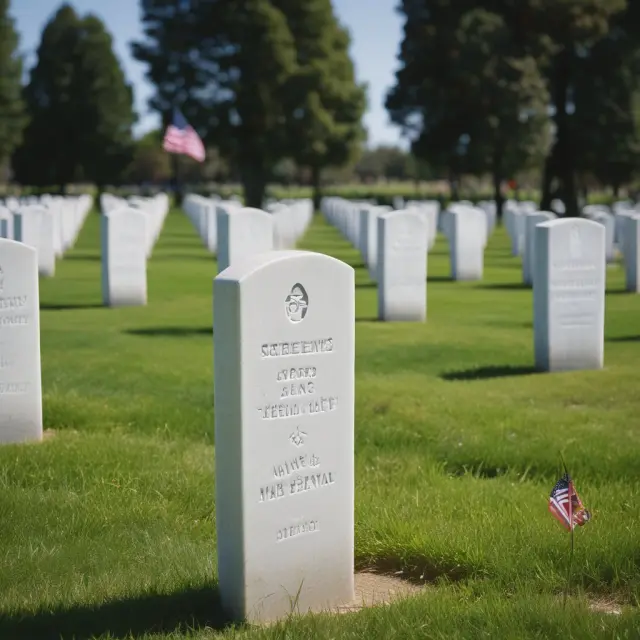
National Cemetery Administration: Burial and Memorial Benefits for Eligible Individuals
The National Cemetery Administration (NCA) is a part of the U.S. Department of Veterans Affairs, responsible for providing burial and memorial benefits to eligible veterans and their families. This section explains the services offered by NCA and the eligibility requirements for these benefits.
Burial Benefits
The National Cemetery Administration offers several burial benefits for eligible individuals. These include:
- Opening and closing of the grave: The VA covers the cost of opening and closing a grave at any VA national cemetery or a private cemetery, if the deceased is an eligible veteran or a family member.
- Perpetual care: NCA maintains and provides perpetual care for gravesites in its national cemeteries at no additional charge to families.
- Burial flag: A burial flag, also known as a military honors flag or a service flag, is provided free of cost to drape the casket or be placed on the cremation urn during the committal service. The flag can also be given to the next of kin after the service.
- Headstone/marker: The VA provides headstones and markers at no charge for eligible veterans, their spouses, and their dependents. These monuments are available in a variety of designs, materials, and sizes.
- Presidential Memorial Certificate: A presidential memorial certificate is presented to the next of kin as a keepsake following the funeral service. This certificate bears an inscription expressing appreciation for the veteran’s military service.
- Interment Allowance: Eligible veterans and their families may receive an interment allowance, which varies depending on whether they are buried in a national cemetery or a private graveyard. The maximum interment allowances for national cemeteries are $300 for a service-related death and $150 for a non-service-related death. For burials at private cemeteries, the VA provides up to $762 for veterans with a discharge under other than dishonorable conditions and $300 for spouses and dependents.
Eligibility Requirements
The following individuals are eligible for burial in a VA national cemetery:
- Veterans who died while on active duty or whose death resulted from a disability related to their military service.
- Veterans who were discharged under conditions other than dishonorable.
- Certain former members of the Reserves and National Guard.
- Spouses, widows/widowers, and unmarried children under 18 years old of eligible veterans.
- Unmarried adult children of veterans who became incapable of self-support before reaching age 22 because of a disability that began before they were 18.
- Gold Star Parents, Gold Star Widows/Widowers, and Gold Star Siblings of service members killed during active military service.
- Members of the Merchant Marine who served during World War I or World War II, and certain Merchant Mariners who served during peacetime.
- Certain individuals who were prisoners of war (POW) or missing in action (MIA).
- Veterans and their eligible dependents who have a pre-need eligibility waiver in effect before October 1, 2011.
Additionally, the VA may grant burial benefits to spouses, widows/widowers, and unmarried children of veterans if they are unable to pay for these expenses themselves or if their financial resources are exhausted due to providing care for a living veteran.
Memorial Benefits
NCA also provides memorial services to eligible individuals who do not choose burial in a national cemetery but still wish to have a memorial marker, an inscription on an existing headstone or marker, or the placement of an urn in a columbarium niche. For veterans with a dishonorable discharge, the VA may provide headstones and markers under certain conditions.
In conclusion, the National Cemetery Administration plays a crucial role within the U.S. Department of Veterans Affairs by providing burial and memorial benefits for eligible individuals. The services provided include opening and closing a grave, perpetual care, burial flags, headstones or markers, and interment allowances. Eligibility requirements cover veterans, their spouses, children, and dependents who served during various periods of U.S. military history.
Values and Mission of the U.S. Department of Veterans Affairs: I CARE
The U.S. Department of Veterans Affairs, commonly known as the VA, is a government department dedicated to providing medical care, benefits, and other essential services to eligible military veterans and their families. Established in 1989, when it was elevated from an administrative bureau to a Cabinet-level executive department, the VA has since served over 9 million enrolled veterans at more than 1,200 healthcare facilities nationwide (VA.gov, n.d.). Aiming to uphold its mission to care for those who have served their country, the VA is governed by a set of core values that reflect its commitment and responsibility. These values, encapsulated by the acronym “I CARE,” stand for integrity, commitment, advocacy, respect, and excellence.
Integrity
The first value, integrity, represents honesty, transparency, and ethical behavior in all aspects of VA operations. It is a cornerstone of trust between the VA and the millions it serves daily (Department of Veterans Affairs, n.d.). By maintaining the highest standards of professional conduct, VA staff ensures veterans receive accurate information about their care and benefits.
Commitment
Commitment signifies the unwavering dedication to serving veterans with compassion and respect while constantly striving for improvement in the delivery of services. VA employees remain committed to ensuring that veterans have access to comprehensive healthcare, as well as disability compensation, vocational rehabilitation, education assistance, and life insurance when needed (Department of Veterans Affairs, n.d.).
Advocacy
Advocacy denotes active support for veterans’ interests, ensuring their voices are heard and addressing any concerns in a timely and effective manner. This value is reflected in the VA’s role as an advocate on behalf of veterans to both government agencies and the public (Department of Veterans Affairs, n.d.).
Respect
The fourth value, respect, emphasizes treating all individuals with dignity and compassion while recognizing their unique needs and experiences. The VA works diligently to create a welcoming environment where veterans feel heard and understood.
Excellence
Finally, the fifth value, excellence, drives the VA’s continuous pursuit of innovation and improvement in its healthcare services, benefits offerings, and overall operations (Department of Veterans Affairs, n.d.). By maintaining a focus on providing high-quality care and services, the VA ensures that veterans receive the best possible assistance throughout their lives.
These values serve as a guiding force for every VA employee in fulfilling their mission to care for those who have served our nation proudly.
History of the U.S. Department of Veterans Affairs: From Pilgrims to Present Day
The United States Department of Veterans Affairs (VA) is a cabinet-level department that came into existence in its current form following the VA Act, which was signed into law on August 27, 1988. Prior to this, the organization had gone through various transformations since its early beginnings.
Origins: The roots of veteran services date back to the Pilgrims who provided support to soldiers disabled in their war with the Pequot tribe in 1636. In the centuries that followed, benefits were extended to soldiers’ dependents and widows during the Revolutionary War, and further expanded during World War I (WWI) when the Veterans Bureau was created in 1921. The Bureau became a federal administration in 1930 under President Hoover.
Consolidation: The VA continued to evolve as a result of various consolidations and expansions. In 1945, the GI Bill of Rights was enacted, providing education and housing benefits for returning veterans. By the late 1980s, the VA had grown significantly in size and scope, leading to its eventual elevation as a cabinet-level department under President Ronald Reagan in 1989.
Key Milestones: Throughout its history, the VA has undergone numerous changes, but it has remained committed to serving veterans and their families. Some significant milestones include:
– The establishment of Soldiers’ Homes during the late 1800s to provide care for Union soldiers following the Civil War
– The creation of the Veterans Bureau in 1921, consolidating WWI veterans’ programs
– President Hoover elevating the Veterans Bureau to a federal administration in 1930
– The passage of the GI Bill of Rights in 1945
– The VA Act being signed into law on August 27, 1988, leading to the creation of the Department of Veterans Affairs
Present Day: Today, the U.S. Department of Veterans Affairs is a critical organization responsible for providing healthcare services and financial assistance to veterans and their families. The VA consists of three administrations: the Veterans Health Administration (VHA), the Veterans Benefits Administration (VBA), and the National Cemetery Administration (NCA). Together, these administrations offer a wide range of benefits, including healthcare services, disability compensation, education assistance, life insurance, and burial and memorial benefits.
The U.S. Department of Veterans Affairs: A Brief Overview
The U.S. Department of Veterans Affairs, often referred to as the VA, is a cabinet-level department created on August 27, 1988. It offers comprehensive medical care through its three administrations: the Veterans Health Administration (VHA), the Veterans Benefits Administration (VBA), and the National Cemetery Administration (NCA). The VA’s mission is to provide “comprehensive healthcare services, along with various benefits, for eligible veterans and their families.”
The VA’s history can be traced back to 1636 when the Pilgrims of Plymouth Colony provided support to soldiers disabled in their war with the Pequot tribe. Since then, veterans’ services have evolved significantly, culminating in the creation of the Department of Veterans Affairs as we know it today.
The U.S. Department of Veterans Affairs: A Timeline of Transformations
The journey to establish the Department of Veterans Affairs began with the Pilgrims’ provision of support for disabled soldiers in 1636 and continued through various transformations until its official establishment in 1988. Below is a timeline summarizing the key milestones in the history of veteran services:
1636: The Pilgrims provide support to disabled soldiers.
1776: The Continental Congress enacts pensions for disabled soldiers.
1865: President Lincoln signs legislation establishing Soldiers’ Homes following the Civil War.
1921: The Veterans Bureau is created, consolidating WWI veterans’ programs.
1930: The Veterans Bureau is elevated to a federal administration by President Hoover.
1945: The GI Bill of Rights is passed, providing education and housing benefits for returning veterans.
1988: The VA Act is signed into law on August 27, 1988, creating the United States Department of Veterans Affairs.
Present Day: Today, the U.S. Department of Veterans Affairs provides near-comprehensive healthcare services, as well as disability compensation, education assistance, life insurance, vocational rehabilitation, and job placement assistance to eligible veterans and their families. Additionally, it manages burial and memorial benefits for eligible veterans and family members through the National Cemetery Administration (NCA).
In conclusion, the U.S. Department of Veterans Affairs has a long and rich history dating back to the Pilgrims’ support for disabled soldiers. Over centuries, veteran services have evolved significantly, culminating in the establishment of the Department of Veterans Affairs as we know it today – an essential organization dedicated to serving America’s veterans and their families through healthcare services and financial assistance.

Current Leadership of the U.S. Department of Veterans Affairs: Denis Richard McDonough
Denis Richard McDonough, an esteemed public servant with a career spanning over three decades, currently serves as the secretary of the United States Department of Veterans Affairs (VA) since February 2021. His nomination was made by President Joe Biden. The VA is a critical federal department, which provides essential healthcare services and benefits to more than 9 million veterans and their families across the nation.
McDonough’s journey towards leading the VA began in his youth when he saw firsthand the value of public service. He grew up in a military family and witnessed his father’s dedication as an Air Force officer. As a result, McDonough developed a deep sense of appreciation for the sacrifices made by veterans, their families, and survivors.
In 1994, McDonough joined the White House as a staff assistant to President Bill Clinton and later served in various roles within the executive branch, including deputy national security advisor and chief of staff to former President Barack Obama. His extensive background in public service prepared him well for his role at the VA.
As secretary, McDonough oversees the three administrations of the VA: Veterans Health Administration (VHA), Veterans Benefits Administration (VBA), and National Cemetery Administration (NCA). Together, these agencies provide comprehensive services such as healthcare, benefits, burial, and memorial support to eligible veterans and their families.
The VA is a vital resource for millions of American heroes who have served their country with distinction. Under McDonough’s leadership, the department continues its mission of caring for those who “shall have borne the battle” while advocating for their best interests. The values of integrity, commitment, respect, advocacy, and excellence guide every aspect of his work to ensure veterans receive the care they deserve.
The VA budget for 2021 amounts to $245 billion, a testament to its significance as one of the largest integrated healthcare systems in the United States. McDonough’s tenure as secretary has only just begun, but his commitment to serving those who have served our nation is unwavering.
In summary, Denis Richard McDonough embodies the spirit of public service and leadership as he heads the U.S. Department of Veterans Affairs in its mission to care for veterans, their families, and survivors with the values of I CARE: integrity, commitment, advocacy, respect, and excellence.

FAQs about the U.S. Department of Veterans Affairs
What is the role of the U.S. Department of Veterans Affairs?
The U.S. Department of Veterans Affairs (VA) is a government organization that provides healthcare services and benefits to eligible veterans, as well as burial and memorial benefits for themselves and their families. It was created in 1988 when it was elevated from the Veterans Administration to a Cabinet-level executive department. The VA’s three administrations are the Veterans Health Administration (VHA), the Veterans Benefits Administration (VBA), and the National Cemetery Administration (NCA).
Who is eligible for services provided by the U.S. Department of Veterans Affairs?
To be eligible for healthcare benefits from the VA, you must have served on active duty in the U.S. armed forces and not have received a dishonorable discharge. Eligibility for other benefits like disability compensation or vocational rehabilitation may depend on specific criteria.
What services does the Veterans Health Administration (VHA) offer?
The VHA is the largest integrated healthcare system in the United States, offering medical services and care to eligible veterans at VA medical centers, outpatient clinics, and nursing homes. It serves over 9 million veterans enrolled in the VA healthcare program and provides a wide range of medical services, from surgery to rehabilitative care.
What benefits does the Veterans Benefits Administration (VBA) provide?
The VBA offers various benefits and services that deliver financial assistance and other forms of help to service members, their dependents, and survivors. These include disability compensation, education and training, life insurance, vocational rehabilitation, job placement assistance, and the VA home loan program.
What does the National Cemetery Administration (NCA) do?
The NCA manages 155 national cemeteries across the country and Puerto Rico, providing burial and memorial benefits for eligible veterans and their families. Benefits include opening and closing of the grave, perpetual care, a burial flag, a headstone/marker, and a presidential memorial certificate.
How much is the annual budget for the U.S. Department of Veterans Affairs?
The VA’s annual budget was $245 billion in 2021. This substantial amount goes towards providing healthcare services, disability compensation, education benefits, pension payments, and other essential services to millions of veterans and their families.
What are the values that the U.S. Department of Veterans Affairs upholds?
The VA’s core values, known as “I CARE,” include integrity, commitment, advocacy, respect, and excellence. These values are intended to provide a baseline for the standards of behavior expected from all department employees, ensuring they treat veterans with the dignity and respect they deserve.

Conclusion: The Impact and Importance of the U.S. Department of Veterans Affairs
The U.S. Department of Veterans Affairs, commonly referred to as the VA, plays a crucial role in the lives of millions of American veterans and their families. This Cabinet-level executive department, established in 1989 following the merger of several precursor organizations, is responsible for providing healthcare services and various benefits that cater to eligible military personnel, veterans, and their dependents. The VA’s importance lies in its dedication to caring for those who have served our nation by ensuring they receive the care, support, and recognition they deserve.
The VA comprises three distinct administrations: Veterans Health Administration (VHA), Veterans Benefits Administration (VBA), and National Cemetery Administration (NCA). The VHA provides comprehensive medical services to eligible veterans at over 1,200 healthcare facilities across the country. The VBA offers financial assistance through various forms of benefits and services, such as disability compensation, vocational rehabilitation, education assistance, home loans, and life insurance. Lastly, the NCA manages national cemeteries where eligible veterans and their families receive burial and memorial benefits.
The Department of Veterans Affairs is committed to upholding a mission statement that centers around caring for those who have borne the battle and their families. This commitment is reflected in the five core values or “I CARE” (integrity, commitment, advocacy, respect, and excellence) that guide the organization’s actions.
The U.S. Department of Veterans Affairs’ history stretches back to the Pilgrims and the first federal soldier’s facility established for Union Army veterans after the Civil War. Over time, it has evolved to address changing needs, expanding its scope and reach. Today, with a budget of over $245 billion, the VA serves more than 9 million veterans enrolled in its healthcare program and manages 171 medical centers and 1,112 outpatient sites.
The current head of the Department of Veterans Affairs is Denis Richard McDonough, who was nominated by President Biden and sworn in as secretary of Veterans Affairs in February 2021. Under his leadership, the VA continues to work towards meeting the needs of veterans and their families while upholding its core values and mission statement.
In conclusion, the U.S. Department of Veterans Affairs is a vital organization that offers comprehensive medical care services, financial assistance, and burial benefits for eligible military personnel, veterans, and their dependents. Through its three administrations-VHA, VBA, and NCA-the VA ensures these individuals receive the care, support, and respect they deserve for their service to our nation.
 Next entry · No. 5,356Understanding the Role and Workings of the U.S. House Financial Services Committee
See also
-
 No. 5,486
13 Sep 2025
25 min
A Comprehensive Guide to Understanding the History and Services of the U.S. Department of Veterans Affairs
Government
No. 5,486
13 Sep 2025
25 min
A Comprehensive Guide to Understanding the History and Services of the U.S. Department of Veterans Affairs
Government -
 No. 1,869
18 Nov 2024
16 min
Understanding Government Grants: How They Work, Applying, and Examples
Government
No. 1,869
18 Nov 2024
16 min
Understanding Government Grants: How They Work, Applying, and Examples
Government -
 No. 5,386
04 Sep 2025
19 min
VA Loans: A Comprehensive Guide for Veterans and Active Service Members
Mortgage
No. 5,386
04 Sep 2025
19 min
VA Loans: A Comprehensive Guide for Veterans and Active Service Members
Mortgage -
 No. 5,229
22 Aug 2025
21 min
Unemployment Income: Understanding the Benefits and Changes During Economic Crises
Business Finance
No. 5,229
22 Aug 2025
21 min
Unemployment Income: Understanding the Benefits and Changes During Economic Crises
Business Finance -
 No. 3,939
09 May 2025
20 min
Understanding Pell Grants: What They Are, How They Work, and Their Eligibility Criteria
Education
No. 3,939
09 May 2025
20 min
Understanding Pell Grants: What They Are, How They Work, and Their Eligibility Criteria
Education -
 No. 3,280
16 Mar 2025
20 min
Mortgage Forbearance Agreements: Understanding This Temporary Solution to Homeowner Hardships Amid COVID-19
Mortgage
No. 3,280
16 Mar 2025
20 min
Mortgage Forbearance Agreements: Understanding This Temporary Solution to Homeowner Hardships Amid COVID-19
Mortgage