Understanding the U.S. Department of Housing and Urban Development (HUD) and Its Programs

Understand the U.S. Department of Housing and Urban Development (HUD), its role, and key initiatives like the Fair Housing Act and various assistance programs.
Introduction to the U.S. Department of Housing and Urban Development (HUD)
Established on July 15, 1965, as part of President Lyndon B. Johnson’s Great Society agenda, the U.S. Department of Housing and Urban Development (HUD) has been instrumental in promoting safe and affordable housing opportunities throughout America. With its primary mission centered around improving the housing market and homeownership—particularly in inner-city areas—the department’s initiatives focus on increasing available rental options, reducing chronic homelessness, and eliminating housing discrimination.
HUD was created to ensure equal opportunity in the rental and purchase markets while overseeing various assistance programs aimed at helping low-income and disadvantaged individuals with their housing needs. The department collaborates with numerous government agencies, private organizations, community nonprofits, faith-based groups, and state, city, town, and community authorities to achieve its goals.
Key Objectives
- Enforcing the Fair Housing Act
- Supporting affordable housing through programs such as the Community Development Block Grant program and the Housing Choice Voucher program
- Assisting in disaster recovery efforts (as seen post-Katrina)
- Encouraging affordable rentals versus subsidized housing
- Providing guidance on housing policies
The Department of Housing and Urban Development: A Closer Look
The U.S. Department of Housing and Urban Development (HUD) is led by a Secretary, who is appointed by the President and confirmed by the Senate. The department’s programs are administered through five main offices: Office of Housing, Office of Public and Indian Housing, Office of Community Planning and Development, Office of Policy Development and Research, and Office of Fair Housing and Equal Opportunity. Let us take a closer look at each office and their functions.
Office of Housing: The largest office within the Department of Housing and Urban Development, the Office of Housing includes the Federal Housing Administration (FHA). Its responsibilities include:
- Providing over mortgage insurance on mortgages for single-family homes, multifamily properties, and healthcare facilities
- Operating HUD’s Manufactured Housing program
- Managing HUD’s Project-Based Rental Assistance and other rental assistance programs
- Supporting the Housing for the Elderly and Housing for Persons with Disabilities programs
- Encouraging the recapitalization of the nation’s aging affordable housing stock
- Facilitating housing counseling assistance through HUD’s Office of Housing Counseling Grants
The Office of Housing aims to make homeownership accessible and affordable for Americans while ensuring safe, decent living environments.
Office of Public and Indian Housing: The Office of Public and Indian Housing (PIH) focuses on providing access to safe, decent, and affordable housing for low-income families and the elderly or disabled population. It supports public housing and works to create opportunities for residents to become self-sufficient and economically independent through its various programs.
Office of Community Planning and Development: The Office of Community Planning and Development (CPD) is dedicated to developing viable communities by promoting integrated approaches in providing decent housing, suitable living environments, and expanding economic opportunities for low and moderate-income individuals and households. It achieves this goal by developing partnerships among various organizations, including government entities and those that operate on a for-profit and non-profit basis.
Office of Policy Development and Research: The Office of Policy Development and Research supports the Department of Housing and Urban Development’s efforts to create cohesive and economically viable communities by maintaining up-to-date information on housing needs, market conditions, existing housing programs, and conducting research on priority housing and community development issues. This data is then used to inform policy decisions.
Office of Fair Housing and Equal Opportunity: The Office of Fair Housing and Equal Opportunity (FHEO) exists to eliminate housing discrimination, promote economic opportunity, and achieve diverse, inclusive communities by leading the nation in the enforcement, administration, development, and public understanding of federal fair housing policies and laws. FHEO is responsible for investigating fair housing complaints, conducting compliance reviews, ensuring civil rights in HUD programs, and managing fair housing grants.
HUD’s Impact on Affordable Rentals versus Subsidized Housing:
The Department of Housing and Urban Development supports affordable rentals and subsidized housing to meet the diverse needs of American families. Although both types provide housing assistance, there are significant differences between them.
Affordable rentals refer to apartments or single-family homes that are made accessible to individuals and families with lower incomes but do not involve government subsidies or rent control. In contrast, subsidized housing is directly funded by the government through programs like public housing and Section 8 vouchers.
By focusing on both affordable rentals and subsidized housing, HUD helps ensure a diverse range of housing options for Americans with various financial backgrounds while promoting stable communities and economic growth.

The Fair Housing Act: Eliminating Discrimination in Housing
Since its enactment in 1968, the Fair Housing Act has been an essential piece of legislation for eliminating discriminatory practices within the U.S. housing market. The Fair Housing Act was first passed under President Lyndon B. Johnson as part of his Great Society agenda, which aimed to expand America’s welfare state and address social issues. This landmark civil rights law prohibits discrimination in all aspects of renting, buying, or financing a home based on specific protected characteristics.
Brief History
The Fair Housing Act was initially enacted in 1968 as the Civil Rights Act of 1968, Title VIII, and has been amended several times since then to expand its coverage. The original law prohibited discrimination based on race, color, religion, or national origin. In 1974, it was further expanded to include sex, and in 1988, it was amended again to protect individuals with disabilities and families with children.
Protections against Discrimination
The Fair Housing Act covers various aspects of housing, including renting, buying, financing, and the provision of services related to housing. This law prohibits discrimination based on specific protected characteristics, namely race, color, religion, sex, disability, national origin, familial status, or any other characteristic that could be considered a “protected class.” Discriminatory practices include refusal to rent or sell a property, denying someone a dwelling, falsely stating that properties are unavailable, and imposing different terms or conditions based on the aforementioned discriminating conditions.
Role of HUD
The U.S. Department of Housing and Urban Development (HUD) plays a significant role in enforcing the Fair Housing Act by investigating cases involving discrimination and providing education to the public about their rights under this law. The Office of Fair Housing and Equal Opportunity within HUD is specifically responsible for enforcing fair housing policies and laws, including the Fair Housing Act, Title VI of the Civil Rights Act of 1964, Section 504 of the Rehabilitation Act of 1973, Titles II and III of the Americans with Disabilities Act of 1990, and the Architectural Barriers Act of 1968.
In Conclusion
The Fair Housing Act has been a crucial component in eliminating discriminatory practices within the housing sector, ensuring equal opportunities for all individuals to secure safe, affordable housing. This law not only prohibits discrimination based on several protected characteristics but also enforces accountability through government agencies such as the U.S. Department of Housing and Urban Development (HUD). The Fair Housing Act’s impact continues to be felt in various aspects of American society and remains a vital tool for promoting nondiscriminatory housing policies and practices.

HUD Programs: Supporting Affordable Housing and Community Development
The U.S. Department of Housing and Urban Development (HUD) plays a crucial role in providing affordable housing options and fostering community development through its various programs. Two of the most significant initiatives HUD supports are the Community Development Block Grant program and the Housing Choice Voucher program.
Community Development Block Grant Program
The Community Development Block Grant (CDBG) program is a federal grant administered by HUD, which allocates funds to communities for developing neighborhoods with decent, affordable housing opportunities. These grants primarily aid low-income and middle-income residents and help them secure suitable living environments near essential amenities such as employers, supermarkets, or public transportation.
Communities seeking CDBG funding must submit applications to their state HUD offices. Applications are evaluated based on the area’s need for assistance, potential impact of the proposed project, and eligibility requirements. Funding is often granted in three main categories: community development, infrastructure projects, and public services.
Housing Choice Voucher Program (Section 8)
The Housing Choice Voucher program, commonly referred to as Section 8, is another major initiative by HUD that helps low-income citizens secure decent and affordable housing. With this program, eligible tenants receive a voucher allowing them to choose their own rental property, provided the landlord agrees to participate in the voucher program and the rental unit meets HUD’s health and safety standards.
The program is administered by local public housing agencies (PHAs) that are funded by HUD. To be eligible for a voucher, families cannot have an income exceeding 50% of the median income for their area. The PHA determines the amount of assistance to provide based on the fair market rent for the area and the tenant’s income. The voucher covers a portion of the rent, while the tenant is responsible for paying the difference between the rental amount and the subsidy provided by the program.
Both programs are integral components of HUD’s commitment to ensuring access to affordable housing and improving community development across the nation.

Assistance Programs: FHA, PIH, CPD, PDR, and OH
Understanding HUD’s Offices and Key Programs
The United States Department of Housing and Urban Development (HUD) is a significant federal agency that plays a crucial role in ensuring affordable housing opportunities for all Americans. Established in 1965 under President Lyndon B. Johnson’s Great Society agenda, HUD operates with the mission to improve affordable housing opportunities and support the nation’s housing market. In this section, we will explore five of HUD’s main offices: the Office of Housing (FHA), Office of Public and Indian Housing (PIH), Office of Community Planning and Development (CPD), Office of Policy Development and Research (PDR), and Office of Housing Counseling (OH).
1. The Office of Housing, formerly known as the Federal Housing Administration (FHA), manages housing assistance programs. FHA offers mortgage insurance on single-family homes, multifamily properties, and healthcare facilities. It also administers rental assistance programs that provide support for low-income households and senior citizens. Additionally, FHA encourages the recapitalization of the nation’s aging affordable housing stock through initiatives like the Rental Assistance Demonstration program and manages the Housing for the Elderly and Housing for Persons with Disabilities programs.
2. The Office of Public and Indian Housing (PIH) focuses on ensuring access to safe, decent, and affordable housing. PIH supports both public housing and tribal housing initiatives, enabling low-income families, elderly individuals, and people with disabilities to find suitable living environments. Over one million households currently reside in public housing units managed by entities overseen by HUD.
3. The Office of Community Planning and Development (CPD) strives to develop vibrant communities by promoting integrated approaches that provide decent housing, livable environments, and economic opportunities for low- and moderate-income individuals and households. CPD achieves this goal by fostering partnerships among the government, private sector organizations, and nonprofits.
4. The Office of Policy Development and Research (PDR) supports HUD’s efforts to create cohesive communities by maintaining up-to-date information on housing needs, market conditions, and existing programs. PDR also conducts research on priority housing and community development issues, generating data used to inform HUD policy decisions.
5. The Office of Housing Counseling (OH) plays a vital role in helping families become homeowners by providing valuable educational resources and counseling services. OH offers various programs, including the Homeownership Counseling Program and the Homebuyer Education Program, designed to help individuals navigate the homebuying process and make informed decisions.
Each of these HUD offices contributes significantly to the department’s mission of providing housing assistance and ensuring equal opportunities in housing markets for all Americans. In the following sections, we will dive deeper into specific programs under each office, shedding light on their impact and importance.
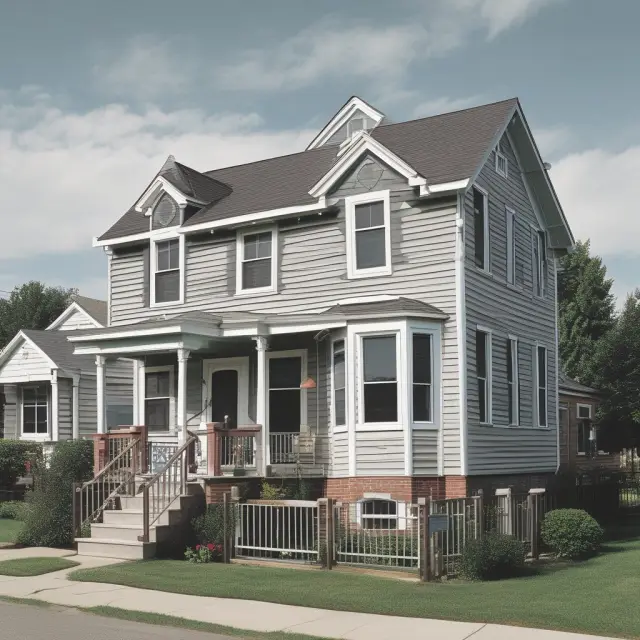
The Role of the Office of Fair Housing and Equal Opportunity (FHEO)
The U.S. Department of Housing and Urban Development (HUD) is dedicated to ensuring that everyone has access to equal housing opportunities, regardless of race, color, religion, sex, familial status, national origin, disability, or age. The Office of Fair Housing and Equal Opportunity (FHEO), a part of HUD, plays a pivotal role in enforcing fair housing laws and regulations.
Established in 1968 with the passage of the Federal Housing Administration Act, FHEO was initially known as the Office of Fair Housing. The name was later changed to its current title in 1985 when it became part of the U.S. Department of Housing and Urban Development.
FHEO’s mission is to eliminate housing discrimination, promote economic opportunity, and build inclusive communities. It does this by leading the nation in the enforcement, administration, development, and public understanding of federal fair housing laws. Some of the key laws FHEO enforces include:
- The Fair Housing Act of 1968: Prohibits discrimination in selling, renting, or financing a home based on race, color, religion, sex, familial status, national origin, or disability.
- Title VI of the Civil Rights Act of 1964: Forbids discrimination based on race, color, or national origin in programs and activities receiving federal financial assistance.
- Section 504 of the Rehabilitation Act of 1973: Ensures that people with disabilities receive equal access to HUD-assisted housing programs and benefits.
- The Americans with Disabilities Act (ADA) Titles II and III: Requires equal access to all housing, transportation, employment, public accommodations, and government services for individuals with disabilities.
Through its enforcement activities, FHEO investigates allegations of housing discrimination through fair housing complaint procedures. It also conducts compliance reviews of multifamily housing, real estate brokerages, and mortgage lending institutions to ensure adherence to fair housing laws and regulations. By addressing these violations, FHEO helps create more inclusive communities where everyone has the opportunity to thrive.
FHEO’s work extends beyond enforcement as it also provides grants to organizations for fair housing education, outreach, and training. This allows for continuous improvement in understanding and promoting fair housing policies and laws.
In summary, the Office of Fair Housing and Equal Opportunity (FHEO) is a crucial component of the U.S. Department of Housing and Urban Development, dedicated to ensuring equal access to housing opportunities for all individuals regardless of race, color, religion, sex, familial status, national origin, disability, or age. Its enforcement, administration, and development efforts have led to more inclusive communities where everyone has the chance to build a better future.

Ginnie Mae: Government-Backed Mortgage Securitization
As part of the U.S. Department of Housing and Urban Development (HUD), the Government National Mortgage Association (Ginnie Mae) plays a significant role in the housing sector by providing government backing for mortgage securities. Established in 1968, Ginnie Mae’s primary objective is to improve housing finance by facilitating access to affordable homeownership and rental opportunities.
The history of Ginnie Mae can be traced back to the National Housing Act of 1934. This act created the Federal Housing Administration (FHA), which later played a crucial role in developing the secondary mortgage market by insuring mortgages against default risk. To further expand the availability and accessibility of housing, Ginnie Mae was established as a government corporation within the Department of Housing and Urban Development to provide additional support through mortgage-backed securities (MBS).
The backing of Ginnie Mae provides essential benefits for both homebuyers and investors. For homebuyers, it results in lower mortgage interest rates because their mortgages are bundled into pools and sold as mortgage-backed securities. This security offers investors a steady stream of cash flows over time, making it an attractive investment option.
Ginnie Mae’s influence extends to multifamily housing as well. Through its Multifamily program, Ginnie Mae insures mortgages for apartment complexes and other multifamily properties. This backing encourages institutional investors to participate in the market, ensuring a steady supply of affordable rental housing.
The government backing also contributes to the stability of the housing sector by minimizing risk for both lenders and investors. By providing a guarantee on the timely payment of principal and interest on mortgage-backed securities, Ginnie Mae helps maintain liquidity in the secondary mortgage market, even during periods of economic instability or financial turmoil.
With its history of success and commitment to improving accessibility and affordability within the housing sector, Ginnie Mae continues to be a vital component of HUD’s mission to enhance community development and homeownership opportunities for all Americans.

HUD’s Impact on Disaster Recovery: Post-Katrina
In the aftermath of catastrophic events like Hurricane Katrina, the U.S. Department of Housing and Urban Development (HUD) plays a crucial role in disaster recovery efforts to help rebuild communities, restore housing, and provide aid for residents impacted by these disasters. Following Hurricane Katrina’s devastation in 2005, HUD became an instrumental player in the Gulf Coast region’s recovery process.
After the storm, Congress passed the Disaster Relief and Emergency Assistance Act of 2006. This legislation authorized $11.5 billion to be allocated by HUD for rebuilding communities affected by Hurricane Katrina. The funds were distributed to local governments, private organizations, and housing authorities to help finance the construction and repair of damaged properties, including rental units and single-family homes.
One of the primary programs HUD implemented following Hurricane Katrina was the Louisiana Road Home Program. This program provided financial assistance to eligible homeowners whose properties sustained substantial damage due to the hurricane. The funds were granted as grants rather than loans, meaning recipients did not have to pay them back. However, the application process for this program was complex, and some applicants faced challenges receiving their aid in a timely manner.
Another critical HUD initiative following Hurricane Katrina was the Disaster Housing Assistance Program (DHAP). This program helped renters and homeowners who did not meet specific eligibility requirements for other forms of federal assistance, such as Transitional Sheltering Assistance or the Louisiana Road Home Program. DHAP provided temporary rental assistance to eligible applicants until they could secure more permanent housing solutions.
The Gulf Opportunity Zone (GO Zone) program was another important part of HUD’s disaster recovery efforts following Hurricane Katrina. This program granted tax incentives to businesses and individuals investing in the affected areas, providing a financial boost for economic growth and job creation within these communities. The GO Zone program not only helped spur rebuilding efforts but also contributed significantly to the long-term sustainability of these areas.
HUD’s commitment to disaster recovery didn’t end with Hurricane Katrina. In recent years, the department has continued to provide aid during other natural disasters, such as Hurricane Sandy in 2012 and Hurricane Harvey in 2017. By providing funding for housing repair, temporary rental assistance, and economic development initiatives, HUD plays a vital role in helping communities recover from the devastating effects of major storms and disasters.
In summary, the U.S. Department of Housing and Urban Development (HUD) is a crucial government agency dedicated to improving affordable housing opportunities and eliminating discrimination within the housing market. Following Hurricane Katrina in 2005, HUD’s involvement in disaster recovery efforts became evident as it provided substantial financial assistance to impacted communities, helping rebuild homes, restore rental units, and support economic growth.

HUD’s Role in Affordable Rentals versus Subsidized Housing
While both affordable rentals and subsidized housing serve the common goal of providing living solutions for individuals and families in need, they differ significantly in their structures and administration. Understanding these differences is crucial in navigating the intricacies of HUD’s various programs.
Affordable Rentals refer to rental properties where the landlord sets rent prices below market rate but does not receive government subsidies directly for doing so. Instead, they benefit from tax incentives and grants provided by state or local governments or other sources that enable them to keep rents affordable while still maintaining profitability. These programs are designed to encourage developers to construct new rental properties or preserve existing ones, ensuring a sufficient supply of affordable housing options within the market.
Subsidized Housing, on the other hand, is government-subsidized housing where the tenant receives financial assistance to cover all or a significant portion of their rent payments. This assistance comes directly from federal, state, or local governments via programs such as the Housing Choice Voucher program (Section 8) and Public Housing. In public housing, units are owned and managed by HUD and its partners, while under Section 8, tenants use vouchers to choose their own rental properties that meet specific requirements.
The primary distinction between these two types of housing lies in their administration: affordable rentals rely on market forces and incentives, while subsidized housing is government-funded. While both offer vital solutions to the issue of housing affordability, they cater to different target populations and require varying levels of ongoing support from governments or other organizations.
Another crucial factor to consider when comparing affordable rentals versus subsidized housing is their potential impact on community development and local economies. Affordable rental properties can create economic opportunities by attracting a diverse tenant base that contributes to the stability of nearby neighborhoods. Additionally, they may encourage new private developments in areas experiencing gentrification or urban renewal projects.
Subsidized housing, however, can sometimes result in concentrated pockets of poverty and social issues, potentially leading to negative effects on local economies and community development. To mitigate these challenges, initiatives like HUD’s Choice Neighborhoods program focus on transforming distressed public housing sites into mixed-income communities that offer enhanced access to educational resources, employment opportunities, and improved infrastructure.
In summary, affordable rentals and subsidized housing each provide essential services for those in need of affordable housing solutions. By understanding the differences between these two types of housing and their unique challenges, stakeholders can better support community development efforts while ensuring that affordable housing remains accessible to all.
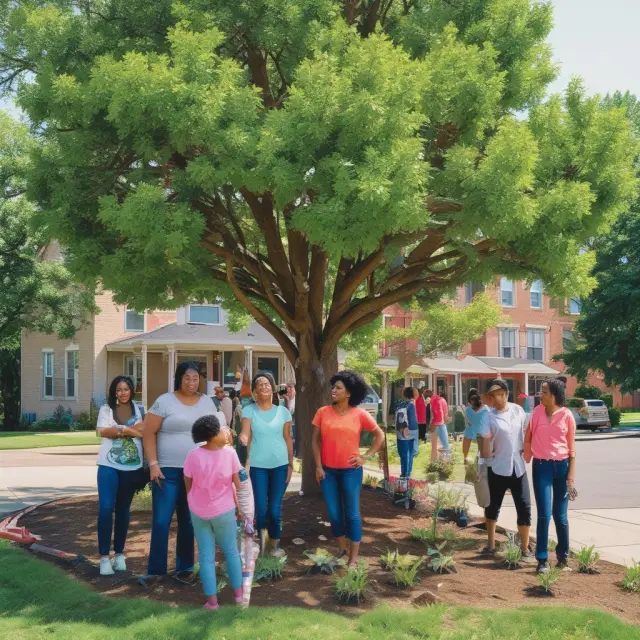
Understanding HUD: Its Structure, Leadership, and Funding Sources
The U.S. Department of Housing and Urban Development (HUD) is a vital government agency dedicated to improving affordable housing opportunities, supporting community development, and enforcing fair housing laws to create inclusive communities across the nation. Established in 1965 by President Lyndon Johnson as part of his Great Society agenda, HUD’s mission is to expand homeownership opportunities in urban areas while offering rental assistance for low-income families.
HUD is led by a cabinet member called the Secretary of Housing and Urban Development (currently Marcia Fudge), who is nominated by the president and confirmed by the Senate. The department has several offices that work together to achieve its goals, including the Office of Housing, Office of Public and Indian Housing, Office of Community Planning and Development, Office of Policy Development and Research, Office of Fair Housing and Equal Opportunity, and the Office of the General Counsel.
The Office of Housing is the largest office within HUD and oversees programs like the Federal Housing Administration (FHA), which provides mortgage insurance for single-family homes, multifamily properties, and healthcare facilities. Other rental assistance programs, including those for elderly and disabled individuals, are also managed by this office. The Office of Public and Indian Housing focuses on creating affordable housing opportunities through grants and loan guarantees to communities and organizations.
HUD’s funding comes from the U.S. Treasury and Congressional appropriations. The department manages more than 170 programs and administers over $50 billion in annual grants, loans, and other financial assistance. In addition, HUD offers various housing assistance programs like the Community Development Block Grant program and the Housing Choice Voucher (Section 8) program to help eligible families secure safe and affordable housing options.
The Community Development Block Grant program provides funding for local initiatives aimed at developing neighborhoods with decent, affordable housing. Applicants can apply for grants or loan guarantees to aid in development projects that benefit low- and middle-income residents. The Housing Choice Voucher program offers eligible individuals the opportunity to choose their own rental units while receiving financial assistance from the government.
To ensure equal opportunities in the housing market, HUD enforces the Fair Housing Act, which prohibits discrimination based on race, color, national origin, religion, sex, family status, and disability. The Office of Fair Housing and Equal Opportunity is responsible for investigating fair housing complaints, conducting compliance reviews, and managing fair housing grants.
HUD also works closely with various government agencies, private organizations, nonprofits, and faith-based groups to expand its reach in promoting community development and providing affordable housing solutions. After Hurricane Katrina, HUD played a significant role in disaster recovery efforts within the Gulf Coast region. The agency’s dedication to these initiatives helps create diverse, inclusive communities while addressing various housing challenges faced by low-income families, the elderly, and individuals with disabilities.

FAQ: Frequently Asked Questions about HUD and Its Programs
What is the U.S. Department of Housing and Urban Development (HUD)?
The Department of Housing and Urban Development (HUD) is a federal government agency founded in 1965 to improve access to affordable housing opportunities, support community development, and eliminate housing discrimination.
What is HUD’s mission?
HUD’s primary mission includes ensuring fair housing opportunities for all Americans, expanding the availability of affordable housing, and revitalizing distressed urban areas.
Which laws does HUD enforce regarding housing discrimination?
The Fair Housing Act, which prohibits discrimination in housing based on race, color, religion, sex, national origin, familial status, or disability, is enforced by HUD.
What programs does HUD offer to support affordable housing and community development?
Some of the most well-known programs include the Community Development Block Grant (CDBG) program and the Housing Choice Voucher (Section 8) program.
How can I apply for a HUD housing assistance program?
To learn about available programs, visit hud.gov or contact your local HUD office to determine eligibility and application requirements.
What is the role of the Office of Fair Housing and Equal Opportunity (FHEO) within HUD?
FHEO enforces fair housing laws and investigates discrimination complaints related to the sale, rental, and financing of housing.
How does HUD’s Community Development Block Grant program work?
CDBG grants provide funding for local projects that improve community infrastructure, address health and safety issues, and revitalize distressed neighborhoods.
What is the Housing Choice Voucher (Section 8) program, and how does it help families find housing?
The voucher program enables eligible families to choose their own rental unit and pay a portion of the rent while HUD subsidizes the remaining cost.
Who oversees public housing in the United States?
Public housing is managed by local Public Housing Authorities (PHAs) that receive funding from HUD to provide affordable, safe, and decent housing options for low-income individuals and families.
 Next entry · No. 5,355The U.S. Department of Veterans Affairs: Understanding Its Role, History, and Three Administrations
See also
-
 No. 5,351
01 Sep 2025
21 min
Understanding the Urban Development Act of 1970: Impacts, Programs, and Key Takeaways
Finance Policy
No. 5,351
01 Sep 2025
21 min
Understanding the Urban Development Act of 1970: Impacts, Programs, and Key Takeaways
Finance Policy -
 No. 5,255
24 Aug 2025
18 min
Understanding Uninsurable Property: Home Repairs and Insurance Implications
Real Estate
No. 5,255
24 Aug 2025
18 min
Understanding Uninsurable Property: Home Repairs and Insurance Implications
Real Estate -
 No. 4,332
10 Jun 2025
23 min
Understanding Redlining: History, Impacts, and Legalities in Finance and Real Estate
Real Estate
No. 4,332
10 Jun 2025
23 min
Understanding Redlining: History, Impacts, and Legalities in Finance and Real Estate
Real Estate -
 No. 3,881
04 May 2025
17 min
Understanding Owner-Occupancy: What It Is and How It Works
Real Estate
No. 3,881
04 May 2025
17 min
Understanding Owner-Occupancy: What It Is and How It Works
Real Estate -
 No. 1,811
10 Nov 2024
19 min
Understanding the Role and Impact of Government National Mortgage Association (Ginnie Mae)
Finance History
No. 1,811
10 Nov 2024
19 min
Understanding the Role and Impact of Government National Mortgage Association (Ginnie Mae)
Finance History -
 No. 5,901
17 Oct 2025
19 min
Zero-Lot-Line Houses: Understanding Pros and Cons for Institutional Investors
Real Estate
No. 5,901
17 Oct 2025
19 min
Zero-Lot-Line Houses: Understanding Pros and Cons for Institutional Investors
Real Estate