Understanding the Role and Workings of the U.S. House Financial Services Committee

Explore the functions and responsibilities of the U.S. House Financial Services Committee in shaping housing, banking and financial regulations.
Introduction to the U.S. House Financial Services Committee
The U.S. House Financial Services Committee is a key congressional body responsible for overseeing the financial services and housing sectors in America. This influential committee, founded in 1865, is made up of 60 members from the U.S. House of Representatives. Currently chaired by Democrat Maxine Waters from California, it plays a critical role in shaping legislation for banking, insurance, securities, and housing-related industries. Its jurisdiction extends to various federal departments such as the Department of the Treasury, the U.S. Department of Housing and Urban Development, the Federal Reserve, and the Securities and Exchange Commission. Additionally, it maintains oversight over government-sponsored entities (GSEs), like Fannie Mae and Freddie Mac. The Committee’s early name was ‘Committee on Banking and Currency,’ which evolved into its current title in 1968.
In today’s landscape, the USHFC has several significant priorities, including reevaluating and potentially replacing the Dodd-Frank Act, increasing Federal Reserve oversight, and combatting fraud, waste, and abuse across all programs under its jurisdiction. The committee has introduced several bills to address these issues; however, not all have been passed into law as of yet.
For instance, following the 2008 financial crisis, Dodd-Frank Act brought substantial regulation changes to the banking sector. Now, USHFC is advocating for its replacement to ease mortgage accessibility for Americans and make it simpler for them to start small businesses or use banking services. Another pressing matter involves bringing more transparency and scrutiny to the Federal Reserve, which the committee has addressed through a proposed bill.
The USHFC also tackles fraudulent activities and abuses of power within federal programs by providing an avenue for citizens to report such instances confidentially. Recently, the committee held hearings on money laundering and studied the impact driverless cars could have on the auto insurance industry.
In summary, the U.S. House Financial Services Committee is an essential congressional body that plays a significant role in shaping financial policy, with jurisdiction over various federal departments, agencies, and entities to ensure their effectiveness and transparency for the American people.
History of the U.S. House Financial Services Committee
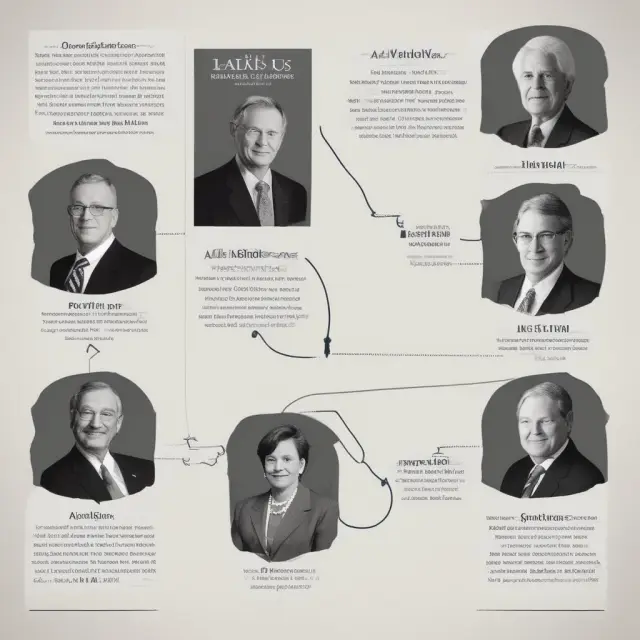
The U.S. House Financial Services Committee is a critical congressional body responsible for overseeing legislation related to financial services, housing, and urban development. Its members are all elected representatives in the U.S. House of Representatives. The committee’s jurisdiction encompasses government financial aid to industry and commerce, international finance, the insurance industry, securities and exchanges, and more. With a total of 60 members, half of whom are Republicans and half Democrats, the committee is instrumental in shaping financial policy for numerous sectors.
The origins of this influential body can be traced back to 1865 when it was initially established as the Committee on Banking and Currency. Later in 1968, it was renamed as the House Financial Services Committee (HFSC). Over its rich history, the committee has undergone several transformations, adapting to various economic conditions and legislative demands.
Past chairpersons of the HFSC have included notable figures like Barney Frank (D-MA), who served during the 2008 financial crisis, and Jeb Hensarling (R-TX), who led the committee from 2013 to 2019. The current chairman is Maxine Waters (D-CA), while Patrick McHenry (R-NC) acts as the ranking member.
The committee’s jurisdiction includes overseeing and regulating essential federal departments such as the U.S. Department of the Treasury, Department of Housing and Urban Development, Federal Reserve, and the Securities and Exchange Commission (SEC). Moreover, it holds oversight responsibilities for government-sponsored entities (GSEs) like Fannie Mae and Freddie Mac.
Originally created to assume responsibilities previously managed by the Ways and Means Committee, the HFSC has remained a crucial player in shaping the American financial landscape. Its influence is particularly evident during periods of economic turmoil or significant legislative changes. In recent years, the committee’s focus has been on replacing the Dodd-Frank Act and increasing oversight of the Federal Reserve to make it easier for Americans to obtain home mortgages, start businesses, and access banking services while promoting transparency and accountability.
Major Departments and Entities under USHFC Oversight
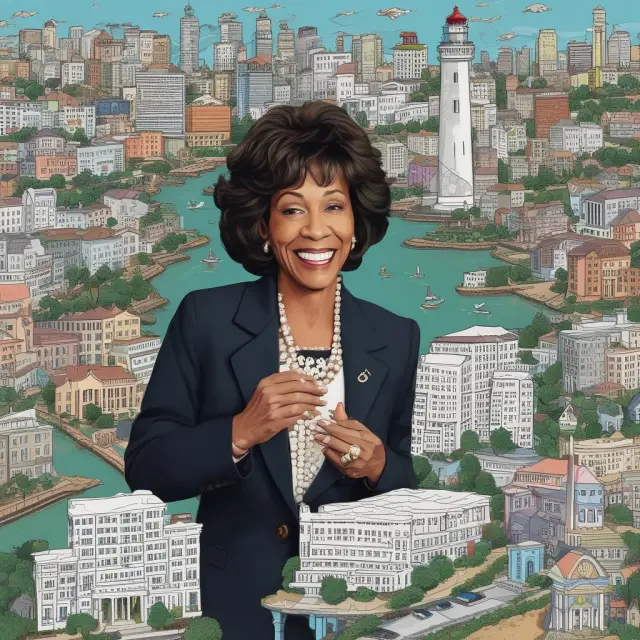
The U.S. House Financial Services Committee plays a crucial role in monitoring and legislating for various financial services, housing-related industries, and government entities within the United States. The committee is comprised of 60 members from the U.S. House of Representatives, with the current chairwoman being Maxine Waters (D-CA) and ranking member Patrick McHenry (R-NC). The committee’s jurisdiction spans numerous sectors, including banking, financial aid to industry and commerce, international finance, insurance, securities exchanges, urban development, housing-related matters, and more.
The House Financial Services Committee holds significant oversight power over several key federal departments: the Department of the Treasury, U.S. Department of Housing and Urban Development (HUD), Federal Reserve System, and Securities and Exchange Commission (SEC). It also oversees two Government-Sponsored Enterprises (GSEs) – Fannie Mae and Freddie Mac – which were created by the U.S. government to support the housing market.
The committee’s origins date back to 1865 when it was established as the Committee on Banking and Currency, later being renamed the House Financial Services Committee in 1968. Since its creation, the committee has evolved alongside the financial industry, adapting to address emerging issues and concerns.
In the current political climate, several significant topics are under the U.S. House Financial Services Committee’s scrutiny: efforts to replace the Dodd-Frank Act, increasing transparency and oversight of the Federal Reserve System, and combatting fraud and abuse in federal programs. The committee has also focused on tackling issues related to money laundering, homelessness, and the potential impact of driverless cars on the auto insurance industry.
One notable bill introduced by USHFC includes the Financial CHOICE Act, which aims to repeal the Dodd-Frank Act and replace it with more business-friendly regulations. This controversial legislation has garnered both praise from proponents who argue that it will stimulate economic growth and ease access to credit for consumers, as well as criticism from opponents who believe it would weaken financial protections put in place following the 2008 financial crisis.
Another crucial area of focus for USHFC is bringing more transparency and accountability to the Federal Reserve System by increasing oversight. In May 2018, a hearing was held on “Oversight of the Federal Reserve: Evaluating Its Role in Monetary Policy and Financial Regulation.” The committee has also introduced the Federal Reserve Transparency Act, which would require the Fed to disclose more details about its monetary policy decisions and financial transactions.
To tackle fraud and waste within federal programs under its jurisdiction, USHFC has established a hotline for citizens to confidentially report instances of suspected misuse of taxpayer funds or abuse of power. The committee has also held hearings on money laundering, specifically focusing on the role of virtual currencies in illicit activities and discussing potential regulatory strategies to mitigate these risks.
As technology continues to evolve, the U.S. House Financial Services Committee is keeping a watchful eye on emerging issues, such as driverless cars’ impact on auto insurance. In May 2018, the committee held a hearing on “Examining the Impact of Autonomous Vehicles on Insurance,” discussing the potential regulatory landscape and implications for insurers and consumers.
In conclusion, the U.S. House Financial Services Committee plays an essential role in shaping financial policy and overseeing critical entities within the United States. Its jurisdiction spans various industries and government departments, enabling it to tackle a wide range of issues, from housing policies to combatting fraud and abuse, to addressing emerging technologies’ impact on the financial sector. By staying informed about USHFC’s activities, you can stay engaged with important developments within the financial services industry and maintain a well-rounded understanding of its role in shaping the nation’s economic future.

Current Focuses and Issues for the U.S. House Financial Services Committee
As a pivotal player within the United States Congress, the U.S. House Financial Services Committee assumes a significant role in shaping legislation concerning financial services and housing-related industries. This committee is home to 60 esteemed members of the U.S. House of Representatives, with the current Democratic chairwoman, Maxine Waters from California, and Ranking Member Patrick McHenry, a Republican from North Carolina.
The jurisdiction of this committee extends to various federal departments and entities, encompassing the Department of the Treasury, the U.S. Securities and Exchange Commission (SEC), the Federal Housing Administration (FHA), the Federal Reserve System, and Government-Sponsored Enterprises (GSEs) such as Fannie Mae and Freddie Mac.
Currently, there are several pressing issues that garner the attention of the U.S. House Financial Services Committee:
1. Dodd-Frank Act Replacement: With the aim to ease regulations for Americans in accessing home mortgages, starting small businesses, and utilizing bank services like free checking, the committee has been advocating for the replacement of the Dodd-Frank Act since its inception in 2008.
2. Federal Reserve Oversight: In an effort to bring more transparency to the Federal Reserve System – the central bank of the United States – the committee has recently introduced a bill to increase oversight and scrutiny.
3. Combatting Fraud, Waste, and Abuse: The U.S. House Financial Services Committee continues its mission to safeguard American taxpayer dollars by addressing wasteful spending, abuses of power, and instances of fraud within federal programs under its purview. To facilitate citizen reporting, the committee has established a confidential reporting system for individuals to voice their concerns.
4. Money Laundering: In May 2018, the committee held hearings on the current state of money laundering in America and explored potential solutions to mitigate these illicit activities.
5. Homelessness: The committee has also focused on studying the root causes of homelessness and addressing its impact on American society as a whole.
6. Impact on the Auto Insurance Industry by Driverless Cars: As autonomous vehicles continue to evolve, the U.S. House Financial Services Committee is investigating their potential implications for auto insurance industry and how best to adapt to this transformative technology.
Each of these issues represents a crucial component of the committee’s responsibilities, working towards ensuring a stable financial system while upholding the interests and needs of the American public.
Impact of the U.S. House Financial Services Committee on American Housing
The U.S. House Financial Services Committee plays an integral role in shaping housing policies and programs within the United States, overseeing government entities responsible for housing-related matters, such as the Department of Housing and Urban Development (HUD) and Federal Housing Administration (FHA). The committee’s jurisdiction encompasses a wide range of housing concerns, including affordable housing, public housing assistance, community development programs, rental assistance, and housing finance.
Historically, the U.S. House Financial Services Committee has demonstrated its significance in addressing various housing issues. During the Great Depression era, the committee was instrumental in the creation of the Federal Housing Administration (FHA), which revolutionized homeownership opportunities for millions of Americans through subsidized mortgage financing and insurance.
More recently, the committee’s focus on housing has included affordable housing initiatives aimed at reducing homelessness and providing stable housing for low-income families. The Committee, in collaboration with HUD, oversees programs such as the Low Income Housing Tax Credit (LIHTC) and Section 8 rental assistance to help bridge the gap between housing costs and income levels.
The committee also plays a significant role in regulating government-sponsored enterprises (GSEs), including Fannie Mae and Freddie Mac, which provide essential liquidity and stability to the housing market. The Committee ensures that these entities operate within their mandates while maintaining financial stability and affordability for homeowners.
In the current political climate, the U.S. House Financial Services Committee’s focus on affordable housing is more crucial than ever. With rising housing prices and stagnating wages, many Americans struggle to secure affordable housing. The committee aims to ease regulations and promote policies that make it easier for individuals and families to access homeownership opportunities, while also ensuring the overall stability of the housing market.
One recent issue the committee has tackled is the replacement of the Dodd-Frank Act, which brought extensive new regulation to the banking industry following the 2008 financial crisis. The Committee’s efforts are aimed at streamlining regulations and providing relief for small banks while also ensuring consumer protection in various housing markets.
In addition to housing-related matters, the U.S. House Financial Services Committee is also responsible for overseeing the Federal Housing Administration (FHA), which provides mortgage insurance on loans made by approved lenders to eligible homebuyers. The committee’s role includes ensuring that FHA programs remain financially sound and effective, as well as addressing potential fraud or waste within the organization.
By maintaining a strong focus on housing policy and issues, the U.S. House Financial Services Committee has consistently provided a vital voice in shaping the financial landscape for American families and communities, making it an essential resource for understanding housing-related matters within the United States.

The Role of the U.S. House Financial Services Committee in Banking Regulation
As a leading congressional committee, the U.S. House Financial Services Committee plays a significant role in shaping banking regulations and maintaining a stable financial system for American consumers and businesses. This critical body is responsible for overseeing various federal departments, agencies, and entities related to financial services, housing, international finance, insurance, securities, and urban development. By effectively regulating these sectors, the committee aims to safeguard the public from potential risks while fostering economic growth.
History of Banking Regulation under USHFC:
The U.S. House Financial Services Committee was established in 1865 as the Committee on Banking and Currency, a predecessor to the present-day committee. Its primary objective was to address financial crises, such as bank failures, which were prevalent during that era. Over time, the committee’s jurisdiction expanded, evolving into its current form in 1968: the House Financial Services Committee.
Regulating Banks and Creating a Stable Financial System:
One of USHFC’s primary roles is regulating banks to create a stable financial system for American consumers. The committee ensures that banks operate under strict guidelines, minimizing risks associated with financial instability. By doing so, the committee provides a foundation for sustainable economic growth while promoting investor confidence.
Impact on Home Mortgages:
USHFC also plays a key role in influencing housing policies and programs by monitoring federal housing agencies. One of its objectives is to make it easier for Americans to obtain home mortgages, enabling them to become first-time homeowners. The committee’s work in this area can have significant impacts on the broader economy as real estate markets often contribute substantially to national economic growth.
Small Businesses and Consumer Banking Services:
The House Financial Services Committee also focuses on safeguarding small businesses and consumer banking services. By enforcing regulations that protect consumers against fraudulent practices, the committee fosters a business environment conducive to growth and expansion for both large and small enterprises. This, in turn, can lead to improved economic conditions and increased job opportunities.
Examples of USHFC’s Work:
One recent initiative taken by the House Financial Services Committee includes the proposed replacement of the Dodd-Frank Act with a bill called the “Making Accessible Broad-based Consumer Financial Protections” (MACCP) Act. This bipartisan legislation aims to streamline banking regulations while maintaining essential consumer protection standards.
Another area of focus for USHFC is addressing waste, fraud, and abuse within federal programs under its jurisdiction. The committee has established a citizen reporting system that allows individuals to confidentially report any suspected instances of wrongdoing directly to the committee for further investigation. This commitment to transparency and accountability helps ensure taxpayer dollars are used effectively and efficiently.
In conclusion, the U.S. House Financial Services Committee serves as a crucial player in shaping banking regulations and creating a stable financial system that benefits American consumers and businesses alike. By regulating banks, impacting home mortgages, safeguarding small businesses, and overseeing consumer banking services, USHFC plays an essential role in fostering economic growth and maintaining investor confidence.
Oversight of Government-Sponsored Enterprises (GSEs) by USHFC
The U.S. House Financial Services Committee holds significant influence over two critical government-sponsored enterprises, Fannie Mae and Freddie Mac. These GSEs are integral to the housing finance system and the overall stability of the financial sector in the United States. Understanding their role and USHFC’s jurisdiction over them is essential for investors and industry professionals.
History: Established in 1938, Fannie Mae (Federal National Mortgage Association) was designed to increase homeownership by purchasing mortgages from banks and other financial institutions. Freddie Mac (Federal Home Loan Mortgage Corporation), created in 1970, performs a similar role. Both organizations were placed under government conservatorship during the 2008 financial crisis, leading to USHFC’s increased oversight of their activities.
Current Focuses: USHFC plays an essential role in shaping regulations for these entities while ensuring they function efficiently and responsibly. One key focus is maintaining a balance between affordable housing and market stability. Another is preventing excessive risk-taking and reducing the potential for future bailouts. The committee also scrutinizes their operations to ensure fair treatment of taxpayers, as both Fannie Mae and Freddie Mac continue to rely on federal support.
The Impact: GSEs influence a significant portion of the U.S. mortgage market. As of 2017, approximately 45% of all mortgages were backed by one or both entities. Their role in housing finance is crucial for fostering homeownership and contributing to overall economic growth. In turn, USHFC’s oversight plays a significant part in maintaining confidence within the U.S. financial system.
In recent years, the committee has also taken steps to address potential fraud and waste within Fannie Mae and Freddie Mac. For example, it established an accessible reporting system for citizens to submit concerns regarding questionable activities or abuses of power within these entities. In addition, in May 2018, the committee held a hearing focusing on combatting fraud within the HUD’s Section 8 housing voucher program. While Fannie Mae and Freddie Mac are not directly responsible for managing this program, their roles as GSEs impacted by its operations highlight the importance of effective oversight and transparency.
In conclusion, USHFC plays a pivotal role in regulating, shaping, and overseeing the activities of Fannie Mae and Freddie Mac, two critical government-sponsored enterprises. This committee’s oversight is essential to ensuring their operations remain fair, efficient, and accountable while maintaining the stability of the broader financial system.

The U.S. House Financial Services Committee’s Fight Against Fraud, Waste, and Abuse
One crucial responsibility of the U.S. House Financial Services Committee (USHFC) is ensuring that American taxpayers’ hard-earned dollars are being used effectively and without waste or fraud within the financial services industry and related sectors. To achieve this goal, the committee employs a Citizen Response Center where individuals can confidentially report potential instances of mismanagement and fraud. This hotline empowers the public to play an active role in maintaining transparency and accountability within government entities under USHFC jurisdiction.
In addition to its ongoing efforts against waste, the committee has recently held several high-profile hearings addressing various forms of fraud and abuse. One such hearing focused on money laundering, a critical issue that can have severe consequences for both individual Americans and the integrity of the financial system as a whole. By shedding light on these practices and discussing potential solutions with industry experts, USHFC strengthens its commitment to upholding trust in our financial institutions and protecting citizens from harm.
Another hearing centered around addressing the current state of homelessness in America, highlighting the need for comprehensive solutions that address the root causes of this complex issue. Through these hearings, the committee plays a pivotal role in shaping policies aimed at improving the lives of millions of Americans and fostering an environment where everyone can thrive financially.
Furthermore, USHFC is closely examining the potential impact that driverless cars may have on the auto insurance industry as this emerging technology has the potential to fundamentally change the way Americans approach car ownership and risk management. By staying abreast of these developments and engaging in thoughtful discussions, the committee ensures it remains at the forefront of financial innovation and prepared to adapt regulations accordingly.
In conclusion, the U.S. House Financial Services Committee is an integral part of our government, tasked with safeguarding our financial system by promoting fairness, transparency, and accountability. Through its tireless efforts in combating fraud, waste, and abuse within the sectors under its jurisdiction, USHFC continues to strengthen trust in our financial institutions, protect citizens from harm, and ensure a stable economic future for all Americans.

USHFC’s Impact on the Auto Insurance Industry through Driverless Cars
Driverless or autonomous vehicles are poised to revolutionize the transportation sector, introducing new technologies and services, and potentially changing the landscape of various industries – including auto insurance. The U.S. House Financial Services Committee (USHFC) has taken an active role in studying the potential effects of this technological shift on the auto insurance industry.
The USHFC’s interest in driverless cars stems from their significant impact on risk assessment, pricing, and claims processing within the insurance sector. As a committee with jurisdiction over banking, housing, securities, and insurance industries, it is crucial for USHFC to understand these developments and assess any necessary regulatory responses or policy adjustments.
**Impact of Autonomous Vehicles on Risk Assessment and Pricing**
The traditional auto insurance industry relies heavily on factors such as driving history, age, gender, location, and vehicle make/model to determine risk profiles and pricing structures for their customers. However, driverless cars may drastically change these assessments due to the following reasons:
- Reduced Accident Rates: Autonomous vehicles are designed to minimize human error, which is a significant cause of accidents. As a result, insurance companies might need to adjust their pricing models to account for fewer accidents and reduced risk.
- New Risks and Challenges: Driverless cars may introduce new risks such as cybersecurity concerns, software vulnerabilities, hacking attacks or potential malfunctions that could increase claims. Insurance providers must be prepared to adapt their policies to address these emerging risks.
- Data Collection and Analysis: With the vast amounts of data generated by driverless cars, insurance companies have an unprecedented opportunity to analyze driving patterns, identify trends, and adjust pricing models accordingly.
**Implications for Claims Processing**
Driverless cars could potentially impact claims processing in several ways. For instance:
- Faster Response Times: Autonomous vehicles are expected to generate real-time data on accidents and damages, allowing insurance companies to process claims more quickly and efficiently.
- Decreased Fraud: The ability to collect and analyze data in real-time could help insurers detect fraudulent claims or suspicious patterns that might go unnoticed with traditional methods.
- Increased Transparency: Autonomous cars can share data with insurance companies directly, making the claims process more transparent for all parties involved.
**USHFC’s Role and Response**
The U.S. House Financial Services Committee has acknowledged the impact that driverless cars could have on the auto insurance industry and the need for a regulatory response. In May 2018, the committee held a hearing titled “Examining the Impact of Autonomous Vehicles on the Insurance Industry.” The purpose was to discuss how these vehicles will change risk assessment, pricing, and claims processing within the insurance sector. This hearing provided an opportunity for experts from academia, the private sector, and government to share their perspectives and insights.
The USHFC’s active involvement in this issue highlights its commitment to understanding the far-reaching implications of technology on various industries under its jurisdiction and ensuring that appropriate regulatory measures are taken to ensure consumer protection and financial stability.
The Future Role and Importance of the U.S. House Financial Services Committee
As the financial sector continues to evolve, so too does the role of the U.S. House Financial Services Committee (USHFC). This powerful congressional committee plays a pivotal role in shaping the future of finance and investing in America. With oversight over several key government departments and entities, USHFC holds significant influence in regulating industries that impact professional and institutional investors.
One of the most critical issues currently under consideration by the committee is the Dodd-Frank Act. Passed following the 2008 financial crisis, this legislation brought extensive regulation to the banking sector. However, some argue that these regulations have stifled growth and accessibility for individuals looking to secure home mortgages or start small businesses. USHFC is working on potential reforms aimed at easing restrictions, making it easier for Americans to access essential financial services.
Moreover, the committee is actively pushing for greater transparency and accountability within the Federal Reserve. With a recent bill introduced to provide more oversight of the central bank, USHFC aims to protect taxpayer dollars while ensuring the Fed maintains its critical role in stabilizing the U.S. financial system.
Another essential aspect of the committee’s work involves combating fraud, waste, and abuse within government programs under their jurisdiction. The creation of a citizen reporting system enables individuals to confidentially alert USHFC about any potential misuse or mismanagement of funds. This proactive approach not only demonstrates the committee’s commitment to accountability but also strengthens public trust in the institutions it oversees.
Furthermore, the rise of emerging technologies and trends, such as driverless cars, are posing new questions for USHFC. As the auto insurance industry adapts to this shift, the committee is studying its potential impact on consumers and regulators alike. This forward-thinking approach ensures the committee remains at the forefront of financial policy decisions that matter most to American citizens and professional investors.
In summary, the U.S. House Financial Services Committee’s role in shaping financial policy for both individual and institutional investors cannot be overstated. Through its oversight of key departments and entities, focused regulatory efforts, and dedication to transparency and accountability, USHFC is vital in fostering a stable, efficient, and fair financial system for all Americans.
FAQs
What is the U.S. House Financial Services Committee?
The U.S. House Financial Services Committee is a congressional committee that oversees legislation and regulations regarding financial services, housing industries, international finance, insurance, securities exchanges, urban development, and related matters in the United States. It has jurisdiction over several key government departments such as the Department of Treasury, Housing and Urban Development, Federal Reserve, and SEC, as well as GSEs like Fannie Mae and Freddie Mac.
**Who are the members of the U.S. House Financial Services Committee?**
The committee has 60 congressional members, with a majority being Republicans, and a Democrat serving as the chairwoman (currently Maxine Waters) and a Republican ranking member (Patrick McHenry).
**What is the history of the USHFC?**
Established in 1865, it was initially known as the Committee on Banking and Currency. The committee was renamed as the House Financial Services Committee in 1968. Throughout its long history, it has played a significant role in shaping financial policy for American industries and citizens.
**What are the current focuses of USHFC?**
Some of the primary concerns for the committee include:
– Replacing Dodd-Frank Act (financial regulations enacted after the 2008 crisis) to promote easier access to home mortgages and bank services.
– Increasing oversight on Federal Reserve operations.
– Combating fraud, waste, and abuse within federal programs under its jurisdiction.
– Addressing the issue of money laundering.
– Studying the potential impact of driverless cars on auto insurance.
**What government departments and entities does USHFC oversee?**
Some of the major entities and departments under USHFC oversight are:
– Department of Treasury
– U.S. Department of Housing and Urban Development
– Federal Reserve
– SEC
– Fannie Mae
– Freddie Mac
**How can citizens report fraud, waste, or abuse?**
A confidential reporting system has been established for citizens to report any instances of fraud, waste, or abuse within federal programs under USHFC jurisdiction.
 Next entry · No. 5,357Understanding the Role and Impact of the U.S. Agency for International Development (USAID)
See also
-
 No. 5,203
20 Aug 2025
21 min
Understanding the Role and Types of Underwriters in Finance and Investment
Business Finance
No. 5,203
20 Aug 2025
21 min
Understanding the Role and Types of Underwriters in Finance and Investment
Business Finance -
 No. 4,791
17 Jul 2025
20 min
Understanding Subordination Agreements: Prioritizing Debts in Finance and Investment
Business Finance
No. 4,791
17 Jul 2025
20 min
Understanding Subordination Agreements: Prioritizing Debts in Finance and Investment
Business Finance -
 No. 3,398
25 Mar 2025
21 min
Negative Gearing: Understanding the Tax Strategy for Professional Investors
Business Finance
No. 3,398
25 Mar 2025
21 min
Negative Gearing: Understanding the Tax Strategy for Professional Investors
Business Finance -
 No. 2,877
11 Feb 2025
21 min
Understanding Life Settlements: A Comprehensive Guide for Institutional Investors
Business Finance
No. 2,877
11 Feb 2025
21 min
Understanding Life Settlements: A Comprehensive Guide for Institutional Investors
Business Finance -
 No. 2,457
08 Jan 2025
20 min
Internal Controls: Mechanisms, Rules, and Procedures for Financial Reporting Integrity, Accountability, and Fraud Prevention
Business Finance
No. 2,457
08 Jan 2025
20 min
Internal Controls: Mechanisms, Rules, and Procedures for Financial Reporting Integrity, Accountability, and Fraud Prevention
Business Finance -
 No. 985
11 Jul 2024
19 min
Understanding Demand Drafts: Prepaid Instruments for Institutional Transfers
Business Finance
No. 985
11 Jul 2024
19 min
Understanding Demand Drafts: Prepaid Instruments for Institutional Transfers
Business Finance