Understanding the Role and Impact of the U.S. Agency for International Development (USAID)
Understanding the role and impact of USAID: Responsibilities, budget, controversies, & geographical focus in shaping international development and U.S.…
Background: Establishment of USAID
President John F. Kennedy’s call for expanded civilian foreign aid programs paved the way for the creation of the U.S. Agency for International Development (USAID) in 1961. This independent federal agency is charged with overseeing the administration of American civil assistance to foreign countries. Key Takeaways:
– Established by Presidential Executive Order and the Foreign Assistance Act of 1961, USAID manages the U.S. government’s civilian foreign aid programs.
– The agency is subject to guidance from the President, Secretary of State, and National Security Council, with its administrator and deputy administrator appointed by the president and confirmed by the Senate.
– USAID oversees an annual budget of over $20 billion, primarily sourced from U.S. State Department appropriations.
The roots of USAID can be traced back to informal technical missions in the late 19th and early 20th centuries, when American experts traveled to Asia and Latin America to share industrial techniques, economic policy, and other knowledge with developing nations. Later, after World War I, the American Relief Administration was formed to provide humanitarian assistance to post-war Europe.
During the Cold War, the U.S. found itself in competition with the Soviet Union for influence over “third-world” countries. In this era, civilian assistance played a significant role in shaping foreign policy, as the U.S. aimed to reduce poverty and increase production in developing nations to create markets for American goods. The Marshall Plan (launched in 1948), which saw the U.S. invest $13.3 billion (or approximately $143 billion in current dollars) in European reconstruction, serves as a prime example of this strategy’s success.
With the global landscape shifting in the post-World War II era, President Kennedy ordered the State Department to establish an independent agency dedicated to coordinating civilian foreign aid programs. By doing so, he sought to further American interests abroad while enhancing the lives of people in developing countries. Thus, USAID was born.

Mandate and Functions
The U.S. Agency for International Development (USAID) plays a crucial role in shaping the international development landscape, providing vital assistance to foreign countries on behalf of the United States. With a mandate to administer civilian foreign aid programs, USAID addresses a wide range of global challenges, including disaster relief, technical assistance, poverty alleviation, and economic development.
President John F. Kennedy established USAID in 1961 with the signing of the Foreign Assistance Act into law. As an independent federal agency, USAID has distinct responsibilities that include implementing more than $20 billion in combined annual appropriations from the U.S. government, primarily sourced from the State Department (Congressional Research Service, 2021). These funds enable USAID to provide assistance to over 120 nations around the world.
USAID’s mandate extends beyond simply distributing aid; the agency collaborates with recipient countries and organizations to ensure sustainable development solutions. USAID programs encompass a variety of sectors, including health, education, agriculture, economic growth, democracy and governance, and environment (USAID, n.d.). By providing technical expertise, funding, and partnerships, USAID empowers communities and governments to address their unique challenges and foster long-term progress.
USAID’s areas of focus reflect its commitment to furthering American interests abroad and improving lives in the developing world. The agency invests heavily in health initiatives, with an emphasis on maternal and child health, infectious diseases, and nutrition (USAID, 2017). Additionally, USAID plays a significant role in disaster response, providing critical humanitarian assistance to countries hit by natural disasters or conflict.
The geographical distribution of USAID aid reflects its global reach. Sub-Saharan Africa is the largest recipient region, receiving approximately 39% of total distributions (USAID, 2017). The primary focus in these countries is on health and humanitarian efforts, addressing pressing issues such as HIV/AIDS, malaria, tuberculosis, and water and sanitation.
USAID’s creation was influenced by a historical context marked by U.S. technical missions, post-war humanitarian assistance, and geopolitical competition during the Cold War era (Thomas, 2014). Kennedy’s call for expanding civilian foreign aid programs led to the formation of USAID as an independent agency, enabling it to coordinate and implement these initiatives effectively and efficiently.

Governance
The U.S. Agency for International Development (USAID) is a standalone federal agency responsible for implementing the U.S. government’s civilian foreign assistance programs. Established by Executive Order 10924 on September 22, 1961, USAID was founded in response to President John F. Kennedy’s call for expanding America’s civilian foreign aid initiatives.
Despite its independence, USAID does not operate in a vacuum. The agency’s operations are guided by the President, the Secretary of State, and the National Security Council. These entities play vital roles in ensuring that USAID aligns with U.S. foreign policy objectives while effectively addressing the needs of the beneficiary nations.
USAID is governed by an Administrator and a Deputy Administrator, both appointed by the President and confirmed by the Senate. The agency’s budget, totaling over $20 billion in annual appropriations, primarily comes from the U.S. State Department. With a presence in more than 120 countries, USAID remains a significant player in international development and diplomacy.
To provide context, it is important to understand the historical foundations of USAID. Its roots trace back to informal technical missions during the late 19th and early 20th centuries. These missions saw American experts share knowledge and skills with countries outside Europe and Asia. Following World War II, formal aid programs such as the American Relief Administration (ARA) and the Marshall Plan emerged, reflecting a broader shift in U.S. foreign policy to support economic growth and development abroad. The end of the Cold War further solidified this approach, setting the stage for USAID’s establishment in 1961.
The intricacies of governance within USAID warrant further exploration. The President sets the overall direction for the agency, while the Secretary of State provides political oversight. The National Security Council plays a critical role in advising the president on national security issues and foreign policy matters, ensuring that USAID aligns with U.S. strategic interests.
In summary, USAID’s governance structure reflects its mission to balance humanitarian aid with geopolitical considerations while maintaining the agency’s independence and expertise. This delicate balance has shaped USAID’s role in shaping international development and U.S. foreign policy for over six decades.
Budget and Financing
The U.S. Agency for International Development (USAID) plays a significant role in shaping international development and furthering American interests abroad through its civil aid programs. To understand this crucial organization, it is essential to explore the budgetary aspects of USAID, including its funding sources and distributions.
USAID’s Financing: An Overview
The U.S. Agency for International Development receives a substantial portion of its funding from the U.S. State Department’s budget, with more than $20 billion in combined annual appropriations. The agency is an independent federal entity under the guidance of the President, the Secretary of State, and the National Security Council (NSC).
Appropriations and Sources
The majority of USAID’s funding comes from the U.S. government through annual appropriations granted by the Congress to the Department of State. Other sources include private donors, international organizations like the World Bank, and intergovernmental agencies. These partnerships are instrumental in amplifying the reach and impact of USAID initiatives.
Geographical Allocation: Africa’s Significance
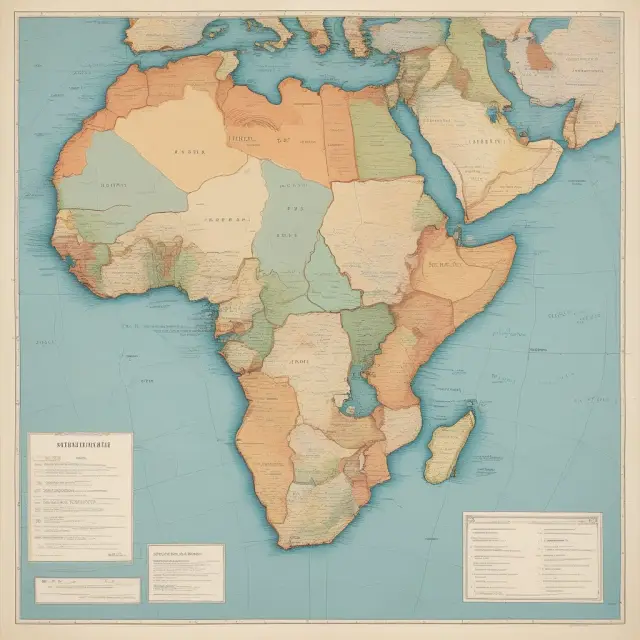
Sub-Saharan Africa receives approximately 39% of all USAID distributions, with most funding channeled toward health and humanitarian efforts. This region is crucial for USAID due to its high poverty rates, numerous conflicts, and significant economic challenges, making it an area where American aid can have a profound impact on improving the lives of millions.
Top Recipients: A Global Perspective
The top recipients of USAID funding are countries like Jordan, Afghanistan, Ethiopia, Yemen, Democratic Republic of Congo, Nigeria, Syria, South Sudan, Kenya, and Iraq. These nations have specific needs that require significant international assistance to promote growth, stability, and development.
Historical Precedents: The Marshall Plan and Cold War Era Assistance
USAID’s roots can be traced back to the early 20th century when informal technical missions were sent by the U.S. government to provide knowledge and expertise in various fields to developing nations. During and after World War II, significant civilian assistance efforts like the American Relief Administration (ARA) and the Marshall Plan contributed to shaping a new era of international development and U.S. foreign policy objectives. The latter saw the U.S. invest billions in post-war European economies to rebuild and create markets, establishing the foundation for ongoing aid programs like USAID.
In conclusion, understanding the budgetary aspects of USAID is crucial to appreciating its role in shaping international development and furthering American interests abroad. The agency’s financing comes primarily from annual appropriations granted by the U.S. Congress, with significant contributions from private donors and international organizations. By focusing on critical areas like Sub-Saharan Africa and partnering with recipient countries, USAID strives to improve lives and foster progress in the developing world.
Geographical Focus: Africa
The geographic focus of USAID’s assistance has been predominantly on Sub-Saharan Africa, where it distributes approximately 39% of its total annual appropriations. The primary sectors that receive funding in this region include health and humanitarian efforts. In the context of a historically underdeveloped continent plagued by various crises—including armed conflicts, natural disasters, and chronic poverty—USAID’s involvement has been instrumental in alleviating suffering and improving overall conditions.
The focus on Africa is not surprising, as the region accounts for nearly half of the global burden of disease, with infectious diseases such as HIV/AIDS, malaria, tuberculosis, and neglected tropical diseases being endemic. As a result, health-related initiatives dominate USAID’s interventions in this part of the world. These efforts include:
- Disease prevention: Vaccination campaigns to eradicate measles and polio, as well as programs to combat malaria, tuberculosis, and HIV/AIDS.
- Maternal and child health: Improving access to essential prenatal and postnatal care services, focusing on the reduction of maternal mortality rates.
- Nutrition: Addressing malnutrition through the provision of food aid, fortified foods, and nutritional education programs.
- Water, sanitation, and hygiene (WASH): Ensuring access to safe drinking water, improved sanitation facilities, and promoting good hygiene practices to prevent waterborne diseases.
Beyond health-related efforts, humanitarian assistance also plays a significant role in the region. This aid is provided in response to natural disasters such as droughts, floods, and cyclones, as well as conflict situations that result in displacement and forced migration. The USAID Disaster Assistance Response Team (DART) is deployed to assess damage and coordinate relief efforts in response to these crises.
It’s worth noting that while Sub-Saharan Africa remains a significant recipient of USAID assistance, other regions and countries also receive aid for various reasons. For example, the Middle East has seen increased attention due to political instability and conflicts, such as the ongoing Syrian Civil War. Eastern Europe and Central Asia have seen an influx of funding in response to economic transition following the fall of the Soviet Union.
In conclusion, USAID’s focus on Sub-Saharan Africa is driven by the region’s unique needs, particularly in health and humanitarian efforts. The agency’s initiatives have been instrumental in mitigating crises, preventing diseases, and improving overall conditions for millions of people across the continent. While other regions may require different interventions based on their specific circumstances, the importance of providing civilian foreign aid remains a crucial component of U.S. foreign policy.
Recipient Countries and Funding Allocation
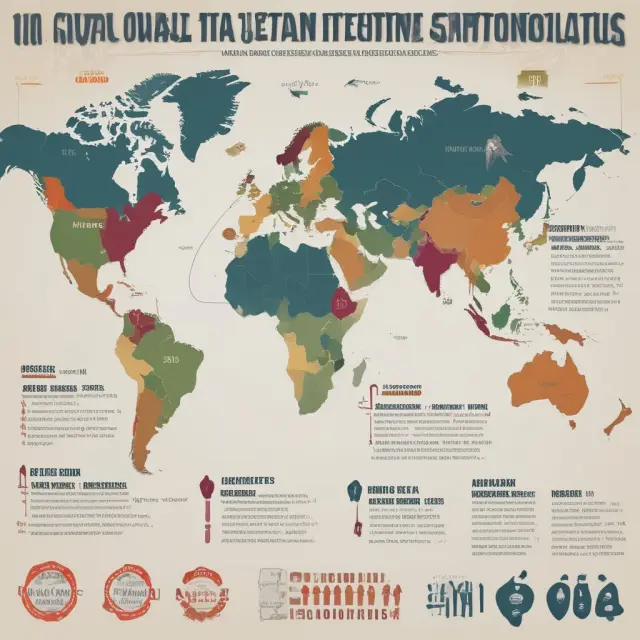
The U.S. Agency for International Development (USAID) is a vital instrument in shaping international development and advancing American interests abroad. In 2019, USAID distributed over $23 billion in foreign assistance. Of this amount, approximately 40% was allocated to the top ten recipient countries: Jordan, Afghanistan, Ethiopia, Yemen, Democratic Republic of Congo, Nigeria, Syria, South Sudan, Kenya, and Iraq.
**Jordan (8.7% of USAID’s total disbursements)**
A longtime ally, Jordan has received significant support from the United States for economic development, disaster relief, and humanitarian assistance. The country hosts over 1 million Syrian refugees and is a vital partner in regional stability. USAID aid to Jordan focuses on education, water, energy, and economic growth.
**Afghanistan (7.4%)**
With ongoing conflict, security challenges, and fragile governance structures, Afghanistan has been one of the largest recipients of U.S. foreign assistance since 2001. USAID prioritizes support for education, health services, infrastructure, and governance initiatives.
**Ethiopia (6.4%)**
The second most populous country in Africa, Ethiopia is a key recipient of US aid, primarily focused on health, education, and food security programs. As the fastest-growing economy in the region, Ethiopia has become an attractive partner for international development efforts.
**Yemen (5.8%)**
The ongoing humanitarian crisis in Yemen has forced millions to rely on foreign assistance. USAID’s involvement includes food security and health programs, as well as emergency response efforts during natural disasters or conflicts.
**Democratic Republic of Congo (4.9%)**
The largest country in Africa, the Democratic Republic of Congo is a significant recipient of U.S. foreign assistance due to its immense size and complex political landscape. USAID prioritizes support for health services, education, and economic growth initiatives.
**Nigeria (4.6%)**
Home to the largest population in Africa, Nigeria faces numerous development challenges, including poverty, conflict, and environmental degradation. USAID has focused on improving governance, promoting economic growth, and addressing humanitarian crises.
**Syria (3.8%)**
The ongoing Syrian conflict has created a complex humanitarian crisis requiring significant international intervention. USAID provides support for emergency response efforts, education, health services, and food security programs in the region.
**South Sudan (3.6%)**
Since gaining independence from Sudan in 2011, South Sudan has faced numerous challenges related to governance, conflict, and economic instability. USAID’s involvement includes support for humanitarian assistance, peacebuilding efforts, and economic development initiatives.
**Kenya (3.4%)**
A key regional power and a major recipient of U.S. foreign aid, Kenya has seen significant improvements in economic growth, education, and health services. USAID continues to focus on promoting democratic governance, addressing poverty, and improving access to education and healthcare.
**Iraq (3.1%)**
With ongoing political instability and security challenges, Iraq remains a key recipient of U.S. foreign assistance. USAID’s efforts include support for economic growth, education, health services, and governance initiatives.
Understanding the recipient countries’ funding allocation can provide valuable insights into USAID’s priorities and its impact on international development. The agency’s commitment to addressing the needs of these countries demonstrates its dedication to improving lives and advancing American interests abroad.
Precedents: The Marshall Plan and Cold War Era Assistance
The historical backdrop of the U.S. Agency for International Development (USAID) is deeply rooted in both humanitarian aid efforts and geopolitical dynamics, as seen through precedents such as informal technical missions, the American Relief Administration, and the Marshall Plan.
Prior to USAID’s establishment, informal technical missions played a significant role in disseminating knowledge to developing countries in various sectors like agriculture, industry, health, and education during the late 19th and early 20th centuries. These missions, often supported by government assistance, aimed at sharing industrial techniques, economic policies, and other expertise to help spur development.
Following World War I, the American Relief Administration (ARA) was formed in 1919 to provide humanitarian relief to war-ravaged Europe. The ARA’s success in providing food and medical aid demonstrated the power of foreign assistance in saving lives and reducing suffering.
During the aftermath of World War II, the Marshall Plan served as a significant precedent for large-scale U.S. civilian foreign aid programs. The plan, launched in 1947 through a speech by Secretary of State George Marshall, provided roughly $13.3 billion (or $143 billion in real terms) to help rebuild war-torn European economies, making it one of the most effective U.S. aid programs in history.
The Cold War era brought intense geopolitical competition between the Soviet Union and the United States, resulting in a focus on winning the favor of developing countries through both military and civilian assistance programs. President Harry S. Truman recognized the importance of international aid as a cornerstone of U.S. foreign policy. This strategy aimed to create markets for American goods by reducing poverty and increasing production in developing nations, setting the stage for the establishment of an independent agency to coordinate civilian foreign aid. It was within this context that President John F. Kennedy ordered the State Department to establish USAID in 1961.
USAID’s creation can be traced back to a long lineage of humanitarian and development efforts that paved the way for more formalized, large-scale civilian foreign aid programs. The Marshall Plan’s success in rebuilding Europe and the need for strategic influence in the geopolitically tumultuous post-World War II era served as driving factors behind the creation of USAID.
Criticisms and Controversies
USAID’s role as a primary provider of U.S. international assistance has not been without controversy. Critics argue that USAID may lack transparency, and its funding can be politically motivated. One controversial aspect is the extent to which USAID’s efforts are driven by geopolitical considerations rather than development needs alone. This was particularly evident during the Cold War era when U.S. aid was used to counter Soviet influence abroad.
Some high-profile cases have fueled these concerns, such as USAID’s involvement in regime change efforts. For instance, in 1953, the CIA and USAID collaborated on a campaign to overthrow Iranian Prime Minister Mohammad Mosaddegh due to his nationalization of oil companies, which threatened U.S. interests. This operation, known as TP-AJAX, was carried out under the guise of providing economic assistance.
Another contentious issue involves USAID’s relationship with recipient governments and non-governmental organizations (NGOs). The agency often faces challenges in coordinating efforts with local authorities or ensuring that funds are used effectively. This can result in wasted resources and, at worst, may contribute to instability or even harm intended beneficiaries.
Despite these criticisms, USAID remains a powerful force for good, promoting economic development and addressing critical global issues like health, education, and humanitarian crises. Evaluations of USAID projects show that they have had significant positive impacts on the recipients. For example, in the late 1970s and early 1980s, USAID’s support for the Green Revolution in India led to a dramatic increase in agricultural productivity and reduced hunger.
In conclusion, while USAID has faced criticisms regarding its transparency, effectiveness, and potential political motivations, it remains an essential tool for advancing U.S. foreign policy goals and improving lives around the world. By continuing to adapt and learn from past mistakes, the agency can further strengthen its impact in shaping global development and addressing critical human needs.

Impact Assessment
Since its creation, USAID has played a significant role in shaping international development and furthering U.S. foreign policy objectives. This section provides an evaluation of USAID’s impact on various development indicators and its relationship with U.S. foreign policy.
The Effectiveness of USAID
USAID’s effectiveness is often debated among scholars, policymakers, and the public alike. Several studies have attempted to assess the impact of foreign aid, including a 2017 study published in the Quarterly Journal of International Development that found “a robust and positive relationship between USAID presence and economic growth.” Another study by the Center for Global Development revealed that countries with greater USAID assistance experienced faster reductions in child mortality. These findings suggest that USAID can positively influence development outcomes, but it is essential to recognize that foreign aid’s effectiveness depends on various factors, including recipient country context and the design and implementation of aid programs.
Aid Dependence and Sovereignty
One criticism leveled against USAID is that its assistance can lead to a dependency on foreign aid, potentially undermining the sovereignty of recipient countries. In some cases, USAID projects have been perceived as intrusive or paternalistic, fueling resentment and opposition from local populations. However, other studies argue that foreign aid can foster greater ownership and capacity-building within recipient countries when implemented in a collaborative and sustainable manner.
USAID and U.S. Foreign Policy
The relationship between USAID and U.S. foreign policy is complex and multifaceted. While the primary goal of USAID is to improve lives in the developing world, its programs can also serve geopolitical interests. For instance, during the Cold War, U.S. aid was often used as a tool to counteract the influence of the Soviet Union. Today, U.S. aid serves various foreign policy objectives, such as promoting democracy and human rights, addressing global health crises, or supporting regional stability.
Examples of USAID Impact
Numerous examples demonstrate the impact of USAID on development outcomes in various regions. For instance, in Indonesia, USAID’s support for education reform led to a significant increase in primary school enrollment and improved student learning outcomes. In Senegal, USAID’s water and sanitation projects have contributed to a 30% decrease in diarrhea cases among children under five years old. Similarly, in Central America, USAID’s economic development programs have helped reduce poverty rates by more than 50% over the past decade.
In conclusion, the U.S. Agency for International Development has been a crucial player in international development and U.S. foreign policy since its creation. While its effectiveness is open to debate, numerous studies suggest that USAID can positively impact development outcomes, provided it is implemented collaboratively and sustainably. The relationship between USAID and foreign policy objectives remains complex, as aid programs can serve both development and geopolitical interests. Ultimately, the continued success of USAID relies on its ability to adapt to changing global contexts and to collaborate with recipient countries in a respectful, effective manner.
Conclusion
The U.S. Agency for International Development (USAID) has been a cornerstone of American efforts to shape international development since its creation by President John F. Kennedy in 1961. Its establishment was part of a broader trend towards expanding civilian foreign aid programs, driven by both humanitarian impulses and the desire to further U.S. interests abroad. The agency’s role has evolved over the decades but remains central to American foreign policy, with an annual budget of over $20 billion.
As the primary administrator of federal civilian foreign assistance, USAID implements various programs ranging from disaster relief to poverty alleviation and economic development. Its geographical focus spans more than 120 countries, with a significant portion (approximately 39%) allocated for Sub-Saharan Africa, where health and humanitarian efforts dominate the aid landscape.
To understand USAID’s role in international development and its relationship with U.S. foreign policy, it is essential to explore its history. The roots of American civilian assistance can be traced back to pre-World War I technical missions, while more formal programs emerged after World War II and the onset of the Cold War. Among these early initiatives were the American Relief Administration and the Marshall Plan, which paved the way for an expanded U.S. role in international development.
The establishment of USAID represented the culmination of this trend and built upon previous efforts to spread knowledge, industrial techniques, and economic policy to developing countries. By providing aid and promoting growth, the U.S. aimed to create markets for American products and foster stable political alliances. The significance of this mission is underscored by the fact that the agency’s administrator and deputy administrator are appointed by the president and confirmed by the Senate.
The impact of USAID can be seen in the lives it has touched and the development indicators it has influenced around the world. In various countries, USAID-supported programs have led to improvements in health care, education, and economic stability, among other areas. Yet, despite its many successes, USAID faces criticisms and controversies surrounding its effectiveness, transparency, and political motivations. As the global development landscape continues to evolve, it is crucial for the U.S. to examine the role of foreign aid in achieving its foreign policy objectives and promoting sustainable development.
FAQ
What is the U.S. Agency for International Development (USAID)?
USAID is a government agency responsible for providing civilian foreign assistance, including disaster relief, technical assistance, poverty alleviation, and economic development. Established in 1961, the agency operates independently but receives guidance from the President, Secretary of State, and National Security Council. USAID manages more than $20 billion in combined annual appropriations, primarily sourced from the U.S. State Department, to benefit over 120 countries around the world.
What percentage of USAID funding goes to Sub-Saharan Africa?
Approximately 39% of USAID distributions are allocated for Sub-Saharan Africa. The majority of this funding is focused on health and humanitarian efforts.
Who leads USAID?
The administrator and deputy administrator of USAID are appointed by the President and confirmed by the Senate to lead the agency.
What was the impetus for creating USAID?
USAID was established in 1961 as part of President Kennedy’s call to expand civilian foreign aid programs, which gained momentum during the Cold War era due to competition between the U.S. and Soviet Union for influence over developing nations.
What is the origin of U.S. foreign assistance?
The roots of U.S. foreign assistance can be traced back to informal “technical missions” in the 19th century, when American experts shared knowledge with other countries. However, the most notable early programs include the American Relief Administration and the Marshall Plan.
What percentage of USAID funding goes to the top recipient countries?
The top ten recipients of USAID funding are Jordan, Afghanistan, Ethiopia, Yemen, the Democratic Republic of Congo, Nigeria, Syria, South Sudan, Kenya, and Iraq. Together, they receive approximately 40% of total USAID distributions.
What is the impact of USAID on U.S. foreign policy?
USAID plays a significant role in shaping international development and furthering American interests abroad through its aid programs. This includes disaster relief, technical assistance, poverty alleviation, and economic development efforts. By providing assistance, the U.S. aims to create markets, reduce poverty, and increase production in developing countries.
 Next entry · No. 5,358Understanding the Concept of Usance in International Trade and Finance
See also
-
 No. 3,870
03 May 2025
18 min
Understanding the Role of the Overseas Private Investment Corporation (OPIC) in U.S. Foreign Policy
Business Finance
No. 3,870
03 May 2025
18 min
Understanding the Role of the Overseas Private Investment Corporation (OPIC) in U.S. Foreign Policy
Business Finance -
 No. 5,801
08 Oct 2025
24 min
Understanding the Role and Impact of the World Bank
Business Finance
No. 5,801
08 Oct 2025
24 min
Understanding the Role and Impact of the World Bank
Business Finance -
 No. 5,182
18 Aug 2025
24 min
Exploring the Complexities of the Underground Economy: Size, Characteristics, and Reasons for Participation
Economics
No. 5,182
18 Aug 2025
24 min
Exploring the Complexities of the Underground Economy: Size, Characteristics, and Reasons for Participation
Economics -
 No. 3,944
09 May 2025
20 min
Gauging Global Prosperity: Understanding GDP Per Capita
Economics
No. 3,944
09 May 2025
20 min
Gauging Global Prosperity: Understanding GDP Per Capita
Economics -
 No. 3,679
18 Apr 2025
21 min
One Belt One Road (OBOR): Understanding China’s Global Connectivity Initiative
International Trade
No. 3,679
18 Apr 2025
21 min
One Belt One Road (OBOR): Understanding China’s Global Connectivity Initiative
International Trade -
 No. 3,041
24 Feb 2025
20 min
Understanding Modified Adjusted Gross Income (MAGI): Implications for Retirement Account Contributions and Tax Credits
Taxation
No. 3,041
24 Feb 2025
20 min
Understanding Modified Adjusted Gross Income (MAGI): Implications for Retirement Account Contributions and Tax Credits
Taxation