Exploring the Complexities of the Underground Economy: Size, Characteristics, and Reasons for Participation
Exploring the complexities of the underground economy through its size, characteristics, and reasons for participation. Uncovering legal statuses and global…
Introduction to the Underground Economy
The term ‘underground economy’, often referred to as the shadow economy, black market, or informal economy, describes economic transactions that skirt the legal boundaries due to unlawful activities or lack of governmental reporting requirements. This section will explore the size and characteristics of underground economies across the globe, as well as reasons for participation in such economic activities.
Measuring the Size of the Underground Economy
The estimation of underground economies is complex due to their clandestine nature; however, gauging their size can be achieved by examining outgoing expenditures on unreported transactions. The United States’ underground economy was estimated at approximately $1 trillion in 2009, equating to about 8% of the country’s Gross Domestic Product (GDP). By 2013, this figure had risen to an estimated $2 trillion, or roughly 11-12% of U.S. GDP, as a result of economic contraction following the 2008 financial crisis.
Underground Economies Across the Globe
According to a 2018 International Monetary Fund (IMF) study, the mean value of shadow economies worldwide stood at 31.9%. The nations with the largest shadow economies were Zimbabwe (60.6%), Bolivia (62.3%), and Georgia (64.9%). Conversely, countries with smaller underground economies include Austria (8.9%), the United States (8.3%), and Switzerland (7.2%).
Characteristics of Underground Economies
Underground economies encompass more than just illicit activities, such as drug sales or weapon trading; they also involve unreported income, including cash payments for services like babysitting and under-the-table compensation. Bartering without monetary exchange and failure to report such transactions are additional components of the underground economy.
Why Do People Engage in the Underground Economy?
Motives for participation in underground economies can be diverse, ranging from acquiring prohibited goods or services to evading taxes, labor regulations, and administrative procedures. For example, marijuana use was banned in the United States during the early 1900s due to racist sentiments and fears of violent crime; however, many people continued engaging in underground economic activities related to the plant. In recent years, several states have legalized cannabis for medical or recreational purposes. Yet, human trafficking remains a significant component of the global underground economy.
Stay tuned for the following sections on: Underground Economies and Economic Development, Legalization and Regulation of Underground Economies, and FAQs on Underground Economies.

Measuring the Size of the Underground Economy
The underground economy is a complex and often elusive aspect of any national or global economy, making it difficult to pinpoint an exact size. However, researchers have attempted to quantify this unofficial sector by examining outgoing expenditures in the market for illegal goods and services. One way to estimate the size of the underground economy is to consider how much money consumers spend on unreported transactions.
According to a 2018 International Monetary Fund (IMF) study, the average size of the shadow economy across all nations was estimated to be 31.9%. In the United States, however, the underground economy has been relatively stable, with estimates ranging from 8.3% to 11.6% of GDP (or approximately $1.7 trillion to $2.5 trillion).
The IMF study indicates that Zimbabwe had the largest shadow economy, accounting for a staggering 60.6% of its national income. By contrast, nations like Austria and Switzerland reported the smallest underground economies, with figures of just 8.9% and 7.2%, respectively.
The size and characteristics of the underground economy differ significantly from country to country, largely due to varying laws, regulations, and economic conditions. For instance, in some regions, activities that are illegal or heavily taxed in one nation might be legal or subject to more lenient rules elsewhere, which can impact the size and nature of their respective underground economies.
A crucial aspect to note is that the underground economy includes both illegal activities—such as dealing with drugs, weapons, and human trafficking—as well as unreported income from activities like babysitting or freelance work that goes undeclared. As a result, determining an accurate measurement of this sector remains a complex challenge for economists and policymakers alike.
While the size and scope of underground economies can differ greatly between jurisdictions, understanding the motivations behind these activities is crucial for both economic and social reasons. The next section will delve into why individuals participate in the underground economy despite the legal and moral implications.
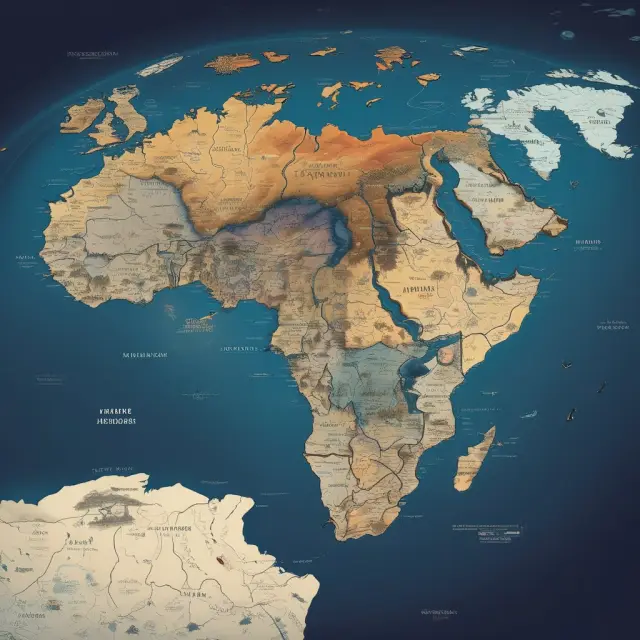
Underground Economies Across the Globe
The global underground economy encompasses various economic activities that fall outside of legal frameworks and official statistics. While estimates on its size vary, one consistent finding is that the underground economy exists in virtually every country around the world (IMF, 2018). The term ‘underground economy’ has alternative names such as the shadow economy or informal economy, reflecting the clandestine nature of these transactions.
Comparing the Size and Impact of Underground Economies Across Nations
According to a 2018 International Monetary Fund (IMF) study, the average size of the shadow economy across all nations was 31.9%. This figure suggests that substantial portions of economic activity in many countries remain unaccounted for. The top three nations with the largest underground economies were Zimbabwe (60.6%), Bolivia (62.3%), and Georgia (64.9%) (IMF, 2018). In contrast, countries like Austria (8.9%), the United States (8.3%), and Switzerland (7.2%) had smaller underground economies (IMF, 2018).
The impact of these hidden economies on their respective nations can vary. In developing countries with large shadow economies, uncollected tax revenues may slow economic growth and hinder the creation of public programs. Conversely, in other situations, participants in underground economies might retain income that would typically go to taxes, potentially stimulating overall economic activity and demand (IMF, 2018).
Legal vs. Illegal Underground Economic Activities
The line between legal and illegal activities within the underground economy is not always clear-cut. For instance, in some countries, alcohol is outlawed, while others encourage legal brewery and distribution operations. In this context, even though alcohol itself is a legal commodity, the illicit sale of alcohol can still be considered part of the underground economy.
Furthermore, underground economies are not solely defined by criminal enterprises dealing in drugs, weapons, or human trafficking but also include unreported income and barter transactions. For example, paying restaurant employees under the table and babysitting services without proper reporting are common examples of unreported income within the underground economy.
Why Do People Participate in the Underground Economy?
The reasons for participating in the underground economy can range from obtaining goods that are difficult to acquire legally to avoiding taxes, labor laws, or administrative paperwork. In some cases, people may engage in these activities due to a lack of access to formal institutions or legal frameworks. Others might be driven by personal circumstances or financial necessity (IMF, 2018).
In conclusion, understanding the complexities of the underground economy requires examining its various aspects, including size, characteristics, and reasons for participation. By shedding light on this often overlooked aspect of economic life, we can better appreciate the diverse ways in which people navigate the global economy and adapt to their unique circumstances.
References:
International Monetary Fund (2018). World Economic Outlook Update, January 2018. Washington D.C.: International Monetary Fund.
The Legal Status of Various Activities
Activities classified as part of the underground economy can vary greatly from one jurisdiction to another. In some instances, what is considered legal in one place might be regarded as illicit elsewhere. For example, the trade of alcohol and marijuana serves as a compelling illustration of this discrepancy. While marijuana remains illegal under federal law in the United States, it has been decriminalized or legalized for recreational use in various states and Canadian provinces since 2014. In contrast, the consumption and production of alcohol were once widespread underground economic activities during the Prohibition era that lasted from 1920 to 1933.
During this period, alcohol was produced and sold clandestinely despite being outlawed at the federal level. It’s estimated that up to $1 billion in revenue was generated through illicit alcohol sales during Prohibition. The underground economy surrounding alcohol ultimately contributed to its repeal with the passage of the Twenty-first Amendment to the U.S. Constitution on December 5, 1933.
Another example is marijuana, which has been considered both an illegal substance and a legitimate business in various parts of the world throughout history. As early as the 1930s, Mexican immigrants introduced recreational marijuana use to the United States, but it wasn’t until the 1970s that many states began criminalizing its possession and sale. However, over the past decade, there has been a significant shift in attitudes towards marijuana, with more than half of U.S. states now allowing for some form of legal use. This trend has led to the emergence of a legitimate cannabis industry worth billions of dollars.
The line between legal and illicit economic activities is not always clear-cut. For instance, the Internal Revenue Service (IRS) considers babysitting as taxable self-employment income when earnings surpass $400 per year; however, it’s estimated that up to 53% of cigarette sales in New York state are conducted through underground economic transactions, making it a common practice for sellers not to report their earnings. The unreported sale of physical goods and smuggling items into a country to evade border duties are other examples of under-the-table activities.
Human trafficking represents another significant component of the underground economy. This heinous criminal enterprise involves exploiting individuals for labor, sex, or organ harvesting. The International Labour Organization estimates that approximately 24.9 million people around the world are victims of human trafficking, generating profits in excess of $150 billion each year.
The reasons for participating in the underground economy can be diverse, ranging from obtaining prohibited goods and services to evading taxes, labor regulations, and administrative paperwork. For some, engaging in the black market is a means to survive during economic downturns or political instability when formal employment opportunities are scarce. Ultimately, understanding the various forms and motivations driving underground economies is crucial for policymakers seeking to create effective regulations that address both their positive and negative impacts on communities, industries, and overall economic development.

Characteristics of Underground Economies
Underground economies are defined by transactions that occur outside the purview of formal institutions or governments. While illegal activities like drug dealing, human trafficking, and smuggling often come to mind when considering the underground economy, it is essential to recognize that this economic space also encompasses unreported income, such as under-the-table wages, untaxed sales, and bartering without the exchange of cash.
The nature of the underground economy varies depending on jurisdiction and context. In some cases, legal activities can be part of the informal sector; for example, in many developing countries, alcohol consumption is either banned or heavily regulated, leading to a thriving underground market for homemade brews and distilled spirits. Conversely, while drugs remain illegal in most societies, legalization efforts are underway in various regions around the world, such as parts of the U.S., Canada, Europe, and South America.
One key characteristic that distinguishes underground economies is their invisibility. The transactions that constitute this sector often go unreported or undocumented; thus, the size of the underground economy can be challenging to quantify accurately. In fact, the International Monetary Fund (IMF) estimates that the mean value of shadow economic activity across 158 countries between 1991 and 2015 was a staggering 31.9%.
Countries with larger informal sectors, such as Bolivia and Zimbabwe, can face significant challenges related to public policy, revenue generation, and overall economic growth. For instance, in Bolivia, where the shadow economy accounted for 62.3% of GDP, the lack of tax revenues could hinder the creation or expansion of public programs that promote economic development and social welfare. However, in other instances, such as Greece during its debt crisis, the informal sector may play an essential role in sustaining a fragile economy by providing employment opportunities and stimulating demand for goods and services.
The reasons why individuals engage in underground economies are manifold. Some people participate to obtain goods or services that are otherwise unavailable in the formal market or prohibited by law, such as drugs or pirated materials. Others choose to engage in these transactions due to their convenience—for example, avoiding taxes, labor regulations, and administrative paperwork.
In some countries like the United States, activities considered part of the underground economy may involve relatively small-scale transactions, such as babysitting or untaxed sales of physical goods. In other cases, significant sums of money change hands, as with the smuggling of goods across international borders to avoid paying duties and tariffs. Regardless of the size of these exchanges, they all contribute to the complex and ever-evolving landscape of underground economies.
In conclusion, understanding the characteristics of underground economies is crucial for policymakers and researchers to develop effective strategies that address their potential negative implications while harnessing their positive aspects. As the world’s economies continue to evolve, it is essential to recognize that underground economic activities will persist and adapt, presenting both challenges and opportunities.
The Role of Taxation in the Underground Economy
Taxes are a fact of life for every individual and business. However, some individuals and businesses choose to engage in the underground economy to avoid paying their fair share. In such cases, they participate in unreported transactions or under-report income. In this section, we will discuss the role of taxation in the underground economy and its implications.
The Underground Economy and Tax Evasion
Tax evasion is a significant component of the underground economy. People engage in tax evasion to reduce their taxable income by either not reporting it or under-reporting it to the relevant authorities. The reasons for tax evasion include:
- High taxes: High taxes can create an incentive for individuals and businesses to engage in tax evasion activities to minimize their financial burden.
- Complex tax laws: Complex tax laws can make it challenging for people to comply with reporting requirements, leading them to engage in underground economic activities to avoid the hassle.
- Lack of trust in the government: Some individuals may not trust the government to use their tax dollars effectively or fairly and therefore choose to keep their money out of the formal economy.
The Impact of Tax Evasion on the Economy
Tax evasion can have both positive and negative consequences for an economy. On the positive side, it can lead to increased economic activity as individuals and businesses have more disposable income to spend or invest. However, tax evasion also has negative implications such as:
- Reduced government revenue: Tax evasion reduces the amount of revenue available to governments, making it difficult for them to fund public programs and services.
- Increased inequality: The unequal application of tax laws can widen the wealth gap between rich and poor individuals, exacerbating social tensions.
- Loss of trust in institutions: Tax evasion can erode public trust in institutions and undermine the rule of law.
The Role of Technology in the Underground Economy
Technology has had a significant impact on the underground economy, making it more accessible, efficient, and complex. In this section, we will explore how technology has transformed various aspects of the underground economy.
Digital Currencies
The emergence of digital currencies such as Bitcoin has made it easier for individuals to engage in underground economic activities without leaving a paper trail. Digital currencies allow users to make transactions anonymously and without involving intermediaries like banks or governments. The decentralized nature of these currencies makes it difficult for authorities to track and regulate them, making them an attractive option for participants in the underground economy.
Encryption
Encryption technology has become increasingly sophisticated, enabling individuals to communicate securely and protect their transactions from prying eyes. Encrypted messaging apps like Signal or WhatsApp have gained popularity among users who wish to maintain their privacy, further increasing the allure of the underground economy.
Marketplaces
Online marketplaces such as Silk Road and its successors have made it easier for individuals to buy and sell illegal goods anonymously. These platforms offer a wide range of products, including drugs, weapons, stolen identities, and even hitmen services. The use of cryptocurrencies and encryption technologies makes it challenging for authorities to track down the buyers and sellers involved in these transactions.
The Future of the Underground Economy
As technology continues to evolve, so too will the underground economy. It is essential for governments and regulatory bodies to adapt and find new ways to combat tax evasion and other illegal activities while also recognizing the potential benefits that the underground economy can bring. This may include increased transparency in tax laws, improved education and outreach efforts, and collaboration with technology companies to develop solutions that promote legal economic activity while minimizing opportunities for illicit transactions. Ultimately, it is a complex issue that requires ongoing dialogue between various stakeholders, including governments, businesses, and individuals, to find a balance that supports economic growth while protecting the integrity of the formal economy.
FAQs on Underground Economies
What is the underground economy? The underground economy refers to economic transactions that are not reported to or monitored by government authorities. These activities include both illegal and unreported income, such as drug dealing, tax evasion, and under-the-table wages.
How big is the underground economy? Estimates vary widely, but some studies suggest that it could be as large as 30% of global GDP.
What are the reasons for participation in the underground economy? Reasons include high taxes, complex tax laws, lack of trust in government, and a desire to access goods or services that are not available in the formal economy.
What is the impact of the underground economy on the formal economy? The underground economy can have both positive and negative consequences for the formal economy. On the positive side, it can lead to increased economic activity as individuals and businesses have more disposable income to spend or invest. However, tax evasion and other illegal activities can reduce government revenue, widen the wealth gap between rich and poor, and erode public trust in institutions.
How can governments combat the underground economy? Governments can take various measures, including increasing transparency in tax laws, improving education and outreach efforts, collaborating with technology companies to develop solutions that promote legal economic activity, and investing in law enforcement and regulatory resources to enforce existing laws.

Why Do People Engage in the Underground Economy?
Understanding Motivations for Participation in the Hidden Sector
The allure of the underground economy is multifaceted. Some individuals are drawn to it as a means of circumventing the formal rules and regulations that restrict access to certain goods, services, or opportunities. Others view the underground economy as a necessary escape from heavy tax burdens or onerous governmental requirements. In many instances, participation in this uncharted economic territory is driven by a combination of motivations, including:
1. Accessing Illegal Goods and Services
Some transactions occurring within the underground economy involve goods and services that are explicitly forbidden by law. Engaging in these illicit exchanges can provide individuals with unique opportunities to acquire items that are otherwise difficult or impossible to obtain through legal channels. Common examples include narcotics, counterfeit currency, stolen property, and human trafficking.
2. Evading Taxes and Administrative Paperwork
The underground economy also serves as an attractive alternative for those seeking to minimize their tax liability. By engaging in transactions that do not involve the exchange of recorded funds or the reporting of income, individuals can effectively reduce their tax burden. Moreover, avoiding the administrative paperwork associated with formal business operations can save time and resources for those operating within the underground economy.
3. Escaping Regulatory Compliance
In some cases, individuals may participate in underground economic activities to avoid adhering to certain regulatory requirements. For example, a small business owner might choose to operate under the table rather than invest time and money into obtaining required licenses or permits. Similarly, workers might prefer to accept cash payments for their labor to evade mandatory taxes or insurance contributions.
4. Labor Flexibility and Opportunities
The informal economy can offer a level of flexibility that may be unattainable within the formal sector. Workers in the underground economy often have more control over their schedules, rates of pay, and work conditions than they would otherwise. For immigrants or those with limited access to formal job opportunities, engaging in the underground economy can provide a viable source of income and employment.
Exploring these various motivations helps shed light on why people participate in the underground economy. By understanding the underlying reasons for this economic phenomenon, we can begin to develop strategies for addressing its implications and assessing its impact on both individuals and society as a whole.

Impact of Underground Economies
Underground economies have both positive and negative consequences on communities, industries, and overall economic growth. While some argue that they can help boost overall economic activity through tax evasion, others claim they hinder growth by withholding tax revenues from the government, leading to slower progress in developing nations. Underground economies come into existence due to a multitude of reasons, including access to goods and services that are unavailable or heavily taxed in the formal economy, avoiding taxes and administrative paperwork, or taking part in activities that are considered illegal.
In some cases, underground economies can stimulate growth by allowing individuals to retain income that would have otherwise gone towards taxes. This retained income then gets spent on goods and services in the formal economy, boosting demand and overall economic activity. Conversely, when large portions of a country’s economy remain hidden from government oversight, significant tax revenue is lost, potentially impeding public programs and overall progress.
In developing countries, substantial shadow economies can result in slower economic development due to the loss of potential tax revenues that could have been used to fund essential services and infrastructure projects. However, in certain instances, underground economies contribute positively by providing employment opportunities for unskilled or informally employed workers and offering access to goods and services not readily available in the formal economy.
Underground economic activities can be found across all sectors, from agriculture to manufacturing and services. These include trading of unreported income, untaxed sales of goods, smuggling, human trafficking, copyright infringement, and various illegal transactions such as the sale of drugs and weapons. The scale and extent of underground economies vary significantly between nations and regions, making it crucial to understand their implications on economic growth and development.
A prime example of an industry with substantial underground activity is agriculture in developing countries. In some parts of India, a vast majority of farmers engage in informal, off-the-books transactions to sell their produce directly to consumers, bypassing intermediaries and wholesale markets. These transactions contribute to the growth of the agricultural sector while reducing costs for consumers. However, they also result in substantial tax evasion and a significant portion of economic activity that remains unaccounted for, creating challenges for policymakers to effectively address poverty and improve living conditions.
Another sector with a considerable underground economy is construction. In many developing countries, informal labor is prevalent throughout the industry, making it challenging for governments to enforce regulations, ensure worker safety, and collect taxes. This lack of oversight can lead to poor building practices and substandard housing, posing risks to residents’ safety and overall economic development.
To mitigate the negative effects of underground economies while preserving their benefits, policymakers need to focus on promoting transparency in reporting requirements and offering incentives for formalizing informal sectors. By making it easier for individuals to participate in the formal economy, governments can reduce the allure of engaging in underreported activities and ensure a more equitable distribution of wealth.
In conclusion, underground economies present both opportunities and challenges. While they provide individuals with access to goods and services that might otherwise be unavailable, they also hinder economic progress when significant portions of taxable income go unreported and undocumented. By understanding the underlying reasons for participation in underground economies and implementing policies that encourage formal reporting and transparent transactions, policymakers can foster a more inclusive economic landscape and promote overall growth.
Underground Economies and Economic Development
The relationship between underground economies and economic development is a complex one, with implications that vary widely depending on the country or region in question. Underground economic activity can hinder progress, especially if tax revenues are lost due to unreported transactions. Conversely, it can stimulate growth, particularly in areas where access to basic goods and services might be otherwise limited. In this section, we delve deeper into the intricacies of underground economies and their impact on economic development.
Several studies have shown that countries with larger shadow economies face slower economic progress, primarily due to the significant revenue losses from unreported transactions. The IMF study mentioned earlier found that the mean size of the shadow economy across 158 nations was approximately 32%. In many cases, these hidden revenues could significantly impact a country’s infrastructure and public services if collected as taxes.
However, some experts argue that underground economies can have positive effects on economic development. In countries where legal goods or services are not readily available, citizens may rely on the underground economy to access basic necessities. For example, during times of hyperinflation, an underground economy can help stabilize prices and offer a means of exchange when official currencies lose value. This situation is particularly relevant in developing nations with large informal sectors.
Underground economies also play a crucial role in certain industries where legal hurdles create barriers to entry. In some cases, such as the arts or technology, creators and entrepreneurs may choose to operate outside of formal channels to avoid stringent regulations or licensing fees. While this activity can help foster innovation and growth, it can also lead to disputes over intellectual property rights and challenges in enforcing consumer protections.
Moreover, the size and scope of underground economies can vary greatly from country to country. For instance, some regions, like Europe and North America, have relatively smaller underground economies (around 8-15% of GDP), while others, such as Africa and parts of South America, can have shadow economies accounting for more than half of their total economic output.
In conclusion, understanding the complex relationship between underground economies and economic development requires a nuanced perspective that considers both the potential negative consequences and the opportunities for growth. By examining key factors like tax revenue loss, the role of unreported income in supporting basic needs, and the influence on innovation and entrepreneurship, we can gain valuable insights into the intricacies of underground economies and their impact on economic progress.

Legalization and Regulation of Underground Economies
As previously discussed, measuring the size of underground economies is challenging due to their clandestine nature. However, debates around legalizing and regulating these unreported activities are gaining traction as some countries are considering the potential benefits of bringing such transactions into the formal sector.
In terms of taxation, one argument for legalization suggests that governments would collect much-needed revenues through taxes on underground economic activities, thereby reducing the overall budget deficit. Moreover, regulating these transactions could increase transparency and reduce corruption in some instances. Furthermore, bringing the informal economy into the formal sector could lead to a more efficient allocation of resources and better employment opportunities for individuals participating in underground economies.
A well-known example is the legalization and regulation of cannabis sales in certain jurisdictions. The revenue generated from these sales has contributed significantly to government budgets, reducing the need for additional taxes or cuts to public services. For instance, Colorado’s cannabis industry generated over $1 billion in revenue during its first year of legalization, providing a substantial boost to the state’s economy.
On the other hand, concerns regarding potential negative consequences exist. Legalizing some aspects of the underground economy could lead to an increase in the demand for these goods or services, potentially resulting in adverse social and health effects. For example, making drugs legally available might lead to increased drug use among certain demographics, leading to additional costs related to addiction treatment and associated healthcare issues.
Furthermore, legalizing some underground activities could create challenges for law enforcement agencies. Monitoring and enforcing regulations on these transactions might require significant resources and manpower, potentially diverting attention away from other important investigations or areas of concern.
Despite these potential challenges, many countries continue to explore the possibility of legalizing and regulating various aspects of their underground economies. By bringing these transactions into the formal sector, governments could increase transparency, collect much-needed tax revenues, reduce corruption, and create more employment opportunities for individuals currently participating in the underground economy.
In conclusion, understanding the complexities of the underground economy is crucial for policymakers and the general public alike. By examining its size, characteristics, and reasons for participation, we can begin to explore potential solutions for addressing this global phenomenon. Legalizing and regulating certain aspects of the underground economy could be a promising way forward, allowing governments to reap tax revenues while also increasing transparency and reducing corruption in some instances. As our global economy continues to evolve, it is essential that we adapt to emerging trends and challenges, ensuring a more sustainable and equitable future for all.
If you found this section informative, please share or leave a comment with your thoughts!
FAQs on Underground Economies
What is an underground economy? The underground economy, also known as the shadow or informal economy, consists of economic transactions that are unreported to government authorities for various reasons. Some goods or services traded within this economy are illegal, while others may not be officially recorded due to tax evasion, labor law violations, or administrative paperwork avoidance.
What’s the size of the global underground economy? The IMF’s study on the shadow economic activity of 158 countries between 1991 and 2015 revealed that the average size of the shadow economy across all nations was 31.9%. Countries with the largest shadow economies include Zimbabwe (60.6%), Bolivia (62.3%), and Georgia (64.9%).
Why are activities considered part of the underground economy? The list of underground economic transactions varies based on jurisdictional laws: for instance, alcohol consumption might be prohibited in some regions but allowed elsewhere, while drugs are illegal in most countries but legal in others. Some goods and services that are subject to high taxes or administrative burdens may also be traded in the underground economy.
What activities are common within the underground economy? Underground economies encompass a wide range of transactions: from illicit drug sales to unreported income sources such as babysitting, untaxed goods trading, and bartering without cash exchanges. Human trafficking, copyrighted materials, endangered species, antiquities, and illegally harvested human organs are also part of this economic realm.
Why do people engage in underground economies? Motivations for participating in the underground economy can be diverse. Some individuals might seek to evade taxes or administrative paperwork, while others may want to access goods or services that are either illegal or difficult to obtain through legal channels. For instance, during the Prohibition era in the United States, the consumption of alcohol led many people to engage with the underground economy.
Does the size of underground economies impact economic growth? The repercussions of underground economies on economic development can be both positive and negative. In some cases, large shadow economies may slow overall growth due to lost tax revenues that could have been used to finance public programs. Conversely, participation in these economies might boost demand and stimulate economic activity by allowing individuals to retain income that would otherwise go towards taxes.
What are the potential benefits of legalizing and regulating underground economies? Legalization and regulation can help governments tap into uncollected tax revenues and improve overall economic growth. Furthermore, legal frameworks can provide consumers with safeguards and protection against potential harm from illicit products or services. However, there may be challenges to implementing these regulations effectively, such as ensuring proper enforcement and addressing the concerns of industries that might face increased competition.
What are the implications for investors? Understanding the underlying trends and factors affecting underground economies is essential for investors seeking to gain insight into economic developments and opportunities across various markets. The size and structure of shadow economies can impact industries like healthcare, agriculture, technology, and consumer goods, providing potential investment angles that extend beyond traditional financial analysis.
 Next entry · No. 5,183Understanding Underinsurance: The Hidden Danger in Insurance Policies
See also
-
 No. 4,876
24 Jul 2025
22 min
Understanding the Significance and Implications of the Tax-to-GDP Ratio
Economics
No. 4,876
24 Jul 2025
22 min
Understanding the Significance and Implications of the Tax-to-GDP Ratio
Economics -
 No. 2,251
22 Dec 2024
20 min
Understanding the Human Development Index (HDI): Measuring Social and Economic Progress
Economics
No. 2,251
22 Dec 2024
20 min
Understanding the Human Development Index (HDI): Measuring Social and Economic Progress
Economics -
 No. 5,909
17 Oct 2025
20 min
Understanding a Zero Capital Gains Rate: How Tax Exemptions in Enterprise Zones Encourage Economic Development
Business Finance
No. 5,909
17 Oct 2025
20 min
Understanding a Zero Capital Gains Rate: How Tax Exemptions in Enterprise Zones Encourage Economic Development
Business Finance -
 No. 5,874
15 Oct 2025
18 min
Understanding the Modern Day Yuppie: Characteristics and Evolution
Business Finance
No. 5,874
15 Oct 2025
18 min
Understanding the Modern Day Yuppie: Characteristics and Evolution
Business Finance -
 No. 5,695
30 Sep 2025
21 min
White Collar: Understanding the Higher Echelon of Non-Manual Labor
Business Finance
No. 5,695
30 Sep 2025
21 min
White Collar: Understanding the Higher Echelon of Non-Manual Labor
Business Finance -
 No. 5,357
02 Sep 2025
19 min
Understanding the Role and Impact of the U.S. Agency for International Development (USAID)
Government
No. 5,357
02 Sep 2025
19 min
Understanding the Role and Impact of the U.S. Agency for International Development (USAID)
Government