Black Markets: A Comprehensive Guide to Underground Economies

Explore the intriguing world of black markets, from their origins to modern-day online presence. Learn about types, illegal activities, ethical dilemmas…
Introduction to Black Markets
Black markets, also known as underground economies or illegal markets, represent a significant yet unquantified portion of economic activity worldwide. These shadowy realms exist beyond governmental oversight and taxation, providing a venue for the exchange of various goods and services—both legal and illegal.
The distinction between black and grey markets is essential to understand their nature. A grey market refers to a legal market where goods are sold at lower prices than in official channels due to various reasons, such as parallel imports or post-warranty sales. In contrast, black markets deal with illicit transactions, involving either illegal goods (like drugs and weapons) or the sale of legal goods and services without governmental approval to evade taxes.
Historically, black markets emerged in response to economic conditions such as wartime shortages and price controls. However, they have persisted and evolved alongside technological advancements, particularly the rise of the internet, which has given them new life through digital marketplaces on the dark web.
Understanding Black Markets: History, Types, and Characteristics
Black markets encompass a diverse range of economic activities, each with its unique characteristics. In this section, we will delve deeper into their history, the various types, and their implications.
History of Black Markets
From early trading networks in ancient civilizations to modern-day dark web marketplaces, black markets have existed for millennia. Their origins can be traced back to periods of economic instability or wartime conditions when governments imposed price controls and rationing measures. In response, citizens turned to black markets to obtain essential goods and services not readily available in the official channels.
Types and Characteristics of Black Markets
Black markets can be categorized based on their nature:
1. Illegal Markets: These markets deal with the sale of prohibited goods and services, such as drugs, weapons, human trafficking, and counterfeit products. Their transactions are hidden from authorities due to their inherently illicit nature.
2. Legal Markets: Some black markets involve the sale of legal goods or services to avoid taxes, often referred to as the informal sector. These markets provide essential goods and services to individuals who may not have access to them through official channels.
Black markets can also be differentiated based on their structure:
1. Physical Markets: Transactions occur at a physical location, such as in alleys or clandestine meeting places.
2. Online Markets: The rise of the digital age has given birth to online black markets, where transactions are facilitated through the dark web and cryptocurrencies like Bitcoin are used for payments.
Impact of Black Markets on Economies and Societies
The existence and implications of black markets are a subject of ongoing debate among economists and policymakers alike. While these markets offer some benefits, such as providing essential goods to those unable to access them otherwise, they also pose significant risks in the form of fraud, violence, exploitation, and counterfeit products.
As we delve deeper into black markets, we will explore their prevalence across various regions, the methods and mechanisms for conducting these transactions, and the ethical implications and potential policy responses to curb their negative effects on society.
In the next sections, we will examine the history of black markets, their types and characteristics, and the impact they have on economies and societies worldwide. Stay tuned as we continue our exploration of this fascinating yet controversial aspect of global economics.
History of Black Markets
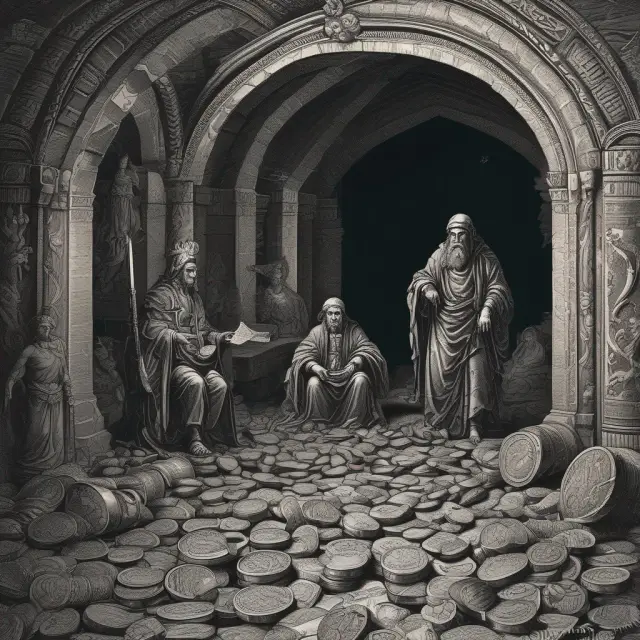
The term ‘black market’ is often used interchangeably with illegal or underground markets due to their clandestine nature. This economic activity exists outside authorized channels where transactions take place in goods or services that are either forbidden by law or sought to evade taxes. A comprehensive understanding of black markets requires acknowledging their historical background and development throughout the ages.
Black markets have existed since ancient civilizations, but their most well-known instances emerged during war times when governments imposed price controls and rationing on essential commodities. In World War I, the British government implemented a food control regime, resulting in food shortages that led to widespread black market activities in Germany and Austria. The situation worsened in the 1930s with the onset of the Great Depression when people turned to illicit markets as their last resort to obtain basic necessities.
The post-World War II era saw an increase in black markets, particularly during the occupation of Berlin by the four Allied Powers. The city was divided into sectors controlled by each power, leading to separate currencies and price levels. The resulting disparity between the sectors created a thriving black market where individuals exchanged goods across borders with different currencies.
As globalization advanced, so did black markets’ evolution, incorporating legal and illegal transactions. In 1974, Milton Friedman famously advocated for free markets in his book “Capitalism and Freedom,” asserting that under a purely free-market system, no government intervention would be necessary for prices to reflect true market conditions. However, this perspective did not consider the existence of black markets and their potential impact on the economy.
With the rise of the internet in the late 20th century, black markets became more sophisticated and accessible, facilitating the exchange of illegal goods and services through digital platforms. The Silk Road market, which operated between 2011 and 2013, is one of the most notable examples of this evolution. This online marketplace allowed users to buy and sell various illicit items, including drugs, weapons, and falsified documents, using Bitcoin as payment.
Although black markets have drawn criticism due to their negative aspects, they have also served important roles in history, such as providing access to essential goods and services for those who could not afford them through legal channels. However, it is crucial to recognize that these markets are inherently risky and can lead to numerous issues, including fraud, violence, exploitation, and the proliferation of counterfeit products.
Understanding the historical context of black markets sheds light on their significance and complexities, making it easier for us to comprehend their role in the modern economy and society at large.
Types and Characteristics of Black Markets
Black markets encompass economic activities occurring outside government-sanctioned channels dealing in both illegal and legal goods and services to avoid taxes or circumvent price controls. The term “black” refers to the unrecorded, hidden nature of these transactions, which take place away from public scrutiny. This section explores various types and characteristics of black markets based on their illicit nature.
Illegal Markets
These markets cater specifically to goods and services that are prohibited by law, such as narcotics, weapons, human trafficking, counterfeit merchandise, and illegal wildlife trade. The sale and purchase of these items in black markets are often driven by high demand but limited supply, which can result in inflated prices and a significant underground economy.
Characteristics:
- Hidden nature: Black markets operate outside legal frameworks, making transactions clandestine.
- Cash-based: These markets rely heavily on cash transactions to avoid leaving a paper trail.
- Anonymity: Buyers and sellers often maintain pseudonyms or use encrypted communication methods for safety reasons.
- Limited regulations: Black markets typically have minimal regulation, increasing risks related to the quality of goods or services being sold.
- High transaction costs: The unregulated nature of these markets often results in higher prices due to increased risk and lack of competition.
Examples of Black Markets
- Drug Trade: Illicit drug markets exist in various forms, from street-level transactions to organized crime networks distributing large quantities of drugs.
- Arms Market: The arms market encompasses the sale and trade of illegal firearms, weapons components, and ammunition.
- Human Trafficking: One of the largest and most profitable black markets globally, human trafficking is an abhorrent practice involving the forced exploitation of individuals for labor or sexual purposes.
- Counterfeit Goods: The trade in counterfeit merchandise includes knockoff designer goods, pirated software, and fake currency, among others.
- Wildlife Trade: Black markets facilitate the illegal trade of endangered animal species, including their body parts, fur, or meat, exacerbating threats to wildlife populations.
- Currency Markets: Underground currency markets flourish in countries with strict currency controls and weak economic fundamentals, where individuals seek to exchange local currency for hard currencies at a premium.
It is important to note that while black markets can provide essential goods and services for those unable to access them through legal channels, they also contribute significantly to organized crime, fraud, and the spread of illicit goods, making their implications far-reaching. The next section will delve deeper into illegal markets from a global perspective, discussing their prevalence, impact on economies, and social consequences.

Illegal Markets: A Global Perspective
Black markets have a long history and can be found in various parts of the world. While some are focused on illegal goods such as drugs or weapons, others exist for legal goods or services to avoid taxes. This section provides an overview of the prevalence of black markets and their impact on economies and societies.
The origins of black markets date back to ancient civilizations, where they were often established to bypass government-imposed price controls or taxes. These markets thrived during periods of war, economic instability, and political upheaval. The term “black market” is believed to have originated from the illegal sale of coal during World War II in Europe when the German occupation forced people to sell their rationed goods on the black market to survive.
Today, black markets continue to exist, albeit in different forms and with varying degrees of prevalence across the globe. Some countries experience higher levels of underground economic activity due to factors such as weak institutions, corruption, or extensive regulatory barriers. For example, a study by Transparency International found that more than 10% of the global GDP is transacted through informal channels in developing countries.
The impact of black markets on economies and societies can be both positive and negative. On the one hand, they provide a means for people to access goods and services that may not be available or affordable through formal channels. For instance, individuals in developing countries may turn to black markets for essential medicines due to their scarcity or high prices. Similarly, some people might seek out underground market transactions to evade burdensome taxes, such as those related to luxury goods or services.
However, the prevalence of black markets can also have negative consequences. The absence of government oversight and regulation in these markets can lead to fraud, exploitation, and even violence. For example, illegal drug markets are often associated with organized crime and violence, while human trafficking involves victims being subjected to forced labor, prostitution, or organ harvesting. Moreover, black market transactions do not contribute to the formal economy, as taxes are not collected on these activities. This can lead to significant revenue losses for governments and impede their ability to invest in public services and infrastructure.
Despite their negative aspects, some argue that black markets serve an essential function in certain circumstances. For instance, during times of economic crisis or extreme scarcity, underground markets may be the only means for people to access essential goods and services. Additionally, black markets can act as a safety valve, releasing pressure on regulated markets by allowing prices to adjust more freely than they would under government control.
One significant development in the world of black markets is their increasing use of digital technologies. Online platforms such as the darknet have enabled the growth of digital underground economies, where buyers and sellers can connect anonymously and conduct transactions using cryptocurrencies. This has led to a shift from physical markets to virtual ones, with associated risks and opportunities.
In conclusion, black markets are an essential part of the global economy, albeit one that exists outside of formal channels. While they have their drawbacks and negative aspects, they also provide a means for people to access goods and services that may not be available or affordable through formal channels. As digital technologies continue to shape the landscape of underground economies, it is essential to understand the implications for individuals, businesses, and governments.

Underground Market Transactions
Black markets offer a unique space for trading goods and services outside official channels, often attracting individuals seeking to avoid taxes, government price controls, or engage in illicit activities. In this section, we delve into the mechanics of underground market transactions, examining the risks involved and necessary safeguards.
Transacting in black markets traditionally meant cash-only deals conducted discreetly, shielded from public scrutiny to avoid detection. However, technological advancements have significantly reshaped these shadowy economies. Many illegal marketplaces now operate online, particularly on the dark web and utilize digital currencies for transactions.
Underground markets are a breeding ground for fraudulent activities. Buyers may unknowingly purchase counterfeit goods or adulterated products, while sellers face risks from non-payment or violent confrontations. To mitigate such risks, traders often employ various tactics:
1. Pseudonyms and secure communication channels: Using fake names and encrypted messaging services protects the identities of participants in illegal markets.
2. Trust ratings: Reputation systems allow users to build trust within a community by providing feedback on completed transactions, which helps minimize risk when dealing with new traders.
3. Escrow services: Escrow services act as intermediaries between buyers and sellers, ensuring that goods or funds are held securely before being released, thereby reducing the risk of fraud.
4. Bartering: Exchanging goods directly without using money is a common practice in black markets to avoid leaving a paper trail.
Despite the inherent risks involved, underground economies can offer benefits for both buyers and sellers. They provide access to goods and services that may not be available through official channels, such as life-saving medication or rare collectibles.
The digitalization of black markets has also given rise to new challenges and opportunities. Online marketplaces have made it easier for illegal activities to scale and reach a global audience. One infamous example is the now-defunct Silk Road, an online marketplace that facilitated the sale of illicit drugs, weapons, and other contraband, generating over $1 billion in sales before being shut down by law enforcement authorities in 2013.
In conclusion, understanding the workings of underground markets is crucial for navigating the complex world of illegal economies. While they present risks and moral dilemmas, they also offer unique insights into human behavior and societal needs that go beyond traditional market structures. Stay tuned as we explore more aspects of black markets in subsequent sections.
Black Markets in Modern Times: Online Presence
The digital revolution has significantly changed the landscape of underground economies, making black markets more accessible than ever before. While illegal market transactions have traditionally been conducted ‘under the table’ to avoid government price controls or taxes, modern-day black markets operate primarily online—on the dark web and using digital currencies like Bitcoin.
Underground Market Transactions in the Digital Age
With the rise of the internet, underground markets now offer a more discreet and convenient means for conducting illicit transactions. These digital marketplaces are accessible to anyone with an internet connection, making them notoriously difficult to regulate. They allow participants to remain anonymous through encrypted communication channels and untraceable payment methods such as cryptocurrencies.
Darknet Markets
The dark web is a part of the internet that is intentionally hidden from search engines and requires specific software to access, making it an ideal platform for illicit activities. Darknet markets can be found across various categories including illegal drugs, weapons, hacking services, stolen credentials, and even hitmen services. One notorious example of a darknet market was the Silk Road, which was active from 2011 to 2013 and reportedly generated over $1 billion in sales before being shut down by law enforcement authorities.
Digital Currencies: Enabling Transactions in the Shadows
Cryptocurrencies like Bitcoin and Monero have been at the forefront of enabling transactions within black markets due to their decentralized nature, offering users the anonymity they seek. These currencies allow buyers and sellers to transact without revealing their true identities or leaving any paper trail that could be traced back to them.
The Risks Involved in Digital Underground Markets
Despite their convenience and accessibility, digital underground markets come with significant risks. These include:
- Fraud: Since these marketplaces are unregulated, there is no guarantee of the authenticity or quality of the goods being sold. Buyers run a high risk of receiving counterfeit products or falling victim to scams.
- Violence: Transactions involving illegal goods or services can be dangerous and potentially violent, especially when dealing with criminal organizations.
- Legal Consequences: Participating in an underground market can result in severe legal repercussions for both buyers and sellers, including fines, imprisonment, and even the seizure of assets.
- Lack of Recourse: Unlike traditional markets where customers have some recourse if they are not satisfied with their purchase or if they encounter issues, there is no such protection in underground markets. Buyers must trust the seller entirely and accept the risks involved.
Despite these risks, many individuals still turn to digital black markets for various reasons including necessity, unavailability of goods in traditional markets, or simply due to curiosity. As technology continues to evolve, it is essential for consumers to be aware of the potential dangers and risks associated with participating in such marketplaces.
In conclusion, understanding the role of digital technologies and the internet in facilitating black market activities offers valuable insight into the complex world of underground economies. As we continue to explore this topic, we will delve deeper into specific types of illegal markets and their implications on society.

Examples of Black Markets
Black markets have long been a fascinating yet controversial aspect of economics. The term “black market” refers to economic activities occurring outside government-sanctioned channels, typically dealing in illegal goods and services or legal transactions aimed at avoiding taxes. While black markets can evoke images of sleazy deals and unsavory characters, they are an integral part of understanding the complexities of modern economies. In this section, we will delve into several prominent examples of black markets, including those involving drugs, arms trade, human trafficking, and currency markets.
Drug Markets
The illicit drug market is one of the most well-known types of underground economies. This market operates primarily through dealers and networks that facilitate the production, transportation, and distribution of various substances such as cocaine, heroin, methamphetamines, and cannabis. Drug markets have evolved significantly over time, with the rise of the internet facilitating their growth and reach. According to a 2019 United Nations report, an estimated 275 million people worldwide use drugs, with most drug transactions taking place in informal networks and black markets.
Arms Trade
The arms trade is another significant example of a black market. This illegal market involves the production, trafficking, and sale of weapons, including small arms, ammunition, and sophisticated military equipment. Arms dealers often operate through complex networks to avoid detection by law enforcement agencies, making it challenging to quantify the size and impact of this market. According to a 2011 Small Arms Survey, approximately 875 million small arms and light weapons are in circulation globally, with a significant portion of these transactions taking place outside regulated channels.
Human Trafficking
The human trafficking market represents one of the most heinous forms of illegal economic activities. This market involves the exploitation and trading of people for labor or sexual purposes. Human trafficking is a global issue, with an estimated 25 million victims worldwide according to the International Labour Organization (ILO) in 2016. Traffickers use various tactics to conceal their operations, including deception, forced labor, and the exploitation of vulnerabilities within source, transit, and destination countries.
Currency Markets
Black market currency transactions primarily occur in nations with strict currency controls or fixed exchange rates that significantly undervalue their currencies. In such situations, underground markets provide a means for individuals to purchase foreign currency at a more realistic exchange rate. These transactions can involve cash as well as digital currencies like Bitcoin and other cryptocurrencies. Black market currency trading is prevalent in countries like Argentina, Iran, and Venezuela, where economic instability fuels the demand for alternative channels to acquire foreign currency.
Each of these black markets highlights the complexities and consequences of illegal economic activities. They provide important insights into the motivations driving individuals and organizations to engage in such behaviors and the challenges faced by authorities in combating them. As globalization continues to shape economies, it is essential to understand these shadow markets and their implications for society and governance.
The Dark Side of Underground Economies
While underground economies provide access to goods and services that may be hard to obtain through legitimate channels, they come with a host of negative aspects. This section will shed light on these downsides, focusing on fraud, violence, exploitation, and counterfeit goods.
Fraud in Underground Markets
One of the most significant risks associated with participating in illegal markets is fraud. Since these transactions often lack transparency and regulation, individuals may be deceived into buying subpar or even non-existent products. For instance, buyers could end up paying for drugs that are not only ineffective but potentially harmful. Moreover, there have been numerous instances of scam artists selling counterfeit goods, such as fake designer items, through underground markets. These fraudulent practices can result in financial losses and may pose serious health risks to consumers.
Violence and Underground Markets
Underground economies are also associated with violence. This is especially prevalent in the trade of illegal substances or weapons. For example, drug dealers often protect their territories through violent means. This violence can spread beyond the immediate sphere of illegal markets, affecting entire communities and exacerbating social unrest. Moreover, violent incidents in these markets may lead to retaliation from authorities, intensifying tensions between law enforcement and underground economy participants.
Exploitation in Underground Markets
Underground economies often exploit vulnerable populations, such as children and women, who are forced into labor or sexual servitude. The global human trafficking market is a prime example of this, generating profits of approximately $150 billion per year (ILO, 2014). Victims are subjected to physical and emotional abuse, with little chance of escape or recourse. Exploitation extends to other underground markets as well: in some cases, laborers may be paid very low wages or work under hazardous conditions. These practices contribute to social inequality and undermine the ethical principles upon which a fair society should be built.
Counterfeit Goods
Underground economies are notorious for their sale of counterfeit goods. Counterfeit products may contain harmful substances, or they may fail to deliver on their promised performance. In some cases, consumers may unknowingly purchase these items, leading to safety risks and financial losses. The production and distribution of counterfeit goods not only affects individual consumers but can also impact entire industries, potentially damaging the reputations of legitimate businesses and undermining economic growth.
In conclusion, while underground economies provide access to goods and services that may be difficult to obtain otherwise, they come with a range of negative consequences, including fraud, violence, exploitation, and counterfeit goods. It is essential to consider these risks when engaging in underground market activities and to advocate for policies and systems that promote transparency, fairness, and ethical business practices.
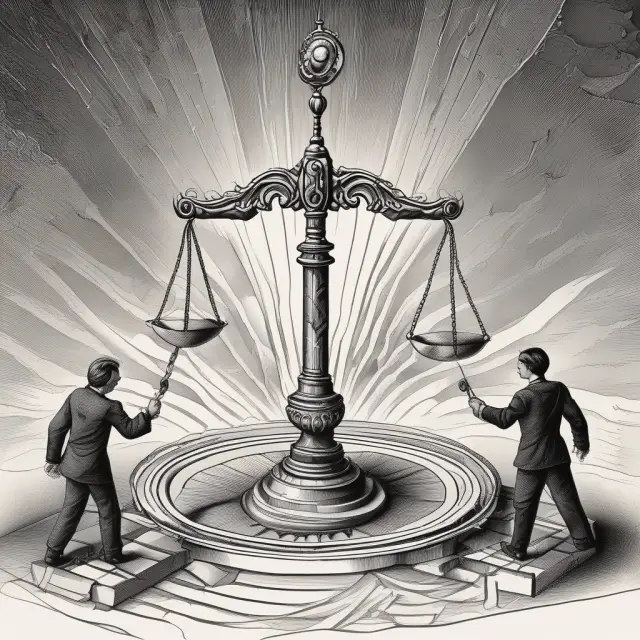
Ethical Implications and Policy Responses
While underground markets provide solutions for individuals when legal markets fail, they also come with a multitude of ethical dilemmas and potential policy responses. As participants in these markets, individuals often face moral quandaries that can be challenging to navigate. Additionally, governments and law enforcement agencies must grapple with the implications of these markets on their economies and societal structures.
One of the primary ethical concerns surrounding black markets is the exploitation that occurs within them. Sellers may take advantage of buyers’ desperation or vulnerability, leading to subpar goods or services at inflated prices. For instance, in the case of essential goods such as life-saving medications, individuals could be charged exorbitant prices when they have no other options available. Moreover, illegal labor markets like human trafficking involve the exploitation of workers and perpetuate social injustices.
Underground economies can also result in societal harms such as fraud, violence, and counterfeit goods. These risks are especially significant in cases where transactions take place online or through digital currencies on platforms like the darknet. In addition to these issues, some may argue that participation in underground markets encourages criminal behavior and undermines the rule of law.
From a policy perspective, governments have responded to black markets with various interventions aimed at reducing their prevalence and negative impacts. These include enforcing stricter laws and penalties for participating in black market activities, investing in education and infrastructure to alleviate the need for underground economies, and implementing more effective regulatory frameworks for goods and services that are commonly traded on the black market.
One example of a government intervention is Operation Onymous, an international law enforcement operation conducted in November 2014, which targeted various darknet markets to dismantle their operations and arrest key suspects involved. Another initiative is the US Drug Enforcement Administration’s (DEA) National Drug Intelligence Center, which collects and analyzes data on drug markets and provides strategic intelligence to law enforcement agencies nationwide.
Moreover, governments can invest in programs that aim to address the root causes of black market activities, such as poverty, lack of education, and economic instability. In doing so, they can provide individuals with more opportunities for legitimate employment and access to essential goods and services through formal markets. For instance, initiatives like microfinance programs and affordable housing projects can create jobs and improve living conditions, thereby reducing the need for black markets.
In conclusion, underground economies present significant ethical dilemmas and policy challenges, as they provide solutions for individuals when legal markets fail but also involve various forms of exploitation, social harms, and potential criminal behavior. As governments and societies continue to grapple with these complex issues, it is essential to find a balance between reducing the negative impacts of underground markets while providing support for those who are most vulnerable and in need.

FAQs About Black Markets
What exactly is a black market?
A black market refers to an economic activity occurring outside of government-sanctioned channels where transactions involve illegal goods or services, tax evasion, or both. Black markets can range from selling illicit drugs and weapons to legal goods and services to avoid taxes.
What sets black markets apart from grey markets?
Black markets deal in prohibited items, while grey markets sell legal goods or services that are not officially approved by the manufacturer or distributor but are still obtained through legitimate channels.
Where did black markets originate?
The concept of a black market can be traced back to ancient civilizations where trade took place outside established markets to avoid taxes or price controls. However, they gained widespread notoriety in modern times due to the rise of government regulations and control over economic activities.
What are some common types of black markets?
Underground economies encompass a diverse range of illegal markets dealing with various goods and services. Some of the most prevalent include:
– Illegal drugs and narcotics
– Firearms and weapons
– Human trafficking and sex trade
– Counterfeit currency, documents, and merchandise
– Endangered wildlife and exotic animals
– Stolen and smuggled goods
What role does the internet play in black markets?
The advent of the internet has significantly expanded the scope and reach of underground economies. Darknet markets have emerged as a popular platform for buying and selling illicit products and services anonymously through encrypted networks, making it easier for participants to avoid detection and law enforcement.
What is the significance of black markets in the economy?
Black markets can have both positive and negative implications on the economy. While they facilitate transactions that would otherwise be impossible due to government restrictions or tax evasion, they also contribute to a significant loss in revenue for governments through unreported economic activity. They can also pose risks to public health and safety due to counterfeit goods and fraudulent practices.
How large is the black market economy?
Estimating the size of the global black market is challenging due to its clandestine nature, but it is believed to generate hundreds of billions of dollars annually based on various reports from international organizations such as the United Nations, World Bank, and International Monetary Fund.
What are some examples of black markets throughout history?
Historical examples of black markets include:
– The Parisian “Bourse de l’Hôpital,” a notorious black market established during the French Revolution to sell food and other necessities to citizens suffering from food shortages
– The “Black Tulip” market, where Dutch tulip bulbs fetched exorbitant prices in the late 16th century, eventually leading to an economic bubble and crash
– The “Silk Road,” a digital black market on the dark web that facilitated the sale of illegal drugs, weapons, and other illicit goods until it was shut down by law enforcement agencies in 2013.
 Next entry · No. 436Understanding Black Monday: Causes, Consequences and Lessons
See also
-
 No. 2,202
18 Dec 2024
18 min
Understanding Horizontal Channels: Identification, Trading Rules, and Examples
Markets
No. 2,202
18 Dec 2024
18 min
Understanding Horizontal Channels: Identification, Trading Rules, and Examples
Markets -
 No. 5,666
27 Sep 2025
18 min
Understanding Weis: The Smallest Unit of Ether on Ethereum Blockchain
Crypto
No. 5,666
27 Sep 2025
18 min
Understanding Weis: The Smallest Unit of Ether on Ethereum Blockchain
Crypto -
 No. 5,631
25 Sep 2025
19 min
Maximizing Your Trading Potential with Effective Watchlists
Investments
No. 5,631
25 Sep 2025
19 min
Maximizing Your Trading Potential with Effective Watchlists
Investments -
 No. 5,626
24 Sep 2025
21 min
Understanding the Wash Sale Rule: Strategies for Institutional Investors
Investments
No. 5,626
24 Sep 2025
21 min
Understanding the Wash Sale Rule: Strategies for Institutional Investors
Investments -
 No. 5,332
31 Aug 2025
18 min
Understanding Uphold: A Comprehensive Guide for Institutional Investors
Fintech
No. 5,332
31 Aug 2025
18 min
Understanding Uphold: A Comprehensive Guide for Institutional Investors
Fintech -
 No. 5,238
23 Aug 2025
18 min
Understanding the Rare World of Unicorns: How Private Startups Become Billion-Dollar Companies
Business Finance
No. 5,238
23 Aug 2025
18 min
Understanding the Rare World of Unicorns: How Private Startups Become Billion-Dollar Companies
Business Finance