Understanding Black Friday: A Retail Tradition and Stock Market Term

Learn the history and significance of Black Friday in retail, stock market, and consumer culture. Explore sales trends and strategies, plus shopper safety…
Overview of Black Friday
Black Friday is a significant event for both the retail industry and the economy, traditionally marking the beginning of the holiday shopping season. It’s a day known for special promotions, deep discounts, and big sales on electronics, toys, and popular gifts. The term “Black Friday” itself has its origins in two distinct areas: retail sales and stock market history.
Retail Black Friday
In the retail context, Black Friday is the day after Thanksgiving when stores offer significant discounts, attracting large crowds of shoppers looking for deals on holiday items and popular gifts. Retailers may spend an entire year planning these sales to move overstock inventory, top-selling brands, and big-ticket items like electronics and home appliances. The sales can lead to high consumer demand and even chaos at times, with shoppers vying for the best deals.
Black Friday’s Origins
The term “Black Friday” in retail has a fascinating history that goes beyond its association with post-Thanksgiving sales. It was first used to describe the stock market crash on September 24, 1869. On this day, after a period of rampant speculation, the price of gold plummeted, causing the markets to crash. However, the term later evolved to signify profitability when retailers could put themselves “in the black” for the rest of the year by generating significant sales on Black Friday and the holiday shopping season.
Black Friday’s Impact
The economic impact of Black Friday is considerable, as it serves as a measure of consumer confidence and can predict overall retail sales trends for the holiday season. A strong Black Friday indicates that consumers are willing to spend, while weak sales could indicate slower growth. It’s also important to note that online shopping has changed the dynamics of Black Friday, with Cyber Monday now being a significant online shopping day following the Thanksgiving weekend.
Black Friday Shopping Experience
The Black Friday shopping experience is known for its chaos and excitement, with shoppers camping out overnight at stores and fighting for doorbuster deals. Despite this, many consumers enjoy the sense of community and tradition that comes with participating in the annual event. Retailers often offer early-morning sales, extended hours, and even Thanksgiving Day promotions to attract customers.
Black Friday Strategies
Retailers and consumers employ various strategies during Black Friday, with retailers trying to maximize sales through strategic planning, pricing, and marketing. Consumers develop shopping plans to make the most of their budgets and take advantage of deals on specific items. By understanding the history, context, and dynamics of Black Friday, both retailers and consumers can make the most of this significant shopping event.
Origins of Black Friday
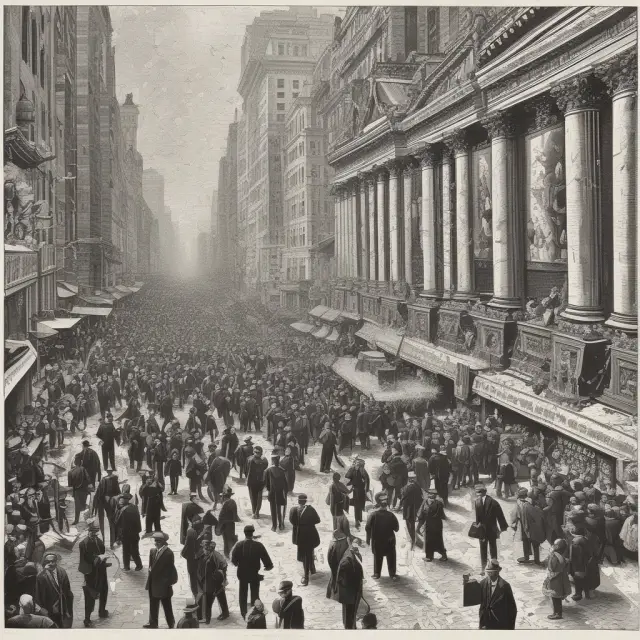
Black Friday, a term synonymous with shopping deals and consumerism in today’s world, holds an intriguing history rooted not only in retail traditions but also in the stock market. While most people associate Black Friday with the day after Thanksgiving and its retail significance, some may be surprised to learn that this term has its origins in a financial context – a stock market crash on September 24, 1869, known as Black Friday.
The stock market crash of 1869, referred to as Black Friday, occurred when Jay Gould and Jim Fisk attempted an ill-fated cornering of the gold market by buying up vast amounts of gold to manipulate its price. As the price of gold continued to rise, President Ulysses S. Grant, fearing the potential consequences for the economy, took action to halt the speculation. The ensuing panic led to widespread selling and a significant loss in the stock market value.
The term ‘Black Friday’ was coined due to the substantial financial losses that occurred during this event. However, it is essential to differentiate between Black Friday from a retail perspective and its historical meaning. Over time, the term evolved from a day of financial disaster to a symbolic representation of profitability in the retail world.
While the connection between these two definitions may seem unrelated initially, the retail sector adopted the term ‘Black Friday’ to reflect the concept of being “in the black” – a profitable state. In the early days of bookkeeping, it was common practice to record profits in black ink and losses in red ink. Retailers hoped that by attracting significant sales on this day, they could generate enough revenue to achieve profitability for the rest of the year, hence the term ‘Black Friday.’
In summary, Black Friday has had a rich and varied history, with its origins rooted both in retail traditions as well as financial calamity. The term’s evolution from a stock market disaster to a day of record-breaking sales signifies the flexibility and adaptability of language and cultural significance over time.
Retailers and Black Friday Sales
The anticipation surrounding Black Friday sales is a critical time for retailers, as they invest an enormous amount of resources in planning their promotions. Black Friday marks the perfect opportunity to sell off overstock inventory and attract customers with deep discounts on high demand products. The day has become synonymous with doorbuster deals and special promotions that create buzz and excitement around shopping.
Retailers begin strategizing for Black Friday sales months in advance. They analyze sales trends, customer behavior patterns, and market competition to determine the best approach for their businesses. Some opt for early-bird promotions, which start on Thanksgiving Day itself, while others may offer extended store hours or online-only deals.
The importance of Black Friday sales can be illustrated by the attention retailers pay to managing their supply chain and inventory. They ensure they have sufficient stock to cater to high demand for popular items. In some cases, retailers even create artificial scarcity around certain products to generate excitement and urgency.
The power of Black Friday sales is evident when considering its impact on sales figures. For instance, in 2019, Adobe Analytics reported that online shoppers spent a record $7.4 billion during Cyber Monday—the largest single-day sales event in history at the time. However, this figure was surpassed by Black Friday’s sales of $7.9 billion in the same year, making it the biggest shopping day of the year.
The competitive nature of Black Friday sales has led to some retailers adopting aggressive marketing tactics, such as offering loss leaders or doorbuster deals that may not be profitable but attract customers who are likely to make additional purchases. These strategies can lead to high traffic and long queues outside stores on the day itself, with consumers eager to secure the best deals available.
Despite the hustle and bustle surrounding Black Friday sales, retailers understand the importance of ensuring a safe shopping environment for their customers. This has led to increased security measures, such as hiring extra staff or implementing crowd control mechanisms to prevent potential incidents or violence during the sales period. Additionally, some retailers offer virtual queues or online reservations for popular items to reduce physical lines and provide a more convenient experience for shoppers.
In conclusion, Black Friday sales have become an integral part of the holiday shopping season for both retailers and consumers. They not only mark the beginning of the critical holiday shopping period but also serve as a significant indicator of consumer confidence and overall economic health. Retailers invest substantial time, resources, and planning into their Black Friday promotions to attract customers and make a profit, making it an essential event in their annual sales strategy.

Black Friday vs. Cyber Monday
Black Friday and Cyber Monday are two significant shopping events for both brick-and-mortar and online retailers in the United States, each with its unique characteristics and importance to consumers and businesses. While Black Friday marks the beginning of the holiday shopping season with in-store deals and sales, Cyber Monday is dedicated to online retailers offering exclusive discounts and promotions.
Black Friday is known for its early morning store openings and doorbuster deals on electronics, toys, and other popular items. Retailers have been planning their sales strategies months in advance, trying to attract customers with enticing offers. The day has even expanded into a weekend-long event, with some stores offering sales from Thursday night to Sunday night. Black Friday has evolved into a symbolic indicator of consumer confidence and the economy’s overall health. Retailers rely on these sales to put them “in the black” for the rest of the year, while investors and analysts look at Black Friday numbers as an early gauge of the holiday shopping season’s performance.
Cyber Monday, on the other hand, is the first day back to work for many consumers after the long Thanksgiving weekend. It was initially created to boost online sales for businesses that could not offer doorbuster deals like their brick-and-mortar counterparts. As more and more consumers began shopping online, Cyber Monday grew in significance, surpassing Black Friday’s online sales in 2013. The trend continued until 2019 when Black Friday online sales surpassed those on Cyber Monday for the first time.
Comparatively, sales figures for both events have seen a consistent growth over the past few years, with consumers spending an average of $325.44 during the five-day holiday weekend in 2022. The National Retail Federation (NRF) predicts that overall holiday sales will increase between 6% and 8% to reach between $942.6 billion and $960.4 billion this year, making these events even more crucial for retailers looking to meet their revenue targets.
In conclusion, Black Friday and Cyber Monday have become essential shopping traditions in the U.S., with both events providing unique opportunities for businesses and consumers alike. Brick-and-mortar stores attract customers with deep discounts and doorbusters, while online retailers offer exclusive deals to lure shoppers back to their websites. These two events are not only critical for individual businesses but also serve as indicators of the overall health of the retail industry and the economy.

Black Friday and Stock Market
The term “Black Friday” is widely known for its association with retail sales, chaos, and holiday shopping frenzy. However, it originally had a different connotation within the realm of finance. This section aims to shed light on the historical context of Black Friday as it pertains to stock markets.
Originated from the 1869 Stock Market Crash
The origin of the term “Black Friday” in the financial industry dates back to September 24, 1869. This event is infamous for its devastating consequences on the U.S. economy. Jay Gould and James Fisk attempted to manipulate gold prices by purchasing as many gold shares as possible in an effort to control the market price. The price of gold soared from $135 to $160 per ounce, attracting investors who bought gold futures at these artificially inflated prices. When Jay Gould and James Fisk revealed their manipulation scheme on September 24, the price of gold plummeted, causing a wave of panic in the stock market. Consequently, numerous brokers went bankrupt due to the substantial losses they had incurred during this period, leading to widespread financial hardship.
From Tragedy to Triumph
Despite these initial dark roots, “Black Friday” eventually came to symbolize success and profitability within the retail industry. The transformation began in the late 1940s when the term started being used in advertising circulars as a metaphor for the point at which retailers officially reached profitability for the year after Thanksgiving weekend sales. The term “Black Friday” became widely adopted by the media and consumers alike, and it has since become synonymous with holiday shopping and retail promotions.
In conclusion, although the financial industry and the retail sector have vastly different interpretations of “Black Friday,” both carry significant importance in their respective industries. Understanding this historical context provides valuable insights into how the term evolved from a financial tragedy to a widely celebrated retail event.
The Economic Impact of Black Friday
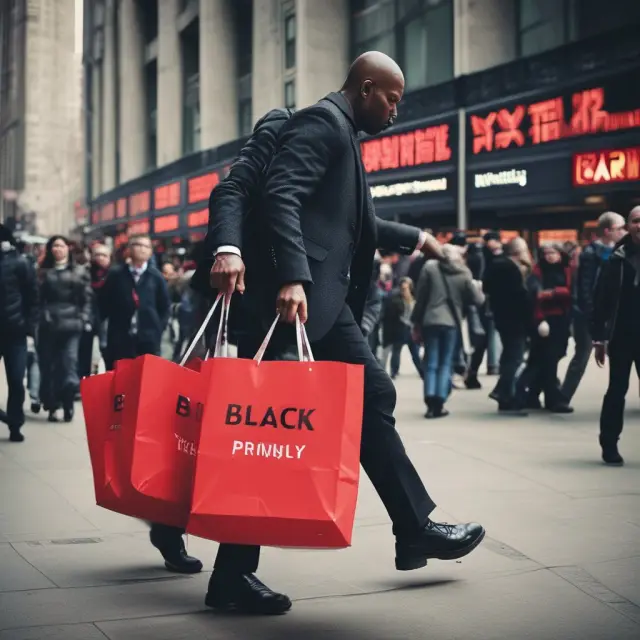
Black Friday is not just an important day for retailers and consumers; it also holds significance for economists and investors, as it is often seen as a key indicator of consumer confidence and economic health. The sales figures from this day can help in predicting overall retail sales trends for the holiday season and even the coming year.
Historically, Black Friday’s importance can be traced back to the 1869 stock market crash. On September 24, 1869, a period of rampant speculation led to a sharp decline in gold prices and a subsequent stock market crash that came to be known as “Black Friday.” Since then, the term has been associated with significant financial loss instead of gains.
However, the modern concept of Black Friday as a day for retail sales and promotions emerged long after the stock market event. Retailers started offering deep discounts on this day after Thanksgiving to attract crowds and kick off the holiday shopping season. Consumers have taken advantage of these deals ever since, making it a critical period for measuring consumer demand and spending patterns.
Retailers rely on Black Friday sales to gauge consumer confidence and adjust their inventory levels and pricing strategies accordingly. A strong Black Friday performance can indicate robust consumer spending, which is a good sign for the overall economy. Conversely, weak sales could suggest decreased consumer confidence, potentially leading to slower economic growth.
Retailers’ success on Black Friday can also help set the tone for the holiday shopping season and influence investors’ perception of retail stocks. Strong sales during this period can boost retailer stocks, while weak performance may negatively impact their value.
In recent years, e-commerce has played an increasingly significant role in Black Friday sales, with more consumers opting to shop online rather than braving the crowds at physical stores. Cyber Monday, the first Monday after Thanksgiving, has emerged as a counterpart to Black Friday, offering significant online discounts and deals for consumers. The performance of both Black Friday and Cyber Monday sales can provide insights into consumer preferences, retail strategies, and overall economic trends.
The National Retail Federation (NRF) tracks holiday sales trends closely, releasing reports on the performance of Black Friday and other major shopping days. According to their data, total spending during the 2022 five-day holiday weekend between Thanksgiving Day and Cyber Monday was $349.6 billion, a significant increase from the previous year’s $318.7 billion. The average consumer spent $325.44 on gifts alone, while online sales reached an all-time high of $230.5 billion.
These numbers underscore the importance of Black Friday and Cyber Monday as key indicators of consumer spending trends and retail performance. By closely examining sales figures and shopping behavior during this period, economists, investors, and retailers can gain valuable insights into the health of the economy and make informed decisions about inventory management, pricing strategies, and investment choices.
Black Friday Shopping Experience
Black Friday is known for its chaos and excitement, with crowds rushing to snag the best deals on must-have items. The shopping experience itself has evolved significantly over the years.
From Camping Out to Doorbusters
The first Black Friday shoppers in the 1950s were not unlike those who brave the cold weather today – they wanted a good deal and would go to great lengths to secure it. This led to camping out overnight at favorite stores, which soon became an expected part of the Black Friday tradition. For many, this dedication went beyond just securing a spot in line; some shoppers even skipped Thanksgiving dinner altogether to be first in line.
As retailers began offering more significant discounts, these early birds were rewarded with doorbusters – limited-quantity items sold at rock-bottom prices. The anticipation for these deals led to scuffles and sometimes violence among shoppers, earning Black Friday its notorious reputation.
A Shift in Focus
Retailers have continued to adapt their Black Friday strategies, focusing more on online sales and extended shopping hours. In response to the increasing popularity of e-commerce, many retailers began offering special promotions for Cyber Monday, the first day back to work after the long holiday weekend. Today, both Black Friday and Cyber Monday are critical sales periods for retailers, with a significant portion of their annual revenue generated during this time.
The Modern Shopping Experience
While the crowds and chaos still persist, shoppers now have more options than ever before. With many stores opening their doors early or even staying open through Thanksgiving night, the competition for sales is fiercer than ever. Additionally, with the rise of online shopping, consumers can secure deals without leaving their homes. This has led to a shift in the way people shop during Black Friday, with some opting to skip the crowds altogether and shop from the comfort of their own homes.
Safety Concerns
Despite the convenience offered by online shopping, there are still concerns regarding safety during Black Friday sales. Overcrowding, violence, and security have been issues in past years. In some cases, this has led to tragic incidents, such as stampedes or altercations between shoppers. Retailers have responded by implementing more robust security measures, including hiring additional staff and installing metal detectors. They also encourage consumers to plan their shopping trips carefully and practice safety precautions.
The Future of Black Friday
Black Friday continues to evolve as retailers adapt to changing consumer preferences and shopping habits. With the ongoing growth of e-commerce, it’s likely that online sales will continue to play a larger role in the holiday shopping season. However, there will always be those who are drawn to the thrill of finding a great deal in person and the sense of community that comes with sharing the experience with others. Whatever form Black Friday takes in the future, one thing remains certain – it will always be an important event for both retailers and shoppers alike.

Black Friday Sales Trends and Strategies
As the holiday season approaches, retailers gear up for their biggest sales event of the year: Black Friday. Known for its deep discounts and long lines, this day after Thanksgiving has become a staple of American consumer culture. Retailers carefully plan their strategies to attract customers and maximize profits on this critical shopping day.
Store Opening Hours: Retailers often start their Black Friday sales early – sometimes even before the holiday itself – to give shoppers an incentive to visit their stores or websites as soon as possible. In recent years, many major retailers have opted to open their doors on Thanksgiving Day itself, creating a 24-hour shopping experience for consumers. This decision has been met with controversy, as some argue that it infringes upon the traditional family holiday and forces employees to work long hours on the day off.
Sales Tactics: Retailers employ various sales tactics to entice shoppers during Black Friday. Some offer doorbuster deals, which are extremely discounted items sold at limited quantities. These deals can create a sense of urgency and competition among shoppers. Others focus on bundling items together or offering discounts when multiple products are purchased. By strategically placing popular items throughout their stores, retailers can guide customers through various departments and increase sales across different product categories.
Shopping Strategies: Consumers often employ specific strategies to make the most of their Black Friday shopping experience. Some plan their purchases carefully, making a list of must-have items and checking multiple retailers for the best prices. Others use apps or websites that help them compare deals and stay informed about inventory levels in real time. The early bird gets the worm when it comes to the most popular items – many shoppers camp out overnight at stores to secure their spot in line.
Online Shopping: With the rise of e-commerce, Black Friday has evolved beyond brick-and-mortar retail. Online sales have grown exponentially in recent years, with consumers now able to take advantage of the same discounts and deals from the comfort of their own homes. This shift has led to increased competition among online retailers, who often offer free or expedited shipping to attract customers during the busy holiday season.
Comparing Black Friday and Cyber Monday: Black Friday and Cyber Monday may share a common theme – deep discounts on consumer goods – but they cater to different shopping preferences and behaviors. While Black Friday is synonymous with in-store shopping, Cyber Monday focuses on online sales. Both events have their advantages and challenges for retailers and consumers alike. Understanding the nuances of each day can help shoppers make informed decisions and maximize their savings.
The Evolution of Black Friday: Black Friday has come a long way from its early beginnings as a single-day event. Today, it is often seen as a kickoff to the holiday shopping season, with deals and discounts lasting for days or even weeks. As consumer preferences and shopping habits continue to evolve, retailers will need to adapt their strategies to stay competitive and meet the demands of modern shoppers.
In conclusion, Black Friday represents an exciting and dynamic period in the retail world, as businesses and consumers alike come together to celebrate the start of the holiday season with discounts and deals that can’t be found anywhere else. By understanding the trends and strategies surrounding this annual event, both retailers and shoppers can make the most of their Black Friday experience and set themselves up for success throughout the holiday season.
Black Friday Safety Concerns
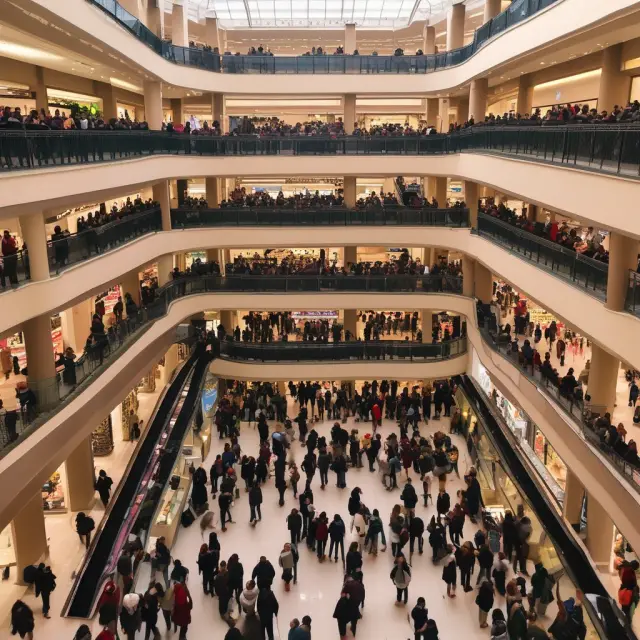
Despite the excitement surrounding the annual shopping extravaganza, Black Friday has also been a source of safety concerns. Overcrowding, violence, and security issues have long been part of this tradition. In recent years, incidents such as stampeding crowds and violent altercations during the sales have raised questions about whether the benefits of these promotions outweigh the potential risks.
Origins of Safety Concerns
The origins of safety concerns date back to the early days of Black Friday shopping events when mobs of shoppers created chaotic conditions, sometimes leading to injuries and even fatalities. For instance, in 1983, scuffles, fistfights, and stampedes broke out across the U.S., as customers fought for Cabbage Patch Kids dolls. In 2008, a worker was tragically trampled to death when shoppers pushed their way into a store on Black Friday.
Modern-Day Safety Concerns
Today, retailers and law enforcement agencies take extensive measures to ensure the safety of both customers and employees during Black Friday sales. Stores hire security personnel, limit the number of people allowed in their premises, and implement crowd control measures such as crowd barriers and directional signage. However, despite these precautions, incidents still occur, such as shoppers trampling each other or even shooting incidents like the one that took place at a Walmart store in 2012.
Black Friday Shopper Behavior
Consumer behavior during Black Friday sales also plays a significant role in safety concerns. Shoppers’ obsession with securing deals often leads to aggressive and dangerous behaviors, including pushing, shoving, and even violence. Social media has played a part in fueling the frenzy, as customers share real-time updates on store promotions and crowd conditions. Retailers have responded by implementing strategies such as staggered opening hours and online sales to minimize the potential for physical altercations.
Injuries and Fatalities
Despite efforts to maintain order during Black Friday shopping events, incidents of injuries and fatalities still occur. In 2014, a Walmart worker in California was killed by a falling shelf while trying to clear a crowded aisle. In 2018, a woman suffered severe injuries when she was trampled by a stampede in New York City. These unfortunate incidents serve as reminders of the importance of safety during Black Friday sales and the need for retailers and law enforcement agencies to prioritize the wellbeing of shoppers.
Preparing for Black Friday
Given the potential risks associated with Black Friday shopping, many consumers are taking steps to ensure their safety. This includes planning their shopping trips in advance, arriving early to secure a spot near store entrances, and traveling in groups with friends or family members. Additionally, retailers are providing more transparency about their sales and offering alternative ways for shoppers to access discounts online.
In conclusion, Black Friday has evolved from a one-day shopping event into a weekend-long holiday tradition that brings excitement, anticipation, and sometimes chaos. While the potential rewards of securing great deals can be enticing, it is essential for both retailers and consumers to prioritize safety during these events. By taking proper precautions and planning ahead, we can make sure that Black Friday remains a memorable occasion for all the right reasons.

FAQs about Black Friday
Black Friday is the day following Thanksgiving Day in the United States, traditionally considered the start of the holiday shopping season and a symbol for retailers to offer big discounts on their inventory. Here’s a selection of frequently asked questions regarding this significant retail event.
What does “Black Friday” signify for retailers?
The term “Black Friday” refers to the day retailers’ sales reach profitability levels, often marked in black ink. The name stems from the old bookkeeping practice of recording profits in black ink and losses in red ink.
When did the term ‘Black Friday’ originate?
Originally coined by overworked Philadelphia police officers during the 1950s, “Black Friday” was used to describe the chaotic day filled with long lines, congested streets, and large crowds of shoppers. Over time, it became an advertising term for retailers seeking to attract consumers with post-Thanksgiving sales.
What is the significance of Black Friday to the overall economy?
Black Friday serves as a benchmark for measuring consumer confidence in discretionary spending during the holiday season and beyond. Economists view lower Black Friday sales figures as an indication of slower economic growth.
How does Black Friday impact retail sales?
Retailers spend months planning their Black Friday promotions, offering significant discounts on overstock inventory to kick off the holiday shopping season. Sales from this day often determine a store’s profitability for the remainder of the year.
What other significant days follow Thanksgiving in the retail calendar?
After Black Friday, Cyber Monday becomes the next major retail event, focusing on online sales and promotions. Small Business Saturday emphasizes supporting small businesses and local communities by shopping locally.
Does the term “Black Friday” have any negative connotations?
Yes, historically, there have been instances of violence and chaos during Black Friday sales events. For example, in 1983, fights broke out over Cabbage Patch Kids dolls, and a worker was tragically trampled to death at a store in 2008 due to the frenzied shopping scene.
How has Black Friday evolved in recent years?
Over the past decade, Black Friday has transformed into a weekend-long event with increasing online sales, longer hours, and earlier promotions that start on Thanksgiving Day. The rise of e-commerce and omnichannel retailing has changed consumer shopping behavior and preferences.
 Next entry · No. 435Black Markets: A Comprehensive Guide to Underground Economies
See also
-
 No. 549
29 Apr 2024
22 min
Understanding Bureaucracy: What it is, How it Functions and its Implications for Finance and Investment
Business Strategy
No. 549
29 Apr 2024
22 min
Understanding Bureaucracy: What it is, How it Functions and its Implications for Finance and Investment
Business Strategy -
 No. 458
24 Apr 2024
20 min
Understanding Boilerplate: The Use and Importance of Standardized Text in Finance, Contracts, and Technology
Business Strategy
No. 458
24 Apr 2024
20 min
Understanding Boilerplate: The Use and Importance of Standardized Text in Finance, Contracts, and Technology
Business Strategy -
 No. 375
17 Apr 2024
22 min
Batch Processing: Understanding This Cost-Effective Technique for Processing Large Amounts of Data
Business Strategy
No. 375
17 Apr 2024
22 min
Batch Processing: Understanding This Cost-Effective Technique for Processing Large Amounts of Data
Business Strategy -
 No. 346
10 Apr 2024
18 min
Understanding Bank Runs: Causes, Impacts, and Prevention
Business Strategy
No. 346
10 Apr 2024
18 min
Understanding Bank Runs: Causes, Impacts, and Prevention
Business Strategy -
 No. 433
23 Apr 2024
24 min
Understanding Black Box Models in Finance: What They Are, Uses, Risks, and Examples
Financial Tools
No. 433
23 Apr 2024
24 min
Understanding Black Box Models in Finance: What They Are, Uses, Risks, and Examples
Financial Tools -
 No. 407
22 Apr 2024
19 min
Understanding Bicameralism: How the Two-Chamber System Impacts Finance and Investment
Finance Policy
No. 407
22 Apr 2024
19 min
Understanding Bicameralism: How the Two-Chamber System Impacts Finance and Investment
Finance Policy