Understanding Underinsurance: The Hidden Danger in Insurance Policies

Understanding the hidden risks of inadequate insurance coverage - Underinsurance. Learn its impact on homeowners and health insurance, common causes, and…
Introduction and Definition of Underinsurance
Underinsurance is a critical issue in both residential and health insurance that often goes unnoticed by policyholders. This situation occurs when an individual or family has insufficient coverage for their assets, leaving them liable for substantial expenses out of pocket if a loss occurs. In this article, we’ll discuss the concept of underinsurance, its implications, and strategies to prevent it.
Underinsurance can lead to significant financial hardship when a homeowner experiences damage or a family requires extensive medical care. For example, underinsured homeowners may find themselves paying for repairs beyond their insurance coverage, potentially leading them to face substantial debt. Similarly, those with inadequate health insurance may be unable to afford necessary treatment, forcing them to delay care and risking worsening conditions.
Understanding Underinsurance: The Hidden Danger in Insurance Policies
The Importance of Adequate Coverage
A good insurance policy serves to protect individuals against financial losses that could potentially put their lives in jeopardy. However, underinsurance can expose homeowners and families to undue financial burden, which is why it’s essential to ensure you have enough coverage for your assets. In the following sections, we will explore underinsurance in the context of residential and health insurance, discuss common causes, consequences, and prevention strategies.
Residential Insurance Underinsurance
Rising homeowners insurance premiums can lead some individuals to opt for lower coverage limits to maintain affordable monthly payments. However, underinsuring your property could result in significant financial consequences if damage occurs. In the next section, we will discuss common reasons for residential insurance underinsurance and its implications.
Underinsurance in Health Insurance
Inadequate health insurance can leave families with substantial medical expenses when they need it most. As healthcare costs continue to rise, having proper coverage is crucial. This section will explore the reasons behind underinsured health policies and their consequences for individuals and families.
Stay tuned as we delve deeper into understanding underinsurance, its causes, implications, and strategies for prevention in both residential and health insurance.

Underinsurance in Residential Insurance
Underinsurance represents a major concern for homeowners and the insurance industry alike. The concept refers to having an insufficient insurance policy that may not fully cover the financial consequences of a loss or damage event. In this section, we will delve into underinsurance’s implications on residential insurance policies, reasons for increasing premiums, and potential risks.
Impact of Underinsurance on Homeowners Insurance
Underinsurance can cause significant financial distress for homeowners if their property or its contents sustain damage beyond the coverage limit. For instance, consider a house insured against all risks for $250,000, but which actually costs $350,000 to repair or replace in case of a disaster. The homeowners would face an additional expense of $100,000—not including the deductible—that they’d have to cover out-of-pocket.
The importance of adequate insurance coverage is further emphasized by the rising trend in premiums for residential insurance policies. Premiums reportedly increased by an average of 12.2% nationwide between 2017 and 2021, driven primarily by natural disasters, increasing home repair and rebuilding costs, and an influx of people relocating to high-risk areas.
Reasons for Underinsurance
Underinsurance can occur due to policy gaps or exclusions that leave the homeowner without proper coverage for certain risks. For example, damages from earthquakes or floods are often not included in standard policies. In such cases, it’s vital to carefully review your policy terms and consider purchasing additional coverage if necessary.
Another common cause of underinsurance is a lower-benefits policy with attractive low monthly premiums. While these savings may seem appealing initially, they can prove detrimental in the long run if the shortfall in insurance coverage significantly exceeds any potential premium savings. Homeowners must weigh the risks and benefits carefully to ensure they’re adequately protected.
Preventing Underinsurance
To prevent underinsurance, homeowners should take a proactive approach by shopping around for competitive bids, raising deductibles, and checking policy exclusions. By seeking quotes from various insurers, homeowners can find more affordable options that still provide ample coverage. A higher deductible will typically result in lower premiums but may be worth the sacrifice if the reduction is substantial.
Additionally, homeowners should regularly review their policies to identify any gaps or exclusions and ensure they have appropriate coverage for all potential risks. By being informed and proactive, homeowners can mitigate the risks of underinsurance and enjoy peace of mind knowing they’re fully protected.

Common Causes of Underinsurance in Homeowners’ Insurance
Underinsurance is a prevalent issue that affects homeowners, particularly during periods when natural disasters strike or property values appreciate significantly. Underinsurance occurs when the insured value of an asset does not match its actual replacement cost. This discrepancy can leave policyholders with substantial financial obligations if they file a claim. In the case of homeowners’ insurance, underinsurance may result in inadequate coverage for rebuilding or repairing damaged property.
Insufficient Coverage Limits
One primary cause of underinsurance in homeowners’ insurance is having insufficient coverage limits. Homeowners often base their coverage decisions on the mortgage loan amount rather than the actual replacement value of their homes and belongings. Mortgage loans only cover the cost of buying a property, but not necessarily its rebuilding or repair costs. As property values increase and construction prices fluctuate, coverage limits may not keep up with the actual value.
Deductibles
Another factor contributing to underinsurance is high deductibles. Deductibles are the amount policyholders pay out of pocket before their insurance coverage kicks in. While increasing deductibles can lower monthly premiums, it also increases the financial burden for homeowners when filing a claim. If the deductible amount is higher than the initial repair or replacement costs, homeowners may not receive enough from their insurance to cover the full expenses.
Gaps
Insurance policies often contain gaps in coverage, which can lead to underinsurance. For instance, some policies exclude damages caused by specific perils such as floods, earthquakes, landslides, or even older appliances and systems. Homeowners must be aware of these exclusions to ensure they have sufficient coverage. Failure to understand the policy’s terms could result in significant financial consequences when filing a claim.
Common Causes of Underinsurance in Health Insurance
Underinsurance is also prevalent in health insurance, leading to substantial medical debt and even bankruptcy for individuals and families facing unexpected medical expenses. Although the number of uninsured Americans has decreased in recent years, the percentage of underinsured individuals has increased.
High Deductibles
Like homeowners’ insurance, health insurance policies with high deductibles can lead to underinsurance. High deductibles mean policyholders pay more out-of-pocket for healthcare services before their coverage kicks in. Although these plans may have lower monthly premiums, they can result in significant financial burden when an unexpected medical event occurs. Delaying necessary care due to financial considerations could lead to worsening health conditions and increased overall healthcare costs.
Low Premiums
Choosing a health insurance plan based on low premiums alone may result in underinsurance, as these plans typically offer less comprehensive coverage. Although lower monthly payments can seem attractive initially, the lack of proper coverage may leave policyholders vulnerable to substantial medical bills and unexpected expenses. Understanding the balance between lower premiums and adequate coverage is essential for avoiding underinsurance.
Conclusion
Underinsurance poses significant financial risks for homeowners and individuals alike. By understanding its causes and potential consequences, policyholders can take steps to ensure they have sufficient coverage. Regularly reviewing insurance policies, setting aside funds for deductibles and co-pays, and educating oneself on the intricacies of insurance plans are crucial for mitigating underinsurance risks. By taking a proactive approach, individuals and families can protect themselves from unexpected financial hardships and enjoy peace of mind.

How to Prevent Underinsurance in Homeowners’ Insurance
Underinsurance, or insufficient insurance coverage, is a concerning issue that leaves policyholders exposed to financial hardship when a loss occurs. This is particularly relevant for homeowners who may face increased insurance premiums and rising repair costs, especially following natural disasters. In this section, we’ll discuss effective strategies for preventing underinsurance in homeowners’ insurance.
1. Shop Around: With the increase in premiums for residential properties, it’s essential to compare quotes from various insurers to ensure you are getting ample coverage at a reasonable rate. By shopping around, you may find competitive bids that provide sufficient coverage while reducing your overall costs. If you prefer staying with your current insurer, ask about policies with higher deductibles and comprehensive coverage.
2. Raise Deductibles: A higher deductible signifies lower monthly insurance premiums but can result in significant savings if the reduction is substantial. This may be a worthwhile choice if the extent of underinsurance risk is manageable, as you will only need to pay more out-of-pocket when filing a claim.
3. Review Policy Exclusions: It’s crucial to check your homeowners insurance policy for exclusions that may leave you unprotected against certain risks. Common exclusions include earthquakes and floods. If you live in a high-risk area, consider purchasing a separate policy or enrolling in a Fair Access to Insurance Requirements (FAIR) program if available.
Underinsurance doesn’t only affect residential insurance; health insurance policies can also leave individuals and families facing significant financial burdens. In the next section, we will explore how underinsurance manifests itself in health insurance and discuss preventive measures for avoiding potential risks.
Preventing Underinsurance in Homeowners’ Insurance: Strategies for Mitigating Risks
With rising insurance premiums and increasing repair costs, it’s essential to take proactive steps to minimize the risk of underinsurance in homeowners’ insurance. In this section, we’ll discuss three effective strategies for ensuring proper coverage: shopping around, raising deductibles, and reviewing policy exclusions.
1. Shopping Around: With insurance rates on the rise, it’s crucial to compare quotes from various insurers to find a policy that offers ample coverage at a reasonable cost. By shopping around, you may discover competitive bids that provide sufficient coverage while minimizing your premiums. If you prefer staying with your current provider, ask about policies with higher deductibles and comprehensive coverage.
2. Raising Deductibles: Opting for a higher deductible can lead to lower monthly insurance premiums but may require greater out-of-pocket expenses when filing a claim. If the reduction in premiums is significant, this may be an attractive option, especially if you are confident that your overall risk of underinsurance is manageable.
3. Reviewing Policy Exclusions: Understanding and addressing policy exclusions is key to minimizing the risks associated with underinsurance. Common exclusions include damage caused by earthquakes and floods, so it’s essential to review your policy carefully or consider purchasing separate coverage for these risks. If you live in a high-risk area, explore options like the Fair Access to Insurance Requirements (FAIR) program to ensure that you are adequately protected.
In the following sections, we will delve deeper into underinsurance and its implications in health insurance, discussing reasons for its prevalence, potential consequences, and strategies for prevention.

Underinsurance in Health Insurance
Underinsurance is an increasingly common issue faced by individuals and families when it comes to their health insurance coverage. Underinsurance occurs when the benefits provided by a health insurance policy do not meet the insured individual’s actual healthcare needs, leaving them financially vulnerable during medical emergencies or extended treatments. The consequences of underinsurance in health insurance can range from significant medical debt and delayed care to even bankruptcy.
The percentage of U.S. adults with no health insurance decreased between 2010 and 2020, thanks mainly to the Affordable Care Act (ACA). However, the number of underinsured individuals increased during the same period, from 16% in 2010 to 21% in 2020. In a 2020 survey by The Commonwealth Fund, roughly one-quarter of adults with employer-sponsored health insurance were considered underinsured.
Being underinsured means that your health insurance coverage does not meet your healthcare needs when you need it most. A person is considered underinsured if their out-of-pocket expenses, such as deductibles, co-pays, and coinsurance, exceed 10% of their annual income or if their plan’s deductible is more than 5% of their annual income.
Underinsurance can lead to several negative consequences for individuals and families, including:
- Delayed care or inadequate treatment: Patients may delay or avoid necessary medical procedures due to financial concerns caused by high out-of-pocket expenses.
- Medical debt: Unpaid medical bills can result in significant debt, damaging credit scores and causing financial strain.
- Bankruptcy: In extreme cases, underinsurance can lead to bankruptcy, as families struggle to cover their healthcare costs.
When choosing a health insurance plan, individuals often need to balance lower monthly premiums against more comprehensive coverage. However, opting for a lower-premium, high-deductible plan may leave you underinsured if your healthcare needs exceed the deductible amount. Similarly, short-term health plans, which can be less expensive than traditional insurance, often provide limited coverage and are not required to cover essential health benefits.
To avoid underinsurance in health insurance:
- Set aside money for deductibles and co-pays so that you can afford needed care without delay.
- Choose a high upper limit on your policy to ensure full coverage for unexpected emergencies.
- Opt for comprehensive plans with lower out-of-pocket costs, such as higher premiums or smaller deductibles, especially if you have chronic health conditions or haven’t had regular medical care.
- Be aware of potential gaps in coverage and consider supplemental insurance policies to fill those gaps.
- Avoid underinsurance by carefully reviewing your policy details and understanding the costs associated with your healthcare needs.
In conclusion, underinsurance is a significant concern for individuals and families when it comes to health insurance coverage. Understanding the potential risks and consequences of underinsurance can help you make informed decisions about your insurance coverage and protect yourself from unnecessary financial hardships during medical emergencies or extended treatments.

Common Causes of Underinsurance in Health Insurance
Underinsurance—a condition where the policyholder’s insurance coverage fails to provide adequate financial protection during times of need—is a widespread issue that affects millions of Americans, particularly those with health insurance. Underinsurance can lead to substantial financial burdens and even bankruptcy if catastrophic medical events occur. This section sheds light on the common reasons behind underinsurance in health insurance.
High deductibles: One primary cause of underinsurance is high deductibles. Deductibles represent the amount a policyholder pays before their insurance coverage kicks in. A lower-benefits policy may have attractive premiums, but the deductibles might be so high that insured individuals struggle to afford healthcare services or medications until they meet these financial thresholds.
Low premiums: People may opt for health insurance plans with low monthly premiums, not realizing that they could end up paying more in the long run due to underinsurance. A seemingly affordable monthly payment could result in substantial out-of-pocket expenses when seeking medical care, leaving policyholders vulnerable to significant financial hardships.
Gaps in essential coverage: Underinsurance can occur when insurance policies lack adequate coverage for specific healthcare services or conditions. For example, a plan might not include comprehensive mental health benefits, substance abuse treatment, or prescription medications, forcing insured individuals to pay out-of-pocket costs that could lead to underinsurance and subsequent financial distress.
Inadequate policy limits: Policyholders may be underinsured if their insurance policies have inadequate coverage limits. As medical treatments and healthcare costs continue to rise, it is crucial to ensure that the policy limit matches the expected expenses during a catastrophic event. In some cases, insufficient policy limits can leave individuals with substantial debt or even bankruptcy when they need coverage the most.
The rise of short-term health plans: Short-term health insurance policies have gained popularity as an alternative to traditional health insurance plans due to their low premiums and flexibility. However, these plans often offer limited coverage, which might result in underinsurance during times of medical emergencies. Inadequate coverage and high out-of-pocket costs can place policyholders at risk for significant financial burdens if they require extensive medical care.
In conclusion, understanding the common causes of underinsurance in health insurance is essential to maintaining adequate financial protection against potential medical emergencies. By being aware of high deductibles, low premiums, gaps in essential coverage, and insufficient policy limits, individuals can make informed decisions about their health insurance plans and avoid potential underinsurance. Additionally, it’s crucial to examine the implications of short-term health insurance plans before enrolling to ensure that these policies provide enough coverage for unforeseen medical expenses.

The Consequences of Underinsurance on Individuals and Families
Underinsurance can lead to severe financial consequences for homeowners and families. This condition occurs when the policyholder’s insurance coverage falls short of the actual cost incurred during a claim. While it may seem attractive initially due to lower premiums, underinsurance can result in substantial financial hardship in times of need.
Homeowners Insurance: The Hidden Financial Crisis
Considering the increasing trend of escalating home insurance premiums and natural disasters, underinsurance is a growing concern for many homeowners. A house that is insured against all risks for an amount below its actual value can leave the owner facing unexpected expenses. In cases where the damage exceeds the policy limit, the homeowner bears the remainder of the costs—possibly leading to financial instability or even bankruptcy.
For instance, a homeowner with a $250,000 insurance coverage and a $20,000 deductible might face a significant financial crisis if their house is destroyed in a fire that costs $350,000 to repair. In such a situation, the homeowner would need to cover the shortfall of $100,000—in addition to their deductible—from their own resources.
The average annual homeowners insurance premium has been on an upward trend, rising from $1,236 in 2017 to $1,398 in 2021. In the face of increasing insurance costs, underinsurance may be tempting for some homeowners looking to save on their monthly payments. However, this short-term cost savings could lead to long-term financial consequences if a loss occurs.
Health Insurance: A Financial Toll on Individuals and Families
Underinsurance in health insurance can have significant emotional and financial repercussions for individuals and families. When policyholders face unexpected medical costs that exceed their coverage, they may struggle with high deductibles, co-pays, or out-of-pocket expenses—all while dealing with health issues.
According to a study by The Commonwealth Fund, one-quarter of U.S. adults with employer-sponsored insurance were underinsured in 2020. This means that their out-of-pocket healthcare costs equaled or exceeded 10% of their annual income, putting them at risk for substantial financial burden and potential delay in necessary medical care.
The financial toll of underinsurance on individuals and families can result in debt accumulation, delayed care, and even bankruptcy if unchecked. Underinsured policyholders may be forced to make difficult decisions about prioritizing their healthcare needs versus other financial obligations. The emotional stress of dealing with a health crisis while simultaneously managing financial instability can significantly impact an individual’s overall well-being.
Preventing Underinsurance: A Proactive Approach
To mitigate the risks and consequences of underinsurance, homeowners and families should take a proactive approach when purchasing insurance policies. By considering various factors such as inflation, extreme weather events, and personal risk assessment, individuals can ensure they have adequate coverage to protect themselves from potential financial losses.
For homeowners, shopping around for competitive insurance quotes and understanding policy exclusions are crucial steps in avoiding underinsurance. Homeowners may also consider raising their deductibles or purchasing a separate flood insurance policy if living in an area prone to such hazards.
In the realm of health insurance, setting aside funds to cover deductibles and co-pays is essential for accessing necessary care without delay due to financial concerns. Choosing comprehensive insurance plans with high upper limits and avoiding short-term policies that leave gaps in coverage are other important strategies for minimizing underinsurance risks.
By taking a proactive approach to understanding their insurance needs, individuals and families can better protect themselves from the potential consequences of underinsurance.
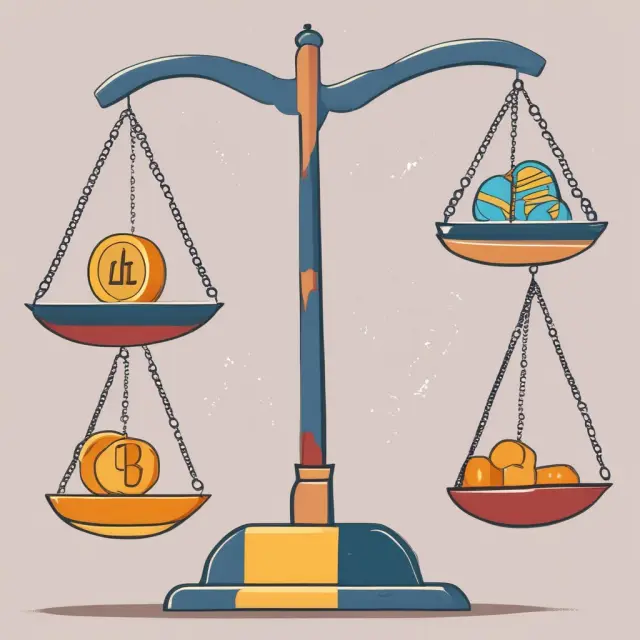
Addressing Underinsurance: Tips for Consumers
Underinsurance is a significant issue that can put policyholders at risk for substantial financial losses, especially during major events such as natural disasters or health crises. As insurance costs continue to rise and policies become more complex, it’s essential for consumers to understand the risks of underinsurance and take steps to protect themselves. Here are some strategies to help consumers avoid or minimize the risks of underinsurance:
1. Set aside funds for deductibles and co-pays:
Underinsurance often arises when individuals are unable to meet their insurance policy’s deductibles or co-pays, leading them to delay or forego necessary care. Consumers can mitigate this risk by setting aside money specifically for these expenses. By doing so, they can ensure that needed care is accessible and avoid financial hardships resulting from underinsurance.
2. Shop around for comprehensive insurance plans:
Shopping around for the best insurance deals might seem attractive when faced with rising premiums. However, focusing solely on low premiums may result in inadequate coverage, leaving consumers susceptible to significant losses if a claim arises. Instead, consumers should prioritize policies that offer comprehensive coverage at competitive prices. Comparing multiple quotes and policy options can help them secure the best possible deal while minimizing their exposure to underinsurance risks.
3. Be aware of policy limitations:
Understanding the specific exclusions, deductibles, and coverage limits in insurance policies is crucial for consumers to avoid potential gaps or underinsurance. For example, homeowners might overlook flood insurance if they live in an area with low historical flooding risk. However, a single catastrophic event could result in significant damage that exceeds their coverage, leaving them with substantial out-of-pocket expenses. Consumers should consult with their insurance providers to identify any potential limitations or gaps in coverage and take appropriate steps to address these issues.
4. Raise deductibles:
Increasing deductibles is a common strategy for lowering premiums, but it may also increase the risk of underinsurance if policyholders are unable to cover the higher deductible amount in case of a claim. Consumers should carefully consider whether the potential savings outweigh the risks associated with underinsurance and be prepared to adjust their emergency savings or budget accordingly.
5. Monitor trends and regulatory changes:
Staying informed about insurance trends, regulatory changes, and industry developments can help consumers make more informed decisions about their coverage needs. For example, an increase in extreme weather events, inflation, or health issues may prompt insurers to adjust premiums or coverage limits. Consumers should be aware of these trends and consider revising their policies accordingly to mitigate underinsurance risks.
By employing these strategies, consumers can take proactive steps to address underinsurance risks and protect themselves from financial hardships during major events.

Underinsurance Trends and Solutions
Underinsurance—the scenario where a policyholder has insufficient insurance coverage—is becoming an increasingly significant concern for individuals and families as the cost of living continues to rise. In this section, we will delve into the current trends surrounding underinsurance and discuss potential solutions to mitigate its risks.
The Insurance Landscape: A Changing Perspective
The concept of underinsurance is not a new one. However, recent developments in insurance markets and consumer behavior are bringing it back into the spotlight. According to Swiss Re Group’s Global Natural Catastrophes and Climate Change Report 2021, insurers expect above-average insurance premium growth due to inflation, extreme weather events, and heightened risk consciousness during the COVID-19 pandemic. For homeowners, this translates into rising rates for property insurance, making it even more crucial to have adequate coverage.
Residential Insurance: Navigating Underinsurance
Homeowners’ insurance is an essential safeguard against unforeseen events such as fires, storms, and other damages. However, underinsurance can leave policyholders with significant financial burdens if their insurance does not cover the full extent of damage. As premiums continue to rise in the aftermath of natural disasters and increased housing costs, it’s essential for homeowners to assess and adjust their policies accordingly.
Preventing Underinsurance in Residential Insurance: Strategies for Homeowners
Homeowners can take several steps to ensure they have sufficient coverage and minimize the risks associated with underinsurance. Shopping around for competitive quotes is a vital first step, as different insurers may offer varying levels of coverage at comparable prices. Another strategy includes raising deductibles while maintaining good coverage—a higher deductible often translates into lower premiums, which can help offset the cost of rising rates. It’s also crucial to carefully review policy exclusions and consider supplemental coverage for potential gaps.
Underinsurance in Health Insurance: A Growing Concern
With healthcare costs continually climbing, health insurance has become a critical safety net for individuals and families. However, underinsurance can still leave policyholders vulnerable to significant financial hardships when it comes to medical expenses. In 2020, 21% of U.S. adults had inadequate health insurance coverage, according to The Commonwealth Fund. This issue is further complicated by the rising popularity of high-deductible health plans (HDHPs) and short-term health insurance policies.
Preventing Underinsurance in Health Insurance: Tips for Consumers
To minimize the risks of underinsurance in health insurance, consumers should take a proactive approach. One strategy is setting aside funds to meet deductibles and co-pays, ensuring that needed care is not delayed due to financial considerations. It’s also important to choose comprehensive insurance plans with high upper limits, providing adequate coverage for unexpected emergencies. Consumers can further protect themselves by avoiding short-term health insurance policies, which may offer inadequate coverage and leave policyholders underinsured.
In conclusion, underinsurance remains a significant concern in both residential and health insurance markets. By understanding the current trends and available solutions, individuals and families can take steps to mitigate the risks associated with underinsurance and safeguard their financial well-being.

FAQ: Frequently Asked Questions About Underinsurance
What is Underinsurance?
Underinsurance, also known as being “under-covered,” refers to insufficient insurance coverage that leaves the policyholder liable for a substantial financial burden if an event occurs. This may lead to financial hardships, such as having to pay for uncovered damages or medical expenses out of pocket.
What Causes Underinsurance in Homeowners’ Insurance?
- Insufficient coverage limits: Homeowners might not realize the true value of their property and its contents when purchasing insurance. A policy that doesn’t cover the full replacement cost can result in underinsurance.
- Deductibles: High deductibles may lower premiums but increase out-of-pocket costs significantly, potentially leading to underinsurance.
- Gaps in coverage: Homeowners must pay attention to policy exclusions and ensure that their insurance provides comprehensive protection.
- Natural disasters: Areas prone to natural disasters can see significant increases in insurance premiums due to the higher risk of damage, making it crucial for homeowners to secure adequate coverage.
How Can I Prevent Underinsurance in Homeowners’ Insurance?
- Shop around for competitive quotes: Regularly assess your coverage and compare prices from various insurers.
- Raise deductibles: A higher deductible can reduce premiums, but ensure the deductible amount remains manageable to avoid underinsurance.
- Check policy exclusions: Familiarize yourself with your policy’s terms and conditions to understand any potential gaps or limitations in coverage.
What is Underinsurance in Health Insurance?
Underinsurance occurs when an individual’s insurance coverage doesn’t adequately cover their healthcare expenses, leaving them liable for significant out-of-pocket costs. This can lead to financial instability and even bankruptcy if faced with major medical issues or unexpected emergencies.
What Causes Underinsurance in Health Insurance?
- High deductibles: Lower premiums may attract people, but they often come with high deductibles that can leave individuals underinsured.
- Co-pays and out-of-pocket costs: A health plan that requires large co-payments or a substantial percentage of the medical bill can cause underinsurance if an individual cannot afford these expenses.
- Inadequate coverage: Insurance plans with limited essential services or lack of necessary preventive care may leave individuals without sufficient insurance protection.
How Can I Prevent Underinsurance in Health Insurance?
- Set aside funds for deductibles and co-pays: Maintain a savings account to cover anticipated healthcare expenses, so you can receive timely medical attention instead of delaying or avoiding care due to financial concerns.
- Shop around for comprehensive coverage: Research various insurance plans to ensure that your chosen policy offers ample coverage for your unique needs and budget.
- Be aware of policy limitations: Understand the specifics of your plan, including any exclusions or limitations on coverage, to avoid costly surprises when filing a claim.
 Next entry · No. 5,184Understanding Underinsured Motorist Coverage Limits Trigger: Protecting Against Inadequate Insurance Coverage
See also
-
 No. 5,585
21 Sep 2025
20 min
Waiver of Premium Rider: A Financial Safety Net for Critical Illness or Disability
Insurance
No. 5,585
21 Sep 2025
20 min
Waiver of Premium Rider: A Financial Safety Net for Critical Illness or Disability
Insurance -
 No. 5,575
20 Sep 2025
22 min
Understanding Waiting Periods in Insurance: A Comprehensive Guide for Institutional Investors
Insurance
No. 5,575
20 Sep 2025
22 min
Understanding Waiting Periods in Insurance: A Comprehensive Guide for Institutional Investors
Insurance -
 No. 5,261
24 Aug 2025
20 min
Understanding Unisex Legislation: How It Impacts Insurance Rates for Men and Women
Insurance
No. 5,261
24 Aug 2025
20 min
Understanding Unisex Legislation: How It Impacts Insurance Rates for Men and Women
Insurance -
 No. 5,247
23 Aug 2025
21 min
Understanding Uniform Policy Provisions in Health Insurance: Mandatory vs. Optional Clauses
Insurance
No. 5,247
23 Aug 2025
21 min
Understanding Uniform Policy Provisions in Health Insurance: Mandatory vs. Optional Clauses
Insurance -
 No. 3,534
06 Apr 2025
19 min
Nonforfeiture Clause: Understanding Your Insurance Policy Options in the Event of Premium Lapse
Insurance
No. 3,534
06 Apr 2025
19 min
Nonforfeiture Clause: Understanding Your Insurance Policy Options in the Event of Premium Lapse
Insurance -
 No. 5,704
01 Oct 2025
19 min
Understanding Whole Life Annuity Due – Periodic Payments vs Lump Sum
Personal Finance
No. 5,704
01 Oct 2025
19 min
Understanding Whole Life Annuity Due – Periodic Payments vs Lump Sum
Personal Finance