Understanding the Role and Impact of the World Bank
Understanding the role of the World Bank in reducing poverty and fostering economic growth through loans, grants, and technical assistance.
What is the World Bank?
The World Bank, an international financial institution headquartered in Washington D.C., plays a crucial role in supporting economic development and reducing poverty in developing countries around the world. Established following the Bretton Woods Agreement in 1944, its primary focus is to provide loans, grants, and technical assistance for various projects aiming at improving education, healthcare, infrastructure, private sector growth, and other essential services.
The World Bank’s mission is twofold: first, to end extreme poverty by decreasing the percentage of people living under $1.90 a day to less than 3% of the world population; second, to increase prosperity by boosting income growth for the bottom 40% of every country. To achieve this goal, the World Bank collaborates with governments, international organizations, and private sector entities through various development projects.
The World Bank’s operations can be traced back to its roots as one of the institutions born from the Bretton Woods Agreement in 1944, which also established the International Monetary Fund (IMF). The two entities have maintained a close relationship since then. Originally known as the International Bank for Reconstruction and Development (IBRD), the organization expanded over the years to become the World Bank Group in 2000, now comprised of five cooperative organizations: IBRD, International Development Association (IDA), International Finance Corporation (IFC), Multilateral Investment Guarantee Agency (MIGA), and the International Centre for Settlement of Investment Disputes (ICSID).
Together, these entities offer a vast array of financial assistance, proprietary products, and thought leadership to international governments and the global economy at large. One such initiative is the Human Capital Project, which encourages nations to invest in their people’s education, healthcare, and social protections for a stronger society and more prosperous economy.
Through partnerships with various stakeholders, the World Bank provides financial assistance, advice, research, and technical expertise to help developing countries create sustainable economies. By focusing on areas like education, public safety, health, infrastructure, and private sector development, the World Bank aims to empower nations and improve their quality of life.
For example, the National Immunization Support Project in Pakistan, which secured a $377.41 million loan from the World Bank, aimed to enhance vaccination coverage for children under 23 months by establishing a governance structure, addressing logistical challenges, and increasing awareness of immunization programs. In another instance, the Learning for the Future project in the Kyrgyz Republic focused on enhancing early childhood education and secondary instruction, establishing community-based kindergarten programs, and investing in teacher training to improve learning outcomes.
The World Bank’s financials encompass several entities within its organization: the IBRD, IDA, IFC, MIGA, and ICSID. By providing various types of financing, these organizations help nations address their unique challenges and support long-term economic growth. For instance, the IBRD offers loans to creditworthy low-income or middle-income countries, while the IDA issues interest-free loans or credits for the poorest nations. The IFC supports private sector development, and MIGA provides investment guarantees to mitigate political risks in developing countries.
With a history spanning more than seven decades, the World Bank has played an integral role in helping nations recover from economic crises and fostering sustainable economic growth. From its early days as the International Bank for Reconstruction and Development to its current position as the World Bank Group, this influential institution continues to adapt and innovate, addressing the evolving needs of the global community.
In conclusion, the World Bank plays an essential role in supporting developing countries by providing financial assistance, advice, research, and technical expertise to help them address their unique challenges and build sustainable economies. Through its various projects and initiatives, the World Bank has proven its commitment to ending extreme poverty and increasing prosperity across the globe, ultimately contributing to a more interconnected and equitable world.

Background: The Bretton Woods Agreement and the World Bank’s Inception
The World Bank is an essential international financial institution that was established under the Bretton Woods Agreement, signed on July 22, 1944. This historic agreement aimed to stabilize the world economy after the devastation caused by World War II. The founding of the World Bank and its sister organization, the International Monetary Fund (IMF), marked a crucial turning point in international economic cooperation.
The Bretton Woods Agreement was more than just an accord; it represented a collective effort to reshape the global economy. The agreement established two distinct but related institutions: the International Monetary Fund and the World Bank for Reconstruction and Development, which is now known as the World Bank Group. While both organizations share similar goals in promoting economic cooperation between nations and reducing poverty, they have unique focuses.
The IMF’s primary goal was to maintain a stable global monetary system through international consultation, financing, and policy coordination among its member countries. Conversely, the World Bank’s mission was to provide financial assistance, advice, and research to countries, particularly those recovering from war or facing economic instability.
Since their inception, both institutions have evolved, with the World Bank expanding to become the World Bank Group, an umbrella organization consisting of five cooperative entities: the International Bank for Reconstruction and Development (IBRD), the International Development Association (IDA), the International Finance Corporation (IFC), the Multilateral Investment Guarantee Agency (MIGA), and the International Centre for Settlement of Investment Disputes (ICSID). This growth has enabled the World Bank to offer a broader range of financial assistance, products, and solutions tailored to various sectors and developmental needs.
The World Bank’s Human Capital Project is an excellent example of this expanded focus. The project was initiated in 2017 to help countries invest in their human capital, which is essential for producing a more prosperous society and economy. By prioritizing investments in education, healthcare, and social protections, governments can expect stronger economies with healthier, well-educated citizens who contribute meaningfully to their nations. The World Bank’s Human Capital Index offers valuable insights into the current state of human capital development within countries and serves as a call for action to improve investment in this critical area.

World Bank Operations: Loans, Grants, and Technical Assistance
The World Bank is a key player in the global development scene, offering financial assistance to countries in need through loans, grants, and technical assistance. By providing these resources, the World Bank aims to help nations build strong economies, reduce poverty, and improve overall well-being. In this section, we’ll delve deeper into the types of financing the World Bank offers and provide examples of their impactful projects.
Types of Financing
The World Bank offers various forms of financial assistance to support countries in their economic development efforts. These include:
- Loans: The World Bank offers loans, often with favorable terms, to middle- and low-income countries. These loans can be used for a variety of purposes, including education, healthcare, infrastructure projects, and private sector development.
- Grants: The World Bank also provides grants, which are essentially interest-free loans. These funds are typically allocated to the poorest countries with the most significant need.
- Technical Assistance: In addition to financial resources, the World Bank offers technical assistance to help countries develop and implement effective policies and programs. This expertise can be invaluable as nations work to improve public administration, education systems, and other essential areas.
Examples of World Bank Projects
The World Bank’s impact can be seen through numerous projects designed to support economic growth and poverty reduction efforts. Two such examples include:
- National Immunization Support Project in Pakistan: Launched in April 2016, this project aimed to enhance the equitable distribution of vaccines to children ages 0-23 months across Pakistan. By creating a robust governance structure and addressing logistical challenges, the World Bank helped ensure that these crucial health resources reached the most vulnerable populations.
- The Learning for the Future Project in Kyrgyz Republic: This initiative focused on improving education outcomes by enhancing the accessibility of early childhood education and strengthening secondary instruction in specific communities. By investing in community-based kindergarten programs, training new teachers, and providing digital resources, the World Bank helped ensure that children received a strong foundation for their future learning.
Technical Assistance Programs
The World Bank’s technical assistance programs offer valuable expertise to countries looking to improve their public administration and policy implementation. For instance, the bank worked with the government of Mongolia to develop a long-term vision for its capital city, Ulaanbaatar. Through this partnership, they were able to address key urban development challenges and create a sustainable, livable city that would benefit both residents and the broader economy.
In conclusion, the World Bank’s operations, which include loans, grants, technical assistance, and research, are essential for supporting economic growth and poverty reduction efforts in developing countries. By providing financial resources and expert knowledge, the World Bank empowers nations to build a better future for their citizens.
World Bank Groups: The International Bank for Reconstruction and Development (IBRD) and the International Development Association (IDA)
The World Bank Group is an international financial institution that comprises several cooperative organizations. Founded in 1944 as part of the Bretton Woods Agreement, its mission is to reduce poverty and promote shared prosperity. The World Bank Group encompasses five cooperative organizations: the International Bank for Reconstruction and Development (IBRD), the International Development Association (IDA), the International Finance Corporation (IFC), the Multilateral Investment Guarantee Agency (MIGA), and the International Centre for Settlement of Investment Disputes (ICSID). In this section, we focus on the IBRD and IDA.
The IBRD, also known as “the World Bank,” is a global organization that offers financial assistance to middle- and low-income countries in the form of loans, zero-interest credits, grants, and technical assistance. The bank aims to improve economic growth and development by financing projects in sectors such as education, healthcare, infrastructure, private business, and agriculture. IBRD’s clientele consists primarily of developing countries that have good creditworthiness and are willing to pay interest on loans.
The IDA, also an integral part of the World Bank Group, was established in 1960 with the primary goal of reducing poverty in its member countries. It offers interest-free loans, known as “credits,” and grants to low-income countries that are unable to pay for development projects. The IDA focuses on providing assistance to countries with the greatest need, and it has a mandate to achieve a significant reduction in poverty levels by 2030.
Comparing the IBRD and IDA reveals some notable differences between these two institutions:
– Financial Assistance: The IBRD offers financial assistance through loans, credits, and grants, while the IDA provides only interest-free loans and grants.
– Eligibility: IBRD loans are targeted towards middle-income countries with good creditworthiness, whereas IDA loans are meant for low-income nations that cannot repay traditional loans.
– Collaborative Partnerships: The World Bank Group fosters collaborative partnerships between various stakeholders to maximize the effectiveness of its projects, and both the IBRD and IDA work together towards common goals.
The World Bank has been successful in achieving significant milestones throughout its history, including reducing poverty and improving economic growth. By providing financial assistance, technical expertise, and knowledge sharing, it has played an instrumental role in shaping the global economy and fostering sustainable development.
The World Bank’s Human Capital Project: Investing in People to Build Stronger Economies
The World Bank recognizes that investing in human capital is crucial for economic growth and development, leading them to launch the Human Capital Project. This initiative aims to help nations invest in their people to foster a more productive workforce and strong economy. The project focuses on three major areas: early childhood development, education, and health.
Early Childhood Development (ECD)
The World Bank prioritizes ECD as it is the foundation for all future learning and development. Children who receive high-quality care during their early years have better chances of reaching their full potential. The project encourages governments to invest in and create inclusive, accessible, and quality ECD programs that reach the most vulnerable children.
Education
Education is vital for human capital development as it equips individuals with essential knowledge and skills required for the workforce and personal growth. The Human Capital Project emphasizes the importance of investing in education to ensure all students have access to quality learning opportunities, irrespective of their socioeconomic backgrounds.
Health
Good health is a prerequisite for human capital development as it enables individuals to learn and contribute effectively to the economy. The World Bank encourages governments to invest in comprehensive healthcare systems that provide affordable, accessible, and quality services to all citizens, especially the most vulnerable populations.
Initiatives and Focus Areas
The Human Capital Project provides various initiatives and focus areas for countries to help them develop and implement human capital investment strategies. These include:
- Measuring and enhancing the effectiveness of education systems through research, tools, and methodologies.
- Improving the coverage and quality of essential health services.
- Expanding access to affordable childcare services for young children.
- Encouraging countries to invest in digital technologies to enhance learning and healthcare delivery.
- Supporting women’s economic empowerment by providing them with better employment opportunities.
By investing in human capital, governments can reap substantial benefits, such as increased productivity, higher economic growth rates, and a more skilled workforce. Moreover, addressing the deficiencies in these areas results in long-term social and economic progress for nations.
Examples of World Bank Projects: Enhancing Education, Healthcare, and Public Administration
The World Bank’s role as a leading international organization dedicated to fighting poverty and promoting economic growth is evident through its wide-ranging projects. Two sectors that particularly benefit from the World Bank’s initiatives are education and healthcare, along with public administration. In this section, we delve into two specific examples of successful World Bank projects: The National Immunization Support Project in Pakistan and The Learning for the Future project in Kyrgyz Republic.
National Immunization Support Project (NISP) in Pakistan
The National Immunization Support Project (NISP) in Pakistan is a World Bank-supported initiative designed to enhance the equitable distribution of vaccines and improve immunization coverage in the country, focusing on children aged 0 to 23 months. Launched in 2016 with an estimated $377.41 million budget, NISP is comprised of five main components aimed at strengthening vaccine supply chain management and ensuring sustainable access to vaccines for underserved populations.
The first component establishes a governance structure, addresses logistics monitoring and evaluation systems, and improves cold chain storage capacity. The second component focuses on performance planning, aligning human resources, and addressing workforce gaps in the vaccine sector. Component three involves increasing awareness of the program and improving the alignment of school curricula with immunization efforts.
Component four aims to obtain the necessary equipment for expanding vaccine distribution networks, while component five emphasizes research and development within the vaccines sector. By strengthening these areas, NISP has contributed significantly to enhancing Pakistan’s overall health infrastructure, improving vaccine distribution systems, and ultimately saving lives.
Learning for the Future Project in Kyrgyz Republic
Another successful World Bank project focuses on education, specifically The Learning for the Future project in Kyrgyz Republic. Launched in 2017, this initiative aims to improve early childhood education, increase secondary instruction effectiveness, and promote digital learning resources. With a budget of $65 million, this project consists of two main components: enhancing equitable access to early childhood education and improving the effectiveness of instruction at the secondary level.
To meet these objectives, the project establishes community-based kindergarten programs in 30 target communities, allowing for the enrollment of 12,500 children. This not only provides children with better educational opportunities but also creates jobs and supports local economies. Additionally, it trains teachers to improve instruction techniques and provides digital resources to complement existing learning materials. By focusing on both early education and secondary instruction, The Learning for the Future project is helping Kyrgyz Republic build a strong foundation for future generations.

World Bank Financials: An Overview of the Organization’s Revenue and Capital Structure
The World Bank is an international financial institution that aims to reduce poverty, improve living standards, and promote sustainable economic growth in its member countries. It operates on a global scale, providing various forms of financial assistance to nations as they work towards these goals. However, it is essential to understand that the World Bank is not a bank in the traditional sense. Instead, it is an international organization whose primary role involves offering loans, grants, and technical assistance to governments and their economies.
Understanding the World Bank’s Revenue Sources
The World Bank’s financial operations primarily consist of three main sectors: the International Bank for Reconstruction and Development (IBRD), the International Development Association (IDA), the International Finance Corporation (IFC), and the Multilateral Investment Guarantee Agency (MIGA).
1. IBRD – The International Bank for Reconstruction and Development is an international financial institution that was established in 1945 at the Bretton Woods Conference. Its primary role is to provide loans to middle-income and creditworthy low-income countries. It generates revenue through interest earned on its loans to member nations. For instance, during the fiscal year ending June 30, 2021, the IBRD recorded net interest revenues of $2,444 million and allocable income of $1,248 million. Its equity-to-loans ratio was 22.6%.
2. IDA – The International Development Association (IDA) is another crucial sector within the World Bank Group. Founded in 1960, it focuses on providing interest-free loans and grants to the world’s poorest countries, with the primary objective of reducing poverty. Unlike IBRD, IDA does not generate revenue through interest but instead relies on contributions from its member nations. For the fiscal year ending June 30, 2021, the World Bank recorded an adjusted net income of $394 million and a deployable strategic capital (DSC) ratio of 30.4%.
3. IFC – The International Finance Corporation (IFC), which was established in 1956, is dedicated to promoting economic development by providing financing and advisory services to the private sector in its member countries. It generates revenue through a combination of interest earned on loans to the private sector and dividends from its investments. In the fiscal year ending June 30, 2021, the World Bank recorded a net income gain of $4,209 million and a total comprehensive income gain of $5,075 million. Its Capital Utilization Ratio (CUR) ratio was 67%.
4. MIGA – The Multilateral Investment Guarantee Agency (MIGA), established in 1988, focuses on providing political risk insurance to private investors in its member countries. This coverage is meant to mitigate various risks, such as expropriation, currency transfer restrictions, and war or civil unrest. MIGA generates revenue through premiums paid by insured investors for these guarantees. For the fiscal year ending June 30, 2021, MIGA recorded net interest revenues of $81 million.
Total World Bank Financials
In fiscal year 2021, the World Bank disbursed a combined total of $76,504.96 million in loans, grants, and equity investments across its various sectors. This figure includes $30,522.65 million from IBRD loans, $23,931.96 in interest-free loans or credits from IDA, and $12,048.95 million in grants.
Understanding the World Bank’s Capital Structure
The World Bank operates with a unique capital structure that allows it to provide financing to its member countries. As of 2021, its total capital was approximately $662 billion. This capital comes from three main sources: paid-in capital, calls on callable capital, and commitments from members for future subscriptions.
1. Paid-in Capital – Paid-in capital refers to the amount of money that member countries have contributed to the World Bank over the years. It is considered a permanent capital contribution that cannot be withdrawn unless the bank is dissolved. This portion of the bank’s capital is used for its regular operations and to meet its financial obligations.
2. Called Capital – Called capital represents the amount of additional capital that member countries have committed to contribute to the World Bank, which can be called upon if needed. It acts as a contingency measure during times of economic instability or when there is an increase in demand for financing from its member nations.
3. Commitments from Members – The third component of the World Bank’s capital structure consists of commitments from its members to subscribe to new stock or increased capital contributions in the future. These commitments provide the organization with a steady source of funds and allow it to expand its operations as needed.
In conclusion, the World Bank is an international financial institution that plays a critical role in promoting economic development and reducing poverty around the globe. Its diverse revenue sources come from its various sectors, including IBRD, IDA, IFC, and MIGA, with each generating income differently. Understanding its unique capital structure helps to illustrate how it can provide financing and assistance to its member countries during times of need.
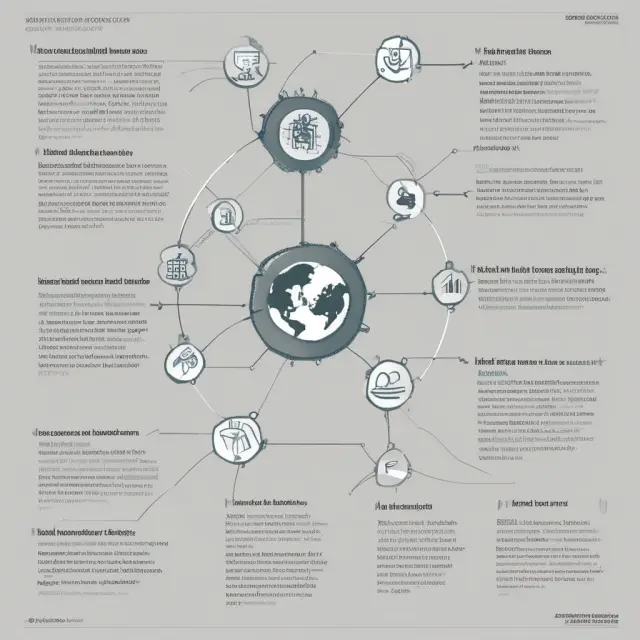
World Bank’s History: From Bretton Woods to Today
The World Bank, an international financial institution with a mission to reduce poverty and support economic development, has undergone significant transformations since its inception. Founded alongside the International Monetary Fund (IMF) at the 1944 Bretton Woods Conference, the World Bank’s original focus was to provide reconstruction loans after World War II. Over time, it evolved into the World Bank Group, offering various financial products and services to assist countries in their development journey.
Bretton Woods Agreement: The Birth of the World Bank and IMF (1944)
The Bretton Woods Conference, held in July 1944, marked a pivotal moment in international economic cooperation. This gathering led to the establishment of both the World Bank and IMF as part of an ambitious plan to stabilize the global economy after World War II. The Bretton Woods Agreement set up fixed exchange rates between major currencies, anchored by the US dollar, which was convertible into gold at a rate of $35 per ounce. This monetary system fostered international trade and economic growth through stable currencies and reduced financial uncertainty during an era of instability.
The Inception of the World Bank (1945)
On April 18, 1945, the World Bank officially opened its doors with 29 founding members. Its primary aim was to provide long-term loans for reconstruction and development projects in war-torn Europe, and eventually expanding to help nations rebuild after World War II. The organization’s initial focus on providing capital to European countries gradually evolved into a more global mandate as the need for financial assistance spread beyond Europe.
Expansion of the World Bank (1950s-Present)
In response to the growing demand for development financing, the World Bank underwent several transformations throughout its history. The 1950s brought about the creation of the International Finance Corporation (IFC), which focused on private sector investments in developing countries. Later, in 1960, the World Bank established the International Development Association (IDA) to provide interest-free loans and grants to the poorest nations. In 1974, the Multilateral Investment Guarantee Agency (MIGA) was formed to insure foreign investments in developing countries against political and non-commercial risks.
The Human Capital Project: A New Focus on People (2018)
In 2018, the World Bank introduced its Human Capital Project, which emphasizes the importance of investing in people as a means to build stronger economies. This initiative encourages world leaders to prioritize investments in education, healthcare, and social protection systems to improve human capital development and ensure that nations reap the long-term benefits of a more productive and healthy labor force.
Overall, the World Bank’s rich history spans over seven decades, illustrating its crucial role in supporting economic growth and poverty reduction around the world. With various financial products and services tailored to meet the diverse needs of its member countries, the World Bank continues to evolve and adapt, ensuring that it remains a vital force for positive change on the global stage.
The Impact of the World Bank: Reducing Poverty and Fostering Economic Growth
The World Bank plays a significant role in reducing poverty and fostering economic growth around the world. With a focus on ending extreme poverty and increasing overall prosperity, the organization provides funding, expertise, and knowledge to help countries make lasting improvements. The World Bank’s impact can be seen in various projects designed to enhance education, healthcare, public administration, infrastructure, and private sector development.
One of the most notable initiatives the World Bank has undertaken is the Human Capital Project. This project, launched in 2017, encourages governments to invest in their citizens’ human capital by prioritizing investments in education, health, and social protections. The Human Capital Project is critical as it emphasizes that a nation’s people are its most valuable asset. When governments invest in their populations, they ultimately create stronger economies composed of healthy, educated, and productive adults.
The World Bank’s impact can also be observed through specific projects that have significantly transformed the lives of millions. For instance, the National Immunization Support Project (NISP) in Pakistan aimed to increase the equitable distribution of vaccines to children ages 0-23 months. Through this project, 500 community-based kindergarten programs were established, allowing for the enrollment of over 20,000 children. In addition, a training program for new teachers and the provision of digital resources supported secondary education in targeted communities.
Another example of the World Bank’s impact can be seen through the Learning for the Future project in the Kyrgyz Republic. This initiative focused on increasing early childhood education access and enhancing instruction in secondary education, with a goal to improve children’s readiness for school and overall educational effectiveness. Through this program, 500 new community-based kindergarten programs were established, impacting over 20,000 children.
The World Bank’s success stories extend beyond the Human Capital Project. For instance, in India, the organization provided net interest revenues of $2,444 million and allocable income of $1,248 million in 2021 alone. The IBRD loaned a total of $39.58 billion to this country since its inception, contributing significantly to its economic growth.
By working with various governments and organizations, the World Bank’s influence has extended to many regions throughout the world, positively impacting millions of lives and fostering long-term economic progress.

Criticisms of the World Bank: Debt Sustainability, Transparency, and Governance
The World Bank’s role in fostering economic development and reducing poverty is undeniable; however, its operations have not been without controversy. Critics often raise concerns regarding the organization’s impact on debt sustainability, transparency, and governance.
Debt Sustainability
One criticism of the World Bank is that its loan practices can contribute to unsustainable debt levels for borrowing countries. In some cases, these loans may not result in long-term improvements to a country’s economy or infrastructure but instead burden them with excessive debt. For instance, loans provided for projects with low potential for economic growth or high operational costs could exacerbate existing financial challenges and limit a government’s ability to address pressing social needs.
Transparency
Another area of concern is the World Bank’s transparency. Critics argue that the organization does not provide enough information regarding the allocation and use of its funds. This lack of transparency raises questions about potential conflicts of interest, misappropriation of resources, and accountability. For example, it can be difficult to determine how much a country has actually received from the World Bank or how those funds have been used.
Governance
Lastly, critics argue that the World Bank’s governance structure is flawed and needs reform. The organization is currently governed by 189 member countries, each having an equal vote in major decisions regardless of their financial contribution to the institution. This arrangement can lead to inefficiencies and inconsistencies in decision-making processes. Additionally, concerns about unequal representation within the World Bank have been raised, as developed nations dominate the organization’s leadership positions.
Addressing Criticisms
To address these criticisms, the World Bank has implemented several measures. For instance, the organization has made efforts to increase transparency by providing more information regarding its loans and projects, such as detailed reports on project outcomes and financial statements. Additionally, it has introduced new policies aimed at promoting debt sustainability, like the Debt Sustainability Framework, which assesses a country’s ability to repay its debt while maintaining social spending and economic growth.
To improve governance, the World Bank has also taken steps such as establishing an Independent Evaluation Group that conducts periodic evaluations of the organization’s operations. Furthermore, the organization has launched initiatives to increase the representation of underrepresented regions and populations within its leadership positions, ensuring a more diverse and inclusive decision-making process.
In conclusion, while the World Bank plays a crucial role in fostering economic development and reducing poverty around the world, it is essential to address criticisms regarding debt sustainability, transparency, and governance. Through continuous efforts to improve these areas, the organization can strengthen its impact and ensure sustainable long-term benefits for borrowing countries.

FAQs on the World Bank: Commonly Asked Questions
The World Bank is an essential global financial institution dedicated to reducing poverty and fostering economic growth, particularly within developing countries. Below, we answer some frequently asked questions about this organization and its history, operations, and impact.
What is the World Bank?
The World Bank is a unique international organization that provides financing, advice, and research to countries aiming to develop their economies and fight poverty. Founded in 1944 under the Bretton Woods Agreement, the bank is an integral partner for governments, offering low-interest loans, grants, and technical assistance across various sectors such as education, healthcare, infrastructure, and public administration.
What role did the Bretton Woods Agreement play in establishing the World Bank?
The Bretton Woods Agreement, signed on July 22, 1944, was a pivotal moment in international monetary history. The accord established the World Bank and its sister institution, the International Monetary Fund (IMF), with the shared goals of promoting international monetary cooperation and stabilizing exchange rates after World War II.
What does the World Bank offer to qualifying governments?
The World Bank offers financial assistance in various forms like low-interest loans, interest-free credits, and grants. These resources are utilized for development projects focusing on key areas such as education, healthcare, public administration, infrastructure, and private-sector development. The bank also provides advice through policy recommendations, research, and technical assistance to help governments improve their economies and living standards.
What is the World Bank Group?
The World Bank Group refers to a collection of five cooperative organizations that work together under the same umbrella to provide various financial and non-financial services for international development: the International Bank for Reconstruction and Development (IBRD), the International Development Association (IDA), the International Finance Corporation (IFC), the Multilateral Investment Guarantee Agency (MIGA), and the International Centre for Settlement of Investment Disputes (ICSID).
What is the World Bank’s Human Capital Project?
The World Bank’s Human Capital Project aims to help countries invest in their human capital, focusing on education, healthcare, social protection, and labor markets, among other areas. By increasing investments in these essential services, nations can create a more productive workforce and, ultimately, stronger economies.
What is the World Bank’s role in reducing poverty?
The World Bank’s primary objectives include helping countries reduce extreme poverty by decreasing the number of people living on less than $1.90 a day below 3%, as well as increasing overall prosperity by improving the economic situation for the bottom 40% of every country’s population. The bank provides financing, advice, and research to support these efforts in various sectors.
How effective is the World Bank in its mission?
The World Bank has had significant impact on poverty reduction and economic growth around the world. For instance, between 1990 and 2015, the bank helped lift over a billion people out of extreme poverty. Additionally, the organization’s support for infrastructure projects has led to improved access to electricity, water, and sanitation facilities in many developing countries.
What are some criticisms of the World Bank?
Criticisms of the World Bank include concerns related to debt sustainability, transparency, and governance issues. For example, critics argue that excessive borrowing from the bank can lead to unsustainable debt burdens for developing countries, while others question its decision-making processes and call for increased accountability and transparency.
How does the World Bank generate revenue?
The World Bank does not operate like a traditional bank; it is an international organization that generates most of its revenue through interest on loans it issues to governments. Additionally, the bank earns income from various services, such as consulting fees and investment management services provided by its sister organizations, IFC and MIGA.
 Next entry · No. 5,802WorldCom: The Largest Telecom Accounting Scandal in US History
See also
-
 No. 2,460
08 Jan 2025
18 min
Understanding the Role and Significance of the International Bank for Reconstruction and Development (IBRD)
Business Finance
No. 2,460
08 Jan 2025
18 min
Understanding the Role and Significance of the International Bank for Reconstruction and Development (IBRD)
Business Finance -
 No. 5,051
07 Aug 2025
20 min
Understanding Transfer Payments: Government’s Role in Redistributing Wealth
Economics
No. 5,051
07 Aug 2025
20 min
Understanding Transfer Payments: Government’s Role in Redistributing Wealth
Economics -
 No. 516
27 Apr 2024
19 min
The Bretton Woods Agreement and System: Understanding Its Significance in Global Finance and Investment
Global Finance
No. 516
27 Apr 2024
19 min
The Bretton Woods Agreement and System: Understanding Its Significance in Global Finance and Investment
Global Finance -
 No. 5,920
18 Oct 2025
20 min
Zombie Companies: Understanding the Dynamics and Risks
Business Finance
No. 5,920
18 Oct 2025
20 min
Zombie Companies: Understanding the Dynamics and Risks
Business Finance -
 No. 5,915
18 Oct 2025
19 min
Zombie Banks: Understanding Insolvent Financial Institutions Supported by Governments
Business Finance
No. 5,915
18 Oct 2025
19 min
Zombie Banks: Understanding Insolvent Financial Institutions Supported by Governments
Business Finance -
 No. 5,803
08 Oct 2025
19 min
Understanding the World Gold Council: Its Role in Gold Mining, Investment, and Consumption
Business Finance
No. 5,803
08 Oct 2025
19 min
Understanding the World Gold Council: Its Role in Gold Mining, Investment, and Consumption
Business Finance