Understanding the Role and Significance of the International Bank for Reconstruction and Development (IBRD)

The International Bank for Reconstruction and Development (IBRD) is the World Bank Group's lender to middle-income and creditworthy low-income countries, created in 1944 to help rebuild postwar Europe. Owned by 189 member countries, it raises most of its funds in world financial markets and lends them, with policy advice, to reduce poverty.
Introduction
The International Bank for Reconstruction and Development (IBRD), established in 1944 during the Bretton Woods Conference, is a renowned international financial institution that plays a crucial role in fostering sustainable economic growth and reducing poverty in countries worldwide. As part of the World Bank Group, IBRD offers a range of financial products and expert guidance to countries committed to enhancing their economies and bettering the lives of their populations. This section aims to shed light on the International Bank for Reconstruction and Development’s function as a development bank, its unique relationship with the World Bank, and its significant role in global development.
Understanding the IBRD: A Development Bank with a Distinguished Legacy
The International Bank for Reconstruction and Development (IBRD) is one of two primary institutions under the auspices of the World Bank. The other is the International Development Association (IDA), which focuses on providing developmental loans to the world’s poorest countries. Born out of the ashes of a war-ravaged Europe, IBRD’s founding mission was to aid in the reconstruction of war-torn nations, particularly those in Europe. Following the continent’s recovery from World War II, its mandate broadened to include global economic growth and poverty reduction efforts.
Today, the International Bank for Reconstruction and Development’s primary focus lies on middle-income countries, defined as those where the per capita income ranges from $1,026 to $12,375 per year (as of 2020). By offering financial resources and policy advice, IBRD helps these nations develop their economies and navigate the intricacies of managing public finances while cultivating confidence from foreign investors. With a rich history that spans over seven decades, the International Bank for Reconstruction and Development has played a pivotal role in the economic growth of numerous countries, particularly those in Asia and Europe.
The International Bank for Reconstruction and Development’s unique relationship with its sister organization, the World Bank, stems from their shared mission to promote global development. While they maintain separate organizational structures and mandates, their synergistic collaboration is essential in ensuring that a holistic approach to development is adopted, ultimately benefiting the world as a whole.
In the following sections, we’ll delve deeper into the history of the International Bank for Reconstruction and Development, its role and mandate, and how it contributes to the economic growth of middle-income countries.

The Foundation of IBRD: Post-War Reconstruction
In 1944, during the Bretton Woods Conference, two major international financial institutions were born: the International Monetary Fund (IMF) and the International Bank for Reconstruction and Development (IBRD). This conference was a turning point in global economic history, as it aimed to establish the post-World War II monetary order. The IBRD was formed with the primary objective of providing financial assistance to war-torn European countries, enabling their reconstruction and economic recovery. The first loan extended by IBRD went to France for the rebuilding of critical infrastructure.
Post-war reconstruction presented a significant challenge: the devastation left in the wake of World War II was enormous, with widespread destruction across Europe. To address this issue, the international community established the International Bank for Reconstruction and Development. The new development bank would focus on rebuilding war-torn European economies by financing essential infrastructure projects.
As the world began to recover from the war, IBRD’s mandate evolved to promote economic growth and poverty reduction beyond Europe. Today, the IBRD remains committed to assisting middle-income countries in their pursuit of sustainable development. These countries typically have per capita income ranging between $1,026 to $12,375 per year. Middle-income economies account for a substantial portion of the world’s population and attract significant foreign investment due to their fast growth rates and large infrastructure projects. However, many of these countries face challenges in managing public finances effectively and ensuring equitable distribution of economic benefits, which is where the IBRD comes into play.
The IBRD provides financing and expert advice on economic policies to help middle-income countries navigate their path toward greater prosperity. This assistance enables governments to focus on key infrastructure projects that have a significant impact on their economies, fostering growth and creating opportunities for their populations. The success stories of middle-income countries like Indonesia, India, and Thailand demonstrate the vital role played by the International Bank for Reconstruction and Development in driving economic progress.

IBRD’s Role and Mandate
The International Bank for Reconstruction and Development (IBRD), an integral part of the World Bank Group, serves as a leading development partner for middle-income countries. Established during the Bretton Woods Conference in 1944 to assist war-torn European nations in rebuilding their economies, its mandate has since expanded to focus on fostering economic growth, poverty reduction, and infrastructure development across the globe.
The IBRD’s primary objective lies in providing loans and policy guidance to governments of middle-income countries whose per capita income ranges between $1,026 and $12,375 annually. Middle-income nations like Indonesia, India, and Thailand, which often boast fast-growing economies, are the main target audience for this international financial institution. These countries attract significant foreign investment and undertake massive infrastructure projects, but they also face unique challenges in managing their finances and ensuring economic stability.
Middle-income countries are home to approximately 70% of the global population living below the poverty line, emphasizing the importance of the IBRD’s role in assisting these nations as they strive for greater prosperity. By focusing on these emerging economies, the IBRD aims to provide the necessary financial resources and expert advice to help governments navigate complex economic situations while addressing the challenges that can undermine their progress.
Through its financing initiatives, the IBRD supports large-scale infrastructure projects that contribute to a country’s long-term economic growth potential. Infrastructure improvements can range from transportation networks to energy systems, and such investments often create opportunities for foreign direct investment and technological advancements. Moreover, the IBRD’s role extends beyond financial resources by providing valuable policy guidance to help governments manage their finances effectively, ensuring they remain attractive to investors while fostering sustainable economic development.
The significance of the International Bank for Reconstruction and Development is evident in its historical accomplishments. The first-ever loan provided by the IBRD was granted to France following World War II, paving the way for the reconstruction of critical infrastructure. Since then, it has broadened its scope, addressing various development challenges in diverse countries around the world. By focusing on the needs of middle-income nations, the IBRD plays a crucial role in promoting global economic growth and poverty reduction while ensuring that these emerging economies can successfully navigate their path toward prosperity.
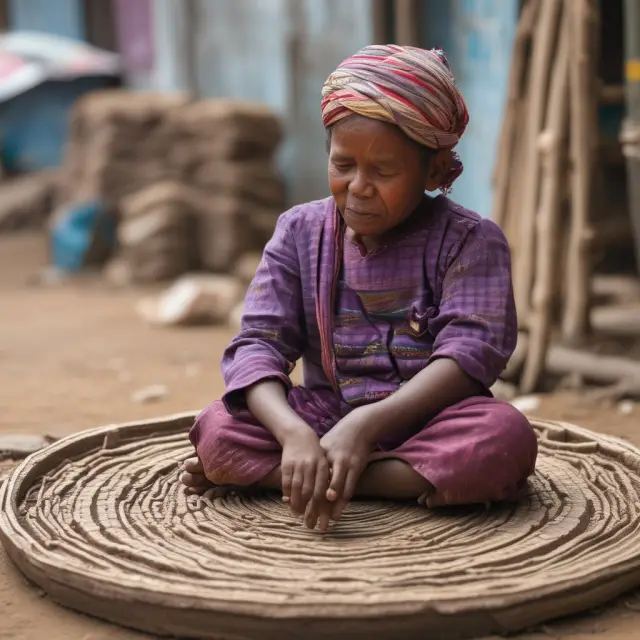
IBRD’s Middle-Income Country Focus: Why It Matters
Middle-income countries (MICs), defined by the World Bank as those with a per capita income between $1,026 and $12,375, represent over 70% of the world’s population. Despite this significant demographic presence, MICs often face unique challenges in their quest for sustainable economic growth and poverty reduction. Enter the International Bank for Reconstruction and Development (IBRD), a key player in the global development landscape dedicated to supporting these countries.
The IBRD’s focus on MICs stems from the recognition that these economies have distinct needs and characteristics, often bridging the gap between developing and developed nations. While these countries have made substantial progress in reducing extreme poverty, they still face complex challenges, such as uneven income distribution, political instability, and inadequate infrastructure. The IBRD steps in to help tackle these issues through a combination of financial resources and policy guidance.
Why Middle-Income Countries Matter
MICs’ significance extends beyond their large population base. These countries are home to dynamic economies with strong growth potential, attracting substantial foreign investment and driving global economic growth. However, this progress can be fragile, as poverty remains pervasive in many of these nations and the benefits of economic development may not reach all segments of society equally.
The role of the International Bank for Reconstruction and Development becomes increasingly vital as it helps MICs navigate the complexities of economic growth and poverty reduction. By providing financial assistance tailored to the needs of individual countries, the IBRD enables these economies to invest in crucial infrastructure projects and reforms that can unlock their full potential.
Additionally, the IBRD plays an essential role in fostering cooperation between MICs and other global institutions, promoting knowledge exchange, and facilitating partnerships that strengthen the overall development landscape. The IBRD’s expertise and resources contribute to a more equitable global economy and help ensure that the benefits of economic growth are shared by all members of society.
Examples of Success Stories and Challenges
The impact of IBRD’s efforts can be seen in numerous success stories across various MICs. For instance, the IBRD’s assistance to Indonesia led to significant improvements in infrastructure development, which fueled the country’s economic growth and reduced poverty levels. However, there have also been instances where IBRD involvement has faced criticism, as in the case of Peru’s Camisea gas project, which raised concerns about environmental sustainability and potential human rights violations.
The ongoing evolution of the global economy underscores the importance of the International Bank for Reconstruction and Development’s continued focus on MICs. By staying attuned to the unique challenges and opportunities that these economies present, the IBRD can help ensure a more stable, equitable, and prosperous future for millions of people around the world.

The IBRD’s Approach to Development: Financing and Policy Advice
Since the International Bank for Reconstruction and Development (IBRD) was founded at Bretton Woods in 1944, it has been dedicated to supporting countries in their journey toward sustainable economic growth. While the IBRD is best known for providing financing for infrastructure projects and development programs, its role goes beyond just financial assistance; the organization also offers valuable policy advice to help countries make informed decisions that drive progress.
Financing: The backbone of IBRD’s approach to development lies in its ability to provide loans to middle-income countries for various purposes. This funding plays a critical role as these governments seek to finance large, complex projects that would otherwise strain their budgets and economic resources. The IBRD offers different types of loans with varying interest rates depending on the borrowing country’s creditworthiness, but all loans are intended to be repaid in full. Repayment terms may vary from short-term to long-term, and IBRD works closely with countries to determine the most feasible loan structure for each specific project.
Policy Advice: As a development partner, the International Bank for Reconstruction and Development is deeply committed to helping its member countries develop sound economic policies that will foster sustainable growth. The organization offers policy advice on matters ranging from fiscal management to regulatory reforms and environmental sustainability. Through collaborative discussions with government officials and other stakeholders, IBRD provides guidance on implementing best practices that lead to improved governance, economic efficiency, and a stronger business environment.
Effectiveness of Financing and Policy Advice: The IBRD’s approach to development has proven successful in many cases, with countries benefiting from the organization’s expertise in financing large infrastructure projects and receiving advice on effective policies. For example, after the 2004 Indian Ocean tsunami, the IBRD provided crucial financial support to help Indonesia recover by investing in essential infrastructure projects like roads and schools. In another instance, policy advice from IBRD played a role in Uruguay’s transformation from an economy heavily reliant on agriculture into one with a thriving manufacturing sector.
Conclusion: The International Bank for Reconstruction and Development’s approach to development is characterized by its commitment to financing infrastructure projects and providing policy advice that enables middle-income countries to build strong economies and create a better future for their citizens. By providing loans tailored to specific countries’ needs while offering expert guidance on economic policies, the IBRD serves as an essential partner in helping developing nations overcome challenges and secure sustainable growth.

IBRD Loans and Conditions
The International Bank for Reconstruction and Development (IBRD) offers financial assistance through a variety of loans that are tailored to meet the needs of individual middle-income countries. These loans come with specific conditions attached, ensuring that borrowing nations are committed to implementing reforms that will foster sustainable economic growth and poverty reduction.
IBRD Loan Types
The IBRD provides different types of loans based on a country’s financial situation and developmental goals. Some common loan options include:
- Project Financing: IBRD covers the costs of specific projects, such as infrastructure improvements or industrial development.
- Program Loans: These loans are larger in size and support multi-year development plans.
- Structural Adjustment Loans (SALs): SALs help countries implement economic reforms aimed at improving their overall macroeconomic framework.
- Guarantees: The IBRD offers guarantees to private investors, providing them with protection against potential losses in exchange for a fee.
Loan Conditions
In exchange for financing, the IBRD imposes conditions on borrowing nations that are aimed at enhancing their overall economic stability and growth prospects. Some common loan conditions include:
- Policy Reforms: The IBRD may demand specific policy reforms as a condition of receiving financial assistance. These reforms could target areas like fiscal sustainability, trade liberalization, or structural adjustments.
- Transparency: Borrowing countries are required to maintain transparency in their economic dealings with the IBRD and other international organizations.
- Environmental Sustainability: The IBRD will only fund projects that meet strict environmental standards, ensuring that development efforts do not harm the natural world or human health.
- Debt Sustainability: The IBRD ensures that its loans help countries maintain a reasonable debt burden and avoid defaulting on their obligations. This is accomplished through careful analysis of a country’s debt sustainability before approving a loan.
- Governance: In cases where the borrowing nation faces issues with governance, the IBRD may attach conditions related to improving the rule of law or establishing effective institutions.
Repayment Terms and Debt Relief
When a country borrows from the IBRD, it is required to repay the loan with interest over an extended period. Repayment terms vary depending on factors like the specifics of each loan, the borrowing country’s financial situation, and its overall economic development progress. In some cases, the IBRD may offer debt relief or reduced interest rates for countries facing significant economic hardships.
The HIPC Initiative (Heavily Indebted Poor Countries) is one such initiative aimed at providing debt relief to poorer countries that have made significant efforts to address their debts and implement economic reforms. Through this program, the IBRD works with the International Monetary Fund to help eligible nations achieve sustainable debt levels while promoting long-term economic development.

Criticisms and Controversies
Since the establishment of the International Bank for Reconstruction and Development (IBRD) in 1944, there have been numerous criticisms concerning its operations, mandate, and impact on member countries. Some criticisms revolve around concerns regarding debt sustainability and accountability.
One significant criticism raised against IBRD loans is the potential for unsustainable debt accumulation. In some cases, the repayment of loans has put undue pressure on governments, particularly in low-income countries, leading to financial crises or further poverty. This issue became especially pertinent when structural adjustment policies were introduced in the 1980s and 1990s, which required borrowing countries to implement specific economic reforms as a condition for receiving IBRD loans.
Another criticism concerns the lack of transparency and accountability within IBRD’s operations. Critics argue that the organization does not adequately address environmental and social risks associated with its projects or involve local communities in decision-making processes. In addition, there have been instances where IBRD loans have been used to fund environmentally damaging projects or projects that have had negative social impacts, causing controversy and public outcry.
However, it is important to acknowledge that the IBRD has made efforts to address these criticisms. The organization has adopted a policy of consultation with stakeholders, including civil society organizations, indigenous peoples, and local communities, to ensure their voices are heard in project planning and implementation processes. Additionally, the IBRD has implemented guidelines for environmental and social risk assessments to minimize negative impacts on the environment and communities.
Despite these efforts, challenges persist regarding debt sustainability, particularly in low-income countries. The IBRD continues to work with these nations to develop sustainable economic strategies and address the root causes of unsustainable debt. In many cases, the organization provides grants and concessional financing through its affiliate, the International Development Association (IDA), to help alleviate financial burdens in low-income countries.
In conclusion, while there are valid criticisms regarding IBRD’s role in development finance, it is important to consider the broader context of global poverty reduction and economic growth. The organization continues to play a crucial role in helping middle-income countries build sustainable infrastructure, navigate economic challenges, and achieve long-term prosperity. As the development landscape evolves, the IBRD must remain adaptive, addressing criticisms while ensuring that its services continue to benefit its member countries.

The Impact of IBRD: Success Stories and Failures
Since the International Bank for Reconstruction and Development (IBRD) was established in 1944, it has played a crucial role in shaping the economies of numerous countries by providing loans and policy advice. This section highlights some success stories where IBRD’s interventions led to significant improvements, as well as instances where its initiatives did not meet their intended goals.
One remarkable example of IBRD’s impact is in South Korea. In the late 1950s, the country was still recovering from the devastating Korean War and faced a dire economic situation. The IBRD provided loans to finance infrastructure projects, such as the Chungju hydroelectric power plant, which proved essential for its rapid industrialization and subsequent rise to become an economic powerhouse.
Another successful case is Indonesia’s development of the Solo-Sungai Besar irrigation project with IBRD assistance. The scheme improved water management in agricultural areas and boosted rice production significantly, contributing to poverty reduction and food security.
However, not every IBRD intervention has been a triumph. In the late 1980s, Jamaica underwent structural adjustment programs backed by the IBRD and the International Monetary Fund (IMF). Although these policies aimed to revive the economy by reducing government spending, increasing exports, and stabilizing inflation, they also led to widespread hardships for many Jamaicans. The economic situation worsened as a result of higher taxes, reduced social services, and increased unemployment, with long-term consequences still being felt today.
The IBRD’s role in China’s economic development is a complex issue. While the country’s economic growth following Mao Zedong’s rule was remarkable, critics argue that IBRD loans came with strings attached in the form of policy reforms. This led to mixed results – while some sectors thrived, others suffered from economic liberalization and privatization efforts that left many people unemployed or underemployed.
In conclusion, understanding the IBRD’s role in shaping the development trajectory of various countries reveals both success stories and failures. The IBRD’s influence has been instrumental in driving growth in some regions while leaving others grappling with the consequences of structural adjustments and economic policies. Regardless, it remains an essential player in the global development landscape, pushing for sustainable progress and poverty reduction.

IBRD and the Global Economy: Past, Present, and Future
The International Bank for Reconstruction and Development (IBRD) plays a crucial role within the global economy as it focuses on improving the financial conditions of middle-income countries. The IBRD, one of two major institutions that make up the World Bank, came into being at the end of World War II during the Bretton Woods Conference in 1944. At this historic gathering, delegates from allied nations established a new global monetary policy regime and founded both the International Monetary Fund (IMF) and the IBRD. Initially aimed at providing loans to war-torn European countries for post-war reconstruction, the IBRD broadened its focus as Europe recovered.
The significance of the IBRD lies in its commitment to fostering economic growth in middle-income countries (MICs) and alleviating poverty. With a per capita income ranging from $1,026 to $12,375 annually, these countries represent 70% of the global population living below the poverty line despite experiencing rapid economic expansion. By offering financial assistance and policy guidance, the IBRD empowers MICs’ leaders to navigate the complex journey toward prosperity and address inequality.
Historically, the IBRD’s first loan was granted to the French government in 1947 to rebuild critical infrastructure that had been destroyed during World War II. Over the ensuing decades, the IBRD expanded its scope, focusing on fostering economic growth and poverty reduction globally.
Looking to the future, the IBRD remains an essential part of the global economy as it strives to strengthen the financial positions of MICs while ensuring that the benefits of their development are equitably distributed among their populations. As the world becomes increasingly interconnected, the role of institutions like the IBRD in promoting economic stability and growth will only grow more vital.
Moreover, the IBRD’s work is essential for long-term global poverty reduction as it focuses on addressing the root causes of inequality within MICs. By offering financial resources, technical expertise, and policy guidance, the IBRD enables middle-income countries to create sustainable economic growth and provide their citizens with better opportunities for upward mobility.
In conclusion, understanding the role and significance of the International Bank for Reconstruction and Development (IBRD) is crucial in comprehending the global economy’s past, present, and future. As an integral part of the World Bank, the IBRD’s commitment to fostering economic growth in middle-income countries will continue to be a vital force for positive change.

FAQs about the International Bank for Reconstruction and Development (IBRD)
The International Bank for Reconstruction and Development (IBRD) is a renowned development organization that plays a significant role in fostering sustainable economic growth and reducing poverty, especially in middle-income countries. In this FAQ section, we answer some frequently asked questions about the IBRD and its operations.
What is the International Bank for Reconstruction and Development (IBRD)?
Answer: The IBRD is a multilateral development institution that forms part of the World Bank Group. Established in 1944, it primarily offers financial resources and policy advice to help middle-income countries finance their development projects and make economic progress.
What are the key functions of the International Bank for Reconstruction and Development (IBRD)?
Answer: The IBRD’s primary roles include providing loans to member countries, offering technical assistance and policy advisory services to improve economic governance, and collaborating with other international organizations on development projects.
Who are the members of the International Bank for Reconstruction and Development (IBRD)?
Answer: The IBRD has 189 member countries, making it one of the most inclusive international financial institutions. These countries come from all regions of the world, reflecting its commitment to fostering global economic cooperation and development.
What is the difference between the World Bank and the International Bank for Reconstruction and Development (IBRD)?
Answer: While both institutions are part of the World Bank Group, the World Bank focuses on providing financing and policy advice to low-income countries through its International Development Association (IDA) subsidiary. The IBRD caters to the financing needs of middle-income countries with greater economic potential.
What type of loans does the International Bank for Reconstruction and Development (IBRD) offer?
Answer: The IBRD provides loans to its member countries at market-based interest rates, with the aim of fostering sustainable development projects and promoting economic growth. The repayment terms can be customized based on each country’s specific needs and economic conditions.
How does the International Bank for Reconstruction and Development (IBRD) promote accountability and transparency?
Answer: The IBRD maintains a strong commitment to transparency, with all its projects and loan agreements publicly disclosed. It also collaborates closely with other organizations such as the International Monetary Fund and the World Trade Organization to ensure that recipient countries adhere to international standards of good governance and economic reforms.
What are some examples of successful IBRD-funded projects?
Answer: Some notable success stories include the financing of the Bangladesh Textile Mills Corporation in 1980, which led to a significant expansion of the country’s textile industry; and the construction of the Mekong River hydroelectric dam in Laos, which provides electricity to millions of people in Southeast Asia.
What are some common criticisms of the International Bank for Reconstruction and Development (IBRD)?
Answer: Critics argue that IBRD loans can impose unsustainable debt burdens on recipient countries, while others claim that the organization prioritizes the interests of richer nations over those of developing countries. The IBRD has taken steps to address these criticisms by implementing more flexible loan conditions and engaging in a more collaborative approach with borrowing nations.
By understanding the International Bank for Reconstruction and Development (IBRD) and its role in global development, we can better appreciate its significance in promoting economic progress and reducing poverty across the world.
 Next entry · No. 2,461Understanding the International Chamber of Commerce (ICC): History, Functions, and Governing Bodies
See also
-
 No. 5,801
08 Oct 2025
24 min
Understanding the Role and Impact of the World Bank
Business Finance
No. 5,801
08 Oct 2025
24 min
Understanding the Role and Impact of the World Bank
Business Finance -
 No. 3,193
08 Mar 2025
19 min
Understanding Middle-Income Countries (MICs): Characteristics, Significance, and Transition
Business Finance
No. 3,193
08 Mar 2025
19 min
Understanding Middle-Income Countries (MICs): Characteristics, Significance, and Transition
Business Finance -
 No. 2,303
26 Dec 2024
21 min
Understanding the International Monetary Fund (IMF): Mission, History, and Activities
Global Finance
No. 2,303
26 Dec 2024
21 min
Understanding the International Monetary Fund (IMF): Mission, History, and Activities
Global Finance -
 No. 520
28 Apr 2024
21 min
The Rise and Fall of BRICS: Understanding an Era-Defining Economic Thesis
Business Strategy
No. 520
28 Apr 2024
21 min
The Rise and Fall of BRICS: Understanding an Era-Defining Economic Thesis
Business Strategy -
 No. 5,834
11 Oct 2025
20 min
Understanding Xenocurrencies: Definition, Risks, and Real-World Examples
Business Finance
No. 5,834
11 Oct 2025
20 min
Understanding Xenocurrencies: Definition, Risks, and Real-World Examples
Business Finance -
 No. 5,562
19 Sep 2025
22 min
Understanding W-Shaped Recovery: Double Dip Economy and Investment Implications
Business Finance
No. 5,562
19 Sep 2025
22 min
Understanding W-Shaped Recovery: Double Dip Economy and Investment Implications
Business Finance