Understanding the International Chamber of Commerce (ICC): History, Functions, and Governing Bodies
Understanding the International Chamber of Commerce (ICC): History, Functions, and Governing Bodies. Learn about its role in promoting international trade…
Introduction to the International Chamber of Commerce (ICC)
The International Chamber of Commerce (ICC), established in 1919, is the world’s largest business organization representing over 45 million companies from more than 100 countries. With a diverse range of businesses spanning various sectors, ICC fosters international trade and commerce to promote open markets for goods and services while protecting the free flow of capital. The organization sets essential rules governing cross-border transactions, offers dispute resolution mechanisms, engages in policy advocacy, and provides training.
Moreover, ICC plays a crucial role in fighting commercial crime and corruption and collaborates with international organizations such as the United Nations (UN) and World Trade Organization (WTO). The ICC’s extensive networks of committees and experts represent businesses across industries, keeping members informed about issues that concern their sectors.
Understanding the International Chamber of Commerce (ICC): Functions and Significance
The ICC aims to facilitate international trade and commerce through several functions:
- Rule establishment: The organization sets voluntary but widely adopted rules governing cross-border business transactions, ensuring a level playing field for companies involved in international trade.
- Dispute resolution: The International Court of Arbitration is an integral part of the ICC, providing impartial and effective dispute resolution services to members. This enables businesses to resolve disputes amicably instead of lengthy litigation.
- Policy advocacy: ICC engages with various intergovernmental organizations such as the UN and WTO to promote business-friendly policies that foster economic growth, employment opportunities, and overall prosperity.
- Training: The organization offers training programs for businesses and their employees to enhance their skills and knowledge in various areas related to international trade.
History of the International Chamber of Commerce (ICC): Origins and Evolution
Founded in Paris, France, in 1919, ICC has evolved into a global powerhouse in setting international business standards. The organization’s international secretariat was established soon after its founding, with the International Court of Arbitration following suit in 1923. Étienne Clémentel, an early-20th-century French politician, served as the ICC’s first chair.
Governing Bodies of the International Chamber of Commerce (ICC): World Council, Executive Board, and International Secretariat
The ICC is governed by four primary bodies:
- The World Council: Comprising national committee representatives, the World Council elects the highest officers of the ICC, including the chair and vice-chair, every two years.
- The Executive Board: Consisting of 30 business leaders and ex-officio members, the executive board is responsible for setting strategic direction for the organization. It oversees the development of policies and strategies and is elected by the World Council.
- The International Secretariat: Serving as the operational arm of the ICC, the international secretariat develops and implements work programs and introduces business perspectives to intergovernmental organizations. The secretary-general, who is appointed by the World Council, oversees this governing body. The finance committee advises the executive board on all financial aspects.
The Future of the International Chamber of Commerce (ICC): Challenges and Opportunities
As global economies face challenges such as economic instability, political tensions, and digital transformation, the ICC continues to play a vital role in addressing these issues by advocating for business-friendly policies, setting international business standards, providing dispute resolution services, and offering training programs. Additionally, the organization is exploring digital transformation to streamline business processes and expand its reach.
The Role and Functions of the International Chamber of Commerce (ICC)
The International Chamber of Commerce (ICC) is not just a large business organization—it’s an essential partner for businesses operating in today’s interconnected global economy. The ICC represents 45 million companies from more than 100 countries and is the leading voice advocating for free trade, open markets, and the establishment of rules that govern cross-border business transactions. In a world where international commerce and economic cooperation are vital drivers of growth and development, the role of the International Chamber of Commerce cannot be overstated.
One primary function of the ICC is to promote and protect open markets for goods and services and the free flow of capital across borders. With its vast networks of committees and experts covering a full range of business sectors, the organization keeps members informed about issues affecting their industries. Moreover, the ICC engages in policy advocacy and collaborates with international organizations like the United Nations, World Trade Organization, and others to create a favorable economic environment for businesses worldwide.
Another essential function of the ICC is the establishment of rules that govern cross-border business transactions. The ICC’s rules are voluntary but widely adopted and play a significant role in shaping international business practices. These rules help minimize friction between countries, reduce the likelihood of commercial disputes, and create an environment conducive to trade growth.
The International Chamber of Commerce is also recognized for its expertise in dispute resolution through its International Court of Arbitration. As businesses increasingly operate in a global marketplace, the need for a neutral forum that offers efficient, fair, and cost-effective resolutions to commercial disputes becomes increasingly vital. The ICC’s international arbitration services have been in use since 1923, providing solutions to complex business disputes while preserving confidentiality and maintaining the parties’ reputations.
The History of the International Chamber of Commerce (ICC)
Tracing its roots back to 1919 when it was founded in Paris, France, the International Chamber of Commerce has undergone significant growth over the decades. The organization’s international secretariat was established in Paris, and its International Court of Arbitration was formed in 1923. Throughout its history, the ICC has played a crucial role in advocating for open markets, free trade, and economic cooperation among nations.
The Governing Bodies of the ICC: The World Council
At the heart of the International Chamber of Commerce’s governance structure lies the World Council, which is composed of national committee representatives. Every two years, the highest officers of the ICC, including the chair and vice-chair, are elected by the World Council. This body sets the strategic direction for the organization and ensures its alignment with members’ interests and needs.
The Governing Bodies of the ICC: The Executive Board
Another crucial governing body is the executive board, which comprises 30 business leaders and ex-officio members. The executive board is responsible for providing strategic direction to the organization and overseeing its implementation. Its prominent duties include the development of strategies, policy implementation, and advocacy on behalf of ICC member companies.
The Governing Bodies of the ICC: The International Secretariat
As the operational arm of the ICC, the international secretariat plays a vital role in developing and implementing the organization’s work program. It introduces business perspectives to intergovernmental organizations and is responsible for representing members’ interests and needs at both national and international levels. The secretary-general, who is appointed by the World Council, oversees this governing body.
In conclusion, the International Chamber of Commerce (ICC) plays a vital role in fostering international trade and commerce. With its extensive networks of committees, experts, and influential governing bodies, the organization sets rules that govern cross-border business transactions, offers dispute resolution services, and advocates for open markets and free trade policies. The ICC’s history is rich with achievements, from its inception in 1919 to its present role as a leading voice for businesses worldwide.

The History of the ICC
The International Chamber of Commerce (ICC) was established in 1919 during the aftermath of World War I in Paris, France, with a vision to promote international peace and economic prosperity. Recognizing the need for a global platform to represent business interests, a small group of business leaders came together to form the ICC. In the same year as its inception, the organization’s international secretariat was also established to facilitate communication among various national chambers and committees. However, it wasn’t until 1923 that the International Court of Arbitration, an essential component of the ICC, was formed to provide businesses with a neutral forum for resolving disputes through arbitration.
The first chairperson of the Chamber was Étienne Clémentel, a well-known French politician from the early 20th century. Since its inception, the ICC has grown into the largest business organization globally, representing over 45 million companies across more than 100 countries. It continues to serve as a powerful force in fostering international trade and commerce by advocating for open markets, setting rules, providing dispute resolution services, and offering training programs.
The Governing Bodies of the ICC: The International Secretariat
In addition to its founding bodies, the ICC is governed by various entities that ensure its strategic direction, implementation, and financial management. The international secretariat acts as the operational arm of the organization, responsible for developing and implementing work programs and introducing business perspectives to intergovernmental organizations. The secretary-general, who is appointed by the World Council, oversees this governing body. With a presence in over 90 countries, the ICC’s international secretariat plays a critical role in promoting its mission of fostering international trade and commerce while addressing contemporary issues affecting businesses worldwide.
In the next sections, we will dive deeper into the roles and functions of the International Chamber of Commerce (ICC) and explore how it has influenced global business practices. Stay tuned!
Governing Bodies of the ICC: The World Council
The World Council is a critical governing body within the International Chamber of Commerce (ICC). This esteemed assembly comprises national committee representatives from various countries across the globe. The World Council plays a pivotal role in electing the highest officers of the ICC, including its chair and vice-chair, every two years. Moreover, it sets the strategic direction for this influential organization, ensuring that it remains at the forefront of promoting and protecting open markets for goods and services and the free flow of capital.
The World Council is an essential link between the ICC’s diverse global membership and its executive bodies. Its composition allows for a balanced representation of business sectors and interests from various regions around the world. This unique structure ensures that the organization remains responsive to the ever-changing needs and challenges in international commerce.
Understanding the Role of the World Council
The World Council serves as the primary decision-making body within the ICC, with significant influence on the organization’s overall direction. By electing the highest officers every two years, the council ensures that the ICC is steered by experienced and dedicated leaders who share a commitment to fostering international trade and commerce.
In addition, the World Council sets the strategic vision for the ICC, providing guidance on its priorities, goals, and initiatives. This oversight ensures that the organization remains relevant and effective in addressing the most pressing challenges facing international business. The council’s decisions are informed by the input of its vast networks of committees and experts, allowing for a comprehensive understanding of the needs and perspectives of its members.
Electing Leaders through the World Council
The World Council is responsible for electing the ICC’s chair and vice-chair every two years. These officers play a crucial role in shaping the direction of the organization, engaging with key stakeholders, and advocating for business interests on the international stage. The council’s election process ensures that these leaders possess strong credentials and a deep understanding of the global business landscape.
The World Council also appoints the secretary-general, who oversees the operational arm of the ICC – the international secretariat. This appointment further strengthens the link between the organization’s strategic direction and its day-to-day activities, ensuring that they remain aligned with the evolving needs of its members.
Setting the Strategic Direction for the ICC
The World Council’s role in setting the strategic direction for the ICC is vital to the organization’s success. It provides guidance on the ICC’s priorities, goals, and initiatives based on input from its networks of committees and experts. By maintaining a strong connection to the business community, the council ensures that the ICC remains focused on addressing the most pressing challenges in international commerce and providing value to its members.
In conclusion, the World Council is an essential governing body within the International Chamber of Commerce, playing a pivotal role in shaping the strategic direction of the organization and electing its highest leaders. Its unique composition allows for a balanced representation of business sectors and interests from around the world, ensuring that the ICC remains responsive to the evolving needs and challenges in international commerce.
Governing Bodies of the ICC: The Executive Board
The International Chamber of Commerce (ICC) is a global business organization with 45 million members spanning more than 100 countries. This section focuses on one of its most critical governing bodies – the Executive Board. Comprised of 30 business leaders and ex-officio members, this body plays an essential role in overseeing the budget and strategic direction for the ICC.
The Executive Board is a crucial component of the International Chamber of Commerce’s organizational structure. It consists of 30 prominent business leaders from diverse industries, providing valuable insights into various sectors. Additionally, the board includes ex-officio members, who are high-ranking officials within their respective national committees or regional bodies.
The Executive Board is primarily responsible for strategic oversight and policy implementation within the ICC. This body sets the organization’s overall direction and develops strategic initiatives to promote international trade and commerce. By leveraging its members’ expertise, the board helps ensure that the ICC remains at the forefront of addressing business challenges and identifying new opportunities.
The Executive Board plays a pivotal role in shaping the International Chamber of Commerce’s future. Its prominent duties include:
- Developing strategies and policy implementation within the organization.
- Ensuring alignment with the overall mission, vision, and values of the ICC.
- Supporting the work programs and initiatives of committees and other governing bodies.
- Overseeing the organization’s financial resources, including budget development and management.
- Collaborating with national committees, regional bodies, and intergovernmental organizations to advance the ICC’s objectives.
The importance of the Executive Board is underscored by its role in shaping the future of international commerce. By working together, this diverse group of business leaders fosters a global network that promotes economic growth, creates jobs, and supports overall prosperity. The Executive Board’s strategic vision and collaborative efforts help ensure that the International Chamber of Commerce continues to be an essential partner for businesses around the world.
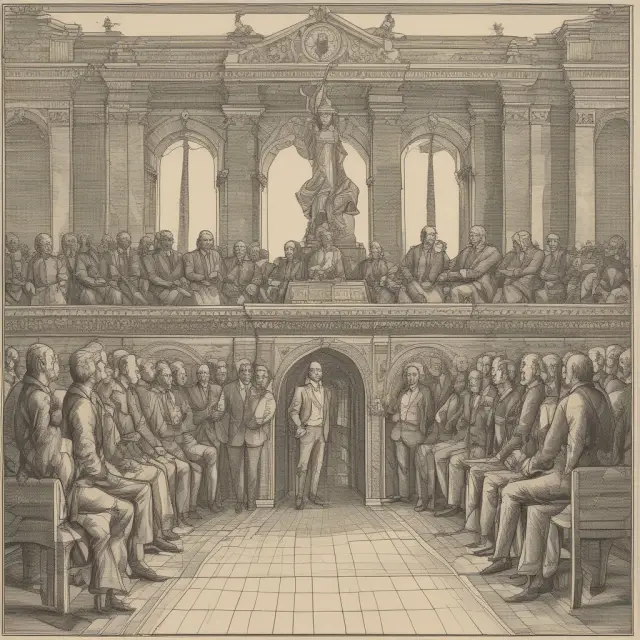
Governing Bodies of the ICC: The International Secretariat
The International Chamber of Commerce (ICC) operates with several governing bodies to ensure efficient decision-making, strategic direction, and effective execution of its objectives. Among these key entities is the operational arm of the organization – The International Secretariat.
Established in Paris, France, in 1923, the International Secretariat serves as the ICC’s central hub for policy development, advocacy, and implementation. This critical body plays a vital role in introducing business perspectives to international organizations, establishing rules and guidelines for cross-border transactions, and fostering collaboration with global institutions.
The International Secretariat is responsible for managing the day-to-day operations of the ICC and executing its strategic initiatives. Comprised of highly skilled professionals, including experts in various fields like law, economics, technology, and sustainability, the International Secretariat works to ensure that the organization’s policies and programs align with the evolving needs of the business community.
Moreover, this governing body plays a crucial role in representing the interests of ICC members at international fora. The International Secretariat actively engages with organizations like the United Nations (UN), World Trade Organization (WTO), and other intergovernmental entities to advance the global business agenda and foster international cooperation. By collaborating with these institutions, the ICC can influence the development of regulations that impact businesses and ensure a level playing field for its members.
To maintain the highest standards of governance, the International Secretariat is led by a Secretary-General who is appointed by the World Council. This appointment allows for seamless communication between the executive board, the World Council, and the operational arm, ensuring that the organization remains focused on its strategic objectives and continues to deliver value to its members.
In conclusion, the International Secretariat is a vital governing body of the ICC, driving the organization’s day-to-day operations and ensuring that the voice of international business is heard at the highest levels of global decision-making. Through its collaborative efforts with intergovernmental organizations, the International Secretariat continues to shape the rules and regulations that govern international commerce, enabling businesses to thrive in a rapidly changing global economy.
The Impact of ICC on International Business
The International Chamber of Commerce (ICC) plays a pivotal role in setting international rules that govern cross-border business transactions. These rules, though voluntary, are widely adopted by thousands of companies daily as part of routine international trade. The ICC’s influence on the global economy is substantial, promoting economic growth, creating jobs and stabilizing employment, and ensuring overall economic prosperity.
The importance of the International Chamber of Commerce (ICC) to international business can be attributed to several factors:
1. Rule-setting for cross-border business transactions: The ICC establishes rules that are essential for international commerce. These rules provide a framework for businesses dealing with various complexities that arise from cross-border transactions. For example, the ICC’s International Trade and Finance Committee develops and updates the widely used Uniform Customs and Practice for Documentary Credits (UCP). The UCP sets standards for international trade finance documents, which in turn helps ensure a uniform approach to interpreting and applying these documents.
2. Dispute resolution: The ICC offers an efficient and effective alternative dispute resolution mechanism through its International Court of Arbitration. This court enables businesses involved in disputes with each other to resolve their disagreements via arbitration, rather than lengthy litigation. As a result, companies can save both time and resources while maintaining confidentiality.
3. Policy advocacy: The ICC’s advocacy efforts extend beyond the business world, as it maintains contact with international organizations such as the United Nations (UN) and the World Trade Organization (WTO). By promoting business interests within these organizations, the ICC can influence the development of regulations and policies that impact businesses on a global scale.
4. Training: The ICC provides training programs to help businesses navigate the intricacies of international trade, including customs procedures, legal aspects of contracts, and other critical areas. This training not only enhances the skills of individuals within organizations but also contributes to the overall competitiveness of businesses in the global marketplace.
The impact of the ICC on international business extends beyond its immediate membership. The organization’s influence is felt as its rules, dispute resolution mechanisms, and advocacy efforts are adopted by a vast number of businesses. This widespread adoption results in increased efficiency, reduced risk, and improved predictability for companies engaging in international trade.
As the global economy continues to evolve, the ICC will remain a crucial player in shaping the business landscape. By addressing economic and political instability while embracing digital transformation, the organization is well-positioned to tackle the challenges that lie ahead and seize new opportunities for growth.

ICC and International Organizations: Intergovernmental Agencies
The International Chamber of Commerce (ICC) has always been a leading voice for international business and commerce. It collaborates with various intergovernmental agencies to promote a global economy and ensure open markets for businesses worldwide. In this section, we’ll delve deeper into the partnerships ICC holds with key international organizations like the United Nations (UN), World Trade Organization (WTO), and other influential bodies.
The United Nations (UN) is one of the most prominent intergovernmental organizations. The UN aims to maintain international peace and security, promote sustainable development, protect human rights, and uphold international law. Collaborating with the ICC, the UN benefits from the business community’s perspective on various issues, particularly those concerning economic growth and job creation. The ICC provides valuable input on the implementation of the Sustainable Development Goals (SDGs), enabling a more inclusive and sustainable global economy.
The World Trade Organization (WTO) is another critical player in the international arena. Its primary objective is to ensure that global trade flows as smoothly, predictably, and freely as possible. The ICC actively works with the WTO on various initiatives, including dispute resolution under the Dispute Settlement Body, and capacity building projects to strengthen developing countries’ business environments. Through this collaboration, both organizations can contribute to a more prosperous, interconnected global economy.
The International Monetary Fund (IMF) is a supranational financial institution that focuses on promoting international monetary cooperation, exchange rate stability, and sustainable economic growth. The ICC collaborates with the IMF to provide insights from the business community regarding economic policies and their potential impact on trade. This partnership ensures that decisions made by the IMF take into account the interests of businesses worldwide.
The World Bank Group is a collective organization that includes five individual institutions, all working together to end extreme poverty and promote shared prosperity. The ICC collaborates with the World Bank Group on initiatives aimed at promoting trade-led growth and fostering an enabling business environment in developing countries. Through this partnership, both organizations can contribute to creating a more stable global economy while addressing development challenges faced by many nations.
In conclusion, the International Chamber of Commerce’s partnerships with various international organizations such as the United Nations, World Trade Organization, IMF, and the World Bank Group, enable it to effectively represent businesses worldwide, promote open markets, and contribute to a more prosperous global economy. By providing valuable insights from the business community, these collaborations can result in better decisions and policies that ultimately benefit businesses and economies across the globe.
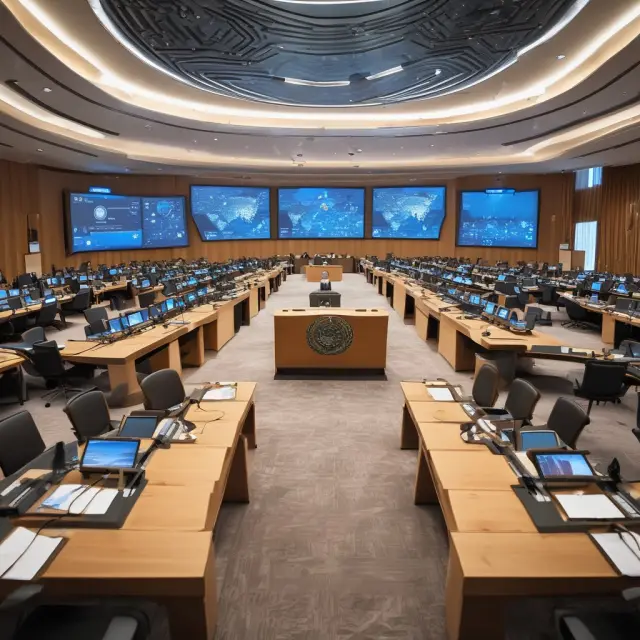
The Future of the ICC: Challenges and Opportunities
The International Chamber of Commerce (ICC) has been at the forefront of fostering international trade since its inception a century ago. With the ever-evolving global economic landscape, the organization now faces challenges that call for innovative solutions. In this section, we will discuss some of these challenges and opportunities as well as the steps ICC is taking to address them.
1. Economic Instability and Political Tension
One major challenge facing international trade is increasing instability in economies and geopolitical tensions. This uncertainty can result in decreased investment, stalled negotiations, and overall volatility in global markets. In response, the ICC has taken steps to address these concerns by providing a neutral platform for dialogue between governments and businesses to foster an environment conducive to international trade.
2. Digital Transformation in Business Processes
The rapid digitalization of business processes presents both opportunities and challenges for the ICC. On one hand, technology makes it easier for companies to connect, collaborate, and transact globally. However, there are also risks associated with cybercrime and data privacy. The ICC is addressing these concerns by advocating for international standards and guidelines on digital transactions and engaging with relevant stakeholders to ensure a secure digital future for businesses.
3. Enhancing the Role of Small and Medium-Sized Enterprises (SMEs)
Small and medium-sized enterprises (SMEs) play a crucial role in driving economic growth and job creation. However, they often face unique challenges when it comes to entering international markets. The ICC is working to address these challenges by providing SMEs with access to resources, training, and networking opportunities. This will help level the playing field for SMEs and foster greater economic opportunity on a global scale.
4. Collaborating with Intergovernmental Agencies
The ICC continues to collaborate with international organizations such as the United Nations (UN), the World Trade Organization (WTO), and others, to ensure that business perspectives are taken into account in policymaking. This collaboration is essential for addressing global issues that impact businesses and promoting a more stable and prosperous international economic landscape.
In conclusion, the International Chamber of Commerce (ICC) has been a driving force behind fostering international trade for over a century. Though challenges like economic instability, political tension, digital transformation, and the role of SMEs present obstacles, the ICC remains dedicated to finding innovative solutions through collaboration, advocacy, and the promotion of global business best practices.
FAQs on The Future of the International Chamber of Commerce (ICC)
What are some challenges facing international trade that the ICC is addressing?
The International Chamber of Commerce (ICC) faces several challenges in fostering international trade, including economic instability and political tension, digital transformation, and the role of small and medium-sized enterprises (SMEs).
How does the ICC promote a secure digital future for businesses?
The ICC advocates for international standards and guidelines on digital transactions and engages with relevant stakeholders to ensure a secure digital future for businesses.
How does the ICC help SMEs enter international markets?
The ICC provides SMEs with access to resources, training, and networking opportunities to help them enter international markets and level the playing field.
What intergovernmental agencies does the ICC collaborate with?
The International Chamber of Commerce (ICC) collaborates with international organizations such as the United Nations (UN), the World Trade Organization (WTO), and others, to ensure that business perspectives are taken into account in policymaking.

FAQs on the International Chamber of Commerce (ICC)
What is the International Chamber of Commerce (ICC)?
The International Chamber of Commerce (ICC) is the world’s largest business organization, representing 45 million companies from over 100 countries. Established in Paris, France, in 1919, the ICC aims to foster international trade and commerce, promoting open markets for goods and services and the free flow of capital. Its primary functions include the establishment of rules, dispute resolution, policy advocacy, and training. With a vast network of committees and experts representing various business sectors, the ICC wields significant influence in setting global business standards and collaborating with international organizations like the United Nations and World Trade Organization (WTO).
How does the ICC foster international trade?
The International Chamber of Commerce (ICC) fosters international trade by promoting open markets for goods and services and the free flow of capital. Its functions include establishing rules, providing dispute resolution through its International Court of Arbitration, advocating for policy changes, and offering training to businesses. Although these rules are voluntary, they are widely adopted due to their practicality and the ICC’s authority as a global business organization.
What are the roles and functions of the ICC?
The roles and functions of the International Chamber of Commerce (ICC) include promoting open markets for goods and services and the free flow of capital, establishing international rules that govern cross-border transactions, offering dispute resolution through its International Court of Arbitration, advocating for business policies, and providing training to businesses. The ICC’s influence extends beyond its membership through partnerships with intergovernmental organizations like the United Nations (UN) and World Trade Organization (WTO).
Who are the governing bodies of the ICC?
The International Chamber of Commerce (ICC) has four primary governing bodies: the World Council, executive board, international secretariat, and finance committee. The World Council is made up of national committee representatives who elect the highest officers of the ICC every two years. The executive board provides strategic direction for the ICC and is elected by the World Council. The international secretariat serves as the operational arm of the ICC and is overseen by a secretary-general appointed by the World Council. The finance committee, which advises the executive board on financial aspects, prepares the budget and reviews financial implications of ICC activities.
 Next entry · No. 2,462Understanding the Role of the International Finance Corporation (IFC) in Global Finance and Development
See also
-
 No. 5,018
05 Aug 2025
20 min
Trade Liberalization: Understanding Its Advantages, Disadvantages, and Examples
International Trade
No. 5,018
05 Aug 2025
20 min
Trade Liberalization: Understanding Its Advantages, Disadvantages, and Examples
International Trade -
 No. 5,146
15 Aug 2025
19 min
Understanding Umpire Clauses in Insurance Policies: The Role of Third-Party Arbitration
Insurance
No. 5,146
15 Aug 2025
19 min
Understanding Umpire Clauses in Insurance Policies: The Role of Third-Party Arbitration
Insurance -
 No. 1,017
16 Jul 2024
18 min
Understanding Devaluation: A Monetary Policy Tool Used for Combating Trade Imbalances and Currency Wars
Business Finance
No. 1,017
16 Jul 2024
18 min
Understanding Devaluation: A Monetary Policy Tool Used for Combating Trade Imbalances and Currency Wars
Business Finance -
 No. 5,829
11 Oct 2025
22 min
Understanding the World Trade Organization (WTO): History, Functions, Advantages, Disadvantages, Leadership, and Importance
International Trade
No. 5,829
11 Oct 2025
22 min
Understanding the World Trade Organization (WTO): History, Functions, Advantages, Disadvantages, Leadership, and Importance
International Trade -
 No. 5,352
01 Sep 2025
20 min
Understanding the Uniform Rules for Demand Guarantees (URDG): Balancing Interests in International Contracts
International Trade
No. 5,352
01 Sep 2025
20 min
Understanding the Uniform Rules for Demand Guarantees (URDG): Balancing Interests in International Contracts
International Trade -
 No. 5,268
25 Aug 2025
21 min
Understanding the Role and Impact of UNCITRAL on International Trade Law
International Trade
No. 5,268
25 Aug 2025
21 min
Understanding the Role and Impact of UNCITRAL on International Trade Law
International Trade