Understanding the World Trade Organization (WTO): History, Functions, Advantages, Disadvantages, Leadership, and Importance
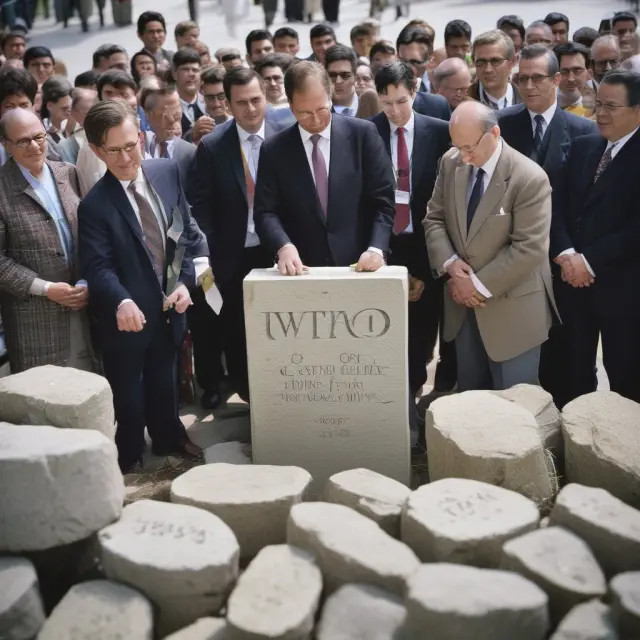
Explore the role, history, advantages, disadvantages, leadership, and impact of the World Trade Organization (WTO). Understand its significance in…
Background of the WTO: Historical Context and Foundational Agreements
The World Trade Organization (WTO) was established in 1995, succeeding the General Agreement on Tariffs and Trade (GATT), which had been created in 1947. The WTO represents a significant milestone in international trade, as it has served as an essential forum for regulating and mediating disputes between nations regarding global commerce.
Historically, the establishment of the GATT was driven by the aftermath of World War II, when countries sought to create a framework to foster economic cooperation among themselves. In 1947, 23 countries signed the original agreement, laying the groundwork for an institution that would eventually grow to encompass over 160 member nations and observer governments as of 2021.
The GATT aimed to reduce tariffs (customs duties) on international trade to promote free trade and economic growth. This approach ultimately proved successful, leading to a substantial decrease in global barriers to commerce. However, as the world economy evolved, it became apparent that additional measures were required to address emerging trade issues effectively.
In 1986, the Uruguay Round of GATT negotiations took place, resulting in numerous agreements covering new areas such as intellectual property, services, and textiles. The conclusion of this round marked a significant turning point, setting the stage for the creation of the WTO.
The World Trade Organization (WTO) was officially launched on January 1, 1995, with its headquarters in Geneva, Switzerland. It came into existence following extensive negotiations among its founding members to create an organization that could better address the needs of the global economy in a rapidly changing world. Since then, it has served as an essential platform for trade negotiations, dispute resolution, and the promotion of free and fair international commerce.
The WTO’s creation marked a shift from a focus on tariffs to a broader scope of economic issues. It aimed to encourage economic growth by reducing barriers to international trade, establishing a multilateral system for trade negotiations, and providing a forum for member governments to address trade disputes collectively. In 2001, the Doha Development Round was launched with the goal of addressing development-related concerns in the global trading system.
The WTO’s historical context has been crucial in shaping its role as an essential component of the international economic landscape. Its foundational agreements have set the ground rules for international commerce that continue to be observed by member nations, providing a legal framework for businesses and governments alike. Understanding this background is essential to appreciating the importance and function of the World Trade Organization in today’s global economy.
What Is the World Trade Organization (WTO)? Its Role and Functions
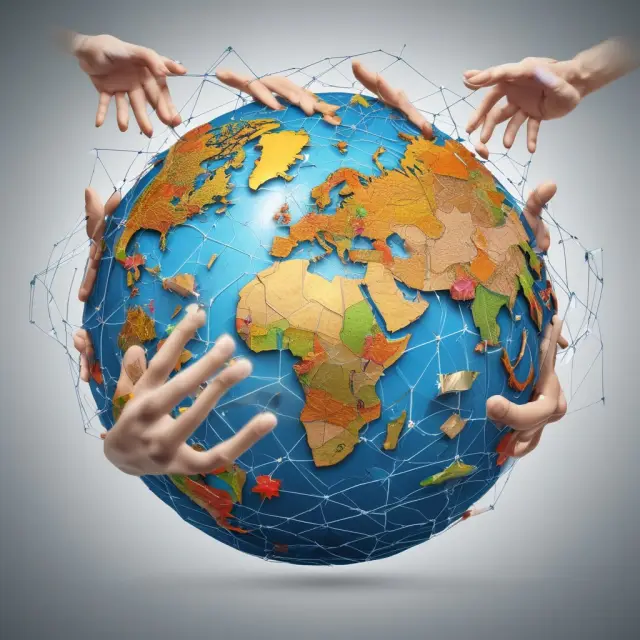
The World Trade Organization, or WTO for short, is an international organization that plays a crucial role in regulating global trade among nations. Established on January 1, 1995, it succeeded the General Agreement on Tariffs and Trade (GATT), which was initially created in 1947. With its headquarters situated in Geneva, Switzerland, the WTO functions as a platform for international negotiations and dispute resolution related to trade matters among its members. The organization’s primary objective is to help businesses, exporters, and importers protect their interests while promoting open lines of communication between governments regarding trade policies.
The World Trade Organization serves several essential roles that have significantly influenced the global economy:
- Dispute Resolution Entity: The WTO provides a platform for resolving international trade disputes among its member nations through various processes, including negotiation and mediation. It helps settle disagreements over trade policies and interpret agreements when needed.
- Setting Global Trade Rules: The organization is responsible for setting the rules that govern global trade between nations and ensuring compliance with these regulations. Its primary focus includes reducing or eliminating tariffs, subsidies, and other trade barriers to stimulate free trade and economic growth.
- Encouraging Dialogue: The WTO fosters dialogue and cooperation among its members regarding various aspects of international trade. It facilitates regular consultations between governments on trade policies and helps them coordinate efforts in addressing common challenges.
- Promoting Transparency: The WTO promotes transparency by requiring member nations to provide details about their trade policies, including tariffs, subsidies, and other measures affecting international commerce. This information is made publicly available to all members, ensuring that everyone has access to relevant data.
- Providing Technical Assistance: The organization offers technical assistance and capacity-building support to its members, particularly developing countries, helping them to build the necessary infrastructure and expertise for effective participation in global trade.
- Monitoring Trade Policies: The WTO monitors the implementation of trade policies by its members, ensuring that they abide by their commitments made under the various agreements. It also conducts regular reviews of these policies and makes recommendations for improvement where necessary.
- Facilitating Economic Development: The World Trade Organization plays a crucial role in facilitating economic development by encouraging free trade, reducing barriers to international commerce, and promoting a level playing field for businesses worldwide. This results in increased trade, economic growth, and job creation in various countries.
- Balancing Interests: The WTO seeks to balance the interests of its members while maintaining a global perspective on economic issues. It aims to accommodate the diverse needs and concerns of both developed and developing nations, ensuring that all parties benefit from international trade.
- Ensuring Fair Trade: The organization promotes fair trade by ensuring that member nations adhere to specific social, labor, and environmental standards set under its agreements. This helps prevent unethical business practices and protects the interests of consumers, workers, and the environment.
- Providing a Neutral Forum: As an impartial forum for international trade negotiations, the WTO offers a neutral environment where member nations can discuss their concerns and work towards mutually beneficial solutions. This fosters cooperation among nations and helps build trust in the global trading system.
The World Trade Organization’s significance lies in its ability to manage and mediate global trade disputes, set international trade rules, and promote open communication between governments. Its role is essential for maintaining a stable and thriving global economy that benefits both developed and developing nations alike.
The Importance of the WTO: Lowering Trade Barriers and Encouraging Global Economic Growth
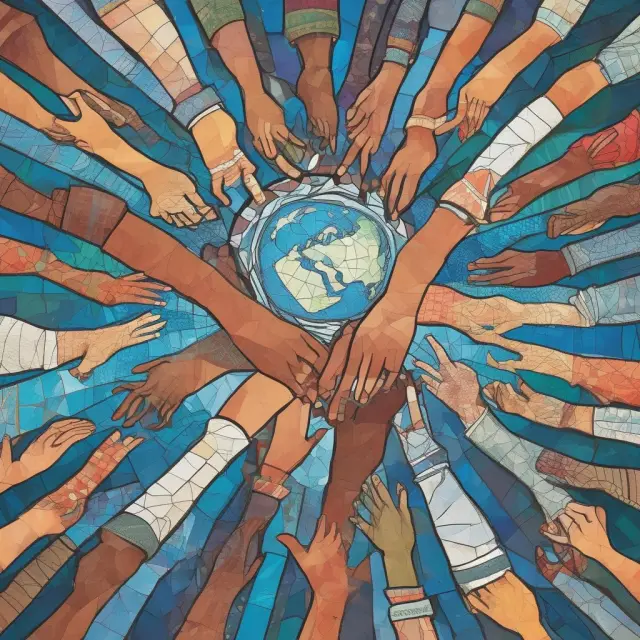
Understanding the role the World Trade Organization (WTO) plays in lowering trade barriers and encouraging global economic growth is crucial for any investor or individual interested in international commerce. With a rich history dating back to 1947, when the General Agreement on Tariffs and Trade (GATT) was established, the WTO has since been a driving force for facilitating free trade among its member nations.
The World Trade Organization is an essential alternative dispute resolution entity that oversees the rules of international trade among participating nations. The organization acts as a platform where governments negotiate and resolve disputes related to global commerce. Its primary focus lies in establishing open lines of communication, enabling lower trade barriers, and ultimately encouraging economic growth.
Since its creation, the WTO has brought about numerous advantages, such as:
- Reducing Tariffs: The WTO’s negotiations have resulted in a significant decline in tariffs between member nations. Lowered tariffs make it easier for businesses to trade internationally and expand their markets, leading to increased economic growth.
- Dispute Settlement: The organization offers neutral conflict resolution services to its members. In the event of trade disputes, the WTO’s dispute settlement process ensures that fair and impartial solutions are reached.
- Maintaining Trade Liberalization: By encouraging free trade, the WTO has helped maintain a relatively stable global economic environment for many years, despite occasional challenges.
However, it is essential to acknowledge the potential disadvantages of the WTO as well. Critics argue that the organization’s focus on free trade can lead to adverse effects:
- Wealth Gap: Some experts believe that the WTO’s emphasis on free trade widens the international wealth gap, favoring developed nations over developing countries. This unequal distribution of economic benefits can create social and political tensions.
- Human Rights Concerns: Critics argue that the WTO’s focus on economic growth may come at the expense of human rights and environmental concerns. Some feel that the organization’s rules prioritize corporate interests over the welfare of local communities and workers.
- Local Community Impact: The globalization drive brought about by the WTO can also have negative effects on local communities, such as loss of jobs or displacement due to international competition.
Despite these criticisms, it is important to acknowledge that the WTO plays a significant role in facilitating international trade and fostering economic growth. With its history of lowering trade barriers, maintaining open lines of communication, and providing neutral conflict resolution services, the WTO has contributed greatly to the global economy. This has been particularly evident during times of crisis, as seen during the COVID-19 pandemic when the organization worked to ensure the continuity of international trade despite numerous challenges.
In conclusion, understanding the importance of the World Trade Organization in lowering trade barriers and encouraging economic growth is crucial for investors, businesses, and individuals alike. While acknowledging its disadvantages is important, it is also essential to appreciate the WTO’s role as a force for international cooperation and free trade that has contributed significantly to the global economy.
The Director-General of the WTO: Ngozi Okonjo-Iweala
Background:
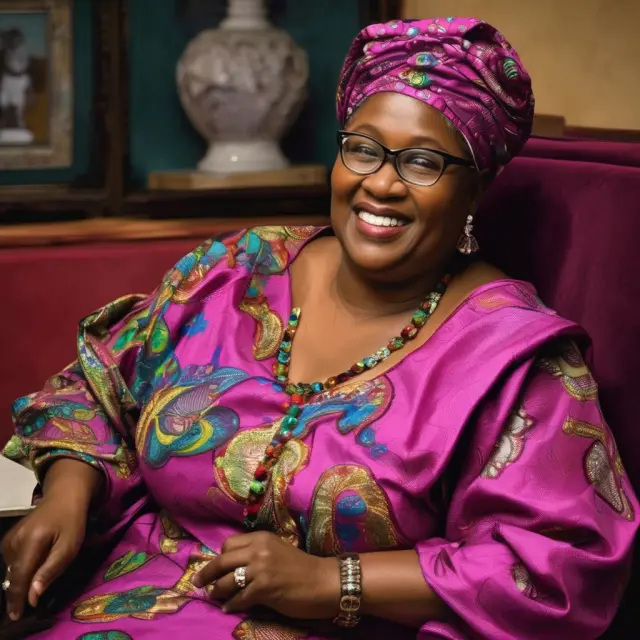
Ngozi Okonjo-Iweala, a Nigerian economist, became the seventh director-general of the World Trade Organization (WTO) on March 1, 2021. She is the first woman and the first African to hold this prestigious position in the organization’s history. With her extensive background in international development, finance, and economics, Okonjo-Iweala brings valuable experience to the role at a critical time for global trade.
Career Background
Okonjo-Iweala’s impressive resume includes two tenures as Nigeria’s finance minister and as the country’s coordinating minister of the Economy and Minister of Finance from 2011 to 2015 under President Goodluck Jonathan’s administration. Prior to that, she served as managing director of the World Bank from 2007 to 2011. Her time at the World Bank focused on global development issues, including poverty reduction, economic growth, and aid effectiveness. Okonjo-Iweala also held various positions within the Nigerian government earlier in her career, including as a permanent secretary and the budget director during the late 1980s. She began her career at the World Bank as an economist in 1982.
Role as WTO Director-General
As the first female and African director-general of the WTO, Okonjo-Iweala has a unique perspective on the organization’s role in promoting global trade and economic development. She is expected to play a key role in addressing the challenges facing the WTO, including disagreements on rules for technology transfer and the impact of the COVID-19 pandemic on international commerce. With her background in finance, economics, and development, she brings valuable experience that can help navigate these complex issues. Additionally, her appointment is significant in promoting gender equity within a male-dominated organization and raising awareness about Africa’s role in global trade.
In summary, Ngozi Okonjo-Iweala’s extensive background in international finance, development, and economics makes her an excellent fit for the director-general position at the WTO. With her unique perspective on the challenges and opportunities facing global trade, she is poised to lead the organization through its current issues while continuing to promote economic growth and development among its members.
Advantages and Disadvantages of the WTO: Free Trade vs. Protectionism
The World Trade Organization (WTO) is a critical institution that plays an essential role in global economic growth by promoting free trade, yet it also faces criticisms for its potential negative impacts. Understanding the balance between these two aspects is crucial to grasping the true significance of the WTO.
Globalization and Free Trade: Positive Impacts
The World Trade Organization (WTO) has been a significant force in promoting globalization and free trade since its establishment in 1995, superseding the General Agreement on Tariffs and Trade (GATT). The organization’s main role is to facilitate open lines of communication between member governments and lower international trade barriers. This process fosters increased economic growth by allowing countries to import and export goods at lower costs, leading to a more interconnected global economy.
International businesses reap the benefits of the WTO by expanding their reach beyond national borders and entering new markets. Increased competition drives innovation, efficiency, and lower prices for consumers as companies adapt to meet international demand. Free trade also leads to job opportunities in various industries and promotes economic growth and development, particularly in developing countries.
However, it’s important to note that free trade is not a one-size-fits-all solution. The advantages depend on the specific circumstances of individual economies and their ability to compete in international markets. Additionally, there are potential negative impacts to consider.
Protectionism: Negative Impacts
While free trade has numerous benefits, it also faces criticisms regarding its adverse effects on local communities, human rights, and environmental issues. Critics argue that the WTO promotes neoliberal economic policies that often harm domestic industries, leading to a widening international wealth gap, unemployment, and underemployment in certain regions.
Protectionist measures, such as import tariffs or quotas, can be implemented by countries to shield their industries from foreign competition. While such measures may initially protect local jobs and businesses, they often result in higher prices for consumers and reduced economic efficiency due to restricted competition. Additionally, protectionism can lead to trade conflicts and retaliatory tariffs, potentially harming global economic growth and stability.
The WTO’s Role: Balancing Free Trade vs. Protectionism
Despite the criticisms, it is essential to understand that the WTO does not solely promote free trade but strives for a balance between the two. While the organization aims to lower international trade barriers and encourage global economic growth, it also recognizes the importance of addressing the concerns raised by critics. The WTO’s settlement process includes conflict resolution mechanisms that aim to mitigate negative impacts on local communities, human rights, and the environment while maintaining an open trading system.
In conclusion, understanding the advantages and disadvantages of the World Trade Organization (WTO) in terms of free trade vs. protectionism is crucial for anyone interested in global economic issues. By recognizing both sides of the equation, it becomes clear that the WTO’s role is to foster a balance between increased global economic growth through free trade and addressing the concerns related to potential negative impacts on local communities, human rights, and environmental issues.
FAQs:
- What is the difference between protectionism and free trade? Protectionism refers to government-imposed restrictions on international trade, while free trade means allowing goods and services to move across borders without interference from tariffs or quotas.
- Does the World Trade Organization (WTO) only focus on trade in goods, or does it cover services as well? The WTO covers both goods and services in its trade agreements.
- Can countries still have protectionist policies while being members of the WTO? Yes, they can, but they must follow the organization’s dispute resolution processes if their actions are challenged by other member nations.
- What is a trade barrier? A trade barrier refers to any measure that makes international trade more difficult or costly, including tariffs, quotas, subsidies, and regulations.
The U.S.’s Role in the WTO: Past, Present, and Future
Since its establishment in 1995, the World Trade Organization (WTO) has experienced a complex relationship with one of the world’s most powerful economies – the United States. As a founding member and strong advocate for free trade principles, the U.S. played a crucial role in the WTO’s creation by replacing its predecessor, the General Agreement on Tariffs and Trade (GATT), which was established in 1947. Since then, the U.S.’s involvement with the WTO has been characterized by both cooperation and tension.
In the late 20th century, the U.S. embraced the idea of multilateralism as a means to foster economic growth and promote free trade. The U.S. actively participated in numerous rounds of negotiations under GATT, aiming to reduce tariffs and non-tariff barriers to trade. However, despite initial successes, tensions began to emerge between the U.S. and other members regarding compliance with these agreements, leading to a growing need for an organization to oversee their implementation. The WTO was born out of this necessity, with the U.S. being one of its most influential founding members.
Fast forward to today, and the U.S.’s stance on the WTO has become more ambiguous. In recent years, concerns have been raised about China’s unfair trade practices, with some critics arguing that the organization has not done enough to address these issues. The U.S., led by the Trump administration during its tenure from 2017 to 2021, threatened to withdraw from the WTO in response. This was a significant development given the U.S.’s historical role as a champion of international trade and the organization’s key founding member.
The potential consequences of such a move were far-reaching, with experts estimating that a U.S. exit could lead to trillions of dollars in disrupted global trade. The threat of withdrawal highlighted the importance of the WTO as an essential forum for global economic cooperation and the role that the U.S., as a leading economic power, plays in shaping its future direction.
As of now, the Biden administration has signaled a more cooperative approach to international institutions like the WTO. However, it remains to be seen what impact this will have on U.S.-WTO relations and how the organization will address ongoing challenges, such as climate change, technology, and trade tensions between major economic powers. Regardless of where the U.S.’s stance ultimately lands, the organization’s future role in fostering global economic growth and maintaining an open international trading system remains vital to the world economy.
The U.S. has long been a leader in promoting free trade and shaping international economic institutions like the WTO. Its involvement in the organization’s history, along with its recent challenges, underscores the complex role it plays in global trade dynamics. Understanding this relationship is crucial for evaluating the implications of the U.S.’s actions on the WTO and its impact on the world economy moving forward.
Criticisms of the WTO: Wealth Gap, Human Rights, and Local Communities
Despite its significant contributions in establishing open lines of communication for international trade negotiations and resolving disputes among member nations, the World Trade Organization (WTO) has faced criticisms from various sectors regarding its perceived negative impacts on the international wealth gap, human rights, and local communities.
First and foremost, critics argue that the WTO’s focus on free trade and globalization exacerbates the international wealth gap between developed and developing countries. Proponents of this argument claim that the WTO’s rules often favor large corporations and multinational enterprises over smaller domestic industries in less developed countries. Consequently, local communities can experience job losses as industries are unable to compete with foreign companies, leading to social unrest and economic instability.
Moreover, human rights violations have been associated with the WTO’s free trade policies. For instance, there have been concerns regarding labor exploitation in countries with weak labor laws and poor working conditions. In addition, some argue that the organization’s focus on economic growth can overlook the importance of addressing environmental degradation or other social issues.
Furthermore, the WTO’s dispute resolution process has been criticized for its perceived lack of transparency and potential bias towards wealthy countries. The high cost of legal proceedings can make it difficult for smaller, less developed nations to engage in the dispute resolution process effectively. This can lead to unequal outcomes that favor wealthier countries, ultimately deepening global economic disparities.
It is essential to acknowledge these criticisms and recognize the importance of addressing them if the WTO aims to maintain its relevance and credibility as an international organization. To mitigate these concerns, the WTO could adopt more stringent labor and environmental regulations and ensure equal representation for all member nations in its dispute resolution process.
In conclusion, while the World Trade Organization (WTO) has made substantial progress in establishing a platform for global trade negotiations and resolving disputes among its members, it is crucial that the organization remains responsive to criticisms regarding the potential negative impacts on the international wealth gap, human rights, and local communities. By taking steps to address these concerns, the WTO can continue to play a vital role in fostering a more equitable and just global economy.
WTO’s Role in Mediating Disputes: A Global Neutral Forum
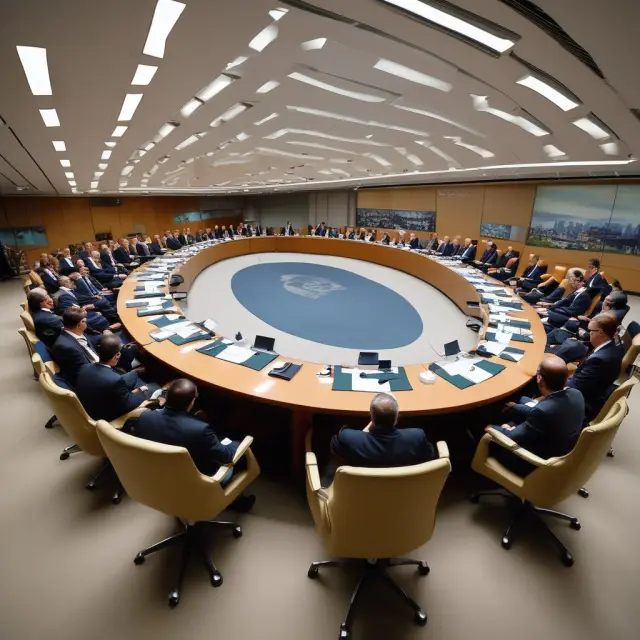
The World Trade Organization (WTO) plays a pivotal role as a neutral forum for mediating international trade disputes, ensuring fair practices among members and providing a platform for open communication. Since its establishment in 1995, the organization has grown to include 164 member countries and 25 observer nations as of 2021.
The WTO’s conflict resolution processes are one of its most essential functions. The organization provides a global platform for members to negotiate and address trade disputes. This neutral forum offers several advantages, including the ability to maintain open lines of communication between nations and encourage the implementation of agreed-upon policies. Moreover, it allows members to resolve trade issues amicably without resorting to retaliatory measures or trade wars, which could negatively impact the global economy.
Once negotiations are complete, the WTO offers to interpret agreements in case of future disputes. All WTO agreements include a settlement process that allows for neutral conflict resolution through various methods such as mediation, conciliation, and arbitration. This process aims to reach a mutually acceptable solution while maintaining the organization’s integrity and credibility.
Moreover, the WTO sets legal ground-rules for international commerce, binding member governments to specific constraints when setting future trade policies. These agreements protect producers, importers, and exporters while ensuring that social and environmental standards are met.
The WTO has been a force for globalization, with both positive and negative effects. Proponents argue that it stimulates free trade, reduces trade barriers, and fosters international economic growth. However, critics claim that the organization undermines the principles of organic democracy and contributes to the widening international wealth gap, negatively impacting local communities and human rights.
The U.S.’s relationship with the WTO has been a source of tension in recent years due to concerns about China’s unfair trade practices. In 2019, then-President Donald Trump threatened to withdraw from the organization if its rules were not changed to address these concerns. Although he did not follow through on this threat during his tenure, the potential consequences could have disrupted trillions of dollars in global trade.
In conclusion, the WTO plays a crucial role as a neutral forum for mediating international trade disputes and overseeing the rules that govern global commerce. Its conflict resolution processes offer a valuable service in maintaining open lines of communication between member nations and ensuring fair practices while promoting global economic growth. However, its impact on various stakeholders, such as local communities and human rights, remains an ongoing topic of debate.
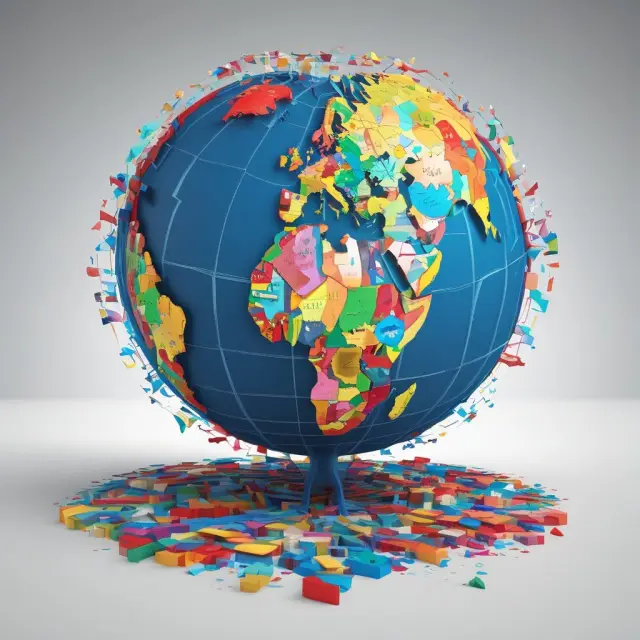
Impact of the WTO on Developing Nations and Small Economies
The World Trade Organization (WTO) has significantly influenced the economic landscape for many developing nations and small economies since its inception. The organization’s role in reducing trade barriers and promoting open markets can lead to substantial benefits, but it also brings challenges, particularly in terms of wealth distribution and local communities. In this section, we will discuss both sides of the argument regarding how the WTO has affected developing nations and small economies.
Trade liberalization through the WTO has led to an increase in exports for many developing countries. For instance, according to a study by the World Bank (2018), exports from least developed countries (LDCs) grew at an average annual rate of 7% between 2000 and 2013 as compared to only 3% during 1980 to 1999. This export growth has been particularly notable in sectors like clothing and textiles, footwear, and agro-food products.
However, the benefits of trade liberalization are not evenly distributed among all countries, and some face significant challenges when competing with more developed economies. The WTO’s focus on free markets can lead to a widening wealth gap between developed and developing nations. According to a report by the United Nations Development Programme (UNDP) (2018), the richest 1% of the world population owns nearly half of global wealth, while the poorest half controls just 1%. This trend has intensified since the start of globalization.
Moreover, local communities and labor markets in developing countries can be negatively impacted by trade liberalization. The increased competition from cheaper foreign goods can lead to job losses or lower wages for domestic workers. For example, a report by the International Labour Organization (ILO) (2017) revealed that garment workers in Cambodia and Bangladesh experienced wage losses of up to 40% due to increased competition from low-wage countries like Vietnam and Myanmar.
The WTO has also been criticized for its perceived lack of attention to social, environmental, and human rights concerns. Developing countries have historically had limited bargaining power in WTO negotiations due to their dependence on exports to developed countries. This dependency can result in unfavorable trade agreements that may not adequately address these issues.
Despite these challenges, the WTO’s potential positive impact on developing nations and small economies should not be overlooked. The organization provides a platform for negotiation and dispute resolution that can lead to more favorable trading conditions in the long run. Additionally, the WTO encourages dialogue and cooperation between countries, which can lead to improved trade relationships and economic growth.
In conclusion, while the World Trade Organization has brought significant benefits to global trade and economic growth, it is essential to acknowledge its challenges when it comes to developing nations and small economies. The organization must find ways to address these issues if it hopes to maintain credibility and support for international trade liberalization. By focusing on inclusive growth strategies that benefit all parties involved, the WTO can help ensure that the benefits of globalization are distributed more equitably in the future.
References:
- United Nations Development Programme (UNDP) (2018). Human development report 2018. New York, NY: UNDP.
- The World Bank (2018). Trade and developing countries: Challenges and opportunities. Washington, DC: International Bank for Reconstruction and Development/The World Bank.
- International Labour Organization (ILO) (2017). Global wage report 2016-2017: Wages and income inequality. Geneva: ILO.
FAQ: Frequently Asked Questions about the World Trade Organization (WTO)
What is the World Trade Organization (WTO)?
The World Trade Organization (WTO) is an international institution that manages and monitors global trade between nations through agreements signed by its members. Its primary functions are to resolve disputes, provide open communication lines among trading countries, and help producers, importers, and exporters protect their interests in the global marketplace. The WTO was created in 1995 and has since grown to include 164 member nations as of 2021.
How did the WTO come into existence?
The World Trade Organization (WTO) succeeded the General Agreement on Tariffs and Trade (GATT), established in 1947. The GATT provided the initial legal framework for international trade but lacked a formal organization to enforce its rules. With the formation of the WTO, this role was filled through the collective efforts of its member nations.
What is the main goal of the World Trade Organization (WTO)?
The primary objective of the World Trade Organization (WTO) is to foster free and fair trade among its members while providing a forum for dispute resolution and maintaining open communication lines between nations. It aims to create an environment conducive to economic growth and development for all participating countries.
What role does the World Trade Organization (WTO) play in mediating disputes?
The World Trade Organization (WTO) acts as a neutral forum when it comes to resolving trade disputes between its members. When negotiations are complete, the WTO offers interpretation and settlement processes to maintain compliance with international agreements. This ensures that all parties abide by the agreed-upon rules and avoid potential future conflicts.
Who leads the World Trade Organization (WTO)?
The current director-general of the World Trade Organization (WTO) is Ngozi Okonjo-Iweala, who began her term on March 1, 2021. She previously served as Nigeria’s finance minister and was the first woman and the first African appointed to this position.
What impact has the World Trade Organization (WTO) had on globalization?
The World Trade Organization (WTO) has played a significant role in promoting globalization, leading to increased international trade and economic growth. However, there are both positive and negative side effects associated with this expansion, such as widening wealth gaps, environmental concerns, and potential threats to local communities.
What are the advantages of the World Trade Organization (WTO)?
Advantages of the WTO include fostering free trade among members, reducing trade disputes, promoting economic growth, and providing a platform for open communication between nations. It offers a framework for resolving conflicts and maintaining global trade rules.
What are the disadvantages of the World Trade Organization (WTO)?
Disadvantages of the WTO include potential negative effects on local communities, human rights concerns, and widening international wealth gaps. Some believe that the organization undermines democratic principles and creates an unequal playing field for smaller nations or less economically powerful countries.
How has the U.S. impacted the World Trade Organization (WTO)?
The United States has had a significant influence on the World Trade Organization (WTO). It was among the founding members in 1995 and continues to be an essential player today. However, there have been instances of tension between the U.S. and the WTO, such as threats to withdraw due to perceived inadequacies in addressing China’s unfair trade practices.
What is Ngozi Okonjo-Iweala’s background?
Ngozi Okonjo-Iweala was born on June 13, 1954, and grew up in Nigeria. She holds a Ph.D. in economics from Massachusetts Institute of Technology (MIT) and has an extensive background in international development and finance. She previously served as Nigeria’s finance minister twice, becoming the first woman to hold this position. In March 2021, she was appointed as the World Trade Organization’s (WTO) director-general, making her the first African and the first woman to hold this role.
What are some criticisms of the World Trade Organization (WTO)?
Criticisms of the World Trade Organization (WTO) include allegations that it undermines democratic principles, widens wealth gaps, and fails to address concerns related to human rights or environmental protection. Additionally, smaller countries and less economically powerful nations have expressed concerns about being sidelined in decision-making processes.
 Next entry · No. 5,830X-Efficiency: Understanding the Concept and Its Significance for Institutional Investors
See also
-
 No. 3,318
18 Mar 2025
23 min
Understanding NAFTA: History, Provisions, Advantages, Disadvantages, and Replacement by USMCA
International Trade
No. 3,318
18 Mar 2025
23 min
Understanding NAFTA: History, Provisions, Advantages, Disadvantages, and Replacement by USMCA
International Trade -
 No. 5,542
17 Sep 2025
19 min
Understanding Voluntary Export Restraints (VERs): What They Are, How They Work, Advantages, Disadvantages and Notable Examples
International Trade
No. 5,542
17 Sep 2025
19 min
Understanding Voluntary Export Restraints (VERs): What They Are, How They Work, Advantages, Disadvantages and Notable Examples
International Trade -
 No. 5,024
05 Aug 2025
21 min
Understanding the Power of Comparative Advantage in International Trade
International Trade
No. 5,024
05 Aug 2025
21 min
Understanding the Power of Comparative Advantage in International Trade
International Trade -
 No. 5,023
05 Aug 2025
26 min
Understanding Trade Wars: A Modern Economic Battle
International Trade
No. 5,023
05 Aug 2025
26 min
Understanding Trade Wars: A Modern Economic Battle
International Trade -
 No. 2,322
27 Dec 2024
23 min
Import Substitution Industrialization (ISI): Understanding the Theory, History, and Real-World Application
International Trade
No. 2,322
27 Dec 2024
23 min
Import Substitution Industrialization (ISI): Understanding the Theory, History, and Real-World Application
International Trade -
 No. 2,321
27 Dec 2024
19 min
Understanding Imports: Economic Impact, Top Trading Partners, and the Future of Global Trade
International Trade
No. 2,321
27 Dec 2024
19 min
Understanding Imports: Economic Impact, Top Trading Partners, and the Future of Global Trade
International Trade