Understanding Bilateral Trade Agreements: Expanding Markets and Promoting Commerce

Explore the advantages and disadvantages of Bilateral Trade Agreements, understand benefits for US economy, & learn key examples.
Overview of Bilateral Trade Agreements
Bilateral trade agreements represent mutual understandings between two countries for promoting commerce and reducing trade barriers. These agreements eliminate tariffs, import quotas, export restraints, and other restrictive practices to encourage exchange of goods and services. The Office of Bilateral Trade Affairs, an agency under the U.S. Department of State, plays a crucial role in negotiating these agreements on behalf of the United States, expanding markets for American products and fostering economic growth.
A bilateral trade agreement aims to create reciprocal benefits between two nations by standardizing regulations, labor standards, environmental protections, and other essential aspects. By reducing or eliminating non-tariff barriers, bilateral agreements increase market access for both countries’ goods and services. The primary goal is to expand the economic opportunities of each partner country.
Bilateral trade agreements have several advantages compared to multilateral agreements. They can be negotiated more efficiently because they involve only two parties. This leads to faster implementation, allowing both countries to reap trade benefits sooner rather than waiting for lengthy negotiations involving multiple nations. Furthermore, bilateral agreements can serve as stepping stones for larger regional or multilateral arrangements.
However, the downside of bilateral trade agreements is that they may lead to market skewing when large multinational corporations enter markets dominated by small businesses. In some cases, smaller companies might struggle to compete and ultimately be driven out of business due to their inability to match the resources and scale of larger competitors.
The United States has established bilateral trade agreements with 20 countries, including Israel, Jordan, Australia, Chile, Singapore, Bahrain, Morocco, Oman, Peru, Panama, and Colombia. Some significant bilateral trade agreements include those between the U.S. and Peru (removal of export barriers for American beef) and between the U.S. and Brazil (resolution of a longstanding cotton dispute in the WTO). In March 2016, the United States and Peru reached an agreement on US beef exports to Peru, allowing American ranchers expanded market access. These examples illustrate how bilateral trade agreements play a crucial role in expanding markets for U.S. goods while fostering economic growth for both countries involved.

Advantages and Disadvantages of Bilateral Trade Agreements
Bilateral trade agreements offer several advantages when compared to multilateral ones, while also presenting unique challenges. One significant advantage is the speedier negotiation process between just two nations involved in the agreement, allowing for quicker implementation. This is particularly important as many countries may opt for bilateral agreements if negotiations for multilateral accords prove unsuccessful. Bilateral trade agreements can create a larger market for goods produced by one country and contribute to economic growth. However, they can also lead to competition between nations, potentially resulting in smaller companies being pushed out of their markets when faced with large multinational corporations.
Bilateral trade agreements are simpler to negotiate due to the involvement of only two countries. This process enables both nations to reap benefits from the agreement more rapidly than if they were part of a larger, multilateral agreement. Bilateral agreements provide an opportunity for swift market expansion, making them an attractive option when multilaterally negotiated accords are unsuccessful. For instance, in the early 2000s, the United States pursued numerous bilateral trade agreements as a means to spread the message of trade liberalization and encourage open borders for commerce.
Despite their benefits, bilateral agreements may lead to competition between nations. Large multinational corporations can enter markets dominated by smaller players, potentially resulting in the closure of businesses unable to compete at scale. This is an essential consideration when evaluating the potential implications of a bilateral trade agreement.
When examining specific examples, we find that bilateral agreements have played a crucial role in promoting economic growth between countries. For instance, in October 2014, Brazil and the United States reached a resolution on a long-standing cotton dispute at the World Trade Organization (WTO), allowing American businesses to operate without significant tariffs. This agreement opened doors for substantial trade expansion between the two nations, as well as contributing to a larger global push towards free trade.
In another example, in March 2016, the U.S. and Peru reached an accord removing barriers for American beef exports to Peru. This agreement granted Peruvian consumers access to high-quality U.S. beef while expanding opportunities for U.S. cattle ranchers. The agreement demonstrated the economic benefits of bilateral trade agreements between nations, as well as the importance of international organizations like the WTO and the World Organization for Animal Health (OIE) in facilitating such collaborations.
In conclusion, bilateral trade agreements offer significant advantages for expanding markets and promoting commerce between two countries. However, they must also be carefully evaluated to understand potential challenges, including competition between nations and the potential impact on smaller companies. By examining the experiences of countries like the United States and Peru in implementing successful bilateral trade agreements, we can appreciate their importance in today’s global economy.

Benefits of Bilateral Trade Agreements for the United States
Bilateral trade agreements, which are formalized agreements between two nations to promote commerce and reduce or eliminate trade barriers, offer distinct advantages for the United States. One major advantage is market expansion, as these agreements provide American businesses with increased access to new markets by eliminating tariffs, import quotas, export restraints, and other trade barriers between the trading partners. Market growth opportunities are especially significant in today’s global economy, where international competition is increasingly fierce.
Bilateral trade agreements also contribute to economic growth for both countries involved. By fostering free and fair trade, these agreements create a favorable climate for investment and job creation, strengthening the economic ties between nations and promoting mutual prosperity.
A prime example of bilateral trade agreement success is the U.S.-Peru Trade Promotion Agreement (TPA), also known as the Peru FTA. Signed in 2006 and ratified by Congress in 2007, this agreement opened up new markets for American businesses and led to a significant increase in exports from the United States to Peru. In 2015 alone, U.S. exports to Peru totaled $19.3 billion, marking an impressive growth from $6.8 billion in 2006, the year before the agreement was signed.
Another example is the U.S.-Israel Free Trade Agreement (FTA), which has been in place since 1985 and continues to yield substantial benefits for both countries. In 2017, Israeli exports to the United States totaled $12.3 billion, while American exports to Israel amounted to $21.5 billion. This trade balance demonstrates the economic advantages that bilateral agreements can bring to all involved parties.
The United States has entered into bilateral trade agreements with 20 countries around the world, each presenting new opportunities for growth and prosperity. These agreements have led to increased competitiveness and innovation, as American businesses tap into foreign markets and expand their customer base beyond national borders.
Moreover, bilateral trade agreements provide a platform for dialogue between trading partners on issues such as intellectual property rights, labor standards, environmental protections, and regulatory cooperation. By standardizing business operations in these areas, both countries can protect their interests and foster mutual understanding and collaboration, ultimately strengthening the global economy and promoting peace and stability.
However, it is essential to acknowledge that bilateral trade agreements also carry potential disadvantages. For instance, they may result in smaller companies being squeezed out of the market due to increased competition from large multinational corporations with greater resources and scale. This could lead to job losses and economic dislocation for workers in industries heavily reliant on protectionist policies.
In conclusion, bilateral trade agreements provide significant benefits for the United States by expanding markets, promoting economic growth, and fostering international cooperation on key issues. However, it is crucial that these agreements are approached with careful consideration of their potential disadvantages, such as market skewing and job displacement. Through thoughtful negotiation and implementation, bilateral trade agreements can create opportunities for American businesses while maintaining a level playing field for all players in the global economy.
By expanding markets through carefully negotiated bilateral trade agreements, the United States not only strengthens its economic position but also paves the way for further collaboration and growth with key trading partners around the world. This approach fosters mutually beneficial relationships while ensuring that American businesses remain competitive in today’s global marketplace.

Historical Significance and Precedence of Bilateral Trade Agreements
Bilateral trade agreements have been an essential element of international trade for decades, playing a significant role in shaping the global economy and fostering international relations between countries. These agreements serve as a platform to promote economic growth by reducing trade barriers between two nations and increasing market access.
Historically, bilateral trade agreements can be traced back to the 1930s when countries sought to protect their domestic industries from foreign competition during the Great Depression. The Smoot-Hawley Tariff Act of 1930 significantly raised U.S. tariffs and led to a wave of retaliatory actions by other nations, resulting in a global trade war that deepened the economic downturn.
After World War II, countries began to rebuild their economies through international trade, leading to the establishment of the General Agreement on Tariffs and Trade (GATT) in 1948. GATT provided the framework for multilateral trade agreements and aimed at reducing tariffs and increasing free trade among member nations. However, bilateral trade agreements continued to play an essential role in fostering economic relations between individual countries.
One notable example is the Canada-United States Free Trade Agreement (CUSFTA) signed in 1988, which was the first significant free trade agreement between two industrialized nations. The CUSFTA set the stage for NAFTA and other bilateral agreements, leading to a significant increase in economic integration between the United States and its trading partners.
Bilateral trade agreements have remained an essential tool in promoting international trade, allowing countries to negotiate favorable terms that cater to their unique economies and industries. For instance, the United States has signed numerous bilateral agreements with countries such as Israel, Jordan, Australia, Chile, Singapore, Bahrain, Morocco, Oman, Peru, Panama, Colombia, and others. Some of these agreements have led to significant economic benefits for both parties, including increased trade volumes, job creation, and technological advancements.
In recent years, bilateral trade agreements have faced increasing scrutiny due to concerns over their potential impact on smaller businesses and domestic industries. However, they remain an essential component of international trade and will continue to shape global economic relations in the years to come.

Negotiating Bilateral Trade Agreements: The Role of the Office of Bilateral Trade Affairs
The Office of Bilateral Trade Affairs, a division within the International Trade Administration (ITA), plays a significant role in negotiating and implementing bilateral trade agreements on behalf of the United States. This office’s primary goal is to minimize trade deficits by promoting free and fair trade through concerted negotiations between nations. The Office of Bilateral Trade Affairs assumes responsibility for several critical functions, including:
- Negotiating Free Trade Agreements (FTAs): The Office of Bilateral Trade Affairs actively pursues new bilateral trade agreements to expand market access for U.S. exports and promote economic growth. This office has a proven track record of negotiating numerous FTAs with various countries, such as Israel, Jordan, Australia, Chile, Singapore, Bahrain, Morocco, Oman, Peru, Panama, and Colombia.
- Supporting and Improving Existing Trade Agreements: The Office of Bilateral Trade Affairs works closely with foreign governments to ensure that existing trade agreements continue to meet the needs of U.S. stakeholders. This may involve amendments or adjustments to accommodate new market conditions or emerging challenges.
- Promoting Economic Development Abroad: A primary objective of the Office of Bilateral Trade Affairs is to foster economic development in partner countries, which, in turn, helps to create a stable environment for increased trade and investment between nations. This may involve providing technical assistance, training programs, or capacity building initiatives.
- Coordinating with Other U.S. Government Agencies: The Office of Bilateral Trade Affairs collaborates closely with other federal agencies to ensure that the interests of the United States are protected during negotiations and implementation of bilateral trade agreements. This may include the Departments of State, Agriculture, Commerce, and Labor.
- Ensuring Compliance with Trade Agreements: The Office of Bilateral Trade Affairs works diligently to ensure that U.S. trading partners comply with their commitments under bilateral trade agreements. This may involve monitoring and addressing any potential violations or disputes, as well as engaging in dialogue with foreign governments to find mutually agreeable solutions.
The success of the Office of Bilateral Trade Affairs in negotiating and implementing bilateral trade agreements is crucial for expanding markets for U.S. goods and services, promoting economic growth, and maintaining strong international relationships.

Key Examples of Bilateral Trade Agreements in the United States
Bilateral trade agreements offer numerous advantages, such as expanding markets for a country’s goods and promoting economic growth with key trading partners. One of the most significant examples of bilateral trade agreements that have benefited the United States includes those with Peru and Brazil. In 2014, a longstanding cotton dispute between the United States and Brazil was settled in the World Trade Organization (WTO), leading to a significant breakthrough for U.S.-Peruvian relations.
The United States and Brazil reached an agreement on cotton trade, terminating the cotton dispute that had been ongoing since 2003. In exchange for this settlement, Brazil relinquished its rights to countermeasures against U.S. trade or further proceedings in the WTO dispute. This agreement effectively released American businesses from the threat of retaliatory tariffs totaling hundreds of millions of dollars annually. The successful resolution of the cotton dispute paved the way for stronger bilateral ties between the two countries, setting a positive precedent for future negotiations.
Another significant example is the agreement reached in March 2016, when the United States and Peru opened up one of the fastest-growing markets in Latin America by removing barriers for U.S. beef exports to Peru. This breakthrough came about through the elimination of Peru’s certification requirements, known as the export verification program. American ranchers were able to expand their market access following the United States’ negligible risk classification for bovine spongiform encephalopathy (BSE) by the World Organization for Animal Health (OIE). The new agreement enabled federally inspected U.S. establishments to be eligible for exporting beef and beef products to Peru, whereas previously only establishments participating in USDA Agricultural Marketing Service (AMS) Export Verification (EV) programs were able to do so.
These examples illustrate the importance of bilateral trade agreements in expanding markets and promoting commerce between nations. The United States has successfully leveraged these agreements to strengthen its economic ties with key trading partners, creating new opportunities for businesses and contributing to overall economic growth.

The Impact of Bilateral Trade Agreements on Smaller Companies
Bilateral trade agreements present both opportunities and challenges for smaller companies operating within domestic markets. While the removal of trade barriers between two nations opens up new opportunities for increased sales and economic growth, it also exposes these businesses to heightened competition from larger multinational corporations.
One significant advantage that bilateral trade agreements offer is an expanded market for a country’s goods and services. By opening up access to another nation’s consumers, smaller companies can potentially reach new customer bases, increasing their revenue streams and creating jobs at home. For instance, the United States has signed numerous bilateral trade agreements with countries like Israel, Jordan, Australia, and Chile, granting American businesses greater access to these markets, which may lead to increased sales and economic growth.
However, bilateral trade agreements can also pose challenges for smaller companies, particularly when they are competing against large multinational corporations that have substantial capital and resources. In such cases, the smaller firms might find it challenging to compete on price, scale, or technological innovation, often leading to the closure of their businesses. For example, following the implementation of NAFTA in 1994, some smaller U.S. manufacturers were unable to compete with their Mexican counterparts’ lower labor costs and had to shut down operations.
Furthermore, bilateral trade agreements may result in a loss of jobs within domestic industries as businesses face increased competition from imported goods. While overall economic growth is expected to be positive due to the increased flow of goods and services between countries, some industries and workers will inevitably experience negative consequences.
In conclusion, while bilateral trade agreements provide numerous benefits, such as expanding markets and promoting economic growth, they also present challenges for smaller domestic companies. The impact of these agreements on businesses depends on various factors, including the size of the company, the industry it operates in, and the specific terms of the agreement itself. It is essential that governments, policymakers, and industry groups take steps to support small- and medium-sized enterprises (SMEs) during trade negotiations and provide adequate resources and assistance to help them compete in an increasingly globalized world economy.
In the following section, we will examine some key examples of bilateral trade agreements between the United States and other countries and discuss their implications for smaller companies.
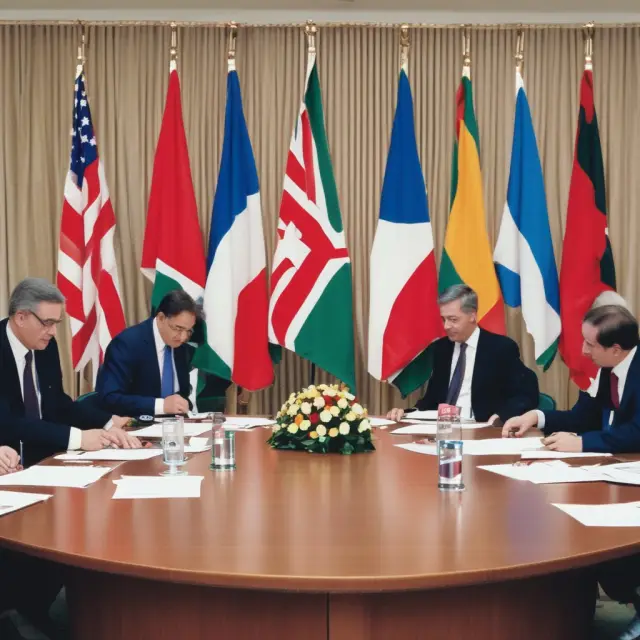
Bilateral Trade Agreements and International Organizations
Understanding the relationship between bilateral trade agreements and international organizations, such as the World Trade Organization (WTO) and the Organization for Economic Cooperation and Development (OIE), is crucial when exploring the role and impact of these agreements in modern economies. Bilateral trade agreements play a significant part in shaping the global economic landscape by facilitating trade between two nations and fostering stronger diplomatic ties. The WTO and OIE, as important multilateral organizations, often intersect with bilateral trade agreements in various ways, from influencing negotiations to setting regulations.
The World Trade Organization (WTO) is a key player in the global trading system, promoting free trade through the implementation of international agreements, settling disputes between member countries, and setting up a framework for negotiating future trade deals. Bilateral trade agreements can influence WTO negotiations by setting precedents or creating new norms that may later be incorporated into multilateral agreements. For instance, bilateral trade agreements between the United States and China, covering topics such as intellectual property rights, have influenced discussions within the WTO regarding similar issues.
Another international organization influencing bilateral trade agreements is the Organization for Economic Cooperation and Development (OIE). The OIE sets standards in various fields like labor laws, environmental protections, and consumer protection to promote sustainable economic development among its members. These standards can influence negotiations in bilateral trade agreements by creating a benchmark that nations aspire to meet. For example, the United States and Japan have been engaged in bilateral trade negotiations under the Comprehensive and Progressive Agreement for Trans-Pacific Partnership (CPTPP). The talks revolve around achieving common standards in areas such as labor laws and environmental protections, aligning with OIE guidelines.
Bilateral trade agreements also interact with international organizations in the context of dispute settlement mechanisms. For example, when disputes arise between two nations over tariffs or other trade-related issues, they may seek resolution through the WTO’s Dispute Settlement Body (DSB). However, many bilateral trade agreements contain their own dispute resolution procedures, which can be invoked before the WTO mechanism is activated. The choice of a dispute resolution mechanism depends on various factors like the nature and severity of the issue at hand and the nations involved.
In summary, bilateral trade agreements play an essential role in shaping international economic relations by expanding markets and promoting commerce between two countries. Their relationship with multilateral organizations like the WTO and OIE is significant as they can influence negotiations, set standards, and provide dispute resolution mechanisms. Understanding this intricate web of interdependence helps businesses and investors navigate the complexities of the global trading system and capitalize on opportunities for growth in a rapidly evolving economic landscape.

Bilateral Trade Agreement Terminology
Understanding the language of bilateral trade agreements is crucial to grasping their significance and implications. This section will clarify essential terms and concepts related to bilateral trade agreements, enabling readers to navigate this complex field.
- Bilateral Trade Agreement: An agreement between two nations outlining conditions for trade and commerce between them.
- Trade Barriers: Tariffs, import quotas, export restraints, and other restrictions that discourage or obstruct the flow of goods across borders.
- Free Trade Agreements (FTAs): A bilateral or multilateral agreement reducing or eliminating tariffs, trade barriers, and other restrictions on commerce between parties.
- Most Favored Nation (MFN) Clause: A provision in a treaty ensuring that the most favorable trading terms granted to one member are extended to all other members of an agreement.
- Market Access: The ability for a country’s businesses and industries to sell their products or provide services in another nation.
- Trade Liberalization: The reduction or elimination of barriers to international trade, promoting free markets and economic growth.
- International Organization: A global entity established to promote cooperation between nations, such as the World Trade Organization (WTO) or the Organization for Economic Cooperation and Development (OECD).
- Dispute Settlement Body (DSB): A WTO body responsible for resolving disputes arising from trade disagreements between member countries.
- Intellectual Property Rights: Protections granted to creators of original works, inventions, designs, and symbols, ensuring their exclusive use and control.
- Harmonization: The process of aligning regulations, standards, and practices among nations to promote smooth trade and commerce.
- Tariff Rate Quota (TRQ): A tariff system allowing a certain quantity of imported goods to enter at a reduced rate, while the remaining imports face a higher tariff.
- Negotiating Agency: An agency or department responsible for representing a country’s interests in international trade negotiations, such as the U.S. Trade Representative (USTR) or the European Commission’s Directorate-General for Trade.
This glossary of terms is not exhaustive but serves as a foundation for comprehending bilateral trade agreements and their impact on markets and economies. Stay tuned for further insights into bilateral trade agreements, including their advantages and disadvantages and the role of key agencies in shaping these agreements.

Frequently Asked Questions (FAQ)
What are Bilateral Trade Agreements?
Bilateral trade agreements refer to mutual arrangements between two nations to promote commerce by reducing or eliminating tariffs, import quotas, and other trade barriers. They encourage economic growth in the countries involved and ensure standardized business operations regarding intellectual property rights, labor standards, and environmental protections. The United States Office of Bilateral Trade Affairs manages negotiating, implementing, and improving bilateral trade agreements.
What is the difference between Bilateral and Multilateral Trade Agreements?
Bilateral trade agreements involve negotiations between just two nations. They are typically faster to implement as fewer parties must agree on terms. However, they can result in competing agreements between other countries when negotiations for multilateral agreements fail or take longer to finalize. Bilateral agreements can also skew markets when large corporations outcompete smaller players, potentially forcing them to close shop.
Why is the United States pursuing bilateral trade agreements?
The primary purpose of bilateral trade agreements is market expansion and increased economic growth. They create new opportunities for American businesses to sell their goods abroad and promote the mantra of trade liberalization. Bilateral agreements have been an effective strategy for the United States in the early 2000s, allowing it to expand markets and encourage open borders for trade.
What are some examples of significant bilateral trade agreements between the United States and other countries?
One example is the agreement between the United States and Brazil that ended a longstanding cotton dispute in the World Trade Organization (WTO). This settlement allowed American businesses to be exempted from countermeasures such as increased tariffs totaling hundreds of millions of dollars annually. Another example is the United States-Peru Trade Promotion Agreement, which opened a rapidly growing Latin American market for U.S. beef exports worth $25.4 million in 2015.
What are some potential disadvantages of bilateral trade agreements?
One disadvantage is that they can result in competing agreements between countries, potentially undermining the benefits achieved through a bilateral agreement. Additionally, bilateral trade agreements may skew markets when large multinational corporations outcompete smaller players, forcing them to close shop and potentially harming local industries and workers.
 Next entry · No. 417Understanding Bill Auctions: How Institutions Secure US Treasury Bills
See also
-
 No. 520
28 Apr 2024
21 min
The Rise and Fall of BRICS: Understanding an Era-Defining Economic Thesis
Business Strategy
No. 520
28 Apr 2024
21 min
The Rise and Fall of BRICS: Understanding an Era-Defining Economic Thesis
Business Strategy -
 No. 4,478
22 Jun 2025
25 min
Right-to-Work Laws: Understanding Their Impact on Labor Unions and Employment
Business Strategy
No. 4,478
22 Jun 2025
25 min
Right-to-Work Laws: Understanding Their Impact on Labor Unions and Employment
Business Strategy -
 No. 3,617
13 Apr 2025
22 min
Understanding Occupational Labor Mobility: Unlocking the Potential for Economic Growth
Business Strategy
No. 3,617
13 Apr 2025
22 min
Understanding Occupational Labor Mobility: Unlocking the Potential for Economic Growth
Business Strategy -
 No. 3,070
26 Feb 2025
18 min
Understanding the Marginal Rate of Technical Substitution in Finance and Investment
Business Strategy
No. 3,070
26 Feb 2025
18 min
Understanding the Marginal Rate of Technical Substitution in Finance and Investment
Business Strategy -
 No. 2,253
22 Dec 2024
19 min
Maximizing Economic Growth Through Human Capital Investment: A Comprehensive Guide for Institutional Investors
Business Strategy
No. 2,253
22 Dec 2024
19 min
Maximizing Economic Growth Through Human Capital Investment: A Comprehensive Guide for Institutional Investors
Business Strategy -
 No. 958
08 Jul 2024
23 min
Understanding Delivered-at-Place (DAP) in International Trade: Obligations for Buyers and Sellers
Business Strategy
No. 958
08 Jul 2024
23 min
Understanding Delivered-at-Place (DAP) in International Trade: Obligations for Buyers and Sellers
Business Strategy