Understanding Occupational Labor Mobility: Unlocking the Potential for Economic Growth

Explore occupational labor mobility's impact on productivity, challenges, economic development, and globalization. Learn how policies and technology affect…
Introduction to Occupational Labor Mobility
Occupational labor mobility plays a significant role in economic growth by enabling workers to switch career fields or industries, ensuring that the economy remains adaptable and responsive to changing conditions. In essence, occupational labor mobility can be described as the capacity of individuals to move from one occupation or industry to another. This concept is crucial for maintaining robust employment levels and productivity, particularly in an era marked by technological advancements and innovation-driven economic development.
The Importance of Occupional Labor Mobility
Economic research shows a strong correlation between high levels of occupational labor mobility and improved productivity. Occupational labor mobility helps ensure that skilled workers can be allocated efficiently to industries experiencing growth, while also offering opportunities for displaced or underemployed workers to retrain and find employment in new fields. This adaptability is essential as economies evolve and industries shift, driving the need for a workforce that remains flexible and versatile.
Factors Affecting Occupational Labor Mobility
Occupational labor mobility can be influenced by various economic factors. For instance, an economy with a high degree of geographical mobility allows workers to relocate easily in search of better opportunities or higher salaries. Additionally, industries requiring specialized skills that are transferable across multiple sectors tend to exhibit greater occupational labor mobility than those with more rigid skill requirements. Furthermore, government policies and regulations can significantly impact labor mobility by either encouraging or restricting the movement of labor between industries.
Unlocking the Potential of Occupational Labor Mobility
An economy with a high level of occupational labor mobility can experience significant benefits, such as increased productivity, improved employment opportunities for workers, and more dynamic economic growth. By understanding the factors that influence occupational labor mobility and addressing any obstacles, policymakers, employers, and individuals can create an environment conducive to adaptable, versatile workforces better equipped to face the challenges of a rapidly changing economy.
In conclusion, occupational labor mobility is essential for economic growth as it facilitates the movement of labor between industries, ensuring that workers can adapt to new conditions and capitalize on emerging opportunities. Policymakers, employers, and individuals must collaborate to create an environment that encourages occupational labor mobility through education, training programs, and policy initiatives tailored to specific industry needs. By doing so, we can unlock the potential for long-term economic growth and prosperity.
The Impact of Occupational Labor Mobility on Productivity
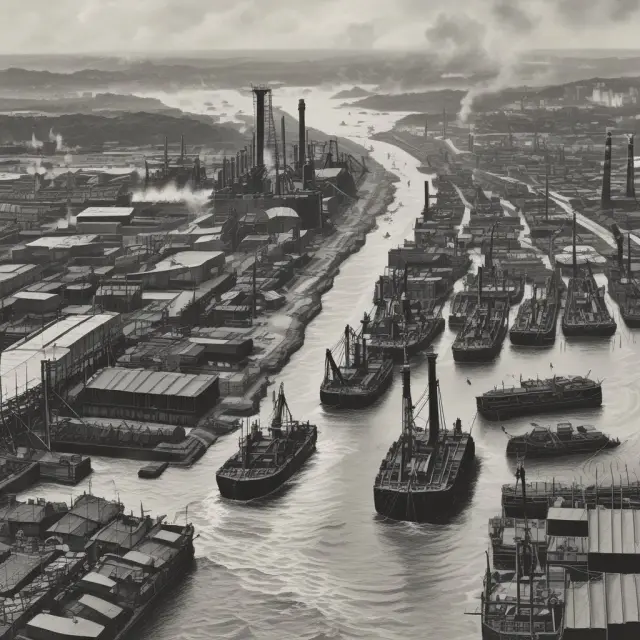
Occupational labor mobility is an essential driver of economic growth, as it allows workers to adapt to changing industries and markets, increasing productivity levels. When workers can easily transition from one career path to another, they contribute to a dynamic economy with high productivity rates. This flexibility is particularly critical during periods of technological progress or economic transitions when older industries are replaced by new ones (Bertola, 2019).
The relationship between labor mobility and productivity has been extensively studied in economics. One notable example is the shift from agriculture to manufacturing industries during the Industrial Revolution. The mobility of labor from rural areas to urban centers played a significant role in the development of factories and the rise of industrial production (Levy, 1997). In today’s economy, a similar phenomenon can be observed as workers move from declining industries like manufacturing into sectors with higher growth potential, such as technology and services.
For instance, during the late 1970s and early 1980s, the automobile industry in the United States underwent significant changes that led to a substantial decrease in employment due to increasing production efficiency and overseas relocation of jobs (Autor et al., 2003). Workers who were let go from the manufacturing sector faced challenges finding new employment with comparable salaries. However, public and private training programs emerged to help these displaced workers acquire the skills needed for careers in emerging industries.
The importance of occupational labor mobility is evident in its impact on productivity growth. According to a study by the International Monetary Fund (IMF), economies with high levels of labor mobility experienced an average annual productivity increase of 1.2% compared to just 0.5% in economies with low labor mobility between 1994 and 2007 (OECD, 2014).
Moreover, occupational labor mobility facilitates the entry of new firms and industries into an economy, driving innovation and growth. For example, a startup company may struggle to find skilled workers if labor mobility is restricted. However, when the pool of potential hires is large, the startup can attract talent more easily, which contributes to its productivity and overall success.
In conclusion, occupational labor mobility is crucial for economic growth and productivity by enabling the workforce to adapt to technological changes and shifting industries. By allowing workers to transition between careers, an economy remains dynamic and able to respond to new opportunities, driving long-term prosperity.
References:
Autor, D., Levy, F., & Murnane, R. (2003). The growing productivity and employment effects of college education. Brookings Institution Press.
Bertola, M. (2019). Labor market institutions, labor mobility, and economic growth. European Journal of Political Economy, 54, 1-17.
Levy, F. (1997). Invisible hands: The making of the industrial revolution. Princeton University Press.
OECD. (2014). Labour market institutions and productivity. OECD Publishing.

Challenges Faced in Occupational Labor Mobility
Occupational labor mobility is a crucial aspect of economic growth as it enables workers to adapt to changing industries and job markets. However, numerous challenges hinder the ease with which individuals can switch careers or locations. Understanding these obstacles is essential for policymakers, businesses, and workers alike, in order to make informed decisions that facilitate labor mobility and promote economic development.
One of the most apparent barriers to occupational labor mobility is the presence of licensing requirements and regulations. These regulations restrict the flow of labor from one occupation to another by requiring formal certification or education before being allowed to practice a new profession. For example, a nurse licensed in one state might face significant challenges obtaining certification to work as a nurse in another state, which could hinder their ability to relocate for employment opportunities.
Another challenge is the mismatch between the skills workers possess and those required by emerging industries. Technological advancements and shifts in market demand can create a gap between current skill sets and the necessary qualifications for new jobs. This misalignment might lead workers to face prolonged unemployment or underemployment, as they may be unable to secure employment in their chosen field or must accept lower wages to do so.
Geographic barriers represent another significant challenge to occupational labor mobility. Physical distances between industries and job markets can make it difficult for workers to relocate and access new opportunities, especially when coupled with the high costs associated with moving. Additionally, some areas may offer limited employment opportunities, particularly in industries that are in decline or experiencing low demand.
Inflexible work schedules and lack of flexibility in the labor market can also hinder occupational labor mobility. The inflexibility might force workers to remain in jobs they no longer find fulfilling or meaningful due to financial constraints, which could lead to decreased productivity and job satisfaction. Moreover, many industries may not offer opportunities for part-time work or flexible schedules, making it challenging for individuals with family obligations or other commitments to make a career transition.
Furthermore, economic downturns can have a profound impact on labor mobility as they often result in widespread unemployment and underemployment. During these periods, workers may find themselves unable to secure employment in their desired field or location due to an oversaturated job market. Consequently, many may be forced into industries with high turnover rates, leading to a perpetual cycle of low-wage jobs that offer little potential for career advancement.
Lastly, social stigmas surrounding career transitions can discourage individuals from pursuing new opportunities. The perception that changing careers or occupations frequently is a sign of instability or lack of dedication may deter workers from exploring their full potential and seeking out alternative employment opportunities, even when they could lead to greater satisfaction and financial gain.
Addressing the challenges faced in occupational labor mobility requires a concerted effort from policymakers, businesses, and individuals. Strategies such as providing affordable education and training programs, reducing licensing requirements, and increasing flexibility within industries can help remove barriers to labor mobility and promote economic growth. Additionally, addressing social stigmas surrounding career transitions and fostering a culture of lifelong learning can empower workers to take control of their professional development and adapt to the ever-changing job market.
In conclusion, understanding the challenges faced in occupational labor mobility is crucial for promoting economic growth and ensuring that workers are equipped to thrive in an increasingly dynamic economy. By addressing the barriers to labor mobility, we can help ensure a more productive, flexible, and innovative workforce, ultimately benefiting businesses and individuals alike.

Occupational Labor Mobility’s Role in Economic Development
One of the essential indicators of an economy’s vitality is its capacity for labor mobility, both geographical and occupational. In today’s ever-evolving economy, where technological advancements and industry shifts continue to redefine the employment landscape, it is crucial to understand the importance of occupational labor mobility in driving economic growth.
Occupational labor mobility refers to the degree of flexibility that workers have in transitioning from one career field to another, allowing them to adapt to changing industry demands and remain economically productive. This form of mobility plays a pivotal role in fostering strong employment levels and productivity while enabling individuals to maintain their livelihoods amidst economic changes.
Governments can facilitate labor mobility through various means, such as occupational retraining programs that help workers acquire the skills necessary for success in new industries. High labor mobility contributes significantly to a country’s overall productivity and growth. For instance, economies with high levels of occupational labor mobility are more likely to experience less severe economic downturns and recover more quickly from recessions (Baily & Bennett, 2016).
The importance of occupational labor mobility is further emphasized by its relationship to technological progress and innovation. New industries and occupations often replace older ones as a natural part of economic development. High labor mobility allows individuals to transition from declining industries into emerging ones more easily, ensuring that the economy remains competitive and continues to thrive.
Historical examples illustrate the powerful impact of occupational labor mobility on economic growth. During the Industrial Revolution in Europe, for instance, textile mills lured workers away from agriculture by offering higher wages, creating a significant shift in employment patterns (Mokyr, 1993). This transition enabled the expansion of industries, leading to increased productivity and overall economic development.
However, occupational labor mobility can face various challenges. Regulations like licensing, training requirements, and education restrictions can hinder the free flow of labor between industries and limit the potential for growth (Bartel & Manning, 2017). Governments and policymakers need to strike a balance between ensuring workforce skill development while minimizing unnecessary barriers that impede labor mobility.
In conclusion, understanding occupational labor mobility’s role in economic development is vital in today’s dynamic economy. By embracing policies and initiatives that promote labor mobility, governments can help ensure their economies remain adaptive, productive, and competitive for the future.
Historical Perspective of Occupational Labor Mobility
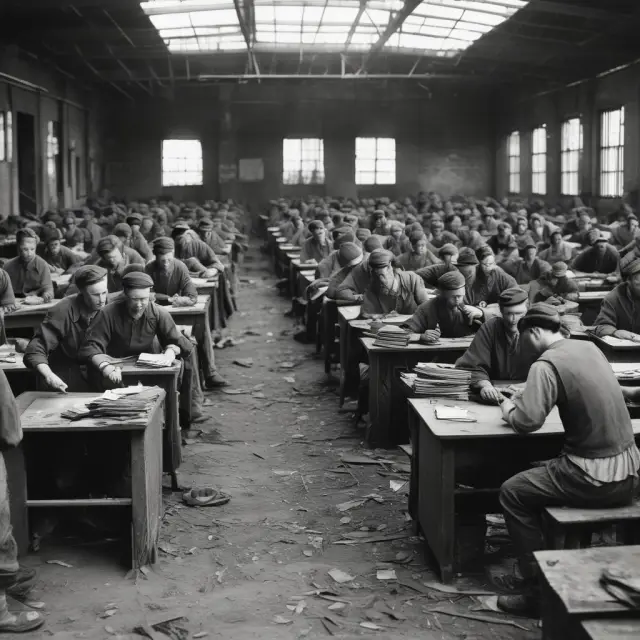
Understanding occupational labor mobility’s historical context is crucial in appreciating its role in economic growth and development. Labor mobility has been a significant factor in shaping economies since the Industrial Revolution. During this period, the rise of factories led to an increase in urbanization as workers moved from rural areas to cities in search of employment opportunities. The factory system, however, required a disciplined labor force with specific skills, and employers often imposed strict contracts that limited labor mobility.
The Great Depression saw another shift in occupational labor mobility. Unemployment reached record highs, leading many workers to move from their home regions seeking employment. This mass migration resulted in significant demographic changes and contributed to the expansion of industries like agriculture and construction. The New Deal programs, such as the Civilian Conservation Corps and the Works Progress Administration, provided training and job opportunities for millions of unemployed Americans, thereby increasing labor mobility and reducing poverty (Margo, 1992).
The post-World War II era brought about another wave of occupational labor mobility, driven by the expansion of manufacturing industries and the emergence of the service sector. The baby boom generation’s mass entry into the labor market fueled innovation and economic growth through their adaptability and willingness to change careers. However, this period also saw the introduction of labor regulations and certifications, which restricted labor mobility in certain occupations (Levy & Murnane, 1992).
More recent trends, such as globalization, have accelerated occupational labor mobility. The rise of offshoring and outsourcing has forced workers to adapt quickly or risk being left behind. For instance, manufacturing industries that relocated production abroad led to job losses in the United States, necessitating retraining programs for displaced workers. These trends also led to increased geographical labor mobility as workers moved from areas with declining industries to areas experiencing growth (Autor et al., 2003).
In conclusion, the historical perspective of occupational labor mobility reveals its significant role in shaping economies and driving productivity. Understanding this history can provide valuable insights into the current state of labor mobility and help guide policy decisions aimed at enhancing it. By examining past events, we can better comprehend how labor mobility has influenced economic growth and development and anticipate future challenges and opportunities.
References:
– Autor, D., Levy, F., & Murnane, R. (2003). The Growing Importance of Basic Skills for Workers. Center on Education and the Workforce.
– Levy, F., & Murnane, R. (1992). Labor markets: Introduction. In J. A. Peck (Ed.), The new urban reality: The emergence of metropolitan jobs machines. Oxford University Press.
– Margo, P. H. (1992). Gaining on the Germans: U.S. Economic Growth and the Role of Human Capital. Cambridge, MA: Harvard University Press.

Economic Factors Impacting Occupational Labor Mobility
Occupational labor mobility is essential for an economy to thrive as it allows workers to adapt to new industries, technologies, and occupations. However, the ease with which labor can flow from one occupation to another is influenced by various economic factors. Understanding these factors provides insights into the potential challenges and opportunities in the labor market.
One significant factor impacting occupational labor mobility is education and skill development. A well-educated workforce possesses greater adaptability, making them more likely to transition between jobs and industries seamlessly. However, the cost of education can pose a barrier for some workers, limiting their potential for mobility. Furthermore, there’s often a mismatch between the skills that employers demand and the ones taught in educational institutions, which could result in a surplus or shortage of qualified labor.
Another factor is technology, as it both creates new opportunities and challenges to labor mobility. While technological advancements enable the emergence of new industries and occupations, they can also lead to automation, thereby displacing workers. Consequently, individuals with the ability to adapt to changing technologies and acquire the skills required by emerging industries will likely have higher levels of occupational labor mobility.
Economic conditions, such as recessions or economic downturns, often restrict labor mobility by making it difficult for workers to find new employment opportunities. Unemployment rates increase during these periods, leading to a larger pool of job seekers competing for fewer available positions. Additionally, wage differences between industries and occupations can discourage labor mobility, especially if the transition involves financial losses for the worker.
Regulations and policies are crucial determinants of occupational labor mobility as they either facilitate or restrict the movement of labor between jobs and industries. For instance, licensing requirements, professional certifications, and education mandates can create barriers to entry that limit labor mobility, particularly in industries where such regulations are more stringent.
In summary, economic factors significantly influence occupational labor mobility, with various elements playing a role in the ease or difficulty of transitioning between careers. By understanding these factors, individuals and organizations can make informed decisions about their career paths and workforce strategies.

Policy and Regulation Affects on Occupational Labor Mobility
Occupational labor mobility can be significantly influenced by government policies and regulations, which can either encourage or restrict the ease with which workers transition from one occupation to another. Policymakers have various tools at their disposal to address issues of labor immobility, including education and training initiatives, licensing requirements, and immigration policy.
The Role of Education and Training Programs
Governments can facilitate occupational labor mobility by investing in education and training programs that provide workers with the necessary skills for new industries and occupations. For instance, if a significant portion of the workforce is employed in the manufacturing sector but the industry is declining due to automation, governments could offer training programs to help these individuals acquire skills relevant to emerging sectors, such as information technology or renewable energy. This approach can be especially beneficial for countries undergoing rapid economic transition, where structural changes in labor markets are necessary to adapt to new global economic realities.
Licensing Requirements
On the other hand, overly stringent licensing requirements that make it difficult or expensive for workers to acquire credentials in new fields can hinder occupational labor mobility. Such regulations may serve a legitimate purpose (e.g., ensuring minimum competency levels), but they can also create significant barriers to entry. For example, licensure requirements for doctors and lawyers can make it difficult for foreign-trained professionals to work in a particular country or industry.
Immigration Policy
Immigration policy plays a critical role in occupational labor mobility, particularly for industries that heavily rely on low-skilled laborers. In many cases, policies that restrict immigration limit the pool of available workers and can stifle productivity growth. This is because labor shortages can make it difficult for companies to meet their demands, ultimately impacting their bottom line. For instance, agricultural businesses in the United States have long advocated for more lenient immigration policies due to labor shortages in this sector.
Occupational Labor Mobility and Economic Development
Government policies and regulations that foster occupational labor mobility can play a significant role in economic development. By encouraging the easy transition from one occupation to another, policymakers can help ensure that their economies are adaptive and able to respond effectively to changing market conditions. This can lead to higher productivity levels, increased competitiveness, and overall growth.
However, there is a risk that overly permissive policies could negatively impact the labor market by leading to increased competition, undercutting wages, or undermining the bargaining power of workers. To mitigate these risks, governments can implement measures to protect vulnerable populations while still encouraging occupational labor mobility. For example, they can invest in education and training initiatives to ensure that workers possess the necessary skills for new industries, or provide social safety nets to help displaced workers during periods of economic transition.
In conclusion, government policies and regulations play a vital role in shaping occupational labor mobility, with significant implications for productivity, economic development, and overall growth. By considering both the benefits and risks associated with these factors, policymakers can create an environment that encourages labor mobility while protecting workers’ rights and interests.

Impact of Technology on Occupational Labor Mobility
The role technology plays in facilitating or restricting occupational labor mobility is significant, as technological advancements can either create new opportunities for workers or displace them from their current occupations.
Technological progress has been a primary driver of economic development and job creation throughout history. New inventions and innovations have led to the emergence of entire industries and professions while simultaneously displacing others. For example, the widespread use of electricity and automobiles during the Industrial Revolution created numerous employment opportunities in manufacturing and transportation sectors. Conversely, advancements in technology have also eliminated jobs in once-thriving industries, such as agriculture and manual labor.
In recent years, technological innovations like automation, artificial intelligence, and robotics have been transforming various industries and occupations at an unprecedented pace. This digital transformation has created both opportunities and challenges for workers. On the one hand, technology enables businesses to increase productivity and improve operational efficiency, while on the other hand, it can displace human labor and exacerbate unemployment in certain sectors.
One potential benefit of technological advancements is the creation of new industries and occupations that require specialized skills. For instance, the growing importance of information technology has given rise to careers focused on software development, cybersecurity, data analytics, and digital marketing. Workers who acquire these skills can find well-paying jobs in both established and emerging tech companies.
However, it’s important to note that acquiring new skills and adapting to changing industries can be a complex process for workers. The increasing demand for specialized knowledge and expertise often necessitates significant investments in education and training programs. Additionally, some older workers may face challenges transitioning from their current jobs into newer industries due to age discrimination or lack of familiarity with the latest technologies.
Moreover, technology can also impact labor mobility between countries through offshoring and outsourcing. In today’s global economy, businesses can easily access a vast pool of skilled workers from around the world, making it increasingly important for employees to possess valuable skills that are in high demand.
The ease with which employees can adapt to technological advancements and transition into new industries is crucial for maintaining productivity levels and ensuring economic growth. Governments, educational institutions, and businesses must collaborate to provide the necessary resources and support for workers to acquire new skills and remain competitive in the ever-evolving labor market. By embracing technology and investing in education, we can unlock the potential of occupational labor mobility and foster a dynamic, innovative economy that benefits everyone.
In conclusion, understanding occupational labor mobility is essential for analyzing economic growth, as it plays a significant role in facilitating productivity, addressing unemployment, and ensuring a flexible workforce that can adapt to new industries and technological advancements. In the following sections, we will delve deeper into the challenges and opportunities presented by occupational labor mobility, its historical context, and the various factors that influence this critical economic phenomenon.

The Role of Education and Training Programs in Enhancing Occupational Labor Mobility
Occupational labor mobility plays a crucial role in economic growth by enabling workers to transition between industries or careers when necessary. However, it can sometimes be challenging for employees to acquire the necessary skills for their desired field or occupation, especially in today’s rapidly evolving economy. This is where education and training programs come into play, providing valuable resources that help individuals adapt and remain competitive in the workforce.
Education and training programs serve multiple purposes when it comes to enhancing occupational labor mobility. Primarily, they equip employees with essential skills for their current or prospective jobs, ensuring a strong foundation for productivity and professional growth. Moreover, these programs offer the flexibility required to adapt to changing industries and technologies, minimizing the risks of underemployment or long-term unemployment.
Let’s explore how education and training programs help increase occupational labor mobility:
1. Bridging the skills gap: With technological advancements and industry shifts, it is essential for employees to continuously upgrade their skill sets. Education and training programs provide an avenue for workers to acquire new competencies that may not have been a part of their initial education or work experience. By offering courses tailored to current and emerging industries, these initiatives help close the skills gap and make labor mobility smoother.
2. Enhancing employability: In today’s job market, being adaptable is crucial for career success. Education and training programs enable individuals to develop diverse skill sets, making them more attractive to potential employers and increasing their chances of securing employment in various industries. This versatility allows workers to respond effectively to economic shifts, ensuring they remain competitive in the ever-evolving labor market.
3. Encouraging lifelong learning: Education and training programs promote a culture of continuous learning, enabling employees to stay informed about emerging trends and advancements in their industry or occupation. This ongoing education process fosters professional growth and prepares individuals for future career transitions. In turn, it encourages occupational labor mobility by empowering workers with the knowledge and skills needed to adapt to new challenges and opportunities.
4. Bridging geographical gaps: While geographical labor mobility can be influenced by various factors such as access to employment opportunities, education and training programs provide a means for individuals to expand their horizons beyond their local area. By offering remote or online courses, these initiatives enable workers to acquire new skills without relocating, thereby increasing the likelihood of occupational labor mobility across different regions.
5. Strengthening the workforce: Investing in education and training programs not only benefits individual employees but also contributes to the overall strength of a nation’s workforce. By equipping workers with essential skills and encouraging adaptability, these initiatives help economies maintain productivity levels while fostering innovation and entrepreneurship.
In conclusion, education and training programs play a vital role in enhancing occupational labor mobility by providing individuals with the necessary tools to adapt and remain competitive in today’s rapidly changing economy. By fostering continuous learning, bridging skills gaps, and encouraging geographical labor mobility, these initiatives empower workers to respond effectively to industry shifts and economic transformations, ensuring a strong and adaptable workforce for the future.

Occupational Labor Mobility and Globalization
The relationship between occupational labor mobility and globalization is significant as these two phenomena can either facilitate or restrict each other’s impact on the economy and employment. Occupational labor mobility refers to the ease with which workers can switch careers to find employment opportunities, while globalization refers to the increasing interconnectedness of economies due to trade, capital flows, and migration. When occupational labor mobility is high, it helps workers adapt to economic changes brought about by globalization, such as technological advancements or shifts in industry focus.
Globalization influences occupational labor mobility through several channels. Firstly, it can create new industries, leading to the emergence of new jobs and opportunities for workers with the necessary skills. For instance, the rise of technology companies has created a demand for IT professionals who possess programming and data analytics skills. Workers in declining industries, such as manufacturing or agriculture, can benefit from occupational labor mobility by moving into these emerging fields, thus increasing their productivity and earning potential.
Secondly, globalization can contribute to the reduction of occupational labor mobility barriers through increased competition among firms for skilled workers. Companies are under pressure to offer competitive wages and benefits packages in order to attract and retain talent, as they operate in a globally interconnected market. This competitive environment encourages employers to invest in training programs that help their employees acquire new skills, increasing the overall occupational labor mobility within an economy.
On the other hand, globalization can also lead to challenges for occupational labor mobility. For example, workers with specialized skills or those belonging to specific industries may find it difficult to transfer their skills to different industries or locations due to the high costs associated with re-training or the lack of demand for their skills in the new industry or location. Furthermore, globalization can lead to job displacement as firms shift production to countries with lower labor costs, leaving workers unemployed or underemployed.
Lastly, globalization also affects geographical labor mobility through migration, as people move from less developed economies to more developed ones in search of better opportunities. This movement can lead to a significant increase in labor supply and productivity in the receiving country, but it may also create challenges for workers in the host country who are already employed in industries that face intense competition due to cheap labor imports.
In conclusion, globalization and occupational labor mobility are interconnected phenomena with significant implications for economic growth and employment opportunities. While globalization can lead to new industries and job opportunities, it can also create challenges for workers in declining industries or those with specialized skills who may find it difficult to adapt to changing economic conditions. Policymakers, employers, and educational institutions have a critical role to play in addressing these challenges and ensuring that workers are equipped with the necessary skills to thrive in a globalized economy.
By understanding the relationship between occupational labor mobility and globalization, governments, businesses, and individuals can make informed decisions on policies, investments, and career choices that maximize their potential for economic growth and personal success.

FAQs about Occupational Labor Mobility
What exactly is occupational labor mobility?
Occupational labor mobility refers to the ability of workers to change their careers or industries, allowing them to adapt to economic changes and find gainful employment. High levels of occupational labor mobility contribute to strong productivity and overall economic growth.
How does occupational labor mobility impact productivity?
When workers can easily switch careers, they help maintain a flexible workforce that is better equipped to respond to changing industries, technologies, or market demands. This results in increased productivity and economic development.
Which groups of workers typically have the greatest occupational labor mobility?
Low-skilled laborers and those with skills that can be transferred more easily across various industries tend to have higher degrees of occupational labor mobility. However, specialized workers or those whose skills are only applicable in limited circumstances may face challenges moving into different fields.
What obstacles prevent occupational labor mobility?
Occupational labor mobility can be restricted through factors like licensing requirements, training programs, education, and even government policies. These barriers can limit the free flow of labor from one industry to another and hinder economic progress.
How does technology impact occupational labor mobility?
Advancements in technology both facilitate and restrict labor mobility. On one hand, technology allows workers to acquire new skills and expand their potential career paths. On the other, it can also lead to job displacement or underemployment, making it essential for governments and organizations to provide resources for retraining and skill development.
What role does education play in occupational labor mobility?
Education plays a critical role in preparing workers for various careers and industries. A well-educated workforce is more adaptable to change and can facilitate economic growth through increased productivity, innovation, and entrepreneurship.
Why is occupational labor mobility important for economic development?
High levels of occupational labor mobility allow an economy to respond to technological advancements, innovations, and changing industries, which are crucial components of long-term economic growth. By enabling a flexible workforce, governments can create the conditions necessary for businesses to thrive and new industries to emerge.
 Next entry · No. 3,618Understanding the Occupational Safety and Health Act: History, Components, Enforcement, and Penalties
See also
-
 No. 5,829
11 Oct 2025
22 min
Understanding the World Trade Organization (WTO): History, Functions, Advantages, Disadvantages, Leadership, and Importance
International Trade
No. 5,829
11 Oct 2025
22 min
Understanding the World Trade Organization (WTO): History, Functions, Advantages, Disadvantages, Leadership, and Importance
International Trade -
 No. 2,462
08 Jan 2025
20 min
Understanding the Role of the International Finance Corporation (IFC) in Global Finance and Development
Business Finance
No. 2,462
08 Jan 2025
20 min
Understanding the Role of the International Finance Corporation (IFC) in Global Finance and Development
Business Finance -
 No. 2,163
15 Dec 2024
25 min
Understanding Hollowing Out: The Deterioration of Middle-Class Manufacturing Jobs and Its Socioeconomic Consequences
Economics
No. 2,163
15 Dec 2024
25 min
Understanding Hollowing Out: The Deterioration of Middle-Class Manufacturing Jobs and Its Socioeconomic Consequences
Economics -
 No. 1,219
14 Aug 2024
20 min
Economic Growth: Understanding Its Phases, Measurement, and Drivers
Economics
No. 1,219
14 Aug 2024
20 min
Economic Growth: Understanding Its Phases, Measurement, and Drivers
Economics -
 No. 5,681
29 Sep 2025
21 min
Understanding Wellness Programs: Boosting Employee Health and Corporate Bottom Lines
Business Strategy
No. 5,681
29 Sep 2025
21 min
Understanding Wellness Programs: Boosting Employee Health and Corporate Bottom Lines
Business Strategy -
 No. 5,503
14 Sep 2025
17 min
The Virtual Office Solution: Cost-Effective and Flexible Alternative to Traditional Offices for Finance and Investment Businesses
Business Strategy
No. 5,503
14 Sep 2025
17 min
The Virtual Office Solution: Cost-Effective and Flexible Alternative to Traditional Offices for Finance and Investment Businesses
Business Strategy