Understanding the Occupational Safety and Health Act: History, Components, Enforcement, and Penalties
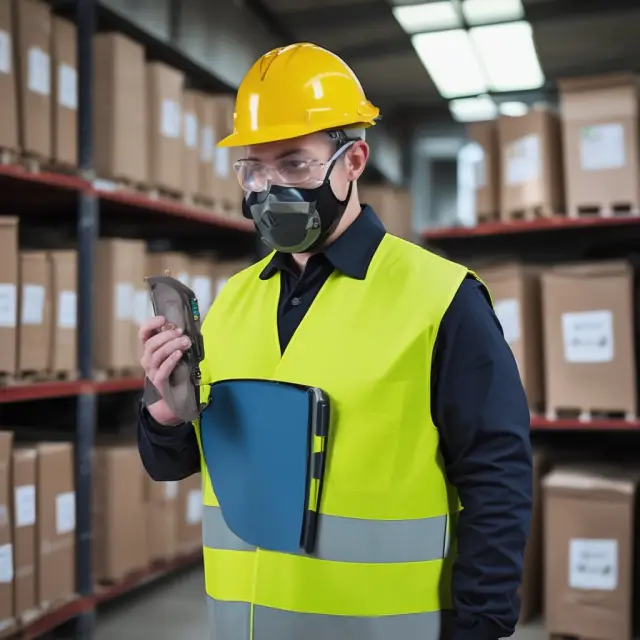
Explore the history, components, and impact of the Occupational Safety and Health Act on workplace safety, including provisions, enforcement, penalties, and…
Overview of the Occupational Safety and Health Act
The Occupational Safety and Health Act is a pivotal U.S. law passed in 1970 to ensure safe working conditions across America by setting standards that protect employees from hazards negatively impacting their safety and health. The act established two key entities: the Occupational Safety and Health Administration (OSHA) and the National Institute for Occupational Safety & Health (NIOSH). OSHA, a division of the U.S. Department of Labor, enforces workplace health and safety standards, while NIOSH conducts research to prevent work-related illnesses and injuries.
The Occupational Safety and Health Act came into being following extensive investigations revealing that personal injuries and illnesses in the workplace resulted in a notable decline in productivity, increased medical expenses, and higher disability compensation. By mandating employers to provide safe environments for their employees, the act aimed to tackle these issues head-on and safeguard workers from hazards such as exposure to toxic chemicals, damaging noise levels, thermal stressors, and unsanitary conditions.
The Occupational Safety and Health Act applies primarily to private sector employers and their staff along with some public sector entities across the 50 states and certain territories under federal authority. Self-employed individuals, workers on small family farms, and employees in industries regulated by separate federal agencies are exempted from this legislation.
The act’s enforcement arm is the Occupational Safety and Health Administration (OSHA). Although it sets industry-specific guidelines, OSHA also enforces the general duty clause, requiring employers to provide safe working environments for their employees. The general duty clause stipulates that all employers must ensure their workers are protected from recognized hazards causing or likely to cause death or serious harm.
OSHA’s mandate comes directly from Section 5(a)(1) of the act. This section specifies that employers shall provide a workplace free from recognized hazards, while employees are expected to comply with job safety standards and all related regulations issued under this Act. The agency carries out inspections of workplaces and imposes fines for violations, ranging from $975 to $13,653 per violation depending on the seriousness of the infraction. In extreme cases where employers show willful or repeated disregard for OSHA standards, they may face penalties reaching up to $136,532 per violation.
The size of the fine levied on an employer depends on the number of employees: businesses with fewer than 10 employees might receive a reduction of up to 80% in their penalty, those with 21-30 employees will see a 50% reduction, while larger organizations with more than 250 employees must pay the full amount.

Background: Workplace Injuries, Illnesses, and Decline in Productivity
The Occupational Safety and Health Act was passed into law by the United States Congress in December 1970. The primary purpose of this groundbreaking legislation was to create a uniform set of federal regulations for safe workplace conditions across various industries. This section explores the reasons that led to the introduction of the OSH Act and how it significantly impacted the reduction of injuries, illnesses, and overall decline in productivity caused by unsafe work environments.
At the time, workplace accidents and fatalities were an unfortunate reality for many workers. Personal injuries and illnesses often resulted in considerable medical expenses, extended absences from work, and even death. Furthermore, these incidents had detrimental effects on production, wages, and disability compensation for both employers and employees alike. The Occupational Safety and Health Act was designed to address these issues by implementing comprehensive workplace health and safety standards aimed at preventing accidents and illnesses.
Before the OSH Act, there were no centralized federal regulations that employers had to follow in ensuring a safe working environment for their employees. Instead, each state handled its own safety regulations independently. However, it became increasingly apparent that inconsistent regulations created a patchwork of standards, which made it difficult for businesses to navigate and adhere to various rules across jurisdictions. Additionally, the lack of uniform federal regulations led to workers being exposed to hazardous conditions in some areas while others enjoyed relatively safer workplaces.
To address these concerns, the Occupational Safety and Health Act established two major entities: The Occupational Safety and Health Administration (OSHA) and the National Institute for Occupational Safety and Health (NIOSH). While OSHA serves as the enforcement arm of the law, NIOSH focuses on researching the causes of work-related injuries and illnesses.
With the passage of the OSH Act, workplace safety became a top priority, leading to significant improvements in overall safety conditions across industries. According to data from the U.S. Bureau of Labor Statistics (BLS), the total number of fatal work injuries decreased by 62% between 1970 and 2020. Furthermore, nonfatal workplace injuries and illnesses dropped by 67% during that same period.
The Occupational Safety and Health Act also had a positive impact on industries with historically high rates of accidents and fatalities, such as construction and manufacturing. For instance, the construction industry experienced a decrease of approximately 82% in fatalities between 1970 and 2020. Similarly, manufacturing industries witnessed a reduction of around 64% in fatalities during this time frame.
The Occupational Safety and Health Act also helped reduce productivity losses due to workplace injuries and illnesses by establishing consistent safety standards and ensuring employers were held accountable for maintaining safe workplaces. For example, the average number of lost workdays per reported injury fell from 17.6 days in 1972 to just 5.8 days in 2020.
In conclusion, the Occupational Safety and Health Act revolutionized workplace safety by setting a federal standard for safe working conditions across various industries, leading to significant reductions in injuries, illnesses, and productivity losses. Employers benefited from more stable workforces due to improved worker morale and lower turnover rates, while employees enjoyed safer working environments, leading to increased job satisfaction and overall well-being.
Major Entities Established by the Occupational Safety and Health Act
The Occupational Safety and Health Act of 1970, signed into law by President Richard Nixon in December 1970, aimed to ensure safe working conditions across the U.S. To achieve this objective, the act created two primary entities: the Occupational Safety and Health Administration (OSHA) and the National Institute for Occupational Safety and Health (NIOSH).
The Occupational Safety and Health Administration (OSHA), a division of the U.S. Department of Labor, is responsible for setting and enforcing workplace health and safety standards. It acts as the enforcement arm of the Occupational Safety and Health Act and plays a crucial role in protecting employees from recognized hazards that may cause death or serious physical harm.
Under Section 5(a)(1) of the OSH Act, employers are required to provide their employees with workplaces that are free from hazards. This requirement is commonly referred to as the general duty clause and serves as the foundation for OSHA’s regulatory framework. While OSHA sets industry-specific guidelines, it is crucial for all employers in every sector to adhere to these standards.
In some regions, an OSHA-approved state agency assists in setting and enforcing job safety standards. Although these agencies can establish their own regulations, they must be at least as stringent as federal guidelines.
OSHA’s enforcement process involves inspections of workplaces and worksites. Employers found to have violated OSHA rules face penalties and fines, which are adjusted for inflation annually. For instance, in 2021, infractions can result in penalties ranging from $975 to $13,653 per violation. In extreme cases involving willful or repeated noncompliance, the maximum fine reaches $136,532 per violation.
The National Institute for Occupational Safety and Health (NIOSH) serves as a research agency under the Centers for Disease Control and Prevention (CDC). It conducts research to identify the causes of work-related injuries and illnesses and develops solutions for preventing workplace hazards. NIOSH does not have regulatory or enforcement powers but plays a significant role in advancing workplace safety by providing recommendations and guidance to OSHA, employers, workers, and other stakeholders.
The Occupational Safety and Health Act of 1970 covers most private-sector employers and their employees, as well as some public-sector employers and workers in the 50 states and territories under federal authority. Self-employed individuals, workers on small family farms, and those employed in industries regulated by a separate federal agency are not included in the act’s coverage.
In September 2021, President Joe Biden asked OSHA to establish an emergency temporary standard for mandatory COVID-19 vaccinations or weekly testing for employers with over 100 employees. This measure also includes paid time off for employees getting vaccinated.

Key Provisions: The General Duty Clause and Compliance Requirements
The Occupational Safety and Health Act of 1970 encompasses a wide range of provisions to ensure workplace safety. One of its most significant aspects is the general duty clause, which holds employers responsible for providing employees with a safe working environment. This provision, formally stated as Section 5(a)(1) in the act, mandates that employers “shall furnish to each of his employees employment and a place of employment which are free from recognized hazards that are causing or are likely to cause death or serious physical harm.”
The importance of this clause cannot be overstated as it effectively serves as OSHA’s mission statement. It holds employers accountable for their workers’ safety, regardless of the industry they operate in, and has been instrumental in reducing workplace injuries and fatalities since the act’s passage.
While the Occupational Safety and Health Act does provide specific standards for various industries, the general duty clause acts as a catch-all provision to ensure that employers maintain a safe work environment overall. It’s crucial for businesses to stay updated on OSHA’s regulations and guidelines to avoid potential violations and protect their employees.
To enforce compliance with the general duty clause, OSHA conducts inspections of workplaces. Violators are subjected to penalties that range from $975 to $13,653 per violation for other-than-serious infractions, up to a maximum penalty of $136,532 for willful or repeated offenses (as of Jan. 2021). Penalties are adjusted annually for inflation. The size of the fine depends on the severity of the violation and the number of employees in the company: Small businesses with ten or fewer employees may receive up to an 80% reduction in fines, while those with between 21 and 30 employees receive a 50% reduction. Businesses with more than 250 employees pay the full amount.
Employees also have responsibilities under the Occupational Safety and Health Act, as they must comply with occupational safety and health standards that apply to their actions and conduct. By following these guidelines, both employers and employees contribute to a safer work environment for everyone involved.

OSHA Enforcement Process: Inspections, Citations, and Penalties
The Occupational Safety and Health Administration (OSHA) is responsible for enforcing workplace health and safety regulations established under the Occupational Safety and Health Act of 1970. This section will discuss OSHA’s enforcement process, including inspections, citations, and penalties.
OSHA Enforcement: Inspections
The primary means by which OSHA ensures compliance with occupational safety and health regulations is through its inspection program. The agency may conduct several types of inspections, such as:
- Programmed inspections: Planned, targeted inspections conducted at specific establishments based on high hazard industries, injury rates, or complaint statistics.
- Follow-up inspections: Inspections that follow up on prior violations to ensure corrective actions have been taken.
- Fatality and catastrophe inspections: Immediate inspections following workplace accidents resulting in a fatality, amputation, or the hospitalization of three or more employees.
- Complaint-initiated inspections: Investigations launched based on employee complaints alleging hazardous conditions.
- Targeted inspections: Focused inspections on particular industries, hazards, or issues.
OSHA Inspections: Citations and Penalties
If an inspection reveals a violation of OSHA regulations, the employer will receive citations with corresponding penalties. The severity of the penalty depends on factors like the type and number of violations and the size of the business. OSHA classifies violations into three categories:
- Willful: This classification is applied when an employer knowingly disregards a safety requirement or consciously disregards a known hazard, with intentional indifference to employee welfare. Penalties for willful violations can be as high as $136,532 per violation.
- Serious: A serious citation is issued when there is a substantial probability that death or serious physical harm could result from a hazardous condition, which the employer knew or should have known but did not correct. Penalties for serious violations can reach $13,653 per violation.
- Other-than-serious: These citations are issued for less significant hazards that may cause no harm to employees or only minor injuries. The maximum penalty for other-than-serious violations is also $13,653 per violation.
OSHA’s enforcement process aims to protect workers and encourage employers to maintain safe workplaces through consistent adherence to regulations and the imposition of appropriate penalties for noncompliance.

Impact of the Occupational Safety and Health Act on Workplaces and Industries
The passage of the Occupational Safety and Health Act (OSH Act) had a profound impact on workplaces and industries in the United States. Before its enactment, workplace injuries and illnesses led to significant declines in production and wages while increasing medical expenses and disability compensation. With the implementation of the OSH Act, employers were mandated to provide safe working conditions for their employees.
The act created two major entities: The Occupational Safety and Health Administration (OSHA) and the National Institute for Occupational Safety and Health (NIOSH). OSHA enforces regulations to ensure compliance with occupational safety and health standards, while NIOSH conducts research and recommends solutions for preventing work-related illnesses and injuries.
The reach of the Occupational Safety and Health Act is extensive, covering most private sector employers and their workers, as well as some public sector employees in 50 states and certain territories under federal authority. Industries affected by the act include construction, manufacturing, transportation, healthcare, and many others.
Let us look at a few examples of how the Occupational Safety and Health Act has improved workplace safety across various industries:
1. Construction Industry: According to the U.S. Department of Labor, fatalities in the construction industry decreased by 53% between 2006 and 2018 due to increased enforcement of OSHA regulations. This trend can be attributed to factors like the establishment of workplace safety guidelines, training requirements for employers and employees, as well as regular inspections.
2. Manufacturing Industry: Before the Occupational Safety and Health Act, manufacturing workers often endured long hours in dangerous conditions, leading to numerous injuries and fatalities. Since then, workplace safety regulations have significantly reduced the number of accidents and illnesses in this sector. For instance, OSHA’s National Emphasis Program for Machine Guarding has resulted in a 20% reduction in machinery-related injuries from 1983 to 1985.
3. Healthcare Industry: The healthcare industry has seen improvements in patient safety as a result of regulations implemented under the OSH Act. For example, hospitals now have to comply with standards for bloodborne pathogens and hazardous chemicals, minimizing the risk of infection for both employees and patients. Additionally, regulations like those requiring infection control plans have led to significant decreases in healthcare-associated infections.
In summary, the Occupational Safety and Health Act has had a far-reaching impact on workplaces and industries by promoting workplace safety, reducing accidents, and minimizing the risk of injuries and illnesses. As employers continue to comply with OSHA regulations, employees can look forward to safer working environments that not only protect their health but also contribute to increased productivity and overall economic growth.
Modifications to OSHA Standards: Inflation-Adjusted Penalties and Fine Reductions for Small Businesses
The Occupational Safety and Health Act’s provisions have been amended over time, with notable adjustments made to penalties and fines in response to inflation. Initially, the act set penalties based on a daily rate for violations, but subsequent legislation and administrative action led to adjustments that accounted for the cost of living changes. Additionally, some relief has been granted to smaller businesses when imposing penalties.
When President Nixon signed the Occupational Safety and Health Act into law in 1970, it set penalties based on daily rates for various violation categories (serious, other-than-serious, willful, and repeat). However, this initial penalty structure did not factor inflation’s impact on costs over time. Inflation is the rate at which prices for goods and services increase due to market forces. As a result, penalties needed adjustments to maintain their purchasing power in real terms.
The Comprehensive OSHA Act of 1976 (Pub. L. 94-209) amended the Occupational Safety and Health Act to include provisions for annual increases to maximum civil penalty amounts based on inflation, starting from Jan. 2, 1975. Specifically, the act required the Secretary of Labor to adjust penalties each year using the Consumer Price Index (CPI-U) for All Urban Consumers published by the Bureau of Labor Statistics. This index measures average changes in prices over time for a market basket of goods and services consumed by urban households.
The initial penalty structure under the Occupational Safety and Health Act was as follows:
- Serious violation: $700 per day
- Other-than-serious violation: $300 per day
- Willful violation: $5,000 for each violation
- Repeat violation: $2,500 for each violation
However, these penalties needed to be adjusted for inflation. In 1976, the Secretary of Labor adopted an interim final rule setting the new penalty amounts based on inflation-adjusted daily rates. The adjusted penalties became effective Jan. 1, 1977:
- Serious violation: $500 per day
- Other-than-serious violation: $250 per day
- Willful violation: $5,000 for each violation
- Repeat violation: $2,500 for each violation
Since then, penalties have been adjusted annually to maintain their purchasing power. For example, the penalties effective Jan. 1, 2021, range from $975 to $13,653 per violation.
Another important modification in relation to fines is relief for smaller businesses when imposing penalties. In response to concerns that excessive fines might put small employers out of business, the Small Business Regulatory Enforcement Fairness Act (SBREFA) was passed in 1996. This legislation required agencies issuing civil monetary penalties to provide an opportunity for small businesses to request a hearing before a formal penalty assessment.
In addition, the SBREFA stipulated that penalties against small businesses might be reduced by up to 80% if they could demonstrate that payment would cause financial hardship. The act defines small businesses as those with fewer than 250 employees (this threshold may vary depending on the industry sector).
Understanding these modifications to OSHA standards and fine adjustments for inflation, as well as relief options for smaller businesses, helps us comprehend how OSHA’s role has evolved since its inception. By providing an effective framework for workplace safety, OSHA strives to protect workers from hazardous conditions while adapting to changing economic and regulatory circumstances.

OSHA’s Role in COVID-19 Safety Protocols: Emergency Temporary Standards and Vaccine Mandates
Since the onset of the coronavirus pandemic, workplace safety has taken center stage as a critical concern for employers, employees, and public health officials. In September 2021, OSHA, under the Biden Administration, announced its intention to issue an emergency temporary standard (ETS) to address COVID-19 safety in the workplace. This move followed intense pressure from labor groups, unions, and other stakeholders to ensure a comprehensive approach to mitigating the risks associated with COVID-19 in the workplace.
The OSHA ETS would establish a mandatory requirement for businesses employing more than 100 workers to either:
- Implement a vaccination mandate: Employers must require employees to be fully vaccinated against COVID-19 or provide proof of a negative test result at least once a week.
- Adopt an alternative work policy: This could include remote work, flexible hours, and staggered shifts to minimize employee contact.
OSHA’s move to issue the ETS was significant because it marked the first time the agency had taken such a step in its nearly 50-year history. Although OSHA has dealt with various workplace hazards from industrial chemicals to construction sites throughout its existence, the novel nature and highly communicable aspect of COVID-19 necessitated an unprecedented response.
The proposed ETS was met with controversy and resistance, as some employers, particularly those in industries like manufacturing and logistics, argued that it would cause undue hardships. They expressed concerns about attracting and retaining talent due to the vaccine mandate and the potential for increased costs related to testing and accommodations for unvaccinated employees.
However, advocacy groups and public health experts emphasized the importance of such a standard to protect workers and mitigate the spread of COVID-19 within workplaces. They highlighted that other industries like healthcare and education had already adopted vaccine mandates, which demonstrated success in reducing infection rates among their workforces.
The ETS, which was issued on November 5, 2021, generated a significant amount of attention from various stakeholders. It faced numerous legal challenges, with some opponents filing lawsuits that argued the agency exceeded its authority under the Occupational Safety and Health Act by mandating vaccines rather than focusing solely on workplace safety measures like masks and social distancing.
These debates surrounding OSHA’s role in addressing COVID-19 safety protocols will likely continue to unfold as more information becomes available. It is essential for employers to stay informed about the latest updates and guidelines related to the ETS and other workplace safety requirements to ensure they maintain a safe working environment for their employees while also complying with applicable regulations.
In summary, the Occupational Safety and Health Act has played a pivotal role in shaping U.S. workplaces since its passage over 50 years ago. It has established the Occupational Safety and Health Administration (OSHA) as the primary federal agency responsible for setting and enforcing workplace safety standards. With the ongoing pandemic, OSHA’s role in addressing COVID-19 safety protocols, including vaccine mandates and other protective measures, is more essential than ever before. Employers must stay informed about these developments to ensure they maintain a safe working environment and comply with applicable regulations while navigating the complex and evolving landscape of workplace health and safety standards.
State Agencies and the Role of Approved State Plans in Enforcing Occupational Safety and Health Standards
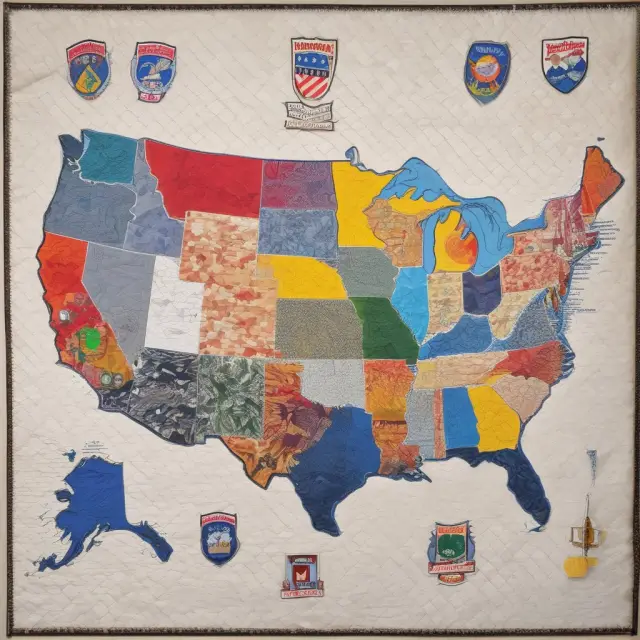
The Occupational Safety and Health Act (OSH Act) not only established the federal Occupational Safety and Health Administration (OSHA) but also permitted states to develop their own safety and health programs as long as they met specific requirements. This system of shared jurisdiction, known as OSHA-approved state plans, allows for state agencies to set and enforce job safety standards that are at least as stringent as the federal guidelines.
In the initial stages following the enactment of the OSH Act in 1970, many states eagerly adopted the opportunity to assume more control over their respective workplace safety regulations. As of today, 27 states and jurisdictions participate in OSHA-approved state plans: Alaska, Arizona, California, Connecticut, Hawaii, Indiana, Iowa, Kentucky, Maryland, Michigan, Minnesota, Montana, New Mexico, New York, North Carolina, Oregon, South Carolina, Tennessee, Utah, Vermont, Virginia, Washington, Wyoming, and the U.S. Virgin Islands.
Each participating state appoints its own agencies to oversee workplace safety inspections, issue citations, and levy fines for noncompliance. These state plans mirror the structure and function of the federal OSHA in terms of setting regulations, conducting investigations, and addressing violations. The primary difference lies in the specific workplace hazards that each state chooses to address as part of its regulatory focus.
State agencies in charge of workplace safety typically have more extensive knowledge about the industries within their borders compared to the federal OSHA. Consequently, they are better equipped to implement regulations tailored to the unique challenges presented by local industries. For example, a state with a significant agricultural sector may prioritize agriculture-specific hazards like exposure to pesticides or heavy machinery.
The existence of these OSHA-approved state plans streamlines enforcement and promotes consistency between federal and state standards in many cases. However, they also offer the advantage of allowing employers to maintain familiarity with their state’s regulatory framework. Employers subjected to multiple layers of regulations may find it beneficial to have a clear understanding of which agency sets the rules for their particular workplace.
The Occupational Safety and Health Administration provides assistance to state agencies in setting up and administering their own plans, offering technical expertise and resources as needed. State programs are evaluated periodically by OSHA to ensure they continue to meet federal requirements and maintain their approval status.
When evaluating the performance of OSHA-approved state plans, it’s essential to consider their impact on workplace safety. According to a study published in the American Journal of Preventive Medicine, states with approved state plans consistently exhibit lower injury rates compared to those without them. Injury incidence rates were 19% lower for private employers and 23% lower for public employers in states with approved programs. This evidence underscores the importance of strong partnerships between federal and state agencies in achieving a shared goal: safeguarding workers from hazardous workplace environments.

FAQs About the Occupational Safety and Health Act: Covered Employees, Compliance, Penalties, and More
One of the most frequently asked questions about the Occupational Safety and Health Act (OSH Act) pertains to its applicability, compliance, penalties, and covered employees. This section will provide clear answers to these concerns and help readers better understand this essential legislation.
1. Who does the OSH Act cover? The OSH Act covers most private-sector employers and their workers in addition to some public sector employers and workers under federal jurisdiction or within the 50 states and certain territories. Self-employed individuals, workers on small family farms, and employees regulated by a separate federal agency are not covered.
2. What does OSHA enforce? OSHA acts as the enforcement arm of the OSH Act and sets workplace health and safety standards for all employers under its jurisdiction. The Occupational Safety and Health Administration enforces these regulations through inspections, citations, and penalties.
3. How is an employer required to comply with the OSH Act? An employer must provide a safe working environment that is free from recognized hazards that may cause serious physical harm or death. Compliance is mandatory for all employers under federal jurisdiction, ensuring their workers are protected against workplace hazards.
4. What happens if an employer fails to comply with the OSH Act? If an employer violates the OSH Act, they face fines and penalties that increase depending on the severity of the violation. Serious violations can lead to up to $13,653 in penalties per violation, while willful or repeated violations can result in a maximum fine of $136,532 per violation.
5. Are there reductions in fines for small businesses? Yes, the size of the fine imposed on employers depends on the number of workers they employ. Businesses with 10 or fewer employees may receive up to an 80% reduction in penalties; those with 21-30 employees receive a 50% reduction. However, larger companies with more than 250 employees pay the full fine amount.
6. What are common OSHA violations and their corresponding penalties? Common OSHA violations include other-than-serious, serious, posting requirements, and willful or repeated violations. The maximum penalty for each type of violation varies: $13,653 for other-than-serious and posting requirement violations, $13,653 per day beyond the abatement date for failure to abate, and up to $136,532 for willful or repeated violations.
7. How can employers ensure compliance with OSHA regulations? Employers can implement safety programs, provide proper training for their employees, conduct regular inspections, and maintain adequate documentation of inspections and corrective actions. OSHA offers resources to help employers better understand the standards and requirements set forth by the agency.
By addressing these frequently asked questions about the Occupational Safety and Health Act, readers will gain a clearer understanding of this essential legislation and its impact on workplace safety for millions of American workers.
 Next entry · No. 3,619Understanding Occurrence Policies: Long-Term Protection against Financial Loss
See also
-
 No. 2,728
30 Jan 2025
22 min
Understanding Know Your Client (KYC) in Finance: Compliance, Verification, and Regulations
Finance Policy
No. 2,728
30 Jan 2025
22 min
Understanding Know Your Client (KYC) in Finance: Compliance, Verification, and Regulations
Finance Policy -
 No. 2,663
25 Jan 2025
17 min
Jurisdiction Risk: Understanding and Mitigating the Risks of Operating or Investing in a Foreign Country
Business Strategy
No. 2,663
25 Jan 2025
17 min
Jurisdiction Risk: Understanding and Mitigating the Risks of Operating or Investing in a Foreign Country
Business Strategy -
 No. 1,454
18 Sep 2024
20 min
Understanding the Family and Medical Leave Act (FMLA): A Comprehensive Guide for Employers and Employees
Business Strategy
No. 1,454
18 Sep 2024
20 min
Understanding the Family and Medical Leave Act (FMLA): A Comprehensive Guide for Employers and Employees
Business Strategy -
 No. 5,827
10 Oct 2025
20 min
Understanding Wrongful Termination Claims: A Comprehensive Overview
Consumer Rights
No. 5,827
10 Oct 2025
20 min
Understanding Wrongful Termination Claims: A Comprehensive Overview
Consumer Rights -
 No. 4,348
11 Jun 2025
18 min
Understanding Regulation O: Preventing Favorable Credit Extensions for Insiders in Banking
Regulations
No. 4,348
11 Jun 2025
18 min
Understanding Regulation O: Preventing Favorable Credit Extensions for Insiders in Banking
Regulations -
 No. 3,512
04 Apr 2025
20 min
Understanding Non-Securities: A Deep Dive into Alternative Investments Beyond Stocks and Bonds
Business Finance
No. 3,512
04 Apr 2025
20 min
Understanding Non-Securities: A Deep Dive into Alternative Investments Beyond Stocks and Bonds
Business Finance