Geographical Labor Mobility: Understanding the Impact on Economies and Workforce

Explore the concept of geographical labor mobility, its determinants, factors, benefits, challenges, role in US economy, occupational labor mobility, and FAQs.
What is Geographical Labor Mobility?
Geographical labor mobility denotes the extent to which individuals can freely move from one region or location to another in pursuit of better employment opportunities. This concept is distinct from occupational labor mobility, where workers switch jobs within a specific area (Bhagwati & Srinivasan, 1981). Understanding geographical labor mobility’s significance lies in its potential impact on productivity, economic growth, and workforce satisfaction.
Determinants of Geographical Labor Mobility:
Several factors influence geographical labor mobility, including ease of movement, economic incentives, physical barriers, regional size, job opportunities, education levels, personal circumstances, transportation options, and government policies.
1. Ease of movement: The ability to travel between locations effortlessly is crucial for labor market flexibility. Geographical labor mobility can be limited by factors like visa restrictions, immigration policies, or infrastructure limitations (Bhagwati & Srinivasan, 1981).
2. Economic incentives: Migration is often driven by economic motivations, such as higher salaries, better job prospects, and a more attractive standard of living in target locations.
3. Physical barriers: Natural or man-made obstacles, such as mountains, rivers, or border walls, can hinder labor mobility and limit economic opportunities for individuals (Bhagwati & Srinivasan, 1981).
4. Region size: The size of a region plays a significant role in determining geographical labor mobility. For instance, larger regions may offer more diverse employment opportunities, while smaller areas may face fewer options and fewer incentives for workers to relocate (Bhagwati & Srinivasan, 1981).
5. Job opportunities: The availability of jobs in target locations is a crucial factor that can influence labor mobility decisions (Bhagwati & Srinivasan, 1981).
6. Education levels: Higher education levels contribute to increased geographical labor mobility by making it easier for individuals to adapt to new environments and secure higher-paying jobs (Bhagwati & Srinivasan, 1981).
7. Personal circumstances: Family ties, housing considerations, and other personal factors can limit an individual’s willingness or ability to relocate (Bhagwati & Srinivasan, 1981).
8. Transportation options: Accessible transportation networks are essential for labor mobility as they help connect workers with job opportunities across regions (Bhagwati & Srinivasan, 1981).
9. Government policies: Government actions, such as subsidies or restrictions on migration, can significantly influence geographical labor mobility and its outcomes (Bhagwati & Srinivasan, 1981).
Impact of Geographical Labor Mobility on Economies and Workforce:
Geographical labor mobility has several benefits for economies and the workforce. Productivity is increased when workers can move to regions with better employment opportunities, as businesses can access a larger pool of skilled labor (Bhagwati & Srinivasan, 1981). Economic growth results from the efficient allocation of labor resources and improved job matches (Bhagwati & Srinivasan, 1981). Additionally, geographical labor mobility can contribute to workforce satisfaction by enabling individuals to find employment that better suits their skills and preferences.
Upcoming sections will delve deeper into factors that influence geographical labor mobility, such as agricultural developments, cultural attitudes, and government policies, as well as examine the role of occupational labor mobility in the economy.
References:
Bhagwati, J., & Srinivasan, T. N. (1981). Economic Analysis of Trade Policy. New York: Oxford University Press.

Determinants of Geographic Labor Mobility
Geographical labor mobility is influenced by multiple determinants, both personal and structural. These factors can encourage or discourage workers from moving to new regions in search of employment opportunities.
1. Ease of Movement and Migration
The ease of movement and migration between locations plays a significant role in determining geographic labor mobility within an economy. Factors that make it easier for individuals to move, such as flexible work arrangements, affordable transportation, and accessible housing, can boost mobility.
2. Economic Incentives
Strong economic incentives are essential drivers of geographic labor mobility. This includes better wages and job opportunities in a new area or the potential for improved living standards and social advancement. Moving to an area with a strong job market, lower unemployment rates, and higher salaries can be particularly enticing for workers.
3. Physical Barriers
Physical barriers such as mountains, large bodies of water, and dense forests can make it difficult or even impossible for individuals to relocate. These barriers limit labor mobility and hinder the efficient allocation of human resources within an economy.
4. Region Size
The size of a region is another factor in determining geographic labor mobility. Large regions with diverse economies and abundant job opportunities typically experience greater labor mobility, as workers have more options for employment. In contrast, smaller rural areas may lack the economic incentives necessary to attract workers, making it difficult for people to leave.
5. Job Opportunities
Adequate job opportunities are crucial factors that influence geographic labor mobility. Workers are more likely to move when there is a promise of better employment prospects in their target location. This can be seen as an essential factor driving the ‘brain drain’ phenomenon, where skilled workers leave underdeveloped regions for more economically advanced areas.
6. Education Levels
The level of education obtained by individuals also plays a significant role in determining labor mobility. Higher educational attainment increases the likelihood that someone will relocate for better opportunities or career advancement. Conversely, lower levels of education can hinder geographic labor mobility due to limited options for employment and mobility.
7. Personal Circumstances
Personal circumstances such as family ties, housing situations, and individual preferences greatly impact an individual’s decision to move. Strong family connections or personal commitments can make it difficult for people to leave their current location, even if better opportunities exist elsewhere.
8. Transportation Options
Accessible transportation infrastructure is a critical determinant of geographic labor mobility. The availability of affordable and reliable public transportation, as well as efficient road systems, facilitates the movement of workers from one region to another. This not only increases the overall labor pool but also helps ensure that employers have access to a diverse workforce.
9. Government Policies
Government policies can significantly influence geographic labor mobility through measures such as immigration laws, tax incentives, and education subsidies. For instance, policies that encourage entrepreneurship or provide incentives for businesses to establish operations in underdeveloped regions can stimulate economic growth and attract workers.
10. Industrialization
The level of industrialization within an economy can also impact labor mobility. Industries that require a large workforce and are highly concentrated in specific areas can create labor shortages in those locations, driving up wages and incentivizing people to move to these regions. However, the presence of heavy industry and environmental hazards may discourage workers from moving to industrialized areas due to concerns about safety and health risks.
Understanding these factors and their impact on geographic labor mobility is essential for policymakers, businesses, and individuals seeking to make informed decisions regarding economic growth, job creation, and workforce development. By recognizing the importance of mobility in driving productivity, improving economic output, and fostering a more skilled and adaptable labor force, we can create policies that encourage geographic labor mobility while addressing the challenges it presents.

Factors Influencing Geographic Labor Mobility
Geographical labor mobility is influenced by various factors, from personal circumstances to government policies and industrialization. One of the most significant determinants of geographic labor mobility is agriculture, which drives people from densely populated areas during busy seasonal periods. Another key factor is cultural attitudes; if individuals have no motivation to seek employment elsewhere, they will not relocate, leading to low geographic labor mobility. Brain drain, or human capital flight from developing regions and nations, is another factor that can significantly impact the level of geographic labor mobility within an economy.
Government policies also heavily influence geographic labor mobility. For instance, the European Union encourages greater geographic labor mobility by helping qualified workers find employment in other countries and facilitating cross-border movement to foster economic growth. Conversely, restrictive immigration policies can limit labor mobility, making it more difficult for individuals to relocate to areas with greater job opportunities.
Industrialization is another factor that shapes geographic labor mobility. In highly industrialized economies, there are more blue collar job opportunities, which encourages workers to move from rural areas to cities where there is a higher demand for labor. On the other hand, the decline of industries in certain regions can result in out-migration and low labor mobility within those areas.
The implications of geographic labor mobility extend beyond individual workers and their immediate families. For example, high levels of labor mobility can lead to the dissolution of local communities and cultures as individuals move to new locations to seek employment opportunities. Additionally, brain drain from developing regions and nations can hinder economic growth by depriving these areas of much-needed human capital.
Understanding the complex interplay between various factors that influence geographic labor mobility is crucial in designing policies aimed at promoting greater labor mobility while mitigating its negative impacts. By addressing both the root causes and specific determinants, governments can foster a more flexible labor market and create opportunities for workers to thrive in an ever-changing economic landscape.

Benefits of Geographical Labor Mobility
Geographical labor mobility provides numerous benefits to individuals and economies alike. The flexibility to relocate for better employment opportunities leads to higher productivity, economic growth, macroeconomic stability, and workforce satisfaction. This section will delve deeper into each of these advantages.
1. Higher Productivity
When workers can move to where the jobs are, businesses gain access to a larger labor pool, enabling them to find employees with the necessary skills for their operations. Consequently, businesses can achieve higher levels of productivity as they hire employees who best fit their needs. Furthermore, individuals benefit from this labor mobility as they can relocate and secure employment that matches their skillset and career goals.
2. Economic Growth
Geographical labor mobility significantly contributes to economic growth. The movement of workers in search of opportunities leads to the creation of jobs in emerging industries, increased competition among firms, and improved overall business efficiency. Moreover, this mobility can spur innovation as new ideas are introduced through the influx of diverse talent.
3. Macroeconomic Stability
Geographical labor mobility plays a crucial role in managing macroeconomic stability by allowing countries to adjust their workforce composition in response to economic shifts. For instance, during economic downturns, labor mobility can help alleviate unemployment and create new opportunities in other regions. Additionally, geographic labor mobility can facilitate the efficient allocation of resources across various industries, resulting in more balanced economic growth.
4. Workforce Satisfaction
Geographical labor mobility enhances workforce satisfaction as individuals have the ability to seek employment that aligns with their skills and interests. Moreover, this freedom to move allows workers to avoid stagnating in low-productivity jobs or industries, thus improving overall job satisfaction and leading to a more motivated and engaged labor force.
5. Social Capital
Geographical labor mobility plays an essential role in promoting social capital by enabling individuals to form connections with people from diverse backgrounds and cultures. These relationships can lead to improved interpersonal skills, broadened perspectives, and new opportunities for collaboration and networking. Furthermore, these connections can help workers navigate their careers as they adapt to new environments and industries.
In conclusion, geographical labor mobility is a vital aspect of a dynamic economy, with numerous advantages that include higher productivity, economic growth, macroeconomic stability, workforce satisfaction, and social capital. By understanding the benefits of this concept, policymakers, employers, and individuals can make informed decisions that foster greater labor mobility and contribute to overall economic progress.
As we continue our exploration of labor mobility, the next section will discuss the challenges associated with geographical labor mobility and how governments can address these issues to promote a more mobile workforce.

Challenges of Geographic Labor Mobility
One of the significant challenges associated with geographic labor mobility is the dissolution of local communities, brain drain, and social unrest. This section focuses on understanding these issues and their potential impacts on economies and workforces.
Dissolution of Local Communities
Geographic labor mobility can lead to the erosion of local communities as individuals migrate from one area to another in pursuit of better economic opportunities. As a result, social capital in both originating and destination areas may be negatively affected. The loss of this essential resource can hinder future growth opportunities for these regions and affect the overall stability of their economies.
Brain Drain
Another major challenge posed by geographic labor mobility is brain drain, or human capital flight from developing regions to more developed areas. This phenomenon can be detrimental for both individuals and countries involved. As skilled workers leave their native lands to seek better opportunities, a knowledge gap may emerge within the communities they abandon, resulting in a lack of expertise and innovation that could potentially stifle economic growth.
Social Unrest
The mobility of labor from one region to another can also spark social unrest due to various factors, including cultural differences, increased competition for jobs, and potential income disparities between regions. These issues can result in friction between groups and may ultimately lead to significant political instability.
Addressing the Challenges
Understanding these challenges is vital for policymakers and society as a whole as they seek ways to mitigate their negative impacts and make geographic labor mobility a more sustainable and beneficial process for all involved. Some potential solutions include implementing policies that support the retention of skilled workers in developing regions, promoting cross-border collaboration and knowledge sharing, and addressing cultural divides through education and community engagement efforts.
In conclusion, while geographic labor mobility offers numerous benefits to economies and individuals alike, it is essential to acknowledge and address its challenges. By understanding the potential consequences of this trend and implementing proactive measures to mitigate them, we can ensure that the benefits of geographic labor mobility are maximized while minimizing any negative impacts.

The Role of Government in Promoting Geographical Labor Mobility
Governments play a critical role in promoting geographical labor mobility, which contributes to productivity and economic growth in various ways. By establishing supportive policies, infrastructure, and incentives for workers, governments help mitigate physical barriers to migration and encourage the workforce’s movement towards industries with higher employment opportunities.
1. Transportation options: Improved transportation networks are essential in fostering geographical labor mobility. Governments can invest in public transport systems, such as buses, trains, or subsidies for private automobile ownership. These investments help reduce travel costs and the time taken to commute between different locations. In turn, efficient transportation options enable workers to consider a broader range of job opportunities, leading to higher productivity levels.
2. Raising standard of living: Governments can enhance geographical labor mobility by improving living standards in regions with lower economic opportunities. By providing better education, healthcare facilities, and infrastructure projects, they attract more people to these areas, making them more desirable places for employment. Additionally, investments in social programs that address the needs of vulnerable populations can help create a stable foundation for long-term labor mobility.
3. Enacting favorable policies: Governments can enact policies aimed at reducing unemployment and income inequality across regions. For instance, they can establish regional development funds or tax incentives to attract businesses to less economically developed areas. These initiatives not only create new job opportunities but also encourage labor mobility towards these locations.
4. Addressing cultural attitudes: Geographical labor mobility is influenced by personal circumstances and cultural attitudes. Government policies that prioritize workforce flexibility and actively address local barriers to mobility can help bridge the gap between regions and communities, fostering a more inclusive economy.
5. Industrialization: As industries evolve and grow, they create new job opportunities across various regions. Governments can facilitate labor mobility by investing in training programs and education initiatives, helping individuals adapt to these changing economic landscapes and enabling them to relocate to areas with ample employment prospects.
In conclusion, governments play a pivotal role in fostering geographical labor mobility through strategic investments in transportation infrastructure, improving living standards, enacting favorable policies, addressing cultural barriers, and promoting industrialization. By doing so, they can contribute significantly to the overall productivity of their economies while ensuring that their workforce remains adaptable and responsive to changing employment opportunities.
Geographic Labor Mobility in the United States
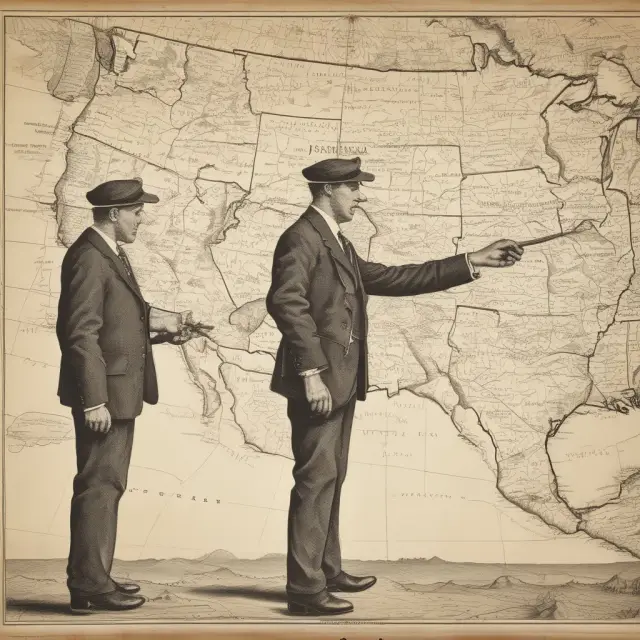
The United States has a rich history of labor mobility, with workers relocating to find new opportunities as the country expanded westward during its early years. However, recent trends suggest that geographical labor mobility within the U.S. has been on the decline since the 1980s. In this section, we will explore historical trends, current status, and implications for economic growth related to geographic labor mobility in the United States.
Historically, as new industries emerged, geographic labor mobility was at its peak, with workers moving to places that offered economic opportunities. For instance, during westward expansion, thousands of people migrated from the Eastern United States to settle the frontier. This trend continued even after the country’s industrialization, as urban areas attracted labor-intensive industries like textiles and steel production.
However, geographic labor mobility within the U.S. has been steadily decreasing since the 1980s. According to data from the U.S. Census Bureau, the rate of interstate migration in the United States fell by nearly half between 1989 and 2017. Similarly, intrastate migration declined by almost a third within that time frame. Even during the COVID-19 pandemic, labor mobility trends continued to decline, with just 8.4% of people living in a different residence one year ago in 2021 compared to 9.3% in 2020.
Despite these declining trends, the importance of geographic labor mobility remains evident. When workers can move to where jobs are available, more workers find employment, and businesses can access the labor they need, making it easier to manage macroeconomic stability. Moreover, a study published in The Yale Law Journal in 2017 highlights that local barriers to mobility can make macroeconomic policy less effective, emphasizing the significance of this trend.
In contrast, while geographic labor mobility brings benefits like better allocation of the labor supply and productivity, it can also lead to dissolution of local communities and the erosion of social capital. Additionally, it causes human capital flight from developing regions and nations, known as the brain drain.
Understanding the factors influencing geographic labor mobility in the United States is essential for policy makers and economists who seek to create an economic environment that encourages this trend while minimizing its potential negative consequences. Factors such as ease of movement, economic incentives, personal circumstances, education levels, and government policies all play significant roles in shaping geographic labor mobility.
In conclusion, the United States has a long-standing tradition of labor mobility, but recent declining trends call for renewed attention to this topic. By examining historical trends, current status, and potential implications, we can better understand the importance of geographic labor mobility and the steps needed to promote it while addressing associated challenges.

Occupational Labor Mobility: A Complementary Concept
Apart from geographical labor mobility, it’s essential to consider occupational labor mobility, which refers to the ability of individuals to switch jobs or careers within a specific location. While both concepts differ in nature, they are interconnected and contribute to economic development in various ways.
Occupational labor mobility, also known as internal labor migration, is less complex than geographical labor mobility since it doesn’t involve relocating from one place to another entirely. Instead, it revolves around workers’ flexibility in transitioning between jobs or industries within their current residence. For instance, someone might move from a manufacturing job to working in an IT company, all while remaining in the same city or region.
Comparatively, geographical labor mobility involves moving across regions or countries to seek better opportunities. Both forms of mobility are essential for economic growth, but they serve different purposes. Occupational labor mobility contributes to improved productivity and job satisfaction within a local economy, whereas geographical labor mobility enhances the overall efficiency of resource allocation throughout an economy.
The determinants of occupational labor mobility include personal circumstances, education levels, economic incentives, and government policies that impact the ease or difficulty of switching jobs. The more accessible it is for workers to change careers, the better equipped they are to adapt to the evolving job market and remain competitive in their industries. Furthermore, the higher the educational attainment levels within a labor force, the greater the likelihood of occupational mobility since individuals with advanced knowledge and skills are often more attractive to employers.
Government policies can also play a vital role in fostering occupational labor mobility by providing incentives or implementing regulations that encourage workers to make career transitions. For example, programs like job training or apprenticeships can help individuals acquire new skills, making them more employable in other industries. In contrast, restrictive employment laws could hinder the flexibility of a labor force and impede their ability to adapt to changing economic conditions.
The importance of both occupational and geographical labor mobility lies in their role in maintaining a dynamic workforce that can respond to economic shifts and market demands efficiently. A flexible workforce enables employers to meet changing customer needs, innovate, and stay competitive while providing individuals with ample opportunities for career advancement and personal growth.
In conclusion, understanding the concepts of geographical labor mobility and occupational labor mobility is crucial in evaluating their respective impacts on economic development and workforce adaptability. By exploring these two interconnected dimensions of labor mobility, we can appreciate the complexities that shape the modern labor market and how individuals and governments can capitalize on them to achieve long-term prosperity.

Why is Labor Mobility Important?
Labor mobility plays a vital role in the functioning of any economy by ensuring that workers can move to areas offering better employment opportunities, leading to increased productivity and economic output. The significance of labor mobility is often viewed as a key determinant of a country’s economic success. In this section, we explore the reasons behind the importance of labor mobility for workers, employers, and society at large.
Productivity: Geographical labor mobility enables workers to move to regions with greater job opportunities, ultimately increasing overall productivity and efficiency within an economy. When workers are free to relocate to areas where their skills are in high demand, they can contribute more effectively to the economy, leading to improved output and economic growth.
Workforce Satisfaction: Labor mobility empowers individuals to pursue their career goals by allowing them to find employment that suits their skills and personal circumstances, increasing job satisfaction levels and overall happiness. This not only benefits employees but also employers by creating a more motivated and engaged workforce.
Lower Unemployment Rates: Labor mobility can help reduce unemployment rates by enabling workers to move to areas with greater job opportunities. By allowing the labor force to respond quickly to changing economic conditions, labor mobility ensures that workers are continually employed in industries where their skills are most valuable.
Rising GDP: The free movement of labor contributes significantly to a country’s gross domestic product (GDP) by facilitating the allocation of labor resources more effectively. By enabling workers to relocate to areas with greater economic opportunities, labor mobility boosts productivity and encourages entrepreneurship, ultimately increasing the overall size and strength of a nation’s economy.
Efficient Economic Systems: Labor mobility is essential for maintaining efficient economic systems by ensuring that the labor force is distributed optimally across various industries and regions. By allowing workers to move freely to areas where their skills are most in demand, labor mobility fosters a more balanced and adaptive economic structure that can quickly respond to changing market conditions.
Conclusion:
Geographical labor mobility is an essential component of a dynamic, thriving economy. Its importance lies in its ability to increase productivity, create workforce satisfaction, reduce unemployment rates, raise GDP, and foster efficient economic systems. By understanding the benefits of geographical labor mobility, we can appreciate the role it plays in creating prosperous communities and economies that cater to the needs of workers and businesses alike.

Controversies Surrounding Geographic Labor Mobility: Cross-Border Movement
The topic of geographical labor mobility, particularly cross-border movements, continues to be a contentious issue in today’s global economy. While many economists argue that labor mobility fosters economic growth and prosperity by facilitating the movement of people from areas with low employment opportunities to those with high demand for workers, others express concerns about potential negative consequences such as job loss, social unrest, and brain drain.
Job Stealing: Critics claim that cross-border labor mobility can lead to “job stealing,” where local residents lose their jobs due to competition from foreign workers who are willing to work for lower wages. However, research shows that this is a misconception. A study published in the Journal of Labor Economics found no evidence that immigration significantly affects the employment rate or wage levels of native-born workers (Card and DiNardo, 1994). In fact, immigrants often fill roles that are not desirable to native residents, such as low-wage jobs in agriculture, construction, or domestic services.
Social Unrest: Another concern is the potential for social unrest due to competition for resources between local residents and immigrants. However, empirical evidence does not support this claim either. A study published in the Quarterly Journal of Economics found that immigration did not negatively impact the wages, employment opportunities, or living standards of native-born residents (Borjas, 1995). Additionally, increased diversity resulting from labor mobility can bring numerous benefits such as cultural exchange and the emergence of new businesses catering to diverse communities.
Brain Drain: Brain drain, or human capital flight, refers to the emigration of skilled workers from developing countries to more prosperous regions. This can lead to a significant loss of intellectual resources for their home countries. However, it is important to note that brain drain can also have positive consequences. For instance, the return migration of highly skilled individuals with international experience can bring valuable knowledge and expertise back to their home countries (Levitt, 2001). Furthermore, remittances sent by these migrants can contribute significantly to economic development in their home communities.
Economic Arguments for Cross-Border Labor Mobility: Economists argue that labor mobility is a crucial factor contributing to economic growth and prosperity. By enabling people to move from areas with low employment opportunities to those with high demand, labor mobility ensures that the global workforce is more productive and efficiently allocated across industries and regions. This can lead to increased productivity, rising GDP, and overall economic development (Bhagwati, 2004).
In conclusion, while concerns surrounding cross-border labor mobility persist, evidence from various studies supports the view that it has overall positive effects on both the source and destination countries. By facilitating the movement of people to areas with greater opportunities for employment and personal growth, labor mobility plays a significant role in fostering economic development and improving living standards for individuals across the globe.
References:
Bhagwati, J. (2004). In Defense of Globalization. Oxford University Press.
Borjas, G. J. (1995). “Who Gets the Welfare Reform?” American Economic Review, 85(3), 1-17.
Card, D., & DiNardo, J. F. (1994). “The New Immigration: Measuring Its Economic Impact” in P. R. Keller and A. C. Mitchell (Eds.), The New Immigrants: An Agenda for the 1990s. Washington, DC: The Brookings Institution.
Levitt, P. (2001). “The Economics of Migration.” Journal of Economic Perspectives, 15(3), 3-22.
FAQs on Geographical Labor Mobility
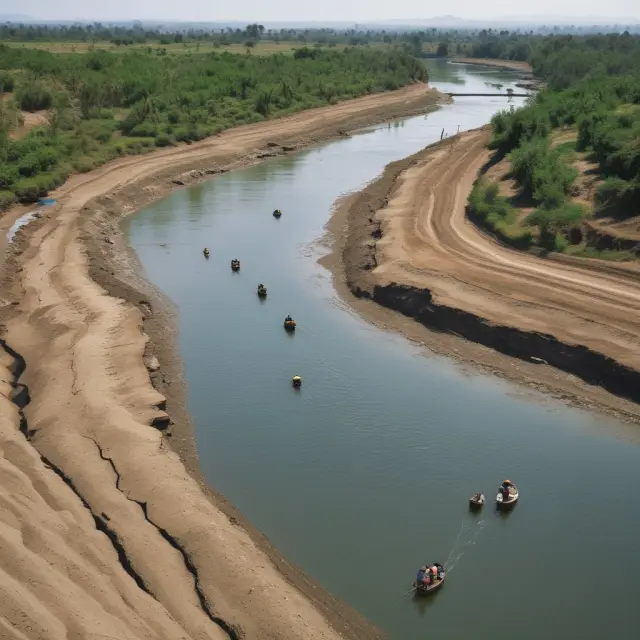
Geographical labor mobility refers to the freedom and flexibility of a workforce to move from one region to another in search of better employment opportunities. In this section, we will address common questions, misconceptions, and concerns regarding geographic labor mobility.
1) What is Geographical Labor Mobility?
Geographical labor mobility refers to the capacity of workers within a specific economy to relocate in order to secure new or improved employment. It can be compared to occupational labor mobility, which entails switching jobs or careers within an area. Both forms of labor mobility are essential for economic growth and stability.
2) What determines the level of Geographical Labor Mobility?
The determinants of geographic labor mobility include the ease of movement, economic incentives, physical barriers, region size, job opportunities, education levels, personal circumstances, transportation options, government policies, and industrialization. These factors can either encourage or discourage labor mobility within a country.
3) Why is Geographical Labor Mobility important?
Geographic labor mobility is significant as it leads to more productive labor markets, improved economic growth, better allocation of the workforce, and lower unemployment rates. Additionally, it makes managing macroeconomic stability easier, reducing the negative impact of local barriers on monetary policy.
4) What are the disadvantages of Geographical Labor Mobility?
Despite its advantages, geographic labor mobility can result in social unrest due to the dissolution of local communities and cultures as workers relocate. Another consequence is the brain drain, or human capital flight from developing regions and nations. This loss can negatively impact economic growth.
5) How does Geographical Labor Mobility affect the United States?
Historically, geographic labor mobility in the United States was high during periods of westward expansion and industrialization. However, rates have been declining since the 1980s. The decline is attributed to several factors including personal circumstances, housing issues, infrastructure challenges, and government policies.
6) What is the role of Government in promoting Geographical Labor Mobility?
Governments can promote geographic labor mobility through transportation investments, raising standards of living, and implementing favorable policies that make it easier for individuals to move within their respective economies. International cooperation, such as the European Union’s efforts to encourage cross-border labor mobility, also plays a critical role in increasing overall mobility.
7) How does Geographical Labor Mobility relate to Occupational Labor Mobility?
Geographic labor mobility and occupational labor mobility are related but distinct concepts. While geographic labor mobility involves moving from one region to another, occupational labor mobility entails switching jobs or careers within an area. Both forms of labor mobility contribute to economic growth and productivity by facilitating a more efficient allocation of human resources.
 Next entry · No. 1,788Geographical Pricing: Adjusting Prices Based on Location for Maximum Revenue
See also
-
 No. 4,732
12 Jul 2025
20 min
Understanding Stagflation: The Economic Puzzle of Slow Growth, High Unemployment, and Inflation
Economics
No. 4,732
12 Jul 2025
20 min
Understanding Stagflation: The Economic Puzzle of Slow Growth, High Unemployment, and Inflation
Economics -
 No. 4,288
06 Jun 2025
21 min
Rationing: A Way To Cope With Scarcity And Economic Challenges In Finance And Investment
Business Finance
No. 4,288
06 Jun 2025
21 min
Rationing: A Way To Cope With Scarcity And Economic Challenges In Finance And Investment
Business Finance -
 No. 2,381
01 Jan 2025
18 min
Understanding Industrialization: History, Strategies, Effects, and Societal Impact
Business Strategy
No. 2,381
01 Jan 2025
18 min
Understanding Industrialization: History, Strategies, Effects, and Societal Impact
Business Strategy -
 No. 2,350
30 Dec 2024
19 min
Understanding Incoterms: A Comprehensive Guide for Professional and Institutional Investors
International Trade
No. 2,350
30 Dec 2024
19 min
Understanding Incoterms: A Comprehensive Guide for Professional and Institutional Investors
International Trade -
 No. 1,785
06 Nov 2024
19 min
Understanding Gentrification: Causes, Impacts, and Controversies
Business Strategy
No. 1,785
06 Nov 2024
19 min
Understanding Gentrification: Causes, Impacts, and Controversies
Business Strategy -
 No. 1,655
18 Oct 2024
22 min
Understanding the Four Asian Tigers: A Closer Look at Hong Kong, Singapore, South Korea, and Taiwan
Finance Policy
No. 1,655
18 Oct 2024
22 min
Understanding the Four Asian Tigers: A Closer Look at Hong Kong, Singapore, South Korea, and Taiwan
Finance Policy