Understanding Delivered-at-Place (DAP) in International Trade: Obligations for Buyers and Sellers

Explore DAP in international trade: Understand obligations, benefits, & differences for buyers and sellers using Incoterms. Detailed analysis.
Introduction to Delivered-at-Place (DAP)
Delivered-at-place (DAP), also known as Delivered at Terminal, is a widely-used international trade term that provides clarity on the responsibilities of buyers and sellers when goods are shipped from one country to another. Introduced in the eighth publication of Incoterms by the International Chamber of Commerce in 2010, DAP agreements specify that the seller bears all costs and risks associated with transporting goods up to the designated destination. In contrast, the buyer assumes responsibility for import duties, taxes, and other charges upon the shipment’s arrival at their specified location (Renouf & Schmitthoeffer, 2014).
Under a DAP agreement, the seller is obligated to deliver goods to the carrier at the origin port or place of production. Their responsibilities include arranging and preparing all documentation, freight charges, and insurance coverage up to the named destination (Hoekstra & de Wit, 2017). Once the goods are loaded onto the ship or aircraft, the risk and ownership transfer from the seller to the buyer (Renouf & Schmitthoeffer, 2014).
In this section, we will delve into the intricacies of DAP agreements. We will explore the sellers’ obligations under a DAP agreement, buyers’ obligations, and the significance of Incoterms in international trade. Furthermore, we will discuss the differences between DAP and other commonly used Incoterms, such as CIF and DDP.
Section Title: Sellers’ Obligations Under DAP
The seller plays a pivotal role when it comes to facilitating a successful delivery under a DAP agreement. Their responsibilities include providing documentation, ensuring that proper licensing is obtained, organizing transport and freight charges, and shouldering the risk of goods up until they reach the designated destination.
Documentation: To ensure a smooth transaction, sellers must prepare all necessary paperwork, including bills of lading, commercial invoices, packing lists, and certificates of origin (Hoekstra & de Wit, 2017). Proper documentation is essential for customs clearance at both the exporting and importing countries.
Licensing: Sellers must ensure they obtain any required export licenses or permits to legally transport goods out of their country (Renouf & Schmitthoeffer, 2014). Additionally, sellers may also be responsible for obtaining import licenses if the regulations of the destination country require it.
Transport and Freight Charges: Under DAP terms, the seller covers all costs associated with transporting the goods to the named port or place (Hoekstra & de Wit, 2017). This includes freight charges for sea, air, rail, or road transportation. The seller’s responsibility extends to loading the goods onto the ship or aircraft and covering the cost of main carriage or delivery to the destination.
Risk: As stated earlier, sellers shoulder all risks related to the goods until they reach the designated location under a DAP agreement (Renouf & Schmitthoeffer, 2014). This includes any damage that may occur during transport. However, once the shipment arrives at the destination and is unloaded, the risk transfers to the buyer.
Proof of Delivery: Sellers are responsible for providing proof of delivery, such as a signed bill of lading or proof of receipt from the carrier (Hoekstra & de Wit, 2017). This documentation serves as evidence that the goods have been delivered to the specified location under the terms of the sale.
Section Title: Buyers’ Obligations Under DAP
While sellers take on a significant amount of responsibility under a DAP agreement, buyers also play a critical role in ensuring a successful transaction. Their primary obligations include making the payment for the goods, handling import-related formalities, and arranging for unloading at the destination.
Payment: Buyers must make the payment for the goods to the seller as agreed upon in the sales contract (Renouf & Schmitthoeffer, 2014). This may be done through a variety of methods, such as bank transfer or letter of credit. It is essential for buyers to adhere to the terms set out in their agreement regarding payment deadlines and any applicable penalties for late payments.
Import-Related Formalities: Once the goods reach their destination, it is the buyer’s responsibility to handle import formalities (Hoekstra & de Wit, 2017). This includes preparing and submitting all required documentation, such as customs declarations, import permits, and paying any applicable import duties or taxes.
Unloading: Buyers must arrange for the unloading of the goods at the destination and make any necessary transportation arrangements to move the goods from the port or place of delivery to their final destination (Renouf & Schmitthoeffer, 2014). This may involve hiring a trucking company or organizing their own transport equipment.
By following these guidelines, both buyers and sellers can ensure a successful transaction under a DAP agreement. In the next section, we will discuss the importance of Incoterms and their history in international trade.
What is Delivered-at-Place?
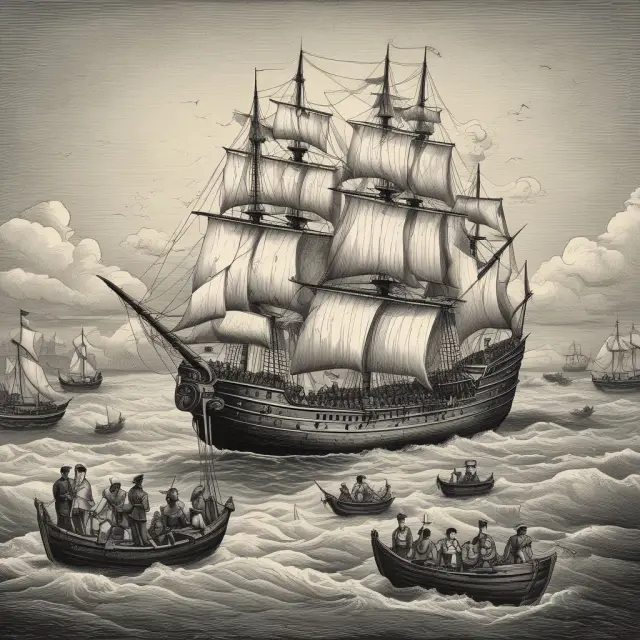
Delivered-at-Place (DAP) is a crucial term in international trade under the International Chamber of Commerce’s (ICC) Incoterms. It refers to an agreement where sellers take responsibility for delivering goods up to a specified location within the buyer’s country, while buyers are liable for unloading, importation clearance, and any domestic transportation costs. This section will delve deeper into understanding DAP agreements and their implications for both parties.
DAP Introduced: When and How it Replaced DDU
Delivered-at-Place was introduced in the eighth version of Incoterms published by ICC, released in 2010. It replaced the term delivery duty unpaid (DDU), although DDU might still be used colloquially. Under a DAP agreement, sellers take on all costs and risks associated with moving goods to the buyer’s country, while buyers assume control and liabilities once the shipment arrives at its destination.
How a Delivered-at-Place Agreement Works
A delivered-at-place agreement sets clear boundaries for responsibilities between buyers and sellers in international trade contracts. The seller is obligated to:
- Prepare proper documentation, including commercial invoices and export paperwork.
- Obtain necessary licenses for the goods’ export.
- Arrange pre-carriage and loading of the shipment onto a vessel or aircraft.
- Cover all costs related to transport, including any losses during transit.
- Deliver cargo to the agreed-upon destination (port, airport, etc.).
- Provide proof of delivery to the buyer upon arrival at the destination.
The buyer, in contrast, is responsible for:
- Paying for goods and making necessary arrangements with the seller.
- Obtaining import clearance and dealing with any related documentation.
- Unloading cargo from the vessel or aircraft once it arrives.
- Covering all import duties, taxes, and other levies.
- Arranging transportation of the goods from the port/airport to their final destination (warehouse, factory, etc.).
Sellers’ Obligations Under DAP: Documentation, Licensing, Transport Costs, and Proof of Delivery
Under a DAP agreement, sellers bear the following responsibilities:
- Prepare and provide documentation: Sellers must ensure all necessary documentation, including bills of lading, commercial invoices, packing lists, and export declarations, are accurate and complete.
- Obtain licenses: Procuring export licenses or permits is a seller’s obligation under DAP agreements. This ensures the smooth transit of goods across borders.
- Transport costs: The seller covers all costs associated with transporting goods from their origin to the port or airport in the buyer’s country.
- Proof of delivery: Providing proof of delivery is crucial for both parties; sellers must offer it to buyers once cargo has arrived at its destination. This can be done through a variety of methods, such as bills of lading, transport documents, or freight forwarder statements.
Buyers’ Obligations Under DAP: Payment, Importation, Unloading Costs, and Transporting Goods to Their Final Destination
Conversely, buyers hold the following responsibilities:
- Payment for goods: Buyers must pay for the ordered goods before or at the time of delivery. They should ensure they have a clear agreement on payment terms with sellers to avoid any confusion or disputes.
- Importation and customs formalities: Obtaining import permits, clearing customs, and dealing with other import-related issues is the buyer’s responsibility under DAP agreements.
- Unloading costs: Buyers are responsible for unloading cargo once it arrives at their specified destination within the country. This can be done by hiring professionals or having in-house staff perform the task.
- Transporting goods to their final destination: Once unloaded, buyers must arrange for transportation of the goods from the port/airport to their desired location (warehouse, factory, etc.). This usually involves coordinating with third-party logistics providers or utilizing their internal resources.
In conclusion, a Delivered-at-Place agreement is an essential aspect of international trade and provides clarity for both parties regarding responsibilities during the shipment process. Sellers are responsible for preparing documentation, transporting goods up to the destination, and providing proof of delivery upon arrival, while buyers take on importation formalities, unloading costs, and transportation to their final destination. A solid understanding of DAP obligations is crucial for successful international transactions and minimizing potential disputes.

Sellers’ Obligations under DAP
In a delivered-at-place (DAP) contract, the seller assumes significant responsibilities in ensuring that the goods reach their destination safely and efficiently. In this section, we will discuss the critical obligations of sellers under the DAP agreement, focusing on documentation, licensing, transport costs, and proof of delivery.
Documentation: A crucial part of selling goods internationally involves accurate documentation to facilitate the smooth transfer of ownership and minimize potential complications at customs. Under a DAP contract, it is the seller’s responsibility to prepare all necessary documentation for export. This includes invoices, packing lists, insurance documents, and any other required forms related to the export of the goods. Sellers need to ensure that these documents are completed accurately and comply with both their local regulations and those of the destination country to prevent delays in customs clearance.
Licensing: Obtaining necessary licenses for exporting goods can be a complex process. When using DAP terms, the seller bears this responsibility. They need to acquire all permits and approvals required by their local authorities before shipping. This may include obtaining export declarations, certificates of origin, or other documentation specific to the industry or nature of the goods being transported. Procuring these licenses can take time, and sellers must ensure they are valid for the duration of the shipment to avoid potential delays at destination ports.
Transport: Under DAP agreements, the seller is responsible for arranging and paying for the transportation of the goods from their premises to the port of loading or the airport if air freight is involved. This includes all pre-carriage costs (charges incurred before the goods reach the carrier) such as packaging and loading, but excludes delivery charges and customs clearance fees which are the buyer’s responsibility. The seller must also ensure that the chosen carrier complies with all relevant regulations regarding safe transportation of the goods.
Costs: A major obligation for sellers under DAP contracts is covering the costs associated with delivering the goods to the agreed destination. This includes the freight charges, insurance premiums (if applicable), and any losses or damages that may occur during shipment. The seller assumes the risk and burden of these expenses until the goods are handed over to the buyer at their designated location.
Proof of Delivery: Lastly, once the goods have been delivered to the agreed destination under DAP terms, sellers must provide proof of delivery to the buyer. This can be in the form of a signed receipt or bill of lading acknowledging that the shipment has been received and is in good condition. This documentation helps ensure a smooth transfer of ownership from seller to buyer, reducing potential disputes related to non-delivery or damaged goods.
By fulfilling these obligations under DAP contracts, sellers can minimize risks for both themselves and their buyers, ensuring a more streamlined international transaction process.
Buyers’ Obligations under DAP
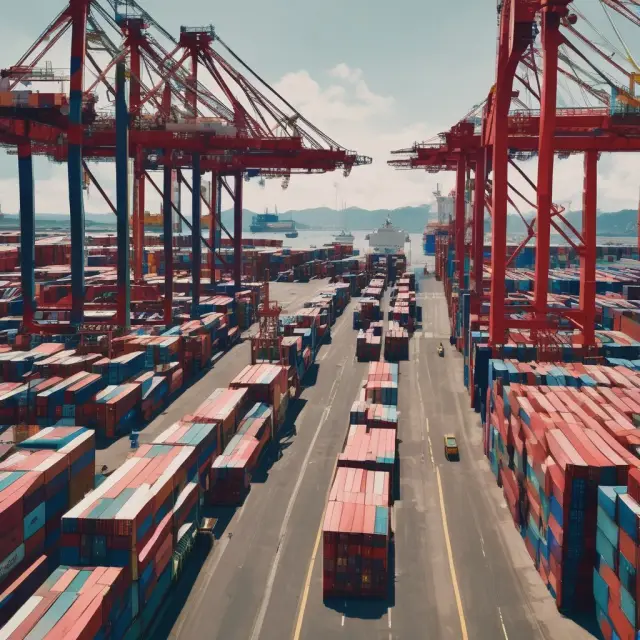
Although sellers shoulder most responsibilities in a Delivered-at-Place (DAP) contract, buyers hold significant obligations as well. These involve making payments, managing import procedures, unloading cargo, and covering additional costs. Understanding the specific buyer responsibilities is essential for ensuring a successful transaction.
Payment
In a DAP agreement, buyers are responsible for paying sellers for the goods or services rendered. It’s crucial for buyers to establish and execute payment methods like bank transfers, PayPal, or other secure payment systems before the delivery process begins. Buyers should also provide the seller with their preferred shipping address to facilitate seamless transaction completion.
Import Procedures
Once goods arrive at their destination under a DAP agreement, buyers must manage import procedures efficiently. This includes filling out necessary documentation and adhering to local regulations, which may include customs formalities, permits, or certificates of origin. Properly completed paperwork is crucial for the smooth transfer of ownership from seller to buyer.
Unloading Cargo
Upon arrival, buyers must make arrangements for cargo unloading at the agreed-upon destination. This can be done through engaging a freight forwarder or having in-house personnel available for unloading duties. It’s essential that buyers communicate their availability and preparedness to receive the shipment, as delays may result in demurrage charges.
Costs
Buyers are responsible for covering various costs once goods have arrived at their destination under a DAP agreement. These include import duties, taxes, and other fees related to customs clearance. Buyers should factor these additional expenses into their budget before entering into a contract with the seller.
Understanding the obligations of both buyers and sellers is crucial in executing successful Delivered-at-Place transactions. While sellers are responsible for delivering goods to the agreed location, buyers must manage payments, import procedures, unloading cargo, and covering additional costs. Clear communication between parties can help ensure a smooth transaction process.
The Importance and History of Incoterms
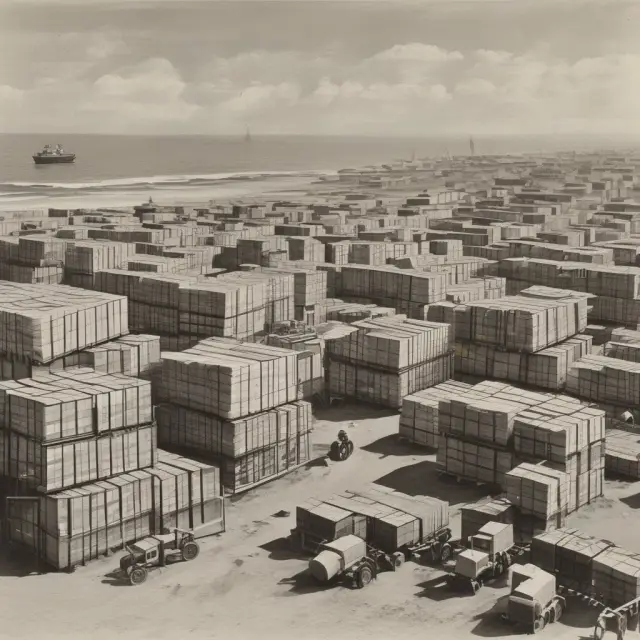
Delivered-at-place (DAP) is one significant term among the 17 international commercial terms (Incoterms) published by the International Chamber of Commerce (ICC). The term DAP was first introduced in the ICC’s eighth publication in 2010, and it plays a crucial role in defining the obligations and rights of both buyers and sellers involved in an international trade transaction. This section explores the background and importance of Incoterms and how they have evolved to include DAP as a critical term.
The International Chamber of Commerce (ICC) was established in 1919, with a primary objective of promoting international trade and commerce. The ICC recognized the need for clear guidelines on international business transactions that could help eliminate ambiguities, reduce disputes and increase transparency. Consequently, in 1936, they introduced Incoterms to provide a set of standardized commercial terms for buyers and sellers involved in international trade contracts.
The first publication of Incoterms included only seven rules. Over the years, as global trade evolved, new terms were added, and existing ones were revised to reflect current market realities. As of 2010, the eighth edition of Incoterms consisted of eighteen terms, including DAP. These terms define the responsibilities and obligations of both buyers and sellers in various aspects of an international transaction.
In the context of international trade, Incoterms provide a common language and standardized set of rules for buyers and sellers to understand their respective rights and obligations. The introduction of DAP as part of Incoterms made it possible for sellers to hand over control of goods to the buyer only after they had arrived at the agreed destination. This arrangement allowed for better clarity on each party’s responsibilities concerning costs, risks, and documentation.
DAP can be compared to other commonly used terms such as Carriage Paid To (CPT) and Delivered Duty Paid (DDP). While CPT requires the seller to deliver goods to a port or place of transport, and DDP involves the seller delivering and paying for all customs duties, taxes, and fees, DAP is unique in that it leaves delivery costs and customs-related charges with the buyer. This distinction can significantly impact the negotiations between buyers and sellers, as they must carefully consider who will bear these additional costs.
In conclusion, the International Chamber of Commerce’s Incoterms have been a vital contribution to the international trade community for nearly a century. The addition of terms like DAP has helped establish clear guidelines on the obligations and rights of buyers and sellers in various aspects of an international transaction. Understanding the history and importance of Incoterms is essential for any business involved in cross-border commerce to ensure that they navigate international trade transactions with confidence and clarity.

DAP vs. Other Incoterms: A Comparison
Delivered-at-place (DAP) is a widely used international trade term that shifts the responsibility for import duties and taxes to the buyer once the shipment arrives at the specified destination. In contrast, other commonly used Incoterms like CIF (Cost, Insurance, and Freight) and DDP (Delivered Duty Paid) have distinct differences in terms of transferring these costs between buyers and sellers.
First, let’s examine how DAP differs from CIF. In a DAP agreement, the seller delivers goods to the carrier at their own premises or an agreed-upon location for loading. The buyer is responsible for all import duties, taxes, and unloading costs upon arrival at the designated destination. Conversely, under a CIF agreement, the seller arranges and pays for the carriage of goods to the port of destination. This includes insurance and freight costs. Upon reaching the destination port, the buyer assumes responsibility for unloading, customs clearance, and any inland transportation to their facility. The main difference lies in the point where the risk and cost transfer from seller to buyer: with DAP, this occurs when goods are delivered at the place named in the contract (usually a port), while under CIF, it happens once the shipment reaches the destination port.
Comparatively, let’s explore DAP versus DDP. Both terms shift the responsibility for import duties and taxes to the buyer; however, their implications differ significantly. Under a DDP agreement, the seller is responsible for covering all costs associated with transporting goods up until they are delivered to the buyer at their doorstep or agreed-upon location. This includes insurance, freight, customs clearance, and import duties. In comparison, under DAP agreements, the seller’s responsibility ends once the goods have been delivered to the carrier at the specified place for loading. From that point forward, the buyer assumes all costs related to importing the goods.
When deciding which Incoterm to use in a trade agreement, both parties should consider their specific requirements and capabilities. For instance, if a buyer is located near the port of departure, they might prefer a DAP agreement, as it allows them to handle customs clearance and inland transportation at their own convenience and cost. Conversely, a seller with limited resources for managing international trade logistics may opt for a DDP agreement to simplify the process by transferring all responsibilities to the buyer.
In conclusion, understanding the differences between DAP and other Incoterms like CIF and DDP is crucial when negotiating international trade contracts. By carefully examining their implications and suitability for each party’s situation, buyers and sellers can make informed decisions that streamline processes, minimize risks, and enhance their overall experience in global trade transactions.

Benefits of Using Delivered-at-Place in Trade Contracts
A delivered-at-place (DAP) agreement has several advantages for both buyers and sellers. By understanding these benefits, parties can make informed decisions when negotiating their trade contracts.
For Buyers
- Cost Savings: Since the seller is responsible for transporting the goods up to the destination, the buyer doesn’t need to worry about arranging or paying for international freight forwarders. This can lead to significant cost savings, especially for larger shipments.
- Flexibility: A DAP agreement provides buyers with the freedom to choose their preferred carrier or logistics provider for handling import clearance and local transportation, giving them greater control over the delivery process.
- Reduced Administrative Burden: With a DAP agreement, the seller assumes responsibility for preparing the required documentation, including commercial invoices and export declarations, reducing the administrative burden on the buyer.
- Minimized Risk: By having the seller cover the risks of international shipping, buyers can minimize their risk in case of any damages or losses during transit.
- Improved Transparency: A DAP agreement provides buyers with clear information about where the goods are at each stage of the journey and when they will be delivered. This transparency is essential for effective supply chain management and inventory planning.
For Sellers
- Increased Control: By taking on the responsibility for delivering goods to a specific destination, sellers have greater control over the entire shipping process. This can lead to improved customer satisfaction and reduced disputes.
- Competitive Advantage: Offering a DAP agreement as an option can differentiate your business from competitors and potentially attract more buyers who prefer having more control over their supply chain logistics.
- Simplified Export Process: With a DAP agreement, sellers don’t need to worry about dealing with complicated import regulations and documentation in foreign countries, saving time and resources.
- Streamlined Shipping Logistics: By managing the transportation of goods from their facility to the destination port, sellers can optimize shipping routes and negotiate better freight rates.
- Improved Cash Flow: Since buyers are responsible for import duties and local taxes, DAP agreements can lead to faster payment terms as buyers often pay these fees upfront or at the time of import.
In conclusion, a delivered-at-place agreement offers significant benefits to both buyers and sellers. By understanding these advantages, parties can make informed decisions when negotiating trade contracts and optimize their logistics strategies for long-term success in international trade.

Common Disputes in DAP Agreements
Although a delivered-at-place (DAP) agreement provides clear responsibilities for both buyers and sellers when it comes to international trade transactions, misunderstandings or disagreements can still arise. Here’s an overview of some common disputes related to DAP agreements:
1. Demurrage Charges
Demurrage is a charge incurred when the vessel or terminal isn’t available for unloading cargo due to delays caused by the buyer not providing proper documentation or being unavailable to receive the goods upon arrival. Under a DAP contract, the seller assumes the risk of the shipment until it arrives at the buyer’s destination. In cases where demurrage charges are incurred because of the buyer’s actions, determining liability can be complex.
2. Documentation Issues
Under DAP agreements, sellers must provide accurate documentation for customs clearance and other import formalities. Mislabeled goods or incorrect documentation can lead to significant delays and additional costs for both parties involved. In some cases, the seller may refuse to release documents until they receive payment in full, while the buyer might insist on checking the shipment before releasing payments.
3. Discrepancies in Arrival Quantities
When goods arrive at their destination with quantities different from the agreed-upon amount, disputes can arise between buyers and sellers. The seller might claim that discrepancies occurred during the shipping process or due to damages that happened during transit, while the buyer may argue that they weren’t provided with an accurate description of the goods in the sales contract or invoice.
4. Duties and Taxes
One significant responsibility for buyers under a DAP agreement is import duties and taxes. The amount of these fees can vary based on factors like product classification, country of origin, and destination country. Miscommunications between buyers and sellers regarding the payment and allocation of import duties and taxes can result in disputes and potential financial loss for both parties.
5. Delivery and Unloading
DAP agreements outline that the buyer is responsible for unloading goods upon arrival at their location. However, disagreements may arise if the seller claims the shipment was delivered late or not as agreed, while the buyer insists they were not available to receive it. In such cases, determining liability can be a complex process.
To mitigate these common disputes in DAP agreements and ensure successful international transactions, both buyers and sellers should:
- Clearly communicate their expectations and requirements before entering into a contract.
- Provide accurate information regarding the goods being traded and shipping arrangements.
- Obtain proper documentation to minimize delays and avoid misunderstandings.
- Understand and comply with import regulations, duties, and taxes in the destination country.
- Agree on a clear timeline for delivery and unloading of goods.
- Establish open channels for communication and transparency throughout the shipping process.
- Consider implementing dispute resolution mechanisms such as arbitration or mediation clauses in contracts to avoid lengthy legal proceedings.

Best Practices for Implementing DAP Agreements
Delivered-at-Place (DAP) agreements offer several benefits to both buyers and sellers in international trade transactions. By following specific best practices during the implementation of these contracts, both parties can ensure a smooth transaction process and minimize potential issues. Here are some recommendations for implementing successful DAP agreements:
1. Understand Your Obligations
Both parties must have a clear understanding of their obligations under a DAP agreement. Sellers need to be aware of their responsibilities regarding documentation, licensing, transport, costs, and proof of delivery. Buyers must recognize their duties related to payment, import, unloading, cost transfer, and transportation.
2. Define Clear Terms in Contracts
To avoid ambiguity, clearly outline the terms of your agreement in a detailed contract, including the agreed-upon destination under DAP rules. This will help both parties understand the scope and expectations from the very beginning.
3. Utilize Comprehensive Documentation
Make sure all relevant documentation is complete and accurate to ensure a seamless transaction process. Sellers should provide proper commercial invoices, packing lists, transport documents, and any other required paperwork for customs clearance. Buyers must have their import permits, delivery instructions, and payment confirmation on hand.
4. Communicate Effectively
Establish open communication channels between the parties involved in the transaction. Regularly updating each other on the status of shipments, payments, and documentation will help avoid misunderstandings and potential delays.
5. Coordinate Transportation Arrangements
Ensure that transportation arrangements are well-coordinated to prevent demurrage charges or additional costs due to unforeseen delays. Both parties need to work together on arranging transport from the seller’s location to the buyer’s specified destination under DAP terms.
6. Maintain Flexibility
Be prepared for potential changes in circumstances, such as transportation disruptions, customs issues, or regulatory changes. Having a contingency plan and maintaining flexibility can help mitigate risks and minimize any negative impacts on the transaction process.
7. Stay Informed of Regulations
Keep up-to-date with import and export regulations in both the seller’s and buyer’s countries to avoid complications during the shipping process. This includes understanding the specific requirements for documentation, customs clearance, and other relevant procedures.
8. Seek Professional Assistance
Consulting with experts, such as freight forwarders or trade consultants, can provide valuable insight and guidance in implementing a DAP agreement. Their expertise can help navigate complex regulations, minimize risks, and ensure a successful transaction process.
By following these best practices, buyers and sellers can optimize the benefits of using Delivered-at-Place agreements for international transactions while reducing potential complications and ensuring a positive business relationship.

Frequently Asked Questions (FAQ)
When dealing with international trade transactions, it is essential for buyers and sellers to have a clear understanding of their respective obligations under various Incoterms. One such term that has gained considerable popularity over the years is Delivered-at-Place (DAP). In this section, we’ll address some frequently asked questions about DAP agreements to help clarify any potential confusion.
Q: What does the term ‘Delivered-at-Place’ mean in international trade?
A: Under a Delivered-at-Place (DAP) agreement, the seller bears all risks and costs associated with delivering goods to a specific location designated by the buyer. Once the shipment has arrived at that agreed-upon place, the transfer of ownership and risks shifts to the buyer.
Q: How does DAP differ from other Incoterms like CIF or DDP?
A: The primary difference lies in the responsibilities for transport costs and import duties. Under a Delivered-at-Place agreement, the seller covers all costs up to the point of delivery at the designated location. In contrast, with CIF (Cost, Insurance, and Freight) terms, the seller is responsible for shipping costs and insurance, while the buyer pays for customs fees and import taxes. DDP (Delivered Duty Paid) agreements involve the seller bearing all responsibilities, including freight, insurance, customs clearance, and duties.
Q: What are some common obligations for buyers under a DAP agreement?
A: The buyer’s primary obligations include making the payment to the seller, organizing import clearance procedures, paying any necessary import duties and taxes, unloading the cargo once it has arrived at its destination, and arranging further transport if needed.
Q: What are the main obligations for sellers under a DAP agreement?
A: The seller’s responsibilities include preparing all required documentation (such as commercial invoices and packing lists), securing any necessary export licenses, organizing transportation to the port of loading and paying for it, and ensuring that goods are loaded correctly onto the vessel or other mode of transport. They may also need to provide proof of delivery once the cargo has arrived at the designated location.
Q: What happens if a buyer fails to pay under a DAP agreement?
A: If a buyer breaches their payment obligations, the seller may have several options depending on the contract terms and applicable laws. These can include termination of the agreement, retaining the goods or seeking damages for any losses incurred due to the buyer’s non-payment. Consulting with an attorney specializing in international trade law is recommended in such situations to ensure the best course of action.
Q: What are the benefits of using DAP agreements?
A: Both buyers and sellers can benefit from a Delivered-at-Place agreement due to its flexible nature. By defining the seller’s responsibilities up to a specific point, it allows both parties to allocate risks and costs based on their individual capacities. Additionally, it can help create more transparency in the transaction process and facilitate better communication between the involved parties.
Q: Is DAP suitable for all types of goods?
A: In general, DAP agreements can be used for a wide range of goods; however, some complex or high-risk items might require additional terms to be explicitly stated. For example, perishable goods may need special attention regarding transportation and handling to ensure their quality upon arrival at the destination. It’s always advisable to consult with a legal expert when dealing with unique situations or products to ensure a well-drafted agreement that caters to your specific needs.
Q: What is the history of DAP and Incoterms in international trade?
A: The first version of what we now know as Incoterms was published by the International Chamber of Commerce (ICC) in 1936, with subsequent updates occurring every ten years or so. Delivered-at-Place was introduced in the eighth edition of Incoterms in 2010, replacing the term ‘Delivery Duty Unpaid’ (DDU). Since then, it has become a popular choice for international traders due to its flexibility and clear definition of responsibilities for both buyers and sellers.
Q: How can I ensure successful execution of a DAP agreement?
A: To maximize the likelihood of a successful DAP transaction, both parties should work collaboratively and transparently from the outset. Clear communication regarding terms, obligations, and expectations is essential. Additionally, ensuring that all documentation is complete, accurate, and timely can help avoid potential disputes or misunderstandings. Consulting with legal experts and shipping specialists can also provide valuable insights and guidance throughout the process.
 Next entry · No. 959Delivered Duty Unpaid (DDU): An International Trade Term for Buyers and Sellers
See also
-
 No. 665
17 May 2024
23 min
Understanding Cost and Freight (CFR): A Comprehensive Guide for Institutional Investors
Global Finance
No. 665
17 May 2024
23 min
Understanding Cost and Freight (CFR): A Comprehensive Guide for Institutional Investors
Global Finance -
 No. 960
08 Jul 2024
20 min
Understanding Delivered Duty Paid (DDP): Shipping Obligations and Risks for Sellers
Business Strategy
No. 960
08 Jul 2024
20 min
Understanding Delivered Duty Paid (DDP): Shipping Obligations and Risks for Sellers
Business Strategy -
 No. 957
08 Jul 2024
19 min
Understanding Delivered at Frontier (DAF) in International Shipping Contracts
Business Strategy
No. 957
08 Jul 2024
19 min
Understanding Delivered at Frontier (DAF) in International Shipping Contracts
Business Strategy -
 No. 5,030
06 Aug 2025
22 min
Understanding the Role of Trading Houses: Intermediaries Facilitating International Trade
International Trade
No. 5,030
06 Aug 2025
22 min
Understanding the Role of Trading Houses: Intermediaries Facilitating International Trade
International Trade -
 No. 4,857
22 Jul 2025
21 min
Understanding Tariffs: Definition, Reasons, Types, Pros, Cons, History
International Trade
No. 4,857
22 Jul 2025
21 min
Understanding Tariffs: Definition, Reasons, Types, Pros, Cons, History
International Trade -
 No. 3,401
25 Mar 2025
21 min
Understanding Negotiable Instruments: Definition, Characteristics, Types, and Examples for Institutional Investors
Business Finance
No. 3,401
25 Mar 2025
21 min
Understanding Negotiable Instruments: Definition, Characteristics, Types, and Examples for Institutional Investors
Business Finance