Delivered Duty Unpaid (DDU): An International Trade Term for Buyers and Sellers

Delve into the intricacies of Delivered Duty Unpaid (DDU) as an international trade term, its differences from other Incoterms, and practical applications…
Understanding Delivered Duty Unpaid (DDU)
Delivered Duty Unpaid (DDU) is a significant international trade term that denotes the seller’s responsibility in delivering goods up to a specified location. Once the consignment reaches this agreed-upon destination, the buyer assumes all costs and risks associated with import duties, taxes, and other necessary charges. This shipping method contrasts with Delivered Duty Paid (DDP), where the seller assumes the financial burden of these duties and taxes as well.
The concept of Delivered Duty Unpaid originated from the International Chamber of Commerce’s Incoterms, which were first established in 1936 to simplify international trading practices. Although DDU was not part of the most recent (2010) edition of the Incoterms, it remains a commonly used term in various industries.
In a DDU agreement, the seller’s obligations extend to arranging and paying for all transport costs and handling fees up until the goods arrive at their destination. This is also known as FOB (Free on Board) plus transportation costs. The buyer, however, bears the responsibility of covering import duties, customs clearance costs, and any additional transportation fees needed to move the cargo from the port or place of delivery to their warehouse or business location.
The primary advantage of using Delivered Duty Unpaid is that it gives buyers more control over shipping procedures and allows them to better manage costs by having a clearer understanding of import duties and taxes involved in the transaction. However, the potential downside includes the possibility of unexpected customs charges or additional fees at the point of delivery, which can result in negative customer experiences if not communicated effectively.
Furthermore, it is crucial to note that DDU shipping may differ from Delivered at Place Unloaded (DPU), where the seller is also responsible for unloading the goods at the destination, as opposed to only delivering them. In such cases, the buyer assumes responsibility for handling and paying for any further transport required after delivery.
To illustrate how DDU shipping functions in practice, let’s consider a case study of a large e-commerce company that exports products from China to the United States on a Delivered Duty Unpaid basis. By setting up their logistics operations in this manner, the company benefits from having greater control over the shipping process while passing customs charges and taxes onto the customers.
When evaluating which Incoterm to use for various transactions, it’s essential to weigh the advantages and disadvantages of Delivered Duty Unpaid against other terms like DDP, FOB, CIF, and others. In certain scenarios, DDU may be the most suitable option due to its flexibility and potential cost savings benefits, but it is crucial to carefully assess your business’s shipping requirements before making a decision.

History of Incoterms: The International Chamber of Commerce’s Standard Terms
The International Commercial Terms (Incoterms) is a set of international trade terms published by the International Chamber of Commerce (ICC). These terms define and regulate the responsibilities and obligations of buyers and sellers during the transaction process. Incoterms were first introduced in 1936 to simplify matters for businesses dealing with the complexities of international shipping.
Originating from the Latin term “commercium,” meaning ‘commerce,’ the International Chamber of Commerce (ICC) was founded after World War I, aiming to foster prosperity and create a uniform set of rules to govern international business transactions. Incoterms were designed to provide standardized commercial terms for different types of shipping agreements, reducing potential confusion and misunderstandings.
These terms specify the responsibilities of the seller and the buyer in terms of delivering goods, transportation costs, insurance, and risk transfer. Incoterms are updated every few years to reflect changes in international trade practices, business needs, and logistics.
Delivered Duty Unpaid (DDU) was one such term included in earlier versions of Incoterms but was eventually replaced with the term Delivered-at-Place (DAP) in the 2010 revision. However, DDU is still commonly used in international trade discussions and can be found in older contracts.
Understanding Delivered Duty Unpaid (DDU): What It Means and How It Differs from Other Incoterms
Delivered Duty Unpaid (DDU) refers to an international shipping term where the seller is responsible for delivering goods to a named destination, covering all transportation costs and assuming all risks during transit. Upon arrival at the specified location, the buyer assumes responsibility for import duties, taxes, and further transport costs. This arrangement provides buyers with more control over the shipping process but can lead to unexpected charges upon delivery.
The International Commercial Terms (Incoterms) includes various terms that define the responsibilities of sellers and buyers in different ways. DDU is just one of them. In contrast, Delivered Duty Paid (DDP), Ex-Works (EXW), and Cost & Freight (CFR) are other commonly used Incoterms.
Each term has specific implications for the seller’s and buyer’s responsibilities in terms of shipping costs, insurance, risk transfer, and customs duties. Understanding these nuances can help businesses choose the most suitable Incoterms for their unique situation.
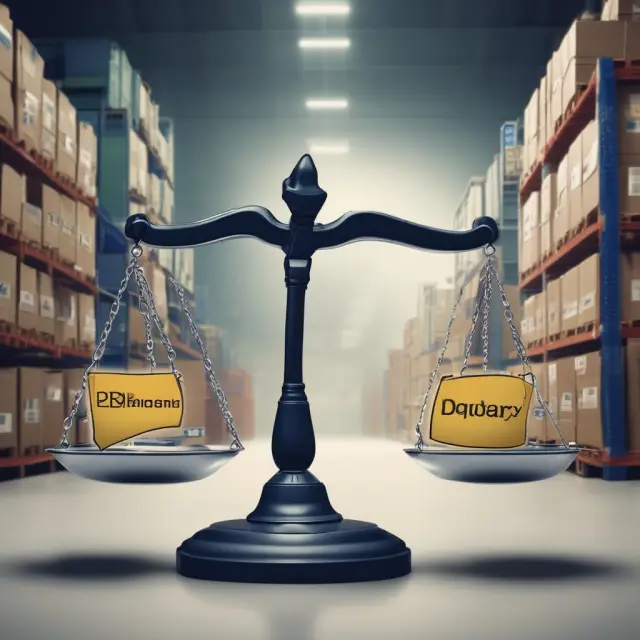
Delivered Duty Unpaid vs. Delivered Duty Paid
Understanding the differences between Delivered Duty Unpaid (DDU) and Delivered Duty Paid (DDP) can significantly impact a buyer or seller’s responsibilities in international trade transactions. Both terms relate to who takes on various duties, costs, and risks during transportation.
Delivered Duty Unpaid (DDU), as the name suggests, refers to a situation where the seller is responsible for delivering the goods to an agreed-upon destination without bearing the costs of import duties or taxes. Once the goods arrive at their destination, it’s the buyer’s responsibility to cover these charges and any additional transport costs to their warehouse or final delivery location.
Delivered Duty Paid (DDP), on the other hand, indicates that the seller is responsible for delivering the goods, including all import duties and taxes, making this term more convenient for buyers as they don’t need to worry about unexpected charges upon receiving their shipment.
Comparing these two terms, DDP offers a more streamlined process for buyers with predictable costs. In contrast, DDU gives more control to the buyer but can lead to surprises regarding import duties or taxes at the destination. Let’s delve deeper into the differences in responsibilities and implications of each term.
Seller Obligations under Delivered Duty Unpaid (DDU)
– Secures all necessary export documentation, licenses, and pays for transportation costs up to the agreed-upon destination.
– Assumes all risks related to transporting the goods until they are delivered to the buyer.
– Does not need to arrange or pay for import duties or taxes in the destination country.
Buyer Obligations under Delivered Duty Unpaid (DDU)
– Responsible for obtaining necessary import documentation, licenses, and paying all import duties, taxes, and inspection fees upon arrival of the goods at their destination.
– Once the goods have been delivered to them, they bear all further costs and risks involved in handling, transporting, or storing the items.
Although DDU provides more control over transportation logistics for the buyer, it can lead to unforeseen expenses when import duties and taxes are higher than expected. As such, buyers need to be well-informed about their destination country’s shipping regulations and potential costs before engaging in a DDU transaction.
On the other hand, Delivered Duty Paid (DDP) offers more convenience for the buyer, as all costs related to international shipping, including import duties and taxes, are covered by the seller. This results in predictable costs for buyers and a smoother importing process, making it an attractive option for businesses looking to maintain a consistent flow of inventory or manage their finances effectively.
In conclusion, understanding the differences between Delivered Duty Unpaid (DDU) and Delivered Duty Paid (DDP) is crucial in international trade transactions as they significantly impact who bears the costs, risks, and responsibilities during transportation. By examining the seller’s and buyer’s obligations under each term, you can make informed decisions about which method best suits your business needs.
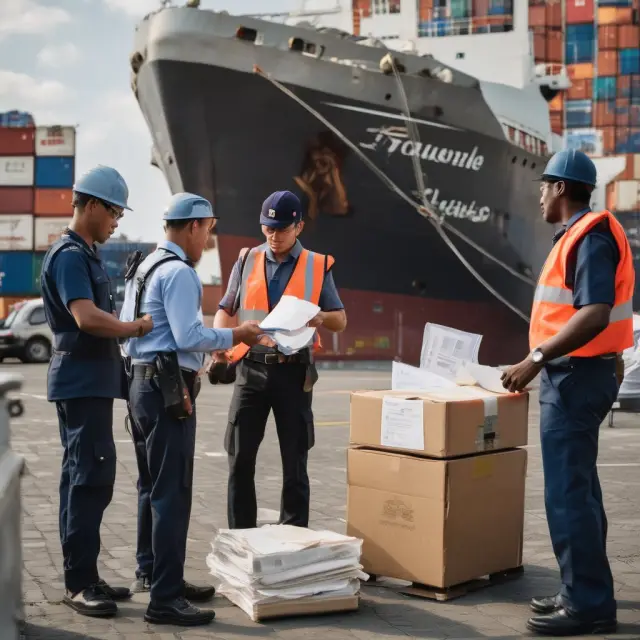
Seller Obligations Under Delivered Duty Unpaid (DDU)
Delivered Duty Unpaid (DDU) is an international trade term whereby the seller covers all transportation expenses up to the point when the goods are handed over at the agreed-upon destination. The buyer then becomes responsible for paying import duties and taxes, as well as any further transport costs. Seller obligations in a Delivered Duty Unpaid agreement include:
- Delivery of goods: The seller is responsible for delivering the goods to the named destination.
- Documentation preparation: The seller provides all necessary documentation to enable the buyer to take legal possession of the goods upon delivery.
- Export licenses and formalities: The seller secures any required licenses and takes care of other necessary procedures for exporting the goods from their country.
- Transit costs and risks: The seller bears all costs and risks associated with transportation up until the point where they are handed over to the buyer at the destination.
- No obligation for insurance coverage: The seller has no obligation to obtain insurance on the goods.
Under a Delivered Duty Unpaid agreement, the buyer is responsible for handling all customs clearance procedures, including paying all import duties and taxes as well as any inspection costs upon arrival at their country’s customs office. This transfer of responsibility from the seller to the buyer typically occurs when the goods are placed at the disposal of the buyer or unloaded from the ship/vehicle at the agreed-upon destination.
One significant advantage of DDU over Delivered Duty Paid (DDP) is that it gives the buyer more control over shipping procedures and costs, as they have a greater understanding of their own country’s import regulations and costs. For large global buyers looking to manage inventory consistently, having more control can be crucial. However, this comes at the risk of unexpected customs charges or duties upon arrival.
DDU was replaced by Delivered-at-Place (DAP) in the 2010 revision of Incoterms, but DDU is still widely used. The term DDU follows the location of delivery, such as “Delivered Duty Unpaid: Port of Los Angeles.” It’s important to note that once the goods are delivered and the buyer has assumed responsibility for them, all further transportation costs and risks fall on their shoulders. This shift in responsibility is crucial under DDU shipping arrangements.
Understanding the seller obligations under Delivered Duty Unpaid can help both buyers and sellers make informed decisions when negotiating international trade contracts. As a responsible seller, it’s essential to be aware of your obligations so that you can accurately quote prices and delivery times while minimizing risks and ensuring customer satisfaction.

Buyer Obligations Under Delivered Duty Unpaid (DDU)
When it comes to international trade, understanding the various responsibilities of both buyers and sellers is vital for a successful transaction. Among the terms used in this context, one that continues to generate interest is Delivered Duty Unpaid (DDU). This section will dive deeper into what DDU entails and examine the buyer’s obligations when receiving goods on this basis.
Delivered Duty Unpaid: An Overview
The International Chamber of Commerce (ICC) has played a significant role in shaping the international business landscape by setting standard terms for transactions involving various shipping agreements, known as Incoterms. Delivered Duty Unpaid (DDU) is an older term that was part of the original 1936 Incoterms but is no longer officially included in the latest versions. It refers to a contract agreement where the seller delivers goods to a named destination and bears all transportation costs until the goods reach that location.
Buyer’s Obligations Under DDU
Under Delivered Duty Unpaid agreements, buyers assume the responsibility for import duties, taxes, and other related expenses after the goods have been delivered. It is crucial to note that, unlike Delivered Duty Paid (DDP), where the seller takes care of all these costs, the buyer must handle them in a DDU arrangement.
When the shipment arrives at the destination country, the customs authorities will inspect and assess any duties or taxes owed based on the goods’ classification, value, and other factors. The buyer is responsible for paying these charges to clear the shipment from customs. This responsibility includes not only import duties but also any additional fees like custom handling charges, documentation fees, and others.
A key benefit of DDU for buyers is that it grants them more control over the shipping process, enabling them to manage costs and track their shipments effectively. However, this arrangement comes with certain risks as well, such as potential unexpected costs due to unforeseen duties or taxes upon arrival.
Comparison: Delivered at Place Unloaded (DPU) vs. DDU
Another term that is often compared to DDU is Delivered at Place Unloaded (DPU). Both terms describe different aspects of the delivery process, with DPU requiring sellers to assume additional responsibilities for unloading the goods upon arrival. While there are some similarities between the two, it’s important to understand their differences when choosing the most suitable arrangement for your business transactions.
In conclusion, understanding the buyer’s obligations under Delivered Duty Unpaid (DDU) is crucial for anyone involved in international trade. By recognizing the responsibilities of both parties, buyers can make informed decisions and navigate the complexities of shipping and import duties with greater confidence. In the next section, we will discuss how large e-commerce sellers manage their logistics when using DDU shipping arrangements, providing real-life insights into this process.

Advantages and Disadvantages of Delivered Duty Unpaid (DDU)
Delivered Duty Unpaid (DDU) is a crucial international trade term that allows sellers to deliver goods up to a named destination while transferring the risk and cost of import duties to buyers. While it has largely been replaced by terms like Delivered-at-Place (DAP) in official ICC Incoterms, DDU continues to be a widely used term in international business transactions. Understanding the merits and limitations of this shipping arrangement can help both buyers and sellers make informed decisions.
Advantages of Delivered Duty Unpaid
1. Flexibility: DDU provides buyers with more control over their imports, allowing them to manage customs clearance and any associated costs within their own jurisdiction. This flexibility is particularly valuable for large-scale importers dealing with multiple shipments from various sellers.
2. Cost Savings: By handling import duties themselves, buyers may be able to negotiate lower prices or take advantage of tax incentives that are not available to sellers. This can result in significant savings for the buyer.
3. Customs Clearance Control: With DDU shipping, buyers have more visibility and control over customs clearance processes. They can manage the release of goods according to their own schedules and priorities.
Disadvantages of Delivered Duty Unpaid
1. Administrative Burden: Managing import duties, taxes, and other related costs can be time-consuming and complex for buyers, especially those dealing with multiple suppliers or unfamiliar regulations in different countries.
2. Unexpected Costs: Surprise customs charges, taxes, and fees are a potential downside to DDU shipping for both parties involved. Buyers may experience unexpected costs that were not anticipated during the initial negotiation of terms with their seller.
3. Risk of Delayed or Rejected Shipments: If buyers fail to comply with customs requirements, such as documentation or payment of duties, their shipments might be delayed or even rejected, leading to additional logistical and financial challenges.
Comparing DDU and DDP
Delivered Duty Unpaid (DDU) and Delivered Duty Paid (DDP) differ significantly in terms of responsibilities and costs between the buyer and seller. With DDU shipping arrangements, sellers are responsible for delivering goods to a destination and transferring risk up to that point. The buyer is then responsible for import duties, taxes, and any additional transportation fees upon receipt. Conversely, under DDP arrangements, sellers assume all costs and responsibilities, including import duties and taxes, ensuring smoother transactions for buyers while potentially reducing the administrative burden they face.
In conclusion, Delivered Duty Unpaid (DDU) offers both advantages and disadvantages for international trade transactions, as it grants more control to the buyer in terms of customs clearance but also brings potential risks and hidden costs. As buyers and sellers consider their shipping arrangements, evaluating the specific implications of DDU versus other Incoterms will help them make informed decisions tailored to their businesses.

Delivered Duty Unpaid vs. Delivered at Place Unloaded (DPU)
When it comes to international shipping and trade, the International Chamber of Commerce (ICC) has introduced standardized terms known as Incoterms to simplify the process for businesses. Two commonly used terms are Delivered Duty Unpaid (DDU) and Delivered at Place Unloaded (DPU). While they may seem similar at first glance, there are significant differences between these two shipping methods that buyers and sellers must understand before engaging in international transactions.
Delivered Duty Unpaid (DDU): An Overview
DDU, or Delivered Duty Unpaid, is an outdated term still used in the logistics industry to denote an agreement where the seller delivers goods to a named destination while bearing all transportation costs and assuming all risks until the cargo reaches that point. The most significant difference between this delivery method and others like it is the transfer of risk and responsibility upon arrival at the destination, with the buyer being obligated for import duties, taxes, and any further transport expenses.
History of Delivered Duty Unpaid (DDU)
Incoterms have evolved significantly over time to reflect changes in international trade practices. Delivered Duty Unpaid (DDU) was initially introduced as an official term by the ICC in 1936 and remained a standard shipping method until the 2010 edition of Incoterms, when it was replaced with the term Delivered at Place (DAP). Nonetheless, DDU is still widely used, especially among businesses that want to maintain greater control over their shipping procedures.
Delivered Duty Unpaid vs. Delivered Duty Paid (DDP)
To better understand the significance of DDU, it’s essential to compare it with another common Incoterm, Delivered Duty Paid (DDP). Under this agreement, the seller bears all the costs and risks associated with shipping, including customs duties and taxes. However, the main distinction between these two terms lies in who is responsible for import fees and other charges: under DDP, the seller absorbs those expenses; under DDU, the buyer does.
Seller Obligations Under Delivered Duty Unpaid (DDU)
In an agreement involving DDU terms, it’s the seller’s responsibility to ensure the goods are safely transported to the agreed-upon destination, covering all transportation expenses and assuming all risks during transit. Once the cargo arrives at the named location, the buyer takes over responsibility for any duties or taxes required for importing the goods.
Buyer Obligations Under Delivered Duty Unpaid (DDU)
When dealing with DDU arrangements, the buyer is responsible for obtaining all necessary licenses and permits to import the goods into their country as well as paying all relevant taxes and duties. They are also obligated to cover any additional transport expenses required to move the cargo from the destination port or airport to their warehouse or storage facility.
Advantages and Disadvantages of Delivered Duty Unpaid (DDU)
The main advantage of Delivered Duty Unpaid is that it grants buyers more control over the shipping process, allowing them to make informed decisions based on their knowledge of their country’s import regulations. On the other hand, the potential disadvantage lies in the possibility of unexpected charges upon arrival of the shipment. This can lead to dissatisfaction and even refusal to pay for delivery by buyers who were unaware of these costs.
Comparing Delivered Duty Unpaid (DDU) with Other Incoterms
While DDU is still widely used, it’s important for businesses to consider their specific needs and compare the pros and cons of this method versus others like Ex Works (EXW), Free on Board (FOB), or Cost Insurance and Freight (CIF). Each Incoterm has unique features that make it more suitable for different types of transactions.
In conclusion, understanding the intricacies of Delivered Duty Unpaid (DDU) is crucial when engaging in international trade transactions. While this term may have been replaced by other modern shipping methods like Delivered at Place Unloaded (DPU), it’s still an essential concept to grasp for anyone looking to navigate the complex world of international logistics. By being aware of the differences between DDU and other Incoterms, buyers and sellers can make informed decisions that will help ensure a successful transaction while minimizing potential risks.

FAQs: Delivered Duty Unpaid
Delivered Duty Unpaid (DDU) is an international trade term that indicates the seller bears responsibility for delivering goods safely to a named destination, paying all transportation expenses, and assuming all risks during transport. Once the goods have been delivered to the agreed-upon location, the buyer becomes responsible for import duties, as well as further transport costs. Although Delivered Duty Paid (DDP) is now the officially recommended term from the International Chamber of Commerce (ICC), DDU remains widely used in international trade conversations. In this section, we will clarify frequently asked questions concerning DDU shipping practices.
What is the difference between Delivered Duty Unpaid (DDU) and Delivered Duty Paid (DDP)?
Both terms indicate delivery obligations; however, under a DDP arrangement, the seller must cover duties, import clearance, and any taxes. In contrast, DDU places more responsibility on the buyer for duties, taxes, and customs costs upon arrival at the destination country.
What is the role of the ICC in defining Delivered Duty Unpaid (DDU)?
The International Chamber of Commerce (ICC) is an international organization that sets standards to simplify matters for businesses involved in international trade transactions by providing a set of standardized terms, including Incoterms. Although DDU was not officially included in the most recent edition of the ICC’s Incoterms (2010), it remains a common term used in transportation contracts.
Is Delivered Duty Unpaid (DDU) still relevant today?
Yes, though Delivered at Place (DAP) has replaced DDU officially, DDU remains in widespread use within international trade. It is important to note that the terms are not identical but share similarities, with the main difference being who bears the responsibility for import duties and taxes upon arrival.
When is Delivered Duty Unpaid (DDU) a good shipping option?
Delivered Duty Unpaid (DDU) can be an appropriate choice when the buyer desires more control over the shipping process, especially if they are knowledgeable about their country’s import regulations and the associated costs. This shipping method allows buyers to manage their own duties, taxes, and customs clearance directly.
What risks does the buyer assume under Delivered Duty Unpaid (DDU) arrangements?
The buyer assumes all risks related to import duties, taxes, and clearance procedures once the goods have been delivered in accordance with the agreed-upon terms. They are responsible for covering these costs and managing the logistics associated with bringing the shipment into their country.
Can DDU be used for all types of goods or industries?
Yes, Delivered Duty Unpaid (DDU) can be used across various industries and commodities. However, it’s essential to consider the specific import regulations in the destination country to ensure a smooth transition through customs clearance and minimize potential surprises related to duties, taxes, or other fees.
Does Delivered Duty Unpaid (DDU) affect shipping insurance?
Under DDU terms, the seller is liable for the goods until they are delivered to the buyer. If the buyer wants insurance coverage for damages during transit or any additional risks beyond the destination, it’s important to discuss these requirements with their freight forwarder or logistics provider to ensure adequate protection.

DDU Shipping in Practice: Case Study of a Large E-commerce Seller
Delivered Duty Unpaid (DDU) is a term commonly used in international trade transactions to indicate that the seller assumes responsibility for delivering goods safely to a named destination, but the buyer bears all import duties and taxes upon arrival. Let’s explore how a large e-commerce seller manages DDU shipping logistics.
Background: A Global E-Commerce Giant
Our case study revolves around a major global e-commerce company that sells products to customers worldwide. This company offers a wide array of goods, ranging from electronics and home appliances to fashion items and toys. Their business model involves shipping merchandise directly to consumers’ doorsteps, and they offer both DDP (Delivered Duty Paid) and DDU (Delivered Duty Unpaid) options depending on the buyer’s preference.
Understanding DDU: Risks and Benefits for Both Parties
For the e-commerce giant, offering Delivered Duty Unpaid as an option can be beneficial because it allows them to maintain a more hands-off approach in the importing process. They don’t need to worry about obtaining all necessary documentation or calculating customs duties and taxes since those responsibilities fall on the buyer once their package arrives at the destination country. However, this also means that buyers are subject to unexpected charges upon receiving their goods.
The e-commerce seller must be transparent with their customers regarding potential additional costs when selecting DDU. One of the biggest challenges for international shippers is keeping their customers informed about these hidden fees and ensuring they’re satisfied with the purchase price, despite any surprise charges.
Effective Communication: Setting Buyers’ Expectations
To minimize frustration and potential negative reviews, this e-commerce company utilizes clear communication tactics to inform buyers of all relevant details before finalizing a sale. They provide an accurate shipping quote that includes DDU fees upfront so buyers can make informed decisions about their purchase. Additionally, they send automatic notifications to buyers when their package is on its way and include a detailed breakdown of any import duties or taxes upon arrival.
A Smooth Shipping Process: Collaboration with Logistics Partners
To ensure a seamless shipping process for both parties, the e-commerce seller partners with experienced logistics providers that understand international trade regulations. These logistics partners help the company navigate complex customs requirements and keep shipping costs as low as possible.
Tracking Systems: Real-Time Updates on Package Status
Another vital aspect of DDU shipping is offering real-time package tracking to maintain transparency between buyers and sellers. The e-commerce company invests in a robust tracking system that allows customers to monitor their shipment from origin to destination, giving them peace of mind and increasing overall satisfaction with the shopping experience.
In conclusion, Delivered Duty Unpaid (DDU) is an international trade term where the seller’s responsibilities end at delivering goods safely to a named destination, while the buyer assumes responsibility for import duties, taxes, and further transport costs upon arrival. A large e-commerce seller manages these logistics by communicating upfront with customers about potential additional charges, collaborating with experienced logistics partners, offering real-time tracking, and maintaining transparent communication throughout the shipping process to ensure a positive customer experience.

Comparing DDU to Other Incoterms: Which One is Right for You?
When it comes to international business transactions, understanding different Incoterms and their implications can be crucial. Among them, Delivered Duty Unpaid (DDU) stands out as a term that has been replaced by the more recent Delivered-at-Place (DAP) in the 2010 International Chamber of Commerce’s (ICC) Incoterms. However, DDU is still widely used within the international trade community.
For buyers and sellers alike, it’s essential to grasp the essence of DDU and its differences from other Incoterms. In this section, we will evaluate the advantages, disadvantages, and implications of DDU compared to other popular terms like DDP (Delivered Duty Paid) and DAP.
1. Understanding Delivered Duty Unpaid (DDU)
Before delving into a comparison, it is crucial first to understand what DDU signifies in international trade. According to the ICC definition, Delivered Duty Unpaid (DDU) refers to an old term indicating that the seller assumes responsibility for delivering goods safely to a named destination. This means that the seller covers all transportation costs and assumes all risks during transport until the shipment arrives at the agreed-upon location.
Upon delivery, the responsibility shifts to the buyer, who must pay import duties and further transport costs to move the goods from the arrival point to their final destination. In essence, DDU provides the buyer with more control over shipping procedures while giving the seller a ‘hands-off’ approach when it comes to dealing with the destination country’s customs regulations.
2. Comparing DDU and DDP: A Shift in Responsibility
DDP (Delivered Duty Paid) is another widely used term within international trade, which indicates that the seller must cover duties, import clearance fees, and any taxes associated with the shipment. The buyer’s responsibility under this arrangement is solely to receive the goods at their final destination.
Comparatively, DDU shifts the risk and cost of import duties to the buyer. While DDP offers more predictability for buyers regarding shipping costs, DDU allows for more control over the overall shipping process. Ultimately, the choice between DDP and DDU depends on the specific business scenario and preferences of both the seller and the buyer.
3. Understanding Delivered-at-Place (DAP)
Introduced in 2010 as a replacement for DDU and other similar terms, DAP (Delivered at Place) has gained significant traction within the international trade community. Like DDU, DAP requires the seller to deliver the goods to the agreed-upon destination. However, under this arrangement, the seller is also responsible for unloading the cargo from the arriving vehicle, trailer, or vessel onto a truck, carriage, or other means of transport arranged by the buyer.
4. Implications and Best Use Cases of DDU, DDP, and DAP
Both buyers and sellers should weigh the implications of each term carefully before making a decision. The following table highlights some key differences between the three terms:
| Incoterm | Seller Responsibility | Buyer Responsibility | Best Use Case |
|—————–|———————————————–|————————————|———————————————————-|
| DDU | Delivers goods to the destination and pays for transportation costs | Pays import duties, further transport costs and unloads goods | Control over shipping procedures |
| DDP | Delivers goods to the destination, pays for all duties, clearance fees, and taxes | Receives goods at final destination | Predictable shipping costs |
| DAP | Delivers goods to the destination, unloads cargo from the vehicle, trailer or vessel | Pays transport cost and import duties; handles further transportation and unloading | Control over delivery process while minimizing risk |
When choosing between these terms, consider factors like shipping costs, level of control desired, and specific business requirements. DDU offers more control to buyers but comes with the potential for surprise import duty charges. On the other hand, DDP provides a predictable cost structure but limits the buyer’s control over shipping procedures. Ultimately, the right choice depends on your specific needs and preferences.
By understanding these differences, you can make informed decisions when navigating the complex landscape of international trade terms, ensuring a successful transaction for both parties involved.
 Next entry · No. 960Understanding Delivered Duty Paid (DDP): Shipping Obligations and Risks for Sellers
See also
-
No. 960
08 Jul 2024
20 min
Understanding Delivered Duty Paid (DDP): Shipping Obligations and Risks for Sellers
Business Strategy
-
 No. 1,437
15 Sep 2024
25 min
Exploring Ex Works (EXW): Understanding International Trade’s Most Affordable Incoterms
International Trade
No. 1,437
15 Sep 2024
25 min
Exploring Ex Works (EXW): Understanding International Trade’s Most Affordable Incoterms
International Trade -
 No. 1,014
16 Jul 2024
22 min
Understanding Delivered Ex-Ship (DES): A Defunct International Trade Term for Professional and Institutional Investors
Business Finance
No. 1,014
16 Jul 2024
22 min
Understanding Delivered Ex-Ship (DES): A Defunct International Trade Term for Professional and Institutional Investors
Business Finance -
 No. 4,734
12 Jul 2025
20 min
Stakeholder Management: Understanding the Various Interests Within a Company
Business Strategy
No. 4,734
12 Jul 2025
20 min
Stakeholder Management: Understanding the Various Interests Within a Company
Business Strategy -
 No. 4,268
05 Jun 2025
23 min
Understanding the Race to the Bottom: Competition Beyond Ethical Standards
Business Strategy
No. 4,268
05 Jun 2025
23 min
Understanding the Race to the Bottom: Competition Beyond Ethical Standards
Business Strategy -
 No. 4,006
14 May 2025
22 min
Navigating Political Risks in International Business: An Insight into Wal-Mart’s Approach
Business Strategy
No. 4,006
14 May 2025
22 min
Navigating Political Risks in International Business: An Insight into Wal-Mart’s Approach
Business Strategy