Understanding Delivered Duty Paid (DDP): Shipping Obligations and Risks for Sellers
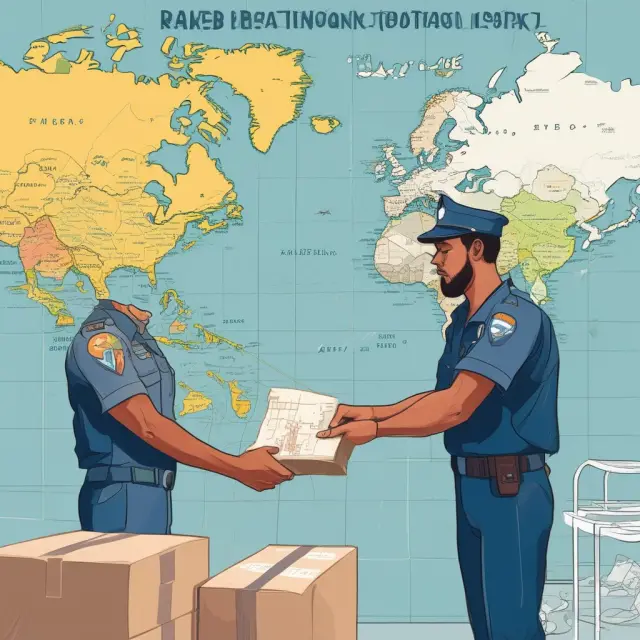
Learn the ins and outs of Delivered Duty Paid (DDP), including seller responsibilities, customs management, benefits, drawbacks, and risks in this…
Overview of Delivered Duty Paid (DDP)
Delivered duty paid (DDP), also known as Delivered at Place (DAP) or Delivered at Terminal (DAT), is a term in international shipping and trade that outlines the seller’s obligations regarding delivering goods to a buyer. In a DDP agreement, the seller assumes responsibility for delivering the goods to the buyer’s destination, including all costs related to customs clearance, taxes, insurance, and transportation fees. The handover of goods is considered complete once they have been made available at the agreed-upon location in the buyer’s country. This term provides buyers with the advantage of assuming less liability and fewer costs associated with importing goods while placing a significant burden on sellers.
Under DDP, the seller becomes responsible for:
- Arranging all transportation costs and methods from the point of origin to the destination port or terminal.
- Acquiring export clearance documents and handling customs procedures at their country’s ports.
- Obtaining import clearance documentation and complying with local customs requirements in the buyer’s country.
- Paying any duties, taxes, fees, and other costs related to international shipments under this term.
- Providing proof of delivery upon arrival at the buyer’s chosen location.
It is crucial for sellers to understand that if goods are damaged or lost during transit, they will be responsible for covering any associated costs under a DDP agreement. Additionally, sellers need to account for the time spent dealing with customs clearance and documentation in their overall delivery timeline. The seller’s risks extend to bribery, unexpected storage costs, VAT charges, and delays due to complicated import processes.
The history of DDP can be traced back to 1936 when it was introduced by the International Chamber of Commerce (ICC) in an attempt to standardize international shipping terms. Since then, DDP has gained popularity among various industries for its ability to streamline the supply chain and minimize the buyer’s involvement in importation processes while shifting more responsibility towards sellers.
When comparing DDP with other commonly used Incoterms like Delivered Duty Unpaid (DDU), it is essential to understand the key differences between them:
- In a DDU agreement, the buyer is responsible for paying all import duties, taxes, and customs clearance fees upon arrival at their chosen destination. The seller’s responsibility is limited to transporting the goods to the port of loading or carrier’s warehouse.
- Under DDP, the seller assumes complete responsibility for handling all costs and risks associated with delivering goods to the buyer’s destination. This includes covering duties, taxes, customs clearance fees, and other charges, as well as arranging transportation.
In conclusion, understanding delivered duty paid (DDP) is essential for both sellers and buyers engaged in international transactions. By having a solid grasp of this shipping term, businesses can streamline their logistics processes, mitigate risks, and improve overall customer satisfaction.

Understanding DDP: Background
Delivered duty paid (DDP) is a critical shipping term that denotes the seller’s responsibility to bear all transportation costs and duties until the goods reach their destination. The ICC, or International Chamber of Commerce, developed this standardized contract agreement for international transactions in an attempt to streamline global commerce. DDP represents a significant shift as it transfers risk and financial burden from the buyer to the seller, offering buyers peace of mind while increasing sellers’ obligations.
A Historical Overview of Delivered Duty Paid (DDP):
The International Chamber of Commerce (ICC) introduced Incoterms in 1936 with a primary focus on defining and standardizing international trade terms to improve global commerce. The initial version included ten terms, with FAS (Free Alongside Ship) as the most popular term for sea freight transactions. As logistics evolved, so did the need for clearer definitions and updated terms, leading to regular updates by the ICC.
The first mention of a delivered duty paid term can be traced back to Incoterms 1967 when it appeared as “Delivered Duty Paid, Carriage Paid To.” However, the term gained its current name and widespread acceptance in the 1980 edition of the Incoterms. In response to increased global trade complexity and evolving logistics requirements, the ICC has issued updates every ten years since then.
Key Characteristics of DDP:
DDP signifies an agreement whereby the seller assumes responsibility for covering all transportation costs, including shipping, inland transport, customs clearance fees, import taxes, and any other expenses until the goods reach their destination. The buyer only bears the cost of handling unloading or delivery charges once the seller has fulfilled their obligation.
The advantages for buyers include reduced liability and fewer upfront costs. In contrast, sellers shoulder significant responsibilities and potential risks in the form of customs clearance complexities, VAT charges, bribery, and unexpected storage fees. This arrangement works best for sophisticated suppliers or when shipping costs are predictable and stable.
DDP is not applicable to all types of transport, such as air freight; instead, it typically applies to sea freight transactions. As with any international commercial agreement, understanding the specific terms and obligations is crucial to ensure successful completion of the transaction.

Seller’s Responsibilities under DDP
Delivered duty paid (DDP) is an international shipping agreement where the seller assumes all responsibilities and costs associated with transporting goods until they reach their destination. Under this arrangement, sellers bear the risks of export clearance, customs documentation, and import duties. The seller’s obligations in a DDP contract can be broken down into several key areas:
1. Arranging transportation:
Sellers are responsible for choosing the most suitable carrier for transporting their goods to the destination. This includes shipping by air, sea, or land as required by the buyer. Once selected, the seller covers all the costs associated with this mode of transportation.
2. Customs clearance:
Under DDP, sellers are responsible for obtaining customs clearance in the buyer’s country. The process involves acquiring necessary approvals and documentation from the destination country’s authorities. This might include import licenses or other permits, as well as certificates of origin and other documentation.
3. Payment for all costs:
The seller is responsible for paying all expenses related to getting the goods to the agreed-upon location in the buyer’s country, including the following:
- Transportation costs (shipping fees)
- Export clearance costs (if applicable)
- Import duties and taxes
- Insurance premiums
- Customs documentation fees
- Unloading charges
- Proof of delivery
4. Liability for goods in transit:
As the seller assumes responsibility for the goods throughout the shipping process, they also bear the risk for any damage or loss incurred during transportation. This liability extends from the point of loading onto the carrier at the origin to the point of delivery to the buyer at the destination.
5. Proof of delivery:
Upon successful delivery of the goods to the agreed-upon location, sellers must provide proof of delivery to the buyer. This ensures that both parties have a record of the transaction’s completion.
In summary, DDP requires sellers to manage all logistics and costs related to delivering their goods to the buyer’s doorstep while assuming most of the risks. By understanding these responsibilities, sellers can be better prepared for this type of shipping arrangement and mitigate potential challenges in international transactions.

Customs Management in DDP Transactions
Delivered duty paid (DDP) is an international delivery agreement that significantly shifts the burden of responsibilities to the seller. In a DDP transaction, sellers are responsible for arranging and paying for transportation costs, customs clearance, taxes, and other related expenses until the goods have been handed over to the buyer at their destination. This section aims to shed light on how effective management of customs procedures is crucial in DDP transactions and the challenges that may arise.
Background and Development:
The International Chamber of Commerce (ICC) introduced Delivered Duty Paid (DDP) as one of the standardized contract terms for international shipments, aiming to simplify cross-border trade. As mentioned in a previous section, this agreement places significant responsibility on sellers, requiring them to pay duties and taxes on behalf of buyers at the destination country. However, navigating customs procedures in unfamiliar territories can be complex, causing potential delays, complications, and increased costs for businesses.
Customs Clearance:
Customs clearance is a critical step in a DDP transaction, ensuring that imported goods comply with a country’s regulations. Customs officials may require specific documentation, such as commercial invoices, certificates of origin, packing lists, and other supporting documents, to grant permission for the shipment to enter the destination country. Buyers must provide accurate and complete information to facilitate this process and ensure timely delivery of goods.
Customs Requirements:
Each country’s import regulations are unique, necessitating a thorough understanding of specific requirements. For instance, some countries have strict documentation rules or may levy additional fees, such as Value-Added Tax (VAT). Sellers must be well-versed in these regulations to avoid delays and ensure the accuracy of customs clearance documentation.
Delays:
Unpredictable custom clearance processes can lead to significant shipping delays. In some cases, customs may require additional inspections or verification, adding days, if not weeks, to the delivery timeline. Delayed shipments can negatively impact customer satisfaction and potentially damage business relationships. Thus, having effective communication channels between all parties involved, such as buyers, sellers, and shipping companies, is crucial for managing these delays.
Managing Customs:
While DDP provides buyers with several benefits, it places a significant burden on sellers to manage customs procedures efficiently. This may include hiring experts in international trade or investing in specialized software to streamline the process. By staying informed about regulations and leveraging technology to automate tasks, businesses can minimize delays, reduce costs, and maintain positive customer relationships.
Special Considerations:
Customs management is a complex undertaking, with potential risks and challenges that can impact businesses’ financial stability and reputation. In the next section, we will discuss some of these considerations in detail and provide strategies for mitigating them.
In conclusion, understanding the importance of effective customs management in DDP transactions is essential for sellers to minimize risks and ensure timely delivery of goods to buyers. By staying informed about regulations, utilizing technology, and developing strong communication channels, businesses can navigate the complexities of international trade and maintain a competitive edge in their respective industries.

Special Considerations of DDP for Exporters and Importers
Delivered duty paid (DDP) is a popular shipping agreement that transfers significant responsibility to the seller. Under this incoterm, not only does the seller arrange for shipping, but they also assume all costs related to customs clearance, import duties, and taxes in the buyer’s country. However, this convenience comes with additional risks and expenses for exporters and importers. In this section, we explore some of the unique challenges associated with DDP transactions.
VAT Charges: Value-Added Tax (VAT) is a tax applied at various stages in the production process. U.S. exporters shipping to the European Union (EU) may be subject to VAT charges, which can range from 15% up to 20%. These charges are typically paid by the importer under other delivery terms like CIF or FOB. However, with DDP, these costs are the seller’s responsibility. Exporters must consider this added expense when calculating their margins and pricing for DDP transactions.
Bribery: In some countries, customs officials may ask for bribes to expedite clearance or reduce processing times. These instances can put exporters in a challenging position since they are ultimately responsible for complying with all customs regulations under DDP agreements. To mitigate this risk, companies should conduct due diligence on foreign business partners and third-party logistics providers, ensuring they adhere to ethical practices and anti-corruption measures.
Storage Costs: Unexpected delays in customs clearance can result in additional storage costs for the seller. Under DDP terms, these charges are also the seller’s responsibility. Delayed shipments may require extended warehousing or transshipment solutions, leading to increased expenses. Exporters and importers should assess their logistics network carefully and factor in potential storage fees when calculating the total cost of a DDP transaction.
Demurrage: Demurrage refers to charges imposed by the carrier for storing goods beyond the agreed-upon free time at the port. If customs clearance takes longer than expected, these costs can add up quickly and become another significant burden on sellers under DDP agreements. Proactively managing the customs process through effective communication and coordination between buyers, sellers, and shipping agencies is essential to minimize demurrage fees.
Unexpected Delays: In some cases, unforeseen circumstances such as labor strikes or political instability may cause significant delays in the delivery of goods under DDP terms. This can impact a seller’s reputation and potentially lead to contractual disputes with buyers. Exporters must be well-versed in the risks associated with their shipping lanes and have contingency plans in place to mitigate potential disruptions.
DDP transactions provide numerous benefits for buyers but come with additional responsibilities and risks for sellers. Understanding the unique challenges of DDP, such as VAT charges, bribery, storage costs, demurrage, and unexpected delays, is crucial to successful international trade and can lead to stronger customer relationships and improved business outcomes.

Benefits and Drawbacks of DDP for Buyers
Delivered duty paid (DDP) offers buyers significant advantages in international transactions. The seller assumes most of the liability and costs associated with transporting goods from their origin to the buyer’s destination, providing buyers with a seamless import process and minimal upfront payments. However, this arrangement shifts a heavy burden onto sellers, requiring them to manage the logistical complexities, risks, and expenses inherent in delivering DDP shipments.
Advantages for Buyers
- Minimal Upfront Payments: The buyer only needs to pay for their portion of the costs once they receive the goods at their destination. This approach can be beneficial when dealing with large purchases or unstable currency exchange rates.
- Reduced Customs and Duty Management: With DDP, sellers handle most customs procedures and associated fees, reducing the need for buyers to navigate these processes.
- Improved Cash Flow: By deferring payment until goods are delivered, buyers can optimize their cash flow, enabling them to maintain a more consistent financial situation.
- Enhanced Supply Chain Visibility: With the seller managing customs clearance and delivery, buyers obtain better supply chain visibility and improved order tracking capabilities.
However, sellers must absorb the costs and risks of DDP transactions, which can lead to several disadvantages for them:
- Increased Burden on Sellers: Managing DDP shipments requires sellers to have extensive expertise in customs clearance, logistics, and international regulations. Additionally, they must maintain robust insurance policies to cover potential losses during transit.
- Unexpected Costs: The seller is responsible for all transportation costs, including tariffs, freight, taxes, and any other unforeseen expenses. These costs can add up significantly, potentially impacting the seller’s profitability.
- Increased Risk of Damage or Loss: Since sellers are responsible for managing the shipment from origin to destination, they assume the risk of damage or loss during transit. This can lead to costly repairs, replacement costs, or claims against insurance policies.
- Complexity and Administration: DDP transactions require significant administrative efforts on the part of the seller, including obtaining proper permits and licenses, managing documentation, and coordinating with multiple stakeholders in the logistics chain.
- Vulnerability to Bribery and Corruption: International shipping involves many intermediaries and regulatory agencies, increasing the risk of corruption and bribery, which can lead to substantial costs and reputational damage for sellers if not handled appropriately.
In conclusion, delivered duty paid (DDP) offers several advantages for buyers in terms of minimal upfront payments, reduced customs management, improved supply chain visibility, and enhanced cash flow. However, sellers face increased burden, unexpected costs, the risk of damage or loss during transit, complexity, and vulnerability to bribery and corruption when managing DDP transactions. It is crucial for both buyers and sellers to carefully weigh the benefits and drawbacks before deciding on the appropriate international trade terms to use in their business relationships.

Comparing DDP to Other Incoterms: DDP vs. DDU
Delivered duty paid (DDP) and delivered duty unpaid (DDU) are two distinct international commercial terms that have crucial implications for both buyers and sellers involved in import or export transactions. In this section, we will discuss the differences between these two incoterms to help you better understand their unique characteristics and how they impact your business.
Delivered Duty Paid (DDP)
In a delivered duty paid transaction, the seller assumes all responsibility for delivering the goods to the buyer, including the transportation costs as well as the import duties and taxes required to clear the goods through customs at the destination. The risk and liability of the goods pass from the seller to the buyer once they are delivered and made available at the agreed-upon location.
Delivered Duty Unpaid (DDU)
Conversely, in a delivered duty unpaid transaction, the buyer is responsible for arranging and paying all customs duties, taxes, and import fees required to receive and clear their goods through customs at the destination. The seller delivers the goods to a carrier or another designated location, such as an airport or seaport, and the liability and risk transfer to the buyer from that point onwards.
Key Differences Between DDP and DDU
Understanding the differences between these two terms can be vital to making informed decisions when conducting international transactions. Here are some key points highlighting their unique aspects:
1. Liability and Risk Transfer
The primary difference lies in the transfer of liability and risk. In a DDP transaction, the seller assumes all responsibilities until the goods are delivered and made available at the agreed-upon location. With DDU, the buyer takes on the responsibility once the goods have been handed over to the carrier or another designated location.
2. Transportation and Customs Costs
Under a DDP agreement, the seller is responsible for paying all transportation costs and clearing customs at both the origin and destination countries. For DDU transactions, the buyer incurs these expenses.
3. Customs Procedures and Regulations
The process for importing goods can vary significantly from one country to another. In a DDP transaction, it is the seller’s responsibility to ensure all necessary customs documentation, licenses, and approvals are obtained for both origin and destination countries. With DDU, the buyer assumes this responsibility.
4. Cost Implications
Since the seller bears the costs associated with delivering goods under DDP, it may be a more cost-effective option for buyers due to reduced liability and fewer fees. Conversely, the increased responsibilities for customs procedures and potential risks could make DDU a more attractive choice for sellers who prefer not to shoulder these costs.
Understanding the differences between delivered duty paid and delivered duty unpaid is essential to making informed decisions when conducting international transactions. Knowing which term works best for your specific situation can help you manage risk, optimize costs, and build a successful business partnership.

Managing Risks in DDP Transactions
Delivered duty paid (DDP) is an international shipping agreement that shifts the responsibility of import duties and taxes to the seller. Given this significant burden placed upon the seller, managing risks efficiently is crucial. In this section, we’ll discuss best practices for minimizing risk when dealing with delivered duty paid transactions and highlight the importance of CRM software investments.
Understanding DDP Risks
The primary risks associated with DDP agreements include VAT charges, bribery, storage costs, demurrage, and unexpected delays. These risks can lead to additional expenses, increased liability, and potential damage to business relationships.
VAT Charges
Value-added tax (VAT) is a tax on the value added at each stage of production and distribution in the supply chain. VAT charges are mandatory for international shipments under DDP agreements. In the U.S., exporters may be subject to these fees, with rates varying from 5% up to 20%. To mitigate this risk, it is essential to have a solid understanding of VAT regulations and the countries involved in the transaction.
Bribery:
The threat of bribes can impact DDP transactions as customs officials may demand bribes for expedited clearance or overlook certain requirements. This not only increases costs but also compromises ethics, potentially leading to legal consequences. Implementing robust anti-corruption policies and staying informed about the local regulations is vital to mitigate this risk.
Storage Costs and Demurrage
Unexpected storage costs due to customs delays can impact a seller’s bottom line. Delays in customs clearance could result in additional fees for storage space, handling charges, and demurrage (extra cost paid when the container remains at a terminal beyond the free period). By employing efficient communication strategies with customs officials and utilizing reliable CRM software, sellers can minimize these risks.
Effective Communication
Clear and concise communication between all parties involved in DDP transactions is crucial to manage potential risks. A strong relationship with the logistics provider or freight forwarder is essential for ensuring the shipment progresses smoothly through customs. Regular updates on the status of customs clearance, as well as maintaining a proactive approach to resolving any issues, can help minimize delays and reduce risk.
CRM Software
Customer relationship management (CRM) software investments can significantly improve risk management in DDP transactions. A comprehensive CRM system provides real-time tracking of shipments, automated communication channels with customs officials, and access to a centralized database of VAT regulations and other import/export requirements. With these features, sellers can reduce the likelihood of unexpected risks, ensuring efficient and effective handling of their international transactions.
Conclusion:
DDP agreements present numerous risks for exporters and importers alike. By following best practices, such as maintaining open communication channels, investing in CRM software, and being aware of VAT regulations, sellers can minimize risk and enhance the overall shipping experience. Proper management of DDP transactions not only reduces potential losses but also strengthens customer relationships and fosters long-term business success.

DDP in Customer Relationship Management (CRM)
Delivered Duty Paid (DDP) is a crucial component of customer relationship management (CRM), particularly for delivery companies involved in international trade. CRM plays a pivotal role in managing and improving business relationships with customers, while DDP outlines the shipping terms and conditions between buyers and sellers. In the context of DDP, effective CRM becomes even more critical due to the complexities and intricacies surrounding this delivery agreement.
DDP is an incoterm that puts significant responsibilities on the seller’s shoulders. The seller not only bears the cost of shipping but also assumes the risk for import duties, taxes, and clearing customs. In such a scenario, managing customer relationships effectively can help mitigate risks and ensure a seamless delivery process.
One critical aspect of CRM in DDP transactions is communication. Sellers must maintain open lines of communication with buyers to keep them updated on delivery progress. Regular updates about transit times, any potential delays, and customs clearance statuses can help prevent misunderstandings and build trust. Clear and consistent communication also allows both parties to manage their expectations effectively and plan accordingly.
Another essential aspect is managing customer complaints and queries efficiently. In DDP transactions, unexpected issues such as delayed customs clearance or higher-than-expected import duties may arise. By having a robust CRM system in place, delivery companies can quickly address these concerns and provide accurate and timely information to their customers.
Effective CRM software also enables the tracking of each shipment’s progress. This feature is crucial for DDP transactions as sellers need to have real-time visibility into the shipping process to ensure that all customs requirements are met promptly and correctly. Real-time updates on potential issues can help companies intervene before small problems escalate, reducing delays and minimizing costs.
Moreover, CRM software can help streamline the data collection process. Customs documentation and regulatory compliance are essential aspects of DDP transactions. By digitally capturing and storing this information, delivery companies can significantly reduce manual processes and minimize errors. Efficiently managing customs documentation not only speeds up delivery times but also ensures a higher level of accuracy, which is crucial for maintaining customer satisfaction and trust.
In conclusion, CRM plays an essential role in managing the complexities surrounding Delivered Duty Paid (DDP) transactions. Effective communication, complaint handling, shipment tracking, and data management are some crucial aspects that can help delivery companies provide superior service, build strong relationships with customers, and minimize risks in international shipping.
By focusing on CRM best practices and investing in the right technology, businesses can streamline their processes, reduce costs, and enhance customer satisfaction – all key factors for success in a globalized economy.

Frequently Asked Questions about Delivered Duty Paid
Delivered duty paid (DDP) is an international shipping term where the seller bears all the responsibilities and costs related to transporting goods from their point of origin to the buyer’s doorstep. This comprehensive agreement covers customs clearance, import duties, taxes, insurance, and other charges. In this section, we address some common questions about DDP, shedding light on its workings, benefits, and risks for both sellers and buyers.
What is the difference between delivered duty paid (DDP) and delivered duty unpaid (DDU)?
DDP stands for ‘delivered duty paid,’ indicating that the seller bears all the costs and responsibilities of transporting goods until they reach the buyer’s doorstep. In contrast, DDU refers to ‘delivered duty unpaid,’ meaning the buyer is responsible for clearing customs and paying import duties and taxes upon receipt of their shipment.
How does the seller handle payment under a DDP agreement?
The seller pays all charges associated with delivering goods to the agreed-upon destination, including freight costs, customs clearance fees, insurance premiums, and any other related expenses. This is in contrast to DDU where the buyer is responsible for these payments.
What are the benefits of a delivered duty paid agreement?
From a buyer’s perspective, a DDP agreement offers several advantages, such as reduced liability and fewer costs associated with importing goods. However, it imposes substantial obligations on sellers, including managing customs clearance procedures, acquiring necessary licenses, and taking responsibility for the safe transit of goods until they reach their destination.
What are some risks associated with a DDP agreement for sellers?
Sellers assuming DDP responsibilities face several risks, such as potential bribery, unexpected delays, storage costs, and demurrage charges. VAT refunds, complex customs requirements, or unforeseen handling fees can also pose challenges for sellers.
Who is responsible for import clearance under a DDP agreement?
The seller is responsible for ensuring the shipment meets all import regulations and handles the necessary documentation and payment of any associated costs to complete the clearance process in the buyer’s country.
What happens if goods are lost or damaged during transit under DDP?
If goods are lost or damaged during transit, the seller is liable for the costs related to their replacement or repair as per the terms of the DDP agreement.
How can sellers mitigate risks when offering DDP agreements?
To minimize risks when selling under a DDP agreement, sellers should invest in robust CRM software, maintain strong relationships with logistics partners, and ensure that both parties have a clear understanding of their respective obligations and responsibilities. By being proactive, transparent, and adaptive, sellers can make the most of this arrangement while minimizing potential risks.
 Next entry · No. 961The Delphi Method: A Comprehensive Guide for Institutional Investors
See also
-
 No. 959
08 Jul 2024
22 min
Delivered Duty Unpaid (DDU): An International Trade Term for Buyers and Sellers
Business Strategy
No. 959
08 Jul 2024
22 min
Delivered Duty Unpaid (DDU): An International Trade Term for Buyers and Sellers
Business Strategy -
 No. 958
08 Jul 2024
23 min
Understanding Delivered-at-Place (DAP) in International Trade: Obligations for Buyers and Sellers
Business Strategy
No. 958
08 Jul 2024
23 min
Understanding Delivered-at-Place (DAP) in International Trade: Obligations for Buyers and Sellers
Business Strategy -
 No. 4,260
04 Jun 2025
26 min
Understanding Quotas in International Trade: What They Are and How They Work
International Trade
No. 4,260
04 Jun 2025
26 min
Understanding Quotas in International Trade: What They Are and How They Work
International Trade -
 No. 2,350
30 Dec 2024
19 min
Understanding Incoterms: A Comprehensive Guide for Professional and Institutional Investors
International Trade
No. 2,350
30 Dec 2024
19 min
Understanding Incoterms: A Comprehensive Guide for Professional and Institutional Investors
International Trade -
 No. 1,437
15 Sep 2024
25 min
Exploring Ex Works (EXW): Understanding International Trade’s Most Affordable Incoterms
International Trade
No. 1,437
15 Sep 2024
25 min
Exploring Ex Works (EXW): Understanding International Trade’s Most Affordable Incoterms
International Trade -
 No. 665
17 May 2024
23 min
Understanding Cost and Freight (CFR): A Comprehensive Guide for Institutional Investors
Global Finance
No. 665
17 May 2024
23 min
Understanding Cost and Freight (CFR): A Comprehensive Guide for Institutional Investors
Global Finance