Understanding Free Carrier (FCA): A Comprehensive Guide to International Shipping Terms
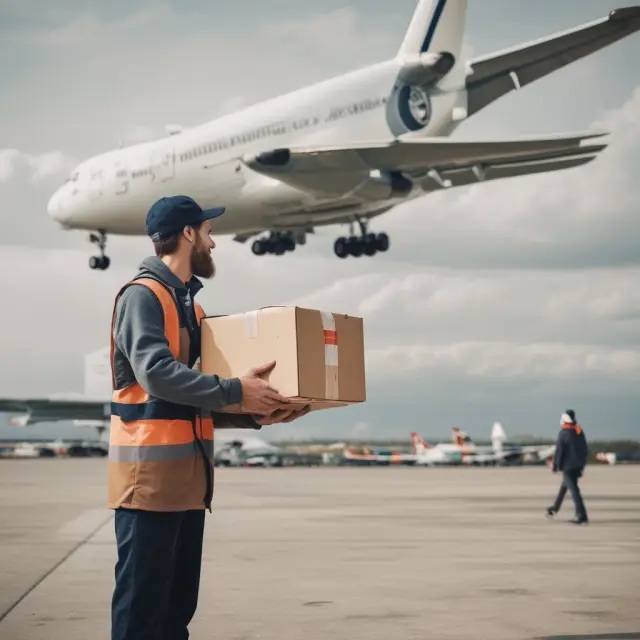
Comprehensive guide on Free Carrier (FCA): Understand its process, roles, responsibilities, differences from other terms, and practical application.
What Is Free Carrier (FCA)?
Free carrier, or FCA, is a shipping term that defines the point in international transactions when the seller’s responsibility for goods ends and the buyer takes charge. This term indicates that the seller delivers the merchandise to a specified location within their home country where a carrier will assume responsibility for the goods. Typically, this location could be an airport, shipping terminal, warehouse, or even the seller’s business premises. By using FCA shipping terms, sellers transfer liability for transportation and risk of loss from themselves to the buyer upon delivery to the specified destination.
The origins of free carrier can be traced back to the International Chamber of Commerce (ICC) when they introduced this term in 2010 as part of their Incoterms rules. The ICC updates these terms every 10 years, and FCA remains a widely-used provision under Incoterms.
Understanding Free Carrier (FCA): How It Works
In the context of international trade, free carrier is a versatile shipping term as it can be applied to various transportation modes such as trucking, rail, air, or sea transport. The seller’s role is to ensure the delivery of goods safely to the agreed-upon location within their home country. This could be any type of facility where the carrier operates, like a shipping terminal or an airport.
Once the seller delivers the goods to this destination and the liability transfers from the seller to the buyer, the buyer assumes all responsibilities and risks associated with the merchandise. At this point, the seller is no longer liable for any damages that may occur during transit. Additionally, the seller is not responsible for unloading the goods unless agreed otherwise in their contract.
Key Considerations of Free Carrier: FCA vs. FOB vs. DDP
Free carrier (FCA) is just one of several Incoterms shipping terms available to buyers and sellers involved in international trade. It’s essential to understand the differences between FCA, free on board (FOB), and delivered duty paid (DDP) to select the best term for specific transactions:
- Free Carrier (FCA): Involves the seller delivering goods to a named location within their country. The seller transfers liability upon delivery to this point.
- Free On Board (FOB): Applies only to sea transport and requires the seller to deliver the goods on board the vessel in their home port. Liability then passes from the seller to the buyer when the vessel leaves the port.
- Delivered Duty Paid (DDP): In this arrangement, the seller is responsible for delivering the goods to the buyer’s doorstep and paying all customs fees, taxes, duties, and insurance costs. The buyer assumes responsibility once the goods are received.
Comparing Free Carrier vs. FOB: A Closer Look
FCA and FOB shipping terms have their distinctions:
- Application: FCA can be used with various transportation modes whereas FOB only applies to sea transport.
- Delivery Point: Under FCA, the seller is responsible for delivering goods to a carrier’s location within their country while FOB requires the seller to deliver the merchandise on board a vessel in their port of shipment.
- Liability Transfer: The liability shifts from the seller to the buyer under both terms but at different points. In FCA, it occurs when the seller delivers goods to the agreed destination within their country. With FOB, the transfer happens when the vessel leaves the port.
- Insurance and Transport Costs: Under FCA, the buyer typically arranges for transport and is responsible for insurance, while under FOB, insurance remains with the seller until the vessel departs from the port.
- Customs Clearance: In an FCA transaction, the seller assumes responsibility for customs clearance within their country before delivering the goods to the carrier’s location. Under FOB, the buyer handles this task once the merchandise enters their country.
Determining which term to use depends on the specific circumstances of each trade transaction. Choosing the most appropriate shipping terms can help streamline the process and minimize potential complications.
How FCA Works: A Step-by-Step Breakdown
Free Carrier (FCA) is a trade term where sellers are obligated to deliver goods to a carrier specified by the buyer. This means that the seller is responsible for all transportation costs and risks associated with getting the merchandise to the agreed location until it is received by the carrier. Here’s an in-depth look at the FCA process, including its responsibilities, liabilities, and implications.
1. Selection of the Carrier: The buyer determines which carrier they prefer for transporting the goods under the Free Carrier (FCA) shipping term agreement. This could be any type of carrier such as a truck, train, boat, or airplane, depending on the nature of the shipment.
2. Seller’s Delivery: The seller is responsible for delivering the goods to the specified location within their country where the chosen carrier operates. This could include an airport, shipping terminal, warehouse, or even the buyer’s premises in certain circumstances.
3. Transfer of Liability: Once the seller hands over the merchandise to the carrier at the agreed-upon location, responsibility and liability for the goods officially transfer from the seller to the buyer. However, the seller remains responsible for ensuring that all necessary export clearance procedures have been completed before delivering the goods to the carrier.
4. Buyer’s Responsibilities: The buyer is then responsible for arranging further transportation of the goods from the carrier location to their final destination. They also bear the costs associated with this next leg of the journey, such as unloading charges and any import duties or taxes.
5. Customs Clearance: In some cases, the seller might be responsible for handling customs clearance procedures on behalf of the buyer under FCA shipping terms. This is especially true if the carrier facility is the seller’s premises or if they have agreed to do so as part of the contract. However, when the destination is the carrier’s location, it becomes the buyer’s responsibility to deal with customs clearance.
6. Title Transfer: Once the goods arrive at the carrier and title transfers to the buyer, they become an asset on their balance sheet. It is essential for any party engaged in international trade to consult with a legal professional, such as a trade attorney, before using FCA or any other shipping term within a contract.
Understanding the FCA process can be complex due to its various responsibilities and liabilities associated with it. By following this step-by-step breakdown, you’ll have a clearer picture of how Free Carrier (FCA) shipping terms work in practice.

FCA Incoterms Contracts: What You Need to Know
When it comes to international trade transactions involving the shipment of goods, understanding the intricacies of Incoterms is essential for both buyers and sellers. Free Carrier (FCA) is a widely-used term in international commercial trade and forms part of this set of universally recognized standards published by the International Chamber of Commerce (ICC). The inclusion of FCA shipping terms dates back to 2010, making it an integral part of Incoterms rules.
FCA represents the point at which the liability for goods transfers from the seller to the carrier or buyer. This term is vital in international transactions as it outlines various responsibilities and liabilities associated with shipping, allowing all parties to have a clear understanding of their roles during the transportation process.
Under FCA terms, the seller remains responsible for delivering the goods to the agreed-upon location within their country before transferring liability to the buyer or carrier once they arrive at the specified point. This could include any type of transport mode such as trucks, trains, boats, or airplanes.
The significance of FCA Incoterms contracts lies in their capacity to clearly define delivery terms and provide a mutually acceptable framework for international trade. They offer numerous advantages:
- Promote efficient communication: By establishing an internationally recognized standard for shipping terms, it becomes easier for buyers and sellers from different countries to communicate effectively and reduce misunderstandings.
- Facilitate risk allocation: Incoterms enable parties to specify where risk of loss or damage transfers during transportation, helping to allocate risks more fairly.
- Streamline logistics management: By adhering to a universally accepted set of terms, international trade transactions become simpler and easier to manage, as all parties share the same understanding of their obligations and liabilities.
When deciding whether FCA shipping terms are suitable for your transaction, it’s essential to consider various aspects that distinguish FCA from other Incoterms:
- FCA applies to any transport mode within the seller’s home country.
- The buyer is responsible for arranging transportation from the agreed destination onwards.
- Sellers are liable for goods until they reach the specified location in their country and are transferred to the carrier or buyer.
- In FCA shipping terms, the seller remains responsible for export clearance if the specified destination is their premises.
- The buyer assumes responsibility for import duties and taxes once the goods have been delivered to them at the agreed-upon location.
In conclusion, understanding FCA Incoterms contracts is crucial for any business engaging in international trade transactions involving the shipment of goods. By clearly defining responsibilities, liabilities, and risks associated with transportation, FCA ensures a more efficient and effective way of conducting business across borders while minimizing potential misunderstandings and disputes.

Example of FCA: Practical Application in Shipping Transactions
To better understand Free Carrier (FCA), it’s helpful to explore a real-life example of how this shipping term is utilized in international transactions. Let us walk through a scenario involving the sale of machinery components between two companies based in different countries.
Company A, located in Germany, manufactures and sells machinery components to Company B, headquartered in the United States. The components must be shipped from Germany to a warehouse in the US for further processing by Company B. To determine their shipping terms, they both agree that Free Carrier (FCA) would be an appropriate choice.
Under FCA terms
– Company A is responsible for transporting the machinery components from its facility to the agreed-upon destination – a warehouse in the United States.
– The title and risk of loss are transferred to Company B once the goods are delivered to the specified carrier at Company A’s location.
– Company B assumes all responsibility for the goods after the transfer, including loading and onward transportation to its facility or further destinations.
Company A arranges for the transport of the machinery components using a reputable freight forwarder. Once the components are safely loaded onto the carrier, they are considered the property of Company B under FCA terms. The risk is now on Company B, and it is responsible for all costs associated with further transportation to its facility or other destinations.
The seller’s obligations under FCA shipping terms include preparing the goods for transport, obtaining any necessary export permits and certificates, and ensuring that they are properly packed and secured before handing them over to the carrier. The buyer is responsible for paying for the carrier services and assuming all risks once the components are in their possession.
This example illustrates how Free Carrier (FCA) shipping terms enable smooth international transactions by clearly defining the roles, responsibilities, and liabilities of both parties involved. It’s essential to understand these terms before entering into any trade agreement to avoid misunderstandings or disputes that could potentially impact business relationships and financial success.
By following this example, you should now have a solid grasp on how Free Carrier (FCA) works in practice and the benefits it can bring to international shipping transactions.
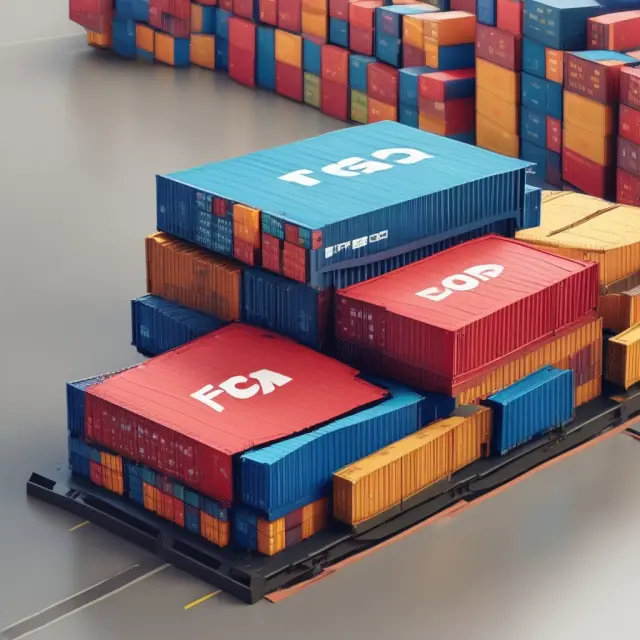
FCA vs. FOB: Comparing Two Common Shipping Terms
In international trade, there are various shipping terms that determine the roles and responsibilities of buyers and sellers when transporting goods across borders. Two popularly used terms among them are Free Carrier (FCA) and Free on Board (FOB). In this section, we will explore the differences between FCA and FOB to help you better understand their implications in your commercial transactions.
Free Carrier (FCA), as described earlier, is a term that requires the seller of goods to deliver those goods to a carrier or other specified destination named by the buyer. The seller assumes all transportation costs and risks until the point of delivery, after which the buyer becomes responsible for the goods. FOB, on the other hand, refers specifically to shipments where the goods are loaded onto a vessel at the port of loading and transfer risk and title to the buyer when the goods pass over the ship’s rail.
The primary distinction between the two lies in their application. While FCA can be used for various types of transportation methods (land, air, or sea), FOB is limited to ocean freight only. This difference impacts the level of control and risk assumed by both parties:
Under FCA terms, sellers are responsible for delivering goods to a specified location within their country, usually a warehouse, port, or terminal. The seller then transfers the responsibility to the buyer once the goods have been handed over to the carrier at this point. In comparison, FOB terms imply that the seller delivers the goods directly to the shipping line at the port of loading. At this point, the risk and title transfer from the seller to the buyer.
When using FCA terms, sellers must ensure that the export clearance formalities are completed before delivering the goods to the specified location within their country. This is because FCA doesn’t include the freight charges or insurance for the buyer; however, it does require sellers to be responsible for the pre-carriage of the goods and proof of delivery.
In contrast, with FOB terms, buyers are obligated to arrange for their freight forwarder or carrier to pick up the cargo at the seller’s warehouse or port of origin. The buyer is also responsible for loading the goods onto the vessel and paying for the freight charges. Moreover, insurance coverage during transit is the responsibility of the buyer under FOB terms.
To recap, both FCA and FOB have their unique advantages and implications depending on your business requirements. While FCA offers more flexibility in terms of transportation methods and allows sellers to retain control over export clearance, FOB is suited for ocean freight shipments where buyers want complete control over the logistics from loading to unloading.
It’s crucial to evaluate the specific conditions of your transaction carefully before deciding which shipping term to use. Consulting with a legal or trade professional can help clarify any doubts and ensure that you fully understand the implications of each term on your business operations and financial obligations.

FCA vs. DDP: A Closer Look at Two Distinct Shipping Methods
In the realm of international trade, various shipping terms exist to help buyers and sellers define their roles and responsibilities throughout the transportation process. Free Carrier (FCA) and Delivered Duty Paid (DDP) are two popular methods that buyers and sellers may encounter. Understanding the differences between these shipping terms is crucial for successful international transactions.
Free Carrier (FCA), as previously discussed, is a trade term in which the seller is responsible for delivering goods to a named destination within its country. This point can be an airport, shipping terminal, warehouse, or carrier location where the buyer’s chosen carrier operates. The seller covers the transportation costs and assumes the risk of loss until the carrier receives the goods. Once the title transfers to the buyer, they take on all responsibilities for the merchandise.
Delivered Duty Paid (DDP), in contrast, is a shipping term where the seller delivers the goods to a named destination outside their country. The seller is responsible for paying all transportation costs up to the final delivery point and assumes the risk of loss until the buyer accepts the goods. Under this term, the buyer pays for import duties, taxes, customs clearance, and any other fees required by the destination country.
In essence, FCA transfers responsibility at the point of departure, while DDP transfers it at the point of arrival. This crucial difference impacts how buyers and sellers handle various aspects of the transaction, including insurance coverage, payment schedules, and documentation.
For instance, under FCA, the seller may wish to obtain insurance up until the point of delivery to mitigate risks. In contrast, with DDP, the buyer would typically be responsible for securing appropriate insurance as they are assuming risk upon receipt.
When it comes to payment schedules, FCA terms might involve an initial deposit followed by a progress payment and a final payment once the goods are delivered to the carrier. With DDP, however, the seller may invoice the buyer in full prior to shipping.
In terms of documentation, the differences between FCA and DDP impact the type and amount of required documents. For example, under FCA, the seller might need to provide the buyer with export documentation such as a commercial invoice, packing list, and bill of lading. Under DDP, the seller is often responsible for preparing both export and import documentation, which can be more complex and time-consuming.
In conclusion, understanding the nuances between FCA and DDP shipping terms is essential when engaging in international trade. Both methods have their unique aspects and implications, so it’s crucial for buyers and sellers to weigh their specific needs and obligations before committing to either term. The choice between FCA and DDP ultimately depends on each party’s risk tolerance, logistical preferences, and financial capabilities.

Who Pays for FCA Shipping?
Under Free Carrier (FCA) shipping terms, a significant aspect to consider is who bears the cost of transporting goods from the seller’s location to the agreed-upon destination where the carrier takes responsibility for the merchandise. This section will provide an in-depth analysis of the payment structure involved with FCA, allowing you to gain a comprehensive understanding of this important concept in international shipping.
In essence, under FCA terms, the seller is responsible for arranging and paying for the transportation costs to deliver the goods from their premises or warehouse to the agreed destination specified by the buyer. This might include various modes of transport such as trucks, trains, boats, airplanes, or a combination thereof, depending on the nature of the transaction.
The seller’s payment for FCA shipping costs is included in the overall price of the goods quoted to the buyer. This means that the buyer will ultimately shoulder these expenses as part of their purchase agreement. The rationale behind this arrangement lies in the fact that the buyer has nominated the carrier, and thus assumes responsibility for the goods once they have been handed over to the carrier at the agreed location.
It’s essential to note that the seller’s obligations under FCA shipping terms extend beyond simply delivering the goods to the specified destination. The seller is also responsible for ensuring that the merchandise has been cleared for export from their country before it is transported. This includes obtaining any necessary permits, licenses, or certificates required for the international shipment of the goods.
In conclusion, when using FCA shipping terms, the buyer bears the ultimate financial responsibility for transportation costs, as they have nominated the carrier and assume responsibility for the goods once they are handed over to the carrier at the agreed location. The seller’s role is to deliver the merchandise to this specified destination, ensuring that it has been cleared for export prior to transferring ownership and risk to the carrier.

Who Is Responsible for Export Clearance Under FCA?
One essential aspect of understanding Free Carrier (FCA) is deciphering the roles and responsibilities related to export clearance. Free carrier shipping terms specify that the seller transports goods to a destination named by the buyer, often referred to as a carrier’s terminal or place of business. The seller delivers these goods at this location, transferring ownership and risk to the buyer upon receipt.
However, it’s not uncommon for the seller to shoulder the responsibility for export clearance when using FCA. In many cases, this is because the destination could be the seller’s premises or a site under their control. This can include handling all export documentation and obtaining necessary licenses to facilitate shipping. It’s crucial to note that this arrangement might not always be the case, depending on the specific agreement between the buyer and seller.
As part of the liability transfer in FCA, the seller is responsible for ensuring that the goods are properly cleared for exportation from their originating country. This means that they must comply with all export regulations and documentation requirements to ensure the smooth transit of merchandise. This is essential as the seller retains ownership and risk until the carrier receives the goods.
Buyers, on the other hand, typically handle import customs procedures in their own countries when dealing with FCA shipping terms. By agreeing to FCA, buyers accept the responsibility for transport, loading, and paying associated fees upon arrival at the destination. The buyer’s nominated carrier will be responsible for delivering the goods to them once they have been unloaded and cleared by customs officials.
In summary, export clearance under Free Carrier (FCA) terms can vary between agreements depending on whether the seller or buyer bears the responsibility. In most cases, sellers handle the export formalities when shipping to their own premises or nominated locations. Conversely, buyers assume import-related duties and costs once goods have reached their destination. It is always recommended that both parties consult legal professionals or experts in international trade to ensure they fully understand the terms of their FCA agreement before engaging in transactions.
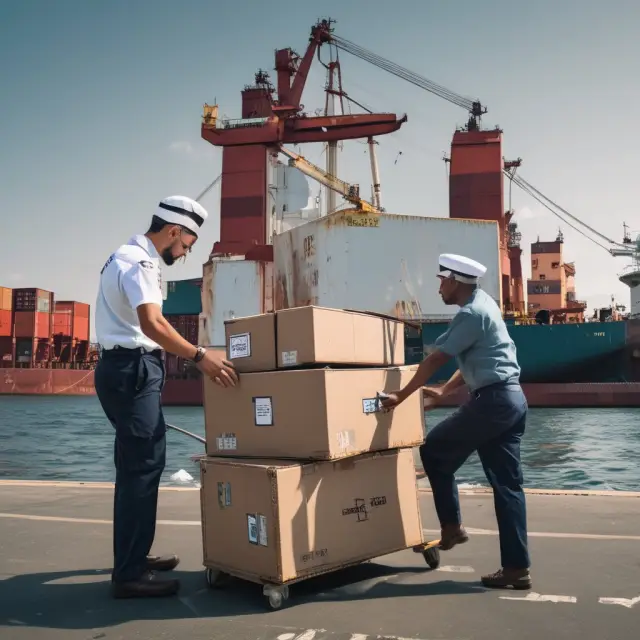
The Bottom Line: A Summary of FCA Shipping Terms
Free Carrier (FCA) is a shipping term that plays a significant role in international trade transactions, particularly in the transfer of liability between the seller and the buyer. This comprehensive guide provides an understanding of what FCA entails and its importance in the context of international shipping agreements.
In essence, FCA is a term denoting that the seller of goods assumes responsibility for delivering those goods to a named destination within their home country. The point of delivery can be any location where a carrier operates, such as an airport, shipping terminal, warehouse, or even the seller’s business premises. The seller bears all transportation costs and the risk of loss until the carrier receives the goods. Once transferred, the buyer takes on all responsibilities for the goods.
To provide additional context, FCA was added to the International Chamber of Commerce (ICC) Incoterms in 2010 and further updated in 2020. It is essential to note that under FCA, sellers are only responsible for delivering the goods to the specified point within their country, not for unloading them. In case the destination is the seller’s premises, the seller might be required to ensure export clearance from the United States.
When using FCA shipping terms, buyers must arrange for transport once the goods have been received by the carrier and become an asset on their balance sheet. This transfer of title, coupled with liability, marks the buyer’s responsibility for the goods. It is highly advisable that any party involved in international trade consult a legal professional before utilizing FCA or any other trade term within a contract.
FCA offers several advantages compared to other shipping terms. For instance, it allows buyers to have greater control over the logistics and transport arrangements while shifting the responsibility for customs clearance to the seller. Moreover, the buyer can choose their preferred carrier and even arrange multiple transportation modes if required. In contrast, FCA requires a higher level of trust between the parties involved due to the increased responsibilities assumed by both the buyer and the seller.
Understanding the nuances of Free Carrier (FCA) shipping terms is vital in global trade transactions as it enables buyers and sellers to make informed decisions when negotiating terms and managing risks. By adhering to international standards set forth by organizations such as the ICC, businesses can ensure a smoother trading process for all involved parties.

FAQs: Answering Your Most Pressing Questions about FCA
The term “Free Carrier” (FCA) refers to an international shipping term that indicates the point at which ownership and risk of goods transfers from the seller to the buyer during the transportation process. This section aims to address frequently asked questions (FAQs) related to Free Carrier terms to provide a clearer understanding for those engaged in international trade.
What does FCA mean in shipping terms?
Answer: Free Carrier is an international commercial term (Incoterm) that signifies the seller’s responsibility to deliver goods to a carrier (e.g., truck, ship, or airport) nominated by the buyer. The seller passes ownership and risk to the buyer when the goods are handed over to the carrier at the specified location.
What types of transportation can FCA terms be used for?
Answer: Free Carrier terms can be utilized in various modes of transport like air, sea, rail, or road freight. However, it should be noted that the transfer point must be located within the seller’s country of origin.
How is liability transferred under FCA terms?
Answer: Liability for goods transfers from the seller to the carrier when the seller delivers the goods to the agreed-upon location specified by the buyer. From that moment on, the buyer assumes all risk and responsibility for the goods.
What is the role of the seller in FCA shipments?
Answer: The seller’s obligations include delivering the goods to a carrier nominated by the buyer and ensuring that they are properly packed and prepared for transportation. Depending on the agreement, they may also be responsible for export documentation or customs clearance.
What is the role of the buyer in FCA shipments?
Answer: The buyer’s responsibilities include arranging for transportation to collect the goods from the seller at the agreed-upon location and paying for the freight charges. They take ownership of the goods once they have been transferred to their carrier.
How does FCA differ from other shipping terms like FOB or DDP?
Answer: The main differences between Free Carrier, Free on Board (FOB), and Delivered Duty Paid (DDP) lie in the point of liability transfer and who bears the transportation costs. To learn more about these terms, be sure to read our comprehensive guides on FOB vs. FCA and FCA vs. DDP.
Is it necessary to consult a legal professional before using FCA shipping terms?
Answer: Yes, we highly recommend consulting with an experienced trade attorney or other legal advisor to fully understand the implications of using Free Carrier shipping terms in your contracts and transactions. They can provide valuable insights and guidance tailored to your specific circumstances.
 Next entry · No. 1,462Understanding the Role and Impact of the Federal Communications Commission (FCC) on Investments
See also
-
 No. 5,253
24 Aug 2025
20 min
Understanding Unilateral Transfers: A Closer Look at One-Way Economic Transactions
International Trade
No. 5,253
24 Aug 2025
20 min
Understanding Unilateral Transfers: A Closer Look at One-Way Economic Transactions
International Trade -
 No. 5,018
05 Aug 2025
20 min
Trade Liberalization: Understanding Its Advantages, Disadvantages, and Examples
International Trade
No. 5,018
05 Aug 2025
20 min
Trade Liberalization: Understanding Its Advantages, Disadvantages, and Examples
International Trade -
 No. 4,663
07 Jul 2025
23 min
Reviving the Silk Route: Understanding China’s Belt and Road Initiative (BRI)
International Trade
No. 4,663
07 Jul 2025
23 min
Reviving the Silk Route: Understanding China’s Belt and Road Initiative (BRI)
International Trade -
 No. 4,093
21 May 2025
19 min
Understanding Pro Forma Invoices: A Preliminary Document for International Transactions
International Trade
No. 4,093
21 May 2025
19 min
Understanding Pro Forma Invoices: A Preliminary Document for International Transactions
International Trade -
 No. 3,433
28 Mar 2025
20 min
Understanding Net Importers: A Country’s Dependence on Global Trade
International Trade
No. 3,433
28 Mar 2025
20 min
Understanding Net Importers: A Country’s Dependence on Global Trade
International Trade -
 No. 2,461
08 Jan 2025
20 min
Understanding the International Chamber of Commerce (ICC): History, Functions, and Governing Bodies
International Trade
No. 2,461
08 Jan 2025
20 min
Understanding the International Chamber of Commerce (ICC): History, Functions, and Governing Bodies
International Trade