Exploring Ex Works (EXW): Understanding International Trade’s Most Affordable Incoterms
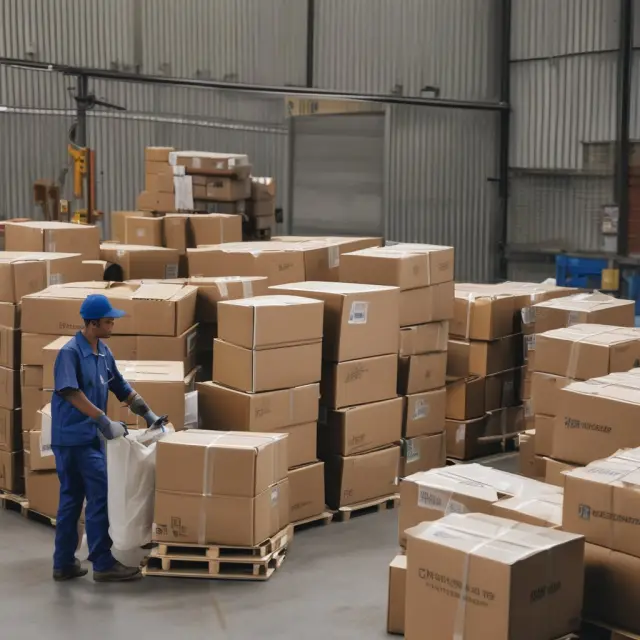
Understand Ex Works (EXW) - an affordable term in international trade, its responsibilities, advantages & disadvantages compared to FOB and Free Carrier.
Introduction to Ex Works (EXW)
Ex Works (EXW), also known as EXW Incoterms or EXW terms, is a widely-used international trade term that represents an essential part of the 11 Incoterms (International Commercial Terms) published by the International Chamber of Commerce (ICC). This section will delve into Ex Works’ definition, its role in international trade, and how it stands out from other shipping arrangements.
Definition and Significance
Ex Works refers to a shipping arrangement where a seller makes a product available at a specified location but passes on all the responsibility – financial and logistical – to the buyer once the goods are delivered to that site. It’s crucial for both buyers and sellers involved in international trade transactions to have an understanding of this term, as it can significantly impact their roles, risks, and costs.
International Trade Fundamentals
To effectively grasp Ex Works and its significance, let’s first examine the basics of international trade and how these terms fit within it:
- Definition of International Trade: The exchange of goods or services between different countries is known as international trade. It involves various aspects like production, finance, marketing, logistics, and economics.
- Importance of Incoterms: Standardized international commercial terms, such as Incoterms, provide clear guidelines on the responsibilities and costs associated with importing or exporting goods between countries. This facilitates a smoother trading process by minimizing potential misunderstandings and disputes.
Understanding Ex Works (EXW)
Ex Works is an essential term in international trade that requires a seller to make a product available at a designated location, typically the seller’s warehouse or factory. The buyer assumes responsibility for all aspects of transporting the goods from this point forward, including loading costs, delivery fees, customs clearance, and insurance. In turn, this arrangement can lead to cost savings and other benefits for the buyer, as we will explore in detail later in this section.
Advantages and Disadvantages of Ex Works
While Ex Works offers several advantages for buyers, such as cost savings and anonymity, it also comes with potential disadvantages, primarily the risks and costs associated with the transfer of goods from the seller to the buyer. To provide a comprehensive understanding of this term, we will discuss its benefits and drawbacks in detail below.
Advantages:
- Cost Savings: Ex Works can help buyers save on shipping costs by removing the seller’s value-added for transporting the goods.
- Anonymity: The buyer can purchase from domestic markets or anonymous sellers, keeping their identity hidden from competitors.
- Consolidating Purchases: By consolidating purchases from multiple suppliers, buyers can reduce their overall shipping expenses and save on containers or transportation methods.
Disadvantages:
- Risks and Costs: Buyers assume all risks and costs related to the goods once they have been collected from the seller, including loading charges, delivery to the port, customs export fees, terminal charges, unloading costs, and insurance.
- Need for a Trusted Representative: Having a trusted representative in the country of purchase is crucial for managing the transfer of goods and dealing with any issues that may arise.
- Complexity and Unfamiliarity: If buyers are not familiar with the process or costs involved in an Ex Works transaction, they could end up paying more than intended or encountering unforeseen challenges.
Ex Works vs. FOB and Free Carrier
To better understand the implications of Ex Works, it’s helpful to compare it to other popular Incoterms, such as Free on Board (FOB) and Free Carrier (FCA). In the next section, we will explore these terms in detail, highlighting their key differences and similarities.
In conclusion, this comprehensive exploration of Ex Works has provided valuable insights into its definition, significance, advantages, disadvantages, and comparison with other international trade terms. By understanding the implications of this arrangement, both buyers and sellers can make informed decisions when engaging in international trade transactions.
Understanding International Trade
International trade refers to the exchange of goods or services between two or more countries. It is a significant contributor to global economic growth and has led to increased interdependence among nations. The term Ex Works (EXW) is one such essential concept that plays a crucial role in international transactions. Let’s explore what Ex Works means, its significance in international trade contracts, and its implications for buyers and sellers.
International trade involves various terms and conditions to govern the exchange of goods or services between countries. Among these terms are the International Commercial Terms (Incoterms), which include a set of standardized terms published by the International Chamber of Commerce (ICC). The ICC publishes a new version every ten years, with Incoterms 2020 being the current edition.
Ex Works (EXW) is one such term in the Incoterms series, and it defines specific responsibilities and costs related to international shipping transactions. EXW is a shipping arrangement where the seller makes the product available at a designated location, and the buyer covers all transport costs from that point forward. This term allows buyers to save on transportation costs by removing the seller’s value-added services for shipping.
With Ex Works, the seller is responsible for ensuring the goods are correctly packaged, labeled, and delivered to a previously agreed-upon location – typically a port or airport. The buyer is then responsible for covering all expenses associated with transporting the goods from that point onward. These costs may include loading charges, delivery to the origin port, customs export fees, loading on carriage, carriage charges, insurance, customs import fees, terminal charges, and destination delivery, among others.
The significance of Ex Works lies in its ability to offer cost savings for buyers while also providing them with anonymity when dealing with international suppliers. Furthermore, it allows buyers to consolidate their purchases and buy from the domestic market without incurring additional costs. However, there are also disadvantages to consider, such as the risks and costs borne by the buyer once they have taken possession of the goods and the need for a trusted representative when purchasing internationally.
In the next sections, we will further discuss the advantages and disadvantages of Ex Works, compare it with other Incoterms like FOB (Free on Board) and Free Carrier, and clarify responsibilities under this term in detail. Stay tuned!

What Does Ex Works (EXW) Mean?
Ex Works, or EXW, is a term used in international trade that describes when a seller makes their product available at a designated location, and the buyer assumes responsibility for covering the costs of transporting it. EXW falls under the category of Incoterms, which are 11 standardized terms published by the International Chamber of Commerce (ICC) to simplify international trade contracts.
Understanding Ex Works in International Trade
Ex Works signifies a shipping arrangement where sellers make their goods available at a pre-agreed location, and buyers cover the transportation costs. This term is crucial as it defines when ownership passes from seller to buyer, and responsibilities and risks are transferred.
The Basics of Ex Works (EXW)
In an EXW agreement, sellers prepare their products appropriately, package them, and ensure they are safely delivered to a specified location—usually the seller’s nearest port or warehouse. The seller may also assist buyers in obtaining export licenses and other required paperwork, but the buyer bears the actual costs of these documents.
Advantages of Ex Works (EXW)
Ex Works offers several advantages for both professional and institutional investors:
- Cost savings: By opting for EXW, buyers can save on shipping costs as they handle transportation themselves.
- Anonymity: Buyers can keep their supplier’s identity confidential if needed, which can be essential for those operating in competitive markets.
- Consolidating purchases: By buying from multiple suppliers and consolidating purchases, buyers can minimize the number of containers or transportation methods required, ultimately reducing expenses.
- Purchasing from domestic markets: Ex Works enables investors to purchase goods domestically, which might be more accessible in certain countries with limited exporting presence.
Disadvantages of Ex Works (EXW)
While EXW has its advantages, it also comes with risks and costs for buyers:
- Increased responsibilities: Buyers must handle all transportation logistics, including loading goods onto trucks or ships, dealing with customs officials, and arranging unloading and delivery at their destination.
- Need for a trusted representative: A buyer needs a reliable local representative to manage the purchasing process in the country of origin.
- Unforeseen expenses: Buyers might face unexpected costs if they’re unfamiliar with the complexities of international trade regulations, documentation, or shipping processes.
Comparing Ex Works (EXW) to FOB and Free Carrier (FC)
Ex Works (EXW), Free on Board (FOB), and Free Carrier (FC) are three terms under the Incoterms that outline different aspects of international trade transactions. Understanding their differences is essential to choosing the most suitable term for a specific transaction:
- Ex Works (EXW): The seller makes goods available at their place, and the buyer takes care of transporting them. This arrangement offers the least amount of risk and responsibility to the seller.
- Free on Board (FOB): The seller is responsible for loading goods onto a ship or other transportation method, but ownership transfers once they are on board. Buyers cover all costs associated with international transport, customs clearance, and insurance.
- Free Carrier (FC): This term is similar to FOB but places the responsibility on the seller for delivering goods to the buyer’s warehouse, and the buyer covers the transportation cost.
Understanding Responsibilities under Ex Works (EXW)
When dealing with an EXW agreement, it’s important to understand the responsibilities of both the seller and the buyer:
- Seller: The seller must prepare and package goods properly, ensure their availability at a pre-agreed location, and help the buyer with export documentation if needed.
- Buyer: The buyer assumes all transportation costs, including loading charges, delivery to the port of origin, customs export fees, loading on carriage, carriage charges, insurance, customs import fees, terminal charges, destination delivery, unloading, and any other incidental expenses.

Advantages of Ex Works
Ex Works (EXW) is an essential term in international trade that offers several significant advantages to both buyers and sellers. By understanding these benefits, businesses can make informed decisions when negotiating sales contracts and managing their global supply chains. In this section, we’ll dive deeper into the cost savings, anonymity, consolidating purchases, and purchasing from domestic markets that Ex Works provides.
Cost Savings: One of the most significant advantages of using Ex Works is the potential for substantial cost savings. With EXW, buyers can eliminate the seller’s value-added costs associated with loading goods onto their transportation method. For instance, if a company is seeking to purchase goods and wants to reduce shipping expenses, they might opt for an Ex Works agreement. This strategy allows the buyer to find a more economical third-party shipper while still benefiting from the seller’s role in preparing and packaging the items.
Anonymity: Another advantage of EXW is the ability to maintain anonymity when dealing with suppliers. By using Ex Works, buyers can have their goods shipped under another name or incoterm, ensuring that they remain anonymous to competitors monitoring their purchases. This added layer of privacy can help businesses protect sensitive information and maintain a competitive edge in their industries.
Consolidating Purchases: Ex Works agreements enable buyers to consolidate multiple purchases from various suppliers into fewer transportation methods or containers. By doing this, they can reduce overall shipping costs and streamline their international supply chains. The ability to combine purchases also simplifies logistics planning, making it easier for businesses to manage their inventory and meet demand in a cost-effective manner.
Purchasing from Domestic Markets: Finally, Ex Works is an excellent option for buyers seeking to purchase goods from domestic markets where the seller has limited export capabilities. By arranging for transportation from within the country of origin, buyers can save on shipping costs and potentially negotiate better prices with local suppliers. This strategy not only benefits the buyer but also supports the growth of small- and medium-sized enterprises (SMEs) in the domestic market by increasing demand for their products or services.
Professional and Institutional Investors: Ex Works offers additional advantages for professional and institutional investors, such as investment funds, hedge funds, and private equity firms. These entities often deal with large volumes of cross-border transactions and can significantly benefit from the cost savings, anonymity, and streamlined purchasing process offered by EXW. Furthermore, they have the resources and expertise to manage the risks associated with Ex Works agreements effectively.
In conclusion, understanding the advantages of Ex Works in international trade is crucial for businesses looking to optimize their supply chains, manage costs, and maintain competitiveness. Whether it’s through cost savings, anonymity, consolidating purchases, or purchasing from domestic markets, EXW offers significant benefits for buyers and sellers alike. Stay tuned for the next section of our article where we will discuss the disadvantages and risks associated with using Ex Works in international trade transactions.

Disadvantages of Ex Works
The choice of using an Ex Works (EXW) agreement in international trade comes with its own set of risks and costs. For buyers, assuming all the responsibilities once they collect their purchased goods from the seller can be a daunting task. In this section, we will discuss some of these disadvantages and why it’s essential to have a trusted representative in the country where you are purchasing goods from.
Buyer Assumes All Risks and Costs
Under EXW terms, once buyers collect their goods from the seller, they assume full responsibility for all the risks and costs associated with transporting the goods. This can include loading charges, delivery to the port of origin, customs export fees, loading on carriage, carriage charges, insurance, customs import fees, terminal charges, and destination delivery.
Need a Trusted Representative in the Country Goods are Purchased From
Since buyers have sole responsibility for their goods under EXW terms, it’s crucial to have a trusted representative in the country where they are purchasing goods from. A representative can help ensure that:
- Goods are present and delivered as promised.
- They are loaded properly and shipped efficiently.
- Customs regulations are met, including documentation requirements.
- Any issues or complications during transportation are addressed promptly and professionally.
Lack of Familiarity with the Process and Costs
Ex Works can be a cost-effective option for buyers if they are familiar with the process and costs involved. However, if buyers are unfamiliar with the specific requirements and expenses, they might end up paying more than intended. This lack of knowledge can lead to unexpected costs in areas such as loading, delivery, customs clearance, and insurance.
In conclusion, while Ex Works offers several advantages for buyers, including cost savings, anonymity, consolidating purchases, and purchasing from the domestic market, it’s essential to be aware of the disadvantages as well. By understanding these risks and costs, you can make informed decisions when negotiating EXW agreements and ensure a smoother transaction process.
Ex Works vs. FOB and Free Carrier
When it comes to international trade, choosing the right Incoterm (International Commercial Term) can significantly impact the financial responsibilities, risks, and logistics involved in a transaction. Three of the most commonly used terms are Ex Works (EXW), Free on Board (FOB), and Free Carrier (FCA). In this section, we will compare these three terms, with a focus on their differences and implications for buyers and sellers.
First, let’s explore the meaning of Ex Works (EXW) as it pertains to international trade:
Ex Works is an Incoterm that specifies the seller makes goods available at their premises or place of business without any additional services. The buyer, in turn, assumes all risks and costs from the point where they pick up the goods. This term is often preferred by buyers aiming to minimize their expenses since they don’t have to pay for loading, transport, or insurance charges.
Now, let’s contrast Ex Works with Free on Board (FOB) and Free Carrier (FCA):
Free on Board (FOB) is a term where the seller is responsible for delivering goods onto the shipping vessel at the port of origin. Under FOB terms, the transfer of ownership occurs once the goods are loaded onto the ship. The buyer then assumes responsibility for unloading and paying the cost of transportation from the port of loading to their destination.
Comparatively, Free Carrier (FCA) shifts the risk and responsibilities to the seller until the goods have been delivered to a third party named by the buyer in their country. In this arrangement, the seller arranges for transport but does not pay for it. The buyer covers the freight charges from the moment the goods are picked up until they reach their final destination.
So, how do these terms differ in terms of responsibilities and costs? Let’s take a closer look:
1. Costs:
Ex Works (EXW) places most of the shipping-related expenses on the buyer, as they are responsible for all transportation charges, from loading to destination delivery. In contrast, FOB and FCA involve the seller assuming some or all of these costs depending on the terms agreed upon between the parties.
2. Risks:
With EXW, buyers bear all risks involved in transporting the goods once they have been picked up. Under FOB, the seller remains liable for any damage or loss until the goods are loaded onto the vessel, while under FCA, the seller is responsible for losses or damages until the goods have been handed over to the third-party carrier.
3. Logistics:
Under EXW terms, buyers have more flexibility regarding how they transport their goods. They can choose their preferred shipping method and carrier. However, with FOB and FCA, sellers take on a greater role in handling logistics. In FOB transactions, the seller is responsible for loading the goods onto the vessel, while under FCA, the seller is required to arrange transportation until the goods are delivered to the buyer’s designated third-party carrier.
When deciding which term to use, both buyers and sellers must consider their goals, risk tolerance, and budget. For example, buyers seeking to minimize costs may prefer Ex Works, while sellers aiming for more control over logistics might opt for FOB or FCA. Ultimately, the choice of Incoterm should align with the parties’ business objectives and shipping requirements.
In summary, understanding the nuances of EXW, FOB, and Free Carrier terms is crucial when engaging in international trade transactions. By examining their differences in costs, risks, and logistics, buyers and sellers can make informed decisions that best serve their interests.

Responsibilities Under Ex Works
Ex Works (EXW) is a term used in international trade where the seller makes goods available at their premises, and the buyer takes responsibility for arranging and paying for the transportation of those goods. In an EXW transaction, the seller’s obligations are minimal. They only need to prepare and make the product accessible to the buyer at the agreed-upon location, such as their factory or warehouse.
In contrast, the buyer assumes significant responsibilities under Ex Works terms. Some of these responsibilities include:
- Loading charges: The buyer is responsible for all costs associated with loading goods onto a carrier for transportation. This includes labor and equipment costs for loading, as well as any fees charged by the carrier for handling the freight at their terminal.
- Delivery to the port of origin: The buyer is also responsible for transporting the goods from the seller’s location to the port or place of exportation. This could involve hiring a truck or other transportation method and paying all associated costs, including fuel, tolls, and insurance.
- Customs export fees: Any duties, taxes, or documentation charges incurred by the buyer for exporting the goods from the country of origin are their responsibility.
- Loading on carriage: The buyer must load the goods onto the shipping vessel, aircraft, or other mode of transportation at the port or place of exportation. This could involve hiring a crane or other equipment and paying any associated fees.
- Carriage charges: Once the goods are loaded onto the carrier, the buyer is responsible for paying all shipping costs from the port or place of exportation to the destination country.
- Insurance: The buyer must arrange and pay for insurance coverage for their goods during transit, ensuring adequate protection against loss or damage.
- Customs import fees: Upon arrival at the destination country, the buyer is responsible for any customs duties, taxes, or documentation charges.
- Terminal charges: The buyer may incur charges when unloading and handling goods upon arrival at their final destination.
- Destination delivery: Once the goods have been discharged from the carrier, the buyer must arrange and pay for transportation from the port or place of destination to their final location.
- Unloading: The buyer is responsible for unloading the goods from the carrier upon arrival at the final destination, which may involve hiring labor and equipment to offload the freight.
These responsibilities can represent a significant undertaking for buyers, especially when dealing with multiple suppliers or large quantities of goods. However, by assuming these risks and costs, buyers can often achieve cost savings, anonymity, and greater control over their purchasing process. In the context of investment and international trade, understanding the responsibilities under Ex Works is crucial to ensure a successful transaction and minimize potential risks.

Advantages and Disadvantages of Ex Works
Ex Works (EXW) is a popular choice for buyers who want to cut transport costs by removing the seller’s value-added services in shipping. Under this term, a seller makes the product available at their premises or another previously agreed-upon location, such as the nearest port. While the seller might help load the goods onto the buyer’s transportation method, they aren’t obligated to do so. Instead, buyers take on all the transport, insurance, and other associated costs.
Understanding the Pros and Cons of Ex Works
Advantages
- Cost Savings: One significant advantage of Ex Works is its cost-effectiveness. By removing the seller’s value-added services in shipping, buyers can save on transport costs. This can be particularly beneficial for large corporations or those who frequently engage in international trade.
- Anonymity: Another advantage is the ability to maintain anonymity when dealing with suppliers. Buyers can choose to have goods shipped under their own or a different exporter’s name, depending on their preferences and competitive landscape.
- Consolidating Purchases: Ex Works agreements enable buyers to consolidate multiple purchases from various suppliers. By doing so, they can save on transportation costs, as fewer containers or shipping methods are required to transport the goods to their desired destination.
- Domestic Market Opportunities: With Ex Works, buyers have the flexibility to purchase from the domestic market instead of relying on exports. This can be beneficial when dealing with markets where there’s a strong exporting presence.
Disadvantages
- Risk and Cost Assumption: The primary disadvantage of Ex Works is the significant risk and cost assumption undertaken by buyers. They become responsible for all costs associated with transport, loading, insurance, and other logistics-related expenses.
- Lack of Trusted Representatives: To mitigate risks when purchasing goods from foreign markets, it’s crucial to have a trusted representative on the ground. With Ex Works, buyers must rely on their own resources or find a reliable local partner to handle logistics, inspections, and other necessary tasks.
- Unfamiliarity with Processes: If buyers are unfamiliar with the shipping processes and costs associated with Ex Works, they might end up paying more than intended. Navigating customs regulations, understanding local transport methods, and calculating various fees can be complex and time-consuming for those new to international trade.
- Increased Complexity: As with any international transaction, Ex Works involves numerous logistical complexities. From negotiating terms and conditions to dealing with currency fluctuations and regulatory issues, buyers must have a solid understanding of the process to ensure successful execution.
Comparing Ex Works to FOB and Free Carrier
Ex Works differs from other popular incoterms like FOB (Free on Board) and Free Carrier in several ways. Understanding these differences is crucial for buyers and sellers to choose the most suitable term based on their needs and risk appetite.
In summary, Ex Works offers cost savings, anonymity, consolidated purchases, and flexibility when buying from the domestic market. However, it comes with significant risks and costs for buyers and requires a trusted representative or extensive knowledge of international shipping processes. By understanding its advantages and disadvantages, businesses can make informed decisions and optimize their international trade strategies.

FAQs About Ex Works
What is Ex Works (EXW)?
Ex Works, also known as EXW Incoterms, signifies an international trade term where the seller makes a product available at their premises or warehouse, and the buyer is responsible for covering transport costs. With EXW, buyers take on the risks associated with loading, unloading, and shipping from the moment they receive the goods.
What are the advantages of using Ex Works?
- Cost savings: By removing the seller’s added value for shipping, buyers can save money.
- Anonymity: Buyers can purchase from domestic markets without revealing their identities if required.
- Consolidating purchases: Multiple purchases can be consolidated to minimize transportation costs.
- Flexibility: Buyers have the freedom to choose their own carrier, increasing control over shipping methods.
What are the disadvantages of using Ex Works?
- Assuming risks and costs: The buyer assumes all risks and costs related to international transport, including loading, unloading, customs clearance, insurance, and delivery.
- Needing a trusted representative: Buyers must have a reliable representative in the country where they are purchasing goods from to ensure successful delivery.
- Potential for misunderstandings or miscommunications: Without proper communication between parties, there may be confusion regarding responsibilities and expectations under an EXW agreement.
How does Ex Works differ from other Incoterms like FOB or Free Carrier?
Ex Works (EXW) is unique in that the seller only needs to make their product available at a pre-agreed location; it’s up to the buyer to cover transport costs and assume responsibility for all risks associated with shipping. Free on Board (FOB) and Free Carrier, on the other hand, require the seller to load or deliver goods to a carrier, depending on which term is used. The main difference between these terms lies in where ownership and risk transfer from seller to buyer.
What are the responsibilities of both buyers and sellers under an Ex Works agreement?
Buyers’ responsibilities
- Covering transport costs
- Managing all risks related to goods once they have been received
- Loading and unloading at their own expense
- Meeting customs requirements and paying related fees
- Providing documentation for shipping
Sellers’ responsibilities
- Making the product available at a pre-agreed location
- Packaging the goods
- Export licensing or other required paperwork (buyer pays actual fees)
- Ensuring that goods are ready for collection by the buyer
- Providing loading assistance if requested by the buyer
What is an example of an Ex Works transaction?
Suppose a US-based company, Company A, needs to purchase printers from a European supplier, Company B. The agreed price for the printers is $4,000, and the cost for transporting them under an Ex Works agreement comes to $200. Company A seeks out a third-party shipper to move the printers for $170, making a total transaction value of $3,830 ($4,000 – $170). This cost reduction could be significant when purchasing multiple items or large volumes from various suppliers.

Ex Works in the Context of Incoterms 2020
Ex Works (EXW) is a crucial term within the 11 standardized international trade terms published by the International Chamber of Commerce (ICC), known as the Incoterms. The latest version, Incoterms 2020, plays a vital role in international trade contracts. In an Ex Works transaction, the seller makes the product available at their premises or another previously agreed location, allowing the buyer to arrange and pay for the transportation costs.
Understanding the Role of Incoterms 2020
Incoterms are a set of predefined terms that outline essential aspects of international trade contracts. They provide standardized rules and guidelines on matters like the time and place of delivery, payment, transfer of risks, and responsibilities for freight and insurance costs. These terms aim to create consistency in international business transactions, reducing disputes between buyers and sellers.
Ex Works (EXW) Within Incoterms 2020 Framework
Incoterms 2020 sets the stage for a more comprehensive Ex Works arrangement by specifying that sellers must:
- Make the goods available at their premises or another agreed-upon location, usually the seller’s warehouse or nearest port.
- Provide any necessary documentation, such as commercial invoices and packing lists.
- Help the buyer obtain required export documents, but buyers are responsible for paying the fees associated with these documents.
- Ensure that goods are correctly packaged, labeled, and prepared for transport, including providing adequate insurance coverage if requested by the buyer.
Key Features of Ex Works (EXW) Under Incoterms 2020
The main features of an Ex Works transaction under Incoterms 2020 include:
- Buyers assume full responsibility for arranging and paying for transportation costs, including loading, unloading, insurance, and customs duties/taxes.
- The buyer bears all risks related to the goods from the moment they are picked up or collected by the carrier at the seller’s premises.
- Sellers are only responsible for delivering the goods to a previously agreed location, typically their warehouse, factory, or closest port.
- Sellers have minimal responsibilities beyond making the goods available and providing any necessary documentation.
Comparing Ex Works (EXW) with FOB and Free Carrier
To grasp the significance of Ex Works within Incoterms 2020, it is essential to compare it with other terms such as FOB (Free on Board) and Free Carrier:
- In a Free on Board transaction, sellers are responsible for loading goods onto their vessel or carrier but still bear some risks until the goods have been loaded and the ship has sailed from port.
- With Free Carrier, the seller is responsible for delivering the goods to a specific destination, either an airport, seaport, or another designated location.
Ex Works (EXW) offers cost savings by removing the seller’s added value in shipping costs and allowing buyers to take advantage of their own logistics networks. However, it places a significant burden on buyers, who must handle all transportation costs, risks, and responsibilities from the moment they collect the goods at the agreed-upon location.
Understanding Ex Works (EXW) Responsibilities under Incoterms 2020
Both buyers and sellers have specific responsibilities when dealing with an Ex Works transaction:
- Buyers are responsible for all transportation costs, including loading, unloading, insurance, customs duties/taxes, and any other related fees. They must arrange the entire transportation process, from collection to delivery at their final destination.
- Sellers are only responsible for delivering the goods to a previously agreed location, which may include their warehouse or closest port. They are also required to provide necessary documentation.
In summary, Ex Works (EXW) is an essential term in international trade under Incoterms 2020, allowing buyers to take advantage of cost savings and offering more control over the transportation process. However, it also requires buyers to assume all risks and costs associated with the transaction, making it crucial to have a trusted representative or logistics partner in the country where the goods are being sourced. By understanding the responsibilities and implications of Ex Works under Incoterms 2020, businesses can make more informed decisions about their international trade transactions.

Conclusion
Ex Works (EXW) is a valuable yet underestimated term in international trade that can bring significant advantages and cost savings to professional and institutional investors. By understanding its definition and nuances, businesses can effectively navigate the complexities of global commerce and build efficient and profitable supply chains. In this article, we have explored EXW’s role within international trade, its distinct characteristics, and how it contrasts with other Incoterms like FOB and Free Carrier. By examining real-life examples and addressing common concerns, we have illuminated the potential benefits and pitfalls of using Ex Works in your business operations. As you delve deeper into the world of international trade, keep in mind that knowledge is a powerful tool for minimizing risks, optimizing costs, and staying competitive in today’s global marketplace.
In conclusion, Ex Works (EXW) represents an essential yet often overlooked component of international trade agreements. By granting the buyer responsibility for loading, transporting, and insuring their goods, it enables cost savings while allowing buyers to maintain control over the entire shipping process. This arrangement provides numerous advantages such as consolidating multiple purchases, sourcing from domestic markets, and anonymizing suppliers. However, it also comes with risks and responsibilities that must be carefully managed. In contrast to other Incoterms like FOB and Free Carrier, Ex Works shifts most of the shipping-related risks and costs onto the buyer, while requiring minimal involvement from the seller beyond making the goods available at a predetermined location.
To summarize, Ex Works can be a valuable choice for those seeking cost savings, control over their supply chain, and the ability to source from domestic markets or even anonymous suppliers. However, it is essential to weigh these benefits against the additional risks and responsibilities that come with this shipping arrangement. As a professional or institutional investor, being well-versed in the intricacies of Ex Works and other Incoterms will prove invaluable as you navigate the complexities of international trade and strive for success in today’s global marketplace.
FAQs about Ex Works
1. What is an Ex Works agreement? An Ex Works agreement, also known as EXW or Ex Works Incoterms, refers to a shipping arrangement where the seller is responsible for making goods available at their premises or another agreed location, and the buyer assumes all risks and costs from that point onwards.
2. What are the advantages of an Ex Works agreement? The primary benefits include cost savings, control over the supply chain, consolidating multiple purchases, sourcing from domestic markets, and anonymizing suppliers.
3. Who bears the responsibility for loading and transporting goods under Ex Works? The buyer assumes all responsibility for loading and transporting goods under Ex Works, while the seller only provides the goods at a predetermined location.
4. What are some disadvantages of using Ex Works? The main drawbacks include taking on additional risks and responsibilities, potential increased costs if unfamiliar with shipping processes, and the need for trusted representatives in foreign markets.
5. How does Ex Works differ from other Incoterms like FOB and Free Carrier? Ex Works shifts most of the shipping-related risks and costs onto the buyer, while requiring minimal involvement from the seller beyond making the goods available at a predetermined location. In contrast, FOB and Free Carrier involve varying degrees of seller responsibility for transporting and insuring goods.
 Next entry · No. 1,438Understanding FAANG Stocks: A Comprehensive Overview of the Five Tech Giants Dominating Wall Street
See also
-
 No. 2,350
30 Dec 2024
19 min
Understanding Incoterms: A Comprehensive Guide for Professional and Institutional Investors
International Trade
No. 2,350
30 Dec 2024
19 min
Understanding Incoterms: A Comprehensive Guide for Professional and Institutional Investors
International Trade -
 No. 1,598
09 Oct 2024
20 min
Maximizing Your Investments Abroad: Understanding the Foreign Tax Credit
Finance Policy
No. 1,598
09 Oct 2024
20 min
Maximizing Your Investments Abroad: Understanding the Foreign Tax Credit
Finance Policy -
 No. 960
08 Jul 2024
20 min
Understanding Delivered Duty Paid (DDP): Shipping Obligations and Risks for Sellers
Business Strategy
No. 960
08 Jul 2024
20 min
Understanding Delivered Duty Paid (DDP): Shipping Obligations and Risks for Sellers
Business Strategy -
 No. 959
08 Jul 2024
22 min
Delivered Duty Unpaid (DDU): An International Trade Term for Buyers and Sellers
Business Strategy
No. 959
08 Jul 2024
22 min
Delivered Duty Unpaid (DDU): An International Trade Term for Buyers and Sellers
Business Strategy -
 No. 958
08 Jul 2024
23 min
Understanding Delivered-at-Place (DAP) in International Trade: Obligations for Buyers and Sellers
Business Strategy
No. 958
08 Jul 2024
23 min
Understanding Delivered-at-Place (DAP) in International Trade: Obligations for Buyers and Sellers
Business Strategy -
 No. 665
17 May 2024
23 min
Understanding Cost and Freight (CFR): A Comprehensive Guide for Institutional Investors
Global Finance
No. 665
17 May 2024
23 min
Understanding Cost and Freight (CFR): A Comprehensive Guide for Institutional Investors
Global Finance