Understanding Incoterms: A Comprehensive Guide for Professional and Institutional Investors

Explore the ins and outs of Incoterms, an essential standardized set of terms for professional investors engaging in international and domestic trade…
Introduction to Incoterms
Incoterms, short for international commercial terms, are a set of rules developed by the International Chamber of Commerce (ICC) in 1936. These terms clarify the obligations of buyers and sellers in international and domestic trade transactions. They provide a common language that facilitates understanding between trading parties across borders and promote open markets for economic prosperity. With its global network of over 45 million companies spanning 100 countries, the ICC is recognized as an expert in establishing rules to guide international trade. While Incoterms are not mandatory to use, they are commonly adopted by buyers and sellers in various industries due to their standardization and clarity.
Incoterms consist of a series of terms that define the responsibilities for transportation, delivery, risk, and insurance aspects of an international transaction. They cover different modes of transport, including sea and air freight, road, rail, and inland waterways. This comprehensive guide introduces you to Incoterms, their benefits, the role of the ICC, and the importance of using up-to-date terms in your business dealings.
Understanding the Role of the International Chamber of Commerce (ICC)
The ICC is an independent international organization that works to promote open markets and economic prosperity by providing a neutral platform for businesses, governments, and other stakeholders to interact and address challenges related to global trade and investments. Founded in 1919, the ICC has been at the forefront of developing Incoterms since their inception in 1936. The ICC updates these terms every few years to keep them current with changing market practices. By using Incoterms, you ensure a common understanding of your trade transaction’s terms and conditions among all parties involved, which saves time, reduces misunderstandings, and minimizes potential conflicts.
The benefits of using Incoterms include:
- Standardization: Incoterms provide clear definitions of responsibilities, reducing ambiguity in international transactions.
- Clarity: They facilitate clear communication between buyers and sellers regarding logistics, delivery, and risk transfer.
- Time and cost savings: Incoterms help streamline trade processes by providing a universal set of rules that are well known to trading partners around the world.
- Risk mitigation: By defining responsibilities clearly, Incoterms minimize the likelihood of disputes arising from misunderstandings about who is responsible for various aspects of the transaction.
- Legal certainty: Incoterms help ensure that contracts and agreements are enforceable in multiple jurisdictions.
The next section will delve deeper into the specific benefits of using Incoterms in trade transactions and explore different types of Incoterms, such as those for any mode of transportation and sea and inland waterway transport. Stay tuned!
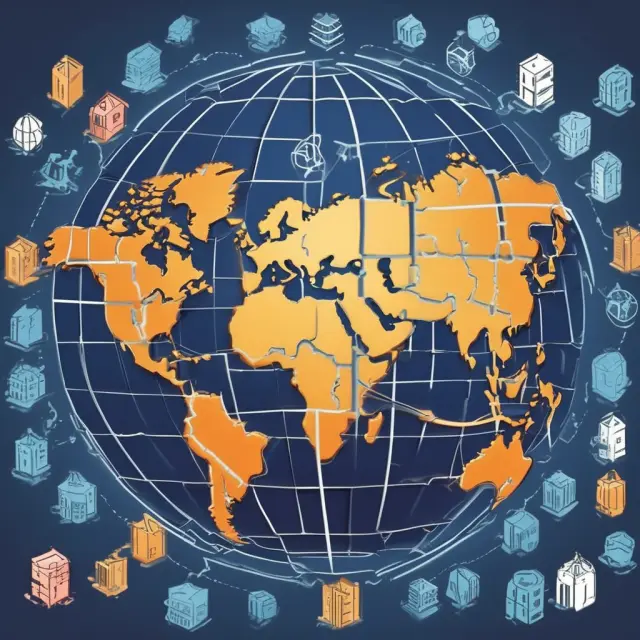
What are the Benefits of Using Incoterms?
Incoterms offer numerous advantages for professional and institutional investors in international trade transactions. This standardized set of rules helps establish clear terms between buyers and sellers, ensuring that both parties understand their responsibilities during the import/export process. Let’s delve deeper into the benefits of using Incoterms:
- Clarification and Standardization: The ICC-established Incoterms serve as a universal language for international trade transactions. By establishing clear terms, they help minimize confusion and prevent misunderstandings between buyers and sellers, reducing potential disputes and litigation costs.
- Time and Cost Savings: Adhering to a set of standardized terms streamlines the trade process by saving time and resources typically spent on drafting lengthy contracts or negotiating ambiguous clauses. As a result, transactions can be completed more efficiently with lower transactional costs for all parties involved.
- Risk Management: Incoterms define the responsibilities of the buyer and seller regarding transportation, delivery, and insurance. This clarity helps manage risks for both parties by ensuring they understand their obligations in case of damages, delays, or other issues that may arise during the transport process.
- Compliance with Regulations: Understanding the various Incoterms can help professional investors navigate complex export/import regulations and compliance requirements. The specific terms provide guidance on who is responsible for meeting regulatory requirements and ensuring timely customs clearance.
- Negotiating Power: By being well-versed in the different Incoterms, buyers and sellers gain a stronger negotiation position. Understanding the advantages and disadvantages of each term allows for more informed discussions during contract negotiations.
- Adherence to Industry Standards: Many industries and commodity markets have adopted Incoterms as a standard practice for international transactions. Being familiar with these terms is crucial in order to remain competitive and meet market expectations in specific industries.
- Enhanced Transparency: The transparent nature of Incoterms allows buyers and sellers to agree on clear terms that can be easily understood by all parties involved. This transparency helps create a more trusting business relationship, which is essential for long-term partnerships and successful international trade transactions.
Understanding the Role of the International Chamber of Commerce (ICC)
The International Chamber of Commerce (ICC) is a global business organization with over 45 million companies in more than 100 countries. Established in Paris, France, in 1919, its primary mission is to promote open markets and ensure global economic prosperity through international trade. The ICC achieved this by developing a set of standardized international commercial terms known as Incoterms.
The ICC’s influence on international trade stems from its extensive network and expertise in the field. In 1936, it introduced the first version of Incoterms to prevent confusion and facilitate clear communication between buyers and sellers in international transactions. Since then, the organization has regularly updated Incoterms to adapt to changing business practices, most recently in 2020.
The importance of adhering to the most current version is crucial for professional investors because it ensures consistency and clarity when establishing trade agreements. The terms help prevent misunderstandings between parties regarding responsibilities and risk allocation during shipping. With a universal set of guidelines, Incoterms provide a common language for conducting international business transactions.
Incoterms Rules
The ICC has developed 11 Incoterms that apply to any mode of transportation: EXW, FCA, CPT, CIP, DAP, DPU, and DDP. These terms determine the level of responsibility assumed by each party during the shipping process. For instance, under the Delivered Duty Paid (DDP) term, the seller bears all risks and costs until the goods reach their destination, including customs duties and insurance, while the buyer only assumes responsibility after delivery.
In contrast, with Ex Works (EXW), the seller’s obligations end when the buyer collects the goods at the seller’s premises or a designated place. This means that the buyer is responsible for loading, transporting, insuring, and paying all fees related to the shipment once the goods have been handed over.
In summary, understanding Incoterms and their role in international trade transactions is crucial for professional investors, as they provide a clear set of guidelines for allocating responsibilities, reducing risks, and preventing misunderstandings between buyers and sellers. By utilizing these terms effectively during negotiations, businesses can streamline their processes, save time and resources, and enhance their overall trading capabilities.

The Importance of Updating Incoterms
Staying up-to-date with the latest version of Incoterms is crucial for professional and institutional investors involved in international trade transactions. The International Chamber of Commerce (ICC) publishes these terms to prevent confusion and miscommunication between buyers and sellers, ensuring a clear understanding of responsibilities and obligations in international business deals. Since their introduction in 1936, Incoterms have undergone periodic updates to keep pace with changing trade practices.
One significant advantage of using the most recent version is that it reflects current industry standards. Keeping up with these updates ensures that your business remains competitive and stays informed about the latest regulations and requirements governing international trade. For example, changes in freight insurance requirements or security costs can substantially impact a transaction’s financial outcome.
Additionally, failure to use the most recent version could result in discrepancies between buyer and seller interpretations, leading to potential disputes and delays. This is particularly important for larger companies with extensive supply chains that may rely on Incoterms extensively. By using the latest version, you can ensure a consistent approach across all your transactions, reducing the likelihood of confusion and misunderstandings.
Another reason to update is that individual buyers or sellers might prefer specific terms over others based on their business objectives, risk tolerance, or familiarity with the shipping environment. While it’s essential to be aware of these preferences, relying exclusively on them may overlook other favorable terms in the latest version. Keeping up-to-date ensures that you have a well-rounded understanding of all available options and can adapt your strategies accordingly.
In conclusion, staying informed about the most recent Incoterms update is vital for professional and institutional investors involved in international trade transactions. Updating not only keeps you abreast of current industry standards but also ensures consistency across all transactions, minimizing the risk of misunderstandings and potential disputes.

Exploring Different Types of Incoterms: Any Mode of Transportation
Under the umbrella of international commercial terms (Incoterms), there exists a set of standardized rules and guidelines for international trade transactions, created by the International Chamber of Commerce (ICC). These terms aim to facilitate clear communication between buyers and sellers in various countries, ensuring that all parties understand their respective obligations. In this section, we’ll discuss different types of Incoterms applicable under any mode of transportation, such as Delivered at Terminal (DAT), Delivered Duty Paid (DDP), and Ex Works (EXW).
Introduction to Incoterms: The ICC introduced Incoterms in 1936 to help promote open markets and ensure global economic prosperity. These terms have been updated periodically over the years, with the latest version being published in 2020. One of the key advantages of using Incoterms is standardization; they provide a common language for international trade transactions, enabling clarity and reducing potential disputes.
Understanding Different Types of Incoterms: Any Mode of Transportation
There are several types of Incoterms that apply to any mode of transportation, including EXW (Ex Works), FCA (Free Carrier), CPT (Carriage Paid To), CIP (Carriage and Insurance Paid To), DAP (Delivered at Place), DPU (Delivered at Place Unloaded), DDP (Delivered Duty Paid), and DTO (Delivered on Board). In this article, we will primarily focus on EXW, DAP, and DDP.
1. Ex Works: Under the EXW term, the seller is only responsible for making the goods available at their premises or another specified location. The buyer assumes all risk and transportation costs from that point onward. This Incoterm places minimal responsibility on the seller, making it a popular choice for sellers who prefer not to involve themselves in the transportation process.
2. Delivered Duty Paid: Conversely, under DDP, the seller is responsible for transporting the goods to the final destination, including all customs clearance and duties. This term shifts most of the risk and responsibility onto the seller, making it a preferred choice for buyers who want more control over their supply chains and less complex transactions.
3. Delivered at Place: The DAP term is commonly used when goods are delivered to a specified place within the buyer’s country, but the buyer is responsible for unloading them from the transportation vehicle. This Incoterm provides a balance between risk and responsibility allocation, allowing both parties some level of control over their respective responsibilities in the transaction.
In conclusion, understanding different types of Incoterms is essential for professional investors involved in international trade transactions. Familiarizing yourself with these terms can help streamline negotiations, reduce potential disputes, and create more effective business relationships. Stay tuned for our next section where we will discuss Incoterms applicable to sea and inland waterway transportation.
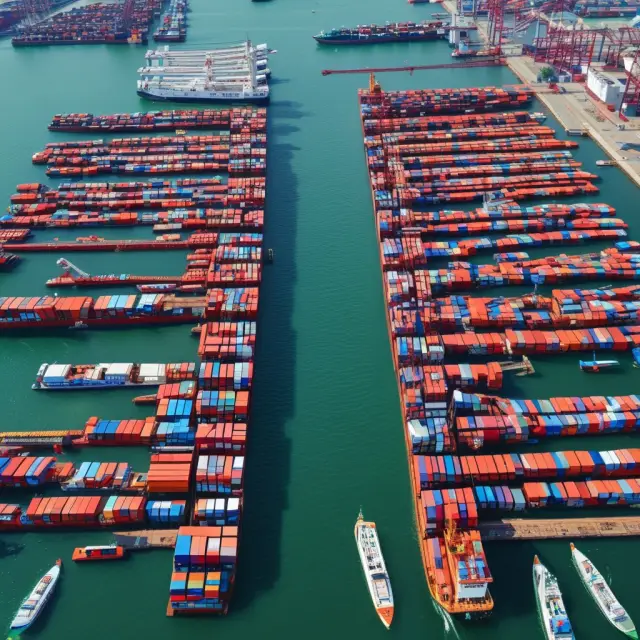
Exploring Different Types of Incoterms: Sea and Inland Waterway Transport
When discussing international trade transactions, it is crucial for both buyers and sellers to understand the various Incoterms that apply to sea and inland waterway transport. These terms set out specific obligations for each party involved in the transaction. In this section, we will examine some of the most common types of Incoterms used for sea and inland waterway transportation: Free Alongside Ship (FAS), Free on Board (FOB), Cost and Freight (CFR), and Cost, Insurance, and Freight (CIF).
Free Alongside Ship (FAS)
Under the FAS terms, the seller is responsible for loading the goods onto the buyer’s vessel at the port of shipment. Once loaded, all risk and responsibility are transferred to the buyer. The main difference between FAS and other sea freight terms lies in the point of transfer of ownership and risk.
Free on Board (FOB)
In contrast to FAS, under FOB terms, the seller is responsible for loading the goods onto the vessel but does not transfer ownership until the ship’s hatch covers have been closed while at sea. This means that the risk transfers when the goods are no longer within the confines of the port or terminal, i.e., once the ship’s hatches have been closed.
Cost and Freight (CFR)
The CFR terms involve the seller delivering the goods to the port of shipment on board a vessel. This means that the seller assumes all costs related to loading the goods onto the ship as well as freight charges for transportation across the water. Upon arrival at the foreign port, ownership and risk transfer to the buyer.
Cost, Insurance, and Freight (CIF)
Lastly, under CIF terms, the seller is responsible for delivering the goods to the foreign port of destination on board a vessel. This includes covering all costs related to loading the goods onto the ship at the original port and freight charges for transportation across the water. Additionally, the seller assumes responsibility for obtaining marine insurance coverage to protect the goods from loss or damage during transit. Once the goods are discharged from the ship at the foreign port, ownership and risk transfer to the buyer.
Understanding these terms is essential as they will impact various aspects of your international trade transactions. As always, it’s vital to consult a legal expert for any specific concerns regarding contracts or agreements. Stay informed with the most recent version of Incoterms to ensure that you are well-equipped to navigate complex international trades successfully.

What Do Incoterms Not Cover?
Incoterms, an essential tool for international trade transactions, provide a universal set of rules and guidelines for buyers and sellers to understand their obligations clearly. However, it’s important to note that while they cover many aspects related to the responsibilities, terms, and conditions of a sale, there are some aspects that Incoterms do not address.
First, Incoterms do not cover all the conditions of a sale or specify the goods being sold. Instead, they leave these details to be agreed upon between the parties through separate negotiation processes. Another aspect not covered by Incoterms is the contract price, meaning the amount paid for the goods or services is determined outside of the Incoterms agreement.
Additionally, payment methods, such as letter of credit, cash on delivery, or bank transfers, are not mentioned within Incoterms. This information needs to be agreed upon by both parties in addition to the use of these terms. Furthermore, Incoterms do not determine when title, which refers to the ownership of the goods, passes from the seller to the buyer.
One significant limitation of using only Incoterms is that they do not cover the liability for goods that fail to be provided in conformity with the contract, delayed deliveries, or dispute resolution mechanisms. To ensure a smooth transaction, it’s crucial for all parties involved to address these issues explicitly before signing the contract.
Another point worth mentioning is that Incoterms do not specify which documents must be provided by the seller to facilitate customs clearance processes in the buyer’s country. This information should also be agreed upon by the parties involved.
In conclusion, while Incoterms provide a great deal of clarity and understanding between buyers and sellers, it is essential to recognize their limitations and address any gaps or ambiguities through negotiation before entering into an agreement. By combining the use of Incoterms with clear communication and comprehensive contracts, parties can ensure a successful international trade transaction.

Understanding the Differences Between Incoterms 2010 and Incoterms 2020
Incoterms, a set of international commercial terms established by the International Chamber of Commerce (ICC), serve to prevent confusion in foreign trade contracts by clarifying the obligations of buyers and sellers. Incoterms are used extensively in both domestic and international transactions to promote open markets and ensure global economic prosperity through trade. The most recent update to Incoterms took place in 2020, with only one term changing significantly: Delivered at Terminal (DAT) being clarified as Delivered at Place Unloaded (DPU). Despite this minor alteration, there are notable differences in security costs, vehicle transport, and freight insurance requirements between the two versions.
The International Chamber of Commerce (ICC), a networked business organization with over 45 million companies across more than 100 countries, is the entity responsible for developing Incoterms. Established in 1936, ICC’s mission is to promote open markets and ensure global economic prosperity through trade. With such extensive reach and expertise, the ICC-established rules are widely used by buyers and sellers as a common language in conducting business.
Although adherence to Incoterms is voluntary, their universal application makes them an essential tool for international trade transactions. They provide clarity on matters such as filling out a purchase order, labeling shipments, completing certificate of origin forms, or documenting free carrier agreements (FCA). It’s important to note that contracts should specify which version of Incoterms is being used (e.g., Incoterms 2020) and that certain terms may have different meanings depending on the country of use.
Incoterms can be categorized into two main groups: those applicable to any mode of transportation, and those specific to sea and inland waterway transport. Some common examples of Incoterms rules for any mode of transportation include Delivered Duty Paid (DDP), Delivered at Place (DAP), and Ex Works (EXW). These terms determine the level of risk and responsibility assumed by both the buyer and seller throughout the transaction.
One significant change in the 2020 update was the clarification of security costs associated with import clearance, which are now primarily the responsibility of the buyer, except for DDP cases. Similarly, the most common cost headings related to transport remain those of the arranging party under Incoterms 2020. Security costs associated with export clearances, however, continue to be borne by the seller, other than in Ex Works cases.
Apart from these changes, there are pros and cons to using Incoterms. The primary advantage is standardization and clarity, which saves time and money that would have been spent on lawyers drafting terms. However, parties may prefer different terms depending on their business practices, with some opting for costlier options like CIF.
In conclusion, Incoterms 2010 and Incoterms 2020 share many similarities but differ significantly in areas such as security costs, vehicle transport, and freight insurance requirements. Understanding these differences is crucial for professional investors involved in international trade transactions to effectively leverage the terms to create favorable business arrangements while minimizing risk.

Advantages and Disadvantages of Using Incoterms for Professional Investors
Professional investors benefit greatly from using Incoterms in their international trade transactions due to various advantages that come with this set of standardized commercial terms published by the International Chamber of Commerce (ICC). However, it’s essential to be aware of some potential disadvantages as well.
Advantages:
1. Clear communication between parties
Incoterms provide a universal language that allows buyers and sellers to communicate effectively and establish a clear understanding of their obligations in international transactions.
2. Time- and cost-efficient negotiations
The standardized nature of Incoterms simplifies the negotiation process by offering predefined terms and conditions for various types of international trade transactions.
3. Reduced need for legal intervention
Incoterms help to minimize the need for lengthy and complex contracts, as they provide a clear framework that covers most aspects of international trade transactions.
4. Enhanced security and risk management
The specifications within Incoterms allow professional investors to manage risks better by allocating responsibilities and liabilities more effectively in their trade deals.
Disadvantages:
1. Limited coverage of certain aspects
Although comprehensive, Incoterms do not cover all aspects of international transactions. It’s essential for professionals to address additional contractual terms, such as payment methods, dispute resolution mechanisms, and goods specifications.
2. Lack of flexibility for individual agreements
Since Incoterms serve as a universal language, they may not always cater to the unique requirements or preferences of individual trade transactions. Professional investors might need to negotiate additional terms that deviate from the standard definitions provided by Incoterms.
In conclusion, for professional investors involved in international and domestic trade, Incoterms provide numerous advantages such as clear communication, time and cost efficiency, and risk management. However, it’s crucial to acknowledge potential disadvantages like limited coverage and lack of flexibility. Understanding both the benefits and challenges of using Incoterms is essential for making informed decisions when engaging in international trade transactions.

How to Use Incoterms Effectively in Trade Transactions
Understanding and effectively utilizing Incoterms can provide numerous benefits to professional investors involved in international trade transactions. By using these standardized terms, buyers and sellers can communicate more clearly and efficiently, reducing the risk of misunderstandings or disputes that could potentially delay shipments or result in additional costs. In this section, we will discuss some tips on how to use Incoterms effectively in your trade transactions.
First and foremost, it is essential to be familiar with the different types of Incoterms available for any mode of transportation. These include EXW (Ex Works), FCA (Free Carrier), CPT (Carriage Paid To), CIP (Carriage and Insurance Paid To), DAP (Delivered at Place), DPU (Delivered at Place Unloaded), and DDP (Delivered Duty Paid). Each of these terms has distinct responsibilities and obligations, so it is crucial to carefully consider which one best suits your specific transaction.
For instance, if you are a buyer looking for the most cost-effective solution, you might opt for EXW or FCA, which places more responsibility on the buyer for the transportation and insurance costs. Alternatively, if you prefer a more all-inclusive arrangement where the seller handles the entire process, then DDP could be the better choice.
When negotiating with your trading partner, consider their preferences and industry norms as well. It may not always be possible to dictate which Incoterms to use, but being flexible and open to discussion can lead to a mutually beneficial agreement that works for both parties.
In addition to understanding the various types of Incoterms, it is also important to keep your agreements updated with the latest version. The International Chamber of Commerce (ICC) releases new versions periodically to reflect changes in international trade practices and regulations. For instance, the difference between Incoterms 2010 and Incoterms 2020 may seem minimal at first, but there are notable differences regarding security costs, vehicle transport, and freight insurance requirements that can significantly impact your business.
Lastly, when using Incoterms in trade transactions, make sure to clearly communicate the terms to all parties involved. This includes not only your trading partner but also any intermediaries or service providers engaged in the transportation process. Clear communication ensures a smooth transaction and helps prevent potential misinterpretations of responsibilities and obligations.
By following these tips, professional investors can effectively leverage Incoterms in their international trade transactions to streamline processes, reduce costs, and minimize risks.

FAQs About Incoterms
What are Incoterms?
Incoterms are a set of international commercial terms that define the responsibilities and obligations of buyers and sellers in international trade transactions. Developed by the International Chamber of Commerce (ICC), these standardized rules provide clarity, reduce uncertainty, and facilitate cross-border commerce.
Why Use Incoterms?
Benefits for Professional Investors
- Standardization – Provide a universal shorthand language for international trade contracts
- Transparency – Minimize misunderstandings between buyers and sellers
- Time Saving – Simplify negotiations and documentation
- Cost Savings – Streamline transportation, insurance, and delivery costs
- Legal Protection – Clarify liabilities and responsibilities in the event of disputes
How Does the ICC Influence Incoterms?
The ICC is a global business organization with expertise in international trade. Its role includes:
- Establishing and updating Incoterms to reflect current market practices
- Providing guidance on their application
- Facilitating uniformity through the use of a standardized set of terms
- Resolving disputes between member companies when necessary
Why Update Incoterms?
ICC updates Incoterms periodically to address changes in international trade practices and market conditions. Each new version ensures that the rules remain relevant, effective, and efficient in today’s global economy.
What are the Different Types of Incoterms?
There are 11 types of Incoterms:
- EXW (Ex Works)
- FCA (Free Carrier)
- CPT (Carriage Paid To)
- CIP (Carriage and Insurance Paid To)
- DAP (Delivered at Place)
- DPU (Delivered at Place Unloaded)
- DDP (Delivered Duty Paid)
- FAS (Free Alongside Ship)
- FOB (Free on Board)
- CFR (Cost and Freight)
- CIF (Cost, Insurance, and Freight)
How Do I Use Incoterms Effectively?
To get the most benefit from using Incoterms:
- Understand their definitions and implications for your business transactions
- Choose the appropriate term that suits your specific situation
- Ensure both parties agree on the terms before signing the contract
- Stay informed of updates to ensure your contracts remain current
- Consider seeking advice from legal experts or trade consultants, as needed
What are the Limitations of Incoterms?
While Incoterms offer numerous benefits for international trade, there are some aspects they do not cover:
- Payment methods and conditions
- Transfer of title or ownership of goods between parties
- Customs formalities and documentation
- Dispute resolution mechanisms
- Liability for the failure to provide conforming goods.
For a complete understanding of your transaction, it is essential to address these matters in the contract supplementary to using Incoterms.
 Next entry · No. 2,351Incremental Analysis: Identifying Profitable Differences Between Business Alternatives
See also
-
 No. 1,424
13 Sep 2024
19 min
Export Credit Agencies: Facilitating International Trade and Investment
International Trade
No. 1,424
13 Sep 2024
19 min
Export Credit Agencies: Facilitating International Trade and Investment
International Trade -
 No. 3,419
27 Mar 2025
19 min
Understanding the Net International Investment Position (NIIP): A Crucial Indicator of a Nation’s Financial Health
Finance Policy
No. 3,419
27 Mar 2025
19 min
Understanding the Net International Investment Position (NIIP): A Crucial Indicator of a Nation’s Financial Health
Finance Policy -
 No. 5,542
17 Sep 2025
19 min
Understanding Voluntary Export Restraints (VERs): What They Are, How They Work, Advantages, Disadvantages and Notable Examples
International Trade
No. 5,542
17 Sep 2025
19 min
Understanding Voluntary Export Restraints (VERs): What They Are, How They Work, Advantages, Disadvantages and Notable Examples
International Trade -
 No. 5,358
02 Sep 2025
17 min
Understanding the Concept of Usance in International Trade and Finance
International Trade
No. 5,358
02 Sep 2025
17 min
Understanding the Concept of Usance in International Trade and Finance
International Trade -
 No. 5,023
05 Aug 2025
26 min
Understanding Trade Wars: A Modern Economic Battle
International Trade
No. 5,023
05 Aug 2025
26 min
Understanding Trade Wars: A Modern Economic Battle
International Trade -
 No. 5,022
05 Aug 2025
19 min
Understanding Trade Surpluses: Causes, Effects, and Key Countries
International Trade
No. 5,022
05 Aug 2025
19 min
Understanding Trade Surpluses: Causes, Effects, and Key Countries
International Trade