Fast-Moving Consumer Goods (FMCG): Understanding the Largest Nondurable Segment in the Consumer Goods Market
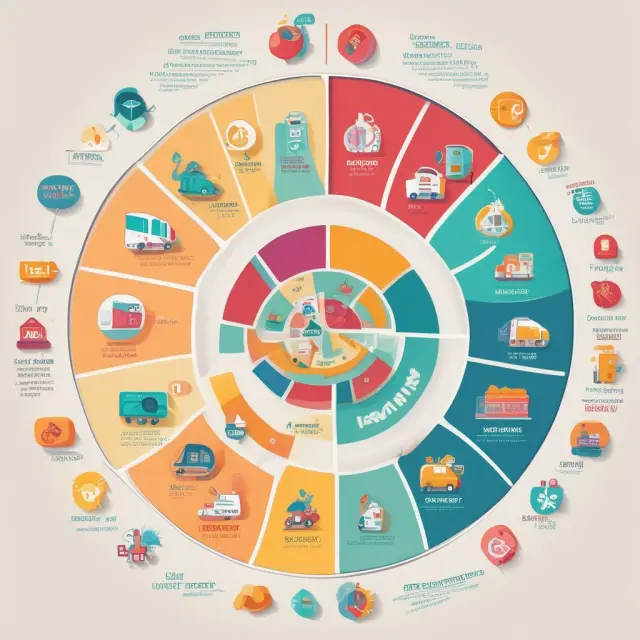
Explore the world of Fast-Moving Consumer Goods (FMCG): definition, categories, market size, competition, industry leaders, logistics, ecommerce, investing…
What are Fast-Moving Consumer Goods?
Fast-moving consumer goods (FMCG) represent a significant portion of the global consumer market. These products, also referred to as consumer packaged goods, are characterized by their high turnover rate and relatively low cost. FMCGs can be defined as nondurable consumer items that sell quickly due to short shelf lives or high demand. The fast-moving nature of these goods implies a frequent need for replenishment, which makes them essential for consumers across the world. In this section, we will delve deeper into the definition, importance, and various categories of FMCGs.
Understanding Fast-Moving Consumer Goods (FMCG)
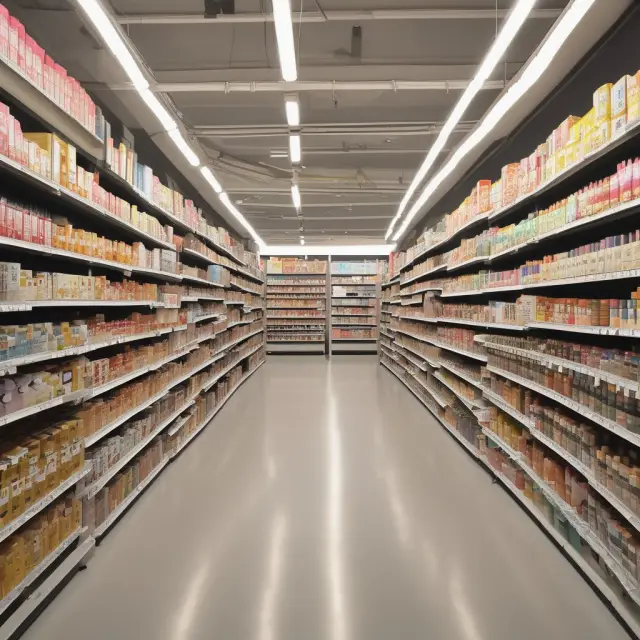
FMCGs are a crucial component of our daily lives. They are often purchased at grocery stores, convenience marts, and other retail outlets. These consumer goods encompass a wide range of items that include processed foods, beverages, personal care products, household cleaning supplies, and over-the-counter medicines. FMCGs make up more than half of all consumer spending worldwide. Although they have lower profit margins compared to durable goods or services, their high sales volume makes them a reliable revenue source for manufacturers and retailers alike.
Fast-moving Consumer Goods: Definition & Importance
The term “fast-moving” is derived from the fact that these goods sell quickly due to their short shelf lives, perishability, or high consumer demand. The rapid turnover ensures a consistent supply in the retail market, catering to consumers’ frequent demands for essential items. FMCGs provide convenience and value to consumers by offering affordable prices and catering to immediate needs.
Fast-moving Consumer Goods: Categories
FMCGs can be divided into several categories based on their nature and usage. These include:
- Processed Foods: Cheese products, cereals, boxed pasta, canned goods, and frozen meals are all examples of processed foods that fall under the FMCG category.
- Prepared Meals: Ready-to-eat meals and meal kits (i.e., TV dinners) are prepared meals that offer convenience to consumers who are short on time but still require a nutritious meal.
- Beverages: Bottled water, energy drinks, juices, and coffee are popular beverages commonly categorized as FMCGs due to their high demand and relatively low cost.
- Baked Goods: Cookies, croissants, bagels, bread, and cakes are all baked goods that offer a quick energy boost or serve as convenient snacks.
- Fresh Foods, Frozen Foods, and Dry Goods: Fruits, vegetables, frozen peas and carrots, raisins and nuts, and dried fruit are essential staples that can be categorized as FMCGs.
- Medicines: Over-the-counter (OTC) drugs like aspirin, pain relievers, and antacids are examples of fast-moving consumer goods in the healthcare sector.
- Cleaning Products: Baking soda, oven cleaner, glass and window cleaners, and laundry detergents are essential cleaning products that contribute to the FMCG market.
- Cosmetics & Toiletries: Hair care products, concealers, toothpaste, soap, shampoo, and other toiletries are widely used personal care items that fall under this category.
- Office Supplies: Pens, pencils, markers, paper, and other office supplies can be categorized as FMCGs due to their high demand and frequent replenishment requirements.
Fast-Moving Consumer Goods vs. Durable Goods & Services
FMCGs differ significantly from durable goods and services in terms of their characteristics:
- Shelf life: Durable goods have a longer shelf life, while FMCGs have a relatively short one due to high consumer demand or perishability.
- Consumption pattern: Unlike FMCGs that are consumed rapidly, durable goods are typically purchased less frequently and used over an extended period.
- Production process: Durable goods require a more complex production process compared to FMCGs.
- Price point: FMCGs tend to have lower price points than durable goods due to their high volume sales and low profit margins.
- Market size & competition: The FMCG market is larger than the durable goods market, leading to intense competition among manufacturers and retailers.
- Distribution channels: FMCGs are often sold through various distribution channels, including supermarkets, convenience stores, and e-commerce platforms, whereas durable goods typically rely on direct sales or specialized retailers.
- Marketing strategies: Manufacturers of FMCGs invest heavily in marketing and advertising to build brand awareness and attract consumers due to the high competition within the industry.

Understanding FMCGs: Market Size, Competition, and Industry Overview
Fast-moving consumer goods (FMCGs), also known as consumer packaged goods, are nondurable items with a relatively short shelf life and a high turnover rate. These products cater to the frequent needs of consumers, making them an essential part of daily life. FMCGs span a diverse range of categories, including processed foods, prepared meals, beverages, baked goods, fresh produce, dry goods, medicines, cleaning products, cosmetics and toiletries, and office supplies (Processed Foods International). With the global market value of fast-moving consumer goods estimated at $5.3 trillion in 2019, it represents a significant portion of the overall consumer goods industry, accounting for more than half of total sales (Statista).
The competition within the FMCG sector is fierce due to the high demand for these goods and their mass-market appeal. Major global players like Nestlé, Procter & Gamble, Unilever, PepsiCo, and Coca-Cola compete intensely to secure market share (Forbes). The industry’s large size and high turnover necessitate a robust logistics and distribution system capable of handling the frequent demand for restocking. Companies invest substantial resources in marketing strategies, product development, and supply chain efficiency to attract and retain consumers (Statista).
The growth potential in FMCG industries remains strong, with consumer trends and changing demographics driving shifts in demand patterns. For instance, growing populations in emerging markets such as Asia, increased urbanization, and evolving consumer preferences towards convenience, healthier options, and eco-friendly products create new opportunities for FMCG companies (BusinessWire).
The FMCG sector’s extensive range of product categories and the increasing competition necessitate a thorough understanding of each subsegment to make informed investment decisions. In the following sections, we will explore examples of fast-moving consumer goods, their differences from durable goods and services, and the role of logistics in the industry.
Understanding Fast-Moving Consumer Goods: Market Size, Competition, and Industry Overview
FAQs
What are fast-moving consumer goods (FMCG)?
FMCGs, also known as consumer packaged goods, are nondurable items with a relatively short shelf life and high turnover rate that cater to consumers’ frequent needs. Examples of FMCGs include processed foods, prepared meals, beverages, baked goods, fresh produce, medicines, cleaning products, cosmetics and toiletries, and office supplies.
What is the global market size for fast-moving consumer goods?
The global fast-moving consumer goods market was valued at $5.3 trillion in 2019 (Statista).
Who are some of the largest FMCG companies?
Some of the world’s largest FMCG companies include Nestlé, Procter & Gamble, Unilever, PepsiCo, and Coca-Cola (Forbes).
How competitive is the fast-moving consumer goods industry?
The competition in the FMCG sector is high due to the mass-market appeal of these products and the need for companies to secure market share through robust marketing strategies, product development, and efficient logistics systems.
What are some key factors driving growth in the FMCG industry?
Key drivers of growth in the FMCG industry include population growth, urbanization, evolving consumer preferences towards convenience, healthier options, and eco-friendly products, as well as innovation and strategic acquisitions (BusinessWire).
Examples of Fast-Moving Consumer Goods
Fast-Moving Consumer Goods (FMCG) consist of a diverse range of products that sell quickly due to consumer demand or their perishable nature. This section takes an in-depth look at various categories and examples of fast-moving consumer goods.
Processed Foods
Processed foods represent a significant portion of FMCGs, including cheese products, cereals, and boxed pasta. These items offer extended shelf lives through the use of preservatives, packaging technology, and refrigeration to prevent spoilage. Processed foods offer convenience and affordability, making them popular choices for families and individuals.
Prepared Meals
Another category of fast-moving consumer goods is prepared meals, such as ready-to-eat meals. These products cater to consumers who require quick and convenient options for meals. The high turnover rate ensures a constant demand, making it a highly competitive market for companies. Examples include microwaveable dinners, frozen entrees, or meal kits.
Beverages:
Beverages like bottled water, energy drinks, and juices represent a significant portion of FMCG sales. With the growing trend towards healthier options, beverages catering to specific dietary needs have gained popularity. Additionally, beverages are often sold in large quantities, providing stable revenue streams for companies.
Baked Goods
Fresh and perishable baked goods like cookies, croissants, and bagels fall under the FMCG umbrella due to their rapid consumption. These products offer a wide variety of flavors and textures, making them popular choices among consumers. While they have relatively low profit margins compared to other consumer goods, their high turnover rate ensures a steady stream of revenue.
Fresh Foods
Fresh foods such as fruits, vegetables, frozen foods, and dry goods like raisins and nuts are classified as fast-moving consumer goods due to their short shelf lives and high demand. These items require efficient supply chain management to ensure minimal spoilage and maximum turnover.
Medicines:
Medications and over-the-counter drugs like aspirin, pain relievers, and allergy medicine are essential fast-moving consumer goods due to frequent purchases and short shelf lives. Consumers rely on these products for maintaining their health, making it crucial for companies to provide reliable availability and convenience.
Cleaning Products
Cleaning products like baking soda, oven cleaner, and window and glass cleaner are fast-moving consumer goods because they offer immediate value and solve common household issues. These products cater to the constant need for cleanliness and hygiene, ensuring a high turnover rate.
Cosmetics and Toiletries
Cosmetics and toiletries like hair care products, concealers, toothpaste, and soap are essential fast-moving consumer goods due to frequent usage and short shelf lives. The industry is highly competitive, with companies investing in branding, packaging, and innovation to stand out from the competition.
Office Supplies
Finally, office supplies such as pens, pencils, and markers are considered fast-moving consumer goods due to their high volume sales and short shelf lives. These items offer convenience and affordability, making them essential for businesses and individuals alike. Companies compete based on pricing, product innovation, and brand recognition in this competitive market.
Understanding the various categories of fast-moving consumer goods provides insight into their importance in our daily lives. By catering to consumers’ needs for quick, convenient, and affordable options, FMCGs continue to dominate the consumer landscape, generating significant revenue and shaping consumer behavior.

FMCGs vs. Durable Goods vs. Services
Fast-Moving Consumer Goods (FMCG) are a significant component of consumer goods, which is divided into three major categories: durable goods, nondurable goods, and services. Fast-moving consumer goods fall under the category of nondurable goods due to their short lifespan and high consumption rate. In this section, we’ll discuss how FMCGs differ from durable goods and services.
Durability is a defining factor between these three categories:
- Fast-Moving Consumer Goods (FMCG): Nondurable goods with a short shelf life and high consumption rate. Examples include milk, gum, fruit and vegetables, toilet paper, soda, beer, and over-the-counter drugs like aspirin. FMCGs are typically sold in large quantities to maintain a reliable revenue stream despite their low profit margins.
- Durable Goods: Consumer goods with a shelf life of three years or more. Examples include furniture, cars, appliances, and electronics. Durable goods have higher profit margins due to their longer lifespan and the lower volume of sales.
- Services: Intangible offerings that consumers can’t physically take home. Haircuts, car washes, and entertainment services are examples of intangible products.
Fast-Moving Consumer Goods (FMCG) have unique characteristics that set them apart:
- Short Shelf Life: FMCGs have a shorter shelf life due to their high consumption rate or perishable nature. For instance, food items like dairy products and fresh produce are quickly consumed or spoil easily. To address this issue, logistics and distribution systems in the industry focus on maximizing efficiency by using secondary and tertiary packaging.
- Frequency of Purchase: Fast-moving consumer goods are purchased more frequently due to their short shelf life or high consumption rate. Convenience is a crucial factor for consumers in this sector, and companies aim to offer products that fit easily into daily routines, such as ready-to-eat meals, snacks, and everyday toiletries.
- Low Profit Margins: FMCGs generally have low profit margins due to their high volume and low price points. Despite this challenge, companies invest heavily in marketing strategies to entice consumers and stand out on the shelves. This competition can lead to significant innovation, as evidenced by the various packaging designs and product offerings in the industry.
- Consumer Preference: Fast-moving consumer goods are often considered low-involvement purchases, with consumers focusing more on convenience rather than product features or design. Brands that effectively cater to these preferences can build significant market share and customer loyalty.
Understanding the differences between FMCGs, durable goods, and services helps shed light on their unique roles within the consumer economy. While each category has its advantages, companies operating in these sectors must adapt to meet evolving consumer needs and expectations. As ecommerce continues to redefine the shopping experience for all types of consumer goods, the ability to provide convenience, efficiency, and value will remain essential ingredients for success.
In the next section, we’ll dive deeper into the world of Fast-Moving Consumer Goods by exploring some of the most popular categories and examples.

Fast-Moving Consumer Goods Companies: The Industry Leaders
The fast-moving consumer goods (FMCG) sector is a significant contributor to the global economy, accounting for more than half of all consumer spending. It’s an incredibly competitive industry where some of the world’s largest companies compete for market share. In this section, we will delve into the realm of these giants – Nestlé, Procter & Gamble, and Coca-Cola.
Nestlé SA: The Swiss Giant
Nestlé, a Swiss multinational food processing conglomerate corporation, is a leading player in the FMCG sector with over 2,000 brands covering various product categories like vitamins, infant nutrition, coffee, and pet foods. In 2019, Nestlé reported sales of CHF 93.6 billion (approximately USD $101.4 billion). With a workforce of over 313,000 employees worldwide, Nestlé has established a strong presence in both developed and emerging markets through its robust distribution network and strategic acquisitions (e.g., Gerber in 2007).
Procter & Gamble (P&G): The American Titan
American multinational consumer goods corporation Procter & Gamble is known for brands such as Pampers, Tide, Gillette, Olay, Oral-B, and Head & Shoulders. In 2019, the company reported net sales of approximately USD $76.1 billion. With a global workforce of over 105,000 employees, P&G has expanded its reach to more than 180 countries. The company’s success can be attributed to its effective marketing strategies and product innovation.
Coca-Cola: The Beverage Giant
The world’s largest beverage company, Coca-Cola, is renowned for its iconic products like Coke, Fanta, Sprite, Diet Coke, and Minute Maid. In 2019, the company reported revenues of USD $34 billion. With a global workforce of over 86,000 employees, Coca-Cola has managed to maintain its market dominance by focusing on innovation (e.g., new product launches and acquisitions) and expanding its presence in emerging markets.
These industry leaders have made significant strides in the FMCG sector through their innovative marketing strategies, product diversification, and global reach. They have also shown resilience in adapting to changing consumer trends (e.g., ecommerce, healthier food options). As investors, understanding the business models and competitive landscapes of these companies is crucial when considering investment opportunities in FMCG stocks.
FAQ: Fast-Moving Consumer Goods Companies FAQ
Who are some of the largest fast-moving consumer goods (FMCG) companies?
Answer: Some of the largest FMCG companies include Nestlé, Procter & Gamble, and Coca-Cola.
How many employees does each company have?
Answer: Nestlé has over 313,000 employees worldwide; Procter & Gamble employs approximately 105,000 workers; and Coca-Cola has a global workforce of over 86,000 employees.
What are the primary product categories for each company?
Answer: Nestlé focuses on vitamins, infant nutrition, coffee, and pet foods; Procter & Gamble is known for brands like Pampers, Tide, Gillette, Olay, Oral-B, and Head & Shoulders; Coca-Cola dominates the beverage sector with iconic products such as Coke, Fanta, Sprite, Diet Coke, and Minute Maid.
What is the market size of the fast-moving consumer goods industry?
Answer: The global fast-moving consumer goods (FMCG) industry generates more than half of all consumer spending.
How do these companies compete for market share in the FMCG sector?
Answer: Companies focus on marketing strategies, product innovation, and expanding their presence in emerging markets to maintain their competitive edge within the fast-moving consumer goods industry.
In conclusion, Nestlé, Procter & Gamble, and Coca-Cola are three of the world’s largest fast-moving consumer goods companies that have made significant strides in their respective industries through innovative marketing strategies, product diversification, and a global reach. Understanding their business models and competitive landscapes is essential for investors considering investment opportunities in FMCG stocks.
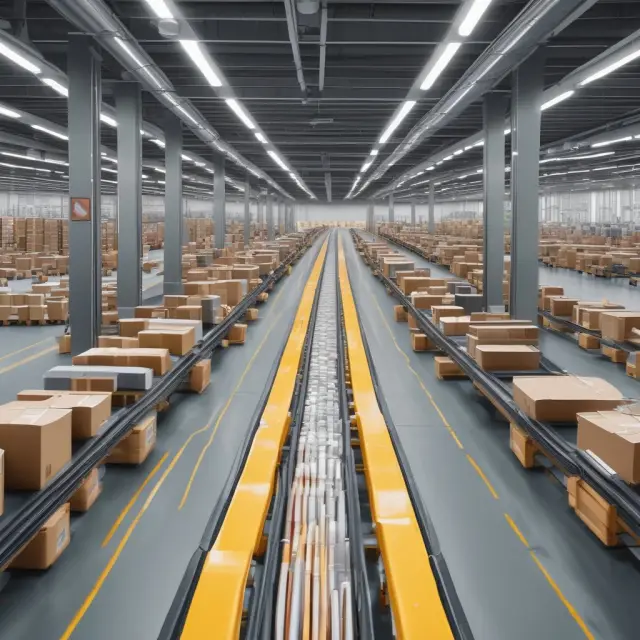
The Role of Logistics in the Fast-Moving Consumer Goods Industry
Logistics plays a crucial role in the production, distribution, and sales process for fast-moving consumer goods (FMCG). Due to their high turnover rates and short shelf life, FMCG companies rely heavily on efficient logistics strategies to keep up with demand. This is particularly important as these products are usually purchased frequently and consumed rapidly.
Effective logistics systems enable FMCG companies to get their products from the manufacturing plant to retailers’ shelves in a timely manner, ensuring maximum availability for consumers. This not only minimizes stockouts but also maximizes sales opportunities. In the fast-paced world of FMCGs, logistical efficiency can make or break a company’s success.
One critical aspect of FMCG logistics is inventory management. Due to their short shelf life and high turnover rates, maintaining appropriate stock levels is essential for retailers to meet consumer demand without incurring excessive holding costs or spoilage losses. FMCG companies employ advanced inventory management techniques such as safety stock planning, reorder point analysis, and real-time inventory tracking systems to optimize their supply chains and maintain consistent stock levels at retail outlets.
Another key factor in the logistics of FMCGs is transportation. Given the volume and frequency of FMCG orders, companies often rely on efficient transportation networks to ensure products reach retailers on time. This includes both road and air freight to cater to the varying demand patterns across regions and distribution channels. For example, perishable goods like dairy products and fresh produce might require refrigerated trucks or temperature-controlled warehouses to maintain quality during transit.
Moreover, ecommerce sales continue to grow in popularity for FMCGs. Logistics companies and retailers are adapting to this trend by optimizing their fulfillment networks and delivery methods to meet evolving consumer expectations. Same-day or next-day delivery is becoming increasingly common for FMCGs, which further emphasizes the importance of logistical efficiency in this sector.
Overall, understanding the role of logistics in the fast-moving consumer goods industry is essential for companies seeking to succeed in a highly competitive marketplace. By focusing on inventory management, transportation, and ecommerce fulfillment, FMCGs can optimize their supply chains and provide consumers with reliable access to the products they need, when they need them.
Fast-Moving Consumer Goods and Ecommerce: A Growing Market
Fast-moving consumer goods (FMCG) have been a dominant force in consumer spending for decades. However, with the rise of ecommerce and changing shopping behaviors, FMCGs are facing new challenges and opportunities. In this section, we will explore how ecommerce is impacting the fast-moving consumer goods industry and what it means for investors.
The Evolving Landscape of Fast-Moving Consumer Goods
According to Statista, global retail ecommerce sales amounted to $3.5 trillion in 2019, up from $2.3 trillion just five years prior. This massive growth has not been limited to any specific sector or geography. In fact, the consumer goods industry—which includes fast-moving consumer goods (FMCG) and non-fast-moving consumer goods (non-FMCG)—has experienced significant digital transformation in recent years.
A 2019 report by Nielsen, a leading global information company, noted that “grocery and consumable products are growing as online channels.” This shift is evident across all market segments. In the United States alone, online sales of FMCGs grew 35% in 2017 compared to the previous year. According to the same report, consumers increasingly prefer the convenience offered by ecommerce for their everyday essentials.
Impact on Fast-Moving Consumer Goods Companies
The changing shopping landscape has significant implications for FMCG companies. The traditional retail model that relied on brick-and-mortar stores is being disrupted, forcing companies to adapt to new market realities. Here are a few ways that leading FMCG players like Coca-Cola (KO), Nestlé (NSRGY), and Procter & Gamble (PG) have responded to the trend:
1. Direct-to-Consumer Sales: Companies like Dollar Shave Club, owned by Unilever since 2016, and Gillette, which launched its own subscription service in 2017, are leading the charge in direct-to-consumer sales (DTC). These initiatives help companies retain customer data and build stronger relationships with consumers.
2. Partnerships and Acquisitions: FMCG giants have been actively seeking partnerships and acquisitions to boost their ecommerce capabilities. For instance, Nestlé acquired a majority stake in Blue Bottle Coffee, a specialty coffee roaster, in 2017. Similarly, Procter & Gamble acquired the popular beauty brand, Native, for $650 million in 2019.
3. Improved Logistics and Distribution: To meet consumers’ expectations of fast delivery times, FMCG companies are investing heavily in logistics and distribution networks. For example, Walmart, one of the world’s largest retailers, announced that it would invest $1 billion to expand its ecommerce operations and better compete with Amazon (AMZN) in 2019.
What Does This Mean for Investors?
The growing influence of ecommerce on FMCGs presents both risks and opportunities for investors. Here are a few key considerations:
1. Shifting Market Landscape: As consumers increasingly shift towards online channels, there is likely to be a significant disruption in the traditional retail landscape. This could lead to winners and losers within the FMCG sector. Companies that embrace ecommerce early and effectively will likely outperform their less nimble competitors.
2. New Business Models: As more FMCG companies shift towards DTC sales and subscription models, investors should consider whether these business models can generate sustainable revenue streams in the long run.
3. Logistics and Distribution: Efficient logistics and distribution networks will become increasingly important for FMCGs as consumers demand faster delivery times. Investors should focus on companies that are well-positioned to meet this demand and capture market share.
In conclusion, fast-moving consumer goods (FMCG) have been an essential part of our daily lives for decades. However, the rise of ecommerce has disrupted traditional retail models, forcing FMCG companies to adapt in order to remain competitive. While there are risks associated with this shift, there are also significant opportunities for investors who can identify companies that effectively leverage ecommerce and other digital strategies.
As we move forward, it is essential for investors to stay informed about the latest trends shaping the consumer goods landscape and how these trends may impact individual stocks and sectors. By doing so, investors can position themselves to capitalize on emerging opportunities and minimize risks in this dynamic industry.

Investing in Fast-Moving Consumer Goods Stocks
Understanding the Potential Investment Opportunities and Risks Associated with FMCG Stocks
Fast-moving consumer goods (FMCG) stocks can be a lucrative investment opportunity for those looking for stable, predictable returns. These companies cater to our daily needs, providing essential products that have high turnover rates and consistent demand. FMCGs include nondurable goods like food and beverages, toiletries, medicines, cleaning supplies, and office supplies. Some of the largest players in this industry include Nestlé, Procter & Gamble, Coca-Cola, Unilever, PepsiCo, Danone, Tyson Foods, and Kellogg Company.
Investing in FMCG stocks can offer several advantages:
- Stable Revenue Stream: FMCG companies generate significant revenue through the sale of high-volume, low-margin items. Their business model is built on consumer demand for essential products, making their revenue streams relatively stable.
- Predictable Growth: FMCG stocks typically exhibit predictable growth. These companies invest heavily in research and development, as well as marketing and advertising to attract and retain customers. This focus on innovation and market leadership enables them to maintain a competitive edge and protect their market share.
- Regular Dividends: Many FMCG companies offer regular dividends to shareholders. Consistent revenue streams and steady growth enable these companies to distribute profits to investors, making FMCG stocks attractive for income-focused investors.
However, investing in FMCG stocks also comes with risks that should be carefully considered:
- Market Saturation: The fast-moving consumer goods industry is highly competitive, and companies face intense pressure to maintain their market share. This competition can result in price wars, which can erode profit margins and limit growth opportunities.
- Consumer Preferences: FMCG companies must adapt to changing consumer preferences and dietary trends. For instance, the rising popularity of plant-based foods is forcing some FMCG companies to adjust their offerings or risk losing market share.
- Globalization and Supply Chain Complexity: FMCG companies operate globally, exposing them to various risks such as trade disputes, currency fluctuations, and supply chain disruptions. This complexity can impact the profitability and efficiency of their operations.
- Regulations and Compliance: FMCG companies must comply with numerous regulations related to product safety, environmental sustainability, and labeling requirements. Failure to adhere to these regulations can result in costly fines or reputational damage.
Despite the risks, many investors find that the potential rewards of investing in FMCG stocks outweigh the challenges. By understanding the industry dynamics, market trends, and competitive landscape, investors can identify attractive investment opportunities and mitigate risks within the fast-moving consumer goods sector.
When considering FMCG stocks for your portfolio, it’s essential to conduct thorough research and analysis. Look beyond just the financial statements of the company but also consider factors like product offerings, market positioning, and competitive advantages. Additionally, be aware of the impact of global trends on the industry, such as ecommerce growth and changing consumer preferences, and how these trends could influence the performance of your chosen stocks.

FAQ: Frequently Asked Questions About Fast-Moving Consumer Goods
What exactly are fast-moving consumer goods (FMCG)?
Fast-moving consumer goods, also known as consumer packaged goods, refer to products that sell quickly and at a relatively low cost. These items have a short shelf life due to high consumer demand or perishability, such as fresh produce, dairy products, meats, processed foods, beverages, toiletries, medicines, cleaning supplies, and cosmetics. FMCGs are consumed frequently and require frequent replenishment due to their low price point and high turnover rate.
What is the difference between fast-moving consumer goods (FMCG) and slow-moving consumer goods?
The primary distinction between FMCGs and slow-moving consumer goods (SMCG) lies in their shelf life, turnover rates, and sales volume. Fast-moving consumer goods have a short lifespan and are purchased frequently due to their low cost and high demand. Slow-moving consumer goods, on the other hand, have a longer shelf life and lower turnover rate, such as furniture or appliances.
What categories does fast-moving consumer goods fall under?
Fast-moving consumer goods (FMCG) are classified as nondurable consumer goods, which means they have a short lifespan and are consumed rapidly. Nondurable goods can be further divided into various categories: processed foods, prepared meals, beverages, baked goods, fresh foods, dry goods, medicines, cleaning products, cosmetics, toiletries, and office supplies.
What makes fast-moving consumer goods unique?
Fast-moving consumer goods are unique due to their high turnover rate, low profit margins, and large sales quantities. To maximize efficiency in production and distribution, FMCGs often require secondary and tertiary packaging, while the unit pack or primary package is critical for product protection and shelf life. The convenience and availability of these goods make them an attractive investment option, with reliable revenue streams and predictable margins despite their low profit margins on individual sales.
What are some examples of fast-moving consumer goods?
Examples of common fast-moving consumer goods include milk, gum, fruit and vegetables, toilet paper, soda, beer, and over-the-counter drugs like aspirin. Other categories within FMCGs include processed foods, prepared meals, beverages, baked goods, fresh foods, dry goods, medicines, cleaning products, cosmetics and toiletries, and office supplies.
What role does logistics play in the fast-moving consumer goods industry?
Logistics is a crucial factor in the production, distribution, and sales process for fast-moving consumer goods (FMCG). Companies in this industry focus heavily on developing efficient logistics strategies to meet high demand, maintain product freshness, and minimize delivery times. Ecommerce channels have disrupted traditional brick-and-mortar stores, with online sales of FMCGs growing as companies optimize their distribution networks and shorten delivery times.
What are some investment opportunities in the fast-moving consumer goods market?
Investing in fast-moving consumer goods stocks can offer a low-growth but stable return with predictable margins, regular dividends, and reliable revenue streams. Some of the world’s largest FMCG companies include Nestlé, Procter & Gamble, Coca-Cola, Unilever, PepsiCo, and Danone. These companies focus on marketing their products to attract consumers, utilizing packaging as a crucial factor in production processes.
What are some special considerations for the fast-moving consumer goods industry?
Ecommerce is increasingly impacting the way fast-moving consumer goods (FMCGs) are purchased and delivered to customers. Consumers appreciate the convenience of online shopping, which has led to an increase in FMCG sales through ecommerce channels. Companies must optimize their distribution networks, delivery logistics, and marketing strategies to remain competitive in this evolving marketplace. Additionally, ecommerce has led to more efficient order processing and shorter delivery times, making it a significant growth area within the fast-moving consumer goods industry.
Conclusion: The Role of FMCGs in the Consumer Goods Landscape
Fast-moving consumer goods (FMCG) have become an integral part of our daily lives as they cater to our frequent consumption needs. These goods, also known as consumer packaged goods, are characterized by their high turnover rate and low cost, making them essential items for consumers worldwide. FMCGs represent more than half of all consumer spending and account for the majority of grocery store purchases, offering investors a stable source of revenue despite their relatively low profit margins.
In the consumer goods market, FMCGs hold an exclusive position, standing in contrast to durable goods with long shelf lives and services which are intangible in nature. The FMCG sector is vast, featuring various categories such as processed foods, prepared meals, beverages, baked goods, fresh foods, dry goods, medicines, cleaning products, cosmetics and toiletries, office supplies, and more.
Understanding the Importance of Fast-Moving Consumer Goods
The fast-moving nature of FMCGs results in a large market size with high competition due to their frequent consumption and short shelf life. Companies like Nestlé, Procter & Gamble, Coca-Cola, PepsiCo, Tyson Foods, Unilever, Danone, and others compete fiercely for market share. To attract consumers and preserve product integrity, companies focus on effective marketing strategies, innovative packaging, and efficient logistics systems.
Examples of Fast-Moving Consumer Goods
FMCGs come in various forms: processed foods like cereals and cheese products, prepared meals such as ready-to-eat meals and frozen entrees, beverages such as bottled water and energy drinks, baked goods including cookies and croissants, fresh produce, dry goods like fruits, vegetables, nuts, medicines for over-the-counter use, cleaning products, cosmetics and toiletries, office supplies, and more.
Fast-Moving Consumer Goods vs. Durable Goods vs. Services
FMCGs are contrasted with durable goods that have long shelf lives and services which provide intangible benefits. The former includes items such as appliances, furniture, and vehicles, while the latter refers to services like haircuts or car washes. Understanding the differences between these three categories can help investors make informed decisions about their investments.
Investing in Fast-Moving Consumer Goods Stocks
FMCG stocks provide a stable source of income with predictable margins, reliable returns, and regular dividends despite their low growth potential. Some of the world’s largest companies specialize in FMCGs, offering attractive investment opportunities for those seeking consistent returns. However, it is crucial to understand the specific risks associated with these investments and to conduct thorough research before making any purchase decisions.
The Role of Logistics in Fast-Moving Consumer Goods
Effective logistics plays a significant role in the production, distribution, and sales process for FMCGs. The industry requires secondary and tertiary packaging to maximize efficiency and maintain product quality. Proper logistics planning enables companies to meet consumer demand while minimizing costs, ensuring the profitability of their operations.
Fast-Moving Consumer Goods and Ecommerce: A Growing Market
The rise of ecommerce has significantly impacted the FMCG industry as shoppers increasingly turn to online platforms for convenience and a broader selection at competitive prices. As logistics efficiency continues to improve, ecommerce channels become more accessible for acquiring fast-moving consumer goods. This shift opens up new opportunities for companies, enabling them to reach consumers in new markets and expand their customer base.
In conclusion, fast-moving consumer goods have a significant impact on the consumer goods landscape due to their wide availability, affordability, and quick turnover rate. By understanding the various aspects of FMCGs, from their classification to industry trends, we can make informed investment decisions and capitalize on the opportunities offered by this growing market.
 Next entry · No. 1,461Understanding Free Carrier (FCA): A Comprehensive Guide to International Shipping Terms
See also
-
 No. 747
01 Jun 2024
19 min
Understanding Consumer Goods: Classification, Marketing, and Trends
Business Strategy
-
 No. 858
21 Jun 2024
20 min
Understanding Customers vs. Consumers: A Comprehensive Guide for Professional and Institutional Investors
Business Strategy
-
 No. 813
13 Jun 2024
22 min
Understanding Creative Destruction: The Disruptive Force of Innovation
Business Strategy
-
 No. 811
12 Jun 2024
24 min
Consumer Packaged Goods: Navigating the Competitive Landscape of Daily Necessities
Business Strategy
-
 No. 706
24 May 2024
19 min
Understanding Collusion in Finance: Types, Deterrence, and Real-world Examples
Business Strategy
-
 No. 555
29 Apr 2024
20 min
Business Ecosystem: Understanding the Interconnected Web of Organizations and Surviving in Today’s Rapidly Changing Business Landscape
Business Strategy