Fast Fashion: Understanding the Impact of Affordable Trendy Clothing on Consumers and Industry

Explore the world of Fast Fashion: Understand its definition, history, impact on consumers and industry leaders like Zara and H&M.
Overview of Fast Fashion: Definition and History
Fast fashion refers to clothing designs that quickly move from the runway to stores to keep up with consumer trends. Brands like Zara and H&M pioneered this trend, offering affordable, stylish alternatives to traditional seasonal collections. The shift towards fast fashion was driven by a desire for instant gratification among consumers, as well as advancements in supply chain management that made it possible to produce clothing quickly and efficiently.
Fast fashion has transformed the shopping experience from an occasional event to an ongoing entertainment, with consumers expecting constant access to affordable trendy clothes. It all began in the late 1990s when consumers’ purchasing power increased, making fast fashion an attractive option for those who wanted to stay on-trend without breaking the bank.
The concept of fast fashion can be traced back to Spain, with retailers like Zara at its forefront. These brands revolutionized the industry by shortening production timelines and focusing on local manufacturing facilities. With a rapid turnaround time, fast fashion allows consumers to purchase clothes that mimic runway styles or are inspired by celebrities within weeks.
Fast fashion is not just about affordable prices, but it also offers consumers an unparalleled sense of choice. Brands like Zara and H&M produce over 11,000 pieces a year, compared to the industry average of 2,000-4,000 pieces. This abundance of options caters to consumers’ preferences for diverse styles and quick wardrobe updates.
In 2021, the fast fashion market was valued at $30.58 billion and is projected to reach $39.84 billion by 2025. The rise of fast fashion has led traditional clothing companies like Macy’s, J. C. Penney, and Kohl’s to adapt their business models by shortening design and production times to stay competitive in the market.
Fast Fashion Leaders: Zara and H&M
Zara and H&M are two giants in the fast fashion industry. Zara, a Spanish retailer owned by Inditex, is known for its quick turnaround time—designers can create a garment within four weeks, with modifications possible within two weeks. Its close proximity to factories in countries like Portugal, Turkey, and Morocco enables this speedy production process.
H&M, a Swedish retailer founded in 1947, operates under a different business model as it relies on independent suppliers for its garments. Despite this difference, H&M’s success lies in its ability to offer original creations through designer collaborations and a strong online presence. In 2021, Zara recorded €19.6 billion in annual net sales, while H&M had SEK 199 billion ($18.9 billion) in annual net sales.
In the fast fashion world, these brands’ strategies revolve around quick turnarounds and an abundant supply of trendy clothing options to cater to consumers’ desire for constant wardrobe updates. As more brands jump on the fast fashion bandwagon, it will be interesting to see how they adapt and innovate to meet consumer demands while addressing potential environmental and social concerns.
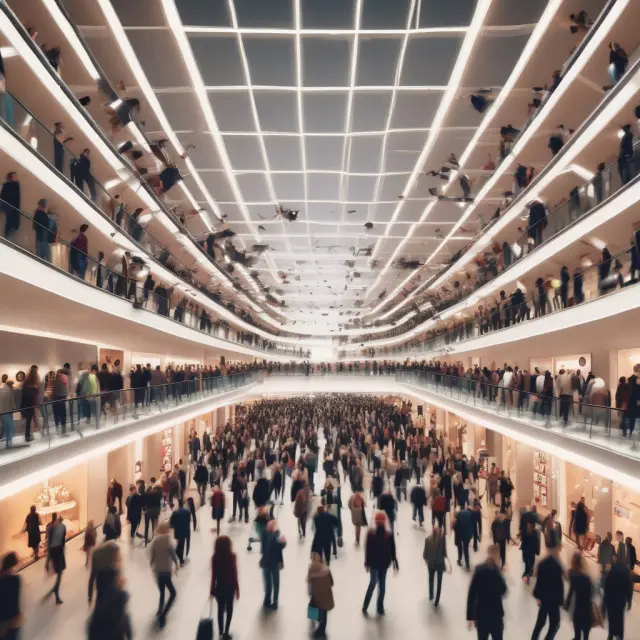
Fast Fashion Shopping Experience: Instant Gratification for Consumers
The transformation of shopping from an event to entertainment is a key factor contributing to the rise of fast fashion. In the past, consumers saved up and waited for new clothing collections to be released seasonally. However, with the advent of affordable trendy clothing options, shopping became a form of instant gratification. Consumers could now buy the latest styles as soon as they hit stores, without having to wait for seasons to change.
Fast Fashion’s Impact on Shopping as Entertainment
The emergence of fast fashion retailers, such as Zara and H&M, has transformed shopping from a necessity into an experience. These stores offer large selections of clothing that cater to the latest trends. They allow consumers to browse and purchase new items multiple times a week, creating a sense of excitement and entertainment. In fact, fast fashion retailers often introduce new collections several times a week to keep up with the ever-changing trends.
Fast Fashion’s Speedy Supply Chain
The ability for fast fashion retailers to quickly bring new styles to market is due in large part to innovations in supply chain management (SCM). Fast fashion relies on short production timelines and localized manufacturing facilities, enabling companies to respond swiftly to consumer demands. The goal is to provide consumers with high-fashion trends at affordable prices.
Impact of Fast Fashion: Challenges and Opportunities
The rise of fast fashion presents both challenges and opportunities for businesses and consumers. For consumers, the affordability and accessibility of trendy clothing have democratized fashion, making it more accessible to a wider audience. However, this convenience comes with potential drawbacks. Fast fashion is often associated with environmental concerns, such as pollution from textile manufacturing and waste generated by disposable clothing. There are also ethical considerations, including low wages and poor working conditions in factories that produce fast fashion items.
Conclusion: Understanding the Dynamics of Instant Gratification in Fast Fashion
Fast fashion is a significant shift in the way consumers shop for clothing. Its focus on affordability, instant gratification, and constant newness has revolutionized the shopping experience. By understanding the dynamics of fast fashion’s impact on shopping as entertainment and its innovative supply chain management techniques, we can gain a deeper appreciation for this trend that is transforming the fashion industry.
FAQs: Fast Fashion Shopping Experience Answers
What is fast fashion and why has it become so popular?
Fast fashion refers to clothing designs that quickly move from design to retail stores to capitalize on current trends. It offers affordable, trendy items and allows consumers to purchase the latest looks as soon as they hit the market. This instant gratification aspect of shopping has made fast fashion appealing to consumers and contributed to its popularity.
How does fast fashion impact consumer behavior?
Fast fashion encourages consumers to shop more frequently due to the constant influx of new styles. The affordability and accessibility of trendy clothing make it easier for consumers to purchase multiple items, often leading to larger overall spending.
What are the benefits of fast fashion for retailers?
Retailers benefit from fast fashion through increased foot traffic and sales. The quick turnaround between design, production, and delivery enables companies to keep their stores stocked with new items, encouraging consumers to return frequently and make additional purchases.
How does fast fashion impact the environment?
Fast fashion is associated with environmental concerns due to pollution from textile manufacturing and waste generated by disposable clothing. The focus on constant production and consumption can contribute to a negative impact on the environment, making it an issue for consumers and businesses alike.
What are some potential ethical considerations of fast fashion?
Ethical concerns related to fast fashion include low wages and poor working conditions in factories that produce fast fashion items. There is also debate around labor rights, sustainability, and transparency in the fast fashion supply chain. Consumers can make more informed decisions by researching the companies they buy from and looking for those with ethical production practices.

Innovations in Supply Chain Management Powering Fast Fashion
Fast fashion is known for its affordability and quick turnaround times, but how is it possible to produce trendy clothing at such a rapid pace? The answer lies in innovations within the supply chain management (SCM) sector. Retailers like Zara and H&M have revolutionized the industry by implementing agile manufacturing processes, local production facilities, and real-time demand forecasting technologies.
Agile Manufacturing: Fast fashion brands have transformed traditional manufacturing methods to produce clothing in smaller batches, with shorter lead times. This allows them to respond quickly to evolving consumer trends and reduce inventory holding costs. The use of just-in-time (JIT) production also enables manufacturers to produce items as close as possible to the point of consumption.
Localized Manufacturing Facilities: Fast fashion companies have set up manufacturing facilities in regions where labor is abundant and relatively cheap. By having factories closer to their headquarters, they can closely monitor production processes and reduce transportation costs, making it easier to bring new collections from design to store shelves in record time.
Real-time Demand Forecasting: To stay ahead of the competition, fast fashion retailers employ advanced demand forecasting technologies that analyze sales data and market trends to predict future consumer preferences. This information is then fed back into the supply chain to optimize production schedules and reduce waste. Zara’s “agile” approach includes designing, producing, and delivering new collections to stores in as little as two weeks, making it the epitome of fast fashion.
Fast Fashion Leaders: Zara and H&M
Two giants in the fast fashion industry, Zara (owned by Inditex) and H&M, have mastered the art of using innovations in supply chain management to produce and deliver affordable trendy clothing at lightning speeds. Their strategies include:
Zara: With a large percentage of its factories located near its headquarters in Spain, Zara is able to maintain close relationships with suppliers, allowing for quick responses to consumer demand. Its “agile” production methods enable it to create new collections and introduce them to stores within four weeks. Additionally, the company stocks around 11,000-plus pieces annually compared to the industry average of 2,000-4,000 pieces.
H&M: As one of the oldest fast fashion companies, H&M functions as a retailer rather than a manufacturer but relies on a large network of independent suppliers to produce its clothing. By using state-of-the-art IT systems and having production offices around Europe, Asia, and Africa, H&M can effectively communicate with factories and oversee the quality of its products while still delivering affordable trendy clothes to customers at an impressive speed.
Fast Fashion’s Advantages and Disadvantages: Affordability, Instant Gratification, and Environmental Concerns
The rise of fast fashion has brought several advantages for consumers and retailers, including affordable prices and instant gratification. However, it also comes with disadvantages related to environmental concerns, labor practices, and consumer behavior.
Advantages: Fast fashion allows consumers to access a wide range of trendy clothing at low prices, making fashion more accessible to people of all income levels. It caters to the desire for instant gratification by delivering new collections frequently, encouraging repeat purchases and fostering the perception that buying clothing is an everyday occurrence rather than a rare treat.
Disadvantages: Fast fashion’s production processes can have negative environmental impacts, such as high water usage, excessive waste, and the use of synthetic materials that contribute to microplastics in the environment. Additionally, labor practices in some factories have been criticized for low wages, unsafe working conditions, and long hours. The constant demand for new collections may also encourage overconsumption and a “disposable” mentality towards clothing.
Fast Fashion’s Future: Trends, Sustainability, and the Circular Economy
As consumers become more conscious of environmental concerns and labor practices in fast fashion, retailers are starting to address these issues by integrating sustainability initiatives into their business models, exploring circular economy concepts, and collaborating with designers on more responsible production methods. Some key trends shaping the future of fast fashion include:
1. Sustainable materials: The increasing popularity of eco-friendly fabrics like organic cotton, recycled polyester, and Tencel is making its way into fast fashion collections. Brands like Patagonia, Levi’s, and H&M have committed to using sustainable materials in their clothing lines.
2. Ethical labor practices: The movement towards ethical working conditions and fair wages for garment workers continues to gain momentum, with organizations like Fairtrade and the International Labor Organization promoting responsible production standards.
3. Circular economy: Fast fashion’s move towards a circular business model is reducing waste by extending the life of clothing through rentals, repairs, reuse, and recycling programs. Companies like Patagonia, H&M, and Levi’s are incorporating circularity into their strategies by offering repair services, recycling initiatives, and rental programs for clothes.
In conclusion, fast fashion has transformed the way we shop for clothing, offering affordable prices, instant gratification, and an endless supply of trendy items. However, this industry faces challenges related to environmental concerns, labor practices, and consumer behavior. Retailers are addressing these issues by implementing sustainable materials, ethical labor practices, and circular economy concepts, ensuring that fast fashion remains a viable and attractive option for consumers while minimizing its negative impact on the planet and people.
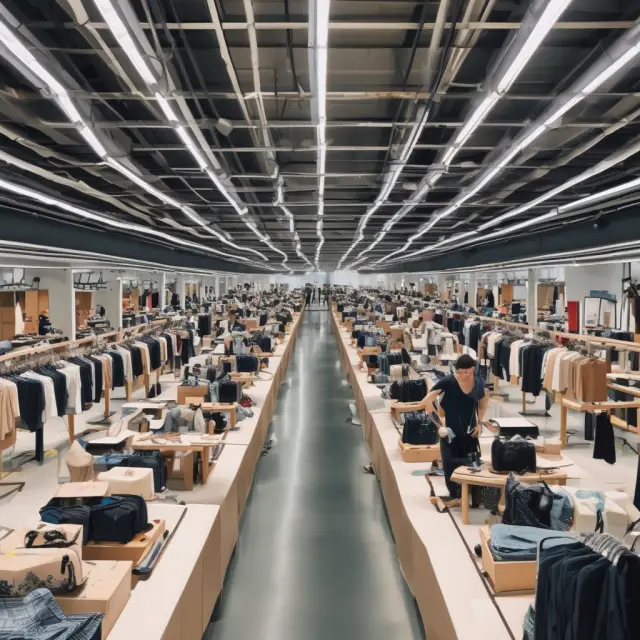
Fast Fashion Leaders: Zara and H&M
Zara and H&M, two giants in the fast fashion industry, have revolutionized retail through their quick turnaround times and extensive selection of trendy clothing. Fast fashion is the practice of producing low-priced designs that move swiftly from runways to stores, taking advantage of current trends. Zara and H&M’s success can be attributed to innovations in supply chain management (SCM), an increased consumer appetite for affordable, up-to-the-minute styles, and a shift from traditional seasonal fashion releases.
Zara, the flagship brand of Inditex, is renowned for its rapid response to ever-shifting consumer demands. The company’s designers can produce a new garment as quickly as four weeks, making it an exemplar of fast fashion’s speed and efficiency. Zara achieves this impressive turnaround through its strategic ownership of a relatively short supply chain: over half its factories are located near its Spanish headquarters in A Coruña, such as Portugal, Turkey, and Morocco. By managing a sizable portion of its production locally, Zara ensures quick transportation times, enabling it to stock stores with a vast array of choices for consumers. In 2021, Zara reported annual net sales of €19.6 billion ($22.3 billion) across its 1,947 stores and thriving online presence.
H&M Group, established in Sweden in 1947, is another trailblazer in the fast fashion industry. It operates under various brands, including H&M, COS, and Monki, catering to diverse consumer preferences. Unlike Zara, which owns a significant portion of its production facilities, H&M functions as a retailer that relies on approximately 600 independent suppliers for its garments. This arrangement allows it to maintain an extensive network of factories across Europe, Asia, and Africa. H&M’s success can be attributed not only to its fast turnaround but also to strategic designer collaborations with elite labels like Alexander Wang and Giambattista Valli. In 2021, H&M reported annual net sales of SEK 199 billion ($21.4 billion), solidifying its position as a significant player in the global fashion market.
Fast fashion’s impact on the industry extends beyond affordability and consumer choice; it also challenges traditional seasonal collections. Traditional clothing industries typically operate under a seasonal model, with distinct seasons for fashion weeks showcasing designs for upcoming periods: spring/summer and fall/winter. In contrast, fast fashion labels produce 52 “micro-seasons” per year, offering new collections weekly that consumers are encouraged to purchase immediately instead of months later.
The rise of fast fashion has sparked debate over its environmental and social implications. Critics argue that the industry’s reliance on cheap materials and rapid turnaround contributes to pollution, waste, and poor working conditions. However, many brands have responded by implementing sustainable practices and ethical labor standards to address these concerns while continuing to provide affordable, stylish clothing options for consumers.

Fast Fashion’s Advantages and Disadvantages
Fast fashion, characterized by affordable prices and quick turnaround times, has transformed the retail landscape. Consumers can purchase the latest styles almost instantly without waiting for seasons to change. This section discusses both the benefits and drawbacks of fast fashion for consumers and the industry.
Advantages for Consumers
- Affordability: Fast fashion’s low prices allow a wide range of consumers, especially younger generations, to access trendy clothing at an affordable cost.
- Instant Gratification: The ability to buy the latest trends as soon as they hit the market provides consumers with satisfaction and excitement.
- Variety: With constant new collections, there’s always something fresh and exciting to choose from in fast fashion stores.
- Democratization of Fashion: Fast fashion has made stylish clothing accessible to a larger population, regardless of financial means or social status.
Advantages for Companies
- Increased Sales: The constant introduction of new items encourages frequent store visits and purchases.
- Higher Profit Margins: Due to lower production costs and efficient supply chains, fast fashion companies can sell their products at a lower price point but maintain higher profit margins.
- Competitive Edge: Fast fashion retailers have the upper hand when it comes to staying current with trends and responding quickly to changing consumer preferences.
Disadvantages for Consumers
- Poor Quality: Fast fashion’s cheap materials and construction often result in poor workmanship, limiting the longevity of the clothing pieces.
- Environmental Concerns: Rapid production cycles contribute significantly to environmental issues such as water pollution from dyes and textiles, energy consumption during manufacturing processes, and excessive waste generated by consumers discarding clothing frequently.
- Ethical Concerns: Fast fashion’s low wages and long hours for laborers in developing countries have raised ethical concerns regarding fair wages, working conditions, and worker safety.
Disadvantages for Industry
- Intense Competition: The fast-paced nature of the industry pressures companies to continuously innovate and offer new designs to stay competitive.
- Short Shelf Life: Due to the frequent introduction of new items, there is a shorter shelf life for products, necessitating constant replenishment and increased inventory costs.
- Obsolescence: Fast fashion’s focus on disposability perpetuates a culture of overconsumption, leading to an increased reliance on cheap clothing that can negatively impact the textile industry as a whole.
In conclusion, fast fashion offers both advantages and disadvantages for consumers and companies in the retail sector. While it provides affordability and instant gratification, there are also concerns regarding product quality, environmental sustainability, and ethical labor practices. As awareness grows about these issues, fast fashion’s impact on the industry, consumers, and the environment will continue to be scrutinized and debated.

Fast Fashion’s Global Impact: Opportunities and Challenges
Fast fashion has significantly impacted the global clothing industry by altering consumer behavior and creating new business opportunities. With its quick turnaround times, fast fashion has made stylish clothing accessible to a wider audience, leading to increased demand in various regions worldwide. In this section, we’ll explore the geographical expansion of fast fashion, its cultural significance, and the implications for local industries.
Geographical Expansion: Fast fashion brands have expanded their reach beyond traditional markets by entering new territories, establishing a global presence, and catering to diverse customer bases. For instance, Zara’s international stores represent more than 90% of its revenue, while H&M has over 4,000 stores across 74 countries. These companies’ success in expanding their reach demonstrates the growing demand for affordable trendy clothing and highlights the increasing importance of global markets in the fashion industry.
Cultural Significance: The rise of fast fashion has resulted in a shift in consumer behavior towards more frequent purchases and an emphasis on following trends. This has led to a greater focus on fashion as a form of self-expression and a cultural phenomenon, particularly among younger generations. Fast fashion brands have capitalized on this trend by offering diverse collections that cater to different tastes and styles, further solidifying their place in the global market.
Implications for Local Industries: The emergence of fast fashion has brought both opportunities and challenges to local clothing industries in various parts of the world. On one hand, it offers new opportunities through increased demand for affordable and trendy clothing, especially in developing countries with a large labor force and lower production costs. For example, Bangladesh has become the second-largest exporter of clothing globally due to its low wages and skilled labor force.
However, the dominance of fast fashion brands can also pose threats to local industries. These companies often rely on cheaper labor and raw materials, putting pressure on local manufacturers to compete or adapt to these business models. In turn, this could lead to a loss of jobs in traditional clothing industries and potential negative impacts on working conditions and wages if local businesses are unable to keep up with the competition from fast fashion brands.
In conclusion, fast fashion’s global impact is multifaceted, presenting both opportunities and challenges to consumers and industries alike. Its ability to cater to diverse markets and offer affordable trendy clothing has led to its rapid growth, but it also raises questions about sustainability, labor conditions, and the long-term implications for local industries. In the next section, we’ll explore initiatives aimed at creating a more sustainable fast fashion industry, addressing environmental and social concerns that have arisen due to this phenomenon.
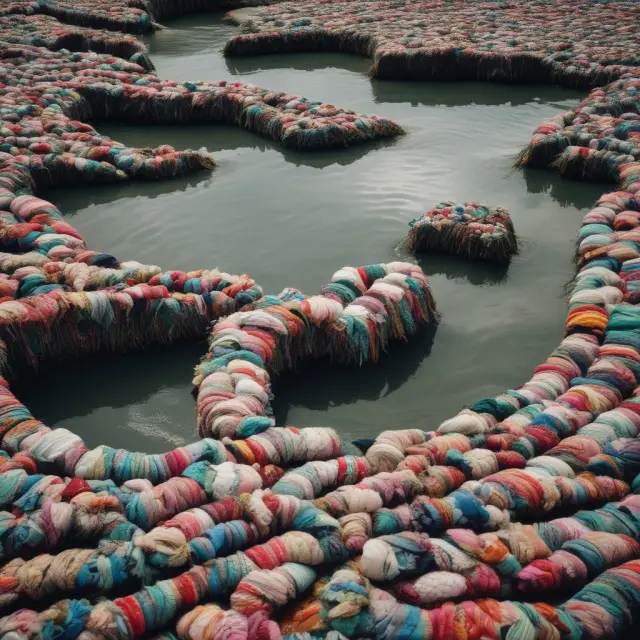
Sustainability in Fast Fashion: Addressing Environmental and Social Concerns
The rise of fast fashion has brought significant changes to the way consumers shop for clothing. However, these advancements have not come without criticism regarding environmental and social concerns. In response, several initiatives have emerged to create a more sustainable and ethical fast fashion industry.
Recycled Materials
One approach to reducing waste in fast fashion is by using recycled materials. Some brands are now incorporating recycled fibers, such as polyester and nylon, into their clothing production. This not only helps reduce the overall environmental impact of manufacturing but also creates a closed-loop system for textile waste. Additionally, some companies have started to explore the use of plant-based fibers like organic cotton and linen, which require less water and have lower carbon emissions compared to synthetic materials.
Ethical Labor Practices
Another major concern associated with fast fashion is poor labor conditions. Many people are working long hours for low wages in factories that produce clothing for global brands. To address these issues, initiatives like the Fair Trade Certified and the World Fair Trade Organization have been established to provide fair wages, safe working conditions, and better lives for workers involved in manufacturing processes. By purchasing clothing from certified brands, consumers can support ethical labor practices while also enjoying trendy and affordable fashion items.
Circular Business Models
Another way to reduce waste in the fast fashion industry is by adopting circular business models. Instead of a traditional take-make-dispose approach, circular business models aim to keep clothes in use for as long as possible. This can be achieved through rental services, repair, resale, and recycling programs. Companies like Rent the Runway and Patagonia are leading the way in this area, offering rental services that allow consumers to wear trendy items multiple times without having to purchase them outright. Additionally, some brands have started to embrace the repair and resale marketplaces by creating partnerships with platforms like Depop and ThredUP to make it easier for customers to buy and sell pre-owned clothing.
Implications for Consumers
As consumers become more conscious of their impact on the environment and social issues, they are increasingly looking for ways to make a difference through their shopping choices. Brands that prioritize sustainability and ethical labor practices will likely attract a loyal following. Moreover, as more affordable clothing options become available in the sustainable market, it’s becoming easier for consumers to make the switch without sacrificing affordability. In fact, recent studies suggest that most shoppers are willing to pay a premium for eco-friendly, ethically produced clothes if they can afford it.
In conclusion, the fast fashion industry has faced growing criticism regarding its environmental and social impact. However, through initiatives like using recycled materials, implementing ethical labor practices, and adopting circular business models, brands are making strides towards a more sustainable and ethical future for both consumers and the planet. As more consumers become aware of these efforts, companies that prioritize sustainability will likely benefit from increased demand and brand loyalty.

Fast Fashion’s Future: Trends and Predictions
The future of fast fashion is shaped by several key trends and predictions. These include technology integration, personalization, and the potential for a more circular economy.
1. Technology Integration in Fast Fashion
Technology plays an increasingly significant role in fast fashion, transforming various aspects of the industry. For instance, retailers are adopting technologies like RFID (Radio-Frequency Identification) tags, enabling real-time inventory tracking, and AI-driven demand forecasting tools to optimize their operations. Moreover, e-commerce platforms have become essential for fast fashion brands, providing consumers with a convenient shopping experience and allowing companies to reach a broader audience.
Innovative technologies like virtual fitting rooms and augmented reality try-on features help customers make informed purchasing decisions by visualizing how clothes will look on them before buying. Brands can also analyze customer data and preferences to offer personalized recommendations, enhancing the overall shopping experience. As technology continues to evolve, its integration into fast fashion is expected to become even more advanced and seamless.
2. Personalization in Fast Fashion
Personalization is another trend shaping the future of fast fashion. Brands are focusing on producing clothing that caters to individual tastes and preferences. This involves using customer data to create customized collections, as well as offering made-to-measure and bespoke options. In turn, this personalized approach not only enhances consumer satisfaction but also sets brands apart from competitors.
3. Circular Economy in Fast Fashion
The environmental concerns surrounding fast fashion have led to the rise of the circular economy. This model emphasizes reducing waste and minimizing the carbon footprint by reusing, repairing, and recycling clothing items instead of constantly producing new ones. Fast fashion brands are embracing this trend by implementing initiatives like take-back programs for used garments, renting services, and creating sustainable collections using eco-friendly materials. As more consumers become environmentally conscious, the shift towards a circular economy in fast fashion is likely to continue.
In conclusion, the future of fast fashion lies in technology integration, personalization, and the implementation of more sustainable practices, leading to an evolving industry that caters to customers’ needs while minimizing its environmental impact.

Fast Fashion vs. Traditional Clothing Industry: Comparison and Implications
The landscape of clothing retail has seen a significant transformation with the emergence and rise of fast fashion. As opposed to traditional clothing lines that follow a seasonal cycle, fast fashion brands aim to quickly produce trendy garments for consumers at affordable prices. Let’s delve deeper into the differences between these two business models, their target audiences, and the implications they have on consumer behavior.
Business Models
Fast fashion retailers like Zara and H&M adopt a unique approach by owning or closely collaborating with manufacturing facilities to produce garments at an accelerated pace. Their goal is to rapidly respond to shifting market trends and demands. Fast fashion brands’ emphasis on quick production cycles enables them to introduce new collections multiple times per week, keeping consumers engaged and returning for more.
In contrast, traditional clothing lines follow a seasonal cycle with pre-planned collections and longer lead times between design and sales. They focus on offering quality over quantity, creating timeless pieces that are often priced higher due to their superior craftsmanship and materials.
Target Audiences
Fast fashion caters primarily to younger demographics who value affordability and staying on-trend. These consumers prioritize instant gratification and often prefer frequent wardrobe updates, making fast fashion an attractive option for them. Fast fashion also targets shoppers who might not have the budget or need for high-end designer clothing but still desire a stylish appearance.
Traditional clothing lines, on the other hand, aim to attract customers who appreciate the value of quality and lasting designs. Their focus is on producing durable garments that can be worn season after season, making them a more significant investment compared to fast fashion items.
Implications:
One key implication of fast fashion is the accelerated production cycle, which can lead to environmental concerns such as increased pollution from textile manufacturing and resource depletion. Additionally, labor rights issues and low wages have been raised due to the reliance on overseas factories for manufacturing.
Fast fashion’s impact on consumer behavior includes a “disposable” mindset, where clothing is seen as a trendy accessory rather than a long-term investment. This can result in overconsumption, contributing to an immense amount of waste generated by the industry each year.
In contrast, traditional clothing lines’ focus on quality and durability encourages consumers to prioritize long-lasting garments that will remain in their wardrobe for several years. This approach leads to a more sustainable consumption pattern and helps minimize textile waste.
In conclusion, understanding the differences between fast fashion and traditional clothing lines is crucial for both retailers and consumers. As shoppers become increasingly conscious of their purchases’ environmental impact, the demand for sustainable, high-quality clothing continues to grow. Brands that can effectively balance affordability with sustainability and quality will likely succeed in attracting a broader audience and remaining competitive in today’s fashion market.
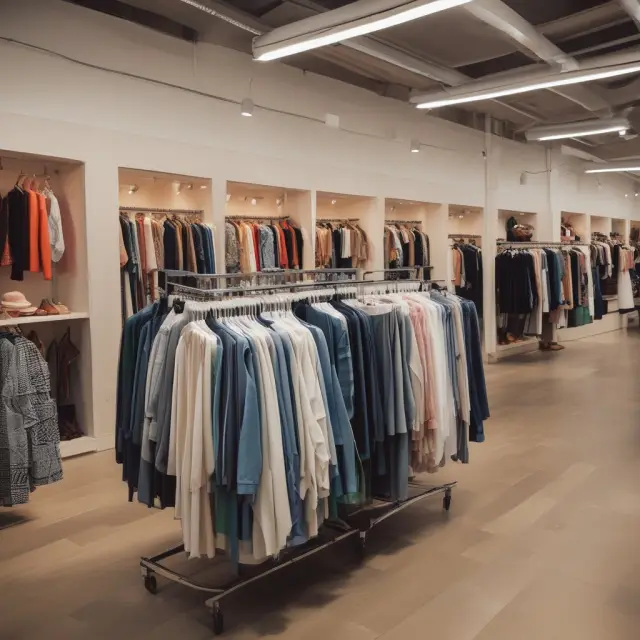
FAQs: Answers to Common Questions About Fast Fashion
What is fast fashion?
Fast fashion refers to affordable, trendy clothing that moves quickly from catwalks and celebrity wear to retail stores in response to shifting consumer trends. This industry model allows consumers to access the latest styles at a lower cost and offers companies higher profits through quick production and sales cycles.
When did fast fashion originate?
The roots of fast fashion can be traced back to the late 1990s when shopping became an entertainment experience, and consumers expressed increased demand for up-to-date fashions. Fast fashion’s rise was fueled by innovations in supply chain management that made it possible to produce clothing quickly and efficiently.
Who are some key players in the fast fashion industry?
Major players include Zara, H&M, UNIQLO, GAP, and Forever 21. Many retailers, such as Macy’s, J. C. Penney, and Kohl’s, have adopted aspects of the fast fashion model for their in-house brands.
What are some benefits of fast fashion for consumers?
Affordable prices and instant gratification are primary advantages for consumers. Fast fashion allows individuals to wear the latest styles, democratizing fashion and making it accessible to people across income levels.
What challenges does fast fashion pose?
Fast fashion is criticized for contributing to pollution, waste, the promotion of a “disposable” mentality, low wages, and poor working conditions in manufacturing facilities. It can also result in cheaply made clothing that may not last long.
How does innovation in supply chain management enable fast fashion?
Innovations in supply chain management have revolutionized the industry by reducing production times, optimizing logistics, and allowing retailers to quickly respond to consumer demands. This allows for more frequent product releases and a larger selection of items.
What is the size of the fast fashion market?
The fast fashion market was valued at $30.58 billion in 2021 and is projected to reach $39.84 billion by 2025. The industry continues to grow as consumer preferences shift towards trendy, affordable clothing options.
 Next entry · No. 1,460Fast-Moving Consumer Goods (FMCG): Understanding the Largest Nondurable Segment in the Consumer Goods Market
See also
-
 No. 3,136
03 Mar 2025
22 min
Understanding Mass Customization: Delivering Personalized Products at Mass Production Prices
Business Strategy
No. 3,136
03 Mar 2025
22 min
Understanding Mass Customization: Delivering Personalized Products at Mass Production Prices
Business Strategy -
 No. 3,021
22 Feb 2025
19 min
Loyalty Programs: Retaining Customers through Rewards and Discounts
Business Strategy
No. 3,021
22 Feb 2025
19 min
Loyalty Programs: Retaining Customers through Rewards and Discounts
Business Strategy -
 No. 5,803
08 Oct 2025
19 min
Understanding the World Gold Council: Its Role in Gold Mining, Investment, and Consumption
Business Finance
No. 5,803
08 Oct 2025
19 min
Understanding the World Gold Council: Its Role in Gold Mining, Investment, and Consumption
Business Finance -
 No. 5,594
22 Sep 2025
21 min
Understanding the Walmart Effect: Impact on Businesses, Suppliers, and Consumers
Business Strategy
No. 5,594
22 Sep 2025
21 min
Understanding the Walmart Effect: Impact on Businesses, Suppliers, and Consumers
Business Strategy -
 No. 3,990
13 May 2025
24 min
Planned Obsolescence: Understanding the Strategy Behind Forcing Product Replacements in Finance and Technology
Business Strategy
No. 3,990
13 May 2025
24 min
Planned Obsolescence: Understanding the Strategy Behind Forcing Product Replacements in Finance and Technology
Business Strategy -
 No. 3,755
24 Apr 2025
22 min
Optimizing Trading Systems for Effectiveness and Efficiency: A Comprehensive Guide for Institutional Investors
Business Strategy
No. 3,755
24 Apr 2025
22 min
Optimizing Trading Systems for Effectiveness and Efficiency: A Comprehensive Guide for Institutional Investors
Business Strategy