Understanding Consumer Goods: Classification, Marketing, and Trends
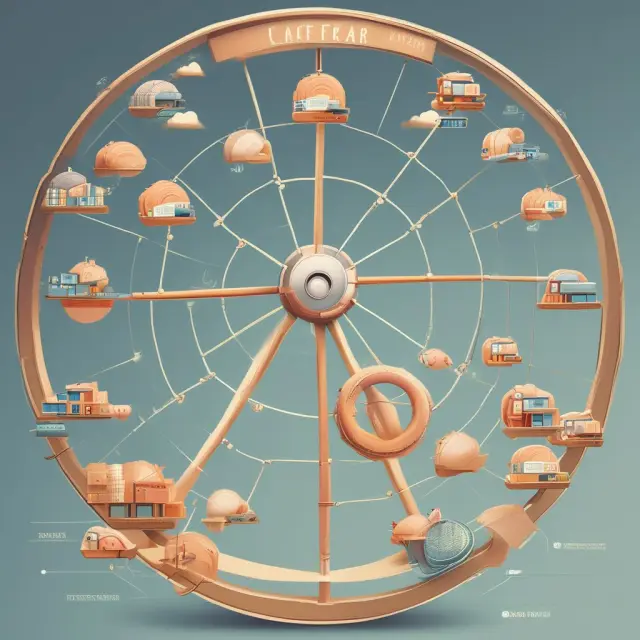
Explore the world of consumer goods through an insightful article covering classification, marketing trends, regulations, and top brands. Learn essential…
Introduction to Consumer Goods
Consumer goods, also referred to as final products or finished goods, are items produced for individual consumption or use by the end-user. These goods include a wide range of products, from food and clothing to electronics and furniture. The importance of consumer goods lies in their role as essential components of our daily lives, making them an integral part of various industries and economic sectors.
Understanding Consumer Goods
Consumer goods are typically categorized based on their production life span: durable and nondurable goods, with service goods constituting a separate category. Durable consumer goods are those that last for over three years and can be used repeatedly, such as bicycles or refrigerators. Nondurable consumer goods, which have a lifespan of less than three years, include items like food products, laundry detergent, or beverages. Service goods represent intangible consumer goods, including services like auto repairs or haircuts.
Marketing Consumer Goods: Understanding Consumer Behavior and Segmentation
Consumer behavior plays a crucial role in marketing strategies for consumer goods. Companies must tailor their offerings to address the needs and preferences of various consumer segments effectively. Marketing strategies differ based on the type of consumer good being sold: convenience, shopping, or specialty items.
Convenience goods are regularly consumed items readily available for purchase and include nondurable, low-priced items like milk, bread, and tobacco products. These are often purchased impulsively with little consideration, making them popular targets for sales promotions and discounts. Shopping goods, on the other hand, are larger, durable purchases that are less frequently acquired, such as furniture or appliances. Specialty consumer goods cater to specific niches or markets, like sports cars or luxury watches. Unsought consumer goods, which include items like insurance or funeral services, require marketing efforts to increase demand.
The Role of Fast-Moving Consumer Goods (FMCG)
Fast-moving consumer goods (FMCG) are non-durable consumer products that move rapidly through the supply chain from manufacturers to retailers and ultimately to consumers. Companies and retailers value FMCG as they generate high shelf-space turnover opportunities due to their frequent demand, making them crucial players in consumer markets.
Consumer Goods Sector and Investing: A Lucrative Investment Opportunity
Investors can gain exposure to the consumer goods sector by purchasing shares of funds that consist primarily of consumer goods companies, such as the iShares U.S. Consumer Staples ETF (IYK), which includes holdings like Procter & Gamble, Coca-Cola, PepsiCo, Philip Morris International, and CVS Health Corporation. These stocks represent a safe bet for investors due to their stable revenue streams and consistent growth potential.
Stay tuned for the next section: Product Recalls and Regulations!

Types of Consumer Goods
Consumer goods can be categorized based on their durability, usage, and availability. The primary types of consumer goods include durable goods, nondurable goods, and service goods. Understanding these distinctions is crucial for businesses, retailers, and investors alike as they guide marketing strategies and production processes.
Durable Goods
The term “durable goods” signifies products that last over three years and are intended for repeated usage. Some examples of durable consumer goods include bicycles, washing machines, refrigerators, and automobiles. They often have a longer production process due to the complexity of their components and manufacturing requirements. For instance, producing an automobile involves various stages from assembly line work to quality control checks. As these items are significant investments for consumers, companies marketing durable goods typically focus on aspects like durability, reliability, and customer service.
Nondurable Goods
In contrast, nondurable goods have a life span of less than three years and are often consumed one time or used up quickly. Examples of nondurable consumer goods include food products like milk, beverages such as bottled water, toiletries, and household cleaners. Since these goods have a relatively short shelf-life, marketing efforts revolve around convenience, accessibility, and frequent replenishment to meet consumers’ everyday needs.
Service Goods
Service goods encompass intangible consumer goods that cannot be physically touched or owned, such as insurance, healthcare services, and haircuts. Services are often labor-intensive and require highly skilled professionals to deliver. Marketing for service goods typically focuses on the quality of the experience, reliability, and building long-term customer relationships.
A proper understanding of these consumer good types helps businesses effectively target their marketing strategies, allocate resources, manage inventory levels, and create a more streamlined supply chain. Additionally, investors may consider the various sectors in the consumer goods market as an investment opportunity when evaluating the growth potential and performance of specific companies.

Product Recalls and Regulations
Understanding Consumer Product Safety, Recalls, and the Role of USCPSC
The safety and well-being of consumers are a top priority for businesses, governments, and society at large. One essential way to ensure this goal is met lies within the realm of consumer product safety. In the United States, the Consumer Product Safety Commission (USCPSC) plays an integral role in regulating consumer products and protecting consumers from potentially dangerous items.
Consumer product recalls occur when a manufacturer or regulatory body identifies defects that pose a risk to the user’s health, safety, or property. Such events can lead to substantial consequences for both manufacturers and consumers, ranging from minor injuries to significant financial losses. Understanding consumer product safety, recalls, and the USCPSC’s role is crucial in mitigating risks and minimizing adverse impacts on all parties involved.
Consumer Product Safety: Protecting Consumers
The primary purpose of consumer product safety regulations is to safeguard consumers from harm. The USCPSC oversees various consumer product categories, including toys, electronics, home appliances, and more. They enforce mandatory safety standards through ongoing testing, inspections, and investigations to ensure that manufacturers adhere to specific safety guidelines.
The Consumer Product Safety Act of 1972 established the USCPSC as an independent regulatory agency. The organization is responsible for implementing and enforcing regulations related to consumer products under its jurisdiction. By setting standards for product design, manufacturing, labeling, and other essential aspects, the USCPSC aims to prevent potential hazards and protect consumers from harm.
Product Recalls: Identifying and Addressing Defects
In the event of a defect or safety concern, manufacturers have an obligation to address the issue promptly. This process may involve issuing a recall or corrective action to remedy the problem. Product recalls can occur for various reasons, such as contaminated food products, hazardous toys, or faulty electronics.
Manufacturers and retailers work with regulatory bodies like the USCPSC to identify the scope of affected products and initiate appropriate corrective actions. These remedies may include repairing, replacing, or refunding the defective product. Consumers are notified through various channels such as public announcements, direct mail, social media, or in-store displays.
The importance of a well-executed recall cannot be overstated. It helps protect consumers from potential harm, safeguards a company’s reputation, and minimizes financial and legal repercussions.
In summary, consumer product safety, recalls, and the role of the USCPSC are essential aspects of maintaining trust in the marketplace and ensuring the well-being of consumers. By working together, manufacturers, retailers, and regulatory agencies can mitigate risks, address defects, and promote a safer world for all.

Marketing Consumer Goods
Understanding the Consumer Behavior and Market Strategies Behind Consumer Goods
Consumer goods, often considered as final or end products, hold a significant role in our daily lives. They include various items ranging from clothing to food products and even household appliances. Marketing consumer goods, however, goes beyond selling a product; it’s about understanding how the consumer perceives and uses the product. In this section, we discuss consumer behavior, marketing strategies, and the classification of goods based on their marketing characteristics.
Consumer Behavior
Understanding consumer behavior is crucial to effectively marketing consumer goods. Consumers make purchasing decisions influenced by factors like personal needs, preferences, emotions, and social influences. These factors can help marketers tailor their strategies to reach and engage their target audience effectively.
Marketing Strategies
Marketing strategies for consumer goods depend on the type of good, consumer behavior, and market trends. For instance:
1. Convenience Goods: Consumer goods that are regularly purchased and often used quickly are referred to as convenience goods. Marketers focus on making these products readily available at convenient locations such as corner stores and supermarkets.
2. Shopping Goods: Consumers purchase shopping goods less frequently and for long-term use, like furniture or electronics. Marketers invest heavily in advertising and point of sale promotions to attract potential customers.
3. Specialty Goods: Rare and often considered luxury purchases, specialty goods are marketed based on their unique features and brand image. Niche markets play a significant role in the marketing strategies for these goods.
Classification of Consumer Goods
Consumer goods can be categorized into three main types:
1. Durable goods: These are consumer goods with a life span of over three years and are used repeatedly, such as bicycles or refrigerators.
2. Nondurable goods: Consumed in less than three years, nondurable goods include packaged food and drinks, laundry detergent, and other items that have a short shelf-life.
3. Service goods: Intangible consumer goods like auto repairs, haircuts, or education services are referred to as service goods.
Understanding the nuances of consumer behavior, market trends, and marketing strategies is essential for companies looking to effectively engage consumers in the ever-evolving landscape of consumer goods.
Fast-Moving Consumer Goods
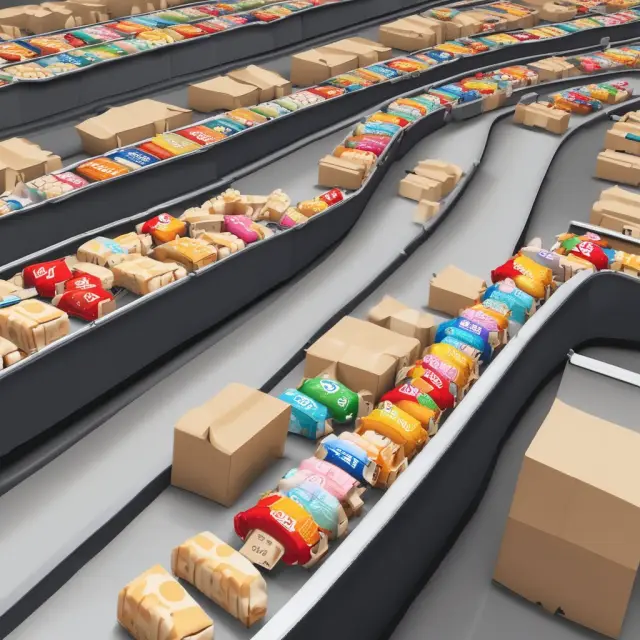
Consumer goods, also referred to as fast-moving consumer goods (FMCG), are products bought frequently and consumed rapidly by consumers. They typically include non-durable items like food, beverages, toiletries, and household cleaners. FMCGs play an essential role in the supply chain for retailers because of their high turnover rates, ensuring a continuous flow of stock.
In the dynamic world of consumer goods, understanding trends is crucial. One significant trend is the increasing demand for sustainability and ethical sourcing in FMCGs. Consumers are becoming more conscious of the environmental impact of their purchasing choices and demanding eco-friendly alternatives from manufacturers. For example, biodegradable plastics and reusable containers have gained popularity among consumers.
Another trend is the rise of private label brands. As consumers seek greater value for money, many retailers are developing their own branded consumer goods lines to capture a larger share of the market. Private labels can offer lower prices due to fewer marketing and distribution costs compared to established brands.
Moreover, the convenience factor plays a massive role in the FMCG sector’s success. Convenience stores, e-commerce platforms, and subscription services cater to busy consumers who prefer the ease of grabbing essential items without leaving their homes or offices. The ongoing pandemic has further accelerated this trend as more consumers adopt contactless shopping methods for safety reasons.
FMCG companies must be agile and adapt to market shifts by introducing new products and innovations to stay competitive. For example, Coca-Cola’s introduction of ‘mini cans’ and ‘share a coke’ campaign catered to changing consumer preferences for smaller portion sizes and personalized packaging.
Fast-moving consumer goods also face challenges such as price pressures from retailers and intense competition. Maintaining brand loyalty in this competitive landscape is critical, with companies investing significantly in marketing strategies like promotions, loyalty programs, and targeted advertising to retain customers. In addition, FMCGs must comply with regulations such as food labeling and safety requirements to ensure consumer trust and comply with global standards.
In conclusion, understanding the fast-moving consumer goods sector is vital for investors, retailers, and consumers alike. As the world continues to evolve, staying informed about trends and emerging players will help companies stay ahead of the competition and deliver value to their customers.

Consumer Goods Sector and Investing
Investors seeking a stable, long-term investment opportunity may turn their attention to the consumer goods sector. As a diverse and expansive marketplace, consumer goods span numerous industries, ranging from food production and beverages to household essentials and personal care products. Understanding this sector, as well as its key players and trends, can provide valuable insight for those looking to enter or expand their investment portfolio.
Consumer goods are classified as a sector distinct from capital goods, which refers to equipment, infrastructure, or buildings used in the production process. Consumer goods, on the other hand, represent the final product that a business produces, meant for purchase and consumption by an individual or household. Durable consumer goods, like appliances, electronics, or automobiles, are intended for long-term use. Nondurable consumer goods, such as food and personal care items, have a short lifespan.
To invest in the consumer goods sector, there are several options available. One popular choice is investing in exchange-traded funds (ETFs) focused on this sector. The iShares U.S. Consumer Staples ETF (IYK), for instance, has been a top performer with over 58 stock holdings and nearly $1 billion in net assets under management (AUM). This ETF includes some of the most well-known consumer goods companies like Procter & Gamble, Coca-Cola, PepsiCo, Philip Morris, and CVS.
One significant advantage of investing in the consumer goods sector is its resilience during economic downturns. During periods of recession or market instability, consumers tend to focus on essential purchases, making industries like food, healthcare, and household staples more attractive investment opportunities. Furthermore, these sectors are often characterized by relatively stable revenue growth, making them an appealing choice for long-term investors.
Moreover, the rise of e-commerce has significantly impacted the consumer goods sector, driving new trends and sales opportunities. Consumer behavior has shifted toward online shopping platforms due to convenience, accessibility, and the pandemic’s influence. According to the U.S. Census Bureau, Americans spent $791.7 billion on e-commerce for consumer goods in 2020, a 32.4% increase from the previous year. As a result, traditional brick-and-mortar stores have had to adapt and expand their online presence to remain competitive and cater to this growing trend.
In summary, investing in the consumer goods sector can offer stability, long-term growth potential, and protection against market volatility. By understanding the different types of consumer goods, key players, trends, and investment vehicles like ETFs, investors can make informed decisions when building or expanding their portfolios.

Capital vs. Consumer Goods
Consumer goods and capital goods serve distinct purposes within an economy. Capital goods, also known as producers’ goods or investment goods, refer to tangible assets used by businesses in the production process to create finished consumer goods. These items are not intended for direct consumption but instead are utilized in manufacturing, construction, mining, or transportation industries. Examples of capital goods include machinery, computers, vehicles, and buildings.
On the other hand, consumer goods, also called final products or end-user goods, represent the result of the production process – they are intended for use by individuals or households to meet their daily needs and desires. Consumer goods can be further categorized into three primary groups: durable goods, nondurable goods, and services.
1. Durable Goods
Durable consumer goods have a long lifespan – generally more than three years – and are designed for frequent usage over extended periods. Examples of durable goods include home appliances (refrigerators, washing machines), vehicles, furniture, and electronics like smartphones and laptops. These types of consumer goods often undergo extensive marketing efforts due to their high value and relatively infrequent replacement rates.
2. Nondurable Goods
Nondurable consumer goods are items that are consumed or used up within three years. This category includes items like food, beverages, clothing, and personal care products, as well as cleaning agents and other disposable supplies. Due to their short lifespan and frequent replacement rates, nondurable goods require continuous demand and marketing efforts to maintain sales growth.
3. Services
Services, such as healthcare, education, banking, transportation, and entertainment, are intangible consumer goods that offer experiences rather than physical products. Services can be categorized into two groups: business-to-business (B2B) or business-to-consumer (B2C). While services do not have a tangible form, their delivery often involves the use of capital goods to facilitate provision – for example, a doctor’s office may own medical equipment like MRI machines.
The production process of consumer goods involves a complex interplay between raw materials, labor, and capital goods. Capital goods are essential components in creating durable consumer goods, particularly within the manufacturing sector. In contrast, nondurable goods and services industries often require fewer capital inputs due to their nature – for instance, foodservice establishments may rely on minimal machinery for preparation but extensive labor resources.
Understanding the differences between capital and consumer goods can help businesses optimize their operations and investments by recognizing how each category contributes to economic growth and consumer satisfaction.
Trusted Consumer Goods Companies in the U.S.
Consumer goods companies play a vital role in our daily lives, producing products we rely on and enjoy. Understanding which brands offer the highest level of trust can be an essential factor for both consumers and investors. According to the Edelman Trust Barometer survey conducted in 2022, Hasbro, Yeti, and Procter & Gamble were identified as the top three trusted companies within the consumer goods sector in the United States.
Hasbro, a global brand best known for its games and toys, boasts a long history of innovation and trustworthiness. With an extensive range of iconic brands under its belt, such as Monopoly, Nerf, and My Little Pony, Hasbro has consistently delivered high-quality products that bring joy to generations of families around the world.
Yeti, a renowned brand specializing in outdoor products, is another standout company in the consumer goods sector. Their coolers, backpacks, and water bottles have garnered a devoted following due to their durability and rugged design. Yeti’s commitment to creating top-notch products has resulted in an unwavering bond between customers and the brand.
Last but not least, Procter & Gamble is a household name that holds a prominent position within the consumer goods industry. With a diverse portfolio of well-known brands such as Pampers, Tide, and Pantene, Procter & Gamble caters to various customer needs through its wide array of products. Their unwavering dedication to quality and innovation has enabled them to maintain their status as a trusted brand for decades.
For investors seeking to capitalize on the consumer goods sector’s growth, the iShares U.S. Consumer Staples ETF (IYK) offers an attractive investment opportunity. With a focus on companies producing essential items, this ETF includes notable holdings like Procter & Gamble, Coca-Cola, PepsiCo, Philip Morris, and CVS Health, providing investors with exposure to trusted brands in the consumer goods sector.
As e-commerce continues to reshape the retail landscape, trusted consumer goods companies must adapt to changing consumer preferences and purchasing patterns. The Edelman Trust Barometer survey revealed that Americans spent $791.7 billion on e-commerce for consumer goods during 2020, up by 32.4% from the previous year. As a result, companies like Hasbro, Yeti, and Procter & Gamble are exploring new digital channels to reach consumers and maintain their position as trusted brands within this rapidly evolving market.
The Impact of E-Commerce on Consumer Goods
As technology continues to evolve, so do consumers’ shopping habits. One of the most significant changes has been the rise of e-commerce platforms and their influence on consumer purchasing behavior and sales trends for various industries – including the consumer goods sector. According to Statista, US retail e-commerce sales were projected to reach $835.6 billion in 2022, up from $791.7 billion in 2020 – a testament to the growing popularity of buying consumer goods online.
E-commerce’s impact on consumer goods is multifaceted. First and foremost, it has fundamentally changed how consumers discover, compare, and purchase various products. Shoppers can now access an extensive range of options from multiple sellers with just a few clicks, making the shopping process more convenient and efficient than ever before. In addition to this, e-commerce platforms have made it easier for consumers to read product reviews, compare prices, and seek out discounts or promotional offers – all crucial factors in their decision-making process when purchasing consumer goods.
Another way e-commerce has influenced the consumer goods sector is through its impact on sales trends and distribution channels. Fast-moving consumer goods (FMCG) – which are often nondurable and sold at a relatively low price point, making them attractive for high turnover opportunities in retail environments – have seen significant growth as a result of e-commerce. Brands like Amazon Basics, Walmart Marketplace, and Target have expanded their online offerings of FMCG to cater to the growing demand for convenience and speed in consumer purchases.
Furthermore, e-commerce has also leveled the playing field between large retailers and smaller businesses by enabling them to reach a broader customer base and sell directly to consumers. For example, many artisanal or niche consumer goods producers can now use platforms like Etsy to showcase their wares and connect with customers that may not have been accessible through traditional brick-and-mortar retail stores.
While e-commerce has brought about numerous benefits for both consumers and businesses in the consumer goods sector, it does come with its challenges as well. One such challenge is ensuring product authenticity and quality when dealing with third-party sellers on these platforms. Another issue is the potential impact of increased competition from online marketplaces on traditional brick-and-mortar stores – a concern that has already led to significant store closures in several retail industries, including clothing and electronics.
In conclusion, e-commerce’s influence on consumer goods is an ongoing trend that continues to shape the industry in various ways. Its impact on consumer purchasing behavior and sales trends has been profound, with many companies and brands adapting their strategies to cater to this shift towards online shopping. As technology continues to evolve, it will be interesting to see how consumer goods businesses will continue to adapt and innovate in order to remain competitive in the digital age.

FAQs about Consumer Goods
Consumer goods, or final products, are items bought directly by consumers for their use or enjoyment (Federal Trade Commission, 2021). These goods can be classified into three primary categories based on their durability and usage. Let’s explore some frequently asked questions and concerns about consumer goods.
What are the different types of consumer goods?
Consumer goods can be divided into:
- Durable goods: These last over three years, including items like bicycles or refrigerators (Investopedia, 2022).
- Nondurable goods: Consumed within a year and include packaged food, detergents, or disposable diapers (Investopedia, 2022).
- Service goods: Intangible consumer goods like auto repairs or haircuts (Investopedia, 2022).
What is the role of the U.S. Consumer Product Safety Commission (CPSC)?
The CPSC was established by the Consumer Product Safety Act of 1972 to protect consumers from hazardous products and ensure their safety through regulation, oversight, and recalls when necessary (CPSC, 2022).
How does consumer behavior influence marketing strategies for consumer goods?
Marketers adapt strategies based on the way consumers view and use a product. For instance:
– Convenience goods are regularly consumed and readily available, like milk or tobacco products.
– Shopping goods are less frequently bought, such as furniture or televisions.
– Specialty consumer goods cater to niche markets and are often considered luxury items, e.g., sports cars and fine art.
– Unsought consumer goods are necessary but require marketing to drive demand, like life insurance (American Marketing Association, 2013).
What is a product recall?
A product recall is when a manufacturer or regulatory agency requests consumers to return, exchange, or replace a faulty product due to identified defects that may harm users (Consumer Reports, 2022).
What are fast-moving consumer goods (FMCG)?
Fast-moving consumer goods (FMCG) include nondurable goods like food and drinks, moving quickly through the supply chain from production to distribution and sales (Investopedia, 2022).
Why is the consumer goods sector popular among investors?
The consumer goods sector offers various investment opportunities via ETFs and individual company stocks. For instance, the iShares U.S. Consumer Staples ETF (IYK) invests in companies like Procter & Gamble, Coca-Cola, PepsiCo, Philip Morris, and CVS (Investopedia, 2022).
What are the differences between capital goods and consumer goods?
Capital goods are used for production processes and have no future use as finished products, while consumer goods are intended for personal or household consumption. Capital goods include buildings, machinery, equipment, vehicles, and tools (Investopedia, 2022).
What is the difference between a convenience product and a shopping good?
Convenience goods are items consumed regularly that are readily available, often nondurable, and low-priced. Shopping goods are less frequently bought, more expensive, and considered durable (American Marketing Association, 2013).
Which consumer goods companies rank as the most trusted in the U.S.?
Hasbro, Yeti, and Proctor & Gamble ranked first, second, and third, respectively, based on a survey conducted by Edelman Research (Edelman, 2022).
How has e-commerce impacted consumer goods?
E-commerce platforms have significantly influenced consumer purchasing behavior in recent years. According to the U.S. Census Bureau, Americans spent $791.7 billion on e-commerce for consumer goods in 2020, representing a 32.4% increase compared to 2019 (U.S. Census Bureau, 2021).
The Bottom Line: Consumer goods are final products intended for personal or household consumption and include durable, nondurable, and service goods. Understanding consumer behavior drives effective marketing strategies, while the U.S. Consumer Product Safety Commission ensures product safety. Fast-moving consumer goods (FMCG) offer significant investment opportunities. Capital goods differ from consumer goods as they are used for production processes with no future use as finished products. Trusted consumer goods companies and e-commerce platforms have reshaped the industry, making it a dynamic space to watch for consumers and investors alike.
 Next entry · No. 748Understanding Consumer Credit in Financial Services: Installment vs Revolving
See also
-
 No. 4,066
19 May 2025
19 min
Price Skimming: Understanding This Product Pricing Strategy and Its Limits
Business Strategy
No. 4,066
19 May 2025
19 min
Price Skimming: Understanding This Product Pricing Strategy and Its Limits
Business Strategy -
 No. 1,460
19 Sep 2024
24 min
Fast-Moving Consumer Goods (FMCG): Understanding the Largest Nondurable Segment in the Consumer Goods Market
Business Strategy
No. 1,460
19 Sep 2024
24 min
Fast-Moving Consumer Goods (FMCG): Understanding the Largest Nondurable Segment in the Consumer Goods Market
Business Strategy -
 No. 1,254
19 Aug 2024
17 min
Understanding Electronic Retailing (E-tailing): Business Models, Advantages, Disadvantages, and Real World Examples
Business Strategy
No. 1,254
19 Aug 2024
17 min
Understanding Electronic Retailing (E-tailing): Business Models, Advantages, Disadvantages, and Real World Examples
Business Strategy -
 No. 1,075
24 Jul 2024
20 min
Understanding Distribution Channels: Direct and Indirect Paths to Consumers
Business Strategy
No. 1,075
24 Jul 2024
20 min
Understanding Distribution Channels: Direct and Indirect Paths to Consumers
Business Strategy -
 No. 861
21 Jun 2024
19 min
Cyclical Stocks: Understanding the Economic Cycles and Profiting from Them
Business Strategy
No. 861
21 Jun 2024
19 min
Cyclical Stocks: Understanding the Economic Cycles and Profiting from Them
Business Strategy -
 No. 506
27 Apr 2024
18 min
Brand Personality and Its Impact on Consumer Behavior: A Comprehensive Guide for Institutional Investors
Business Strategy
No. 506
27 Apr 2024
18 min
Brand Personality and Its Impact on Consumer Behavior: A Comprehensive Guide for Institutional Investors
Business Strategy