Understanding Distribution Channels: Direct and Indirect Paths to Consumers

Understand the role and importance of distribution channels in connecting producers to consumers through direct or indirect paths. Explore benefits…
Introduction to Distribution Channels
Distribution channels serve an essential function in the supply chain by connecting producers to their end consumers. These networks consist of various intermediaries, such as agents, wholesalers, retailers, and even the internet, allowing goods and services to travel from their origin to the final buyer. Understanding distribution channels is crucial for businesses as it influences their marketing strategy, sales goals, and overall mission.
Components of a Distribution Channel
The supply chain comprises multiple actors that contribute to delivering products or services from producers to consumers:
- Producers: Producers create goods and services by combining labor and capital to cater to the demands of various markets. Their primary role is to develop high-quality offerings that cater to consumer preferences.
- Agents: Agents act as intermediaries on behalf of producers, facilitating transactions and transferring titles of goods and services between the producer and other intermediaries. They may be involved in sales or marketing activities to promote products within their networks.
- Wholesalers: Wholesalers buy goods from producers and sell them to retailers or even directly to consumers in bulk quantities at lower prices. They play a vital role in ensuring products reach various markets efficiently.
- Retailers: Retailers purchase goods from wholesalers or directly from manufacturers to sell them in small quantities for immediate consumption by the end consumer. They often add value through branding, product customization, and personalized services.
- End Consumers: The final buyer or end consumer is the individual or organization that utilizes the purchased good or service for their needs. Their satisfaction ultimately determines a business’s success.
Direct vs. Indirect Channels
The distribution channels can be divided into two main categories based on the number of intermediaries involved in selling goods and services:
- Direct Distribution Channel: A direct channel is a shortest distribution path where manufacturers or service providers sell their offerings directly to end consumers, cutting out intermediaries such as wholesalers and retailers. This model offers several advantages, including lower costs for consumers, more control over the product and its pricing, and faster time-to-market. However, it may require significant investments in resources and infrastructure to establish a direct connection with customers.
- Indirect Distribution Channel: An indirect channel involves selling goods through intermediaries such as wholesalers or retailers before reaching end consumers. This model has several advantages, including wider reach, access to larger customer bases, and the ability to capitalize on existing distribution networks. However, it may involve higher costs due to commissions paid to intermediaries and a more complex distribution process.
The following sections will further discuss the components and functions of direct and indirect distribution channels in detail, along with their implications for businesses operating in various industries.

Components of a Distribution Channel
A distribution channel is the pathway through which a product or service travels from the producer to the end consumer. This crucial aspect of business operations involves various entities, such as agents, wholesalers, retailers, and, most importantly, the end consumers (Brewer & Speh, 1982).
At the heart of every distribution channel lies a producer. Producers invest capital and labor to manufacture goods or provide services for consumption. In some cases, producers sell their products directly to consumers without any intermediaries involved. However, when direct sales are not feasible or desirable, distribution channels become essential (Cox & Deans, 2007).
Agents play a critical role in the distribution process by representing the producer’s interests in various transactions and transfers of goods and services along the channel (Sheth et al., 1982). Agents can be wholesalers or retailers, among other entities. They facilitate communication between the producer and the buyer while earning commissions on their sales.
Wholesalers, as key intermediaries, purchase goods in large quantities from producers at relatively low prices and sell them to retailers for a profit (Felix & Hartline, 1965). Wholesalers operate under various business models, such as cash-and-carry or drop shipping, providing flexibility to cater to the specific needs of different markets.
Retailers, on the other hand, deal directly with consumers and sell goods in smaller quantities for immediate consumption (Holt et al., 1960). They play a critical role in creating an appealing shopping environment and providing essential services, such as credit sales and product information, to attract and retain customers.
The ultimate destination of every distribution channel is the end consumer. End consumers make the final purchase decision by selecting from various offerings based on their preferences, budget, and availability (Levy & Weitz, 1985). They are the driving force behind the entire system’s existence, making their needs and satisfaction a top priority for producers, intermediaries, and other stakeholders involved.
Understanding the role and functions of each component in a distribution channel is crucial to effectively managing and optimizing this essential business process.

Direct vs. Indirect Channels
Understanding the fundamental difference between direct and indirect channels in a distribution network can provide crucial insights into managing supply chain operations effectively. Direct and indirect channels represent distinct paths manufacturers, retailers, or service providers take to connect their products or services with end consumers. In this section, we delve deeper into both types of distribution systems, highlighting their benefits and drawbacks.
Direct Distribution Channel
In a direct distribution channel, the manufacturer sells directly to the consumer, cutting out intermediaries such as wholesalers or retailers. This approach can offer several advantages:
- Lower costs: By selling products directly to consumers, manufacturers save the additional fees associated with using multiple intermediaries in the distribution process.
- Increased control: With direct sales, companies have more control over their brand image and pricing strategy, allowing them to better manage consumer perception and market positioning.
- Enhanced customer relationships: Direct channels enable stronger relationships between manufacturers and consumers, potentially leading to loyal customers and long-term engagement.
However, direct distribution channels also carry certain drawbacks:
- Increased responsibilities: Direct selling requires additional resources such as skilled sales personnel or an eCommerce platform to effectively engage with the consumer base.
- Greater competition: In some industries, consumers may expect multiple options for purchasing a product, meaning that direct distribution channels may face fierce competition from established retailers and other businesses.
Indirect Distribution Channel
In contrast, indirect distribution channels involve multiple intermediaries before the product reaches the end consumer. Intermediaries like wholesalers, distributors, or retailers play essential roles in managing inventory, logistics, and marketing efforts to reach a wider audience. Key advantages of an indirect channel include:
- Greater reach: Indirect channels expand a business’s reach by partnering with intermediaries that cater to specific demographics or regions, making it more likely for products or services to find their target markets.
- Improved logistics management: Intermediaries can help streamline the delivery process, managing complex supply chains and coordinating shipping arrangements to ensure timely product deliveries.
- Enhanced market knowledge: Working with intermediaries often provides companies with valuable industry insights, enabling them to adapt their strategies based on evolving market conditions or consumer trends.
Despite these advantages, indirect distribution channels also come with potential drawbacks:
- Increased complexity: With multiple layers of intermediaries involved in the process, managing the intricacies of an indirect channel can lead to greater administrative overhead and communication challenges.
- Reduced control: Depending on the terms of agreements with retailers or wholesalers, manufacturers may have limited influence over their products’ pricing or branding in the marketplace.
- Increased costs: Intermediaries often charge fees for their services, resulting in additional expenses that can impact a manufacturer’s bottom line.
In conclusion, understanding the differences between direct and indirect distribution channels is crucial for businesses looking to optimize their supply chain strategy. The choice between these two models depends on factors such as target market, sales goals, company mission, and operational resources. As industries evolve and technological advancements continue to shape the landscape, staying informed about the latest trends in distribution can provide a competitive edge.
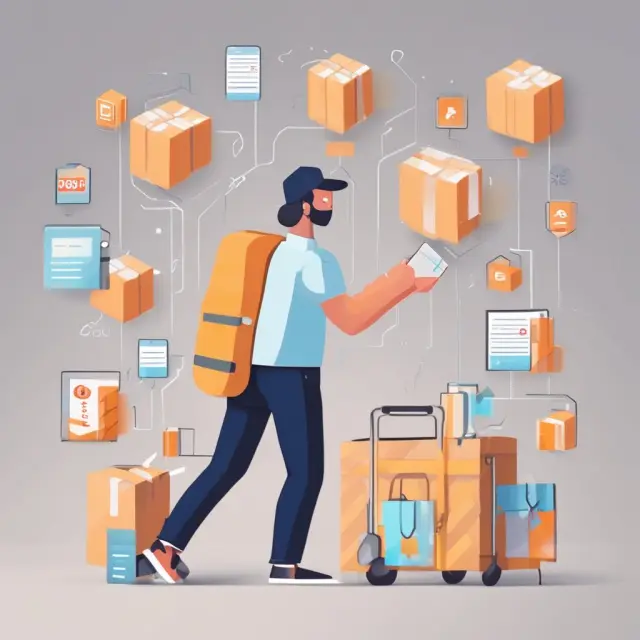
Components and Functions of a Direct Distribution Channel
A direct distribution channel refers to the relationship between a producer and the end consumer in which no intermediaries are involved. This channel can offer several advantages for both parties, including lower costs, increased control over product information, and an improved connection with customers.
Producers who opt for direct sales can save on marketing and distribution expenses since they don’t need to pay wholesalers or retailers a percentage of the revenue. Moreover, having firsthand contact with consumers allows them to gather valuable feedback, build strong relationships, and create loyal customer bases. This level of communication also provides an opportunity to educate buyers about product features, benefits, and uses, which can lead to higher customer satisfaction.
However, managing a direct distribution channel requires considerable resources, as producers must handle customer service, order processing, and shipping themselves. They are also responsible for setting up their own sales channels, such as online platforms or physical locations, to reach consumers effectively.
By eliminating intermediaries, the cost savings from a direct distribution channel can translate into more competitive pricing and potentially higher profit margins. Additionally, having complete control over product presentation and communication allows producers to tailor marketing strategies for specific consumer segments, which can boost sales.
Direct distribution channels have gained significant popularity in today’s digital age due to the prevalence of eCommerce platforms. Many businesses, particularly in industries such as technology or cosmetics, opt to sell directly to consumers through their websites, social media, and other digital marketing channels. This not only enables them to cut out intermediaries but also offers increased flexibility, accessibility, and convenience for the end consumer.
Despite its many benefits, a direct distribution channel might not be the best choice for all producers. Factors such as target market preferences, production scale, and geographical location should be considered when determining whether a direct or indirect distribution strategy is more suitable for a business. In the following sections, we will explore various components and aspects of both direct and indirect distribution channels in greater detail.
Components and Functions of an Indirect Distribution Channel
An indirect distribution channel is a pathway that involves multiple intermediaries between the producer (manufacturer) and the end consumer. In such channels, the producer sells their goods or services to intermediaries like wholesalers or retailers, who then sell these products to the final buyer. The primary purpose of an indirect distribution channel is to expand a company’s reach and access a larger customer base. This section will discuss the components and functions of an indirect distribution channel in detail.
Components of an Indirect Distribution Channel:
- Producer: The role of the producer is to create goods and services, which are then sold through various channels to reach the end consumer.
- Wholesalers/Intermediaries: In an indirect distribution channel, wholesalers or intermediaries act as middlemen, buying large quantities of products from producers and selling them to retailers in smaller quantities at a markup. This allows producers to focus on manufacturing while reaching a larger customer base through various retail outlets.
- Retailers: Retailers are businesses or individuals that sell goods or services directly to end consumers. They buy products from wholesalers, distributors, or manufacturers and sell them with added value, such as customization, installation, or after-sales support.
- End Consumers: The final buyers of the product or service, who purchase it from retailers or through various retail channels.
Advantages and Disadvantages of Indirect Distribution Channels:
Advantages:
- Wider reach: Indirect distribution channels enable businesses to sell their products in multiple locations and target different customer segments through various retailers, thus increasing market coverage and sales potential.
- Access to larger customer bases: By selling through intermediaries, producers can access a broader audience, expanding their customer base and potentially gaining new customers who might not have been reached otherwise.
- Increased efficiency: Intermediaries like wholesalers can manage inventory, order processing, and delivery for multiple producers or brands, making the distribution process more efficient and less time-consuming for individual businesses.
- Shared marketing expenses: Retailers often take on some marketing responsibilities, which reduces costs for the producer and allows them to focus on manufacturing and product development.
- Risk mitigation: Indirect channels can help companies distribute their products in a more controlled and predictable manner, as they have intermediaries acting as buffers against demand fluctuations and other external factors.
Disadvantages:
- Complexity: Indirect distribution channels involve multiple parties, which creates a more complex distribution process with added layers of communication and coordination needed between all involved parties.
- Costs: Intermediaries add costs to the supply chain through markups, fees, and other charges that can increase the final price for consumers.
- Lack of control: Producers lose some control over their brand image and product presentation when they sell through intermediaries, as these parties may not always represent the products accurately or consistently.
- Potential conflicts of interest: In cases where retailers sell multiple competing brands, there is a possibility for them to favor one brand over others, potentially leading to unfair competition.
- Longer lead times: The involvement of multiple intermediaries can result in longer lead times between the production of goods and their availability to end consumers, negatively impacting time-sensitive businesses like perishable goods or fashion trends.

Distribution Channels in the Digital Era
In today’s business landscape, digital technology plays a significant role in shaping distribution channels, especially through the growing prevalence of eCommerce platforms. Let’s explore the advantages and challenges associated with distribution channels in this era.
Advantages: Increased Efficiency and Cost Savings
One major advantage of distribution channels in the digital age is the increased efficiency that comes with online sales. By selling directly to consumers through their own websites or third-party marketplaces, businesses can eliminate the need for intermediaries, such as wholesalers or retailers, which streamlines the process and reduces costs.
Moreover, digital distribution channels enable companies to reach a larger audience with ease. With eCommerce, businesses are no longer limited to local markets; they can sell their products or services to customers worldwide. This broadened reach is particularly advantageous for small businesses that may not have had the resources to expand beyond their immediate geographic area.
However, this shift toward digital distribution channels also comes with new challenges: the need for additional resources and expertise in areas such as website design, search engine optimization (SEO), and customer service.
Disadvantages: Adapting to New Challenges
While eCommerce offers many benefits, it also presents new challenges for businesses. For instance, managing a digital storefront requires an investment in technology, including web hosting, website design, payment processing systems, and inventory management tools. Additionally, businesses need to focus on SEO strategies to ensure their online presence is easily discoverable by potential customers.
Another challenge lies in providing exceptional customer service through digital channels. Consumers have come to expect a high level of responsiveness from online sellers, which can be difficult for smaller businesses to maintain. As a result, some businesses choose to outsource their customer service or hire virtual assistants to manage inquiries and resolve issues.
In conclusion, while distribution channels in the digital era offer numerous advantages, such as increased efficiency and cost savings, they also present new challenges. Businesses must invest in the right tools and resources to effectively adapt to this evolving landscape and meet consumer expectations.

Choosing the Right Distribution Channel
Understanding the various types and components of a distribution channel is crucial for businesses looking to effectively reach their target audience and meet their sales goals. However, determining which type of distribution channel is best for your company can be a complex decision. In this section, we will discuss several factors to consider when making your choice.
Firstly, it’s important to understand the distinction between direct and indirect channels. A direct distribution channel refers to a business model where the producer sells directly to the consumer, eliminating intermediaries such as wholesalers or retailers (Buzaglo & Shani, 2015). On the other hand, an indirect distribution channel involves selling through multiple intermediaries before reaching the end consumer.
Each distribution channel comes with its unique advantages and disadvantages. Direct channels offer businesses complete control over their pricing, marketing strategies, and customer relationships. However, they also demand more resources as the burden of managing sales, logistics, and customer support falls solely on the company.
In contrast, indirect channels can provide wider reach and access to larger customer bases through partnerships with retailers or wholesalers. The complexity of the distribution process does come with costs, though. Intermediaries often add a markup on products, eating into profits (Kumar & Reinartz, 2019). Additionally, maintaining effective communication and alignment of goals with intermediary partners is vital for success in indirect channels.
When considering the choice between direct and indirect channels, it’s essential to think about your target market, sales goals, and company mission. For instance, if you have a niche product or a strong brand identity, a direct distribution strategy could help ensure that consumers receive accurate information about your products and establish a closer relationship with your company.
On the other hand, if reaching a broader audience is a priority, an indirect channel might be more effective. In this case, partnering with retailers can help expand your reach and provide access to new markets. It’s also important to note that some industries may naturally favor direct or indirect channels due to regulations or consumer preferences.
In the digital era, eCommerce platforms have disrupted traditional distribution channels by enabling businesses to sell directly to consumers online. This has led to an increased focus on creating seamless and engaging shopping experiences to compete with physical retailers (Kim & Chen, 2019). However, companies that opt for indirect channels in the digital space must ensure they have efficient communication and coordination strategies to maintain strong relationships with their partners.
Ultimately, choosing the right distribution channel requires a thorough understanding of your market, competition, and target audience. It’s essential to consider the advantages and disadvantages of both direct and indirect channels, as well as how each aligns with your company’s mission and sales goals. By carefully weighing these factors, you can make an informed decision that sets your business up for success.
References:
Buzaglo, R., & Shani, A. (2015). Strategic management of distribution channels: Concepts and cases. Elsevier.
Kumar, V., & Reinartz, T. (2019). The impact of e-commerce on channel structure: The role of the retailer. Journal of Retailing and Consumer Services, 34, 102168.
Kim, Y., & Chen, C. (2019). Effects of consumer trust in e-commerce websites on their repurchase intention: A study using structural equation modeling. Journal of Business Research, 115, 188-200.

Distribution Channels and Marketing Strategy
Understanding the connection between distribution channels and marketing strategy is crucial for businesses seeking to effectively reach their customers and increase sales. A well-thought-out distribution channel strategy can significantly impact a product’s success, as it plays a significant role in ensuring that the right product reaches the right consumer at the right time and place. In this section, we will explore how the components of a marketing mix – product, promotion, price, and place – are interconnected with various distribution channels.
The Role of Product
The type and quality of a product can greatly influence the choice of distribution channels. For instance, perishable goods like fresh fruits or flowers typically require direct distribution to minimize transit times and maintain their freshness. In contrast, durable items such as electronics or appliances may be sold through multiple intermediaries before reaching the end consumer. Additionally, customized products often require a more personalized approach to distribution, necessitating a direct channel where the producer can communicate directly with customers to understand their specific needs and preferences.
The Role of Promotion
Effective promotion can lead to increased demand for a product and the need for more extensive distribution channels. For example, successful marketing campaigns can attract consumers from different regions or countries, necessitating the use of intermediaries or international distribution networks to reach these markets. Alternatively, direct channels such as e-commerce platforms may allow businesses to engage directly with customers through targeted promotions, providing a more personalized shopping experience and fostering customer loyalty.
The Role of Price
Price is an essential factor in determining the choice of distribution channels. For instance, a premium priced product may benefit from a direct channel, allowing the producer to maintain control over pricing and potentially earn higher profit margins by avoiding intermediaries’ markups. Conversely, lower-priced goods or mass-market items are more likely to be sold through multiple intermediaries due to their larger target audience and the need for widespread distribution to maximize sales.
The Role of Place
The choice of distribution channels can have significant implications for product placement. For example, a retail location with high foot traffic can provide excellent exposure and opportunities for impulse purchases. In contrast, direct channels such as e-commerce platforms offer extensive reach and the ability to target specific demographics through targeted online advertising. By strategically selecting the right distribution channels and optimizing product placements within those channels, businesses can effectively increase sales while maintaining a strong connection with their customers.
In conclusion, understanding the relationship between distribution channels and marketing strategy is crucial for businesses looking to succeed in today’s competitive marketplace. By carefully considering the role of product, promotion, price, and place in various distribution scenarios, companies can maximize the potential of their offerings and reach a wider audience while maintaining a strong connection with their customers.
Distribution Channels in Various Industries
Understanding how different industries approach distribution channels is crucial to gaining a comprehensive grasp of their intricacies and complexities. Let’s explore several industries and examine the role that direct and indirect distribution methods play in their supply chains.
1. Agriculture Industry:
The agriculture industry offers unique challenges for implementing effective distribution channels due to its perishable nature, seasonality, and geographical diversity. Producers may sell directly to consumers through farmers markets or community-supported agriculture (CSA) programs. Alternatively, they might use indirect channels such as cooperatives, wholesalers, or processors that add value by packing, processing, or distributing their products across broader regions and markets.
2. Technology Industry:
In the technology sector, both direct and indirect distribution methods are prevalent. Tech companies like Apple sell directly to consumers through their brick-and-mortar stores and online platforms, while others may opt for an indirect approach by partnering with retailers and distributors to expand their reach. This strategy allows them to tap into the vast customer bases of popular retailers such as Best Buy or Amazon.
3. Automotive Industry:
The automotive industry primarily relies on a complex web of distribution channels, with dealerships acting as critical intermediaries between manufacturers and consumers. Dealerships invest in extensive inventories, marketing efforts, and sales personnel to offer customers an engaging shopping experience. While some manufacturers may sell directly through online platforms or test drives, most rely on the established dealer network for sales and after-sales services.
4. Healthcare Industry:
The healthcare sector deals with unique challenges when it comes to distribution channels due to its regulatory requirements, high costs, and personal nature of the products and services offered. Direct distribution channels, such as telemedicine platforms or in-house clinics, have emerged in response to consumers’ demand for convenience and affordability. However, indirect distribution through hospitals, pharmacies, and insurance companies continues to be a dominant force in this industry.
In conclusion, various industries have embraced different distribution channels to cater to their unique needs and consumer demands. Understanding these patterns can help businesses make informed decisions about their own supply chain strategies, ensuring they effectively reach their target audience while optimizing costs and maximizing profitability.

FAQs About Distribution Channels
Distribution channels are an essential aspect of the supply chain process, connecting producers to their end consumers through various intermediaries such as wholesalers or retailers. Below, we address some frequently asked questions about distribution channels and their role in moving products from manufacturers to consumers.
What is a distribution channel?
A distribution channel represents the network of businesses or intermediaries responsible for delivering a product or service to the final buyer or end consumer. Distribution channels can include direct selling, where a manufacturer sells directly to the consumer, and indirect selling through wholesalers, retailers, distributors, and e-commerce platforms.
Why are distribution channels important?
Effective distribution channels ensure that products reach their target market efficiently, effectively, and in a timely manner. They help manage inventory levels, reduce logistical complexities, and create a seamless customer experience. Properly implemented distribution strategies contribute to increased sales and improved profitability.
What are the key components of a distribution channel?
The primary components of a distribution channel include:
– Producer/Manufacturer: The entity that creates or develops the product or service.
– Agents: Representatives who work on behalf of the producer to sell their products, often handling tasks like marketing and sales negotiations.
– Wholesalers: Businesses that buy large quantities of products from manufacturers or producers and then sell them to retailers.
– Retailers: Establishments that purchase goods from wholesalers, distributors, or directly from manufacturers and sell them in smaller quantities to consumers.
– End Consumers: The individuals or organizations who buy the product or service for personal or business use.
What is the difference between direct and indirect distribution channels?
Direct distribution channels occur when a manufacturer sells products or services directly to end consumers, cutting out intermediaries like wholesalers and retailers. Indirect distribution channels involve selling goods through various intermediaries before reaching the final consumer. Direct distribution channels offer benefits such as lower costs, greater control over sales, marketing, and customer interactions. Indirect distribution channels have advantages like wider reach, a larger customer base, and reduced risk for manufacturers.
How has technology affected distribution channels?
Advancements in digital technology, particularly e-commerce platforms, have transformed the way businesses sell products directly to consumers. Online marketplaces provide multiple sales opportunities, increased efficiency, and lower costs compared to traditional indirect distribution channels. However, implementing successful direct channels requires significant resources and expertise to manage logistics, customer service, and marketing strategies effectively.
How can companies choose the right distribution channel?
When selecting a distribution channel, businesses should consider several factors: target market preferences, sales goals, company mission, product type, time to market, and cost structure. By evaluating these elements and aligning their distribution strategy accordingly, companies can optimize their supply chain process for maximum efficiency and profitability.
What role does placement play in a distribution channel?
Placement is the strategic positioning of products or services within a distribution channel to maximize exposure and reach target consumers effectively. Proper placement involves careful consideration of factors like geography, demographics, and consumer behavior to ensure that the product reaches its intended audience at the right time and place. Effective distribution strategies require constant monitoring and adaptation as market trends change and consumer preferences shift.
What are some common challenges in managing distribution channels?
Managing distribution channels effectively can present various challenges for businesses, including:
– Coordinating logistics between multiple intermediaries or distributors
– Ensuring consistent product quality across the supply chain
– Managing inventory levels and stock availability
– Implementing effective pricing strategies that balance profits and competitiveness
– Maintaining strong relationships with retailers, wholesalers, and other channel partners.
In conclusion, distribution channels play a crucial role in connecting manufacturers to consumers while navigating various intermediaries and challenges along the way. By understanding the key components, benefits, and challenges of distribution channels, businesses can develop effective strategies that maximize profitability, reach target markets efficiently, and create successful customer experiences.
 Next entry · No. 1,076The Impact and Importance of Effective Distribution Management in Finance and Investment
See also
-
 No. 2,595
19 Jan 2025
19 min
Understanding Just in Case (JIC): A Costly Inventory Strategy
Business Strategy
No. 2,595
19 Jan 2025
19 min
Understanding Just in Case (JIC): A Costly Inventory Strategy
Business Strategy -
 No. 747
01 Jun 2024
19 min
Understanding Consumer Goods: Classification, Marketing, and Trends
Business Strategy
No. 747
01 Jun 2024
19 min
Understanding Consumer Goods: Classification, Marketing, and Trends
Business Strategy -
 No. 4,756
14 Jul 2025
19 min
Stock Keeping Units (SKUs): Understanding How They Work for Inventory Management
Business Strategy
No. 4,756
14 Jul 2025
19 min
Stock Keeping Units (SKUs): Understanding How They Work for Inventory Management
Business Strategy -
 No. 4,102
22 May 2025
22 min
Product Lines: Understanding the Strategy Behind a Company’s Range of Offerings
Business Strategy
No. 4,102
22 May 2025
22 min
Product Lines: Understanding the Strategy Behind a Company’s Range of Offerings
Business Strategy -
 No. 4,066
19 May 2025
19 min
Price Skimming: Understanding This Product Pricing Strategy and Its Limits
Business Strategy
No. 4,066
19 May 2025
19 min
Price Skimming: Understanding This Product Pricing Strategy and Its Limits
Business Strategy -
 No. 4,050
17 May 2025
19 min
Press Conferences: An Effective Tool for Corporate Communications and Public Relations
Business Strategy
No. 4,050
17 May 2025
19 min
Press Conferences: An Effective Tool for Corporate Communications and Public Relations
Business Strategy