Understanding the General Agreement on Tariffs and Trade (GATT): A Historical Overview

Delve into the rich history of the General Agreement on Tariffs and Trade (GATT), from its inception to the creation of the World Trade Organization.…
Introduction to the General Agreement on Tariffs and Trade (GATT)
The General Agreement on Tariffs and Trade (GATT), signed in October 1947 by 23 countries, marked a pivotal moment in international economic history. The agreement aimed to create a legal framework for the reduction of trade barriers among its signatory members, promoting freer global commerce and enabling economic growth post-World War II. With its focus on minimizing quantitative restrictions such as quotas and tariffs, as well as instituting a system for resolving commercial disputes between nations, GATT served as a powerful catalyst for the liberalization of international trade.
The General Agreement on Tariffs and Trade: Aims and Principles
GATT’s primary objectives were to create an equal trading environment, eliminate discrimination in international commerce, and establish rules to govern global trade. The cornerstone principles underpinning the agreement include the most-favored-nation (MFN) principle, which mandated that all member states receive equal treatment regarding tariffs and other trade concessions. This principle allowed countries to automatically extend any preferential agreements they negotiated with one another to all GATT signatories.
Throughout the decades, eight rounds of negotiations under the GATT framework led to significant improvements in reducing tariff barriers worldwide. This culminated in the creation of the World Trade Organization (WTO) in 1995, which took over the responsibilities of the GATT and continued to promote free trade among nations through the implementation of its multilateral agreements and dispute settlement processes.
A Brief History of the General Agreement on Tariffs and Trade
The first round of negotiations under the GATT umbrella began in April 1947, with 23 countries coming together in Geneva, Switzerland. This initial conference focused on reducing tariffs and resulted in trade concessions worth over US$10 billion. The second meeting took place in Annecy, France, in April 1949, where tariff negotiations dominated the discussions among the 13 participating nations. Collectively, they achieved an additional 5,000 tax concessions, further reducing global tariffs.
The Torquay Conference in September 1950 marked the third round of GATT meetings and saw a significant expansion to 38 countries. The outcomes included nearly 9,000 tariff concessions and substantial reductions in taxes. Japan’s involvement for the first time at the fourth meeting in Geneva in 1956 brought together 25 other nations to focus on tariffs. These negotiations led to further widespread reductions in worldwide tariffs, setting the stage for more GATT rounds and refinements in the years that followed.
GATT’s Later Developments and Negotiations
The organization tackled various issues throughout its existence, such as curbing predatory pricing policies known as dumping and addressing agricultural disputes. The Multifibre Arrangement (MFA) was established to regulate international textile trade. One of the most significant achievements under the GATT framework was the Uruguay Round, which lasted from 1986 to 1993 and led to the creation of the WTO in 1995. This last round of negotiations resulted in a substantial reduction in average tariffs from around 22% when the GATT was first signed to approximately 5% by its conclusion.
The Impact of the General Agreement on Tariffs and Trade
Throughout its history, GATT played an essential role in shaping the global economic landscape by fostering free trade and promoting international cooperation among nations. Its influence extended beyond its own demise as it formed the basis for the World Trade Organization, ensuring that the principles of non-discrimination, free trade, and a multilateral system for resolving disputes remain cornerstones of international commerce to this day.
As we delve further into understanding the historical significance of the General Agreement on Tariffs and Trade, we will explore the various rounds of negotiations that led to its establishment and the impact it had on global trade and economic development over the years. Stay tuned for more insights as we continue our journey through this fascinating chapter in international economic history.

Objectives and Foundational Principles of the GATT
The General Agreement on Tariffs and Trade (GATT) was signed in 1947, with the primary objective of establishing a multilateral framework to facilitate international trade by reducing or eliminating trade barriers. It aimed to restore economic prosperity post World War II and foster cooperation among nations for mutual benefit.
The GATT achieved this goal through several foundational principles: most-favored-nation principle, tariff reductions, and trade without discrimination. These principles set the stage for a more open trading system that would ultimately shape international commerce throughout the latter half of the 20th century.
1. Most-Favored-Nation Principle: The most-favored-nation (MFN) principle is a cornerstone of the GATT, ensuring non-discrimination in international trade among member countries. It implies that each member nation extends the lowest tariff or most favorable trading terms it offers to any other country to all members of the GATT. This practice fostered a more level playing field and prevented countries from giving special treatment to select trading partners, thereby promoting fairness in global commerce.
2. Tariff Reductions: The GATT called for countries to reduce tariffs and eliminate quantitative restrictions on trade between member nations. Gradual reductions in tariffs were achieved through a series of multilateral negotiations or “rounds.” These rounds focused on eliminating discriminatory barriers, improving market access, and reducing tariffs through reciprocal agreements. The reduction of trade barriers aimed to stimulate economic growth while promoting competitive pricing and increasing global interdependence.
3. Trade Without Discrimination: The GATT sought to create a system where countries traded without discrimination, regardless of their size, economic strength, or political affiliation. This principle prohibited members from imposing different tariffs on the same goods based on their country of origin. By removing trade barriers and promoting reciprocal agreements between member nations, the GATT set the stage for increased international cooperation and a more interconnected global economy.
The GATT’s objectives and foundational principles played a crucial role in shaping the post-World War II economic landscape and paved the way for more significant achievements, including the creation of the World Trade Organization (WTO) in 1995. The WTO built upon the successes of the GATT by providing a more robust institutional structure, addressing new issues like intellectual property and services trade, and continuing to promote free trade among member nations.
As of September 2022, the GATT’s principles continue to be essential components of the global trading system, ensuring open markets and promoting economic growth for countries around the world.

The History of the General Agreement on Tariffs and Trade (GATT)
The origins of the GATT can be traced back to the immediate aftermath of World War II when countries recognized that international cooperation was necessary to revive their economies and promote global trade. The first meeting of the GATT took place in Geneva, Switzerland, on September 29, 1947, with 23 countries signing the agreement. This marked the beginning of a series of negotiations aimed at reducing tariffs and other barriers to international trade (Bartelsman & Levinson, 2006).
The initial focus of these negotiations was on tariffs, as they represented the most significant trade barrier at that time. The first round, held in Geneva in April 1947, achieved significant reductions, with over US$10 billion of trade being affected (GATT, 1948). This set the stage for subsequent rounds, each building upon the progress made in previous ones.
The second round, held in Annecy, France, in April 1949, continued the focus on tariffs and produced an additional 5,000 tariff concessions, further reducing tariffs (GATT, 1949). The third round, which began in September 1950 in Torquay, England, saw the participation of a larger number of countries (38) and resulted in almost 9,000 tariff concessions that lowered taxes by up to 25% (GATT, 1950). Japan joined the GATT for the first time at this round.
In the fourth round, held in Geneva from June to December 1956, a total of 25 countries took part and continued the trend of reducing tariffs worldwide, with US$2.5 billion being shaved off (GATT, 1956). The fifth round, which began in March 1960 and concluded in November 1961, was characterized by efforts to address non-tariff barriers (NTBs) and the emergence of the concept of reciprocal tariff reductions (GATT, 1960).
Later rounds focused on addressing specific issues such as anti-dumping measures, textiles, agriculture, and intellectual property. For instance, in the Uruguay Round, which lasted from 1986 to 1994, the GATT was expanded to include these areas and was eventually replaced by the World Trade Organization (WTO) in 1995 (GATT, 1993).
Throughout its history, the GATT significantly contributed to the reduction of tariffs worldwide. For example, the average tariff rate fell from around 22% when it was first signed to approximately 5% by the end of the Uruguay Round (GATT, 1947 & WTO, 1996). Additionally, it paved the way for further international cooperation in areas like dispute resolution and rule-making that would be formalized under the WTO.
In summary, the history of the GATT can be divided into several rounds of negotiations aimed at reducing tariffs and other barriers to trade. These negotiations resulted in significant reductions over the years, setting the stage for a more integrated global economy as we know it today.
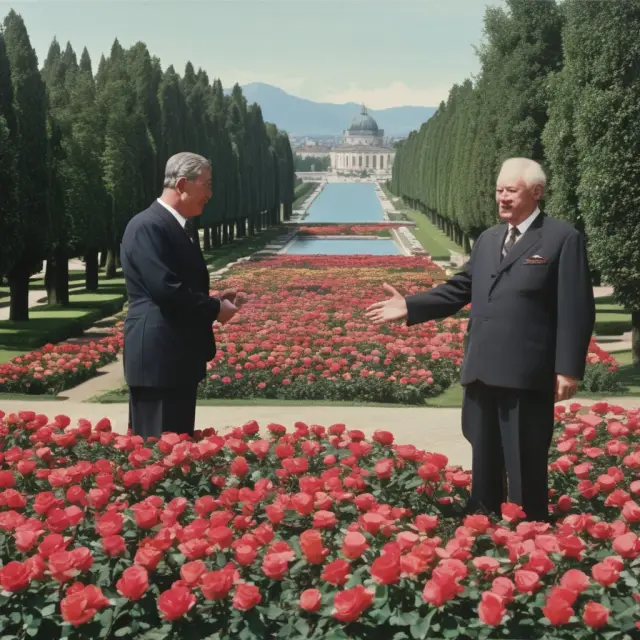
First Round: Geneva, 1947
The first meeting of the General Agreement on Tariffs and Trade (GATT) took place in Geneva, Switzerland, between April and October 1947, involving 23 countries, including the United States, Canada, Australia, Belgium, and many European nations. This historic conference aimed to establish a post-war international economic order that would ensure a smooth resumption of international trade, remove discriminatory practices in commerce, and promote mutual economic cooperation between nations.
The primary objective of the Geneva Conference was to address tariffs and other barriers to international trade. The participants sought to lower tariff rates, which had averaged around 40% in some countries, and eliminate discriminatory trade practices. They also aimed to create a multilateral system for settling disputes between nations regarding international trade issues.
The conference resulted in significant achievements. Members agreed on a series of tariff reductions, particularly on agricultural and industrial products, which amounted to more than $10 billion worth of reduced tariffs. The most-favored-nation principle was established, ensuring that every member would treat all other signatory countries equally when setting tariffs, creating a non-discriminatory trading environment. This fundamental principle has been a cornerstone of the GATT and later, the WTO.
The Geneva Round marked the beginning of the GATT’s efforts to establish free trade among nations and boost economic recovery following World War II. The conference laid the foundation for eight more rounds of negotiations that continued through 1993, with each round resulting in further reductions in tariffs and elimination of other barriers to global trade.
By establishing a multilateral framework for international trade, the Geneva Round paved the way for decades of economic growth and increased interdependence among countries. The success of this first round set the stage for the GATT’s evolution into the World Trade Organization (WTO) in 1995, which extended and strengthened its mandate to promote free trade and support economic development.
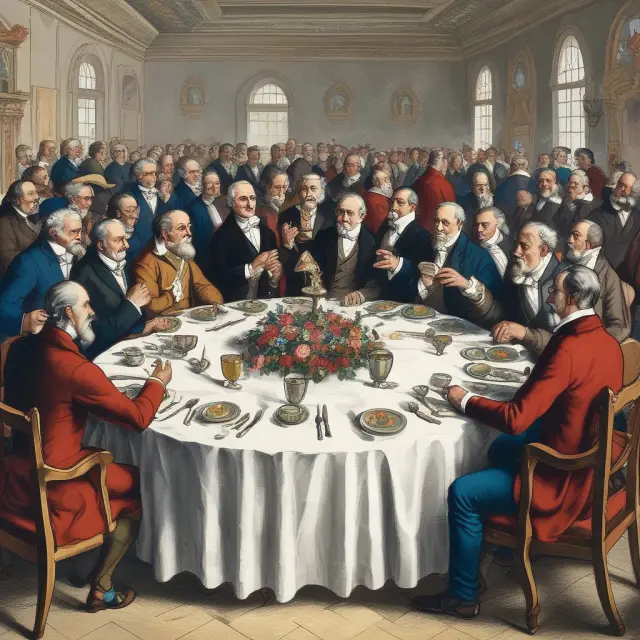
Second Round: Annecy, 1949
The second round of negotiations under the GATT took place in Annecy, France, from April 28th to May 30th, 1949. Following the successes achieved during the Geneva Conference, member countries continued to focus on tariff reductions and further expanding international trade without discrimination. Thirteen countries attended this second session: Argentina, Belgium, Bolivia, Brazil, Chile, Denmark, Ecuador, Greece, Iceland, Luxembourg, the Netherlands, Norway, and Sweden.
The primary goal of the Annecy Round was to continue the reduction of tariffs on trade among member nations. The countries involved in the negotiations achieved an impressive 5,000 new tariff concessions during this round, further reducing the average tariff rates. This second meeting served as a significant stepping stone towards increasing economic cooperation and interdependence.
The importance of Annecy Round lies not only in its impact on reducing tariffs but also for establishing the Consultative Group on Customs Valuation, which aimed to develop more consistent approaches to calculating customs value. Additionally, the establishment of the Trade and Development Board (later called the Technical Cooperation Committee) marked a commitment to improving communication among member nations regarding trade issues.
The outcomes of the Annecy Round led to a more robust and integrated global economy, further paving the way for future rounds of negotiations under the GATT. The next round of meetings took place in Torquay, England, in September 1950, where even more significant tariff reductions were achieved. With the momentum generated during these early negotiations, it is no surprise that subsequent rounds continued to build upon the successes of their predecessors and eventually led to the creation of the World Trade Organization (WTO).
In conclusion, the Annecy Round was a pivotal event in the history of the GATT. Through the collective efforts of its member nations, it successfully reduced tariffs and laid the foundation for further cooperation and improved communication among countries. These achievements significantly contributed to the overall goal of making international trade easier, promoting economic growth, and ultimately creating a more interconnected global economy.

Third Round: Torquay, 1950
The third round of negotiations under the auspices of the General Agreement on Tariffs and Trade (GATT) took place in Torquay, England, from September 1950 to June 1951. This round was significant for its large participation—38 countries joined—and substantial tariff reductions. The first round included 23 signatories, with the second and fourth rounds welcoming 13 and 25 countries, respectively.
The primary objective of this third round was to reduce tariffs further, following the successes of the previous negotiations. Countries recognized that lower tariffs would result in increased economic cooperation and trade expansion. The Torquay Round is remembered as a pivotal moment when Japan became an active participant in international trade organizations.
The inclusion of Japan brought about significant changes to the global economy. Japanese exports had been on a steady rise since the end of World War II, and its entry into the GATT gave the country increased access to new markets. Japan was not just a significant importer but also an emerging exporter, particularly in textiles, electronics, and automobiles. The Torquay Round allowed Japanese products to enter foreign markets more freely, resulting in a surge of exports from Japan.
During this round, nearly 9,000 tariff concessions were agreed upon, with average reductions ranging from 15% to 32%. These cuts significantly lowered global protectionism and further promoted free trade among the countries involved. This reduction in trade barriers created an environment conducive to international economic growth and increased cooperation between nations.
The Torquay Round also saw the establishment of a system for reviewing and adjusting tariff reductions periodically, allowing for flexibility as circumstances changed. The agreement on this system was crucial because it allowed countries to make ongoing improvements in their trade policies based on their unique economic situations and needs.
Moreover, this round marked the beginning of the curbing of predatory pricing practices, known as dumping. Dumping refers to selling a product at a price lower than its home market price with the intention of driving competitors out of business and increasing market share in other countries. The third round of GATT negotiations acknowledged that such practices could harm free trade and result in retaliatory tariffs. Thus, the agreement called for mechanisms to prevent dumping, which became essential to maintaining a level playing field between countries.
In summary, the Torquay Round was a pivotal moment in the history of the GATT. It brought significant change through its large participation, substantial tariff reductions, and inclusion of Japan as an active participant. This round created opportunities for increased trade cooperation among nations and set the stage for further economic expansion in the years to come.
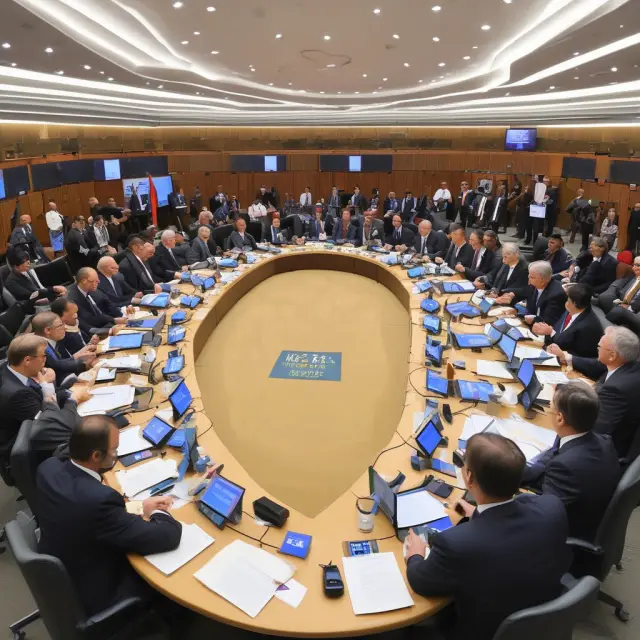
Fourth Round: Geneva, 1956
The fourth round of negotiations under GATT took place in Geneva, Switzerland, between October 12 and December 31, 1956. This was the first round to include all major trading nations, making it a significant milestone for this groundbreaking agreement. The primary focus of this round was on the reduction of tariffs, which had been an issue in earlier rounds as well.
The participating countries agreed to eliminate import duties on specific goods, providing substantial relief to global trade. This reduction in tariffs led to a considerable increase in international commerce, particularly in agriculture and industrial products. For example, agricultural tariff reductions resulted in a 28% decrease in the average tariff rate for grains and a 23% decrease for livestock products. In contrast, industrial tariffs dropped by an average of 16%.
The significance of this round goes beyond just the tariff reductions achieved. Participating countries introduced new provisions that strengthened the GATT framework. Notably, they agreed to a new Article XXVIII dealing with “subsidies and countervailing duties.” This article allowed countries to impose countervailing duties on imports if the foreign government provided subsidies that unfairly benefited their exports. The agreement was crucial because it acknowledged that some nations would resort to using subsidies as a means of maintaining competitive advantages, even in the face of tariff reductions.
The Geneva Round also set up a committee known as the Committee on Subsidies and Countervailing Duties (SCD). This committee’s primary objective was to monitor and investigate allegations of subsidies that violated GATT rules, ensuring fair trade practices for all participants.
Another notable outcome from this round was the introduction of a new Article XVI dealing with “temporary suspension of concessions.” The article allowed signatory countries to suspend tariff concessions granted under the agreement if they felt their domestic industries were being negatively impacted by imports. This provision proved beneficial for countries that needed protection for their struggling industries, providing them with a safety net while not completely abandoning the principles of free trade.
As the GATT negotiations continued to progress, this fourth round further solidified its position as a driving force behind global economic growth and increased international cooperation. By bringing together major trading nations in a cooperative effort to reduce tariffs and improve trade practices, the Geneva Round set the stage for even more significant achievements to come.

Later Developments and Negotiations in the GATT
The GATT’s success did not go unnoticed as trade negotiations continued throughout the 1960s and ’70s. In response to concerns over predatory pricing policies, also known as dumping, the General Agreement on Tariffs and Trade (GATT) began addressing these issues in 1964. Dumping occurs when a country exports products at lower prices than what it sells domestically or below production cost, with the goal of undercutting competitors and gaining market share.
A major focus during the GATT’s history was the establishment of the Multifibre Arrangement (MFA) in 1974. The MFA was an agreement to regulate international trade in textiles and clothing, with textiles being a significant part of global trade at the time. Its main objective was to protect the domestic industries of countries that were major exporters while allowing import growth through quotas and tariffs.
The Uruguay Round (1986-1993) marked another turning point in the GATT’s history, leading to its eventual replacement by the World Trade Organization (WTO) in 1995. This was the most ambitious round of trade negotiations, involving over 120 countries and resulting in agreements on a wide range of topics, including agriculture, intellectual property rights, services, and dispute settlement mechanisms.
The Uruguay Round’s outcomes included
- The Agreement on Agriculture, which aimed to reduce agricultural subsidies, eliminate export subsidies, and open markets. This marked the first time agriculture was brought under international trade rules.
- The General Agreement on Trade in Services (GATS), which provided a framework for the liberalization of services, including telecommunications, banking, transportation, and other sectors.
- The Agreement on Intellectual Property Rights (TRIPS), which standardized rules for intellectual property protection and enforcement.
- Dispute settlement reforms to provide a more efficient mechanism for resolving trade disputes.
The new agreements under the Uruguay Round were significant, with notable reductions in average tariffs from around 22% at the GATT’s start in 1947 to an average of just 5%. The agreement also strengthened and expanded multilateral cooperation on trade issues, setting a foundation for the World Trade Organization (WTO) which assumed responsibilities from the GATT.
Although the WTO has absorbed many of the GATT’s provisions, it is important to remember that the GATT set the stage for free international trade and played a significant role in shaping the global economy as we know it today.

Impact of the General Agreement on Tariffs and Trade (GATT)
The GATT’s influence extended far beyond its primary objectives. It not only fostered a significant decrease in tariff barriers but also played an essential role in driving economic growth, globalization, and trade liberalization over several decades.
Global Economic Growth: The GATT contributed substantially to the global economic recovery post World War II. By reducing protectionist policies and promoting free trade, it provided a platform for economies worldwide to grow and develop. A study by the World Bank revealed that between 1948 and 2008, global trade grew at an average rate of 7% per year—an increase from the pre-war average of about 3%. This growth can be directly linked to the reduction in tariff barriers as a result of the GATT.
Increased Globalization: The GATT’s impact on globalization is evident, considering that international trade represented just 5% of world output in the late 1940s. Today, it stands at over 60%. As countries started to engage more in international trade due to decreasing tariffs and a more favorable trading environment, economies became interconnected. This trend facilitated the exchange of goods, services, capital, and knowledge, ultimately leading to increased economic growth and prosperity for many nations.
Trade Liberalization: The GATT’s success in reducing tariffs and promoting free trade set the stage for further liberalization efforts. It paved the way for the establishment of regional trading organizations like the European Union (EU) and the North American Free Trade Agreement (NAFTA), as well as the eventual creation of the World Trade Organization (WTO). The WTO, which came into existence in 1995, further reinforced the principles and objectives established by the GATT.
The GATT’s influence on international trade cannot be overstated. Its impact is evident in the significant growth in global trade and economic integration that has taken place since its implementation. The GATT’s legacy continues to shape the modern global trading landscape, as nations continue to work towards reducing barriers to international trade and fostering a more interconnected world economy.
The next section will delve into the history of the GATT and examine its impact on trade through various rounds of negotiations. Stay tuned for an in-depth exploration of the evolution of the GATT from 1947 to the present day.

The GATT and the World Trade Organization (WTO)
Upon its inception, the General Agreement on Tariffs and Trade (GATT) underwent significant transformations and eventually led to the creation of the World Trade Organization (WTO). This section will delve into the institutional structure of both organizations and highlight their advantages over each other.
Institutional Structure: GATT vs. WTO
The General Agreement on Tariffs and Trade served as a multilateral treaty that minimized barriers to international trade by eliminating or reducing tariffs, quotas, and subsidies between its member states. The agreement was formed in 1947 by the United States, Australia, Belgium, Bolivia, Brazil, Canada, Chile, China, Cuba, Czechoslovakia, Denmark, Egypt, France, Greece, Iceland, India, Iran, Iraq, Italy, Luxembourg, Netherlands, New Zealand, Norway, Pakistan, Philippines, Poland, South Africa, Sweden, Turkey, the United Kingdom, and Venezuela. The GATT became effective on January 1, 1948, and was intended to boost economic recovery following World War II.
The World Trade Organization (WTO) came into existence in 1995 as a result of the Uruguay Round negotiations that absorbed the GATT, along with several other international agreements. The WTO took on the responsibilities of the GATT and expanded its remit to address new areas like services, intellectual property, and investment disputes. As of September 2022, there are currently 164 members in the WTO.
Advantages of WTO over GATT: A More Effective Institution
The World Trade Organization significantly improved upon the institutional structure of the GATT by offering several key advantages. One significant benefit is that it offers a faster dispute settlement system compared to the original GATT framework. This allows members to resolve trade-related disputes more efficiently and effectively, thereby minimizing potential economic disruptions.
Additionally, the WTO has a broader mandate than the GATT, addressing not only tariffs and quotas but also other issues like intellectual property rights and services. This comprehensive approach to global trading rules ensures that trade remains balanced and equitable while keeping up with the evolving needs of the international economy.
In conclusion, the General Agreement on Tariffs and Trade played a pivotal role in the post-World War II era by fostering free trade among nations. Its successor, the World Trade Organization, built upon these foundations to create an even more effective institution that continues to shape the global trading landscape today.

Frequently Asked Questions (FAQ)
What is the General Agreement on Tariffs and Trade (GATT)?
The General Agreement on Tariffs and Trade (GATT), signed in 1947, was a treaty that aimed to minimize barriers to international trade by eliminating or reducing tariffs, quotas, and subsidies. Its goal was to promote economic recovery following World War II by fostering easier international trading practices through rules that ended discriminatory policies such as quantitative trade barriers.
Why was the GATT established?
The General Agreement on Tariffs and Trade (GATT) came into existence after World War II, when countries sought to create an international framework for reducing tariffs, quotas, and subsidies that would help restore economic prosperity and prevent the re-emergence of protectionist policies. The GATT provided a means for multilateral negotiations on tariff reductions and established a system for arbitrating commercial disputes among nations.
What is the most-favored-nation principle in the context of the General Agreement on Tariffs and Trade (GATT)?
The most-favored-nation principle is one of the fundamental principles of the GATT, which dictates that every signatory member should be treated equally. This means that once a country has negotiated tariff cuts or concessions with another, those same reductions or concessions automatically apply to all other signatories.
How many rounds of meetings were held under the General Agreement on Tariffs and Trade (GATT)?
Eight rounds of meetings were held under the General Agreement on Tariffs and Trade (GATT), beginning in 1947 and continuing until 1993, with each round addressing specific objectives and achieving significant achievements. The first meeting was in Geneva, Switzerland, where tariffs were the primary focus, followed by Annecy, France, Torquay, England, and other locations. The last round, the Uruguay Round, led to the creation of the World Trade Organization (WTO) in 1995.
What was the outcome of the GATT’s negotiations?
The General Agreement on Tariffs and Trade (GATT) resulted in significant reductions of tariffs worldwide and set the foundation for a more globalized economy, with members committing to eliminate quotas and other discriminatory practices. The agreement also established a system for settling disputes between nations.
Why was the World Trade Organization (WTO) created from the General Agreement on Tariffs and Trade (GATT)?
The World Trade Organization (WTO) was formed in 1995 to replace the GATT as a more effective institutional structure for implementing the principles of the General Agreement on Tariffs and Trade. The WTO is better equipped to tackle modern trade issues, such as intellectual property protection and dispute resolution, allowing it to carry out the goals of the GATT more efficiently and comprehensively.
 Next entry · No. 1,750Understanding Gazelle Companies: Definition, Characteristics, Examples, and Significance for Investors
See also
-
 No. 3,672
17 Apr 2025
19 min
Understanding the Omani Rial: A Comprehensive Guide for Institutional Investors
Business Finance
No. 3,672
17 Apr 2025
19 min
Understanding the Omani Rial: A Comprehensive Guide for Institutional Investors
Business Finance -
 No. 226
07 Apr 2024
20 min
Understanding Asia-Pacific Economic Cooperation (APEC) and Its Role in Global Trade
Economics
No. 226
07 Apr 2024
20 min
Understanding Asia-Pacific Economic Cooperation (APEC) and Its Role in Global Trade
Economics -
 No. 2,321
27 Dec 2024
19 min
Understanding Imports: Economic Impact, Top Trading Partners, and the Future of Global Trade
International Trade
No. 2,321
27 Dec 2024
19 min
Understanding Imports: Economic Impact, Top Trading Partners, and the Future of Global Trade
International Trade -
 No. 2,320
27 Dec 2024
19 min
Understanding Import Duties: Purpose, Organizations, and Real World Examples
International Trade
No. 2,320
27 Dec 2024
19 min
Understanding Import Duties: Purpose, Organizations, and Real World Examples
International Trade -
 No. 2,302
26 Dec 2024
18 min
Understanding Irrevocable Letters of Credit: A Key Instrument in International Trade
International Trade
No. 2,302
26 Dec 2024
18 min
Understanding Irrevocable Letters of Credit: A Key Instrument in International Trade
International Trade -
 No. 2,172
15 Dec 2024
23 min
Understanding the Home Market Effect: Implications for Finance and Investment
International Trade
No. 2,172
15 Dec 2024
23 min
Understanding the Home Market Effect: Implications for Finance and Investment
International Trade