Understanding Voluntary Export Restraints (VERs): What They Are, How They Work, Advantages, Disadvantages and Notable Examples
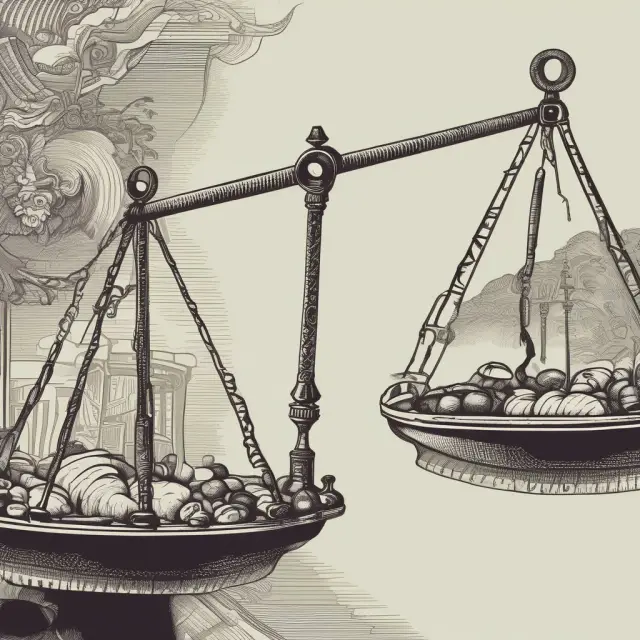
Understand voluntary export restraints (VERs): learn their origins, how they work, advantages, disadvantages, & notable examples. Boost your knowledge in…
Introduction to Voluntary Export Restraints (VERs)
Voluntary export restraints (VERs) are an intriguing aspect of international trade, acting as self-imposed limits on the quantity of a product that an exporting country can sell to another nation. This unusual form of non-tariff barrier originated in the 1930s and gained significant popularity during the 1980s. Understanding VERs is crucial for anyone interested in international trade, globalization, or economic policies that impact international commerce. In this section, we will delve into what voluntary export restraints are, their historical background, and significance.
How Do Voluntary Export Restraints (VERs) Work?
Voluntary export restraints (VERs) can be considered a subset of non-tariff barriers that include other restrictive trade measures such as quotas, embargoes, and sanctions. VERs typically arise when an importing country requests protection from foreign competition for its domestic industries producing similar goods. This arrangement is often industry-specific, but it can also be reached between governments. The exporting country voluntarily imposes these restraints to avoid the threat of more stringent measures such as tariffs or quotas imposed by the importing country.
Since their emergence in the 1930s, VERs have been applied to a diverse range of products, from textiles and footwear to steel and automobiles. The widespread adoption of VERs during the 1980s marked them as a popular form of protectionism. However, in the wake of the Uruguay Round and the updated General Agreement on Tariffs and Trade (GATT) in 1994, members of the World Trade Organization (WTO) agreed to phase out any existing VERs, with some exceptions.
Despite their controversial nature, it’s important to recognize that voluntary export restraints are not without their benefits and disadvantages. In the following sections, we will discuss the advantages and disadvantages of VERs and provide an illustrative example from Japanese auto exports to the U.S. in the 1980s.
Advantages of Voluntary Export Restraints (VERs)
The primary benefits of voluntary export restraints are that they can lead to increased well-being for domestic producers and labor markets. By reducing competition, VERs can result in higher prices, profits, and employment opportunities. However, these advantages come with some caveats, such as negative trade, consumption, and production distortions that affect national welfare.
In the next sections, we will discuss the limitations of voluntary export restraints and their comparison to voluntary import expansions (VIEs). Stay tuned for a more in-depth analysis of this fascinating aspect of international trade.

How Do Voluntary Export Restraints Work
Voluntary export restraints (VERs) represent an agreement between the exporting and importing countries, restricting the quantity of specific goods that can be exported from the former to the latter. A VER is essentially a self-imposed limit on exports by the exporter country, aimed at addressing concerns raised by the importer about potential market flooding or dumping practices. These non-tariff barriers fall under the broader category of trade restrictions, which also include quotas, embargoes, and sanctions, among others.
The process of creating a VER agreement typically starts with a request from the importing country for protective measures to shield its domestic industries from foreign competition. However, both parties must come to an understanding and reach a mutually beneficial agreement before the restrictions are implemented. The terms can range from absolute numerical quotas to less restrictive quantitative limitations, depending on the circumstances and the level of cooperation between countries involved.
Historically, VERs have been in use since the 1930s, and their popularity peaked during the 1980s when Japan used them extensively in automotive trade with the United States. The most significant international agreement on this matter was reached in 1994 as part of the Uruguay Round of the General Agreement on Tariffs and Trade (GATT), where WTO members agreed to phase out existing VERs within one year, with some exceptions.
Despite their historical significance, voluntary export restraints come with limitations. One of the primary concerns is that they can be circumvented by exporting companies. For example, by building a manufacturing plant in the importing country or investing in joint ventures, the exporter can effectively bypass VERs and avoid being subject to their restrictions.
Moreover, voluntary import expansions (VIEs) represent an alternative approach where countries open up their markets to more imports, often as part of a trade agreement. In contrast to VERs, VIEs aim to promote economic growth and increased international trade by encouraging the flow of goods between countries.
In conclusion, understanding voluntary export restraints is essential for anyone interested in international trade policy. By examining how they work, their advantages and disadvantages, historical examples, and limitations, we can gain a better perspective on their impact on global commerce and their role in shaping trade relations between countries.

Advantages of Voluntary Export Restraints
Voluntary export restraints (VERs) have their roots deeply embedded within international trade policy. A VER is an agreement between the exporting and importing countries that limits the quantity of a specific product the exporting country can sell to another country. In essence, VERs act as self-imposed restrictions on the exports of certain goods from the exporting nation. This section will delve into the advantages of implementing voluntary export restraints for both domestic producers and labor markets, as well as potential benefits to the national economy.
Advantages for Domestic Producers and Labor Markets:
One of the primary reasons governments turn to VERs is the desire to protect their domestic industries from foreign competition. By implementing a VER, domestic producers gain a reprieve from facing stiff international competition, allowing them to enjoy an increased market share within their respective countries. This enhanced position translates into several advantages for both producers and labor markets.
Firstly, the protection afforded by VERs enables domestic producers to charge higher prices due to diminished competition. As a result of these price increases, domestic firms can generate greater profits—a boon for their bottom line. Furthermore, the absence of intense competition also results in increased employment opportunities and wages for labor markets. These wage improvements, coupled with job creation, lead to overall economic benefits, particularly for vulnerable populations.
Benefits to National Economy:
The advantages of VERs extend beyond the domestic sphere, as they can potentially contribute to a nation’s economy as a whole. One potential advantage is the reduction in trade deficits resulting from decreased imports and increased exports due to the VER. In turn, this positive impact on the balance of trade could lead to improved economic stability and currency valuation. Additionally, domestic industries that are shielded from foreign competition can use their increased profits to invest in research and development, fostering innovation and technological advancements.
However, it is important to note that these potential advantages come with several caveats. Voluntary export restraints have been subject to much criticism due to their negative trade effects, consumption distortions, and production distortions, which will be explored in the subsequent section on “Disadvantages of Voluntary Export Restraints.”

Disadvantages of Voluntary Export Restraints
Voluntary export restraints (VERs) may seem attractive as they provide temporary relief to domestic industries from foreign competition; however, their use comes with numerous disadvantages. By limiting the quantity of a product an exporting country can sell to another nation, VERs can lead to distortions in international trade, consumption patterns, and production processes.
Trade Distortions
The implementation of a voluntary export restraint results in disrupted global markets for the affected commodity or product. In essence, these restrictions force countries to shift their exports towards other markets and potentially disrupt existing trade relationships. Furthermore, VERs can lead to retaliation from other nations that feel negatively impacted by the export restriction. This tit-for-tat exchange of protectionist measures can escalate into a larger trade conflict.
Consumption Distortions
The reduction in available supply due to VERs results in increased prices for consumers in both the importing and exporting countries. In the importing country, domestic producers benefit from decreased competition, but consumers bear the brunt of higher prices. In contrast, in the exporting nation, exporters may be compensated through higher revenues, but their own consumers also face increased costs due to the loss of exports. This situation ultimately leads to a misallocation of resources as consumers are forced to pay more for goods that might have been available at lower prices through international trade.
Production Distortions
The short-term benefits of VERs for domestic industries can create long-term challenges for economies. The limitation on exports forces the exporting country’s producers to seek alternative markets, which may be less productive or come with higher production costs. This shift in focus away from efficient and cost-effective production processes can lead to a loss of competitiveness. Moreover, VERs may encourage domestic industries to become complacent and rely on protectionist measures rather than focusing on innovation, efficiency, and technological advancements to maintain their position in the global market.
Impact on National Welfare
The net effect of voluntary export restraints on national welfare is ambiguous as they can lead to both positive and negative outcomes for an economy. While VERs may provide temporary relief to domestic industries, the distortions created through restrictions on international trade ultimately result in reduced overall economic efficiency. The loss of competitiveness and misallocation of resources due to VERs can impact long-term growth potential and negatively impact national welfare.
In conclusion, while voluntary export restraints may offer temporary relief for domestic industries facing foreign competition, the long-term consequences include disrupted trade relationships, higher consumer costs, production inefficiencies, and ultimately a negative impact on national welfare.

VERs vs. Voluntary Import Expansion (VIE)
When discussing trade restrictions, one often comes across two concepts: voluntary export restraints (VERs) and voluntary import expansions (VIEs). While these measures might seem similar, they differ in their fundamental nature. Let us delve deeper into both, comparing their advantages, disadvantages, and implications.
Voluntary Export Restraints (VERs): An Overview
A voluntary export restraint (VER) is a self-imposed limit on the quantity of a good that an exporting country agrees not to sell beyond a specified threshold. The rationale behind this restriction can be rooted in various reasons, including protectionism, political pressures, or even collaborative efforts between governments.
Voluntary Import Expansions (VIEs): An Overview
On the other hand, a voluntary import expansion (VIE) refers to a change in a country’s economic and trade policy that allows for more imports by lowering tariffs or dropping quotas. This shift may occur as part of a trade agreement with another country or as a result of international pressure. VIEs can lead to enhanced competition, increased access to foreign markets, and reduced prices for consumers.
Comparing the Advantages and Disadvantages of VERs and VIEs
Both VERs and VIEs have their unique advantages and disadvantages:
Advantages of Voluntary Export Restraints (VERs)
The primary advantage of a VER is that it can offer relief to domestic industries, which are facing intense competition from foreign imports. By limiting the quantity of exports from specific countries, these industries can experience increased well-being with decreased competition. Consequently, prices, profits, and employment levels might rise, creating benefits for both producers and labor markets.
Advantages of Voluntary Import Expansions (VIEs)
Conversely, the advantages of a VIE are rooted in the increased competition it fosters. Lowered tariffs or dropped quotas can lead to reduced prices for consumers and potentially increase imports from countries offering the lowest production costs. The benefits of this expansion may ultimately boost consumer welfare by expanding their options while potentially stimulating economic growth.
Disadvantages of Voluntary Export Restraints (VERs)
However, VERs also come with significant disadvantages. By limiting exports, these restrictions reduce national welfare and create negative trade, consumption, and production distortions. Domestic industries may be insulated from competition, but the overall economy could suffer as a result, as resources might not be allocated efficiently.
Disadvantages of Voluntary Import Expansions (VIEs)
On the other hand, VIEs can lead to several disadvantages. Lowered tariffs or dropped quotas can potentially flood domestic markets with foreign imports, causing domestic industries to struggle and potentially resulting in job losses for local workers. Additionally, they may lead to a loss of revenue for governments if tariffs are eliminated without replacement.
Example: Japan’s Auto Export Restraint (VER) vs. Voluntary Import Expansion (VIE)
The most notable example of VERs and VIEs in action is the case of Japan’s auto industry and its trade negotiations with the United States throughout the 1980s. Japan initially imposed a VER on its automobile exports to the U.S., aiming to protect domestic industries from foreign competition. However, this relief was short-lived, as it ultimately resulted in the rise of Japanese assembly plants within North America and increased imports of higher-priced Japanese vehicles.
In contrast, a VIE could potentially have allowed for more competition by lowering tariffs on automobile imports from Japan. This shift might have led to reduced prices for American consumers and potentially stimulated economic growth through increased access to foreign markets. Yet, the decision was made to impose a VER instead of a VIE, leading to a more protectionist outcome that ultimately benefited neither country in the long run.
In conclusion, understanding the intricacies of both voluntary export restraints (VERs) and voluntary import expansions (VIEs) is essential for grasping their implications on trade relationships and economic outcomes. While VERs might provide temporary relief for domestic industries facing foreign competition, they can also create negative distortions within an economy. Conversely, VIEs foster increased competition, but can also potentially lead to significant challenges for domestic industries. Ultimately, the choice between these two measures depends on various factors, including the nature of the industries involved, political considerations, and long-term economic goals.

Example of a Voluntary Export Restraint: Japan’s Auto Exports to the U.S.
Background on Japan’s Auto Industry and Trade Negotiations
Japan is known for its thriving automobile industry, producing high-quality cars that have dominated global markets since the 1960s. In the late 1970s and 1980s, however, American concerns about growing competition from Japanese car manufacturers led to a series of trade disputes between the two countries. The U.S. government pressured Japan to limit its auto exports to protect the domestic industry.
Analysis of the VER Agreement and Its Impact on Both Countries
Japan’s voluntary export restraint (VER) on auto exports to the U.S., enacted in 1981, was a response to these pressures. Under this agreement, Japan limited its annual car exports to the U.S. to 1.67 million units. In turn, the U.S. agreed not to impose tariffs or other trade barriers on Japanese auto imports. The VER was in place until 1994 when it was phased out as part of the Uruguay Round of the General Agreement on Tariffs and Trade (GATT).
The agreement created winners and losers in both countries. Japanese car manufacturers saw their profits grow, with increased prices for exports to the U.S. market, which led to higher profits. However, the VER’s impact on consumers in Japan was minimal as domestic demand was strong enough to absorb the excess production. American automakers faced decreased competition and some temporary relief from Japanese imports. This protectionist measure, however, ultimately resulted in a decrease in consumer welfare due to higher prices for car purchases and maintenance costs. Furthermore, U.S. consumers lost out on potentially cheaper and more advanced cars that could have entered the market without the VER.
By creating trade distortions, the VER hindered overall economic growth for both countries. The agreement prevented the free flow of goods and services, which could have led to increased competition and innovation in the auto industry. Japanese companies that were forced to build factories within the U.S. to avoid the restrictions gained an advantage over their competitors due to the reduced need to export vehicles. This resulted in a proliferation of Japanese assembly plants in North America, further diminishing the impact of the VER on overall trade between Japan and the United States.
Limitations of Voluntary Export Restraints
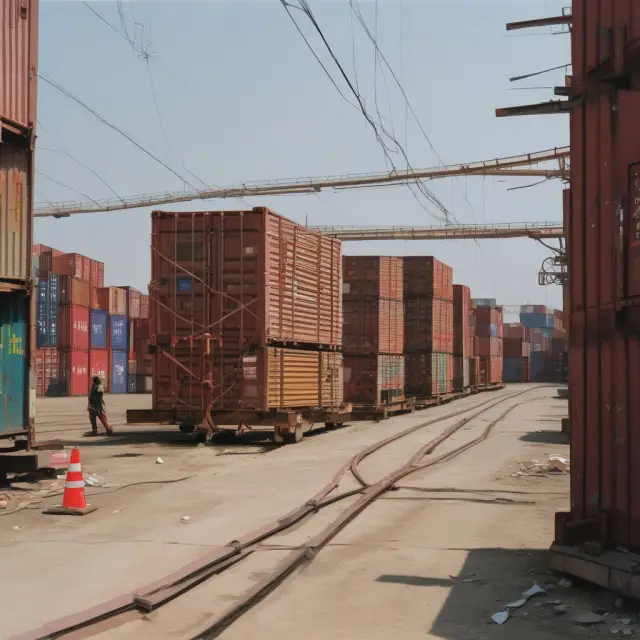
Voluntary export restraints (VERs) are considered non-tariff barriers, which make them restrictive trade measures like quotas and embargoes. Although VERs offer advantages to domestic industries, they have notable limitations that impact their effectiveness. One major limitation is the possibility of exporting companies bypassing the restrictions.
To illustrate, a company from an exporting country can circumvent the VER by setting up manufacturing operations in the importing country. By doing so, the company no longer needs to export goods and will not be subjected to the export restraints. The option for foreign manufacturers to establish local production facilities has been a significant reason why VERs have historically proved ineffective in protecting domestic producers.
Additionally, VERs can face challenges when it comes to enforcement due to their voluntary nature. Unlike tariffs or quotas, VERs do not involve an official regulatory body to oversee compliance. This lack of oversight may result in inconsistent implementation and adherence to export limits by the exporting country.
Moreover, voluntary export restraints can create incentives for non-compliance as they provide a competitive advantage to the participating firms in the short term. However, in the long run, VERs may not effectively protect domestic industries from competition, as they do not address the underlying causes of their competitiveness issues.
It’s important to note that voluntary export restraints are not an ideal solution for countries seeking long-term protection of domestic industries or job security. Instead, alternative measures like investments in research and development, labor retraining programs, and innovation can contribute more sustainably to the growth and competitiveness of domestic industries.
In conclusion, while VERs present advantages for domestic producers and labor markets, they are not without limitations. The possibility of companies bypassing export restraints, challenges with enforcement, and limited long-term effectiveness make it necessary for governments to consider alternative measures when seeking to protect their industries.

The End of Voluntary Export Restraints
Voluntary export restraints (VERs) were once a popular tool for governments seeking to protect their domestic industries from foreign competition. In 1994, however, the World Trade Organization (WTO) members agreed to phase out existing VERs and not implement any new ones. The WTO’s stance against VERs is based on its commitment to free and fair trade and reducing non-tariff barriers that can distort markets and hinder global economic growth.
Understanding the Importance of Eliminating Voluntary Export Restraints
Voluntary export restraints (VERs) limit the quantity of a good that an exporting country is allowed to send to another country. This self-imposed restriction on exports can lead to trade distortions, inefficiencies, and negative economic consequences for both countries involved. By eliminating VERs, the WTO fosters free competition among all nations, promoting fair trade practices and allowing markets to function more efficiently.
Impact of Voluntary Export Restraints on Domestic Industries and Consumers
While VERs may seem advantageous in the short term for domestic industries, they can ultimately lead to negative consequences. By limiting exports, countries artificially increase the prices of goods. This price rise benefits domestic industries but can adversely affect consumers who pay higher prices for those goods. Additionally, VERs can result in less efficient production processes as there is reduced competition and lack of incentives to innovate and improve efficiency.
An Example of Voluntary Export Restraints: Japan’s Auto Industry and the U.S.
One notable example of voluntary export restraints occurred between the U.S. and Japan in the 1980s, when Japan agreed to limit its auto exports to the U.S. The agreement was aimed at protecting the American auto industry from Japanese competition. However, this protection came with consequences. The VER resulted in a rise in the prices of Japanese cars, making them less affordable for some consumers. Additionally, it led to increased Japanese assembly plants in North America, which ultimately meant that Japanese automakers were producing more vehicles locally rather than exporting them.
Replacing Voluntary Export Restraints with Alternative Trade Measures
The elimination of VERs has paved the way for other trade measures that promote economic growth and efficient markets. For instance, countries can negotiate free trade agreements (FTAs) that reduce or eliminate tariffs on goods traded between them. FTAs not only encourage fair competition but also strengthen economic relationships and foster cooperation between nations.
Conclusion: A Step Towards Global Free Trade
Voluntary export restraints (VERs) were once used as a means to protect domestic industries from foreign competition, but their negative consequences outweigh the advantages. By eliminating VERs, countries have moved towards promoting free and fair trade, allowing markets to function more efficiently and fostering stronger economic relationships between nations. Today, alternative measures such as free trade agreements (FTAs) are becoming increasingly popular for establishing mutually beneficial trading arrangements.

Conclusion: Voluntary Export Restraints in Today’s Global Economy
In conclusion, voluntary export restraints (VERs) have been used extensively throughout history as a tool to provide protection for domestic industries and labor markets. By implementing self-imposed limits on their exports to another country, exporting nations can shield their industries from competition, potentially leading to increased profits, employment opportunities, and overall economic benefits. However, these advantages come with notable drawbacks such as negative trade, consumption, and production distortions which decrease national welfare.
Historically, VERs have been used since the 1930s, becoming particularly popular in the 1980s. These agreements were often the result of negotiations between countries and could be applied at an industry level. The most well-known example is Japan’s auto exports to the U.S., which saw the Japanese automakers voluntarily limit their exports in response to American pressure. Although VERs have played a role in shaping international trade, they were phased out as part of the WTO’s agreement following the Uruguay Round in 1994.
One significant limitation of VERs is that exporting companies can bypass these restrictions by building manufacturing facilities within the importing country instead of exporting goods. The option to set up a local plant allows them to avoid the country’s VER and maintain their competitive edge, making this a major factor contributing to their historical ineffectiveness.
Instead of VERs, countries now focus on other trade measures like voluntary import expansion (VIE) agreements, which encourage more imports by lowering tariffs or dropping quotas. VIEs can lead to increased competition and overall economic benefits for both the exporting and importing nations, without the negative effects associated with VERs.
In today’s global economy, the use of voluntary export restraints has diminished significantly. Instead, countries focus on other trade policies such as free trade agreements and reducing tariffs to promote international commerce and cooperation. The changing landscape of trade policies reflects the need for more open markets and a more interconnected global economy.

FAQ: Frequently Asked Questions About Voluntary Export Restraints
What is a Voluntary Export Restraint (VER)?
A Voluntary Export Restraint (VER) refers to an agreement between exporting and importing countries, where the former voluntarily restricts the quantity of a product it exports. This restriction is self-imposed by the exporting country. Historically, VERs originated in the 1930s and became increasingly popular during the 1980s when Japan applied one to limit auto exports to the U.S. In the 1990s, the World Trade Organization (WTO) agreed not to implement any new VERs and phase out existing ones within a year, with some exceptions.
How do Voluntary Export Restraints (VERs) work?
Voluntary export restraints (VERs) are non-tariff barriers used as trade restrictions. They operate through agreements reached between the importing and exporting countries, where the latter voluntarily restricts the amount of a specific product it exports to the former. These agreements can be industry-level and are often sought by importing countries to protect their domestic businesses from competition. VERs gained popularity in the 1930s and were a common form of protectionism during the 1980s, with applications ranging from textiles to automobiles. In the Uruguay Round of the General Agreement on Tariffs and Trade (GATT) in 1994, WTO members agreed not to create any new VERs and to eliminate existing ones within a year.
What are some advantages of Voluntary Export Restraints (VERs)?
Advantages of VERs include
– Protection for domestic producers and labor markets.
– Potential benefits to the national economy in terms of employment, profits, and economic growth.
However, VERs can also result in trade, consumption, and production distortions that negatively impact national welfare. These distortions can lead to decreased efficiency, higher prices for consumers, reduced competition, and an unequal distribution of benefits between industries and countries.
What are some limitations of Voluntary Export Restraints (VERs)?
Limitations of VERs include
– The possibility that exporting companies can bypass them by setting up production facilities in the importing country.
– Historical ineffectiveness due to their potential for creating market inefficiencies and trade distortions, which often outweigh any potential benefits for domestic producers.
What is the difference between a Voluntary Export Restraint (VER) and a Voluntary Import Expansion (VIE)?
A voluntary export restraint (VER) is a self-imposed restriction on exports, while a voluntary import expansion (VIE) refers to a change in economic and trade policy to allow for more imports. VERs are restrictive measures designed to protect domestic industries from foreign competition, while VIEs aim to encourage more imports by lowering tariffs or dropping quotas. Both can be part of trade agreements, with the former providing protection and the latter promoting increased openness in international markets.
What is an example of a Voluntary Export Restraint (VER)?
One prominent example is Japan’s imposition of a VER on its auto exports to the U.S. during the 1980s, which protected the U.S. automotive industry from competition and resulted in higher-priced Japanese vehicles entering the market. However, this relief was short-lived as it led to an increase in exports of these vehicles and a proliferation of Japanese assembly plants in North America.
What is the end result of Voluntary Export Restraints (VERs)?
The elimination of VERs in the 1990s, as agreed upon by WTO members, marked their decline in use. Today, VERs are no longer a common form of trade restriction, and countries focus on alternative measures to protect domestic industries.
 Next entry · No. 5,543Understanding Vomma and Vega: Essential Greek Derivatives for Option Trades
See also
-
 No. 5,023
05 Aug 2025
26 min
Understanding Trade Wars: A Modern Economic Battle
International Trade
No. 5,023
05 Aug 2025
26 min
Understanding Trade Wars: A Modern Economic Battle
International Trade -
 No. 5,829
11 Oct 2025
22 min
Understanding the World Trade Organization (WTO): History, Functions, Advantages, Disadvantages, Leadership, and Importance
International Trade
No. 5,829
11 Oct 2025
22 min
Understanding the World Trade Organization (WTO): History, Functions, Advantages, Disadvantages, Leadership, and Importance
International Trade -
 No. 5,358
02 Sep 2025
17 min
Understanding the Concept of Usance in International Trade and Finance
International Trade
No. 5,358
02 Sep 2025
17 min
Understanding the Concept of Usance in International Trade and Finance
International Trade -
 No. 5,022
05 Aug 2025
19 min
Understanding Trade Surpluses: Causes, Effects, and Key Countries
International Trade
No. 5,022
05 Aug 2025
19 min
Understanding Trade Surpluses: Causes, Effects, and Key Countries
International Trade -
 No. 4,857
22 Jul 2025
21 min
Understanding Tariffs: Definition, Reasons, Types, Pros, Cons, History
International Trade
No. 4,857
22 Jul 2025
21 min
Understanding Tariffs: Definition, Reasons, Types, Pros, Cons, History
International Trade -
 No. 4,260
04 Jun 2025
26 min
Understanding Quotas in International Trade: What They Are and How They Work
International Trade
No. 4,260
04 Jun 2025
26 min
Understanding Quotas in International Trade: What They Are and How They Work
International Trade