Understanding Dumping: A Primer for Institutional Investors

Understand the concept, advantages, disadvantages, and implications of dumping in international trade through real-world examples and expert analysis.
What is Dumping?
Dumping, a phenomenon in international trade, refers to exporting goods at prices lower than those in the domestic market. This deliberate pricing strategy is employed to gain a significant competitive edge over foreign competitors and can have profound implications for both the exporter’s home market and the importing nation’s economy. In this section, we delve into the intricacies of dumping, exploring its advantages, disadvantages, legality in international trade organizations, and countermeasures taken by affected nations.
Understanding Dumping
Dumping is a form of price discrimination, where manufacturers deliberately lower prices for foreign markets to gain an unfair competitive advantage. The practice becomes significant when the difference between the domestic market price and the export price is substantial, flooding the target market with cheaper goods that can potentially displace local producers or even wipe them out entirely.
Advantages and Disadvantages of Dumping
The primary advantage of trade dumping lies in its ability to undercut competitors by offering lower prices. In some cases, governments may subsidize the losses incurred from selling below manufacturing cost (known as predatory pricing) to sustain dumping activities in the long run. However, these advantages come with their downsides. Subsidies can become burdensome and unsustainable over time, requiring increased resources and eventually straining national budgets. Moreover, trade partners may respond by increasing restrictions on imports or limiting the quantity of goods imported to protect their industries from predatory pricing.
International Attitude Towards Dumping
While dumping is legal under World Trade Organization (WTO) rules unless proven detrimental to domestic industries, most countries are not fans of this practice. To counteract dumping and safeguard domestic producers, nations commonly employ tariffs, quotas, and trade agreements that restrict the entry or limit the volume of imported goods. In some cases, a violation of such agreements may be challenging to prove and can incur high costs for enforcement. When no specific agreement exists between two countries, there is generally no explicit ban on dumping.
Real-world Example
The International Trade Association (ITA) provides a noteworthy example illustrating the consequences of dumping. In January 2017, they determined that the anti-dumping duty imposed on silica fabric imports from China would remain in effect after an investigation revealed these products were sold below fair value in the United States. The ITA’s decision was based on evidence suggesting a high likelihood of recurring dumping if the tariff were removed.
In the next section, we explore the reasons why dumping is considered unfair and examine international organizations’ perspectives towards this controversial practice.

Advantages and Disadvantages of Dumping
Dumping is an economic strategy employed by countries or companies to gain a competitive edge in the international market by selling goods at lower prices than those prevailing within their domestic markets. This pricing strategy, often viewed as predatory, can create significant advantages and disadvantages for both exporters and importers.
Advantage: Undercutting Competitors with Unfair Prices
The primary advantage of dumping is the ability to undersell competitors in the import market with seemingly unfair prices. This strategy allows exporters to capture a larger market share, which can lead to increased sales, revenue growth, and potential long-term competitive advantages. Moreover, when markets are characterized by imperfect competition, dumping can help eliminate less efficient competitors, leading to higher industry concentration.
Advantage: Subsidies to Offset Losses from Selling Below Manufacturing Cost
Another advantage of dumping is the ability for exporters to offset losses incurred through selling below their manufacturing cost with subsidies from their governments. These subsidies can take various forms, such as direct monetary transfers or indirect benefits like tax exemptions, infrastructure development, or access to cheap raw materials. By providing financial relief, governments enable companies to continue exporting at lower prices without suffering significant financial damage.
Disadvantages: Increased Costs, Market Restrictions, and Difficulty in Proving Dumping
Despite the benefits of dumping for exporters, it also comes with several disadvantages. One such disadvantage is increased costs for importers due to countermeasures like tariffs and quotas designed to protect domestic industries. Furthermore, importing countries may restrict access to their markets through various means, making it more challenging for the exporting country to gain a foothold in the market. Lastly, proving dumping can be difficult and costly as it requires substantial evidence of intentional price discrimination between markets.
By understanding the advantages and disadvantages of dumping, international investors and businesses can make informed decisions when entering foreign markets or implementing pricing strategies.

Why is Dumping Considered Unfair?
Dumping has been a topic of contention for many years in international trade, with several reasons backing its reputation as an unfair practice. This section will discuss why dumping can pose a significant threat to domestic industries and competition.
Firstly, the primary concern is price undercutting, which can negatively impact local producers. When companies engage in dumping, they are selling their products below their domestic prices in the target market. By doing so, they gain an unfair competitive advantage that makes it difficult for local manufacturers to compete on a level playing field.
Moreover, some exporters may even receive subsidies from their governments to offset any losses incurred due to selling their goods at below-market prices. These subsidies can put further pressure on domestic industries and drive them out of the market entirely.
However, it is essential to understand that dumping does not always result in negative consequences for consumers. In some cases, it might lead to lower prices and increased access to certain goods, benefitting consumers significantly. Nevertheless, when domestic producers are unable to compete effectively due to unfair competition, these benefits are often outweighed by the losses experienced by the local industry.
The potential damage to domestic industries can be significant. When foreign companies sell their products at below-market prices in a target market, they can create a distortion that makes it difficult for local producers to compete effectively. In turn, this can lead to job losses, reduced output, and even the collapse of entire industries.
Additionally, dumping can result in a loss of revenue for governments, as they may need to provide assistance or support to industries affected by dumping. This could potentially divert resources away from other essential areas, such as education, healthcare, or infrastructure development.
It’s also important to note that not all instances of price differences between markets can be considered dumping. There are several factors that need to be taken into account when determining if a situation constitutes dumping. These include the reasons for the price difference and any subsidies provided by governments, among other factors.
In summary, dumping poses a considerable threat to domestic industries and competition in target markets due to its potential to significantly undercut prices. The consequences can be far-reaching, including job losses, revenue losses for governments, and the erosion of entire industries. In the next section, we will discuss the legal frameworks governing dumping under international trade organizations, including WTO rules and common protective measures employed by countries.

International Attitude Towards Dumping
Under WTO rules, dumping is considered lawful unless it can be proven to harm the domestic industry of the importing country. Dumping has been a contentious issue in international trade, as it often creates an uneven playing field and threatens the survival of local businesses. To counterbalance the potential negative impact on domestic industries, several measures have been implemented.
The World Trade Organization (WTO) permits dumping unless there is clear evidence that the exported goods are causing damage to the importing country’s industry. Dumping can be detrimental as it often results in increased competition and lower prices for consumers in the importing nation, which could potentially lead to market instability and job losses within domestic industries.
To protect their industries from dumping, countries may employ several measures:
- Tariffs: The imposition of additional fees on imported goods is a common defensive measure used by governments to counteract the effects of dumping. By raising import prices, tariffs can make it less profitable for foreign exporters to sell at below-market prices.
- Quotas: Governments may restrict the quantity of a particular product that can be imported during a given period, reducing the overall impact of cheap imports on domestic industries and allowing time for local producers to adjust.
- Trade Agreements: International agreements between nations can help regulate dumping through binding commitments from signatories not to engage in it. These agreements may include provisions for consultation, mediation, or dispute resolution mechanisms if dumping occurs.
- Voluntary Export Restraints (VERs): A VER is a negotiated agreement between the exporting country and the importing country where the exporter agrees to limit exports to a specific volume. This approach can help prevent an excessive influx of imports, allowing domestic industries to recover.
- Countervailing Duties: Governments may impose countervailing duties on imported goods that have received foreign subsidies. These duties act as a protective measure against unfair competition and aim to offset the impact of the subsidy.
It is important to note that the application of these measures can be challenging, particularly when it comes to proving harm or determining the actual extent of damage to domestic industries. In practice, the determination of whether dumping has occurred and its subsequent regulation often involves a complex process that may take months or even years to resolve.
One well-known example of dumping is the case of silica fabric from China. In January 2017, the International Trade Administration (ITA) decided to continue the anti-dumping duty levied on silica fabric products imported from China, based on evidence that these products were being sold at below fair value in the United States. The ITA ruling was a response to concerns regarding the potential negative impact of cheap imports on domestic producers and their ability to compete effectively in the market.
In conclusion, dumping remains a complex and multifaceted issue in international trade. While it may offer advantages such as increased competition and lower consumer prices, it can also negatively affect the industries of importing countries. As a result, governments employ various measures to regulate dumping and protect their domestic producers from potentially harmful market practices. The application of these measures requires careful consideration and ongoing collaboration between exporting and importing nations to ensure a level playing field for all parties involved.
Examples of Dumping Cases
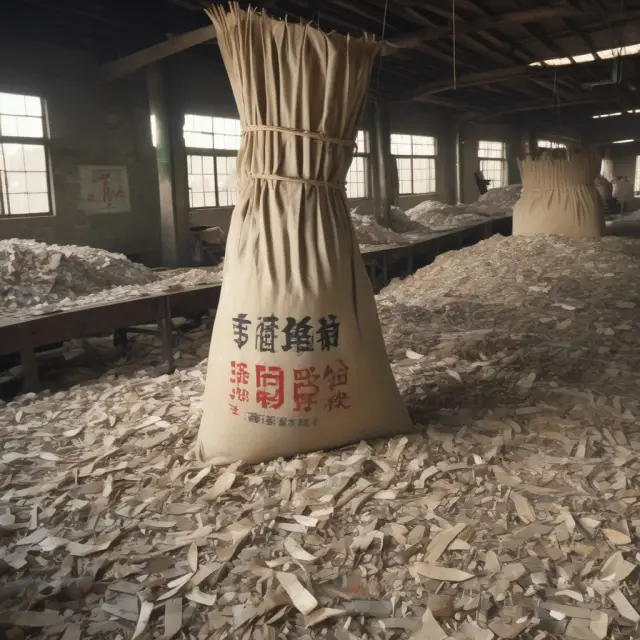
One real-world example of dumping is the 2017 case concerning silica fabric products from China exported to the United States. In this situation, the International Trade Association (ITA) determined that the anti-dumping duties imposed on Chinese silica fabric exports were justified due to their sale at below fair value prices in the U.S market. The investigation by the Department of Commerce and the International Trade Commission indicated a high likelihood for continued dumping if these tariffs were not maintained.
The Silica Fabric Case: A Comprehensive Analysis
A critical dumping case that received considerable attention was the silica fabric exported from China to the United States. The ITA investigation in 2017 demonstrated substantial evidence of dumping, as Chinese manufacturers were selling their products at below fair value prices. This occurred due to subsidies provided by the Chinese government aimed at offsetting losses from selling below manufacturing costs.
The negative impact of such dumping was significant for U.S. producers since it put them at a disadvantage in their own market, often forcing domestic companies to reduce production or exit the industry entirely. In turn, this created potential job losses and reduced economic opportunities for U.S. citizens. The U.S. imposed anti-dumping duties as a countermeasure to protect its industries from the unfair competitive practice of trade dumping.
The Chinese government’s decision to subsidize their silica fabric producers is just one example of the various tactics used by countries and companies to gain a competitive edge in international markets. This case highlights the importance of understanding the concept of dumping, recognizing its potential consequences for industries, and employing countermeasures when necessary to protect domestic interests.
This section aims to shed light on real-world examples that illustrate the intricacies and implications of dumping in international trade. By exploring various cases, we can better comprehend the reasons for the practice, how it affects different players within the global economy, and potential solutions to mitigate its negative impacts.

The Role of International Trade Organizations in Regulating Dumping
Dumping is a controversial and complex phenomenon, particularly within the context of international trade. Its legality and fairness have long been debated among nations, leading to numerous conflicts and regulatory frameworks aimed at addressing its negative impacts. In this section, we will examine the role of international trade organizations in regulating dumping.
International Trade Organizations: The WTO and Beyond
The World Trade Organization (WTO) is a significant player when it comes to regulating dumping. Dumping is considered an unfair competitive practice under the WTO Agreement on Subsidies and Countervailing Measures but is generally legal unless foreign countries can prove the negative effects caused by the exporting firm on their domestic producers. The WTO’s agreement on anti-dumping duties provides a framework for affected countries to impose protective measures against dumping.
However, not all nations have signed up for these agreements or may choose not to comply with them. In such cases, other international trade organizations may come into play. For instance, the European Union (EU) and the North American Free Trade Agreement (NAFTA) have their own regulations against dumping that may differ from those under the WTO.
Impact of International Trade Organizations on Dumping Regulations
International trade organizations like the WTO play an essential role in setting global standards for regulating dumping. They help establish uniform rules and principles, making it easier for countries to cooperate and maintain a level playing field within international markets. The WTO’s anti-dumping agreement, which is based on the principle of reciprocity, allows countries to impose protective measures against dumped imports only if they intend to do so in response to similar actions taken by other countries against their exports.
Protective Measures Against Dumping: Tariffs, Quotas, and Beyond
One common approach for counteracting dumping is the use of tariffs or quotas, which limit the importation of certain goods into a country at a specified price or quantity. These protective measures aim to protect domestic industries and prevent damage caused by dumped imports. However, they can also have negative consequences, such as reduced competition and higher prices for consumers.
Another way that international trade organizations can influence dumping is through the negotiation of free trade agreements (FTAs). FTAs establish a cooperative framework between trading partners, reducing the likelihood of disputes related to dumping and other trade-related issues. For example, many FTAs include provisions for consultation and cooperation in addressing subsidies that may contribute to dumping.
In conclusion, international trade organizations such as the WTO play a crucial role in regulating dumping by establishing global standards, providing a framework for protective measures, and encouraging cooperation between nations. Understanding this role can help shed light on the complex dynamics of dumping in international markets and highlight the potential implications for both affected industries and consumers.

Protective Measures Against Dumping
Dumping, as mentioned previously, presents significant challenges for domestic producers in importing countries. To counteract these negative effects, various measures are employed by governments and international organizations to protect their industries from unfair trade practices.
One of the most common protective measures is the imposition of anti-dumping duties. These tariffs are designed to offset the price difference between the home market and the export market for a product, thus preventing the dumping practice. The World Trade Organization (WTO) permits the use of anti-dumping duties under certain conditions. To justify such action, three conditions must be met:
- Domestic industry must be in imminent danger due to dumped imports.
- A causal link between the dumped imports and injury to the domestic industry must be proven.
- The application of anti-dumping duties should not create unnecessary barriers to international trade.
Governments also employ other measures, such as voluntary export restraint agreements (VERs) or orderly marketing arrangements (OMAs), which aim to limit exports to stabilize global markets and protect domestic industries from dumping. The objective of these agreements is to establish a coordinated framework for managing the supply side of international trade by setting production quotas, pricing guidelines, or other conditions that ensure fair competition.
When faced with significant dumping threats, countries can collaborate through free trade agreements (FTAs) and regional cooperation initiatives like the North American Free Trade Agreement (NAFTA). These pacts aim to facilitate open markets and reduce tariffs, while providing a mechanism for addressing dumping through consultations and dispute resolution procedures.
In conclusion, dumping poses significant risks to domestic industries by introducing lower-priced imports that can lead to market disruptions and long-term damage. To counterbalance these effects, governments employ various protective measures like anti-dumping duties, VERs, OMAs, FTAs, and regional cooperation initiatives. By understanding these mechanisms, countries can better protect their industries from the negative consequences of dumping and promote a fair and sustainable international trading environment.
Consequences of Dumping for Trade Partners and Markets
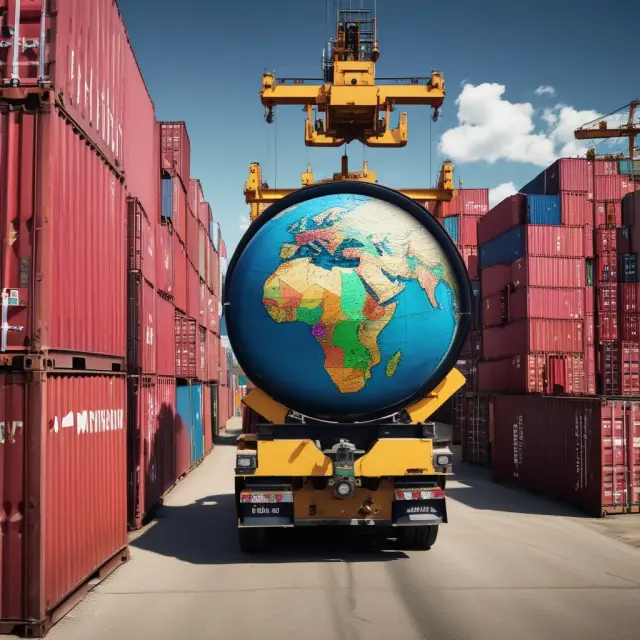
The potential consequences of dumping for trade partners and markets can be both far-reaching and detrimental. When a foreign company dumps its products onto an importing market, it significantly alters the competitive landscape within that market. In some cases, this could lead to the decline or even extinction of domestic industries.
One of the most evident negative consequences is the loss of jobs in the affected industry. Domestic producers may face price pressures that make it difficult for them to compete with the imported goods. As a result, they may be forced to lay off workers or shut down their businesses entirely. This, in turn, can lead to higher unemployment and economic instability in the importing nation.
Another consequence of dumping is the potential damage to the domestic industry’s reputation. When consumers perceive that foreign goods are consistently priced lower than comparable domestic ones, they may begin to question the value or quality of the domestic products. This shift in consumer sentiment could ultimately lead to a decline in demand for these items and further harm the affected industry.
The long-term implications of dumping can be severe for both trade partners. The importing nation may develop an unsustainable dependence on cheap, imported goods, making it vulnerable to external economic pressures. This lack of self-sufficiency can hinder its ability to adapt to changing market conditions and may even stifle its economic growth.
On the other hand, the exporting country may benefit from increased sales and revenue in the short term. However, this success could potentially lead to overproduction, which, combined with a glut on the international market, can lead to decreased prices and increased competition. In such cases, it is essential for the exporting nation to diversify its economy to reduce its reliance on a single product or industry.
Additionally, dumping may also result in increased geopolitical tensions between the trade partners involved. When one country exports below market price goods to another, it can be seen as an aggressive act that challenges the sovereignty of the importing nation’s economy. This can lead to diplomatic disagreements and potential retaliatory measures by the affected country.
In conclusion, dumping poses significant risks for both trade partners and markets. Domestic industries face the possibility of declining competitiveness and extinction, while importing nations risk economic instability and unsustainable dependence on foreign goods. To mitigate these negative consequences, it is essential that international organizations such as the World Trade Organization (WTO) continue to develop regulations and enforcement mechanisms aimed at preventing dumping. Moreover, trade agreements between countries can provide a framework for addressing instances of dumping and ensuring fair market competition for all involved parties.

Strategies to Counteract Dumping
When it comes to dealing with the negative effects of dumping, countries and companies often employ various strategies aimed at protecting their industries from predatory pricing and foreign competition. Three primary methods that are commonly employed in response to dumping are retaliatory tariffs or quotas, government subsidies for affected industries, and collaborative efforts between affected nations.
Retaliatory Tariffs or Quotas
To counteract the impact of dumped goods on domestic producers, importing countries may impose retaliatory tariffs or quotas on those goods. A tariff is a tax imposed on imported goods that increases their cost and makes them less competitive compared to domestically produced alternatives. By increasing the price of the imported products, tariffs help level the playing field for domestic producers and protect them from unfair competition. Quotas work similarly but limit the quantity of imported goods, thus preventing the dumped product from flooding the market and potentially undercutting local industries.
Government Subsidies for Affected Industries
Another way to counteract dumping is by providing financial support to affected industries through government subsidies. By offering financial assistance to domestic producers, governments aim to help these companies compete with cheaper imported goods, maintain their market share, and preserve jobs in the affected industry. Subsidies can take many forms, including grants, tax breaks, loans, or low-cost credit facilities.
Collaborative Efforts Between Affected Nations
International cooperation between affected nations is an essential component of countering dumping and promoting fair trade practices. One such initiative is the World Trade Organization (WTO), which has established a framework for resolving disputes related to unfair competitive practices, including dumping. Additionally, countries may form bilateral or multilateral agreements that include provisions against dumping, setting minimum prices or establishing export targets. Such collaborative efforts can help affected nations negotiate and implement countermeasures jointly, increasing their bargaining power in trade negotiations and ensuring a more balanced approach to international trade.
In conclusion, dumping is a complex issue in the world of international trade that requires careful consideration and strategic responses from affected parties. By employing retaliatory tariffs or quotas, government subsidies for affected industries, and collaborative efforts between nations, countries and companies can work together to counteract the negative effects of dumping and maintain a level playing field in global markets.
In the next section, we will discuss the consequences of dumping for trade partners and markets, shedding light on its potential long-term implications and the potential challenges it poses. Stay tuned!

Long-term Impacts of Dumping
Dumping can lead to several long-term consequences for both the exporting and importing countries involved in the trade transaction. Understanding these implications is crucial for investors and economists to assess the overall impact of such practices on the global economy.
One potential long-term consequence of dumping is the creation of a dependency relationship between the two nations involved. The importing country may become reliant on the exports from the exporting nation, which could potentially hinder its domestic industries’ growth and development. This dependency can be especially problematic if the exported goods are essential to the importing country’s economy or if they replace local production entirely.
Another long-term consequence of dumping is the potential for retaliation from the importing country. If the imported goods significantly impact domestic industries, the importing country may respond with countermeasures such as tariffs or quotas to protect its producers. This could lead to a trade war, which would negatively affect both economies involved.
Dumping can also result in increased pressure on wages and working conditions in the exporting country. With the lower production costs, companies may choose to shift their operations to countries where labor is cheaper. This can lead to wage suppression for workers in both the exporting and importing nations. Moreover, it could potentially lead to human rights concerns related to labor exploitation.
A more positive long-term outcome of dumping could be increased economic cooperation between the two nations. In some cases, countries may use dumping as a negotiating tactic to gain access to new markets or establish trade agreements. These agreements can bring benefits like increased trade flow and improved market access for both parties. However, these advantages depend on fair negotiations and a level playing field, which requires ongoing monitoring to prevent potential abuses.
Overall, dumping’s long-term impacts are complex, with implications ranging from economic dependency to cooperation, and from labor concerns to human rights issues. Understanding these effects is essential for investors, governments, and international organizations to make informed decisions when dealing with dumping in the global economy.

FAQs on Dumping
What is dumping, and why does it matter to international trade?
Dumping refers to exporting goods at prices lower than those in the exporter’s home market. This practice can potentially damage competitors in importing countries by flooding their markets with cheaper products.
Is dumping legal under WTO rules?
Yes, but only if it does not cause material injury to domestic industries or producers. If proven, the importing country can take countermeasures such as imposing tariffs or quotas to protect its industries.
What is the rationale behind countries’ opposition to dumping?
Countries generally dislike dumping because it might lead to significant economic damage for their domestic industries and potential job losses. Additionally, they may view it as an unfair competitive practice.
Why do firms engage in dumping?
Firms engage in dumping primarily to gain a competitive edge by offering lower prices than competitors in the target market. They may be able to absorb the losses due to economies of scale or subsidies from their governments.
What happens when a country dumps a product into another nation’s market?
The importing country can impose countermeasures, such as tariffs and quotas, to protect its domestic industries. These measures can result in increased costs for the exporting country or limits on the quantity they can sell in the targeted market.
What are some real-world examples of dumping cases?
One well-known example involves silica fabric from China being sold below fair value in the United States, which led to an anti-dumping duty being levied against it. Another instance involved Chinese solar panels flooding the European Union market, prompting EU countries to investigate and potentially levy duties on imports.
How can affected nations counteract dumping?
They may impose tariffs or quotas to protect their industries from unfair competition. Governments can also subsidize affected industries or collaborate with other nations to create a level playing field in the global market.
 Next entry · No. 1,151Understanding the Importance and Application Process of a Data Universal Numbering System (DUNS) Number in Businesses
See also
-
 No. 1,353
03 Sep 2024
17 min
Understanding Eurocurrency and Its Significance in the Global Financial System
Business Finance
No. 1,353
03 Sep 2024
17 min
Understanding Eurocurrency and Its Significance in the Global Financial System
Business Finance -
 No. 185
07 Apr 2024
21 min
Understanding Anti-Dumping Duties: Protecting Domestic Economy from Below-Cost Imports
Regulations
No. 185
07 Apr 2024
21 min
Understanding Anti-Dumping Duties: Protecting Domestic Economy from Below-Cost Imports
Regulations -
 No. 5,829
11 Oct 2025
22 min
Understanding the World Trade Organization (WTO): History, Functions, Advantages, Disadvantages, Leadership, and Importance
International Trade
No. 5,829
11 Oct 2025
22 min
Understanding the World Trade Organization (WTO): History, Functions, Advantages, Disadvantages, Leadership, and Importance
International Trade -
 No. 5,542
17 Sep 2025
19 min
Understanding Voluntary Export Restraints (VERs): What They Are, How They Work, Advantages, Disadvantages and Notable Examples
International Trade
No. 5,542
17 Sep 2025
19 min
Understanding Voluntary Export Restraints (VERs): What They Are, How They Work, Advantages, Disadvantages and Notable Examples
International Trade -
 No. 5,030
06 Aug 2025
22 min
Understanding the Role of Trading Houses: Intermediaries Facilitating International Trade
International Trade
No. 5,030
06 Aug 2025
22 min
Understanding the Role of Trading Houses: Intermediaries Facilitating International Trade
International Trade -
 No. 5,024
05 Aug 2025
21 min
Understanding the Power of Comparative Advantage in International Trade
International Trade
No. 5,024
05 Aug 2025
21 min
Understanding the Power of Comparative Advantage in International Trade
International Trade