Understanding Anti-Dumping Duties: Protecting Domestic Economy from Below-Cost Imports

Learn the ins and outs of Anti-Dumping Duties, a protective measure designed to safeguard domestic industries against below-cost imports.
What is an Anti-dumping Duty?
An anti-dumping duty (ADD) refers to a protective tariff imposed by domestic governments on foreign imports that are believed to be sold at prices below their fair market value, also known as “dumped” goods. The intent behind this protectionist measure is to safeguard local industries from the damaging effects of below-cost pricing and preserve jobs within the domestic economy.
Understanding the Concept of Dumping
Dumping occurs when a foreign company exports a product at a price substantially lower than its market value or production cost. The significant price discrepancy between the home and export markets can result in detrimental consequences for domestic industries, as they may be unable to compete with the inflated imports and potentially face business closures.
Key Differences Between Fair Market Value & Below Cost Pricing
Fair market value (FMV) represents the price that a willing buyer would pay a willing seller in an open market, free from coercion or undue influence. Meanwhile, below cost pricing refers to the sale of goods at a price lower than their actual cost of production. In an anti-dumping investigation, it is essential to establish whether the exported product’s price falls below its fair market value (FMV) or if the selling price represents below-cost pricing.
Role of Anti-Dumping Duties in the U.S.: International Trade Commission & Department of Commerce
In the United States, two primary government agencies are responsible for implementing anti-dumping duties: The International Trade Commission (ITC) and the Department of Commerce.
- The ITC: An independent federal agency, the ITC conducts investigations to determine if an industry is being materially injured or threatened with material injury due to dumped imports. Injury determinations made by the ITC can result in the imposition of anti-dumping duties on imported products found to be sold at below fair market value.
- The Department of Commerce: This agency investigates whether foreign producers have sold their goods at less than fair value (LTFV) and calculates the amount of additional duty that should be applied to affected imports, based on the findings from the ITC investigation.
World Trade Organization’s Role in Regulating Anti-Dumping Measures
The World Trade Organization (WTO) is an international organization dedicated to establishing rules for global trade among its member countries. The WTO monitors anti-dumping measures and ensures that they comply with agreed-upon guidelines, while also addressing potential conflicts between trading partners. While the WTO itself does not directly enforce anti-dumping duties, it plays a crucial role in regulating their application and upholding free trade principles.
Understanding Anti-Dumping Duties: Pros & Cons
Although anti-dumping duties aim to protect local industries and jobs, they can also lead to negative consequences for domestic consumers, as well as reduced international competition.
Advantages:
- Protect domestic jobs by preventing the importation of below-cost goods that could potentially harm local businesses.
- Provide a level playing field for domestic companies competing with foreign firms.
Disadvantages:
- Increase prices for domestic consumers due to the added tariffs on imported goods.
- Reduce international competition and potentially hinder innovation, as domestic industries may rely on protectionist measures rather than improving their own competitive edge.
- Encourage retaliation from trading partners, leading to a potential trade war and damaging diplomatic relations.
In conclusion, anti-dumping duties serve an essential role in protecting local economies by preventing below-cost imports that could potentially harm domestic industries and jobs. However, they come with their share of challenges and can lead to unintended consequences for consumers, international competition, and trading relationships. Understanding the concept of anti-dumping duties is crucial for investors and businesses seeking a competitive edge in today’s global economy.

How Do Anti-Dumping Duties Work in the U.S.?
An anti-dumping duty is a protectionist tariff that U.S. authorities impose on foreign imports they believe are priced below fair market value, a practice referred to as dumping. When a country dumps its goods in another nation’s market, it sells these products at significantly lower prices than those applied in the domestic market, often with the goal of capturing a larger share of that market or driving local competition out of business. To protect domestic industries from such below-cost imports, the U.S. government employs two agencies: the International Trade Commission (ITC) and the Department of Commerce.
The U.S. ITC is an independent federal body responsible for investigating alleged dumping allegations, determining whether domestic industries have been injured as a result, and subsequently making recommendations to the president regarding remedial measures. These actions are based on findings and reports from both the ITC and the Department of Commerce’s anti-dumping investigations. Once the ITC issues its affirmative determination of material injury or threat of material injury, the president may then impose duties on imported goods.
The World Trade Organization (WTO) is an international organization that regulates the rules of trade between member nations. It plays a role in governing anti-dumping measures through a set of international trade regulations, ensuring that these measures do not infringe upon free trade principles. The WTO agreement permits governments to implement anti-dumping duties if they can justify this action as necessary to protect domestic industries from material injury or the threat thereof.
Anti-dumping duties have the potential to distort the market and lead to higher prices for consumers, as well as reduced international competition. In a free market, governments cannot typically determine fair market prices for goods. However, when a foreign company sells products significantly below their cost of production, it can potentially disrupt local industries and harm domestic businesses. To counteract this potential threat, the U.S. government may impose duties on these imported goods to create a more level playing field for domestic producers.
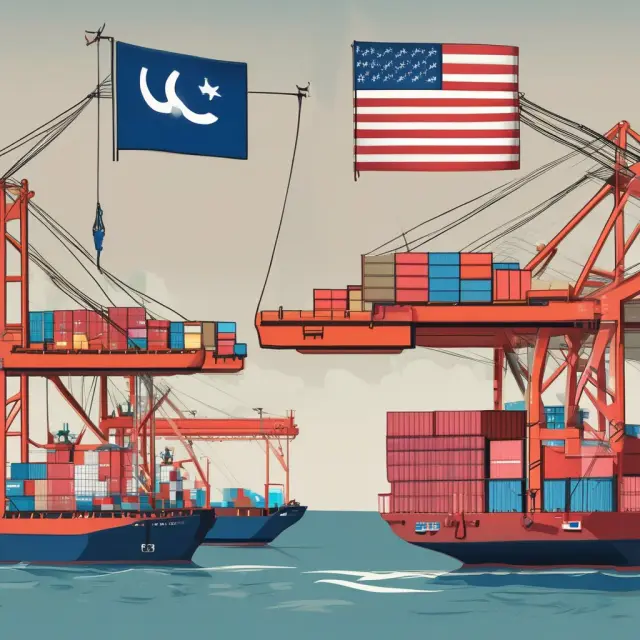
An illustrative example of anti-dumping duty implementation in the U.S. occurred in June 2015 when several American steel companies filed a complaint alleging that China was dumping steel into the U.S. market at unfairly low prices. The Department of Commerce and ITC conducted investigations, which ultimately led to the imposition of total combined anti-dumping and countervailing import duties on certain steel imports from China in 2016. This decision sparked a controversy and led to retaliation from China when it filed a complaint with the WTO challenging these tariffs. Since then, the U.S. has continued to use anti-dumping measures to address perceived unfair trade practices by various trading partners.
Why are Anti-Dumping Duties Controversial?
Anti-dumping duties have been a subject of intense debate due to their potential impact on domestic consumers, international competition, and the economy as a whole. Although anti-dumping measures are intended to protect local industries and jobs from below-cost imports, they can also result in several drawbacks for all stakeholders involved.
Firstly, anti-dumping duties may lead to higher prices for domestic consumers as the price of imported goods increases due to the tariff. This is particularly problematic in cases where there are no significant domestic alternatives to the imported product, leaving consumers with little choice but to pay the increased price. Moreover, if the domestic industry itself cannot produce the same product at a competitive price, it may result in consumers paying significantly more for essential goods and services.
Secondly, anti-dumping duties can reduce international competition within the domestic market, potentially stifling innovation and progress. When a foreign competitor is subjected to an anti-dumping duty, it makes it difficult or impossible for them to compete with domestic companies producing similar goods. This lack of competition may lead to complacency within the domestic industry and slow down innovation and progress in that sector.
Lastly, critics argue that anti-dumping duties can create trade tensions between countries, potentially impacting diplomatic relations. When a country imposes an anti-dumping duty on imports from another country, it can be perceived as protectionist and may lead to retaliation from the exporting country in the form of counter-tariffs or trade sanctions. This could result in a trade war, which is harmful for both countries involved, as well as for global economic growth.
To mitigate these concerns, there are alternatives that governments can explore instead of imposing anti-dumping duties, such as negotiating voluntary export restraints, countervailing duties, or using other forms of economic cooperation to address the underlying issues causing below-cost pricing. By carefully considering the potential consequences and exploring alternative solutions, governments can ensure that their actions contribute positively to the overall health of their economies and international trade relations.
The United States International Trade Commission (ITC) and the Department of Commerce play a vital role in determining whether anti-dumping duties are warranted based on the injury criteria outlined by the World Trade Organization (WTO). These organizations assess the impact of below-cost imports on domestic industries and determine if such imports pose a threat to the local economy. In some cases, these actions may be justified as necessary for safeguarding domestic jobs and industries. However, it’s essential that these protective measures do not create unintended negative consequences for consumers or harm international trade relations.
In conclusion, while anti-dumping duties can protect local industries from below-cost imports, they come with potential drawbacks. By considering the impact on domestic consumers, international competition, and diplomatic relations, governments must make informed decisions when imposing these protective measures. Exploring alternatives to anti-dumping duties, such as negotiating voluntary export restraints or countervailing duties, can help mitigate potential negative consequences while still addressing the underlying issues causing below-cost pricing. Ultimately, it is essential for countries to consider the long-term implications of their actions on the global economy and work towards fostering a fair and competitive international trade environment.

How to File an Anti-Dumping Complaint in the U.S.
An anti-dumping duty is a protective tariff that the domestic government imposes on foreign imports believed to be priced below fair market value, often referred to as “dumped.” If you believe this situation pertains to your industry or business, filing an anti-dumping complaint with the U.S. Department of Commerce and International Trade Commission (ITC) can provide relief. This process is designed to protect local industries from unfair competition by imposing additional taxes on imported goods. Let’s explore the steps involved in initiating this formal complaint.
1. Identify the Injury: Before filing a complaint, it’s crucial to establish that your industry or business has been negatively affected as a result of dumped imports. This requires demonstrating that domestic producers are experiencing material injury or threat thereof due to foreign competition. If you suspect this might be the case, consult with legal counsel to ensure all requirements are met and evidence is gathered accordingly.
2. File the Petition: Once you’ve identified the injury, file a petition with both the ITC and the U.S. Department of Commerce. This must include supporting documentation that outlines the alleged dumping practices and the potential injury to your business or industry. Filing fees may apply, so be sure to consult the official filing fee schedule published by the Department of Commerce for more information.
3. Investigation Process: After receiving a petition, the ITC and the Department of Commerce will commence their respective investigations. The ITC’s investigation will determine if there is a reasonable indication that domestic industries are materially injured or threatened with material injury due to dumped imports. If this is the case, they will publish a preliminary injury determination within 45 days of receiving the petition. Concurrently, the Department of Commerce will initiate its investigation into whether the imported goods are being sold below fair market value or at prices that negatively impact U.S. producers.
4. Determination and Duty Imposition: If both entities conclude that dumping has occurred and material injury exists, the ITC will make a final determination in approximately 120 days from when they initiated their investigation. Following this determination, the Department of Commerce will calculate the amount of anti-dumping duty to be imposed on imported goods. This calculation is typically based on the difference between the normal value and the dumped price.
5. Duty Implementation: Once the duties have been calculated and determined, they are imposed by U.S. Customs and Border Protection. The importers of record must then pay these additional taxes before their goods can enter the United States. This ensures that domestic industries receive a level playing field and encourages fair trade practices for all parties involved.
In conclusion, understanding anti-dumping duties and how to file a complaint in the U.S. is essential knowledge for businesses and industries concerned about unfair competition from foreign imports. By following the steps outlined above, you can take action to protect your business while adhering to international trade regulations.
Notable Cases of Anti-Dumping Duties
Anti-dumping duties have proven to be a crucial tool for protecting domestic industries from below-cost imports. In recent history, there have been several high-profile cases where anti-dumping duties have significantly impacted the economy and international trade relations. One such case involves the steel industry in the United States.
In June 2015, American steel companies – United States Steel Corp., Nucor Corp., Steel Dynamics Inc., ArcelorMittal USA, AK Steel Corp., and California Steel Industries, Inc. – filed a complaint with the U.S. Department of Commerce and the International Trade Commission (ITC) against several countries including China, alleging that they were dumping steel into the US market at unfairly low prices. The investigation led to the imposition of 522% combined anti-dumping and countervailing import duties on certain steel imported from China in June 2016.
The consequences of this decision were far-reaching, leading to significant increases in the price of imported steel and heightened tensions between the US and China. In response, China filed a complaint with the World Trade Organization (WTO) challenging the tariffs imposed by the Trump administration. Since then, the US has continued to use anti-dumping duties as a means to address what it perceives as unfair trading practices from various countries.
The steel industry isn’t alone in employing anti-dumping duties for protection. Other industries, such as solar panels and tires, have also experienced their fair share of battles using this trade remedy. In 2017, Suniva and SolarWorld Americas filed a petition with the U.S. International Trade Commission (ITC) alleging that a surge in imports from China and Southeast Asia had caused significant damage to the US domestic solar cell and module manufacturing industry. The ITC found that there was a reasonable indication that these imports were causing material injury to the US industry, leading to the imposition of tariffs on imported solar cells and modules.
Anti-dumping duties not only affect the importing country but also have international implications. In 2019, India imposed anti-dumping duties on a range of steel products from China in response to what it claimed were below-cost imports. This move was met with protests from China and could potentially escalate trade tensions between the two nations.
The success stories of these cases illustrate the importance of anti-dumping duties as a tool for protecting domestic industries, but their implementation can have both positive and negative consequences for consumers, international competition, and the economy as a whole. While they may save jobs in targeted industries, they can also result in higher prices for consumers. In the long term, anti-dumping duties can potentially reduce international competition for domestic companies producing similar goods.
In conclusion, understanding anti-dumping duties and their implications is crucial for anyone involved or interested in international trade. These cases serve as reminders of how governments use these tariffs to protect local industries from below-cost imports while also considering the potential consequences for consumers and the global marketplace.

How Are Anti-Dumping Duties Calculated?
An anti-dumping duty is a protective tariff imposed on foreign imports that are sold at prices below their fair market value (FMV). The process of calculating the amount of an anti-dumping duty involves examining the difference between the export price (EP) and the home market price (HMP), with the former being lower than the latter.
The calculation of an anti-dumping duty is based on a formula determined by the International Trade Organization (ITC) and Department of Commerce, which is applied to either the export price or the normal value of the imported product. The formula used for determining the amount of the duty can be expressed as:
Anti-Dumping Duty = Net Dumping Margin x Dutiable Value
The net dumping margin (NDM) represents the difference between the export price and the home market price, adjusted for any factors affecting the comparison. The dutiable value is the custom value of the imported product or the actual transaction value if it exceeds the customs value.
Calculating Anti-Dumping Duties: A Closer Look
To better understand how anti-dumping duties are calculated, let us consider an example where a foreign producer exports steel to the U.S., and the domestic producers allege that they have been selling the steel at below fair market value prices. In this scenario, the following steps would be taken:
- Export Price (EP): The export price is calculated based on the transaction value or the price the foreign producer charges for the steel in the international market.
- Home Market Price (HMP): The home market price is determined by examining the prices of the same steel sold in its domestic market, factoring in all costs such as transportation fees and any other factors that affect a fair comparison between the two markets.
- Net Dumping Margin (NDM): The net dumping margin is calculated by subtracting the home market price from the export price. If the result is positive, there is evidence of dumping, and an anti-dumping duty would be imposed.
- Calculating Anti-Dumping Duty: Once the net dumping margin has been determined, it is multiplied by the dutiable value of the imported steel to calculate the anti-dumping duty amount.
The objective behind imposing anti-dumping duties is to restore fair competition and prevent the importation of subsidized goods that could potentially damage local industries, ultimately benefiting consumers and businesses within a country. However, these tariffs can have negative consequences such as higher costs for consumers and reduced international competition, which should be carefully considered by governments before implementing them.
As part of this process, the ITC and the Department of Commerce work collaboratively to determine if a specific industry is being harmed by imports sold at below fair market value prices. If they decide in favor of imposing anti-dumping duties, these tariffs can significantly impact trade relations between countries involved, with both potential winners and losers depending on the circumstances.

International Regulation of Anti-Dumping Measures
Anti-dumping duties are protectionist measures imposed on foreign imports that domestic governments believe are priced below fair market value. These measures have been a topic of international regulation through organizations like the World Trade Organization (WTO). The WTO operates a set of rules regarding anti-dumping measures to ensure that such actions do not violate free trade principles.
The concept of dumping refers to a company selling goods at significantly lower prices in foreign markets than in their domestic market. Anti-dumping duties are intended to protect local businesses and economies from the potential negative impacts of below-cost imports. However, these tariffs can lead to higher prices for domestic consumers and reduced international competition.
In the U.S., the International Trade Commission (ITC) and Department of Commerce oversee the imposition of anti-dumping duties. The WTO’s role is not to intervene directly in companies engaging in dumping practices but to govern how governments can respond to such activities. According to the Agreement on Implementation of Article VI of the General Agreement on Tariffs and Trade 1994 (the “Anti-Dumping Agreement”), a contracting party may take action against dumped imports if they cause or threaten material injury to an established domestic industry, or materially retard the establishment of a domestic industry.
The application of anti-dumping duties can distort the international market and have potential implications for diplomatic relationships between countries. For instance, in June 2015, U.S. steel companies filed a complaint against several countries, including China, for dumping steel into the American market. The ensuing trade dispute led to tariffs totaling 522% on certain Chinese imports. In response, China challenged these tariffs at the WTO. This case illustrates how anti-dumping duties can lead to diplomatic tensions and escalating trade disputes between countries.
Despite their potential benefits for domestic industries, it is important to consider that anti-dumping duties can also have unintended consequences. These measures may raise prices for consumers, reduce international competition, and potentially infringe upon free market principles. As such, the international regulation of anti-dumping measures plays a crucial role in maintaining an open global trading system while allowing countries to protect their industries from below-cost imports when necessary.

Impact of Anti-Dumping Duties on International Trade Relations
Anti-dumping duties have significant implications for international trade relations, as they can potentially create diplomatic friction between nations. When a country imposes anti-dumping duties on imports from another nation, it can be perceived as protectionist and discriminatory towards the affected party. In response, retaliation can occur, leading to further escalation and potential harm to the involved economies.
One notable case of this occurred in 2015 when American steel companies filed a complaint with the U.S. Department of Commerce and International Trade Commission (ITC) alleging that several countries, including China, were dumping steel into the US market. This resulted in a significant increase in anti-dumping duties on imported steel from those nations. In response, China, along with other affected parties, filed complaints at the World Trade Organization (WTO), claiming that the U.S. was violating international trade rules by imposing these tariffs.
International organizations such as the WTO have a role in regulating anti-dumping measures among member states to prevent potential conflicts and maintain fair trade practices. The WTO Agreement on Anti-Dumping Duties sets guidelines for when anti-dumping duties can be imposed, ensuring that they are applied only when necessary to protect domestic industries and do not disrupt international trade.
Despite these regulations, tensions can still arise from the imposition of anti-dumping duties. For instance, countries may view them as a violation of free trade principles and may retaliate with their own protective measures, leading to a trade war or deteriorating diplomatic relations. In some instances, negotiations and consultations between the parties involved might be required to reach a resolution, avoiding potential negative consequences for all parties involved.
It is essential for governments to consider the potential implications of imposing anti-dumping duties on international trade relations before taking action. Although these measures are intended to protect domestic industries and jobs, they can result in diplomatic friction, retaliation, and potential harm to both importing and exporting economies. Instead, alternative solutions such as voluntary export restraints or countervailing duties may be more appropriate for resolving disputes related to unfair trade practices.
In summary, the impact of anti-dumping duties on international trade relations is an important consideration when imposing these protective measures. While they can shield domestic industries from below-cost imports, they also carry diplomatic risks and potential negative consequences for all parties involved. By following international regulations set forth by organizations like the WTO and engaging in open communication with affected trading partners, governments can mitigate these risks and work towards maintaining fair trade practices while protecting their domestic economies.

Alternatives to Anti-Dumping Duties
When a country suspects that dumping is occurring, it may consider various options beyond imposing anti-dumping duties to address its concerns. Two such alternatives are negotiating voluntary export restraints (VERs) and countervailing duties.
Voluntary Export Restraints (VERs): Voluntary Export Restraints refer to agreements between an importing country and the exporting country where the exporting nation agrees to limit its exports of a particular product to the importing country in order to prevent, or at least mitigate, the negative effects on the domestic industry. In essence, VERs are bilateral arrangements that aim to preserve the competitive balance in a market by limiting the amount of goods exported from a specific country. These agreements often come about as a result of negotiations between governments and exporters to find a mutually beneficial solution that protects both parties’ interests. The key difference between anti-dumping duties and VERs lies in the degree of compulsion. Anti-dumping duties are mandatory, while VERs are voluntary.
Countervailing Duties: Countervailing duties refer to tariffs applied by an importing country in response to subsidies provided by a foreign government to its exporters. These duties aim to offset the competitive advantage gained through the subsidy and restore a level playing field for domestic producers. The primary objective of countervailing duties is to protect domestic industries from injury caused by unfair competition originating from foreign governments’ subsidization of their exports. Like anti-dumping duties, countervailing duties are imposed following an investigation by the relevant government agency, which determines whether the subsidies have resulted in material injury or threat thereof to a domestic industry.
It is crucial to understand that while anti-dumping duties, VERs, and countervailing duties are designed to protect local industries from foreign competition, each has its own advantages and disadvantages. The choice between these alternatives depends on the specific circumstances of a given situation. In some cases, it may be more advantageous for governments to pursue negotiations leading to voluntary agreements or imposing countervailing duties instead of anti-dumping duties.
In conclusion, governments have various options at their disposal besides anti-dumping duties to address the negative effects of dumped imports. By understanding these alternatives and their implications, stakeholders can make informed decisions regarding the best course of action for their situation. In the next section, we will discuss real-life examples of successful anti-dumping duty cases in the U.S. and explore their outcomes.

FAQs About Anti-Dumping Duties
What is an anti-dumping duty?
An anti-dumping duty is a protectionist tariff imposed on foreign imports that are believed to be priced below fair market value. It’s a way for domestic governments to protect their industries and economies from being undercut by cheap, subsidized, or dumped products.
How does an anti-dumping duty work?
The International Trade Commission (ITC) and the Department of Commerce conduct investigations to determine if imported goods are being sold at below fair market value prices. If so, the ITC recommends imposing an anti-dumping duty on those goods to make up for the difference between the price charged in the foreign market and the price charged in the domestic market.
What is dumping?
Dumping is when a company exports a product at a lower price than it sells in its home market or below the fair market value, with the intent of gaining an unfair advantage over local producers and capturing a larger share of the market.
Why are anti-dumping duties controversial?
Anti-dumping duties can lead to higher prices for domestic consumers, reduce international competition, and potentially harm diplomatic relations between countries. However, they are also seen as necessary protections for local industries and jobs in certain situations where imports pose a significant threat.
How do you file an anti-dumping complaint?
To file an anti-dumping complaint with the U.S. Department of Commerce and International Trade Commission (ITC), petitioners must follow specific procedures, provide detailed documentation, and cooperate fully with investigations to build a case for why the import in question is being sold below fair market value and causing injury to the domestic industry.
What happens if anti-dumping duties are imposed?
Once the ITC determines that the domestic industry has been materially injured by dumped imports, the Department of Commerce calculates the amount of duty to be imposed and applies it to all imports from the country under investigation.
Can international trade organizations like the WTO challenge anti-dumping duties?
Yes, the World Trade Organization (WTO) has a set of international trade rules governing the use of anti-dumping measures. The WTO does not prevent countries from imposing these duties but requires them to provide justification for their actions and ensure that they do not discriminate against foreign competitors or violate free trade principles.
How long does an anti-dumping investigation take?
An anti-dumping investigation can take anywhere from several months to over a year, depending on the complexity of the case and the amount of information provided by the petitioners and foreign governments involved.
What is the difference between countervailing duties and anti-dumping duties?
Both anti-dumping and countervailing duties are tariffs used to protect domestic industries from unfair foreign competition, but they serve different purposes. Anti-dumping duties address below cost pricing, while countervailing duties target subsidies given by foreign governments to their exporters.
 Next entry · No. 186Anticipatory Breaches in Contract Law: Recognizing and Responding to an Absolute Refusal to Fulfill Contractual Obligations
See also
-
 No. 1,150
04 Aug 2024
19 min
Understanding Dumping: A Primer for Institutional Investors
International Trade
No. 1,150
04 Aug 2024
19 min
Understanding Dumping: A Primer for Institutional Investors
International Trade -
 No. 5,024
05 Aug 2025
21 min
Understanding the Power of Comparative Advantage in International Trade
International Trade
No. 5,024
05 Aug 2025
21 min
Understanding the Power of Comparative Advantage in International Trade
International Trade -
 No. 5,022
05 Aug 2025
19 min
Understanding Trade Surpluses: Causes, Effects, and Key Countries
International Trade
No. 5,022
05 Aug 2025
19 min
Understanding Trade Surpluses: Causes, Effects, and Key Countries
International Trade -
 No. 3,432
28 Mar 2025
19 min
Net Exports: Understanding the Key Concept, Calculation, and Significance for Professional Investors
International Trade
No. 3,432
28 Mar 2025
19 min
Net Exports: Understanding the Key Concept, Calculation, and Significance for Professional Investors
International Trade -
 No. 2,321
27 Dec 2024
19 min
Understanding Imports: Economic Impact, Top Trading Partners, and the Future of Global Trade
International Trade
No. 2,321
27 Dec 2024
19 min
Understanding Imports: Economic Impact, Top Trading Partners, and the Future of Global Trade
International Trade -
 No. 343
09 Apr 2024
18 min
Understanding Banker’s Acceptances: A Safe Investment and Payment Solution in International Trade
International Trade
No. 343
09 Apr 2024
18 min
Understanding Banker’s Acceptances: A Safe Investment and Payment Solution in International Trade
International Trade