One Belt One Road (OBOR): Understanding China’s Global Connectivity Initiative

One Belt One Road (OBOR), now usually called the Belt and Road Initiative (BRI), is China's program to build infrastructure and trade links across Asia, Europe, Africa and beyond, through a land-based Silk Road Economic Belt and a 21st Century Maritime Silk Road. President Xi Jinping proposed both in 2013.
Introduction to One Belt One Road (OBOR)
One Belt One Road (OBOR), also referred to as the Belt and Road Initiative (BRI), is an ambitious economic development project initiated by China’s President Xi Jinping in 2013. The goal of OBOR is to restore the ancient Silk Route that connected Asia, Africa, and Europe while fostering improved connectivity and cooperation among participating countries. Spanning about 78 nations, this massive initiative focuses on building infrastructure networks that consist of roadways, railways, maritime ports, power grids, oil and gas pipelines, and various associated projects. The project comprises two major components: the Silk Road Economic Belt (land-based) and the 21st Century Maritime Silk Road (sea-based).
Key Takeaways
The One Belt One Road initiative aims to improve connectivity and cooperation among countries in Asia, Africa, and Europe.
OBOR encompasses two parts: the land-based Silk Road Economic Belt and the sea-based 21st Century Maritime Silk Road.
These components include six economic corridors and various infrastructure projects that span over 78 nations.
The project’s background:
Originally introduced in 2013 to restore the ancient Silk Route, OBOR has since grown to incorporate new territories and initiatives. It now encompasses a vast network of roads, railways, maritime ports, power grids, oil and gas pipelines, and associated infrastructure projects. The goal is to create a big network that will connect China with Central Asia, Eastern Europe, and Western Europe through the Silk Road Economic Belt, as well as the southern coast to the Mediterranean, Africa, South-East Asia, and Central Asia via the 21st Century Maritime Silk Road.
The significance of OBOR for China
OBOR is crucial to China’s domestic growth and economic diplomacy. By connecting underdeveloped border regions like Xinjiang with neighboring nations, China intends to stimulate economic activity. The project offers new markets for Chinese goods, enables the manufacturing powerhouse to control cost-effective routes for exports, and channels excess production capacity effectively to regions along OBOR routes. China has pledged over $1 trillion in investments toward these projects, financing them through low-cost loans to participating countries. Countries such as Kyrgyzstan and Tajikistan have endorsed the OBOR due to substantial Chinese investments in their local transmission projects.
Participating countries
OBOR is viewed as an all-inclusive project for regional development by China, but others perceive it as a strategic move by Asia’s rising powerhouse to expand its influence and control at the regional level. Countries like Nepal have recently joined OBOR to enhance their cross-border connectivity with China. Pakistan stands to benefit from the $46 billion China Pakistan Economic Corridor (CPEC), which will connect southwestern China to Pakistan, allowing access to Arabian Sea routes. As China positions itself as a regional leader, the future may see an increase in the usage of the Chinese yuan within the OBOR region.
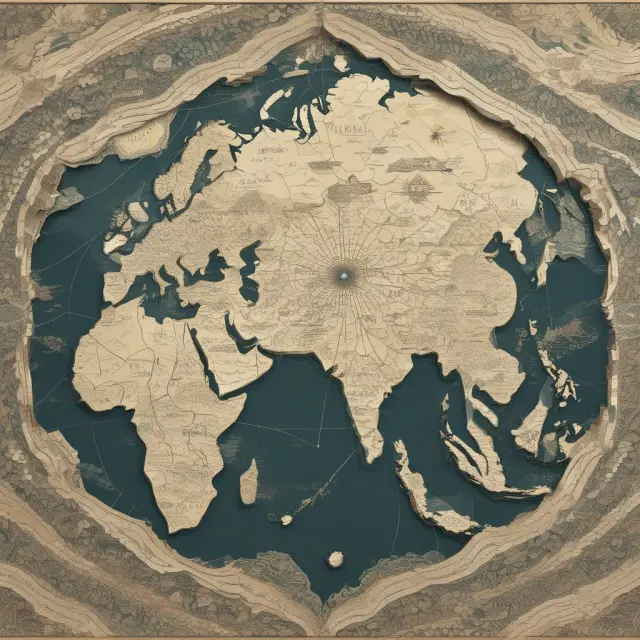
The Silk Road Economic Belt: Land-based Connectivity Initiative
One Belt One Road (OBOR), an ambitious economic development and commercial project launched by China’s President Xi Jinping in 2013, is aimed at enhancing connectivity and cooperation among multiple countries in Asia, Africa, and Europe. Often referred to as the “Project of the Century,” OBOR spans about 78 nations (Key Takeaways). This extensive project focuses on constructing a vast network of infrastructure, including roadways, railways, maritime ports, power grids, oil and gas pipelines, and other related projects.
Two distinct components make up the One Belt One Road Initiative: The Silk Road Economic Belt (land-based) and the 21st Century Maritime Silk Road (sea-based). In this section, we delve deeper into the land-based part of OBOR and its economic corridors.
The Silk Road Economic Belt is a major component of the One Belt One Road Initiative, primarily focusing on land connectivity between China and various countries in Central Asia, Eastern Europe, and Western Europe. This expansive initiative aims to enhance economic cooperation by linking the less-developed border regions of China with neighboring nations.
Six economic corridors make up the Silk Road Economic Belt:
- New Eurasian Land Bridge: Connects Western China to Western Russia
- China-Mongolia-Russia Corridor: Links North China to Eastern Russia via Mongolia
- China-Central Asia-West Asia Corridor: Connects Western China to Turkey via Central and West Asia
- China-Indochina Peninsula Corridor: Bridges Southern China to Singapore
- China-Pakistan Corridor: Links Southwestern China through Pakistan to Arabian Sea routes
- Bangladesh-China-India-Myanmar Corridor: Connects Southern China to India via Bangladesh and Myanmar
These economic corridors will not only improve infrastructure, but they are also expected to open new markets for Chinese goods, facilitate the manufacturing powerhouse’s access to cost-effective export routes, and provide opportunities to invest excess production capacity in regions along OBOR routes. China’s investment of over $1 trillion in various infrastructure projects is a significant incentive for countries to participate in the initiative.
The Silk Road Economic Belt is crucial for China as it seeks to boost domestic growth while positioning itself as a leader in economic diplomacy. By addressing development needs and enhancing cross-border connectivity, China aims to foster closer economic ties with neighboring nations. The project’s success hinges on the ability to create new markets, strengthen existing relationships, and promote regional stability.
In summary, the land-based component of One Belt One Road, also known as the Silk Road Economic Belt, is a comprehensive connectivity initiative aimed at improving infrastructure and enhancing economic cooperation between China and multiple countries in Asia, Africa, and Europe. The six economic corridors outlined above represent significant investment opportunities for participating nations and are expected to bring about substantial long-term benefits for all involved.

21st Century Maritime Silk Road: Sea-based Connectivity Initiative
The second major component of One Belt One Road is the 21st Century Maritime Silk Road. This sea-based connectivity initiative focuses on enhancing maritime cooperation and improving infrastructure development in coastal regions. By connecting coastal China to the Mediterranean via Singapore, Malaysia, the Indian Ocean, Arabian Sea, and the Strait of Hormuz, the Maritime Silk Road aims to provide a major boost to trade and commerce between Asia and Europe.
The significance of this maritime initiative lies in its potential to unlock new opportunities for China’s economy. It offers China an alternate route for exporting goods while providing access to vital resources like oil and gas, which are essential for the country’s economic development. Additionally, it positions China as a major player in global sea trade, enabling the country to control shipping lanes, ports, and logistics networks, giving it significant strategic advantages.
China is investing heavily in infrastructure projects along the maritime Silk Road route, offering loans and grants to partnering nations. As a result, numerous countries are showing interest in collaborating with China on the project. For instance, Sri Lanka, Pakistan, and Myanmar have already signed deals to work with China on major ports and related infrastructure projects.
One of the most significant developments under this initiative is the China-Pakistan Economic Corridor (CPEC), which connects Southwestern China through Pakistan to Arabian Sea routes. This multi-billion dollar project will bring about massive economic development in Pakistan, create jobs, and open up new markets for Chinese goods.
The Maritime Silk Road also has the potential to reshape geopolitics in the region. It could lead to a realignment of power dynamics as China emerges as a major maritime player. Furthermore, it may contribute to increasing China’s influence and presence in regions that are strategically important for global trade, such as the Indian Ocean and the Mediterranean.
In conclusion, the 21st Century Maritime Silk Road is an essential component of One Belt One Road, which aims to establish robust connectivity between Asia and Europe through land and sea-based initiatives. By investing in infrastructure projects and forming partnerships with participating countries, China stands to benefit significantly from this maritime initiative. It provides a strategic opportunity for China to expand its economic influence and gain control over vital resources while positioning itself as a major player in global trade.
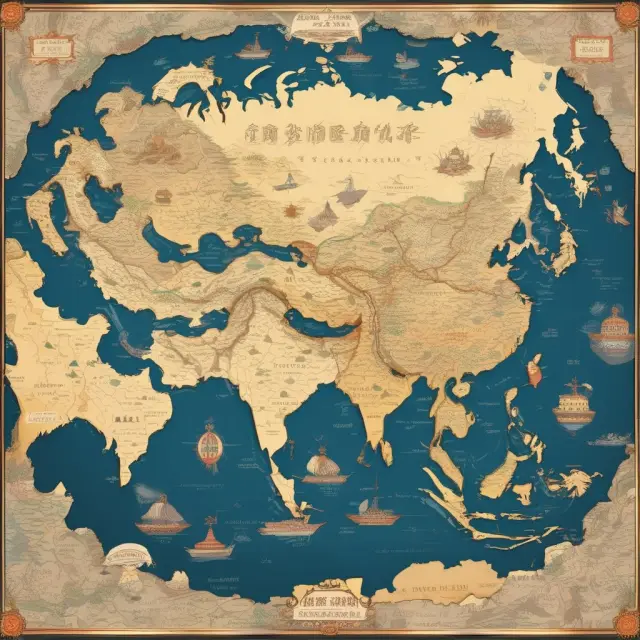
Benefits of One Belt One Road for China
The One Belt One Road (OBOR) project, which is also referred to as the Belt and Road Initiative (BRI), is a grand economic development plan that aims to improve connectivity and cooperation among various countries in Asia, Africa, and Europe. Announced in 2013 by Chinese President Xi Jinping, the project has grown extensively over the years and spans about 78 countries. The importance of OBOR for China is multifaceted. This section delves into how this project significantly contributes to China’s growth and economic diplomacy.
The primary motivation behind OBOR stems from China’s desire to boost its domestic growth, particularly in its less-developed border regions like Xinjiang. By connecting these areas with neighboring nations through extensive infrastructure development, China hopes to stimulate economic activity, opening up new markets for Chinese goods. Furthermore, the project enables China to establish cost-effective routes for exporting materials and effectively channel excess production capacity to regions along OBOR routes.
China is investing heavily in various infrastructure projects under OBOR, with an announced investment of over $1 trillion. Countries such as Kyrgyzstan and Tajikistan have shown support for the project due to significant investments made by China in their local transmission projects. Nepal recently joined the OBOR by signing a deal to improve cross-border connectivity with China. Pakistan is set to benefit from the $46 billion China Pakistan Economic Corridor (CPEC), which will link southwestern China through Pakistan and provide access to Arabian Sea routes.
Moreover, OBOR serves as an essential part of China’s economic diplomacy strategy, enabling it to assert influence regionally and assume a more prominent role globally. By building a China-focused trading network, the Asian powerhouse aims to become a regional leader and showcase its leadership capabilities. The future may bring increased usage of the Chinese yuan in the OBOR region, potentially boosting its prominence on the global stage.
In conclusion, the benefits of One Belt One Road for China are substantial. By improving connectivity, creating new markets, and establishing cost-effective routes, the project significantly contributes to China’s domestic growth and economic diplomacy. Additionally, China’s investments in various infrastructure projects under OBOR enable it to assert influence regionally and become a more prominent player on the global stage.
Participating Countries in One Belt One Road and Their Stance
One Belt One Road (OBOR), also known as the Belt and Road Initiative (BRI), is a groundbreaking economic development project initiated by China that aims to improve connectivity and cooperation among 78 countries across Asia, Africa, and Europe. The ambitious project spans two primary parts: the Silk Road Economic Belt (land-based) and the 21st Century Maritime Silk Road (sea-based).
The following is an overview of some of the participating countries in OBOR and their stance on the initiative.
Silk Road Economic Belt (Land-Based):
- Kyrgyzstan: Kyrgyzstan, a landlocked Central Asian country, has welcomed China’s investments in local transmission projects under OBOR, which aim to improve connectivity between its northern and southern regions.
- Tajikistan: Like Kyrgyzstan, Tajikistan is another beneficiary of Chinese investments through the Silk Road Economic Belt. The country has signed a memorandum of understanding with China to participate in the project.
- Nepal: Landlocked Nepal recently joined OBOR by signing an agreement that aims to help it improve cross-border connectivity with its northern neighbor, China.
- Pakistan: Pakistan is set to benefit significantly from the China Pakistan Economic Corridor (CPEC), a $46 billion project under the Silk Road Economic Belt, which will connect Southwestern China to and through Pakistan, allowing access to Arabian Sea routes.
- Russia: Although initially neutral towards OBOR, Russia has been making efforts to cooperate with China in some sectors like energy and transport infrastructure as part of the Eurasian Economic Union (EAEU) and the Shanghai Cooperation Organization (SCO).
- Mongolia: Mongolia has signed a memorandum of understanding with China to join OBOR. The country stands to benefit from increased connectivity and investment opportunities, especially in its northern regions.
21st Century Maritime Silk Road (Sea-Based):
- Sri Lanka: Sri Lanka is an active participant in the 21st Century Maritime Silk Road and has welcomed Chinese investments in its infrastructure projects, including the Port of Hambantota.
- Malaysia: Malaysia’s close proximity to Singapore, a major node in OBOR, makes it an essential player in the maritime silk road. The country is expected to benefit from increased connectivity and investment opportunities.
- Indonesia: As one of the largest economies in Southeast Asia, Indonesia is keen on improving its infrastructure to attract foreign investments, making it an attractive destination for China’s OBOR projects.
- Singapore: Being a critical node in the 21st Century Maritime Silk Road, Singapore plays a significant role in connecting sea-routes from China to Africa and Europe. The city-state is expected to benefit significantly from increased maritime trade opportunities.
- India: While initially cautious towards OBOR due to border disputes with China, India has started to engage more actively in the project, recognizing its potential benefits for the Indian economy.
- Saudi Arabia: Despite being a non-signatory to the Belt and Road Initiative Memorandum of Understanding (BRI MOU), Saudi Arabia has shown interest in participating in some projects under OBOR, including the China-Pakistan Economic Corridor (CPEC) and other infrastructure initiatives.
In summary, One Belt One Road (OBOR) is a landmark project that aims to improve connectivity among multiple countries across Asia, Africa, and Europe. Many participating nations stand to benefit significantly from Chinese investments in infrastructure projects and the resulting improvements in economic cooperation. The initiative has received widespread support from several countries but faces criticisms regarding debt sustainability and political motives. As China continues to expand its global influence through OBOR, it is essential for countries to carefully assess their involvement and potential risks and benefits.

China’s Funding and Investment in Infrastructure Projects within OBOR
One Belt One Road (OBOR) is an intricate web of infrastructure projects designed to strengthen economic cooperation among nations in Asia, Africa, and Europe. With China leading the initiative, countries are making significant strides towards improving connectivity through various infrastructure development efforts. One crucial aspect of the project involves investments and funding from China to support these initiatives.
The Silk Road Economic Belt and the 21st Century Maritime Silk Road are the two main components of OBOR. The land-based part, the Silk Road Economic Belt, aims at creating a network of roads, railways, power grids, oil and gas pipelines, and other related infrastructure projects to connect China with Central Asia, Eastern Europe, and Western Europe. The sea-based component, the 21st Century Maritime Silk Road, focuses on linking coastal China to the Mediterranean via Singapore-Malaysia, the Indian Ocean, the Arabian Sea, and the Strait of Hormuz.
China’s involvement in funding these projects has been significant. The country has announced investments totaling over $1 trillion to support infrastructure development along the OBOR routes. This investment is being made through low-cost loans provided to participating countries. The motivation behind this move stems from China’s objective to boost domestic growth and economic diplomacy.
For instance, by investing in underdeveloped border regions like Xinjiang, China aims to increase economic activity and open new markets for Chinese goods. Additionally, the excess production capacity can be efficiently utilized along the OBOR routes. This investment strategy has already started bearing fruit as countries like Kyrgyzstan and Tajikistan have shown support for the initiative due to China’s substantial investments in local transmission projects.
In the case of landlocked Nepal, the country recently joined the OBOR project by signing a deal aimed at improving its cross-border connectivity with China. Another notable example is Pakistan, which stands to benefit from the $46 billion China Pakistan Economic Corridor (CPEC), connecting Southwestern China through Pakistan to Arabian Sea routes.
The Chinese yuan could potentially see increased usage within the OBOR region due to this investment surge. As China takes on a leading role in infrastructure development, it strengthens its position as a regional powerhouse and global player in shaping trade networks.
However, some countries view China’s involvement in these projects with skepticism, perceiving them as strategic moves aimed at gaining control and influence in the regions rather than purely economic initiatives. Nevertheless, the impact of OBOR on the global economy and geopolitics remains an intriguing topic worth exploring further.
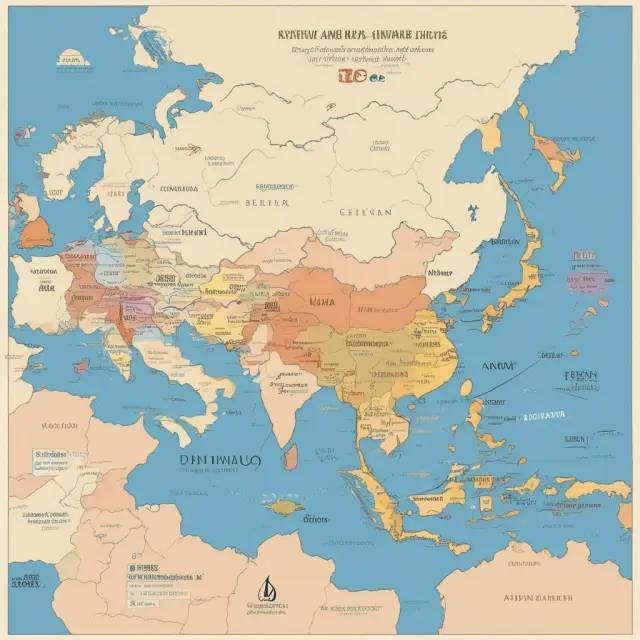
Criticisms and Controversies Surrounding One Belt One Road
One Belt One Road (OBOR), an ambitious global connectivity project initiated by China, has been met with a mix of enthusiasm and skepticism since its announcement in 2013. While the initiative aims to foster economic cooperation among multiple countries spread across Asia, Africa, and Europe, critics have raised concerns regarding various aspects of this massive infrastructure development plan. Let’s delve into some of these criticisms and controversies.
One major concern is that OBOR may lead to an increase in debt for participating countries. China, the driving force behind OBOR, has pledged over $1 trillion for the various infrastructure projects. This funding is being provided through low-interest loans to the recipient countries. However, critics argue that these loans could potentially saddle some nations with unsustainable debt levels. For instance, Sri Lanka’s Hambantota Port, a key component of OBOR, was built using Chinese financing and is now a major financial burden for the country.
Another criticism revolves around transparency. Some have raised concerns that the projects being developed under OBOR lack clear and comprehensive documentation or tendering procedures. This opacity can potentially lead to inefficiencies, corruption, and even environmental hazards. Additionally, there is a concern regarding the potential misallocation of resources due to insufficient public information on these projects.
Some critics also view OBOR as an attempt by China to expand its influence and assert dominance in global politics and economics. The initiative’s geostrategic implications are a significant point of contention, with some fearing potential security risks for countries involved. There is also speculation about the possibility of China using these projects to establish military bases or gain access to strategic resources in other countries.
Despite these criticisms, it’s essential to acknowledge that OBOR has brought about several positive outcomes for participating countries. For instance, some nations have reported significant improvements in infrastructure development, which has resulted in increased economic activity and job creation. Additionally, the project has facilitated closer diplomatic ties among countries involved, leading to a greater sense of regional cooperation.
Moreover, it is essential to recognize that not all criticisms are entirely valid or warranted. For example, while some concerns regarding transparency and potential debt burdens are legitimate, others may be based on misinformation or misunderstanding. It’s crucial for stakeholders involved to maintain a constructive dialogue and address any issues in an open and transparent manner.
In conclusion, the criticisms and controversies surrounding One Belt One Road highlight the importance of careful planning, implementation, and communication as China continues its efforts to build a global connectivity network. As the project progresses, it remains vital for all parties involved to prioritize transparency, collaboration, and sustainable development to ensure that OBOR benefits both China and the participating countries in the long run.
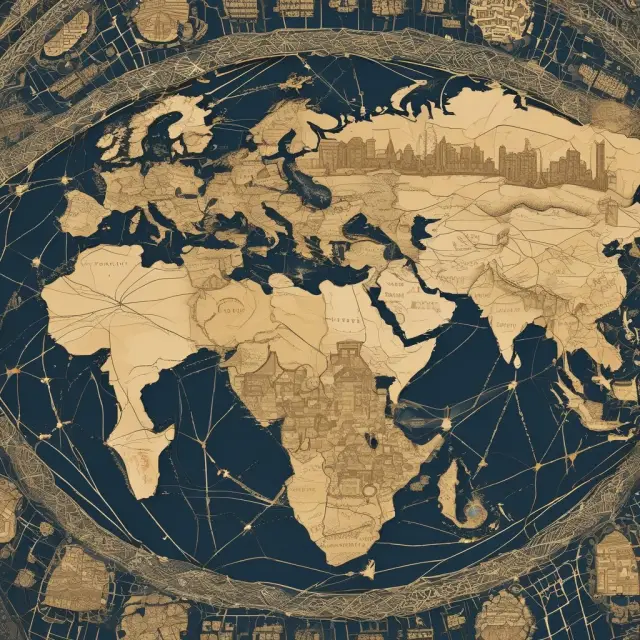
OBOR’s Impact on Global Economy and Geopolitics
One Belt One Road (OBOR), an ambitious economic development project by China, is not only a game-changer for China but also promises to have a profound impact on the global economy and geopolitical landscape. The project aims to connect 78 countries across Asia, Africa, and Europe through a series of infrastructure investments, including roads, railways, maritime ports, power grids, oil and gas pipelines, and associated infrastructure projects. While the primary objective of OBOR is economic development, it has significant geopolitical implications as well.
Impact on Global Economy
The project’s economic significance stems from its potential to boost domestic growth in China while creating new markets for Chinese goods. Connecting less-developed border regions like Xinjiang with neighboring nations will increase economic activity, enabling the manufacturing powerhouse to access cost-effective routes to export materials and channel excess production capacity effectively. With over $1 trillion invested in various infrastructure projects, OBOR is expected to create a China-focused trading network. This development could lead to an increased use of the Chinese Yuan, offering Beijing greater influence over international trade and financial flows.
Geopolitical Implications
China’s strategic intentions are evident as OBOR is perceived by many participating nations as an attempt by the Asian powerhouse to gain significance and control at a regional level. This can be seen in China’s role as the primary investor and financier of various infrastructure projects. For instance, Nepal recently joined OBOR by signing a deal aimed at improving cross-border connectivity with China. Pakistan is expected to benefit significantly from the $46 billion China Pakistan Economic Corridor (CPEC), which will connect southwestern China to and through Pakistan, providing access to Arabian Sea routes.
China’s strategic move to emerge as a regional leader is evident in its efforts to build a network of economic corridors connecting different regions. The six economic corridors include the New Eurasian Land Bridge, the China-Mongolia-Russia Corridor, the China-Central Asia-West Asia Corridor, the China-Indochina Peninsula Corridor, the China-Pakistan Corridor, and the Bangladesh-China-India-Myanmar Corridor. By connecting different countries with a network of infrastructure projects, China seeks to expand its influence globally.
In conclusion, One Belt One Road is more than just an economic development project; it carries significant geopolitical implications. The project’s potential impact on the global economy and geopolitics could lead to new trade patterns, increased usage of the Chinese yuan, and a shift in power dynamics between nations. As China continues to invest heavily in infrastructure projects and build a trading network centered around OBOR, it is crucial for other countries to understand the implications of this ambitious initiative and adapt accordingly.
Future of the Chinese Yuan and OBOR
One Belt One Road (OBOR), an ambitious economic development project initiated by China, has been expanding its reach across continents since 2013. With a focus on improving connectivity and cooperation among multiple countries, OBOR’s influence is expected to extend beyond just infrastructure projects. In this section, we explore the potential impact of One Belt One Road on the Chinese Yuan’s future.
As China continues to position itself as a global economic powerhouse and regional leader, it’s essential to examine how the yuan may benefit from the project’s success. OBOR spans over 78 countries, with a focus on creating new markets for Chinese goods and services and enhancing cross-border connectivity. As more participants join the project, the demand for the yuan could increase.
China has already taken steps to promote the internationalization of its currency by increasing the use of the yuan in trade settlements with participating countries. In 2014, China and Pakistan agreed on using the Chinese Yuan as a medium of exchange for trade between the two nations, marking a significant milestone in the Yuan’s international usage. Similar agreements have been signed with other OBOR member-countries like Mongolia, Thailand, and Hungary.
The Chinese government has announced investments of over $1 trillion in various infrastructure projects along the OBOR routes. These loans are primarily offered at favorable terms to participating countries, increasing their dependence on China and making it easier for them to transact using the yuan. In turn, this could lead to an increase in the demand for and circulation of the Chinese currency.
Additionally, the project’s potential impact extends beyond just economic benefits as it may help China to secure its geopolitical interests. By creating a network of interconnected infrastructure projects, China aims to assert regional dominance and play a larger role at the global level. This influence could further boost the yuan’s international standing and usage.
The future looks promising for the Chinese Yuan in relation to One Belt One Road. As more countries join the project and the yuan becomes increasingly used as a medium of exchange, it may emerge as a serious competitor to other established currencies like the US dollar or Euro. With China continuing to invest significantly in infrastructure projects along the OBOR routes, the demand for the yuan is expected to grow, making it an attractive proposition for businesses and governments alike. However, there are challenges that need to be addressed for the yuan to truly challenge the dominance of other currencies. These include regulatory hurdles, limited acceptance among global financial institutions, and a lack of transparency in China’s currency market. Addressing these concerns will be crucial if the Chinese Yuan is to become a serious contender in the international monetary scene.
In conclusion, One Belt One Road presents significant opportunities for the Chinese yuan as it aims to establish China as a regional leader and boost its economy by opening up new markets for its goods and services. By increasing the use of the yuan in trade settlements with participating countries and offering favorable loans to enhance their connectivity, China is taking steps towards internationalizing its currency and making it a viable alternative to established currencies like the US dollar or Euro. The future of the Chinese Yuan and One Belt One Road are intertwined, with the success of the project paving the way for increased usage and acceptance of the yuan on the global stage.
FAQs about One Belt One Road (OBOR)
What is One Belt One Road (OBOR)?
One Belt One Road (OBOR), also referred to as the “Belt and Road Initiative” (BRI), is a significant economic development project launched by China in 2013. It focuses on improving connectivity and cooperation among multiple countries across Asia, Africa, and Europe through a network of infrastructure projects, including roads, railways, maritime ports, power grids, oil and gas pipelines, and associated facilities. The project covers two main parts: the Silk Road Economic Belt (land-based) and the 21st Century Maritime Silk Road (sea-based).
What is the significance of One Belt One Road for China?
One Belt One Road holds prime importance for China, as it aims to boost domestic growth and is part of its economic diplomacy strategy. The project will connect underdeveloped border regions like Xinjiang with neighboring nations, leading to increased economic activity and opening up new markets for Chinese goods. It also allows China to control cost-effective export routes and channel excess production capacity effectively to regions along OBOR routes.
What are the six economic corridors of One Belt One Road?
- New Eurasian Land Bridge: Connects Western China to Western Russia
- China-Mongolia-Russia Corridor: Connects North China to Eastern Russia via Mongolia
- China-Central Asia-West Asia Corridor: Connects Western China to Turkey via Central and West Asia
- China-Indochina Peninsula Corridor: Connects Southern China to Singapore via Indo-China
- China-Pakistan Corridor: Connects Southwestern China through Pakistan to Arabian Sea routes
- Bangladesh-China-India-Myanmar Corridor: Connects Southern China to India via Bangladesh and Myanmar
What is the significance of OBOR for participating countries?
Participating nations, like Kyrgyzstan and Tajikistan, support One Belt One Road due to massive investments by China in local transmission projects. Landlocked Nepal recently joined OBOR by signing a deal to improve cross-border connectivity with China. Pakistan is set to benefit from the $46 billion China Pakistan Economic Corridor (CPEC), which connects Southwestern China to and through Pakistan, allowing access to Arabian Sea routes.
What are the potential challenges for One Belt One Road?
One of the significant challenges is the financial sustainability of the projects, as some countries might face difficulties in repaying their loans from China. There could also be geopolitical tensions and diplomatic issues that arise between participating nations. Environmental concerns, particularly regarding large infrastructure projects, are another challenge.
What impact does One Belt One Road have on the global economy and geopolitics?
One Belt One Road has the potential to reshape the global economic landscape by creating new markets for Chinese goods, providing cost-effective export routes, and boosting the economic growth of participating countries. It may also alter the geopolitical landscape by giving China more influence and control in the regions where the projects are located.
What is the future of the Chinese yuan and One Belt One Road?
As China expands its reach through OBOR, we could see a boost in the usage and acceptance of the Chinese yuan as a global currency. This could further strengthen China’s position on the global stage and create new opportunities for economic diplomacy.
 Next entry · No. 3,680China’s One-Child Policy: Causes, Consequences, and Impact on Demographics
See also
-
 No. 3,971
11 May 2025
25 min
Petrodollars: Understanding Oil Revenues Denominated in US Dollars
Business Finance
No. 3,971
11 May 2025
25 min
Petrodollars: Understanding Oil Revenues Denominated in US Dollars
Business Finance -
 No. 3,700
19 Apr 2025
19 min
Understanding the Role and Impact of the Organization of the Petroleum Exporting Countries (OPEC)
Energy Finance
No. 3,700
19 Apr 2025
19 min
Understanding the Role and Impact of the Organization of the Petroleum Exporting Countries (OPEC)
Energy Finance -
 No. 4,682
08 Jul 2025
18 min
Understanding the Devastating Effects of the Smoot-Hawley Tariff Act on the Global Economy
International Trade
No. 4,682
08 Jul 2025
18 min
Understanding the Devastating Effects of the Smoot-Hawley Tariff Act on the Global Economy
International Trade -
 No. 4,663
07 Jul 2025
23 min
Reviving the Silk Route: Understanding China’s Belt and Road Initiative (BRI)
International Trade
No. 4,663
07 Jul 2025
23 min
Reviving the Silk Route: Understanding China’s Belt and Road Initiative (BRI)
International Trade -
 No. 3,838
30 Apr 2025
18 min
Understanding Outward Direct Investment (ODI): Key Facts, China’s Role and Differences with FDI
International Trade
No. 3,838
30 Apr 2025
18 min
Understanding Outward Direct Investment (ODI): Key Facts, China’s Role and Differences with FDI
International Trade -
 No. 1,426
13 Sep 2024
23 min
The Power and Complexity of Exports: A Comprehensive Guide for Institutional Investors
International Trade
No. 1,426
13 Sep 2024
23 min
The Power and Complexity of Exports: A Comprehensive Guide for Institutional Investors
International Trade