China’s One-Child Policy: Causes, Consequences, and Impact on Demographics
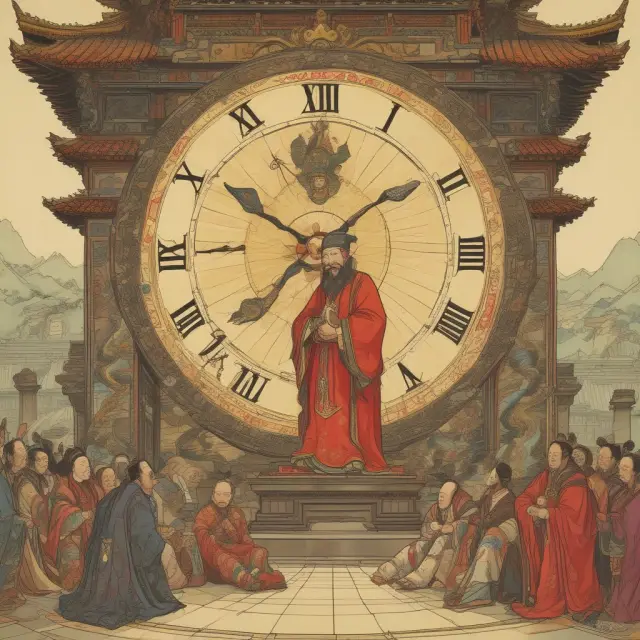
China's one-child policy was a family planning policy, promoted nationally from 1980, that pushed couples to have only one child, with some exceptions. It ended when an amended law letting all couples have two children took effect on January 1, 2016; a further amendment in August 2021 allows three.
Historical Background of China’s Population Control Policies
The historical backdrop of China’s population control policies offers insight into the reasons behind the implementation of the controversial One-Child Policy in 1979. China has had a long history of population management, dating back to ancient times. However, rapid population growth following World War II and the Great Leap Forward in the late 1950s led to the Chinese government’s increased concern over population control.
By the late 1970s, China’s population was rapidly approaching the 1 billion mark, straining available resources and necessitating a serious evaluation of methods for curbing population growth. The need for population control measures became increasingly urgent following the devastating effects of the Great Leap Forward and the subsequent famine in the late 1950s, which led to tens of millions of deaths.
The Chinese government first introduced family planning policies in the late 1950s, aiming to reduce population growth through education campaigns and economic incentives. These measures had limited success due to cultural resistance, especially in rural areas where families favored larger families for agricultural labor and social support. In urban areas, however, smaller families became more desirable as families adopted the “one-couple-one-child” model, which gained popularity among urban Chinese in the 1960s.
Despite these efforts, by the late 1970s, it was clear that more drastic measures were necessary to effectively control population growth. The one-child policy was first introduced in 1979 and became a nationwide standardized practice in 1980. Although there were exceptions for ethnic minorities, families with handicapped children, or rural families with only daughters, the policy proved most effective in urban areas where couples generally complied more readily due to their smaller family structures.
The one-child policy was initially viewed as a temporary measure, but it ultimately persisted for nearly four decades, preventing an estimated 400 million births. The government’s primary motivation behind the controversial policy was to address social, economic, and environmental challenges posed by population growth. However, its enforcement methods, including incentives and sanctions, have been met with controversy and human rights concerns over the years.
In the following sections, we will examine the policy’s enforcement mechanisms, controversies, and consequences for China’s demographics, economy, and future implications.
Stay tuned for the next section: Enforcement Mechanisms and Controversies.

Introduction of the One-Child Policy: 1979
The One-Child Policy was a significant demographic and political milestone in modern Chinese history. Introduced in 1979, it aimed to control China’s population growth. In this section, we explore the reasons behind its implementation and the initial enforcement methods.
China has a longstanding history of population control policies, with the One-Child Policy being its most notorious one. However, it was the explosive population growth that forced the Chinese government to take drastic measures in 1979 to mitigate potential social, economic, and environmental consequences. This policy, which limited most urban couples to having only one child, gained worldwide attention for its controversial nature and far-reaching implications.
The One-Child Policy was introduced under Deng Xiaoping’s leadership in response to China’s rapid population growth. The country’s population had surpassed 900 million in the late 1970s, straining natural resources, food supply, and economic development. The Chinese government recognized the need for a more sustainable approach to population management.
The implementation of the One-Child Policy was gradual. It began in some provinces in 1979, with a nationwide rollout by 1980. Urban areas were initially targeted due to their larger populations and easier access to healthcare and education. The policy was less strictly enforced in rural areas, where traditional family structures and larger households made it more challenging to enforce.
Initial enforcement of the One-Child Policy relied on a mix of incentives and sanctions. Incentives included financial rewards for complying, such as tax breaks, housing subsidies, and better employment opportunities. Conversely, penalties for violating the policy were severe. Couples who had more than one child faced fines, forced abortions, or even sterilization procedures.
The One-Child Policy proved effective in reducing China’s population growth rate significantly. By 2015, the number of births fell below the replacement level, which is 2.1 children per woman, leading to a shrinking workforce and an aging population. The policy also skewed China’s gender ratio due to the preference for male offspring. With the implementation of the One-Child Policy and cultural preferences, there was an increase in female fetus abortions, abandoned baby girls, and even infanticide. This gender imbalance will continue to impact marriage markets and societal structures for years to come.
In the following sections, we’ll delve deeper into the controversies surrounding the One-Child Policy, its consequences on China’s demographics, economic implications, challenges, and eventually its end in 2015. Stay tuned!

Enforcement Mechanisms and Controversies
China’s One-Child Policy was enforced through a combination of incentives for compliance and sanctions against violations. The government employed both subtle and draconian measures to ensure the policy’s effectiveness.
Initially, the Chinese authorities offered financial incentives for families that adhered to the one-child rule. These incentives ranged from cash bonuses to preferential employment opportunities. Conversely, those who violated the policy faced sanctions, which could include fines, loss of employment, or even forced abortions or sterilizations.
Despite the government’s efforts, not all Chinese citizens embraced the one-child policy willingly. Controversies surrounding its implementation often centered around human rights concerns. Numerous reports emerged of forced abortions and sterilizations carried out by local authorities, particularly in rural areas where families were more resistant to the policy. In some instances, these procedures were conducted late into pregnancies, posing significant health risks for both mothers and infants.
The one-child policy also faced opposition due to concerns regarding gender imbalance and moral implications. China’s cultural preference for male children led many families to abort or abandon female fetuses or newborn girls, contributing to a skewed sex ratio and creating an estimated 30 million excess males by the time the policy was terminated in 2015. This gender disparity is still evident today and is expected to have far-reaching implications on China’s future demographics, including labor markets, marriage trends, and social structures.
The controversy surrounding the one-child policy persisted despite government efforts to address these concerns. In 2013, the Chinese government announced that it would begin permitting couples to have a second child if either parent was an only child themselves. However, this change did little to quell public criticism and did not significantly alter China’s demographic landscape. The one-child policy formally ended in October 2015, allowing all couples to have two children.
The efficacy of the one-child policy as a population control measure remains a topic of debate among scholars. While it is true that populations generally decline as societies become wealthier, critics argue that the Chinese government’s draconian measures were unnecessary and caused significant harm. They argue that alternative methods, such as improving access to education and economic opportunities for women, could have been more effective in reducing China’s population growth rate without the negative consequences associated with the one-child policy.
In conclusion, the enforcement mechanisms and controversies surrounding China’s One-Child Policy highlight the complex challenges faced by governments when attempting to manage population growth. While some argue that the policy was necessary to address resource scarcity and economic development concerns, others contend that it caused significant human rights violations and had far-reaching demographic consequences. As China moves towards a more open society and seeks to address its aging population and labor shortages, understanding the historical context of its population control measures remains essential for both policymakers and investors.

Impact on China’s Demographics: Consequences
The demographic consequences of the One-Child Policy are both significant and far-reaching. The policy’s primary objective was to control China’s population growth; however, it led to unintended gender ratio imbalances and an aging population that will impact China’s future socioeconomic landscape.
One striking consequence of the One-Child Policy is the significant gender imbalance in China’s demographic makeup. The cultural preference for sons, coupled with the policy’s enforcement leading to more abortions or abandonment of female children, skewed the sex ratio and resulted in 116 boys being born for every 100 girls (ChinaStat). This gender bias has persisted, contributing to a surplus of approximately 34 million “missing women” as of 2017.
Furthermore, China’s aging population presents another significant demographic challenge. With the introduction of the One-Child Policy in 1979 and its subsequent relaxation in recent years, many families now face an imbalance between the number of retirees and working-age individuals. By 2050, it is estimated that nearly one-third of China’s population will be over the age of 60 (World Bank). This aging population will place immense pressure on the Chinese government to address healthcare and retirement support.
The long-term consequences of these demographic changes have significant implications for both China and global investors. For example, labor shortages in certain industries may result from a shrinking workforce and increasing demand for workers to care for an aging population. In contrast, sectors like healthcare, aged care services, and technology may experience increased investment opportunities as China adapts to its demographic changes.
The One-Child Policy’s impact on China’s gender ratio and aging population is a complex and multifaceted issue that continues to evolve. As the Chinese government navigates this new socioeconomic landscape, it remains crucial for investors to stay informed about these demographic trends and their potential implications on industries and investment opportunities in China and the Asian region.

One-Child Policy and Economic Implications
The implementation of the one-child policy in 1979 had significant consequences for China’s labor force, economic growth, and government spending. One of the most pressing issues that emerged was a potential labor shortage, with a substantial portion of the population entering retirement age. This section aims to explore these implications in detail.
Labor Shortages
As more and more Chinese citizens entered retirement, the number of young workers dwindled, resulting in a growing concern about a potential labor shortage. To mitigate this issue, the government implemented various measures, such as increasing investment in education and technology to improve productivity. However, with an aging population, there was also a need for more workers to care for the elderly, creating a demand for domestic help and nursing services.
Economic Growth
The one-child policy had a profound impact on China’s economic growth. While it helped slow down population growth, it also affected labor availability. As fewer children were born, the workforce shrank, potentially stunting economic expansion. To counteract this, China began investing heavily in automation and technology to maintain competitiveness in industries like manufacturing. Additionally, the government has been encouraging immigrants from other provinces or countries to fill the labor gap, especially in regions with a significant aging population.
Government Spending
The one-child policy increased pressure on the Chinese government to address the growing needs of the elderly population. As more and more citizens entered retirement age, there was an increasing demand for social services such as healthcare and pensions. To meet these demands, the government has had to significantly increase spending in these areas. For instance, China’s healthcare expenditures have grown from 5.1% of GDP in 2000 to over 6% in recent years. Additionally, pension spending has increased dramatically, rising from just 3% of GDP in 2000 to around 12% in 2020.
In conclusion, the one-child policy had far-reaching economic implications for China, necessitating significant investments in areas such as education, technology, labor migration, and social services to address the challenges posed by an aging population and shrinking workforce. Understanding these implications is crucial for both domestic policymakers and international investors seeking opportunities in China’s rapidly evolving economy.

Challenges to the One-Child Policy
The implementation of China’s One-Child Policy was a significant undertaking for the Chinese government, with its far-reaching consequences. While it gained widespread acceptance in urban areas where families were more amenable to the nuclear model, resistance was observed in rural communities, particularly those with large extended families. The policy faced various challenges during its implementation, including exceptions, resistance, and international reactions.
Exceptions:
The one-child policy had exceptions that were granted based on certain criteria. For instance, ethnic minorities, couples where their firstborn child was handicapped, and rural families with a son but no male heir were permitted to have a second child. These exceptions catered to the unique social structures of different regions, addressing the challenges faced in implementing the policy uniformly across China’s diverse population.
Resistance:
The one-child policy was met with resistance, especially in rural areas where extended families and traditions played an essential role in Chinese society. Families sought alternative ways to circumvent the rules, resorting to underground networks for adoption, surrogacy, or even human trafficking in extreme cases. Some parents who violated the policy faced various consequences including fines, loss of employment, and social ostracism.
International Reactions
The international community expressed concerns about the one-child policy’s potential repercussions on human rights. Amnesty International criticized the coercive measures used to enforce the policy, citing cases of forced abortions, sterilizations, and infanticide. The United States, European Union, and other countries put diplomatic pressure on China to address these concerns, prompting Beijing to make changes in its implementation, including offering more incentives for couples to comply with the policy.
The challenges faced by China’s one-child policy illustrate the intricacies of implementing a nationwide population control strategy. While it has had profound consequences on China’s demographics and economic landscape, understanding these challenges offers valuable context in appreciating its complexities and long-term implications.
In the next section, we will examine the impact of the one-child policy on China’s demographics, particularly concerning gender ratio and an aging population. Stay tuned!
The End of the One-Child Policy: 2015
China’s historic population control measure, the One-Child Policy, officially came to an end on October 29, 2015. The controversial policy, which restricted most urban Chinese couples to having only one child since its implementation in 1979, was phased out and replaced with a two-child policy.
The reasons for the policy change stemmed from China’s population demographics, particularly the impending labor shortage due to an aging population. The Chinese government recognized that as the older generation headed into retirement, there would be fewer young adults entering the workforce to support them financially and provide essential care. Additionally, the low birth rate and gender imbalance brought about by the One-Child Policy were concerns for the future of China’s labor market and economic growth.
The phasing out of the One-Child Policy was a response to these demographic challenges and changing societal values. Over time, public opinion towards family planning had shifted, with growing support for larger families and relaxation of enforcement mechanisms. The government responded by allowing couples to have a second child if their firstborn was a girl or if they were members of ethnic minorities.
The transition from the One-Child Policy to the Two-Child Policy was not an instantaneous process. The official announcement came after years of gradual relaxation of the policy, with rural areas and certain provinces given earlier permission to implement the two-child policy in response to their unique demographic challenges. By 2013, over half of China’s provinces had already eased restrictions on having a second child.
The end of the One-Child Policy marked a significant milestone in Chinese history and paved the way for potential changes in demographics, economic implications, and societal norms. However, it is essential to note that the full impact of this policy change will only be apparent over time as China navigates its new demographic landscape.

One-Child Policy FAQs and Misconceptions
The implementation and implications of China’s One-Child Policy have been a topic of worldwide interest for decades. While the policy officially ended in 2015, there remain numerous misconceptions about its causes, consequences, and current status. Here are some commonly asked questions and their answers to clarify any confusion.
Q: What is the One-Child Policy?
A: The one-child policy was a Chinese government regulation that limited most urban couples to having only one child, with certain exceptions. It was introduced in 1979 to control China’s population growth due to concerns over resource scarcity and economic sustainability.
Q: Does China still have the One-Child Policy?
A: No. The Chinese government officially replaced the One-Child Policy with a two-child policy in October 2015, allowing all couples to have two children. This change was made due to concerns about an aging population and a shrinking workforce.
Q: Who ended the One-Child Policy?
A: The Chinese government, led by Chinese Communist Party General Secretary Xi Jinping, announced the end of the One-Child Policy in October 2015.
Q: What were some consequences of China’s One-Child Policy?
A: The One-Child Policy had significant consequences for China’s demographics, including a skewed gender ratio due to a preference for male children and an aging population as the birthrate declined. It also led to labor shortages and social challenges for undocumented, non-firstborn children who were unable to access education or legal travel.
Q: How was the One-Child Policy enforced?
A: The Chinese government employed various methods to enforce the policy, both through incentives such as financial rewards and employment opportunities for those who complied, and sanctions including fines, forced abortions, and sterilizations for violators.
Q: What caused the One-Child Policy?
A: The One-Child Policy was introduced in response to China’s population growth, which had been a concern since the late 1950s due to its impact on food supply, natural resources, and economic development. It was intended to help China transition towards a more modern economy while ensuring sustainable social welfare programs.
Q: What happened if someone violated the One-Child Policy?
A: Violators of the One-Child Policy faced various penalties depending on their circumstances. These could include fines, forced abortions or sterilizations, and even job losses in extreme cases.
Q: Why was there a preference for male children in China during the One-Child Policy era?
A: A cultural preference for boys over girls, along with the policy’s incentives that favored males, led to a significant gender imbalance in China. The skewed sex ratio at birth remains a challenge to this day.
In conclusion, understanding the history and implications of China’s One-Child Policy is crucial for gaining insight into China’s demographic changes and economic development. By debunking common misconceptions and providing accurate information, we can better appreciate the complexities of China’s population control policies and their impact on its future generations.
Legacy of the One-Child Policy: Current and Future Implications
The far-reaching consequences of China’s One-Child Policy extend beyond its official termination in 2015. The policy, which imposed strict population control measures on the Chinese population between 1979 and 2015, created significant demographic shifts that continue to shape Chinese society and economy today. In this section, we will discuss the long-term implications of the One-Child Policy on China’s demographics and explore how it impacts investment strategies in China and Asian markets.
Impact on Demographics: Consequences
The One-Child Policy’s legacy includes a skewed gender ratio due to the preference for male children, an aging population, and labor shortages. In 2017, China’s fertility rate stood at 1.7, one of the lowest in the world. This policy resulted in approximately 33 million more men than women as of 2017, with 116 boys for every 100 girls. With a growing aging population, there are now over 400 million people above the age of 60, representing about one-third of China’s total population. These demographic shifts will have profound implications on the country’s economy, healthcare, and social structures.
One-Child Policy and Economic Implications
The policy has also influenced economic trends in various ways. The labor shortage created by the One-Child Policy has put pressure on wages, leading to increased labor costs for businesses. Moreover, it is estimated that China will face a significant labor shortage of around 24 million workers by 2030 as the older population retires and younger generations cannot replace them fast enough. This shortage could impact industries such as manufacturing, technology, and agriculture.
Investment Implications
The demographic changes resulting from China’s One-Child Policy have significant implications for investors. As China faces an aging population and a shrinking workforce, investments in sectors focusing on healthcare, elderly care, and automation are likely to be attractive opportunities for foreign and domestic investors alike. Additionally, there is potential for increased demand in industries that cater to the growing number of middle-aged and older consumers, such as consumer goods and services, real estate, and financial services.
A final note on this section: To ensure a captivating and accessible writing style, it’s essential to maintain an engaging tone while incorporating expert knowledge. Additionally, by presenting clear and concise information and providing real-world examples, readers will find value in the content, leading to increased engagement and retention.

Implications for Global Investors
The One-Child Policy, as a historic demographic phenomenon, has significant implications for global investors in various sectors, particularly those related to China and the Asian markets. Let’s explore how this policy has influenced the Chinese economy and demographics and its impact on investment strategies.
Labor Shortages: With a shrinking labor force due to an aging population and fewer children entering the workforce, labor shortages are a growing concern for companies seeking to invest in China. This can lead to increased competition among businesses for skilled workers, potentially driving up wages and increasing operational costs.
Economic Growth and Government Spending: The demographic shift resulting from the One-Child Policy is expected to create a significant impact on economic growth, as well as government spending in China. The aging population will put pressure on the Chinese government to invest more in social welfare programs, healthcare, and retirement benefits, which could lead to increased public debt and potentially higher taxes for businesses operating in China.
Population Aging: As more and more Chinese people reach retirement age, the demand for products and services tailored to this demographic segment will grow, presenting opportunities for investors in sectors like healthcare, seniors’ housing, and financial services. In addition, companies that can provide solutions addressing common challenges faced by aging populations, such as mobility issues or caregiving, could also benefit from this trend.
Demand for Consumer Goods: With fewer children being born, the demand for consumer goods targeted at families with young children will decrease in China. However, as the population ages and the need for specific products and services grows, there will be an increasing demand for industries catering to elderly populations. These sectors could include healthcare, technology, and consumer electronics designed for seniors.
Impact on Asian Markets: The One-Child Policy’s implications extend beyond China’s borders and can significantly affect other markets in the region. For example, countries that are major exporters of labor to China may experience labor shortages as well, leading to increased wages and potentially decreased competitiveness for businesses sourcing from these countries. In addition, changes in population demographics could impact Asian markets’ consumer preferences, creating opportunities for investors in sectors such as healthcare, education, and technology.
In conclusion, the One-Child Policy has had far-reaching implications for China’s economy, demographics, and global markets. Understanding these shifts is crucial for investors to position themselves effectively and capitalize on the emerging trends in the Chinese market while considering potential risks and challenges.
 Next entry · No. 3,681Mastering the One Percent Rule: A Key Calculation for Real Estate Investors
See also
-
 No. 5,369
03 Sep 2025
19 min
Understanding the U.S. Treasury: Functions, History, and Key Players
Business Finance
No. 5,369
03 Sep 2025
19 min
Understanding the U.S. Treasury: Functions, History, and Key Players
Business Finance -
 No. 5,728
02 Oct 2025
22 min
Understanding Wildcat Banking: A Historical Perspective of Unregulated State-Chartered Banks in the United States
Finance Policy
No. 5,728
02 Oct 2025
22 min
Understanding Wildcat Banking: A Historical Perspective of Unregulated State-Chartered Banks in the United States
Finance Policy -
 No. 5,091
11 Aug 2025
20 min
The Troy Ounce: A Comprehensive Guide to Understanding this Ancient Unit of Measurement in Precious Metals
Finance Policy
No. 5,091
11 Aug 2025
20 min
The Troy Ounce: A Comprehensive Guide to Understanding this Ancient Unit of Measurement in Precious Metals
Finance Policy -
 No. 4,768
15 Jul 2025
21 min
Understanding Stock Ticker Symbols: An Essential Tool for Professional and Institutional Investors
Finance Policy
No. 4,768
15 Jul 2025
21 min
Understanding Stock Ticker Symbols: An Essential Tool for Professional and Institutional Investors
Finance Policy -
 No. 3,894
05 May 2025
19 min
Understanding Paper Money: A Closer Look at the Dominant Medium of Exchange in the Global Economy
Finance Policy
No. 3,894
05 May 2025
19 min
Understanding Paper Money: A Closer Look at the Dominant Medium of Exchange in the Global Economy
Finance Policy -
 No. 3,666
17 Apr 2025
22 min
The Old Lady: Understanding the Colloquial Nickname for the Bank of England
Finance Policy
No. 3,666
17 Apr 2025
22 min
The Old Lady: Understanding the Colloquial Nickname for the Bank of England
Finance Policy