Understanding Industrialization: History, Strategies, Effects, and Societal Impact
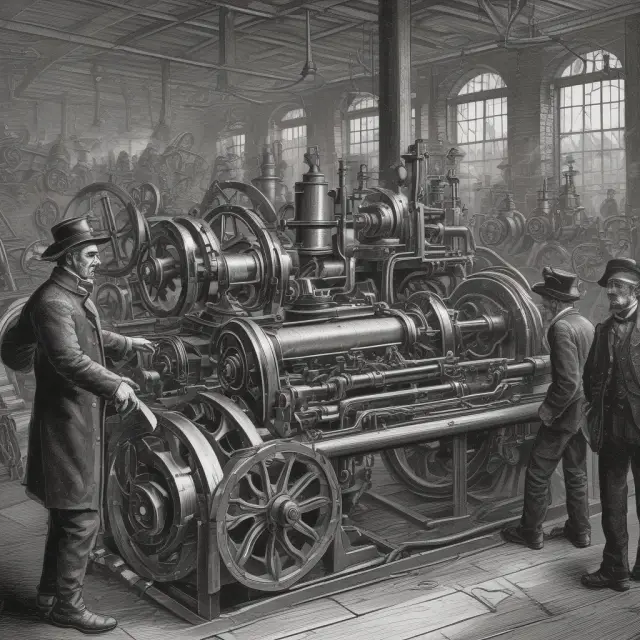
Learn about Industrialization - what it is, driving factors, effects on society & economy, plus success stories from around the world.
What is Industrialization?
Industrialization refers to an economic transition in which a nation or region moves from a primary focus on agriculture to a reliance on manufacturing, characterized by mass production, technological innovation, labor specialization, and economic growth. This process significantly alters the societal landscape and has profound implications for economies, labor markets, and population demographics.
Factors driving industrialization include government policy, entrepreneurial ambitions, and consumer demand. For example, a government may invest in infrastructure or offer incentives to attract businesses. Entrepreneurs with innovative ideas can spur the creation of new industries. Consumer demand for goods and services fuels expansion and growth.
Industrialization’s roots can be traced back to Europe and North America during the late 18th and 19th centuries, where agricultural economies shifted towards mechanized manufacturing, driven by inventions like the steam engine and spinning jenny, which revolutionized textile production. The Industrial Revolution marked the beginning of a new era, leading to urbanization, labor specialization, and increased wealth creation.
Post-World War II, industrialization accelerated in Asia with strategic government policies, export-oriented economies, and technological advancements. China’s remarkable transition from a communist regime to a global manufacturing powerhouse serves as a striking example of this phenomenon.
Industrialization’s effects include increased labor specialization, population demographic shifts, wealth creation, and mass production of commercial goods. Industrialization has led to significant economic growth in various industries such as manufacturing, mining, transportation, and retailing. This transformation has resulted in new opportunities for businesses, urban expansion, and changes in societal structures, including increased literacy rates, gender roles, and education.
Various strategies have been employed to achieve industrialization throughout history. These include export-led growth, import-substituting industrialization, and socialist industrialization with varying degrees of success. Understanding the unique aspects and outcomes of each approach can shed light on the complexities of this economic phenomenon.
The manufacturing sector was pivotal to industrialization due to innovations like the cotton gin and spinning jenny that enabled mass production. Inventions in mining, transportation, and retailing further supported the growth of industries during this period. As industrialization unfolds, it continues to shape our society and economy, offering valuable insights into economic development, technological advancements, and societal transformation.
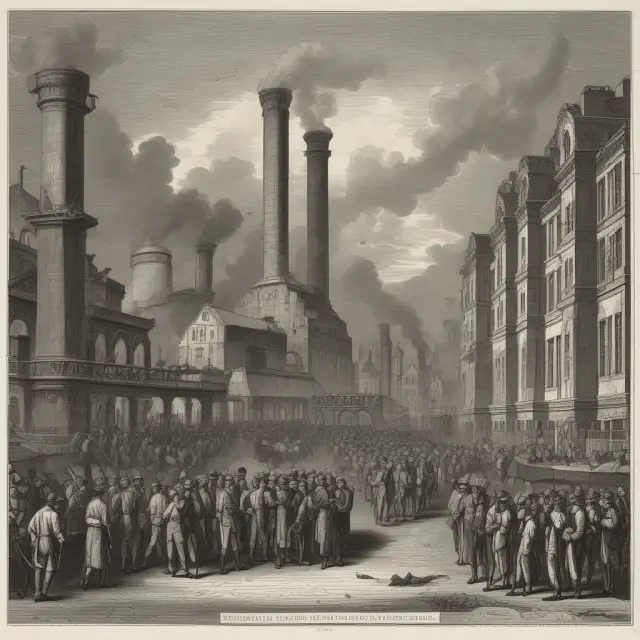
Industrialization: Driven by Factors
The transformation from an agricultural economy to a manufacturing one, known as industrialization, is driven by several key factors. These include government policy, labor-saving inventions, entrepreneurial ambitions, consumer demand, and population growth.
Government policy plays a significant role in the industrialization process. Early industrialization was often initiated under mercantilist or protectionist policies that fostered local manufacturing for export (as seen in Europe). Later strategies embraced free trade, providing new outlets for industrial output (such as in the United States). Post-World War II, both import-substituting and export-led growth strategies emerged, each with its unique advantages and challenges.
Labor-saving inventions like steam engines and spinning jennies have been essential drivers of industrialization since the 18th century. These innovations not only increased productivity but also enabled mass production and the manufacture of commercial goods on a large scale. In turn, this led to a demand for new transportation systems (such as canals, railroads, and roads) and supporting industries (finance, communications, and retail).
Entrepreneurial ambitions have fueled industrialization by providing capital and motivation for business ventures. From textile mills in 18th-century England to tech startups today, entrepreneurs have been at the forefront of creating new businesses and industries, driving economic growth and job creation.
Consumer demand is another powerful force behind industrialization. As economies transition from agricultural to manufacturing ones, populations grow and urbanize, leading to a larger consumer base for goods and services. This demand drives innovation and creates opportunities for business expansion and employment.
Lastly, population growth is a crucial factor in industrialization. The availability of a large labor force is essential for mass production and the construction of infrastructure projects that support industrialization. For example, the rapid urbanization during the Industrial Revolution led to significant demographic shifts, with people moving from rural areas to cities in search of employment opportunities.
Throughout history, governments, entrepreneurs, inventions, consumer demand, and population growth have all contributed to the industrialization process, transforming economies and creating new industries, jobs, and wealth.
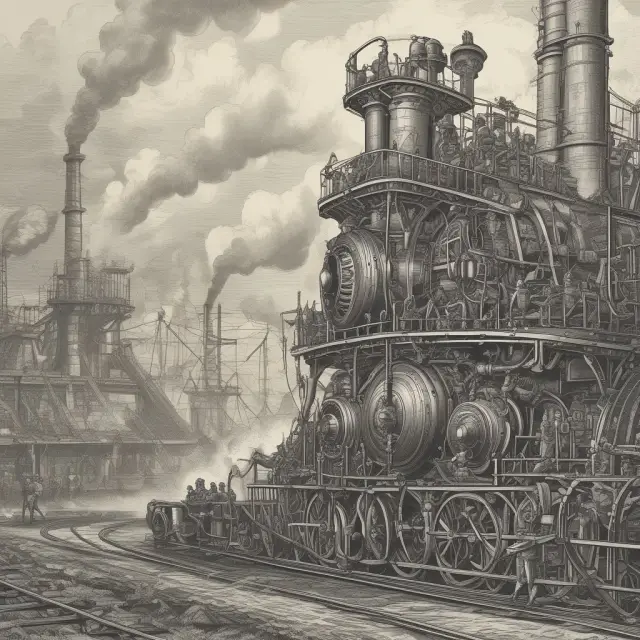
Industrial Revolution and Early Industrialization in Europe and North America
The late 18th century marked the beginning of an industrial revolution, with local manufacturing for export becoming increasingly prevalent. This transformation was most notably seen in Europe and North America where it all started with Britain’s pioneering role in steam-powered machinery. The surge in industrialization during this period can be attributed to various factors such as labor-saving inventions, entrepreneurial ambitions, growing consumer demand, and population growth.
The Industrial Revolution brought about significant changes not only economically but also socially. The shift from agriculture to manufacturing created new opportunities for jobs, leading to a mass migration of people from rural areas to urban centers. This demographic change gave rise to burgeoning industrial cities where jobs in the textile industry and other sectors became essential for supporting the growing population.
The United States, which embraced laissez-faire capitalism, was quick to adopt industrialization following Europe’s lead. Inventions like Eli Whitney’s cotton gin and the spinning jenny helped drive the mass production of commercial goods. The steam engine played a crucial role in the establishment of mill towns such as Lowell, MA, and Pawtucket, RI, as it enabled the mechanization of textile manufacturing.
As industrialization spread beyond Europe and North America, it would have a profound impact on various aspects of society. Post-World War II saw an unprecedented demand for certain manufactured goods, leading to a buildup of production capacity that sustained economic growth for decades. The export-led growth strategy pursued by Asian Tigers (Hong Kong, South Korea, Taiwan, and Singapore) was one of the most successful industrialization approaches during this time.
In contrast, government policy changes played a significant role in China’s industrial revolution, moving away from communist models towards a manufacturing powerhouse. The rapid demographic shift brought about by industrialization created new markets for goods and services, resulting in increased labor specialization and wealth creation. The rise of a larger middle class further fueled the growth of consumer demand.
The success stories of industrialization are not limited to these regions. Countries like Japan and Germany also underwent remarkable transformations from agrarian societies into industrial powers. The interconnectedness of global markets and industries during this period allowed for the transfer of knowledge, labor, capital, and technology across borders, enabling widespread economic growth.
Despite the numerous benefits, industrialization did come with challenges. The impact on society ranged from positive outcomes such as increased literacy rates and improved living standards to negative consequences like urban poverty and environmental degradation. Understanding the historical context of early industrialization in Europe and North America is crucial for grasping its profound influence on global economic development and societal changes.

Asian Tigers and Post-War Industrialization
Post-World War II, industrialization took off in Asia in a significant manner. This period was characterized by rapid growth in manufacturing industries driven by government policy changes and export-led strategies. The term “Asian Tigers” came into being to describe the economies of Hong Kong, South Korea, Taiwan, and Singapore that experienced remarkable economic development during this era.
Government policies played a crucial role in this transformation. In South Korea, for instance, President Syngman Rhee initiated the First Five-Year Economic Development Plan in 1962 to promote industrialization and modernize the economy. The government heavily invested in infrastructure, education, and industries like steel production and shipbuilding. Similar stories unfolded in other Asian Tigers, with governments taking an active role in planning and implementing development strategies.
Export-led growth became a key strategy for these countries to build their manufacturing sectors. Focusing on foreign trade and establishing export industries was instrumental in attracting investments and stimulating economic growth. The strategy relied on maintaining competitive labor costs, adopting market-oriented policies, and cultivating strategic alliances with international partners. This approach helped the Asian Tigers to industrialize at a remarkable pace and become significant players in the global economy.
One of the most notable examples of this successful transformation is China’s industrialization after moving away from its strict communist model. The country embraced economic reforms, leading to a shift from subsistence farming to a manufacturing powerhouse. Since then, China has maintained an average annual growth rate of around 10% for over three decades and became the world’s factory floor.
The industrialization in Asia had profound effects on these economies, bringing about urbanization, labor-intensive industries, and increased global competitiveness. The resulting economic boom led to a significant increase in living standards and improvements in overall quality of life for millions of people. However, it also posed challenges related to managing rapid growth, addressing income inequality, and dealing with environmental concerns.
In conclusion, Asian Tigers’ industrialization was driven by a combination of factors including government policies, export-led strategies, and international trade partnerships that allowed them to experience remarkable economic development in the post-war era. Despite some challenges, these economies have successfully transformed themselves into global manufacturing powerhouses that continue to shape the world economy today.
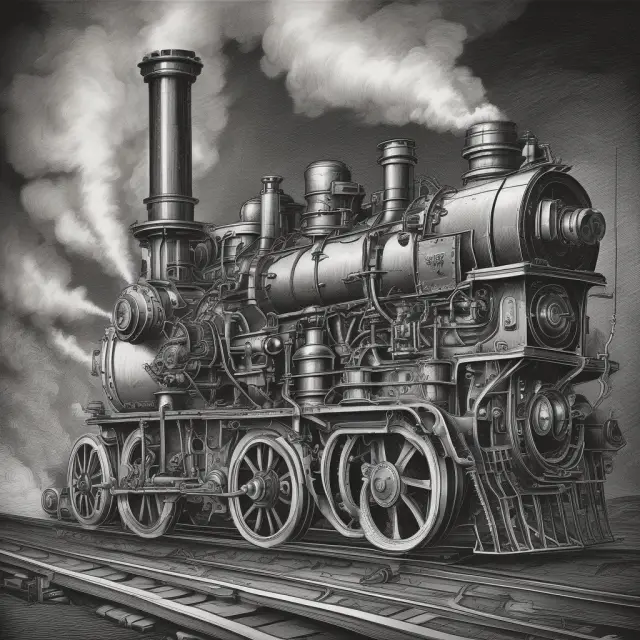
Effects of Industrialization
Industrialization brought about significant changes in society, economically and socially. As labor-intensive agricultural practices were replaced with more mechanized manufacturing processes, the population demographic shifted dramatically. The focus on industrial production led to increased wealth creation and a mass production of commercial goods that revolutionized industries such as transportation, finance, and communications.
The shift from agriculture to industry created new jobs that drew large numbers of people from rural areas into cities and towns, where they could find employment opportunities. While the jobs were often challenging, they presented a stark contrast to the precarious existence of small farming families. The emergence of urban consumers led to an entirely new market for goods and services, driving innovation across industries.
One of the most noticeable effects of industrialization was the creation of a larger middle class. As more people were employed in manufacturing or trade roles, consumer demand for goods increased, and businesses expanded to meet this demand. The rise in wealth and financial wellbeing for some brought about a significant increase in living standards and overall prosperity.
The transition to an industrialized economy also led to increased labor specialization. As tasks became more intricate and required greater skill, people began to focus on specific roles within factories or industries. This specialization helped improve efficiency and productivity, allowing for the mass production of goods that were once produced in small quantities or not at all.
Industrialization also had profound impacts on urbanization, with cities growing as centers of commerce, innovation, and industrial activity. As more people moved to cities to work, there was a need for infrastructure, such as transportation networks, housing, and utilities, to support these expanding urban populations.
These shifts in the economy and demographics brought about by industrialization also had their challenges. The transition from agriculture to industry meant that many people were displaced from their lands and communities, leading to significant social upheaval. Additionally, the working conditions in factories were often harsh and hazardous, with long hours, low wages, and limited protections for workers. However, as industrialization continued to spread around the world, it ultimately led to substantial improvements in living standards and economic growth that benefited many communities and countries.
The mass production of goods brought about by industrialization also had a significant impact on international trade. As industries became more efficient, countries were able to produce goods at lower costs than their competitors, leading to increased exports and imports. This created new opportunities for foreign trade and economic cooperation between nations, as well as increased competition that fueled further innovation and productivity improvements.
In conclusion, the effects of industrialization were far-reaching and significant. The shift from agriculture to industry brought about a profound transformation in economies, societies, and populations around the world. From urbanization and labor specialization to wealth creation and mass production, the changes wrought by industrialization have had lasting impacts that continue to shape our modern world.

Modes of Industrialization: Export-Led vs. Import-Substituting
Industrialization, as we have seen, brought about significant changes in economies by transforming them from agriculture-based to manufacturing-driven. The process itself has undergone various strategies and modes, two major ones being export-led industrialization and import-substituting industrialization. Both methods have distinct characteristics, impacts on trade, and implications for a country’s development.
Export-Led Industrialization: Emphasis on Foreign Trade and Free Markets
Export-led growth is an economic strategy that emphasizes foreign trade as the primary driver of industrial output and growth. In this approach, countries focus on manufacturing goods for export to global markets. The success of this method relies heavily on maintaining a strong competitive edge in global markets through innovation, quality, and efficiency. A few examples of successful export-led economies are Hong Kong, Singapore, South Korea, and Taiwan.
Export-oriented industries thrive when their currencies remain relatively weak compared to their trading partners’ currencies, making exports more attractive and competitive in foreign markets. This strategy necessitates a focus on open markets, free trade policies, and maintaining an efficient business environment. In practice, it involves attracting foreign investments to build the industrial base, creating favorable conditions for businesses, and encouraging entrepreneurship.
Import-Substituting Industrialization: Protectionist Policies and Subsidies
In contrast to export-led growth, import-substituting industrialization is a strategy that prioritizes domestic industries over foreign trade. This method aims to reduce dependence on imported goods by producing them domestically and replacing imports with local products. Protectionist policies such as tariffs, subsidies, and quotas are employed to support the growth of domestic industries.
Import-substituting industrialization was popularized in the post-World War II era as a means for developing countries to industrialize more quickly. Latin American and African nations implemented this strategy, aiming to protect their infant industries from foreign competition. However, it is important to note that import substitution can lead to inefficiencies and higher costs due to the protection of uncompetitive domestic industries.
Comparing Export-Led vs. Import-Substituting Industrialization
Both strategies have merits and challenges, with their relative success depending on various factors such as a country’s resources, political climate, trade agreements, and economic conditions. Export-led growth tends to perform better in open market economies with strong competitive advantages and a business-friendly environment. On the other hand, import-substituting industrialization may be more suitable for countries with significant protectionist barriers, limited resources, or a need to build up domestic industries rapidly.
In conclusion, understanding the difference between export-led and import-substituting industrialization is crucial in evaluating the economic strategies of various nations throughout history. Both methods have led to significant industrial growth and improvements in living standards, but their implementation and impacts on economies vary substantially. As global trade continues to evolve, a better understanding of these strategies will be essential for businesses, investors, policymakers, and scholars alike.

Socialist Industrialization: Successes and Challenges
Centrally planned industrialization, popularly known as socialist industrialization, refers to efforts by socialist governments to develop their economies through state control or ownership of industry. Central planning was based on the belief that a central authority could efficiently allocate resources and direct economic growth more effectively than markets. This strategy contrasted with capitalist approaches where markets and entrepreneurs drove growth. Socialist industrialization came in different forms, including Soviet-style five-year plans and China’s Great Leap Forward.
Soviet Five-Year Plans: A Vision for Industrial Growth
The Soviet Union implemented a series of five-year plans beginning in 1928 under the leadership of Joseph Stalin. The goals were ambitious, aimed at industrializing the Soviet economy rapidly to rival that of the capitalist countries. This period saw rapid expansion and modernization of heavy industries like steel and coal production. However, it also involved brutal methods such as forced labor, collectivized agriculture, and mass deportations to Siberia.
Great Leap Forward: A Disastrous Experiment
Another attempt at socialist industrialization was China’s Great Leap Forward, launched in 1958 under Chairman Mao Zedong. The initiative aimed to transform the agrarian economy into an industrial one by establishing rural communes and encouraging mass campaigns to boost agricultural and industrial production. However, it resulted in famine, widespread poverty, and devastating human losses due to poor planning, unrealistic targets, and harsh implementation methods.
Assessing Socialist Industrialization: Balancing Successes and Challenges
Socialist industrialization had both successes and challenges. On the positive side, it led to impressive industrial growth, as seen in the Soviet Union’s steel production and China’s rapid economic expansion in subsequent decades. However, it came at a steep cost, including human suffering due to forced labor and starvation, inefficiencies from centralized planning, and missed opportunities for entrepreneurship and innovation.
Comparing Socialist Industrialization with Capitalist Approaches
Socialist industrialization can be compared with capitalist approaches like export-led growth or import-substituting industrialization. While socialist industrialization aimed for government control and central planning, capitalist approaches prioritized markets, competition, and entrepreneurship. The choice between these strategies has shaped the economic trajectories of countries around the world. Understanding their differences can shed light on why some economies have flourished while others have faced significant challenges.
In conclusion, socialist industrialization offers a unique perspective on the history of industrialization. Through examples like the Soviet Union’s five-year plans and China’s Great Leap Forward, we learn about ambitious industrial development efforts driven by central planning and state control. These experiments highlight the complexities and trade-offs involved in shaping an economy through industrialization. By examining their successes and challenges, we can gain valuable insights into economic growth strategies that have shaped the modern world.
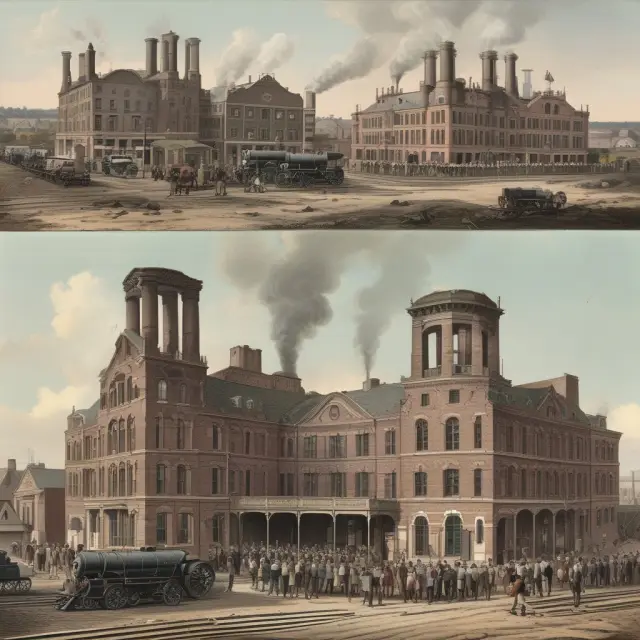
Industrialization in Four Key Industries: Manufacturing, Mining, Transportation, Retailing
Industrialization was not a one-size-fits-all process; it unfolded differently across industries. Four key sectors – manufacturing, mining, transportation, and retailing – experienced significant transformation during industrialization. These industries shaped the economic landscape and contributed to its expansion in distinct ways.
Manufacturing: Industrialization began with the invention of machines that revolutionized the manufacture of goods. The cotton gin, patented by Eli Whitney in 1794, was an early example. This mechanical device made it possible to separate cotton fibers from seeds more efficiently than ever before. Invented during the late colonial era, the cotton gin facilitated the expansion of cotton cultivation and production in the Southern United States and beyond. With the ability to remove seeds at a much faster rate, raw cotton could be processed cost-effectively on a larger scale, fueling the rise of textile mills in New England and Europe.
The spinning jenny, a multi-spindle spinning frame that enabled one person to operate multiple spindles, was another significant invention contributing to industrialization. Its introduction allowed for greater productivity and lower costs, making it possible to mass produce cloth in large quantities. Steam power became crucial to the manufacturing sector with James Watt’s improved steam engine, which made production even more efficient and less labor-intensive.
Mining: Mining industries underwent considerable changes during industrialization, as new technologies were adopted to make mining operations more productive and labor-efficient. In the late 18th century, the first working steam engine was devised to help remove flood water from coal and tin mines. The steam-powered locomotive, invented by George Stephenson in 1825, became essential for transporting ore from mines. Another groundbreaking invention was dynamite, patented in 1867, which greatly enhanced mining operations by enabling the breaking up of rock formations to create new access points and expand mines.
Transportation: The Industrial Revolution led to an unprecedented period of innovation in transportation infrastructure. Steam engines were not only used for manufacturing but also became a vital component of transportation systems. One such breakthrough was Stephenson’s Rocket, introduced in 1829. This steam locomotive revolutionized the way goods and raw materials were moved from production sites to markets, significantly reducing travel times and increasing efficiency. The steamboat, which adopted steam technology to power river craft, played a critical role in expanding transportation networks along rivers and waterways.
Retailing: Retail industries underwent significant changes during industrialization as well. With the rise of urban populations and growing consumer demand for goods, retailers adapted by opening department stores and catalogs to cater to an expanding customer base. John Wanamaker opened the first department store in Philadelphia in 1861, offering a wide range of merchandise under one roof. The Sears Roebuck & Company catalog was introduced in 1894, providing consumers access to a vast array of products from clothing and furniture to farm equipment and prefabricated homes, all shipped directly to their doorstep. These innovations transformed the retail landscape, offering convenience and selection that had never been available before.
In conclusion, the industrialization process was shaped by advancements in manufacturing, mining, transportation, and retailing industries. Each sector underwent significant transformations during this period, with new technologies and business models driving efficiency, productivity, and economic growth. The interconnected evolution of these sectors created a virtuous cycle that fueled the expansion of industries and reshaped the global economy.
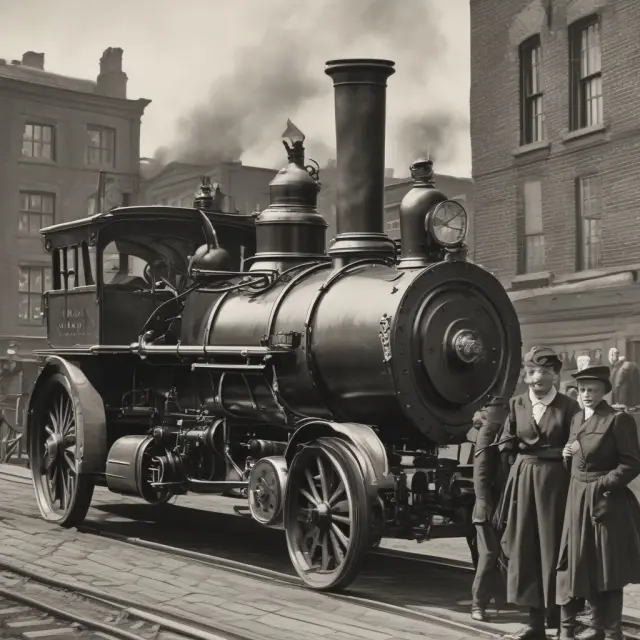
Impact of Industrialization on Society
Industrialization had a profound impact on society, particularly in terms of demographic shifts and changes in the labor market. The growth of industries led to new jobs that attracted people from rural areas to urban centers, where they could find employment opportunities beyond agriculture. While some of these jobs were arduous and labor-intensive, they represented a significant improvement for many families compared to the precarious existence of subsistence farming.
One of the most notable changes brought about by industrialization was urbanization. As populations migrated from rural areas to cities in search of work, urban centers began to grow rapidly. Cities became home to densely populated neighborhoods, with new businesses sprouting up to cater to the needs of these expanding urban communities.
The rise of industries also led to a shift in societal norms and values. In particular, industrialization influenced literacy rates, gender roles, and education levels. With more people moving to cities, there was a growing demand for education, which led to the expansion of schools and the establishment of compulsory education laws in many countries.
Furthermore, industrialization led to increased specialization and mass production. This trend impacted the workforce, as labor became increasingly divided into distinct tasks. Some workers specialized in a particular skill or job, while others were responsible for performing repetitive tasks on an assembly line. This division of labor was not only efficient but also contributed to the emergence of new industries and businesses.
The societal impact of industrialization can be observed in various industries. In manufacturing, innovations like the spinning jenny and the cotton gin allowed for the mass production of textiles. Similarly, the steam engine revolutionized transportation through steamships and railways. The retail industry also saw significant changes with the emergence of department stores and mail-order catalogs like Sears, Roebuck & Co., which provided consumers with a wider range of goods at lower prices.
In conclusion, industrialization had far-reaching effects on society. It led to urbanization, new job opportunities, and shifts in societal norms and values. Additionally, it contributed to the growth and development of various industries, from manufacturing and transportation to retail. By understanding these impacts, we can better appreciate the transformative power of industrialization and its lasting impact on our modern world.
FAQs about Industrialization
What is industrialization?
Industrialization refers to the process by which an economy shifts from reliance on agriculture or resource extraction to manufacturing, characterized by mass production, technological innovation, economic growth, and labor specialization.
What factors drive industrialization?
- Government Policy: e.g., protective tariffs, subsidies, infrastructure development
- Labor-saving Inventions: steam engine, spinning jenny, cotton gin
- Entrepreneurial Ambitions: capitalists like Rockefeller and Carnegie
- Consumer Demand: increased purchasing power and mass markets
- Population Growth: larger labor pool and consumer base
When did industrialization begin?
The Industrial Revolution in the late 18th century marked the beginning of industrialization, with significant growth continuing into the 19th century in Europe and North America. Post-WWII and Asian countries also experienced rapid industrialization.
What are the effects of industrialization?
- Population Demographic Shift: urbanization, labor migration from rural areas to cities
- Wealth Creation: increased standard of living, emergence of a middle class
- Labor Specialization: division of labor, efficiency gains
- Mass Production: economies of scale, increased output of commercial goods
- Technological Innovation: steam engines, electricity, computers
What are the modes of industrialization?
- Export-Led Growth: exporting manufactured goods to build industries and foreign markets
- Import-Substituting Industrialization: protectionist policies to replace imports with domestic production
- Socialist Industrialization: government control of industrial production, e.g., Soviet Union’s Five-Year Plans
What industries were affected by industrialization?
- Manufacturing: mass production and increased labor specialization
- Mining: steam engines for water removal, dynamite for rock blasting
- Transportation: expansion to support manufacturing and trade
- Retailing: adaptation to urban consumers and increased consumer demand
What were some challenges of industrialization?
- Working conditions: long hours, poor safety standards, low wages
- Environmental impact: pollution, resource depletion
- Societal change: urbanization, gender roles, literacy rates, education
- Technological unemployment: displacement of labor by machines and automation.
 Next entry · No. 2,382Understanding Industries and Sectors: A Comprehensive Guide for Institutional Investors
See also
-
 No. 2,275
24 Dec 2024
20 min
Understanding Hypermarkets: Big Box Retailers and Their Impact on the Retail Landscape
Business Strategy
No. 2,275
24 Dec 2024
20 min
Understanding Hypermarkets: Big Box Retailers and Their Impact on the Retail Landscape
Business Strategy -
 No. 5,803
08 Oct 2025
19 min
Understanding the World Gold Council: Its Role in Gold Mining, Investment, and Consumption
Business Finance
No. 5,803
08 Oct 2025
19 min
Understanding the World Gold Council: Its Role in Gold Mining, Investment, and Consumption
Business Finance -
 No. 432
23 Apr 2024
21 min
Bitcoin: Understanding the Digital Gold Rush
Crypto
No. 432
23 Apr 2024
21 min
Bitcoin: Understanding the Digital Gold Rush
Crypto -
 No. 5,757
05 Oct 2025
25 min
Understanding Wisdom of Crowds: The Collective Intelligence of Diverse Groups
Business Strategy
No. 5,757
05 Oct 2025
25 min
Understanding Wisdom of Crowds: The Collective Intelligence of Diverse Groups
Business Strategy -
 No. 5,333
31 Aug 2025
20 min
Understanding the Upper Class: Definition, Composition, Power, and Influence
Business Strategy
No. 5,333
31 Aug 2025
20 min
Understanding the Upper Class: Definition, Composition, Power, and Influence
Business Strategy -
 No. 4,697
09 Jul 2025
25 min
Understanding Software as a Service (SaaS) – Advantages, Disadvantages, History and Characteristics
Business Strategy
No. 4,697
09 Jul 2025
25 min
Understanding Software as a Service (SaaS) – Advantages, Disadvantages, History and Characteristics
Business Strategy