Understanding the Impact and Innovations of the Industrial Revolution on Finance and Business

Explore how the Industrial Revolution transformed finance and business through innovations in manufacturing, labor markets and more.
Introduction to the Industrial Revolution
The Industrial Revolution was a transformative period that began in Great Britain during the mid-18th century and continued into the 19th century. This era marked a significant shift from agrarian societies toward industrialized ones, characterized by advancements in agriculture, transportation, manufacturing, and communication. The term “Industrial Revolution” refers to the mechanization of industry and agriculture, resulting in increased productivity, economic growth, and profound social change.
The Industrial Revolution started in Britain due to several factors, such as the country’s rich coal and iron deposits, technological innovations, and a favorable political environment. The period saw numerous groundbreaking inventions that changed the course of history, including the steam engine, spinning jenny, cotton gin, and power loom, to name just a few. These advancements enabled the mass production of goods and led to significant improvements in living standards for many people.
The Industrial Revolution was not limited to Britain; it eventually spread to other parts of Europe and North America, leading to a second industrial revolution around the late 19th century. The American Industrial Revolution began with the establishment of factories based on European technology and continued until World War II. This period saw the invention of new machines like the telephone, phonograph, and internal combustion engine, which further expanded economic opportunities and changed the way people lived and worked.
Understanding the Impact and Innovations of the Industrial Revolution
The Industrial Revolution brought about numerous innovations that revolutionized agriculture, manufacturing, transportation, and communication. In this section, we will explore some of the significant developments during the first and second industrial revolutions, their impact on labor markets, and the role of governments in shaping these changes.
In the following sections, we delve deeper into the origins and early developments of the Industrial Revolution in Britain, the innovations that emerged during this period, the impact on agriculture and labor markets, and the second industrial revolution’s rise in the United States. We will also discuss the positive and negative consequences of these innovations, the role of governments during this time, and how they shaped the modern business landscape.
Section 1: Origins and Early Developments of the Industrial Revolution in Britain
This section covers the start of industrialization in Great Britain and its dominance by coal and iron industries. We will discuss significant inventions such as the spinning jenny and cotton gin, which played a crucial role in shaping the British economy during this period.
Section 2: Innovations During the First Industrial Revolution
Innovations during the first industrial revolution include the steam engine, factory system, division of labor, and specialization. This section will delve into these topics, exploring their significance and impact on industrialization in Britain.
Section 3: Impact on Agriculture and Labor Markets
The shift from agricultural work to factory jobs, wage increases for industrial workers, urbanization, and labor laws are some of the aspects discussed in this section regarding the influence of the Industrial Revolution on agriculture and labor markets.
Section 4: The Second Industrial Revolution in the United States
This part covers the spread of industrialization to America, focusing on new inventions such as the telephone and internal combustion engine, which marked a turning point for U.S. business.
Section 5: Positive Economic Impact of the Industrial Revolution
Here we discuss the benefits of the Industrial Revolution, including increased employment opportunities, wage growth, improved living conditions, infrastructure development, and global trade expansion.
Section 6: Negative Consequences of the Industrial Revolution
Conversely, this section highlights the negative aspects of industrialization, such as environmental degradation, labor issues, and social unrest.
Section 7: The Role of Government during the Industrial Revolution
Lastly, we will examine how governments played a role in shaping industrialization by instituting tariffs to protect domestic industries, enacting labor laws, and encouraging infrastructure development.
In conclusion, the Industrial Revolution was a turning point for human history that brought about significant technological advancements, economic growth, and social change. Understanding its origins, innovations, impact on agriculture and labor markets, and role of governments can provide valuable insights into the modern business world.
Next in this article: Section 1 – Origins and Early Developments of the Industrial Revolution in Britain

Origins and Early Developments of the Industrial Revolution in Britain
The seeds of the Industrial Revolution were sown during the late 17th century in Great Britain when coal mining and iron production began to gain prominence over agriculture. However, it was in the mid-18th century that the revolution truly took off, marking a turning point in human history. This era saw the beginning of industrialization in Britain, characterized by significant innovations in manufacturing processes and transportation.
The coal and iron industries dominated the early developments of the Industrial Revolution. Coal provided three times more energy than wood, making it an attractive alternative for powering the new machines that would transform industries like textiles. The availability of large coal deposits in Britain made it a natural leader in this industrial revolution. In parallel, the iron industry experienced significant growth as innovations such as coke smelting and the Bessemer process enabled mass production of the metal.
One of the most notable inventions during this period was James Hargreaves’ spinning jenny (1764), which increased productivity in textile manufacturing by enabling one operator to work multiple spindles simultaneously. Another groundbreaking invention came from Eli Whitney, who invented the cotton gin in 1793. This innovation simplified cotton processing, making it more profitable for farmers and setting the stage for further industrial advancements in the textile industry.
The early developments of the Industrial Revolution brought about profound changes to the economic landscape, laying the foundation for capitalism and modern cities that we know today. Despite these advancements, the period was not without its challenges. Rapid urbanization led to overcrowding, harsh working conditions, and deplorable living conditions. The exploitation of labor and child labor became common practice as factories churned out goods at an unprecedented scale. These issues would eventually fuel the rise of labor unions and social reforms aimed at improving workers’ rights and living standards.
In the next section, we will delve deeper into the innovations that drove the Industrial Revolution, including the steam engine, factory system, division of labor, and specialization. We will also explore the impact of these advancements on agriculture, labor markets, and the role of government.
Innovations during the First Industrial Revolution
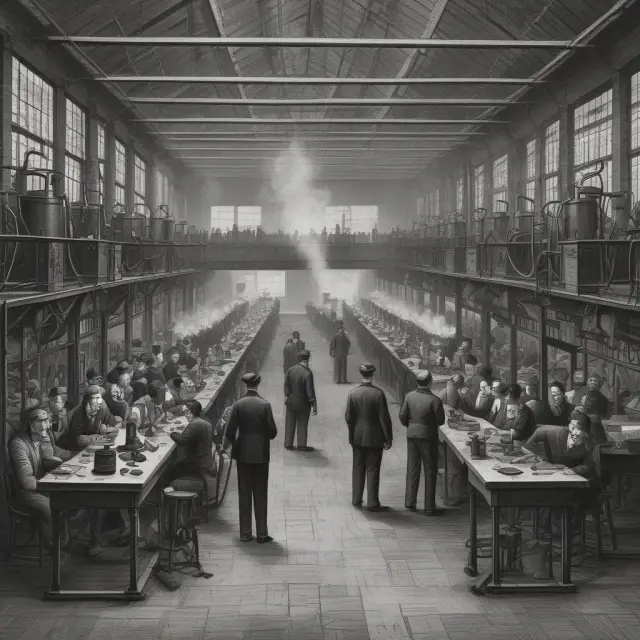
The first Industrial Revolution was characterized by an extraordinary surge in technological advancements that dramatically changed the production process in various industries, particularly textiles and iron manufacturing. Three key innovations stand out as having a profound impact on industry and commerce during this period: steam power, the factory system, division of labor, and specialization.
Steam Power
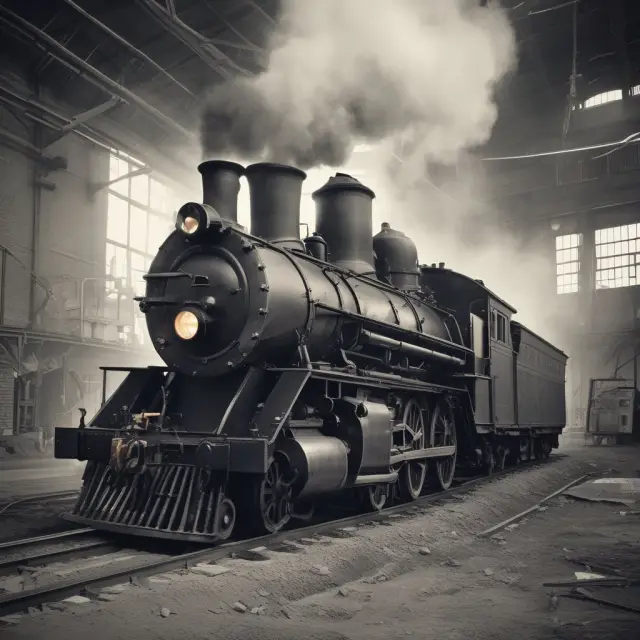
One of the most significant technological developments during the Industrial Revolution was the harnessing of steam power. Steam engines provided a new energy source that replaced traditional waterpower, enabling industries to operate more efficiently and continuously. The first steam engine was invented in 1765 by James Watt, and its widespread adoption transformed transportation, manufacturing, and mining. By providing a reliable and consistent energy source, steam power paved the way for industrial expansion and the growth of modern industry.
Factory System
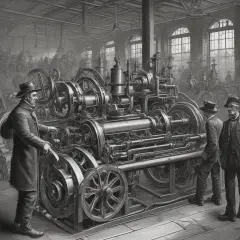
The factory system emerged as a consequence of the increasing use of steam power and labor division in industries. A factory was defined as a large-scale industrial establishment where raw materials were transformed into finished products using specialized machinery and a workforce under one roof. The concentration of production in factories led to increased efficiency, economies of scale, and improved product quality. The factory system also facilitated the emergence of a labor force that was organized around the discipline of the clock and the division of labor, which further fueled industrial growth.
Division of Labor and Specialization
The division of labor refers to the process where a complex task is broken down into smaller, simpler tasks that can be performed by individual workers with specific skills or expertise. The principle behind division of labor was that each worker would become highly skilled in their specific role, enabling increased productivity and better quality output. This approach proved particularly effective for industries such as textiles, which were transformed through the introduction of mechanized processes such as spinning jenny and the cotton gin.
The Industrial Revolution’s impact on finance and business was profound, with innovations such as steam power, factory systems, division of labor, and specialization giving rise to new industries, increased productivity, and economic growth. These transformative developments laid the foundation for modern commerce and industry.
However, it is important to note that while the Industrial Revolution brought about numerous benefits, it also had its share of challenges. One such challenge was the deplorable living and working conditions faced by workers in factories. Additionally, the environmental impact of industrialization was significant, with increased pollution and resource depletion being major concerns. In the following sections, we will explore these challenges and more as we continue our journey through the history of finance and business during this period.
In conclusion, the innovations during the first Industrial Revolution – steam power, factory systems, division of labor, and specialization – played a critical role in the growth of modern industry and commerce. These transformative developments allowed for increased productivity, economies of scale, and improved product quality, paving the way for further industrial advancements and economic growth.
FAQs
What were some important inventions during the Industrial Revolution?
Answer: Some key inventions during the Industrial Revolution include the steam engine, spinning jenny, cotton gin, and telegraph.
When did the Industrial Revolution begin in Britain?
Answer: The Industrial Revolution began in Britain in the mid-to-late 1700s.
Who invented the first steam engine?
Answer: James Watt is credited with inventing the first practical steam engine in 1765.

Impact on Agriculture and Labor Markets
The shift from agriculture to industrial labor markets during the Industrial Revolution brought about significant transformations in economic dynamics. As the factory system took root, individuals began moving from rural farming communities to urban areas seeking employment opportunities and higher wages. This mass migration marked a pivotal moment as it altered the agricultural landscape and labor market conditions.
Prior to industrialization, most households derived their income through agriculture. The transition to factories meant that many people started working for wages rather than producing goods on their own farms. This change led to an increase in employment opportunities, albeit with harsher working conditions and lower wages compared to agricultural jobs. However, even though the factory work presented challenges, the wages proved more attractive due to the scarcity of jobs within agriculture.
The shift from rural life to urban living led to a wave of urbanization. As cities grew, populations became denser, and housing conditions worsened. Polluted environments and unsanitary living conditions created a need for improved city planning and infrastructure. The influx of laborers also resulted in the formation of labor unions that advocated for fair wages and better working conditions.
Urbanization also led to the growth of industries, which required skilled labor. As factories expanded, there was a demand for specialized workers. This created opportunities for people to focus their skills in specific areas, leading to higher wages and improved efficiency. In contrast, agriculture remained largely unchanged, with most farmers continuing to work as small-scale producers.
Although wages increased during the Industrial Revolution, the cost of living also rose, leaving many workers struggling to make ends meet. Labor laws came into existence as a response to the harsh conditions faced by factory workers. These laws aimed to regulate working hours and establish minimum wages. Despite improvements in labor regulations, issues such as child labor persisted, creating ongoing challenges for the labor market during the Industrial Revolution.
In summary, the transition from agriculture to industrial labor markets marked a significant shift in economic dynamics. Urbanization brought about the need for improved city planning and infrastructure while also fueling the rise of labor unions. The growth of industries led to specialized jobs and higher wages but also created challenges related to working conditions and labor laws. These transformations continued to impact finance and business well into the 20th century, shaping modern capitalism as we know it today.

The Second Industrial Revolution in the United States
Following the British Industrial Revolution, the industrialization wave reached the shores of America, ushering in a new era of economic growth and innovation. This period, often referred to as the Second Industrial Revolution, commenced around the 1870s and continued through World War II. The American Industrial Revolution was characterized by groundbreaking inventions such as the telephone and the internal combustion engine that revolutionized various sectors like transportation, communication, and manufacturing.
Origins of the American Industrial Revolution
The foundation for the Second Industrial Revolution in America was laid through a combination of favorable factors. These included access to abundant natural resources, increased immigration from Europe, and a burgeoning entrepreneurial spirit. However, unlike Britain, which relied heavily on coal as an energy source during its industrial revolution, the American version saw a shift towards petroleum-based products. This transition was facilitated by the discovery of oil in Pennsylvania in 1859.
Key Inventions and Innovations
The Second Industrial Revolution in America brought forth several significant inventions that forever altered the economic landscape. One such invention was the telephone, invented by Alexander Graham Bell in 1876. This revolutionary communication device enabled people to connect with one another across vast distances, dramatically increasing the potential for trade and commerce. Another notable innovation was the internal combustion engine, which revolutionized transportation through its use in automobiles, trucks, buses, and airplanes.
Impact of the Second Industrial Revolution on America
The Second Industrial Revolution had a profound impact on various aspects of American society. Economically, it resulted in the emergence of large-scale industries that created numerous jobs and economic opportunities for the population. Furthermore, increased productivity brought about lower prices for goods, which expanded consumer markets and facilitated mass production. The era also saw significant advancements in education, infrastructure development, and technological innovation.
However, this period was not without its challenges. Workers faced long hours, poor wages, and deplorable working conditions. Child labor and environmental degradation were rampant issues that necessitated the establishment of labor unions and environmental regulations. Despite these challenges, the American Industrial Revolution remains a testament to the resilience and ingenuity of the human spirit in overcoming adversity and driving progress.
FAQs About the Second Industrial Revolution
When did the Second Industrial Revolution occur?
– The Second Industrial Revolution took place primarily between the late 19th century and World War II.
Where did the Second Industrial Revolution begin?
– The Second Industrial Revolution began in the United States, with significant contributions from other countries like Germany and Japan.
Who were some key figures of the Second Industrial Revolution?
– Key figures include Alexander Graham Bell (telephone), Thomas Edison (electricity), and Henry Ford (automobile production).
Positive Economic Impact of the Industrial Revolution
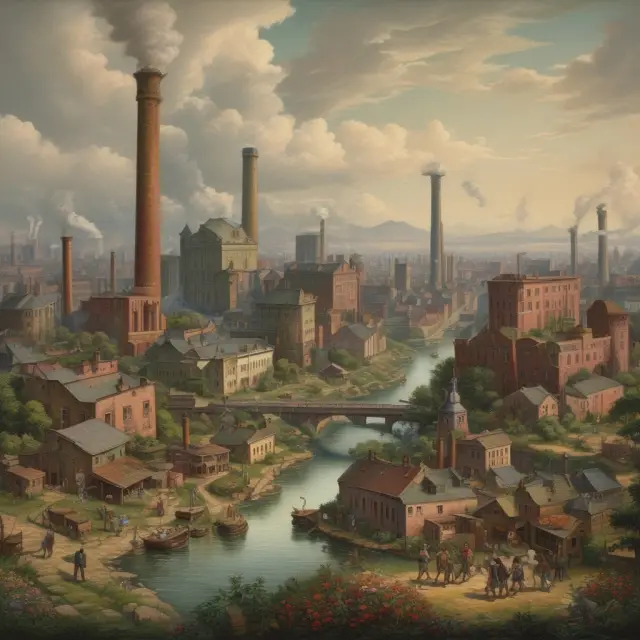
The Industrial Revolution brought about a significant surge in economic growth for many countries, with Britain leading the charge in this revolutionary period. During the Industrial Revolution, employment opportunities expanded beyond agriculture as the manufacturing sector flourished due to innovations such as the steam engine and the factory system. Consequently, wages increased for industrial workers, making it an attractive alternative compared to the agricultural labor market.
The Industrial Revolution led to a shift in living conditions, with many people moving to urban areas where employment opportunities were plentiful. This mass migration paved the way for improved infrastructure as cities grew and expanded, leading to better housing, transportation, and sanitation systems. Furthermore, advancements during this era set the stage for modern cities that we know today.
Global trade expansion also gained momentum during the Industrial Revolution, as efficient production methods led to lower prices and an increased supply of goods. Improved transportation networks facilitated global commerce, making it easier for businesses to expand and reach new markets beyond their borders. As a result, international trade grew substantially, fueling economic growth in various countries.
However, the Industrial Revolution was not without its challenges. Environmental degradation and pollution were serious concerns as factories popped up and industrialization spread across the world. Additionally, workers’ rights and labor unions emerged to address the exploitation of employees during this period. Despite these challenges, the long-term impact of the Industrial Revolution on finance and business was undeniably profound. Capitalism became a dominant economic system, and modern cities took shape as the industrial revolution ushered in an era of unprecedented growth and innovation.
FAQs:
When did the Industrial Revolution occur?
The Industrial Revolution began in Great Britain around the mid-to-late 1700s and continued into the 19th century. It spread globally, with significant industrialization taking place in the United States during the late 1800s.
What were some key inventions of the Industrial Revolution?
Some key inventions of the Industrial Revolution include the steam engine, spinning jenny, and cotton gin, which revolutionized manufacturing processes by increasing efficiency and productivity. The telegraph, internal combustion engine, controlled electricity, and lightbulb were significant inventions during the Second Industrial Revolution in the late 1800s.
Who were some key figures of the Industrial Revolution?
Some notable figures during the Industrial Revolution include Samuel Slater, who established the first cotton mill in the United States; Samuel Morse, creator of the telegraph; and Andrew Carnegie, who pioneered the steel industry. Other influential figures include James Watt, Thomas Edison, and Alexander Graham Bell.
What were some positive economic impacts of the Industrial Revolution?
The Industrial Revolution brought about significant economic growth through increased employment opportunities, higher wages, improved living conditions, and global trade expansion. These developments set the stage for modern cities and capitalism as a dominant economic system.
What were some negative consequences of the Industrial Revolution?
Negative consequences of the Industrial Revolution included environmental degradation and pollution, labor exploitation, and workers’ rights issues. Despite these challenges, the long-term impact of the Industrial Revolution on finance and business was overwhelmingly positive.
Negative Consequences of the Industrial Revolution
Despite the numerous advantages that came from the Industrial Revolution, there were significant negative consequences as well. The shift towards factories and industrialization led to several challenges for workers, the environment, and society at large.
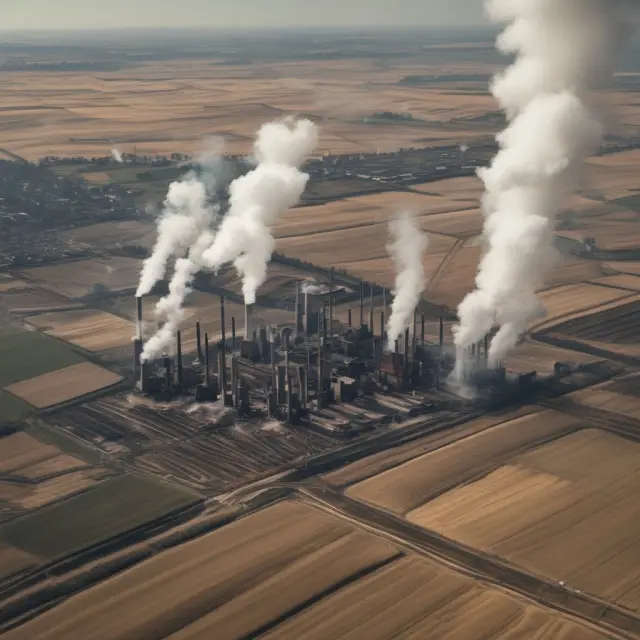
One major issue was environmental degradation and pollution. With the increase in industrial activity, factories began dumping their waste into rivers and streams without proper treatment or disposal methods, leading to water pollution. The use of coal as an energy source further exacerbated this problem, with massive amounts of soot and smoke being released into the air, causing significant damage to both human health and the environment.
Another issue that arose was workers’ rights and labor unions. As more people migrated from rural areas to urban centers to work in factories, working conditions became increasingly poor. Long hours, low wages, and dangerous working environments led many workers to form labor unions in an attempt to secure better pay and working conditions. However, this often resulted in labor conflicts and strikes, which further strained the relationship between labor and management.
The impact of the Industrial Revolution on labor was far-reaching. While wages did increase for some workers, many faced harsh working conditions, long hours, and low pay, particularly in factories. Children were often employed in dangerous jobs, and women were relegated to low-paying roles. The factory system also led to urbanization, with people moving from rural areas to cities to work in factories, leading to overcrowded living conditions and a strain on infrastructure.
In conclusion, the Industrial Revolution brought about significant changes to the way business was conducted and the world was shaped. While there were many positive outcomes, such as increased efficiency, technological advancements, and economic growth, there were also negative consequences, including environmental degradation, labor exploitation, and social unrest. Understanding both sides of this historical period is essential to fully appreciating its impact on modern finance, business, and society.
FAQs:
What was the main cause of the Industrial Revolution?
Answer: The main causes of the Industrial Revolution were technological innovations, the availability of new sources of energy like coal, and the factory system that led to a division of labor and specialization.
Where did the Industrial Revolution begin?
Answer: The Industrial Revolution began in Great Britain during the late 1700s.
Who were some key figures during the Industrial Revolution?
Answer: Key figures during the Industrial Revolution include James Watt, Eli Whitney, and Samuel Slater. They made significant contributions to technology, manufacturing, and transportation, respectively.
What were some major inventions during the Industrial Revolution?
Answer: Some major inventions during the Industrial Revolution include the spinning jenny, cotton gin, steam engine, telegraph, internal combustion engine, lightbulb, and controlled electricity.
How did the Industrial Revolution impact agriculture?
Answer: The Industrial Revolution led to increased efficiency in farming through mechanization and the use of new technologies like reapers and threshers, which reduced labor costs and increased production. However, it also led to the displacement of many farmers and rural communities as people moved to urban areas for factory jobs.
The Role of Government during the Industrial Revolution
During the Industrial Revolution, governments played a significant role in shaping its trajectory through various policies. Two primary areas where government intervention was crucial were protecting domestic industries through tariffs and creating labor laws to mitigate the harsh working conditions for factory workers.
Protecting Domestic Industries with Tariffs
In an attempt to encourage the growth of domestic industries, governments, particularly in the United States, imposed tariffs on imported goods to make them more expensive. This policy protected local industries by making their products cheaper compared to imports and encouraged the development of infrastructure such as railroads, which were critical for transportation of raw materials and finished goods.
Creation of Labor Laws
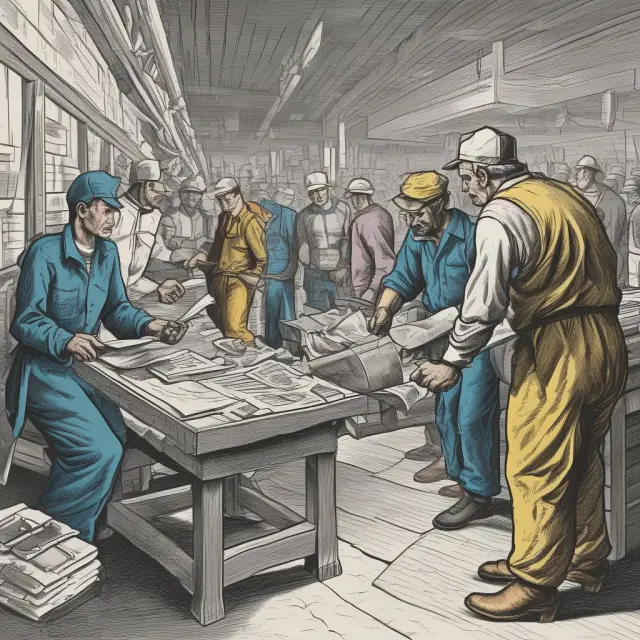
As factories began to become widespread during the Industrial Revolution, working conditions deteriorated significantly due to the pressure on businesses to increase profits. Long hours, minimal breaks, and low wages became the norm. Additionally, child labor was a significant issue that garnered public attention and concern. Governments responded by enacting labor laws aimed at improving working conditions and providing some level of protection for factory workers. These laws included minimum wage regulations, maximum work hours, and provisions to prevent the employment of children below a certain age in factories.
For instance, in the United States, the Fair Labor Standards Act (FLSA) was passed in 1938, which established a national minimum wage and set maximum working hours for most employees. Similarly, in the United Kingdom, the Factory Acts of 1802, 1833, and 1844 were enacted to improve the safety and working conditions of factory workers.
The impact of these labor laws on wages and working conditions varied significantly depending on the industry, location, and specific circumstances. For instance, in industries with strong labor unions or high levels of competition, wages might have increased, while in others where businesses had a monopolistic position or could easily relocate to areas with lower labor costs, workers may not have benefited as much from these regulations.
In conclusion, the role of governments during the Industrial Revolution was multifaceted and influential. They intervened to protect domestic industries through tariffs, encouraging their growth, and enacted labor laws aimed at improving working conditions for factory workers, setting the stage for modern labor rights and welfare systems. These interventions contributed to a more balanced economic landscape and paved the way for the ongoing evolution of industrialization.

Long-Term Impact on Finance and Business
The Industrial Revolution’s long-term influence on finance and business is a topic that demands attention for its profound impact on economic growth, capitalism, and modern cities. Before the advent of industrialization, agriculture dominated the economy, with most households making their living farming in rural communities. The emergence of factories in urban areas brought about new employment opportunities, higher wages, and increased production efficiency.
One of the most significant long-term impacts of the Industrial Revolution was the rise of capitalism. Under capitalism, businesses shifted towards centralizing labor in factories, implementing a division of labor to boost output and profitability. This led to unprecedented technological change and innovation, making the industrial revolution a key turning point for modern economic systems.
The increased efficiency of production brought about by the Industrial Revolution led to higher profits for businesses and lower costs for consumers. This economic dynamic fueled capitalism’s growth and expansion throughout the world, enabling the creation of large corporations and multinational companies as we know them today.
Another significant impact of the Industrial Revolution was the emergence of modern cities. With factories concentrated in urban areas, populations migrated from rural communities to take advantage of employment opportunities and improved wages. This demographic shift created the need for new infrastructure and city planning, including public transportation systems and sanitation services.
The industrial revolution’s financial implications also extended beyond domestic economies. The rapid expansion of trade networks enabled countries to export and import goods on a larger scale, fostering global economic growth and interdependence. This interconnectedness laid the groundwork for international financial institutions and multinational corporations that continue to shape our global economy today.
The Industrial Revolution’s influence on finance and business extended beyond just its positive aspects. The drive for profits led to deplorable working conditions, long hours, and child labor. In response, labor unions emerged as a means of protecting workers’ rights and advocating for fair wages and improved working conditions. This labor movement paved the way for future social and economic reforms aimed at creating a more equitable society.
In conclusion, the Industrial Revolution marked a turning point in history for finance and business. Its impact on capitalism, modern cities, and global trade networks shaped the foundation of our current economic systems. Understanding this historical period’s long-term effects is crucial to grasping the complex interplay between technology, innovation, and economics that continues to influence our world today.
FAQs about the Industrial Revolution
- **When did the Industrial Revolution occur?** The Industrial Revolution began in Britain during the mid-18th century and extended into the 19th century, later spreading to other countries such as the United States in the late 19th century.
- **Where did it begin?** The first signs of industrialization appeared in Great Britain, particularly in cities like Manchester, Birmingham, and Sheffield, which became centers for manufacturing textiles, coal mining, and iron production.
- **Who were some key figures?** Some prominent individuals associated with the Industrial Revolution include James Watt, Eli Whitney, Samuel Slater, and Thomas Edison, who made significant contributions to various industries through their inventions and innovations.
The Industrial Revolution was a transformative period in history that brought about extensive changes to the global economy and society. It marked the shift from traditional agricultural societies to industrialized urban centers characterized by factory production, mechanization, and innovation. This section delves deeper into the origins of the revolution in Britain, notable inventions and innovations, impact on agriculture, labor markets, and long-term consequences for finance and business.
Origins and Early Developments
In Great Britain, the Industrial Revolution took root when coal and iron became dominant resources. Pivotal inventions such as the spinning jenny and cotton gin paved the way for mass production in textiles. This period was marked by the invention of the steam engine, which significantly reduced the time required to produce goods, leading to increased productivity, lower prices, and higher wages.
Innovations during the First Industrial Revolution
The steam engine was a critical development as it powered machinery used for various industries, such as textile manufacturing and mining. The factory system emerged, enabling mass production through specialization and division of labor, while significant inventions like the telegraph and sewing machine revolutionized communication and clothing production, respectively.
Impact on Agriculture and Labor Markets
The Industrial Revolution brought about a shift from agricultural work to industrial jobs as people moved from rural areas to cities in search of better wages. However, this transition had negative consequences, such as urbanization and pollution, labor laws, and child labor. Urbanization led to overcrowded living conditions and deplorable working and housing conditions, leading to public health issues and the eventual formation of labor unions.
The Second Industrial Revolution in the United States
Industrialization eventually spread beyond Britain to other parts of the world, most notably the United States during the late 19th century. This period saw innovations like the telephone, internal combustion engine, and electric light bulb transform industries such as transportation, communication, and manufacturing, leading to increased productivity and economic growth.
The Role of Government during the Industrial Revolution
Governments played a significant role in supporting industrialization through tariffs to protect domestic industries from foreign competition and the creation of labor laws. For instance, the United States government enacted protective tariffs on steel imports, encouraging its production and the development of infrastructure such as railroads.
Long-Term Impact on Finance and Business
The Industrial Revolution had long-term consequences for finance and business, leading to increased corporate profits and growth, the rise of capitalism, modern cities, and global trade expansion. The availability of abundant resources such as coal and iron paved the way for industrialization and led to technological innovations that significantly impacted the global economy.
As we continue exploring the Industrial Revolution, future sections will delve into its positive and negative consequences and examine key inventions and figures that shaped this transformative period in history. Stay tuned as we uncover more insights into this fascinating era of economic, social, and technological advancements.
 Next entry · No. 2,381Understanding Industrialization: History, Strategies, Effects, and Societal Impact
See also
-
 No. 1,422
13 Sep 2024
20 min
Understanding Exploration & Production (E&P): The Early Stage of Energy Production
Energy Finance
No. 1,422
13 Sep 2024
20 min
Understanding Exploration & Production (E&P): The Early Stage of Energy Production
Energy Finance -
 No. 1,283
23 Aug 2024
18 min
Endogenous Growth Theory: Understanding the Economic Perspective Driving Persistent Prosperity
Economics
No. 1,283
23 Aug 2024
18 min
Endogenous Growth Theory: Understanding the Economic Perspective Driving Persistent Prosperity
Economics -
 No. 5,920
18 Oct 2025
20 min
Zombie Companies: Understanding the Dynamics and Risks
Business Finance
No. 5,920
18 Oct 2025
20 min
Zombie Companies: Understanding the Dynamics and Risks
Business Finance -
 No. 5,915
18 Oct 2025
19 min
Zombie Banks: Understanding Insolvent Financial Institutions Supported by Governments
Business Finance
No. 5,915
18 Oct 2025
19 min
Zombie Banks: Understanding Insolvent Financial Institutions Supported by Governments
Business Finance -
 No. 5,803
08 Oct 2025
19 min
Understanding the World Gold Council: Its Role in Gold Mining, Investment, and Consumption
Business Finance
No. 5,803
08 Oct 2025
19 min
Understanding the World Gold Council: Its Role in Gold Mining, Investment, and Consumption
Business Finance -
 No. 5,801
08 Oct 2025
24 min
Understanding the Role and Impact of the World Bank
Business Finance
No. 5,801
08 Oct 2025
24 min
Understanding the Role and Impact of the World Bank
Business Finance