Dependency Ratio: Understanding This Crucial Demographic Indicator for Investors

This article discusses Dependency Ratio, a significant demographic indicator for understanding population aging, its calculation, consequences, and impact…
Introduction to Dependency Ratio
The dependency ratio is a crucial demographic indicator used to determine the number of dependents, i.e., individuals aged zero to 14 and over 65, compared with the total population in the working age group, aged 15 to 64. This ratio provides valuable insights into the balance between the economically active population and those dependent on it for support. Dependency ratio plays a significant role in finance and investment as it influences economic conditions, taxation systems, and retirement planning.
The dependency ratio is calculated by dividing the number of dependents (those below 15 and above 64) by the working-age population (those aged between 15 and 64). The resulting percentage indicates the proportion of the population that relies on the other part to generate income for their sustenance. This demographic indicator is vital as it offers a snapshot of a country’s demographic composition and can shed light on potential economic implications, particularly in relation to taxation.
Understanding Dependency Ratio Components and Calculation
The dependency ratio consists of two parts: the youth dependency ratio (for those under 15) and the elderly dependency ratio (for those over 64). The formula for calculating dependency ratio is:
Dependency Ratio = Population Aged 15 to 64 / (Population Under 15 + Population Over 64) x 100%
The significance of this demographic indicator lies in its ability to help us understand the economic burden that different age groups place on the labor force. For instance, a high youth dependency ratio can signify an abundance of children, which, in turn, requires additional resources for education and infrastructure development. Conversely, an elevated elderly dependency ratio implies a growing aging population that may necessitate increased spending on healthcare and pension schemes.
Stay tuned for the next section where we delve deeper into what this crucial demographic indicator signifies and explore its limitations, historical trends, and projections.

Components and Calculation of Dependency Ratio
The dependency ratio is an important demographic indicator that provides insight into the balance between a country or region’s population, focusing on those who contribute to the economy and those who depend on it. The ratio is calculated by dividing the number of dependents (population under 15 years old and above 64) by the total working-age population (between 15 and 64). This section explores how the dependency ratio is computed, and its two primary components: youth and elderly dependencies.
Calculating Dependency Ratio
The formula for calculating the dependency ratio involves dividing the number of dependents by the total working-age population:
Dependency Ratio = Population Aged 15 to 64 / (Population Under 15 + Population Above 64) × 100%
By considering both youth and elderly dependencies, the dependency ratio offers a more comprehensive perspective on the demographic structure of a population. This information can be crucial for investors and economists as it influences economic growth, taxation, and retirement systems.
Understanding Dependency Components
The two main components of the dependency ratio are the youth dependency ratio (population under 15) and the elderly dependency ratio (population above 64). The youth dependency ratio focuses on the burden of supporting younger dependents, while the elderly dependency ratio takes into account the support required for an aging population.
For example, if there are 500 individuals between the ages of 15 and 64, 300 under the age of 15, and 200 above the age of 64 in a given population, the youth dependency ratio would be:
Youth Dependency Ratio = Population Under 15 / Total Working-Age Population × 100% = 300 / 500 × 100% = 60%
Similarly, the elderly dependency ratio would be:
Elderly Dependency Ratio = Population Above 64 / Total Working-Age Population × 100% = 200 / 500 × 100% = 40%
Together, these ratios provide a complete picture of the dependency structure in a population. In our example, the overall dependency ratio would be:
Dependency Ratio = (Population Under 15 + Population Above 64) / Total Working-Age Population × 100% = (300 + 200) / 500 × 100% = 100%
In the next section, we will discuss the interpretation of a high or low dependency ratio and its consequences.

What Does Dependency Ratio Signify?
The Dependency Ratio – an essential demographic indicator – reveals crucial information about a population’s age structure and its economic implications. By calculating the ratio of dependents, aged 0-14 and over 65, to the total working-age population (15-64), we gain insights into a country’s dependency burden and potential tax implications. A higher dependency ratio means more dependents to be supported by the working age population, increasing the need for government expenditures and possibly higher taxes.
In essence, the dependency ratio helps economists and policymakers analyze a country’s demographic composition, allowing them to anticipate future economic trends, including changes in taxation systems and retirement provisions. A lower ratio indicates that fewer dependents are reliant on the workforce, contributing to a more sustainable economic situation.
Understanding Dependency Ratio: Comparing Youth and Elderly Dependency
The dependency ratio is calculated based on two types of dependencies – youth (dependents under 15) and elderly (people above 65). Each has its significance for economists and policymakers.
The youth dependency ratio calculates the number of dependents below working age (0-14) as a percentage of the total population aged 15-64. This ratio is particularly important for analyzing countries with high birth rates, which may result in a large portion of their population being dependent. A higher youth dependency ratio implies an increased burden on the workforce to support these dependents and potentially necessitate more investments in education or social welfare programs.
Conversely, the elderly dependency ratio calculates the number of dependents aged 65 and above as a percentage of the total working-age population (15-64). This ratio is essential for countries with aging populations, as it highlights the need to prepare for an increase in retirement expenses, health care costs, and potential labor shortages. A higher elderly dependency ratio puts additional pressure on governments to address these challenges through policy adjustments or pension reforms.
The Importance of a Low Dependency Ratio
A low dependency ratio is desirable because it indicates a smaller burden on the working-age population to support dependents, allowing for more sustainable economic growth and potentially lower taxes. Additionally, a lower dependency ratio can lead to higher pensions and better healthcare facilities for aging populations due to the increased revenue generated by a larger workforce.
Conversely, high dependency ratios can create significant challenges for economies and taxpayers, as they require more resources to support dependents and maintain social welfare programs. In some cases, high dependency ratios may necessitate policy adjustments or labor market interventions to address the imbalance in the population age structure.
In conclusion, the dependency ratio is a powerful demographic indicator that offers valuable insights into a country’s economic future by revealing its dependency burden and tax implications. By understanding this crucial ratio, investors and policymakers can make informed decisions about retirement provisions, healthcare systems, education investments, and taxation policies to ensure sustainable economic growth and support the needs of their aging and younger populations.

Limitations of the Dependency Ratio
The dependency ratio is an essential demographic indicator that offers valuable insights into a country’s population structure and its economic implications. This ratio provides an overview of the proportion of the population that relies on others for support versus those who are economically active. However, it has some limitations as it fails to account for specific factors such as illness, disability, students, stay-at-home parents, early retirement, or individuals working beyond age 65.
The dependency ratio primarily focuses on age as the determining factor in economic activity. People below the age of 15 are considered dependents due to their lack of earning potential, while those aged 65 and above are categorized as dependents due to their retirement status. However, not every individual under 15 is a student, and not all elderly citizens are retired. Furthermore, some individuals may choose to continue working beyond the age of 64 or may be unable to retire due to financial constraints.
It is crucial to acknowledge that these limitations do not diminish the importance of the dependency ratio but rather emphasize the need for a more comprehensive approach when evaluating the economic situation of a population. The dependency ratio can provide an initial perspective, but other factors must be considered to paint a complete picture.
For instance, countries with higher rates of disability or illness may have a larger proportion of their populations classified as dependents according to the dependency ratio than those who are genuinely economically inactive. In contrast, some countries might have a substantial percentage of their population staying at home to care for young children or aging parents, which would not be reflected in the dependency ratio.
Moreover, economic trends and circumstances such as early retirement can impact the dependency ratio, creating an inaccurate representation of the actual number of economically active individuals. To overcome these limitations, it is essential to consider factors such as employment rates, labor force participation, and health status when analyzing demographic data. By combining the dependency ratio with this additional information, a more holistic understanding of a population’s economic situation can be achieved.
In conclusion, while the dependency ratio offers valuable insights into a country’s population structure and its economic implications, it is essential to acknowledge its limitations. The dependency ratio primarily focuses on age as a determinant of economic activity and fails to account for various factors such as illness, disability, students, stay-at-home parents, early retirement, and individuals working beyond the age of 65. To gain a more accurate understanding of a population’s economic situation, it is necessary to consider additional factors and data points when evaluating demographic trends.

Country Comparison: Lowest and Highest Dependency Ratios
Comparing the countries with the lowest and highest dependency ratios can reveal valuable insights into demographic differences and their potential economic implications for investors. Understanding these contrasts can provide a better grasp of how a country’s economy, workforce, and government policies shape its dependency ratio.
As of 2021, the country with the lowest dependency ratio is Qatar, with an impressive figure of 18.38%. This low value can be attributed to a young population and a large labor force in this oil-rich nation. Qatar’s significant investments in infrastructure development have attracted a substantial number of expatriate workers, which has helped sustain its thriving economy while keeping the dependency ratio relatively low (International Monetary Fund, 2021).
On the opposite end of the spectrum, Niger holds the title for having the highest dependency ratio at an astounding 108.92%. This high figure is largely due to a large youth population and insufficient work opportunities. Niger’s low life expectancy, limited education system, and weak infrastructure have contributed to its unfavorable demographic situation (World Bank, 2021).
It is essential for investors to appreciate the significance of these contrasting dependency ratios, as they can influence various aspects of a country’s economy, including taxation, retirement systems, and overall economic stability. For example, a low dependency ratio may suggest a larger working-age population available to generate revenue and contribute to economic growth, while a high dependency ratio could result in increased reliance on external aid or extensive government expenditures to support the dependent population.
The United States, with a dependency ratio of 54.52%, falls between these two extremes. Its relatively balanced demographic structure presents both advantages and challenges for investors, making it crucial to analyze its underlying factors driving this value (World Bank, 2021).
In conclusion, comparing the lowest and highest dependency ratios can offer a unique perspective on demographic differences that are essential for investors to consider when assessing the economic stability of various countries. Understanding these contrasts can help inform investment decisions by providing insights into factors like taxation, retirement systems, workforce growth, and overall economic potential.

Factors Influencing Dependency Ratio
The dependency ratio provides insight into a population’s demographic structure, revealing the proportion of dependents and workers in a given country or region. The ratio is crucial for investors and economists due to its implications on taxation, retirement planning, and economic stability. However, it’s important to note that the dependency ratio does not capture various factors that can significantly impact a population’s economic status. In this section, we discuss the primary determinants of dependency ratios: age, demographics (birth rates, immigration policies, and government policies), and workforce growth.
Firstly, age is the most significant factor in calculating the dependency ratio as it identifies the economically active population, which is typically those between 15-64 years old. However, this calculation may not be comprehensive since other factors such as illness, disability, early retirement, or even an individual’s choice to work beyond age 65 can influence a person’s economic status.
Secondly, demographics play a critical role in determining dependency ratios due to the various factors that affect birth rates and the overall population structure. For example, high birth rates result in a larger youth population, while low birth rates contribute to an aging population with more elderly dependents. Immigration policies also influence dependency ratios by altering the size of the working-age population. Finally, government policies can significantly impact demographic shifts as seen in China’s one-child policy, which drastically changed their population structure and contributed to a growing elderly dependency ratio.
Lastly, workforce growth is crucial for understanding dependency ratios as it indicates whether there will be enough economically active individuals to support the non-working age population. Countries with high workforce growth, such as those attracting foreign workers or experiencing high birth rates, can maintain a lower dependency ratio. However, countries with declining workforces due to aging populations face a growing burden in supporting their dependents and must consider strategies to address this challenge.
Understanding these factors that influence the dependency ratio is essential for investors and economists as they provide insight into potential economic shifts and allow for informed decision-making regarding taxation, retirement planning, and long-term investment strategies.
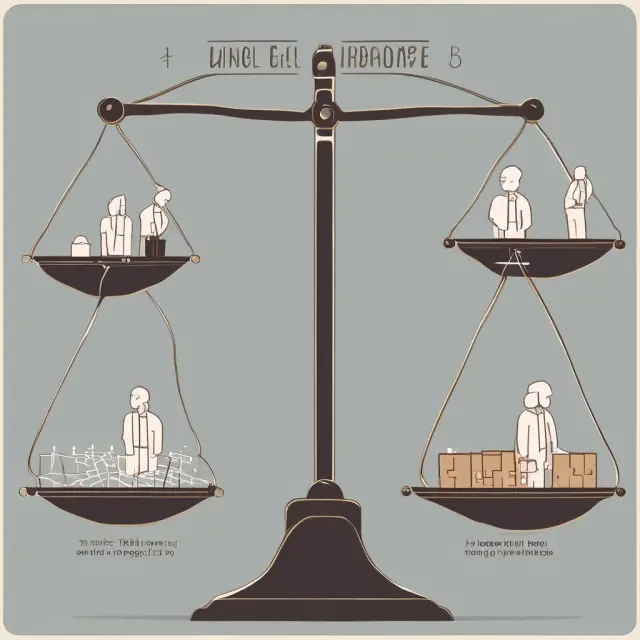
Dependency Ratio’s Impact on Economy, Taxation, and Retirement
The dependency ratio offers valuable insights into the economy, taxation systems, and retirement plans for investors and economists alike. This crucial demographic indicator provides a perspective of the number of dependents (aged 0-14 and over 65) compared to the working population (aged between 15 and 64). The dependency ratio’s primary significance lies in its potential impact on a country’s workforce, taxation system, and retirement plans.
First, let’s explore how a high dependency ratio can strain an economy. A larger dependent population relative to the working-age population implies a greater burden on those who are employed or economically active, leading them to potentially shoulder higher taxes to support their non-working counterparts. In turn, this may negatively impact economic growth and overall productivity.
The dependency ratio also plays a role in taxation systems. With an aging population, the government will need more resources to cater to their needs, which could result in increased taxes for the working populace to meet those obligations. Consequently, as the dependency ratio rises, the tax burden may grow, potentially reducing disposable income for workers and dampening consumer spending – a critical component of economic growth.
Regarding retirement plans, understanding the dependency ratio is vital because it indicates the number of individuals in the workforce responsible for supporting retirees. A high dependency ratio, therefore, signals a larger proportion of retirees to be supported by fewer working-age individuals, putting pressure on pension funds and other retirement systems. As a result, policymakers must consider ways to sustain these programs in the long term.
Countries with higher dependency ratios may need to implement measures such as increasing their workforce through immigration, implementing policies that encourage later retirement, or raising the age of retirement. Lowering the youth dependency ratio by encouraging more children and providing incentives for parents to have more children can also help mitigate the strain caused by a high dependency ratio.
In conclusion, the dependency ratio is an essential demographic indicator for investors and economists as it offers insights into various aspects of a country’s economy, taxation system, and retirement plans. Understanding this measure’s potential implications can enable more informed decisions and investments in these areas.

Historical Trends and Projections of Dependency Ratios
Understanding historical trends and future projections of the dependency ratio is essential for investors to assess potential implications. The dependency ratio, an indicator of a country’s demographic makeup, has significant consequences for economies, taxation, and retirement planning. By examining past trends and forthcoming shifts, investors can better anticipate these repercussions, enabling them to make informed decisions.
Historical Trends in Dependency Ratios
The dependency ratio is a long-term measure that can be traced back decades. A quick glance at historical data reveals several patterns:
- The global dependency ratio has generally increased over the past century due to population growth and aging populations (World Bank, 2021).
- European countries have experienced some of the most substantial increases in their dependency ratios since the post-WWII era (Baldwin, 2014).
- In contrast, developing nations, such as those in Africa and Asia, often display lower dependency ratios due to a more youthful demographic composition (World Bank, 2021).
Projections for Future Dependency Ratios
As global populations age, the dependency ratio is expected to continue increasing. For instance:
- The United Nations projects that the world’s elderly population will outnumber children by 2050 (United Nations, 2019).
- According to the World Bank, dependency ratios in Europe and North America are projected to reach their peak between 2030-2050 (World Bank, 2018).
- In contrast, some regions like Africa are expected to maintain a lower dependency ratio due to continued population growth and a relatively large youthful demographic (World Bank, 2018).
Implications for Investors
The aging global population will lead to several implications for investors:
- Increased demand for healthcare and related services as populations age (Baldwin, 2014).
- Demand for technologies and innovations that improve the efficiency of care for elderly populations (Baldwin, 2014).
- Potential shifts in investment patterns as investors look for opportunities to address aging population challenges.
- Changes in tax structures and retirement systems as governments seek to support their aging populations (World Bank, 2018).
In conclusion, understanding historical trends and future projections of the dependency ratio is vital for investors. With a better grasp of this demographic indicator, they can anticipate shifts in economies, make informed decisions regarding investment strategies, and navigate the challenges of an aging global population.

Strategies for Managing High Dependency Ratios
A high dependency ratio poses significant challenges for a country’s economy and its workforce, particularly regarding taxation and retirement systems. To manage these challenges effectively, countries employ various strategies aimed at boosting the size of the working population or adjusting their policies to accommodate the increasing number of dependents. In this section, we explore some of the most effective measures for managing high dependency ratios.
Workforce Growth: One strategy to address high dependency ratios is by increasing the overall size of the workforce through immigration or birth rates. Countries can encourage immigration to augment their labor force and offset the burden on the native population. In contrast, nations with high birth rates experience a natural increase in their working-age population. By focusing on strategies that attract and retain young individuals, these countries can help mitigate the effects of an aging population and lower their dependency ratios.
Immigration Policies: Governments may adopt immigration policies to encourage more people to immigrate and join their workforce. These policies could include simplifying the visa application process for skilled workers, offering incentives such as tax breaks or citizenship in exchange for employment, or increasing funding for integration programs that make it easier for new immigrants to assimilate into the society and find employment opportunities.
Government Intervention: In some cases, governments may intervene with policies aimed at reducing the dependency ratio directly. For instance, countries could offer incentives to encourage older workers to remain in the labor force beyond retirement age. This not only increases the size of the workforce but also reduces the overall burden on younger generations. Alternatively, governments may invest in education and training programs that provide individuals with the necessary skills for the job market, reducing the number of dependents and increasing the potential workforce.
Country Examples: Let us examine two examples to understand how countries have employed various strategies to manage their high dependency ratios. Singapore, which has a relatively low dependency ratio, has implemented an extensive range of policies that have attracted and retained foreign talent. This includes the Global Talent Program and EntrePass, which target highly skilled professionals, as well as a strong focus on education and skills training for its native population. On the other hand, Italy, with one of the highest dependency ratios, faces unique challenges due to its low birth rate and aging population. To address this, the Italian government has introduced policies aimed at encouraging older workers to continue working beyond retirement age while also investing in education and job creation programs for young people.
In conclusion, high dependency ratios present significant challenges for countries’ economies, particularly regarding taxation and retirement systems. By implementing strategies such as increasing workforce growth through immigration or birth rates, adopting favorable policies to attract skilled workers, and encouraging older generations to continue working beyond retirement age, governments can effectively manage these challenges and mitigate the negative effects of a high dependency ratio.
FAQs on Dependency Ratio
What is a dependency ratio?
Answer: A dependency ratio is a demographic indicator that measures the number of dependents aged zero to 14 and over the age of 65, compared with the total population aged 15 to 64. It helps determine people of working age versus those of non-working age and aids in understanding taxation, which affects government revenue.
What factors can affect the dependency ratio?
Answer: Age is the primary factor that affects the dependency ratio. Demographic factors such as birth rates, immigration policies, and other government policies also impact the dependency ratio by influencing the size of the workforce.
Which country has the lowest dependency ratio?
Answer: Qatar currently holds the record for the lowest dependency ratio at 18.38.
What is a good dependency ratio?
Answer: A lower dependency ratio, around 50% or less, is generally considered ideal as it signifies less of a burden on the workforce in supporting those who are not working.
How does immigration affect the dependency ratio?
Answer: Immigrants, when they join the labor force, can increase the overall size and productivity of the workforce, helping to mitigate the effects of an aging population and lowering dependency ratios.

FAQs on Dependency Ratio
What Is Dependency Ratio and Why Is It Significant?
Dependency ratio, also known as the total dependency ratio, measures the number of dependents (youth under 15 years and elderly above 65) compared to the population aged between 15 to 64 – the economically active population. This demographic indicator sheds light on the relative burden of non-working age populations on the economy and workforce, affecting taxation and government expenditure.
How Is Dependency Ratio Calculated?
To calculate the dependency ratio, divide the number of dependents (population under 15 and above 64 years) by the total population between ages 15 to 64. Multiply the result by 100 to obtain a percentage.
What Does a High Dependency Ratio Signify?
A high dependency ratio indicates that a larger proportion of the population is made up of dependents compared to economically active individuals. Consequently, this puts more pressure on the working-age population and the economy as a whole to support those who cannot work or earn their own income.
What Is the Difference Between Youth Dependency Ratio and Elderly Dependency Ratio?
The youth dependency ratio only includes individuals below the age of 15, while the elderly dependency ratio focuses on those above 65 years old. The total dependency ratio accounts for both components.
What Is the Ideal Dependency Ratio?
A lower dependency ratio indicates a better economic situation as it suggests that there is an adequate workforce to support dependents effectively. In contrast, a high dependency ratio can lead to significant challenges for government finances and overall economic stability.
Which Country Has the Lowest Dependency Ratio?
As of 2021, Qatar holds the lowest dependency ratio at 18.38%. This means that only 18.38% of their population is classified as dependents.
Which Country Has the Highest Dependency Ratio?
Niger has the highest dependency ratio among countries, with a value of 108.92%, suggesting that there are more dependents than economically active individuals in this country.
How Does Age Affect Dependency Ratios?
Age is the primary determinant of dependency ratios as it directly influences whether an individual is classified as economically active or not. Demographic factors such as birth rates, immigration policies, and government policies can also impact overall dependency ratios.
 Next entry · No. 996Maximizing Dependent Care Benefits: Understanding Flexible Spending Accounts, Tax Credits, and Paid Leave
See also
-
 No. 2,560
16 Jan 2025
19 min
Understanding the ISM Manufacturing Index: A Comprehensive Guide for Institutional Investors
Business Finance
No. 2,560
16 Jan 2025
19 min
Understanding the ISM Manufacturing Index: A Comprehensive Guide for Institutional Investors
Business Finance -
 No. 2,087
09 Dec 2024
17 min
The Help-Wanted Index: A Leading Indicator of the Labor Market’s Health
Business Finance
No. 2,087
09 Dec 2024
17 min
The Help-Wanted Index: A Leading Indicator of the Labor Market’s Health
Business Finance -
 No. 1,936
26 Nov 2024
19 min
Understanding Gross Value Added (GVA): Key Metric for Measuring Economic Productivity
Business Finance
No. 1,936
26 Nov 2024
19 min
Understanding Gross Value Added (GVA): Key Metric for Measuring Economic Productivity
Business Finance -
 No. 1,028
17 Jul 2024
19 min
Understanding Dual Income, No Kids (DINK): A Demographic with Substantial Disposable Income
Business Finance
No. 1,028
17 Jul 2024
19 min
Understanding Dual Income, No Kids (DINK): A Demographic with Substantial Disposable Income
Business Finance -
 No. 4,099
22 May 2025
19 min
Procyclic: Understanding the Correlation between Economic Indicators and Business Cycles
Economics
No. 4,099
22 May 2025
19 min
Procyclic: Understanding the Correlation between Economic Indicators and Business Cycles
Economics -
 No. 3,944
09 May 2025
20 min
Gauging Global Prosperity: Understanding GDP Per Capita
Economics
No. 3,944
09 May 2025
20 min
Gauging Global Prosperity: Understanding GDP Per Capita
Economics