The January Barometer: An In-Depth Look at this Market Indicator and its Implications for Institutional Investors
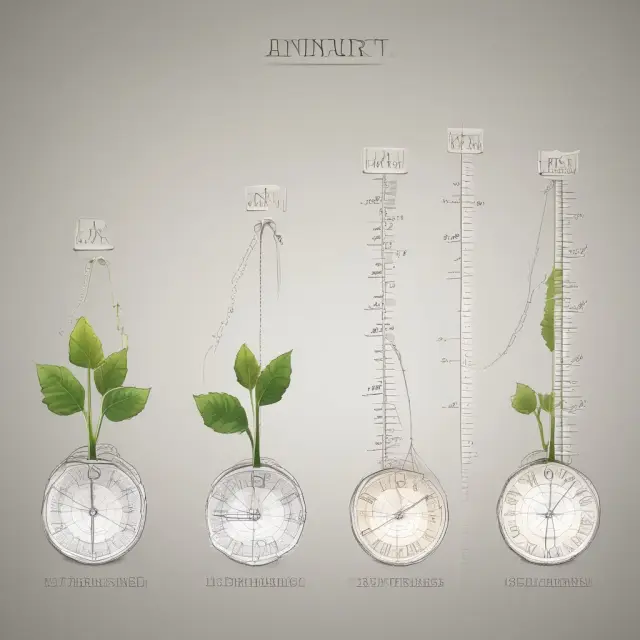
Explore the history, theory, controversy, and real-world implications of the January Barometer - a crucial market indicator for institutional investors.
Historical Background of the January Barometer
The January Barometer is an intriguing stock market phenomenon believed to predict the overall performance of the U.S. equity markets based on their behavior during the initial month of the year. Originating in 1972, Yale Hirsch, creator of the Stock Trader’s Almanac, introduced this hypothesis, which suggests that the returns of the S&P 500 Index during January can provide an insight into its future trend throughout the rest of the year (Hirsch, 1972).
The theory gained popularity among traders as they began to observe a correlation between the performance of the U.S. stock market in January and its subsequent performance during the remaining eleven months. Since then, the January Barometer has been a subject of debate and analysis among various market participants.
Historically, the hypothesis states that a positive return for the S&P 500 Index in January is followed by a positive full-year performance. Conversely, if the index experiences negative returns during the initial month, it often leads to poor performance throughout the year (Hirsch, 1972).
Despite its intriguing nature and widespread adoption among traders, the January Barometer has faced controversy and scrutiny from experts who challenge its validity. Over the years, debates have ensued regarding whether this market indicator is a true predictor of stock market behavior or an illusion resulting from seasonality trends or other factors.
This section will delve into the historical background of the January Barometer, providing insights into its creation, evolution, and current relevance for institutional investors. We will explore the origins of the hypothesis, its popularity among traders, and the controversy surrounding its validity. Additionally, we’ll examine real-world examples of the January Barometer in action to provide a clearer understanding of its implications for institutional investors.
As you read further in this section, you’ll gain a deeper appreciation for the historical significance of the January Barometer and the role it has played in shaping the investment landscape.

The Theory Behind the January Barometer
The January Barometer is a market indicator that claims the performance of the S&P 500 Index during January can predict its overall annual performance. This hypothesis has been in existence since Yale Hirsch, founder of the Stock Trader’s Almanac, proposed it in 1972. The theory suggests that if the S&P 500 Index rises during the first month of the year, it is indicative of a positive market trend for the remainder of the year. Conversely, a poor performance in January could signal an unfavorable market climate in the ensuing months.
The theory’s logic lies in its potential to serve as a leading indicator for investors. Those who believe in this hypothesis may use it as a basis for investment decisions, potentially timing their investments based on the outcome of January’s performance. Proponents argue that the January Barometer’s accuracy ratio is impressive – registering only 11 errors from 1950 to 2021, which translates to an 84.5% success rate (Stock Trader’s Almanac).
However, skeptics challenge the reliability of this theory. They argue that the January Barometer may be merely a byproduct of the general upward trend in U.S. equities year over year, rather than an indicator with genuine predictive power. The U.S. equity market has exhibited positive annual returns approximately 70% of the time from 1945 to 2021 (Morris & Shiller, 2004). Given this context, it is plausible that a strong January performance could be an outcome of market trends rather than an indicator of future success.
Moreover, critics question the universality of this phenomenon as it mainly applies to the U.S. market and specifically the S&P 500 Index. No comparable pattern has been consistently discovered in international markets (Cook & Garrett, 2001). This raises the possibility that the January Barometer may be a transient anomaly specific to the US equity markets.
Despite these debates, the self-reinforcing nature of the January Barometer cannot be ignored. If investors react to a strong January performance by allocating more capital into the market, this could potentially cause prices to rise further (De Bondt & Thaler, 1995). Conversely, if investors react negatively to a poor January performance, they might sell off their holdings, leading to a further decline. The psychological influence of these investor reactions on market behavior underscores the importance of understanding the potential implications of the January Barometer.
Understanding this theory’s background and implications is essential for institutional investors looking to make informed investment decisions. In the following sections, we will dive deeper into the historical context, controversy surrounding the January Barometer, real-life examples, related concepts such as the Santa Claus Rally, sentiment indicators, and seasonality.
References:
Cook, J., & Garrett, P. (2001). Global stock market seasonality revisited. Journal of Financial Economics, 74(3), 555-582.
De Bondt, H. R., & Thaler, R. H. (1995). Does the Stock Market Overreact to New Information? Evidence from November 1985 and March 1987. Journal of Financial Economics, 46(3), 465-492.
Morris, S., & Shiller, R. J. (2004). Irrational Exuberance Revisited: New Evidence on Asset Prices and Market Behavior. Princeton University Press.
Stock Trader’s Almanac (1972) The Stock Trader’s Almanac. McGraw-Hill.

Controversy Surrounding the January Barometer
Despite its popularity, the January Barometer remains a contentious topic within the investment community. Critics argue that the hypothesis might not hold much validity and could be nothing more than a coincidence.
The theory’s self-reinforcing nature is one of the primary arguments against the January Barometer. Proponents believe that strong returns in January result from optimistic investor sentiment, which, in turn, influences further buying activity. However, critics contend that this could also lead to a self-fulfilling prophecy, as increased investment during positive months might artificially inflate prices.
Moreover, the January Barometer phenomenon seems to be primarily an American occurrence. Similar patterns have not been consistently observed in other markets around the world. For instance, the FTSE 100 Index in the United Kingdom and the Nikkei 225 Index in Japan have exhibited inconsistent trends when it comes to January performance’s impact on their respective indices’ yearly returns.
Critics argue that this regional disparity could be evidence of an anomaly specific to U.S. equity markets, rather than a universal phenomenon that can be relied upon as a dependable investment tool. Additionally, they point to the fact that the correlation between January returns and overall annual returns has fluctuated significantly in recent years.
For example, in 2021, the S&P 500 declined by 1.1% in January but went on to gain just under 27% on the year. Conversely, the Santa Claus rally – another market indicator based on seasonality – displayed mixed results that same year. In 2020, the S&P 500 lost 0.16% in January only to go on to a 16% rally throughout the remainder of the year.
In light of these inconsistencies, it is essential for institutional investors to approach the January Barometer hypothesis with caution and not solely rely on its predictions when making investment decisions. Instead, they should consider a broad range of indicators and data points to inform their investment strategies and risk management practices.

Real-World Examples of the January Barometer in Action
The January Barometer’s accuracy ratio has been reported to be 84.5% since its introduction by Yale Hirsch in 1972. However, is this statistical phenomenon a reliable indicator for institutional investors or merely an illusion? Let us examine some real-world examples of the January Barometer’s performance and uncover any underlying patterns.
One instance where the January Barometer held true was in 2019. The S&P 500 rose by 7.87% during the first month of the year, which according to the January Barometer, would indicate a positive result for the remainder of the year. Indeed, the index went on to deliver a robust gain of 28.9% in the following 11 months. Conversely, there have also been years where the barometer failed, such as in 2021 when the S&P 500 declined by 1.1% in January but still managed to post a year-to-date gain of just under 27%.
In 2020, the Santa Claus rally, which is closely related to the January Barometer as they both measure the market’s performance during December and January, exhibited ambiguous results. The S&P 500 lost 0.16% from Dec. 24, 2020, to Jan. 3, 2021, but recovered with a strong rally throughout the remainder of the year, delivering a total gain of approximately 16%.
These examples highlight the inconsistent nature of the January Barometer’s predictive power. However, it is important to remember that market trends and investor sentiment can be influenced by various macroeconomic factors and geopolitical events. Therefore, while historical data can provide valuable insights, it does not guarantee future performance.
A crucial factor in interpreting the January Barometer’s significance for institutional investors lies in understanding its potential impact on market sentiment. The barometer’s accuracy might be a self-fulfilling prophecy to some extent, as investor reactions to its predictions could influence market trends. For example, if a strong January performance leads to heightened optimism and increased investment, this could contribute to further gains in the months ahead. Conversely, a weak January could trigger selling pressure and result in further declines.
In conclusion, while the January Barometer has demonstrated some success in predicting market trends based on historical data, its reliability remains debatable for institutional investors. Instead of relying solely on this market indicator, it is essential to consider various factors, such as macroeconomic conditions, geopolitical risks, and investor sentiment, when making informed investment decisions.

The Santa Claus Rally: A Related Concept
The Santa Claus Rally is another popular market phenomenon related to the January Barometer. The term ‘Santa Claus rally’ refers to the strong performance of the stock market during the last five trading days of the year and the first two trading sessions of the New Year. This rally is also believed to provide clues about the S&P 500’s performance for the upcoming year, much like the January Barometer.
The origin of this concept is also linked to Yale Hirsch and the Stock Trader’s Almanac in 1972. However, unlike the January Barometer, which focuses on the entire month of January, the Santa Claus rally concentrates on a specific period towards the end of the year.
The connection between these two phenomena lies in their ability to provide insights into the market sentiment and investor behavior at the beginning and end of the year. The performance during both the January Barometer and the Santa Claus rally periods can influence investors’ perceptions about the market’s future direction, leading them to adjust their investment strategies accordingly.
Despite the Santa Claus rally being a shorter-term phenomenon compared to the January Barometer, it has garnered significant attention due to its historical accuracy. According to research conducted by LPL Financial, from 1969 to 2018, the S&P 500 had positive returns in 73% of the years when there was a Santa Claus rally. Moreover, in years with a Santa Claus rally, the average yearly return for the S&P 500 was 13.34%.
The relationship between these two market indicators is a topic of ongoing debate among investors and financial analysts. Some experts argue that a strong January Barometer can lead to a powerful Santa Claus rally, as optimism from a positive beginning to the year carries over into the New Year’s final days. On the other hand, others believe that the two phenomena are separate trends that may or may not coincide with each other.
For institutional investors, understanding these market indicators can provide valuable insights when making investment decisions and managing risk exposure. The January Barometer and Santa Claus rally can help inform investment strategies, particularly in regard to market timing and asset allocation.
In conclusion, the January Barometer and the Santa Claus rally are two important market phenomena that can offer clues about the S&P 500’s future performance. By examining the historical background and implications of these indicators, institutional investors can improve their understanding of the market environment and enhance their investment strategies.
In the following sections, we will delve deeper into the January Barometer theory, controversy surrounding its validity, real-life examples of its application, as well as an analysis of sentiment indicators and seasonality trends related to this popular market indicator.

Sentiment Indicators: A Brief Overview
The January Barometer is an intriguing market phenomenon based on the belief that the S&P 500 Index’s performance in January may predict its direction for the remainder of the year. However, this concept isn’t an isolated occurrence in the financial world. Sentiment indicators provide valuable insights into investors’ emotions and beliefs regarding the market, which can influence prices.
Understanding sentiment indicators is essential because they help gauge the collective mood among investors. Economists and traders use these tools to evaluate trends, make predictions, and identify potential opportunities. Some popular sentiment indicators include the American Association of Individual Investors (AAII) survey, the University of Michigan Consumer Sentiment Index, and the CBOE Market Volatility Index (VIX).
The relationship between sentiment indicators and market performance is well established. Research shows that investor sentiment can influence the stock market’s trends and even predict potential reversals. The January Barometer itself could be considered a form of sentiment indicator as it reflects the optimism or pessimism of investors following the first month of the year.
The January Barometer’s accuracy ratio, which is around 84.5%, can be explained partially by its association with overall market trends and investor sentiment. The idea that a strong start to the year often leads to positive performance for the rest of the year could reflect an optimistic outlook among investors. Conversely, poor performance in January may lead investors to become bearish, potentially causing further losses.
However, sentiment indicators are not infallible and should be used with caution. They don’t always provide accurate information or predict future market movements. In some cases, the relationship between sentiment indicators and market trends can be fleeting or inconsistent. For example, during periods of extreme market volatility or significant macroeconomic events, investor sentiment may not accurately reflect underlying market conditions.
In conclusion, understanding sentiment indicators is crucial for institutional investors as they can provide valuable insights into market trends and potential investment opportunities. The January Barometer is an interesting example of a sentiment indicator that has gained widespread attention due to its historical accuracy ratio. However, it’s important to remember that no single indicator can accurately predict future market movements with certainty. Instead, institutional investors should use multiple sources of information, including sentiment indicators, to make informed investment decisions and manage risk effectively.

Seasonality: A Market Concept Related to the January Barometer
The January Barometer, an investment hypothesis popular among some traders and investors, suggests that the market’s performance during the first month of the year may influence its overall direction throughout the rest of the year. This theory gained significant attention following its introduction in the Stock Trader’s Almanac in 1972 by Yale Hirsch. While the January Barometer is a widely debated topic, it shares a connection with another market concept: seasonality.
Seasonality refers to recurring price trends or patterns that emerge during distinct periods of time. In finance and economics, these patterns may manifest as predictable changes in asset prices throughout a year based on external factors such as holidays, economic events, or other market influences. Seasonal trends can be observed across various markets and securities.
The January Barometer is closely linked with the concept of seasonality because it relies on historical evidence of price trends during the first month of the year to forecast subsequent performance. The rationale behind this hypothesis is that if the S&P 500 Index performs well in January, it might indicate a positive outlook for the remainder of the year. Conversely, a weak January performance could signal potential challenges ahead for investors.
Seasonality is not confined to the U.S. stock market; it can be observed across various asset classes and geographic regions. For instance, the “Teflon Tiger” hypothesis suggests that the Australian dollar exhibits seasonal trends due to commodity price cycles and Chinese economic factors. Similarly, the “January Effect” refers to a price trend in which small-cap stocks outperform larger ones during January, with this phenomenon having been observed across several global markets.
Market observers argue that seasonal trends can provide valuable insights for investors by helping them anticipate market movements and manage risk more effectively. For example, they might use historical data on a specific stock or index to identify recurring trends and adjust their investment strategies accordingly. However, it is crucial to note that seasonality does not always guarantee future results; its presence should not be the sole determinant of investment decisions.
When examining the January Barometer in relation to seasonality, it is essential to consider other factors that may influence market performance during the year. For instance, central bank policies, political events, and economic indicators can all impact asset prices significantly. Therefore, investors must incorporate these elements into their analysis when evaluating the implications of the January Barometer for their portfolios.
To fully understand the relationship between the January Barometer and seasonality, it is important to analyze historical data, including the performance of various indices, sectors, and asset classes during specific timeframes. By doing so, investors can form a more informed perspective on how these phenomena interact and what they might suggest for market conditions moving forward.
In conclusion, the January Barometer and seasonality are interconnected concepts in finance and investment. While the former focuses specifically on the first month of the year as a potential indicator of market direction, the latter encompasses recurring trends and patterns that emerge throughout the year across various asset classes and geographic regions. By examining historical data and analyzing these phenomena together, investors can gain valuable insights into market performance and risk management strategies.

How the January Barometer Impacts Institutional Investors
The January Barometer, which suggests that the S&P 500 Index’s performance in January can indicate its overall direction for the year, has significant implications for institutional investors. This market hypothesis, while not a definitive indicator of future trends, is an essential aspect of many traders’ and investors’ decision-making processes.
Institutional investors, such as pension funds, mutual funds, hedge funds, and insurance companies, manage substantial portfolios that require strategic planning for the long term. The January Barometer provides a simple yet significant market signal that can help institutional investors make informed decisions on their investments and risk management strategies.
First, by paying close attention to the January performance of the S&P 500 Index, institutional investors can gauge potential investor sentiment for the upcoming year. A positive January could indicate strong confidence from both retail and institutional investors, leading to increased capital inflows into the stock market, potentially driving up prices further throughout the year. Conversely, a negative January might signal weakness or uncertainty, prompting investors to reconsider their positions and potentially sell off holdings, creating downward pressure on stock prices.
Additionally, the January Barometer can help institutional investors fine-tune their asset allocation strategies based on the anticipated market trends for the year. For instance, if the S&P 500 Index performs well in January, an institutional investor might choose to allocate a larger percentage of their portfolio towards equities, while reducing allocations to fixed income or alternative investments. Conversely, if the January Barometer suggests a poor performance for the S&P 500 Index, an institutional investor could consider shifting assets away from equities and toward safer fixed-income securities or other low-risk asset classes.
Moreover, the January Barometer’s potential predictive power can help institutional investors manage market risk more effectively. For example, a strong January performance could encourage institutional investors to take on additional risk in their portfolios, knowing that positive sentiment is likely to persist throughout the year. Conversely, a negative January could prompt institutional investors to reduce overall risk exposure by increasing cash positions or hedging strategies, thereby protecting their portfolios from potential market downturns.
Institutional investors also use the January Barometer in conjunction with other market indicators, such as sentiment surveys and earnings reports, to form a more comprehensive understanding of the broader market trends. This information can help institutional investors make informed decisions regarding stock selection and sector allocation.
Despite its potential benefits, it’s essential to note that the January Barometer is not a foolproof predictor of future stock market performance. While some studies suggest that this market anomaly holds considerable predictive power, others argue that it may simply be a secondary effect of broader trends in the U.S. equity markets or a self-fulfilling prophecy based on investor sentiment.
In conclusion, institutional investors use the January Barometer as an essential tool to make informed decisions regarding their investment strategies and risk management. By closely monitoring the performance of the S&P 500 Index during the first month of the year, institutional investors can gauge investor sentiment, adjust asset allocations, and manage market risks effectively. However, it’s crucial to remember that while the January Barometer may provide valuable insights, it should not be the sole determinant for investment decisions. A well-diversified portfolio that reflects a long-term perspective remains the cornerstone of any successful institutional investing strategy.

The Future of the January Barometer: A Perspective for Institutional Investors
The January Barometer, a market hypothesis stating that returns in January can predict those for the rest of the year, has remained a topic of interest among institutional investors due to its potential implications for portfolio management and market timing. Though this phenomenon was initially set out by Yale Hirsch in 1972, the significance and validity of the January Barometer have been extensively debated in finance literature. In this section, we will explore how the January Barometer might influence institutional investors’ decision-making processes and its potential future relevance.
One important aspect of the January Barometer’s continued appeal for institutional investors is that it serves as a simple and widely recognized market indicator. As such, it can provide a valuable starting point for assessing broader market trends and informing investment strategies. For those investors who believe in the predictive power of the January Barometer, positive returns in January could serve as an encouraging sign to maintain or even increase equity exposure. Conversely, weak performance during this period might prompt a more cautious stance or reallocation toward alternative asset classes such as fixed income securities.
Moreover, the January Barometer can be used in conjunction with other market indicators and sentiment measures to form a more comprehensive view of the investment environment. Institutional investors may combine this indicator with other technical and fundamental analysis tools to enhance their understanding of potential market moves throughout the year.
However, it’s crucial for institutional investors to recognize the limitations and potential shortcomings of the January Barometer as well. Critics argue that the observed correlation between January returns and full-year performance could be a mere coincidence or an artifact of broader trends in the equity market. Moreover, this phenomenon might not hold true across different asset classes or geographical regions. As such, investors should be cautious about relying solely on this single indicator to guide their investment decisions.
Despite these limitations, the January Barometer continues to attract attention and generate debate within the investing community. The ongoing discussion surrounding this market hypothesis highlights its importance as an integral part of the broader conversation on market trends and investor sentiment. Given the increasing complexity of modern financial markets and the growing availability of data, it’s likely that institutional investors will continue to seek insights from a variety of sources in their quest for competitive edge. In this context, the January Barometer, while not foolproof, can still serve as a useful starting point for exploring potential market trends and informing investment strategies.
In summary, the January Barometer remains an important consideration for institutional investors seeking to navigate the intricacies of modern financial markets. Its ability to provide insights on potential market trends and inform investment decisions, combined with its historical significance, ensures that this market indicator will continue to play a role in shaping the broader conversation around asset allocation and risk management. However, it’s essential for institutional investors to approach the January Barometer with a critical and informed perspective, recognizing both its potential value and limitations.
FAQs about the Future of the January Barometer:
Q: How will the increasing importance of data-driven investing impact the relevance of the January Barometer?
A: While data-driven investing is becoming increasingly prevalent in the financial industry, the January Barometer can still provide value as a simple and widely recognized market indicator. Institutional investors may use it in conjunction with other indicators and data sources to form a more comprehensive understanding of market trends.
Q: Could the January Barometer’s predictive power change over time due to shifts in market dynamics?
A: Yes, market dynamics can change over time, potentially affecting the accuracy of the January Barometer as a predictor of full-year performance. Institutional investors should remain vigilant and adapt their investment strategies accordingly, while maintaining a critical perspective on this market indicator.
Q: Are there any alternatives to the January Barometer that institutional investors might find more reliable?
A: Yes, other indicators such as sentiment measures, technical analysis tools, and fundamental data can provide valuable insights for institutional investors seeking to make informed investment decisions. These alternative sources of information should be considered in combination with the January Barometer for a comprehensive understanding of market trends.
Q: What role does investor sentiment play in the January Barometer’s predictive power?
A: Investor sentiment can significantly influence market trends, including those related to the January Barometer. Institutional investors may use this indicator as a gauge for measuring investor sentiment and adjusting their investment strategies accordingly. However, it is essential to recognize that the January Barometer is just one piece of the puzzle in understanding overall market trends and investor sentiment dynamics.

FAQs about the January Barometer and its Implications for Institutional Investors
The January Barometer is a popular market indicator among some traders, who believe that the S&P 500 Index’s performance in January can predict its overall yearly returns. This theory suggests that if the S&P 500 rises during January, it’s likely to have a positive year. Conversely, if it fares poorly in January, investors might anticipate negative returns for the rest of the year.
What is the origin and creation of the January Barometer hypothesis?
The January Barometer theory was first introduced by Yale Hirsch, founder of the Stock Trader’s Almanac, in 1972. This indicator has remained a topic of interest for some traders since then.
How is the January Barometer derived and interpreted?
Proponents of this hypothesis believe that market returns in January can predict overall yearly performance. A positive January is often seen as an optimistic sign, while a weak one might indicate potential challenges ahead.
What are the criticisms of the January Barometer theory?
Detractors argue that the January Barometer could be an illusion created by the general tendency for U.S. equities to perform well over time. The lack of consistent results from other markets outside the U.S. further fuels these concerns.
Can investors use the January Barometer as a reliable tool for timing the market?
The January Barometer is not foolproof, and its predictive power has been questioned by several financial professionals. While it may have some value in certain contexts, it should be used cautiously and in conjunction with other indicators.
What is the accuracy ratio of the January Barometer based on historical data?
It is commonly stated that the January Barometer has an accuracy ratio of 84.5% from 1950 to 2021, but this might be an overstatement. Critics argue that this success rate could be a result of the general upward trend in U.S. equity markets rather than an accurate predictive tool.
What are some real-world examples of the January Barometer in action?
The performance of the S&P 500 in January has varied, with both strong and weak returns generating mixed outcomes for the remainder of the year. For instance, the index declined by 1.1% in January 2021 but still managed to rally and finish the year up nearly 27%. Conversely, the S&P 500 lost 0.16% in January 2020 before rebounding with a 16% gain for the rest of the year.
How is the Santa Claus Rally related to the January Barometer?
Both the January Barometer and the Santa Claus rally are market indicators used to predict stock market performance during certain timeframes, with the Santa Claus rally referring to a positive trend during the six sessions following Christmas. Some analysts see these two concepts as connected since they both relate to year-end performance.
What is a sentiment indicator in finance?
A sentiment indicator is designed to gauge investor optimism or pessimism about the markets or economy. Market performance often moves in line with public sentiment, and recent performance can provide insight into how investors feel, potentially influencing future market trends.
What is seasonality in finance?
Seasonality refers to predictable changes that occur in economies or businesses over the course of a year. Seasonal trends are common within specific sectors, and understanding them can be crucial for investors looking to maximize returns and minimize risk.
In conclusion, the January Barometer remains an intriguing topic among traders, offering potential insights into market performance. However, investors should approach this indicator with caution, as its predictive power is not absolute and should be used in conjunction with other analytical tools. As always, thoroughly researching historical trends and staying informed about market conditions is essential for making informed investment decisions.
 Next entry · No. 2,579The Contested Reality of the January Effect in Investing
See also
-
 No. 2,372
31 Dec 2024
20 min
Mastering Indifference Curve Analysis: A Comprehensive Guide for Institutional Investors
Business Finance
No. 2,372
31 Dec 2024
20 min
Mastering Indifference Curve Analysis: A Comprehensive Guide for Institutional Investors
Business Finance -
 No. 3,000
20 Feb 2025
25 min
Long Put: A Profitable Bearish Bet or a Hedging Strategy for Institutional Investors
Finance Policy
No. 3,000
20 Feb 2025
25 min
Long Put: A Profitable Bearish Bet or a Hedging Strategy for Institutional Investors
Finance Policy -
 No. 2,990
19 Feb 2025
23 min
Synthetic Puts: A Comprehensive Guide for Institutional Investors
Finance Policy
No. 2,990
19 Feb 2025
23 min
Synthetic Puts: A Comprehensive Guide for Institutional Investors
Finance Policy -
 No. 2,782
03 Feb 2025
16 min
Understanding the Loan Credit Default Swap Index (Markit LCDX): An Essential Tool for Institutional Investors in Finance and Investment
Finance Policy
No. 2,782
03 Feb 2025
16 min
Understanding the Loan Credit Default Swap Index (Markit LCDX): An Essential Tool for Institutional Investors in Finance and Investment
Finance Policy -
 No. 2,605
20 Jan 2025
18 min
Job Lots: Understanding Smaller Commodities Futures Contracts for Institutional Investors
Finance Policy
No. 2,605
20 Jan 2025
18 min
Job Lots: Understanding Smaller Commodities Futures Contracts for Institutional Investors
Finance Policy -
 No. 2,600
20 Jan 2025
17 min
Understanding the Jamaican Dollar: A Comprehensive Guide for Institutional Investors
Finance Policy
No. 2,600
20 Jan 2025
17 min
Understanding the Jamaican Dollar: A Comprehensive Guide for Institutional Investors
Finance Policy