Understanding the Jamaican Dollar: A Comprehensive Guide for Institutional Investors
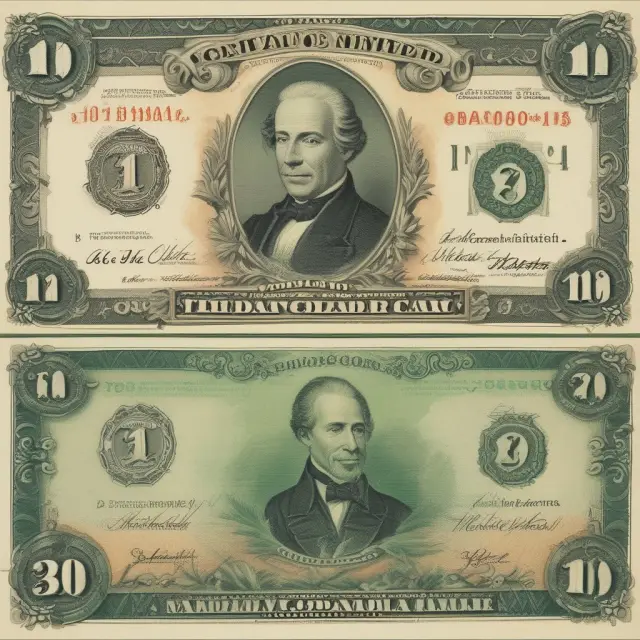
Investing in Jamaica? Learn about the JMD, banknotes, coin circulation, historical background, and impact on investment decisions.
What is JMD and Its Significance?
The Jamaican dollar (JMD) stands as the official currency for the vibrant island nation of Jamaica, with its abbreviation being JMD or JA$. This currency is subdivided into 100 cents. As a crucial part of Jamaica’s economic infrastructure, the JMD plays a pivotal role in facilitating financial transactions within the country and for tourists visiting from other nations.
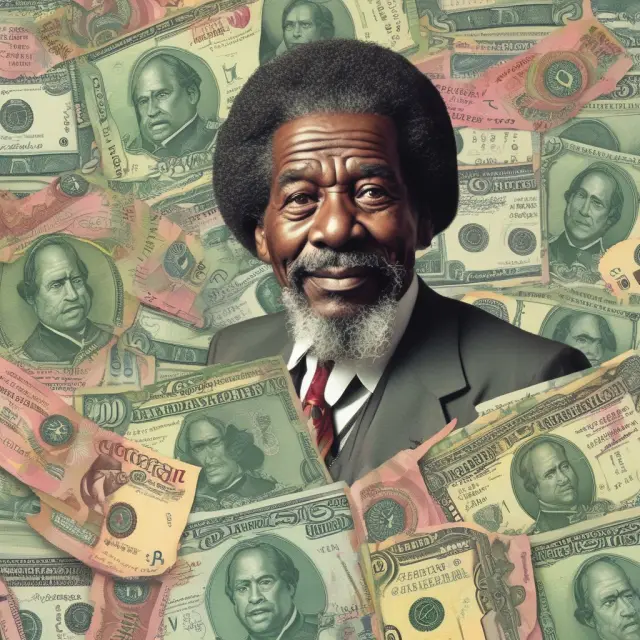
The JMD banknotes are currently available in denominations ranging from J$50 to J$5,000. The front side of these bills features the portrait of an esteemed Jamaican figure, making them a tribute to the island’s rich history. The backside showcases iconic scenes and landmarks that represent Jamaica’s unique cultural heritage.
Many businesses in tourist-frequented areas accept both JMD and US dollars (USD), providing visitors with flexibility when transacting. However, merchants located away from popular hubs may only accept local currency, making a solid understanding of the Jamaican dollar essential for travelers.
While many places in Jamaica welcome foreign currencies, specific merchants have the authority to set their exchange rates. This means that tourists might experience varying conversion rates depending on individual establishments’ policies, which highlights the importance of being knowledgeable about the JMD exchange rate.
The Cayman Islands previously utilized the Jamaican dollar alongside the US dollar between 1972 and 1989. Now, only the USD is used in this territory. The current exchange rate for 1 USD to JMD is approximately 150.05 JMD (as of July 4, 2021).
The Bank of Jamaica assumed control over minting and printing JMD banknotes since 1960, while De La Rue Currency Ltd. in England has been responsible for producing the notes since 1920. The decimal-based currency system was adopted by Jamaica in 1968. Before this, Jamaicans primarily relied on British currency or a slightly adapted version of it.
The JMD’s history is marked with a shift from Spanish to British colonial rule and the introduction of various currencies, culminating in the official adoption of the Jamaican dollar in 1969. Since then, banknotes have been issued with progressively higher denominations, replacing some coins in circulation. Regulations governing coin usage for transactions were established by the Bank of Jamaica to ensure orderly financial transactions and limit large-value coin transactions.
As per the most recent World Bank data from 2019, the annual inflation rate in Jamaica stands at 3.9%, while its gross domestic product (GDP) posted a 0.7% reading. These figures have significant implications on the value of the Jamaican dollar and the economic climate for potential investors.

Banknotes: Designs, Denominations, and Security Features
As part of Jamaica’s decimal-based monetary system, banknotes serve as essential tools for daily transactions, offering a convenient alternative to coins. Banknotes in Jamaica come with diverse denominations, eye-catching designs, and security features intended to protect against counterfeiting. The JMD (Jamaican dollar) is the official currency of Jamaica and its subunit is cent.
Banknote Denominations
The Bank of Jamaica issues banknotes with distinct denominations ranging from J$50 to J$5,000. Each denomination bears specific security features and portraits of prominent Jamaican figures on the front side. For the visually impaired, large numerals or special symbols are printed on the obverse.
Emblematic Designs
The design of each banknote showcases various aspects of Jamaica’s rich history and natural beauty. The reverse side features captivating images of iconic landmarks and local scenes, making every banknote a tribute to Jamaica’s cultural heritage.
Security Features
To safeguard against counterfeiting and maintain the integrity of its currency, the Bank of Jamaica implements various security measures in their banknotes. The design incorporates different features like watermarks, microprinting, holograms, color-shifting ink, and a raised print texture on the touch for the visually impaired.
Jamaican Heroes and Prime Ministers
The front side of Jamaican dollar banknotes often depicts portraits of notable Jamaican heroes and former prime ministers. These figures represent the diverse heritage, achievements, and progress made by Jamaicans throughout history. This tribute to their legacy is a testament to the strong sense of national pride.
For example, the J$50 note displays the portrait of Marcus Garvey, a leading figure in the Pan-African movement who advocated for black self-determination and independence. Meanwhile, the J$1,000 banknote honors former Prime Minister Michael Manley, whose tenure saw significant economic growth during the 70s.
As of July 4, 2021, the most common exchange rate for the Jamaican dollar in foreign currency markets is the USD/JMD rate, which stands at 1 USD = 150.05 JMD. The Bank of Jamaica, as the central bank of the island nation, holds exclusive authority to mint and print coins and banknotes issued within its jurisdiction since 1960.
In conclusion, banknotes represent a significant aspect of Jamaican currency, offering a means for convenient transactions while celebrating the country’s heritage through their designs and security features. Whether it is a J$50 note adorned with the portrait of Marcus Garvey or a J$1,000 bill featuring former Prime Minister Michael Manley, each banknote serves as a testament to Jamaica’s cultural and historical importance.

Popular Places That Accept JMD and USD in Jamaica
The Jamaican dollar (JMD) is the official currency of Jamaica, and most tourists visiting the island nation will encounter this currency during their trip. While some businesses may accept U.S. dollars (USD), the majority prefers transactions in JMD, making it essential for investors and travelers alike to understand its usage. In this section, we will discuss popular places that accept both JMD and USD in Jamaica and specific merchant policies regarding exchange rates.
Tourist Hubs: Major tourist hubs like Montego Bay, Ocho Rios, Negril, and Kingston are the most common locations where visitors can use U.S. dollars alongside the Jamaican dollar. Most large hotels, resorts, shops, supermarkets, restaurants, and other businesses catering to tourists accept USD as readily as they do JMD. However, it is essential to understand that not all merchants in these areas follow the same exchange rates when accepting foreign currency.
Off-the-Beaten-Path: Merchants located away from the primary tourist hubs are more likely to only accept JMD. It may be challenging to find places where USD is accepted outside of the tourist zones. In such cases, travelers will need to convert their U.S. dollars into Jamaican dollars using official exchange bureaus or banks.
Exchange Rates: Merchants can establish their own exchange rates for transactions using foreign currencies like U.S. dollars. This policy could lead to unfavorable conversion rates depending on the specific merchant’s preference. For this reason, it is recommended that travelers plan their trips with an understanding of the current exchange rate between JMD and USD when budgeting expenses.
Comparatively, the Central Bank of Jamaica (BOJ) sets official exchange rates for Jamaican dollars against other major currencies like the U.S. dollar, the British pound sterling, the Canadian dollar, and the Euro. The BOJ updates these exchange rates daily on its website to keep the public informed.
In conclusion, understanding where JMD and USD are accepted in Jamaica is vital for both investors and tourists alike. While major tourist areas might accept U.S. dollars, businesses located in less-traveled regions prefer transactions in JMD. Travelers should be aware of merchants’ exchange rates when using foreign currency to avoid unfavorable conversion rates. Stay informed about the current exchange rate between JMD and USD by checking the BOJ website for up-to-date information.

Coin Circulation: Rules, Regulations, and Exchange Rates
One important aspect of using the Jamaican dollar (JMD) for transactions is its coin circulation. The Bank of Jamaica, as the country’s central bank, has implemented regulations concerning the usage of JMD coins in commercial dealings. The following discussion delves into these rules and exchange rates related to coins.
The Bank of Jamaica sets restrictions on the maximum number of coins that can be used in one transaction for purchasing goods or services. These limitations are designed to streamline transactions, as well as minimize the burden of carrying excessive change for both businesses and consumers. In 2019, the most recent World Bank data reveals a consumer price inflation rate of 3.9% and a Gross Domestic Product (GDP) growth of 0.7%.
Coin Denominations
Jamaican dollar coin denominations include J$1, J$2, J$5, J$10, and J$20. These coins play a crucial role in everyday transactions between Jamaicans. Since the JMD is subdivided into 100 cents, the smaller denomination coins (J$1, J$2, and J$5) are frequently used for daily purchases or small business dealings.
In certain situations where businesses accept foreign currencies like the US dollar (USD), exchange rates for these coins may apply. Exchange rates can fluctuate depending on the merchant’s policy or location within Jamaica. When visiting less tourist-centric regions, it may be wise to familiarize yourself with the current exchange rates for JMD coins against other currencies like the USD to avoid any potential misunderstandings during a transaction.
Limitation on Coins in Transactions
The Bank of Jamaica regulates the number of coins that can be used in transactions for various coin denominations to ensure smooth exchanges and prevent excessive change. For instance, when making a purchase using J$10 coins, businesses may only accept up to 20 such coins per transaction. The bank sets similar limitations on other coin denominations as well.
In conclusion, understanding the rules, regulations, and exchange rates related to Jamaican dollar coin circulation is essential for both foreign investors and local residents. With a clear grasp of these aspects, you can confidently engage in transactions within the country while also being aware of potential challenges that may arise due to varying exchange rates or limitations on coin usage.
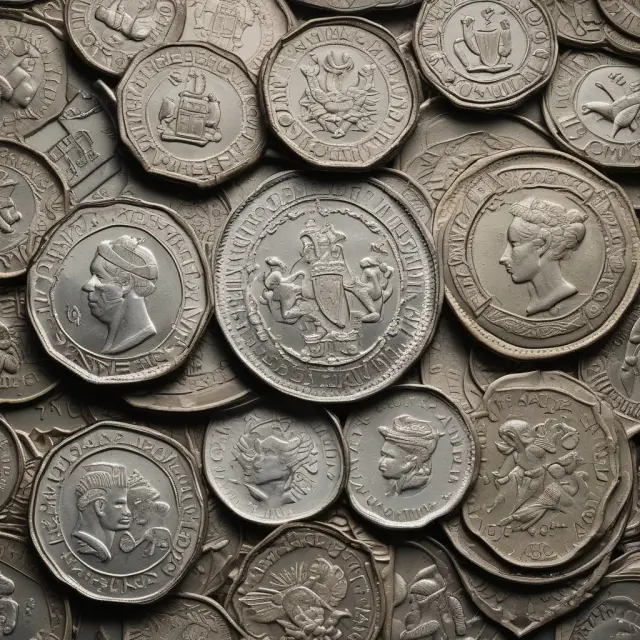
From Pounds to Dollars: A Historical Overview of the JMD
The Jamaican dollar (JMD) has a rich history as the official currency for Jamaica, and understanding its origins provides context for its significance today. The island nation adopted the JMD in 1969 when it replaced the Jamaican pound, marking the first time a dollar was based on half-pound sterling instead of the Spanish or U.S. dollars.
Prior to the introduction of the JMD, Jamaica used various currencies during its history, including bartering among its original inhabitants and Spanish money after colonialization in the 16th century. The British colonized Jamaica two centuries later, leading to the usage of British currency or a slightly customized version of it. Notably, Jamaica was the only British territory in the West Indies using distinctive pound sterling coins.
The JMD’s roots trace back to 1960 when the Bank of Jamaica received exclusive rights to mint and print coins and banknotes for the country. In contrast, De La Rue Currency Ltd. in England had been printing banknotes used in Jamaica since 1920. Decimalization was introduced in 1968, paving the way for a modern currency system.
In its initial stages, the JMD saw both coins and notes circulating concurrently. The first JMD banknote series debuted in 1969 when the J$1,000 note was introduced, followed by the J$5,000 bill in 2009. However, over time, coin circulation became more prevalent for smaller transactions, with larger bills reserved for specific purposes or being phased out.
Regulations established by the Bank of Jamaica limit the number of coins used in one transaction to purchase goods and services. Additionally, regulations detail limitations for certain denominations within these transactions. For instance, a maximum of 10 J$50 notes is allowed when making a J$500,000 purchase.
Historical context is crucial to understanding the evolution and significance of the Jamaican dollar as it continues to play a vital role in the island nation’s economy. Inflation and GDP, two key economic indicators, give insight into the JMD’s current state. According to 2019 World Bank data, Jamaica’s annual inflation rate stood at 3.9%, while its gross domestic product (GDP) reported a 0.7% reading.

Bank of Jamaica: Role in the Jamaican Currency System
The Bank of Jamaica (BOJ) is an integral part of the economic framework that plays a significant role in controlling the minting and printing of JMD banknotes and coins, thereby ensuring the stability of the currency system. The BOJ’s involvement with the Jamaican dollar dates back to 1960 when it received exclusive rights for producing notes in Jamaica. Although De La Rue Currency Ltd., based in England, has been responsible for printing the banknotes used in Jamaica since 1920, the BOJ’s influence over currency production has remained unwavering.
When Jamaica transitioned to a decimal-based currency system in 1968, the JMD replaced the Jamaican pound as the official currency. Initially, both coins and banknotes circulated, but coins eventually came to replace some bills. In 2000, a J$1,000 note was introduced, followed by a J$5,000 note in 2009.
Regulations concerning the use of JMD coins were established by the BOJ. These rules dictate limitations for the number of coins that can be used in one transaction when purchasing goods or services. Furthermore, specific denominations have limits set within these transactions to maintain a smooth flow and prevent inconvenience for merchants and consumers alike.
In 1969, the JMD replaced the Jamaican pound completely, with all previously circulating coins and notes gradually phased out over time. At present, the BOJ plays a crucial role in stabilizing the economy by closely monitoring inflation rates and GDP growth, which is vital for maintaining the value and stability of the Jamaican dollar within the larger global economic landscape.
The BOJ’s involvement with the JMD is rooted in its history as a former British colony, where pound sterling coins were used extensively. Jamaica’s transition to using their own decimal-based currency system marked a significant milestone in the island nation’s economic development, and the BOJ has remained instrumental in maintaining the stability of that system since its implementation.
Understanding this pivotal role of the Bank of Jamaica in managing the JMD is essential for investors and traders seeking to navigate the complexities of the local currency market and make informed decisions about potential business opportunities or transactions within Jamaica’s economy.
Jamaica’s Economic Context: Inflation, GDP, and Currency Regulations
The Jamaican dollar (JMD) is the official currency of Jamaica, subdivided into 100 cents, and plays a significant role in shaping economic indicators like inflation rates and gross domestic product (GDP). The current exchange rate for one U.S. dollar equates to approximately 150 JMD (USD/JMD) as of July 2021.
Understanding the Current Economic Environment
Inflation rates refer to the percentage change in prices for goods and services over a specified period, while Gross Domestic Product (GDP) represents the total value of all finished goods and services produced within an economy during a specific time frame. Both economic indicators provide essential information regarding a country’s monetary situation and can significantly impact currency regulations.
Inflation Rates: The Bank of Jamaica has set an inflation target of 4%, which is aimed at ensuring price stability. As of 2019, the most recent data from the World Bank indicates that Jamaica’s annual inflation rate stood at 3.9%.
Gross Domestic Product (GDP): According to the latest available data, Jamaica’s GDP had a 0.7% reading as of 2019. While this is an improvement over previous years, it remains essential for the island nation to continue expanding its economy in order to increase its earning potential and offer more opportunities for its citizens.
Currency Regulations: The Bank of Jamaica plays a crucial role in implementing currency regulations to maintain exchange rate stability and overall monetary policy. Its mandate is focused on maintaining price stability through controlling inflation, ensuring financial stability, and promoting economic growth. By regulating the JMD, the Bank of Jamaica plays an essential part in safeguarding the economy from external shocks and market volatility.
Understanding the Impact of Economic Indicators on Currency Regulations
Inflation rates are closely linked to currency regulations because inflation can cause fluctuating exchange rates if it is not kept in check. When inflation rises, it makes imports more expensive, resulting in an increase in the cost of imported goods and services. This, in turn, leads to a decrease in purchasing power for the local currency. For this reason, central banks like the Bank of Jamaica focus on maintaining low-to-moderate inflation rates to ensure stable exchange rates and a strong domestic economy.
Gross Domestic Product (GDP) can also influence currency regulations due to its relationship with international trade. Countries that have strong economies and higher levels of GDP are more likely to attract foreign investment, which can lead to increased demand for their local currency in the foreign exchange market. This can help stabilize exchange rates during periods of market volatility or economic uncertainty.
The Importance of Monitoring Economic Indicators for Investors
For institutional investors, understanding the economic context and the impact on currency regulations is crucial when dealing with foreign currencies like the Jamaican dollar (JMD). By keeping up-to-date with inflation rates, GDP, and other relevant economic indicators, investors can make more informed decisions about foreign exchange transactions within Jamaica or involving the JMD. Monitoring these indicators can also help investors anticipate potential market movements and adjust their strategies accordingly to optimize returns and mitigate risks associated with currency fluctuations.
Jamaican Dollar vs. Other Major World Currencies: Comparison
When investing in Jamaica or traveling to this beautiful island nation, understanding how the Jamaican dollar (JMD) compares to other major world currencies like the US dollar (USD) and euro is crucial for making informed decisions regarding transactions and investment strategies. Let’s discuss key aspects of exchange rates and transactional usage between JMD, USD, and the euro.
Exchange Rates
The most common Jamaican dollar exchange rate in foreign currency markets is against the US dollar (USD/JMD). As of July 4, 2021, this exchange rate is 1 USD = 150.05 JMD. By comparison, one euro equates to approximately 138 JMD. The Jamaican dollar has fluctuated around these rates in recent years but is subject to changes as the economic climate evolves.
Transactional Usage
Many tourist areas and large businesses accept both Jamaican dollars (JMD) and US dollars (USD). However, certain regions of Jamaica may only deal in JMD, particularly those located away from popular tourist hubs. For foreign currency investors, it’s essential to note that merchants can set their own exchange rates for transactions involving USD or other currencies. This may result in unfavorable conversion rates depending on the specific merchant’s policy.
When traveling to Jamaica with another major currency like euros (EUR), it’s important to check with local businesses regarding their acceptance of your preferred currency. In many cases, businesses prefer US dollars due to its wider usage and ease of exchange.
Investment Implications
Understanding the JMD exchange rate is vital for foreign investors in stocks or bonds listed on the Jamaica Stock Exchange (JSE). This can affect your return on investment due to currency fluctuations and potential transaction fees when converting currencies. Additionally, keep in mind that interest rates set by the Bank of Jamaica may influence local asset prices and exchange rate movements.
Conclusion:
The Jamaican dollar (JMD) plays a significant role in transactions and investment decisions for both tourists and investors alike. By familiarizing yourself with how JMD compares to other major world currencies, you can make more informed choices when visiting Jamaica or investing in its stock market. Always keep an eye on current exchange rates and regulations to ensure the best outcomes for your financial goals.

Impact on Investment Decisions: Factors Considered When Dealing with JMD
The Jamaican dollar plays a significant role in investment decisions for both local and foreign investors due to its unique position as the official currency of the Caribbean nation of Jamaica. Understanding how the JMD functions can help investors navigate various transactions and make informed choices regarding their investments.
Investment Decisions Affected by Exchange Rates
Foreign exchange rates play a crucial role in investment decisions when dealing with JMD. The most common Jamaican dollar exchange rate in foreign currency markets is the USD/JMD, which fluctuates based on supply and demand factors. As of April 2021, this exchange rate stood at 1 USD = 150.27 JMD. This means that if a foreign investor intends to invest in Jamaica by purchasing shares or assets denominated in JMD, they must consider the current exchange rate and how it could potentially impact their returns when converting back to their home currency.
Investments within Jamaica
Investing in companies or projects based within Jamaica requires an understanding of the JMD’s usage in various parts of the country. While many tourist areas accept both US dollars (USD) and Jamaican dollars (JMD), businesses located away from these popular areas may only deal in JMD. It is essential to research specific merchants’ acceptance policies to determine if they offer favorable exchange rates for foreign investors. For instance, a merchant that only accepts JMD might not offer the most optimal exchange rate when accepting USD or another foreign currency.
Historical Context
Understanding Jamaica’s economic context, as represented by its inflation rate and gross domestic product (GDP), can also provide valuable insights for investment decisions involving the JMD. As of 2019, Jamaica’s annual inflation rate was at 3.9%, while its GDP posted a 0.7% reading. This information is crucial to evaluate potential investment opportunities and their associated risks within the country.
In conclusion, understanding the Jamaican dollar, its history, subdivisions, exchange rates, and impact on investment decisions are essential knowledge for both local and foreign investors. Being well-informed about JMD will empower you to make wise and profitable investment choices while navigating transactions within Jamaica’s unique currency system.
Frequently Asked Questions (FAQ)
What is the JMD, and what is its abbreviation?
Answer: The Jamaican dollar (JMD) is the official currency of Jamaica and is subdivided into 100 cents. Its currency symbol is J$ or JA$.
Where did the JMD originate from?
Answer: The JMD replaced the Jamaican pound in 1969, marking its beginning as the country’s official tender. It was the first dollar to be based on half-pound sterling instead of the Spanish or U.S. dollars.
In what denominations does the JMD come?
Answer: The Jamaican dollar comes in banknotes with denominations of J$50, J$100, J$500, J$1,000, and J$5,000.
How can visually impaired individuals identify the value of a JMD note?
Answer: The front side of JMD banknotes has special symbols or numerals in large print to help the visually impaired distinguish between denominations.
Who are some notable Jamaican figures featured on the JMD banknotes?
Answer: Banknotes usually feature portraits of eminent Jamaicans, including those considered national heroes and past prime ministers.
Which countries accept the JMD along with U.S. dollars?
Answer: Places in Jamaica frequented by tourists typically accept both JMD and USD; however, it’s essential to note that each merchant can establish their own exchange rate for foreign currency transactions.
What regulations govern coin usage for transactions within Jamaica?
Answer: The Bank of Jamaica has established limitations on the number of coins allowed in a single transaction for purchasing goods and services as well as specific denomination limits.
How does the JMD compare to other major world currencies such as the US dollar and euro?
Answer: The most common exchange rate comparison is USD/JMD, which varies based on global economic factors.
Which organization controls the minting and printing of Jamaican currency?
Answer: The Bank of Jamaica holds the exclusive rights to produce coins and banknotes within the country, while De La Rue Currency Ltd. in England has historically printed the notes for circulation.
What percentage of inflation rate and GDP growth were recorded in Jamaica as of 2019?
Answer: The annual inflation rate was at 3.9%, while its gross domestic product (GDP) posted a 0.7% reading.
 Next entry · No. 2,601Understanding the Jobseeker’s Allowance (JSA): Eligibility, Calculator, and Special Considerations
See also
-
 No. 3,603
11 Apr 2025
22 min
The Fascinating History and Strength of the New Zealand Dollar (NZD)
Finance Policy
No. 3,603
11 Apr 2025
22 min
The Fascinating History and Strength of the New Zealand Dollar (NZD)
Finance Policy -
 No. 2,740
31 Jan 2025
18 min
Understanding the Valuable Kuwaiti Dinar (KWD) – A Currency Overview for Institutional Investors
Finance Policy
No. 2,740
31 Jan 2025
18 min
Understanding the Valuable Kuwaiti Dinar (KWD) – A Currency Overview for Institutional Investors
Finance Policy -
 No. 2,578
18 Jan 2025
22 min
The January Barometer: An In-Depth Look at this Market Indicator and its Implications for Institutional Investors
Finance Policy
No. 2,578
18 Jan 2025
22 min
The January Barometer: An In-Depth Look at this Market Indicator and its Implications for Institutional Investors
Finance Policy -
 No. 2,248
22 Dec 2024
22 min
Understanding the Hungarian Forint (HUF): History, Key Features, and Economic Significance for Institutional Investors
Finance Policy
No. 2,248
22 Dec 2024
22 min
Understanding the Hungarian Forint (HUF): History, Key Features, and Economic Significance for Institutional Investors
Finance Policy -
 No. 1,646
17 Oct 2024
27 min
Understanding Forward Exchange Contracts: A Comprehensive Guide for Institutional Investors
Finance Policy
No. 1,646
17 Oct 2024
27 min
Understanding Forward Exchange Contracts: A Comprehensive Guide for Institutional Investors
Finance Policy -
 No. 4,250
03 Jun 2025
20 min
The Slang Term ‘Quid’: A Comprehensive Exploration of the British Pound Sterling
Finance History
No. 4,250
03 Jun 2025
20 min
The Slang Term ‘Quid’: A Comprehensive Exploration of the British Pound Sterling
Finance History