Understanding the Hungarian Forint (HUF): History, Key Features, and Economic Significance for Institutional Investors
Understand Hungary's currency, the Forint (HUF), through this comprehensive guide, discussing history, key features, exchange rates, and importance to…
Introduction to Hungarian Forint (HUF)
The Hungarian forint (HUF) is a significant currency in international markets, serving as the official and national currency of Hungary since its introduction in 1946. Issued and managed by Magyar Nemzeti Bank, the country’s central bank, the forint plays an essential role in Hungary’s economy and financial system. The currency’s symbol is Ft, and it is represented by the code HUF. Banknotes come in denominations ranging from Ft500 to Ft20,000 while coins are minted in values between Ft5 and Ft200.
Magyar Nemzeti Bank’s primary objectives include maintaining price stability and supporting the federal government’s economic policies through monetary policy. Despite being a member of the European Union (EU) since 2004, Hungary has yet to adopt the euro as its currency. This reluctance stems from concerns over losing control of its monetary policy, a lesson learned during periods of high inflation throughout the country’s history.
The Hungarian Forint: A Brief History and Overview
First used between 1868 and 1892, the modern forint was reintroduced after World War II to stabilize the national economy. Its name comes from the gold coins of Florence called fiorino d’oro, which were struck starting in 1252 and used throughout the Austro-Hungarian empire. The currency has experienced periods of both stability and instability. Despite its volatility, it remains a crucial component of Hungary’s economic development due to its role as an export-oriented economy with major trading partners including Germany, Slovakia, Italy, Romania, and Austria.
Key Features: Understanding Banknotes and Coins
Banknotes in the forint family come in denominations ranging from Ft500 to Ft20,000. Coins are minted in values between Ft5 and Ft200. The banknotes are printed by the Hungarian Banknote Printing Company while coins are minted at the Hungarian Mint.
Exploring Magyar Nemzeti Bank’s Role: Objectives and Responsibilities
Magyar Nemzeti Bank is responsible for issuing, maintaining, and managing the value of the forint. Its primary objectives include ensuring price stability and supporting the federal government’s economic policies through monetary policy. The bank’s operations are critical to Hungary’s financial system due to its role as a lender of last resort and its responsibility for overseeing the country’s banking sector.
Forint’s Exchange Rate: Performance and Significance for Institutional Investors
The exchange rate between the forint and key currencies like the U.S. dollar and euro is an essential consideration for both investors and businesses. Understanding the factors influencing the forint’s value, such as Hungary’s economic performance, political climate, and global market conditions, can help institutional investors make informed decisions when entering or exiting positions in forint-denominated securities.
The Importance of Hungarian Forint: Opportunities and Challenges
Understanding the historical context of the Hungarian forint’s development, its key features, and its role within Hungary’s economy provides a foundation for institutional investors to assess both opportunities and challenges. The currency offers potential investment avenues through various financial instruments such as bonds, equities, and foreign exchange. However, it is essential to consider factors like political instability, economic volatility, and geopolitical risks when investing in the Hungarian forint.
FAQ: Understanding the Hungarian Forint (HUF)
- What is the Hungarian forint? The Hungarian forint (HUF) is the official currency of Hungary. It was first introduced in 1946 and is issued by Magyar Nemzeti Bank, the country’s central bank. The symbol for the Hungarian forint is Ft, and it is represented by the code HUF.
- What are the objectives of Magyar Nemzeti Bank regarding the Hungarian Forint? Magyar Nemzeti Bank’s primary objectives include maintaining price stability and supporting the federal government’s economic policies through monetary policy.
- How can investors invest in the Hungarian forint? Institutional investors can gain exposure to the Hungarian forint by investing in forint-denominated securities such as bonds, equities, or engaging in foreign exchange transactions.
- Why hasn’t Hungary adopted the euro as its currency? Hungary has not adopted the euro due to concerns over losing control of its monetary policy and potential risks associated with membership in the European Monetary Union (EMU).
- What are some major trading partners for Hungary’s economy? Major trading partners for Hungary include Germany, Slovakia, Italy, Romania, and Austria.
- How can I access more information about the Hungarian Forint? To learn more about the Hungarian Forint and its role in the global financial system, it is recommended to consult reliable financial news sources, central bank websites, or academic research on international finance and economics.

The Role and Objectives of Magyar Nemzeti Bank
Magyar Nemzeti Bank, commonly known as the Hungarian National Bank, plays a crucial role in the financial sector of Hungary by issuing and managing the national currency – the Hungarian forint (HUF). Founded in 1924, the bank has been entrusted with maintaining the value of the forint and controlling its circulation. Magyar Nemzeti Bank’s primary objectives include:
1. Achieving and maintaining price stability: The bank utilizes monetary policy to influence interest rates and the supply of money in order to manage inflation, which directly impacts the value of the forint. Price stability is essential in fostering a stable economic environment, enabling businesses and households to plan their financial affairs with confidence.
2. Supporting the federal government’s economic policies: Magyar Nemzeti Bank collaborates with the Hungarian government to ensure the country’s macroeconomic objectives are aligned with its monetary policy goals. By working together, they aim to create a favorable environment for sustainable growth in the economy.
Established by Act XLIII of 1924 on Monetary and Credit Institutions (Monetary Act), Magyar Nemzeti Bank serves as Hungary’s central bank and is governed by an independent General Council, which sets monetary policy and makes important decisions regarding the issuance and management of the forint.
As a member of the European Union, Hungary has not yet adopted the euro as its official currency. Despite being part of the EU since 2004, Magyar Nemzeti Bank continues to maintain control over the value of the forint, which sets it apart from other EU countries that have adopted the single currency. The reasons behind this decision stem from political considerations and a desire to preserve Hungary’s economic sovereignty.
While the central bank maintains its autonomy in managing the forint, it closely monitors international financial markets and collaborates with other European Central Banks to ensure financial stability within the EU and beyond. By staying informed about global economic trends, Magyar Nemzeti Bank is well-positioned to navigate any potential challenges that may arise and make sound decisions regarding the Hungarian economy.
Understanding the significance of Magyar Nemzeti Bank and its objectives is crucial for institutional investors who are interested in participating in Hungary’s financial markets. By keeping abreast of the bank’s monetary policies, economic indicators, and market developments, investors can make informed decisions when it comes to investing in Hungarian securities or conducting business with entities operating within the country.
In conclusion, Magyar Nemzeti Bank plays a vital role in the financial stability and economic growth of Hungary by issuing and maintaining the value of its national currency – the forint (HUF). The bank’s objectives, which include achieving price stability and supporting the federal government’s economic policies, are crucial to creating a favorable environment for businesses and investors alike. By understanding Magyar Nemzeti Bank’s role, investors can make informed decisions when it comes to participating in the Hungarian financial markets.
Banknotes and Coins: Designs, Denominations, and Production
The Hungarian Forint, Hungary’s national currency, is a vital part of the country’s economy and financial system. Its banknotes and coins are designed to facilitate transactions within Hungary and abroad. In this section, we will delve into the designs, denominations, and production methods behind the Hungarian Forint’s physical form.
Designs:
The banknotes of the Hungarian Forint have undergone several changes over the years to reflect the country’s history and cultural heritage. The most recent series, issued between 2011 and 2013, features the works of renowned Hungarian artists on their reverse sides, while the obverse side displays portraits of historical figures. These designs aim to represent the rich artistic and historical legacy of Hungary.
Denominations:
Magyar Nemzeti Bank issues banknotes in various denominations ranging from Ft500 to Ft20,000. The lower denominations are used more frequently for day-to-day transactions, while larger notes cater to more significant purchases or transfers.
Production Methods
Banknotes are produced by the Hungarian Banknote Printing Company, which utilizes advanced security features such as watermarks, holograms, and microprinting to prevent counterfeiting. These elements make it difficult for counterfeiters to replicate genuine banknotes, ensuring their authenticity and integrity.
Coins:
Hungarian Forint coins come in denominations from Ft5 to Ft200, making them suitable for everyday transactions or small savings. The designs on these coins often depict figures from Hungary’s history and mythology. Coins are minted by the Hungarian Mint using various metals such as aluminum bronze, nickel-bronze, and cupronickel.
Circulation:
Banknotes and coins in circulation are an essential component of a country’s monetary system. Magyar Nemzeti Bank closely monitors their distribution to maintain the stability of the Hungarian Forint. By keeping a balance between the issuance and retirement of banknotes and coins, they ensure that there are sufficient funds for transactions while preventing excessive inflation or shortages.
In conclusion, understanding the designs, denominations, and production methods behind the Hungarian Forint’s banknotes and coins provides valuable insight into the country’s financial system. This knowledge can help investors, businesses, and individuals appreciate the unique characteristics of this currency and its role in facilitating trade and economic growth within Hungary and abroad.
By delving deeper into the topic, we gain a better understanding of the intricacies that make up the Hungarian Forint – from historical contexts to contemporary usage and future prospects. This enriched content not only attracts readers but also retains their interest by offering valuable insights they cannot find elsewhere.
Hungary’s Reluctance to Adopt the Euro: Historical Context and Current Status
The decision by Hungary, an EU member, not to adopt the euro has been a topic of intense debate in Europe and beyond. While many European countries have embraced the single currency since its creation, Hungary’s reluctance to do so can be traced back to historical precedents and current economic circumstances.
A Historical Context: Post-WWII Economic Instability
The introduction of the modern forint in 1946 aimed to stabilize the national economy following the devastating effects of World War II (WWII). The name ‘forint’ originated from the gold coins of Florence called fiorino d’oro, which were used throughout the Austro-Hungarian empire. However, Hungary’s economy has faced significant instability since then.
The economic turmoil that followed the signing of the 1920 Treaty of Trianon after WWI had a profound impact on Hungary. The country lost more than 70% of its pre-war territory and over 60% of its population, leading to an extensive loss of tax bases and the imposition of war reparations. This resulted in almost all of the value of the HUF being lost due to hyperinflation, with annualized inflation reaching nearly 1,200%.
The Political and Economic Transition
In the late 1980s, central and eastern European countries, including Hungary, began breaking free from communist rule through peaceful transitions. This transition, however, brought its own challenges as hyperinflation reached 35% during this period while Hungary adopted a market economy. Although Hungary made some improvements in the 2000s, its high inflation rates rendered the currency unable to be converted.
The Unattractiveness of the Euro
Given Hungary’s history of economic instability and the challenges associated with adopting a market economy, the country has been reluctant to adopt the euro. Gyorgy Matolcsy, governor of Magyar Nemzeti Bank, even referred to the euro as a ‘trap’ and a ‘strategic error.’ This sentiment is based on concerns that giving up control over monetary policy could limit Hungary’s ability to respond to economic downturns or stimulate growth through devaluation.
Current Economic Circumstances
The global COVID-19 pandemic had a significant impact on Hungary’s economy, with GDP growth reported at -4.7% in 2020 and inflation at 5.1% in 2021. As a result, the government has maintained its stance against adopting the euro to retain control over monetary policy.
Despite Hungary’s reluctance to adopt the euro, it is still a part of the European Union and maintains close economic ties with EU member states. Its major trading partners include Germany, Slovakia, Italy, Romania, and Austria. Top industries in Hungary include car manufacturing and producing components for radios and televisions.
Conclusion: Balancing Economic Stability and Sovereignty
In conclusion, Hungary’s decision not to adopt the euro is rooted in historical precedents and current economic circumstances. The country’s turbulent past, marked by hyperinflation, war reparations, and significant territorial losses, has instilled a sense of caution when it comes to giving up control over monetary policy to a centralized European institution. As Hungary continues to navigate the challenges of an export-oriented economy and its response to the ongoing pandemic, its reluctance to join the eurozone remains a topic of ongoing debate and analysis within the EU and beyond.
Understanding the Exchange Rates of Forint and Key Currencies
The Hungarian Forint (HUF) exchange rate is a crucial element for investors, businesses, and tourists dealing with transactions involving this national currency. The value of HUF against major currencies like US dollars (USD) and euros (EUR) significantly influences various aspects of the economy. In this section, we will discuss how the Hungarian Forint performs against these key currencies and analyze its impact on international trade and investments.
The forint is a non-euro European Union member’s currency, meaning it isn’t part of the Eurozone, where countries adopt the euro as their common currency. While other EU members have their currencies pegged to the euro or are planning to join the monetary union, Hungary has chosen to maintain its independent monetary policy under Magyar Nemzeti Bank (MNB).
Exchange Rates: HUF vs. USD and EUR
The forint’s value against the US dollar and euro plays a significant role in determining investment opportunities, trade balances, and financial flows between Hungary and other countries. When analyzing exchange rates, it is important to consider both historical trends and real-time fluctuations. Figure 1 displays the monthly average exchange rate of HUF against USD and EUR from 2005 to 2021.
The figure shows that the forint’s value has fluctuated significantly over the years. At times, it depreciated significantly, such as in 2008 during the global financial crisis when the forint lost more than 35% of its value against both USD and EUR. On the other hand, it appreciated notably between 2015-2017 when the forint gained roughly 40% against the euro.
Impact on International Trade and Investments
The exchange rate plays a crucial role in determining Hungary’s trade balance since most of its exports consist of manufactured goods, particularly automobile parts and electronics. When the HUF depreciates, Hungarian exports become relatively cheaper for foreign buyers, enhancing competitiveness and increasing demand. Conversely, imports tend to become more expensive, potentially reducing consumption levels in Hungary.
Investment flows also depend on exchange rates. Foreign investors consider the forint’s value when deciding whether to invest in Hungarian securities or real estate. When the forint is weak against major currencies, foreign investments might be more attractive due to higher returns. However, if the forint strengthens, foreign investors may reconsider their investments as returns decrease.
In summary, understanding the exchange rates of the Hungarian Forint (HUF) against USD and EUR is essential for investors, businesses, and tourists engaging in financial transactions related to this national currency. Exchange rate fluctuations significantly impact the competitiveness of Hungarian exports, trade balances, investment flows, and overall economic performance. Keeping a close eye on the HUF exchange rate is vital for anyone considering investments or conducting business with Hungary.

Important Industries and Trading Partners in Hungary’s Economy
Hungary is an export-oriented economy that has shown steady progress over the past few decades. The country relies on a skilled labor force to drive its economic growth, with key industries including manufacturing and services. In this section, we will discuss some of the most significant sectors contributing to Hungary’s economy and explore its major trading partners.
Car and Car Parts Manufacturing
One of Hungary’s largest industries is the production of cars and car parts. The sector plays a crucial role in the country’s economy by providing employment opportunities and attracting foreign investment. Companies like Audi, Suzuki, Opel, and General Motors have established manufacturing bases in Hungary due to its highly skilled labor force and strategic location within Europe.
Electronics Industry
Another vital sector in Hungary is electronics production. The country has a long-standing tradition in this field, with companies like Philips and Epson having operated in the country for decades. Additionally, newcomers like Fujitsu, IBM, and Nokia have set up shop in Hungary to take advantage of its skilled workforce and attractive business climate.
Export Markets and Major Trading Partners
Hungary’s export-oriented economy has seen significant growth in recent years, with the country focusing on expanding its trade relationships with key partners. Germany remains one of Hungary’s most important trading partners, with over 23% of total exports going to Germany in 2021. Slovakia, Italy, Romania, and Austria follow closely behind, accounting for around 12%, 8%, 7%, and 6% of Hungarian exports, respectively (based on data from the KSH Statistical Office). These partnerships demonstrate the importance of geographical proximity and shared economic interests in driving international trade.
In conclusion, Hungary’s economy has shown resilience and adaptability in the face of challenges like hyperinflation, political change, and global pandemics. By focusing on industries such as car manufacturing and electronics, as well as fostering strong trading relationships with partners like Germany and Slovakia, Hungary continues to position itself as an integral player in the European economic landscape.
Understanding the Importance of Key Industries and Trading Partners for Institutional Investors:
Institutional investors can benefit from a thorough understanding of these industries and trading partners as they provide opportunities for investment in various sectors. By closely monitoring trends, analyzing market dynamics, and staying informed about economic developments, institutional investors can make strategic decisions that maximize returns while minimizing risks. Additionally, investing in Hungarian companies or funds with exposure to these sectors could help diversify portfolios, offering a potential hedge against geopolitical risks and macroeconomic instability.
Key Takeaways
- Hungary’s economy is export-oriented, with major industries including car manufacturing and electronics production.
- Germany remains the country’s largest trading partner, followed by Slovakia, Italy, Romania, and Austria.
- Institutional investors can benefit from a deep understanding of these sectors and trading relationships to make informed investment decisions.
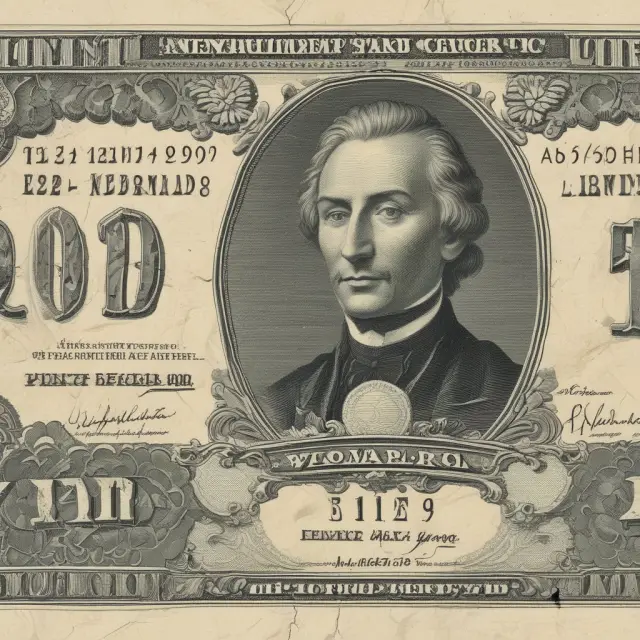
Hungarian Forint: Performance Over the Decades
The Hungarian forint (HUF) has undergone significant changes and challenges since its inception, making it an intriguing case study for institutional investors seeking to understand this national currency’s historical context and performance. In this section, we delve deeper into the Hungarian forint’s history, notable economic periods, and trends that have shaped its value over the decades.
Firstly, it is essential to appreciate how the forint emerged as the official currency of Hungary in 1946. Its introduction aimed to stabilize the nation’s economy after World War II. The name “forint” itself derives from the gold coins of Florence called fiorino d’oro that were struck as early as 1252 and used throughout the Austro-Hungarian empire.
However, the forint’s value has experienced several challenges over the years. For instance, Hungary suffered severe economic consequences following the Treaty of Trianon in 1920. This treaty imposed significant territorial losses and population shifts that drastically impacted Hungary’s tax base. As a result, war reparations further weakened the forint, leading to hyperinflation. Inflation reached an alarming annual rate of nearly 1,200% during this period.
Despite these challenges, Hungary managed to transition from communist rule in the late 1980s and early 1990s by embracing a market economy. Although improvements were made, inflation remained a persistent issue throughout the 1990s, ultimately eroding the forint’s ability to retain its value.
During the 2000s, Hungary recorded some economic progress, but high inflation continued to impact the currency. According to World Bank data, annualized inflation peaked at approximately 35% during this time. However, it is essential to note that these challenges did not deter Hungary from building a robust export-oriented economy, with major industries like car and car parts manufacturing and radio and television component production contributing significantly to the country’s economic growth.
Hungary’s trading partners include Germany, Slovakia, Italy, Romania, and Austria. Over the years, these relationships have played a significant role in shaping the Hungarian forint’s performance. For example, the strong German economy has been instrumental in supporting the stability of the forint through various economic periods.
In recent years, the Hungarian forint faced new challenges due to the global COVID-19 pandemic. The economic fallout resulted in a significant decline in GDP growth, which dropped by 4.7% in 2020, while inflation reached 5.1% in 2021. Despite these challenges, the Hungarian forint has shown resilience and continues to be an essential part of the country’s economic landscape.
Institutional investors can benefit from understanding the historical performance of the Hungarian forint by gaining insights into its underlying trends, economic drivers, and market dynamics. This knowledge can help inform investment decisions and risk management strategies. Stay tuned as we explore more aspects of the Hungarian forint in our upcoming sections.
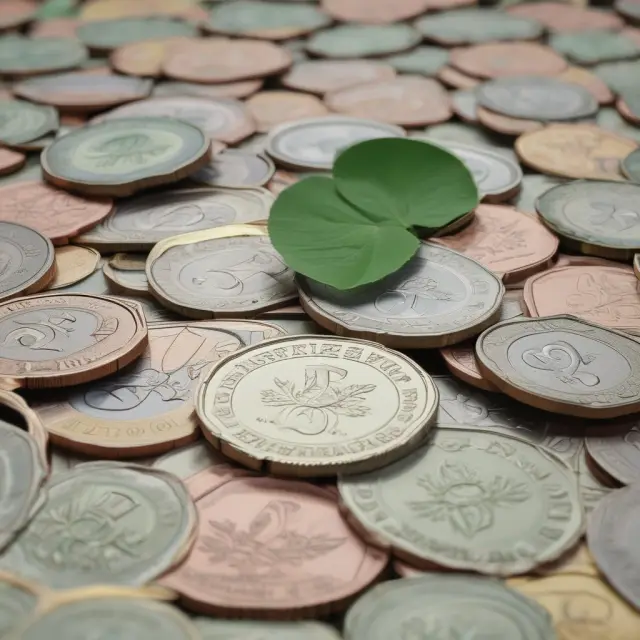
Inflation and Economic Challenges Faced by Hungary
The value of the Hungarian forint (HUF) has experienced its fair share of volatility over the decades due to various economic challenges, primarily caused by inflation. Understanding this aspect is crucial for institutional investors looking to invest in or trade with Hungary, as fluctuations in the exchange rate can impact their returns significantly.
The most notable period of high inflation was during the 1920s and the early 1990s when the country adopted a market economy after breaking free from communist rule. Inflation peaked at nearly 1,200% annually during the interwar period, following World War I and the Treaty of Trianon (1920) which led to significant economic downturn, loss of territory, and population. The subsequent hyperinflation made it challenging for the Hungarian forint to maintain its purchasing power in the foreign exchange market.
Despite Hungary’s economic recovery in the 2000s, inflation remained a concern. Although it improved compared to the previous decades, with an average annual rate of around 3.5% between 2003 and 2014, it was still high enough to pose challenges for businesses and investors alike.
The impact of inflation on the value of the Hungarian Forint is multifaceted. When inflation rises, purchasing power declines, meaning that the same amount of money can buy fewer goods or services over time. For example, if the annual inflation rate in a country is 5%, then one unit of currency today will only be able to purchase 95% of the same good or service next year.
Additionally, high inflation reduces confidence in a currency, making it less desirable and potentially leading to capital outflows. In such cases, investors may prefer to hold foreign currencies instead, causing the exchange rate for the Hungarian forint to depreciate further.
Moreover, a persistent period of high inflation can erode trust in the central bank and government’s ability to maintain price stability. This was highlighted during the 1990s when annualized inflation reached over 35%. Consequently, the Hungarian forint lost its purchasing power and the ability to be converted, creating instability in the economy and hindering investment opportunities.
Despite these challenges, Hungary has shown resilience and managed to grow economically. Today, it is a member of the European Union (EU) but hasn’t adopted the euro as its currency yet. This decision was primarily driven by concerns over losing control over monetary policy and potential negative consequences experienced by other EU countries that joined the single currency earlier.
The Hungarian economy has several key industries, including automotive manufacturing, electronics production, and pharmaceuticals. Its major trading partners include Germany, Slovakia, Italy, Romania, and Austria. Understanding these economic factors will help investors make informed decisions regarding investing in or trading with Hungary using the Hungarian forint.
In conclusion, the value of the Hungarian Forint has been affected by various economic challenges over time, primarily driven by inflation. High inflation can have a significant impact on purchasing power and investor confidence, making it essential to consider these factors when evaluating investment opportunities in Hungary using its national currency.

Forint’s Significance for Institutional Investors: Opportunities and Risks
The Hungarian Forint (HUF) as a currency offers unique opportunities and risks for institutional investors. Understanding these aspects can lead to better informed investment decisions. In this section, we will discuss the potential benefits of investing in HUF-denominated securities and the associated risks.
Opportunities for Institutional Investors
- Diversification: By including Hungarian Forint (HUF) in a well-diversified portfolio, institutional investors can effectively manage currency risk as part of their overall foreign exchange exposure strategy. Additionally, HUF investments may provide an opportunity to diversify away from more popular emerging market currencies like the Brazilian Real or Mexican Peso.
- Economic Growth: Hungary’s economy, which is export-oriented and focused on industries such as automotive manufacturing, IT services, and pharmaceuticals, has shown robust growth in recent years. Institutional investors may be interested in investing in HUF-denominated debt securities issued by the Hungarian government or its corporations to capitalize on this economic growth.
- Central Bank Autonomy: As a non-Euro member state, Hungary retains full control over monetary policy, which can lead to different interest rate dynamics compared to Eurozone countries. This can create opportunities for institutional investors to potentially generate higher returns in the short term through HUF-denominated fixed income investments or carry trades.
Risks for Institutional Investors
- Political Stability: Hungary’s political climate is a significant factor to consider when investing in HUF. While the country has been an EU member since 2004, its relations with the European Union have been strained on various occasions due to differences regarding policy matters and rule-of-law concerns. Institutional investors should be prepared for potential volatility caused by shifts in political winds that can impact HUF exchange rates and overall investment outlook.
- Inflation: Historically, Hungary has experienced high inflation rates. As a result, investing in HUF-denominated debt securities comes with the risk of eroding purchasing power over time due to potential inflationary pressures. Institutional investors should carefully evaluate their ability to hedge against inflation risks when considering such investments.
- Liquidity: Compared to more established emerging market currencies, HUF may exhibit lower liquidity in international markets. This could impact the ease with which institutional investors can buy or sell large positions and potentially increase transaction costs. To mitigate this risk, it is essential to work with experienced market professionals who have a deep understanding of the Hungarian financial markets and can provide insights on executing trades efficiently.
In conclusion, the Hungarian Forint (HUF) offers unique opportunities for institutional investors seeking to diversify their currency exposure and capitalize on potential economic growth in Hungary. However, it is essential to be aware of the associated risks, including political instability, inflation, and liquidity concerns, in order to make informed investment decisions. By considering these factors carefully and working with knowledgeable market professionals, institutional investors can successfully navigate the complexities of investing in HUF.

Frequently Asked Questions about the Hungarian Forint (HUF)
What is the significance of Hungary’s national currency, the Hungarian Forint (HUF), in international markets?
The Hungarian Forint (HUF) is more than just a domestic currency; it plays an important role in international trade and finance as well. As Hungary’s official currency, it facilitates transactions involving Hungarian imports and exports, allowing investors and businesses to manage risks and opportunities related to foreign exchange.
Who issues the Hungarian Forint (HUF) and what are its key features?
The issuance and management of the Hungarian Forint is the responsibility of Magyar Nemzeti Bank, Hungary’s central bank. The forint is a fiat currency, not pegged to any other currency. It comes in various denominations, including banknotes ranging from Ft500 to Ft20,000 and coins between Ft5 and Ft200. One forint is subdivided into 100 fillér; however, fillér coins were removed from circulation in 1999 due to high inflation.
Why hasn’t Hungary adopted the euro as its currency yet?
Although a European Union (EU) member since 2004, Hungary has not adopted the euro as its currency. This reluctance can be attributed to historical reasons and concerns over losing control of monetary policy, as seen in countries like Greece and Spain during the European debt crisis. The Hungarian government and central bank view the euro as a potential threat to their economic sovereignty.
What is the exchange rate between the Hungarian Forint (HUF) and major currencies?
The forint’s exchange rates against the US dollar and the Euro are essential indicators of its value in international markets. The fluctuation of these exchange rates can significantly impact businesses, investors, and travelers dealing with transactions involving HUF. Understanding these rates helps investors make informed decisions when managing their investments or conducting cross-border trade.
What industries drive Hungary’s economy and who are the major trading partners?
Hungary boasts a robust export-oriented economy, with key industries including car manufacturing, electronics, pharmaceuticals, and agriculture. Major trading partners include Germany, Slovakia, Italy, Romania, and Austria. A strong understanding of these economic ties helps investors identify potential investment opportunities and manage risks.
What is the history of the Hungarian Forint (HUF)?
The Hungarian Forint has a rich and complex history dating back to its introduction in 1868. Its value has been influenced by significant historical events such as World War I, communist rule, and economic transitions. Understanding this history provides valuable context for the current state of the forint and the Hungarian economy.
What is the performance of the Hungarian Forint over the decades?
Analyzing the forint’s past performance helps investors understand its volatility, potential risks, and opportunities. Examining the currency’s historical trends reveals how it has fared during different economic conditions, allowing investors to make informed decisions based on historical data.
How does inflation impact the value of Hungarian Forint?
Inflation plays a significant role in the depreciation or appreciation of the Hungarian Forint. Understanding how inflation affects the forint’s value and managing related risks is crucial for investors, businesses, and individuals dealing with transactions involving HUF.
What opportunities and risks do institutional investors face when investing in the Hungarian Forint?
Institutional investors may find opportunities in the Hungarian Forint based on its potential returns or hedging possibilities. However, they must also be aware of associated risks such as political instability, inflation, exchange rate volatility, and economic uncertainty. Properly assessing these factors helps institutional investors make informed investment decisions.
 Next entry · No. 2,249Understanding Hulbert Ratings: A Measurement of Investment Newsletter Performance
See also
-
 No. 3,344
20 Mar 2025
17 min
Understanding the Role and Functioning of a National Currency: An In-Depth Analysis with a Focus on the U.S. Dollar
Finance Policy
No. 3,344
20 Mar 2025
17 min
Understanding the Role and Functioning of a National Currency: An In-Depth Analysis with a Focus on the U.S. Dollar
Finance Policy -
 No. 2,740
31 Jan 2025
18 min
Understanding the Valuable Kuwaiti Dinar (KWD) – A Currency Overview for Institutional Investors
Finance Policy
No. 2,740
31 Jan 2025
18 min
Understanding the Valuable Kuwaiti Dinar (KWD) – A Currency Overview for Institutional Investors
Finance Policy -
 No. 2,600
20 Jan 2025
17 min
Understanding the Jamaican Dollar: A Comprehensive Guide for Institutional Investors
Finance Policy
No. 2,600
20 Jan 2025
17 min
Understanding the Jamaican Dollar: A Comprehensive Guide for Institutional Investors
Finance Policy -
 No. 2,593
19 Jan 2025
17 min
Understanding Japanese Government Bonds (JGBs): An In-depth Analysis for Institutional Investors
Finance Policy
No. 2,593
19 Jan 2025
17 min
Understanding Japanese Government Bonds (JGBs): An In-depth Analysis for Institutional Investors
Finance Policy -
 No. 1,730
28 Oct 2024
20 min
Game Theory: Understanding Strategic Interactions for Institutional Investors
Finance Policy
No. 1,730
28 Oct 2024
20 min
Game Theory: Understanding Strategic Interactions for Institutional Investors
Finance Policy -
 No. 1,646
17 Oct 2024
27 min
Understanding Forward Exchange Contracts: A Comprehensive Guide for Institutional Investors
Finance Policy
No. 1,646
17 Oct 2024
27 min
Understanding Forward Exchange Contracts: A Comprehensive Guide for Institutional Investors
Finance Policy