Understanding Hulbert Ratings: A Measurement of Investment Newsletter Performance
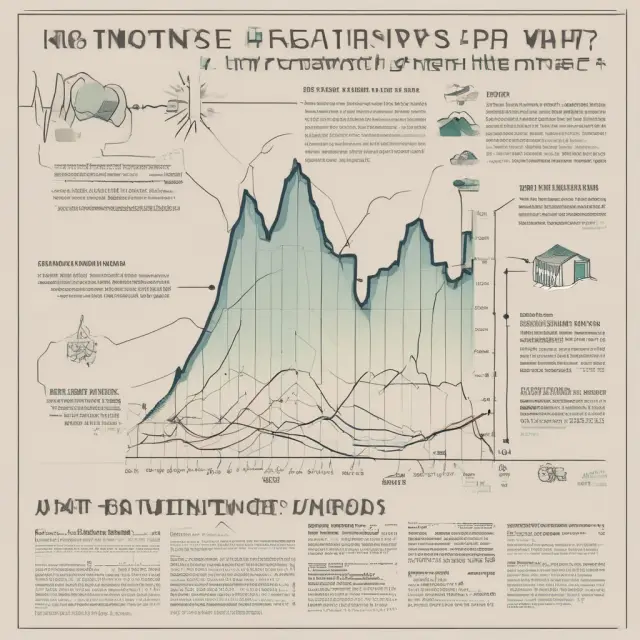
Hulbert Ratings measures the real-world performance of investment newsletters' recommended portfolios, work Mark Hulbert began in 1980 with the Hulbert Financial Digest. Recommended trades are recorded at prices an anonymous subscriber could have obtained, net of commissions, and newsletters are ranked on scoreboards over periods of up to 30 years.
What is a Hulbert Rating?
A Hulbert rating represents a score assigned by Hulbert Ratings, LLC to evaluate the long-term performance of investment newsletters. Established in 1980, the Hulbert ratings system is designed to provide investors with an objective benchmark for assessing the merits of various newsletter services based on historical data and risk-adjusted metrics. This section delves into understanding the purpose, history, calculation methodology, tracked newsletters, scoreboards, and value proposition behind Hulbert ratings.
What Purpose Does a Hulbert Rating Serve?
Investment newsletters offer investors valuable insights on market trends, trading strategies, and stock recommendations. However, determining the effectiveness of these newsletters can be a daunting task for potential subscribers. The Hulbert rating provides an independent and data-driven analysis of various investment newsletters by tracking their historical performance and evaluating it against relevant risk metrics. This helps investors make informed decisions about which newsletter services are worth considering based on their track record, risk tolerance, and investment objectives.
History and Background: Origins of the Hulbert Rating System
The concept of Hulbert ratings was pioneered by financial advisor Mark Hulbert in the late 1970s when he began tracking newsletter performance for the Hulbert Financial Digest, a publication he founded to serve as an impartial resource for investors. For nearly three decades, the Hulbert Financial Digest provided comprehensive evaluations of various investment newsletters, assigning them Hulbert ratings based on their historical performance. The digest was acquired by MarketWatch/Dow Jones in 2002, and in 2016, the company discontinued its publication. In response to this change, Hulbert established Hulbert Ratings, LLC, which continues to evaluate newsletter performance using the same rigorous methods employed during the Hulbert Financial Digest’s tenure.
Calculating a Hulbert Rating: The Methodology Behind the Metrics
To calculate a Hulbert rating for an investment newsletter, Hulbert Ratings, LLC follows these steps:
- Creates hypothetical portfolios based on the newsletter’s buy and sell advice.
- Tracks the performance of these portfolios using various metrics, such as total return, Sharpe ratio, and other risk-adjusted measures.
- Assigns a Hulbert rating based on the historical performance and risk profile of the hypothetical portfolio.
Newsletters Tracked by Hulbert Ratings: Subscription and Auditing Processes
To be tracked by Hulbert Ratings, LLC, investment newsletters must pay a flat fee for subscription and auditing services. The company maintains impartiality by subscribing under someone else’s name to the newsletter, ensuring that the buy and sell advice is not influenced or leaked. For newsletters with less specific calls-to-action, Hulbert Ratings, LLC infers buy and sell advice based on available information.
Hulbert Performance Scoreboards: Evaluating Newsletters through Data and Analysis
The performance scoreboards published by Hulbert Ratings, LLC offer investors a comprehensive view of various investment newsletters’ historical performance across different timeframes. These scoreboards include ratings for the most recent 12-month period as well as historical ratings over the trailing 3, 5, 10, 15, 20, and 30 years. By providing this data, Hulbert Ratings, LLC allows investors to compare newsletters based on their track records and risk profiles, ultimately helping them make more informed decisions about which services to consider.
In the following sections, we will delve deeper into the newsletter honor roll, the value of investment newsletters, criticisms surrounding Hulbert ratings, and a comparison of Hulbert Ratings with other performance trackers. Stay tuned for further insights and analysis!

Background and History of Hulbert Ratings
Hulbert Ratings is a performance measurement service that has been tracking and reporting on the performance of investment newsletters since 1980, when financial advisor Mark Hulbert began the practice. The concept behind Hulbert Ratings stems from Hulbert’s belief in evaluating the merit of investment advice through empirical evidence. For over three decades, Hulbert Financial Digest, a publication by Dow Jones MarketWatch, published these ratings until April 2002 when it was acquired by the company. After this acquisition, Mark Hulbert continued his work under Hulbert Ratings, LLC.
Mark Hulbert is an accomplished financial advisor and a contrarian investor known for his commitment to researching investment newsletters and their performance. In tracking these newsletters, he noticed that most underperformed the market and believed investors could benefit from understanding which ones performed well. Thus, Hulbert Ratings was born as a means of providing transparency into the performance of various investment newsletters for potential subscribers.
Hulbert Ratings uses a unique methodology to evaluate newsletter performance by creating hypothetical investment portfolios based on their buy and sell recommendations. By tracking these portfolios over time, Hulbert Ratings calculates a risk-adjusted performance score using the Sharpe ratio. This metric measures both the returns earned and the level of risk taken in achieving those returns, offering valuable insights into the effectiveness of each newsletter’s strategy.
Investment newsletters are typically subscribed to on a paid basis, providing investors with various market-related information, including trading strategies, stock recommendations, and economic commentary. Some focus on specific industries or types of investments, such as options trading, investing in utilities, precious metals, or cryptocurrency. Hulbert Ratings tracks newsletters through subscriptions made under someone else’s name to ensure impartiality and prevent any potential early access to the advice. For newsletters that lack specific buy and sell recommendations, Hulbert Ratings infers their calls to action based on available information.
Through Hulbert Ratings, investors can access a range of valuable resources, including performance scoreboards and the Newsletter Honor Roll. The latter highlights investment newsletters that have demonstrated consistent above-average performance in both up and down markets. By evaluating performance through an objective lens and offering an honest assessment, Hulbert Ratings empowers investors to make informed decisions when choosing a newsletter for their investment needs.

How a Hulbert Rating is Calculated
A Hulbert rating is an essential metric for assessing the performance of investment newsletters. Mark Hulbert, the financial advisor who developed these ratings, tracks the performance of various newsletters based on their buy and sell advice. This process provides investors with a valuable tool for evaluating newsletter recommendations in a risk-adjusted manner.
To calculate a Hulbert rating, several steps are taken:
1. Creating Hypothetical Investment Portfolios
First, Hulbert Ratings assigns hypothetical portfolios to each newsletter based on their buy and sell advice. This method allows for an impartial evaluation of the newsletter’s performance.
2. Performance Tracking
Hulbert Ratings then tracks the performance of these hypothetical portfolios using various metrics to assess risk-adjusted performance.
3. Measuring Risk-Adjusted Performance: Sharpe Ratio
One commonly used metric for measuring risk-adjusted performance is the Sharpe ratio. It’s calculated by subtracting the risk-free rate from the average return of an investment, then dividing it by the standard deviation of returns. A higher Sharpe ratio indicates better risk-adjusted performance.
By using this method to evaluate newsletter performance, investors can make informed decisions about which newsletters provide value and offer reliable advice for their portfolios.
For example, Hulbert Ratings maintains an impartial evaluation of each newsletter by subscribing under someone else’s name to prevent the newsletter from sending their tips early and inflating portfolio performance. If a newsletter is less specific in its calls to action than others, Hulber Ratings must infer buy and sell advice to track returns.
Additionally, it’s important to note that some newsletters may underperform or even outperform the market, depending on their investment strategies and the economic environment. The Hulbert Honor Roll is a valuable resource for investors as it lists newsletters with above-average performance in both up and down markets. These newsletters have proven their ability to generate solid returns for their subscribers while managing risks effectively.

Newsletters Tracked by Hulbert Ratings
Hulbert Ratings tracks the performance of a wide range of investment newsletters, both specific to certain industries or types of trading as well as those that offer more general advice. The process involves subscribing to each newsletter under someone else’s name and recording buy and sell recommendations provided to determine their impact on hypothetical portfolios. However, for less specific newsletters, Hulbert Ratings must infer buy/sell advice based on information provided in the newsletter. Newsletters pay a flat fee to be tracked and audited by Hulbert Ratings to ensure impartiality.
In order to evaluate performance accurately, Hulbert Ratings maintains hypothetical investment portfolios according to each newsletter’s recommendations. The organization then tracks the performance of these portfolios using multiple metrics, such as the Sharpe ratio, which measures risk-adjusted returns. This risk-adjusted approach provides investors with a better understanding of a newsletter’s true value and helps them make informed decisions when choosing between various investment options.
Hulbert Ratings LLC uses subscription information to gather buy and sell advice for each tracked newsletter, maintaining hypothetical portfolios according to these recommendations. The process ensures that newsletters cannot manipulate their performance by providing early tips or inflating the performance of the hypothetical portfolio.
Some investment newsletters provide less specific advice compared to others. In such cases, Hulbert Ratings must infer buy and sell advice based on information contained in the newsletter itself. These inferences are made using context clues and past performance trends, allowing for an accurate representation of a newsletter’s impact on hypothetical portfolios even when clear buy/sell signals are not present.
In summary, Hulbert Ratings tracks investment newsletters by subscribing under someone else’s name to gather buy and sell advice and maintain hypothetical portfolios based on this information. For less specific newsletters, inferences are made based on context clues and past performance trends. This approach helps investors evaluate the true value of various investment newsletter options by providing risk-adjusted performance scores for informed decision-making.
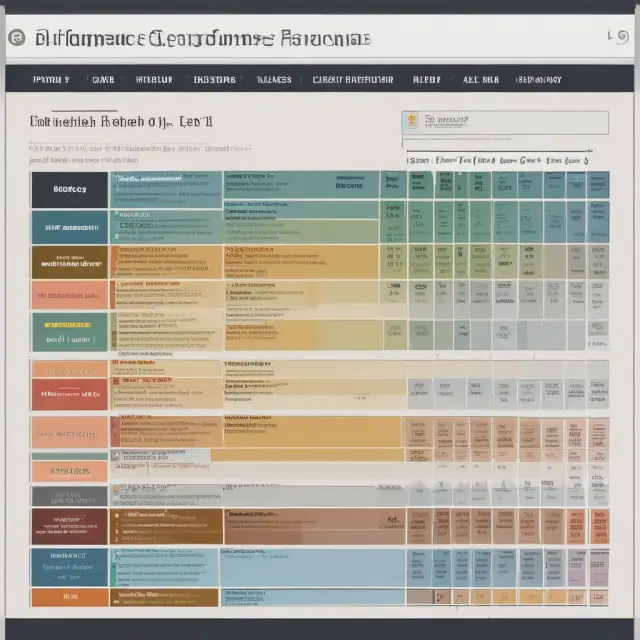
Hulbert Performance Scoreboards
One of the key components of Hulbert Ratings is the publication of performance scoreboards on their website, which showcase the returns of investment newsletters based on various time frames. These scoreboards have been a staple feature since the inception of the Hulbert Financial Digest and continue to provide valuable insights for investors interested in evaluating the track record and consistency of different newsletter services.
For nearly four decades, the Hulbert Financial Digest served as a trusted source for monitoring investment newsletters’ performance. After MarketWatch/Dow Jones acquired it in 2002, Mark Hulbert continued publishing these scoreboards until 2016 when he established Hulbert Ratings, LLC, taking his expertise and methods to a new platform.
The performance scoreboards on the Hulbert Ratings website offer investors an objective look into the long-term performance of numerous investment newsletters. By tracking the hypothetical portfolios built based on the buy and sell advice of each service, Hulbert Ratings provides risk-adjusted performance metrics that can help investors make informed decisions when considering a subscription to a particular newsletter.
Newsletter performance ratings are available for various time frames, including the most recent 12 months and historical data going back to the inception of the service in 1980. This extensive archive offers a comprehensive perspective on the consistency and longevity of different investment strategies.
One noteworthy feature of the Hulbert Ratings performance scoreboards is the Honor Roll, which highlights newsletters that have produced above-average returns in both up and down markets. By ranking these services based on their risk-adjusted performance numbers calculated using the Sharpe ratio, investors can make educated comparisons between various investment strategies.
When evaluating different investment newsletters, it is essential to remember that most underperform the market. However, Hulbert Ratings’ performance scoreboards offer valuable insights into the long-term performance of these services, which can help investors make informed decisions and potentially improve their overall investing strategy.

Newsletter Honor Roll
A key aspect of Hulbert Ratings is the publication of a “newsletter honor roll,” which features newsletters that have consistently outperformed in both bull and bear markets. These select few investment newsletters represent the top performers in the industry based on their long-term risk-adjusted performance, as evaluated by Hulbert Ratings, LLC.
To understand why a newsletter makes it onto this exclusive list, consider Mark Hulbert’s approach to evaluating these services: “I believe that investors should focus primarily on the total return of an investment over time, adjusted for the level of risk taken.” By measuring newsletters based on their historical risk-adjusted performance using a Sharpe ratio, Hulbert provides a unique perspective on which newsletters deserve recognition.
The honor roll lists not only the name of each newsletter but also its performance over the trailing 12 months and the preceding 3, 5, 10, 15, 20, and 30 years. Moreover, it shows the gain for each newsletter since April 2000 and provides a risk number for the volatility of its monthly returns (as measured by standard deviation). Furthermore, Hulbert calculates a risk-adjusted performance number using the Sharpe ratio, which represents the excess return per unit of risk taken.
Investors who are considering various investment newsletters can use the honor roll as a valuable starting point in their research process. By evaluating the top performers based on both historical and current performance, investors can form a more informed understanding of the services available to them. In doing so, they may ultimately choose a newsletter that best suits their individual risk tolerance and investment goals.
The Hulbert honor roll also offers insights into which newsletters have consistently delivered solid returns over extended periods. This information stands in sharp contrast to the disheartening fact that most investment newsletters underperform the market, as Hulbert himself has acknowledged. For those seeking a reliable source of investment guidance, the honor roll can be an essential tool in their search for a trustworthy and effective service.

Value of Investment Newsletters
The value of investment newsletters is a topic of much debate in the financial world. The performance of these paid subscriptions can vary greatly, from delivering impressive returns to lagging behind major indices. Mark Hulbert, the creator of the renowned Hulbert Ratings, sheds some light on this issue and offers insights into why investors may prefer following potentially suboptimal strategies despite underperformance.
Mark Hulbert, a financial advisor, began tracking investment newsletter performance in 1980 through the Hulbert Financial Digest. Over nearly three decades, he observed that the majority of newsletters underperformed the market. Despite this underperformance, Hulbert believes there is value in newsletters for the average investor.
Hulbert’s perspective on the issue stems from an understanding of human psychology. He contends that most investors lack the discipline to consistently follow the optimal strategy of investing in index funds and holding during market downturns. Instead, they may panic and sell their investments at a loss – a mistake that newsletters aim to help them avoid.
By acting on the buy and sell advice provided by investment newsletters, investors can potentially stick to their investment plans better than if they were left to make decisions based solely on their emotions. However, it is essential for investors to be aware of the inherent risks associated with following any specific newsletter’s recommendations, as even those with a solid track record may still experience periods of underperformance.
It is important to note that the value of investment newsletters does not lie solely in their ability to deliver superior returns. They also provide valuable insights and analysis on various markets and industries, which can help investors make more informed decisions. Additionally, subscribing to a well-researched and respected newsletter can save investors significant time and effort in conducting their own research.
Moreover, the existence of investment newsletter ratings services like Hulbert Ratings serves as a valuable tool for investors looking to assess the performance and credibility of various newsletters before making a commitment. Such ratings can help investors avoid poorly performing newsletters and identify those with strong track records.
In conclusion, the value of investment newsletters lies not only in their ability to potentially improve returns but also in their role as valuable sources of information, market analysis, and discipline for the average investor. However, it is crucial for investors to exercise caution and thoroughly evaluate a newsletter’s performance and credibility before making any investment decisions based on its recommendations.

Criticisms and Controversies Surrounding Hulbert Ratings
Since the inception of Hulbert ratings, there have been criticisms regarding their limitations and ethics. While Hulbert Ratings LLC provides valuable information for evaluating investment newsletters based on historical performance, it has its detractors. In this section, we will discuss some criticisms and controversies surrounding Hulbert ratings.
One of the main criticisms against Hulbert ratings is their limitations in representing real-life investing experiences. The methodology used by Hulbert Ratings LLC to track newsletter performance does not account for transaction costs, taxes, or other expenses that an average investor might face when implementing a strategy based on the newsletter recommendations. As a result, some argue that the hypothetical returns reported in Hulbert ratings may not accurately reflect what actual investors would experience.
Moreover, critics argue that Hulbert ratings do not provide context about the economic and market conditions at the time of each newsletter recommendation. This lack of context can make it challenging for investors to determine whether a particular recommendation is relevant to their current situation. For instance, a strategy that worked in the 1980s might not perform as well today due to changes in market conditions or investor sentiment.
Controversies surrounding Hulbert ratings involve questions about the accuracy and ethics of the data reported. Some argue that newsletter publishers may manipulate their recommendations or withhold information to inflate their performance scores in the eyes of potential subscribers. For instance, they could recommend stocks that have already experienced significant gains but present them as new recommendations to attract unsuspecting investors. Hulbert Ratings LLC attempts to mitigate this risk by auditing newsletters and evaluating their performance using a transparent methodology, but it is not foolproof.
Lastly, it’s essential to acknowledge that Hulbert ratings do not guarantee future performance. A newsletter with an excellent track record in the past does not necessarily mean it will perform well in the future. The financial markets are dynamic and subject to various factors, such as economic conditions, government policies, and investor sentiment, which can impact investment performance significantly. As a result, investors should interpret Hulbert ratings as one piece of information among many when deciding on an investment strategy.
In conclusion, while Hulbert Ratings LLC provides valuable insights into the historical performance of investment newsletters, it is essential to be aware of their limitations and controversies. Investors should not rely solely on Hulbert ratings when making investment decisions but rather consider them in conjunction with other factors, such as market conditions, economic indicators, and personal risk tolerance. Additionally, investors may want to look for independent reviews or research to gain a more comprehensive understanding of newsletter performance and the accuracy of reported data.

Hulbert Ratings vs. Other Performance Trackers
Comparing Hulbert Ratings to other performance tracking services, such as Morningstar and CFRA, can help investors gain a better understanding of which tracker best suits their needs. Each tracker comes with unique features and strengths, providing varying perspectives on investment newsletter performance. Let’s explore the differences between these three popular performance tracking services.
1. Hulbert Ratings:
Hulbert Ratings tracks the performance of investment newsletters based on actual portfolio returns. It uses a risk-adjusted performance measure called the Sharpe ratio, which calculates the difference between a newsletter’s return and the risk-free rate divided by its standard deviation to determine the newsletter’s overall riskiness. Hulbert Ratings also maintains hypothetical portfolios using buy and sell advice from each newsletter and tracks their performance over time. This method allows investors to assess a newsletter’s consistency in generating profitable returns.
Strength: Hulbert Ratings provide long-term, risk-adjusted performance data that helps investors gauge the true value of a newsletter. Its rigorous evaluation process and focus on performance transparency attract serious investors looking for unbiased insights.
2. Morningstar:
Morningstar is primarily known for its mutual fund analysis, but it also offers newsletter ratings through its “Star Ratings for Investment Newsletters.” Morningstar evaluates newsletters based on their total returns over the past 1, 3, and 5 years, assigning a star rating from 1 to 5. The ratings are determined by comparing the performance of each newsletter against other newsletters in the same category.
Strength: Morningstar’s newsletter ratings offer more frequent evaluations than Hulbert Ratings, providing investors with up-to-date information on a newsletter’s performance and value. This feature is particularly helpful for those who want to make informed decisions about short-term subscription commitments.
3. CFRA:
Cerulli Associates (CFRA) evaluates investment newsletters using their “Star Rating” system, which assesses the quality of a newsletter’s research and recommendations based on its ability to outperform its relevant benchmark index. The ratings are calculated using three categories: overall, sector-level, and asset class-level performance.
Strength: CFRA’s focus on research quality rather than just performance numbers can be valuable for investors seeking guidance from experts with a proven track record of identifying winning strategies. This perspective may resonate more with those interested in the thought process behind a newsletter’s recommendations.
When considering which tracker to use, it is essential to understand your investment goals and preferences. For long-term, risk-adjusted performance data, Hulbert Ratings may be the best choice. Morningstar provides up-to-date performance information for those looking for short-term insights, while CFRA emphasizes research quality for investors seeking expert opinions. By understanding these differences, you can make an informed decision that best fits your unique investment needs and goals.

Advice for Evaluating Investment Newsletters
Investing in newsletters is a popular choice among individuals looking for valuable insights, advice, and strategies to manage their financial assets. With numerous investment newsletters available, choosing the best one can be a daunting task. To help investors make informed decisions, Hulbert Ratings offers a comprehensive analysis of various newsletter performance metrics. When evaluating investment newsletters, consider these factors and tips:
1. Long-Term Performance
Long-term performance is crucial when assessing the value of an investment newsletter. Look for newsletters with consistent returns over several years and analyze their risk-adjusted performance using metrics such as Sharpe ratio. While past performance may not guarantee future results, a solid long-term record can be an indicator of a reliable investment strategy.
2. Risk Tolerance and Investment Objectives
Understand your personal investment objectives and risk tolerance. Different newsletters cater to various investment styles and strategies. Some newsletters focus on low-risk investments, while others aim for higher returns with increased volatility. Choose a newsletter that matches your investment goals and risk appetite.
3. Evaluate the Newsletter’s Editor or Publisher
Learn about the background, expertise, and reputation of the newsletter editor or publisher. Their experience, credentials, and track record can impact the quality of advice and recommendations provided in the newsletter.
4. Diversification and Consistency
A well-diversified portfolio is crucial for risk management. Ensure that the investment newsletter covers a range of asset classes and industries to minimize concentration risks. Also, evaluate the consistency and reliability of the newsletter’s advice over time.
5. Transparency and Communication
Transparent communication from the newsletter publisher is vital for investors. Look for regular updates, clear explanations of investment strategies, and open lines of communication for subscribers.
6. Subscription Fee and Value Proposition
Consider the subscription fee and the potential value the newsletter offers in return. Evaluate whether the benefits, such as stock picks or market insights, justify the cost.
7. Be Wary of High-Frequency Trading Recommendations
Some investment newsletters may recommend high-frequency trading strategies that involve frequent buying and selling activities. These strategies can generate substantial transaction costs and increase tax liabilities for investors. Proceed with caution when considering such recommendations.
8. Avoid Biased or Misleading Information
Some investment newsletters may provide biased or misleading information to attract subscribers. Be vigilant in researching the accuracy of the data and claims made by the newsletter.
In conclusion, evaluating investment newsletters requires careful consideration of various factors, including long-term performance, risk tolerance, editorial expertise, diversification, transparency, subscription value, and avoidance of biased or misleading information. By thoroughly examining these aspects, investors can make informed decisions on which newsletter best fits their financial goals and investment strategies.

FAQs on Hulbert Ratings and Investment Newsletters
What is a Hulbert rating?
A Hulbert rating refers to a score assigned by financial advisor Mark Hulbert that tracks the performance of investment newsletters over time. The Hulbert ratings evaluate newsletter performance using various metrics, including risk-adjusted performance scores such as the Sharpe ratio.
How long has Hulbert been tracking investment newsletter performance?
Mark Hulbert began tracking investment newsletter performance in 1980 through his publication, Hulbert Financial Digest, which was later acquired by Dow Jones/MarketWatch in 2002. Hulbert Ratings, LLC continues to track and publish newsletter ratings today.
What is a Sharpe ratio?
The Sharpe ratio is a measure of risk-adjusted performance, which divides the difference between the return on an investment and the risk-free rate by the standard deviation of returns for that investment. Hulbert Ratings, LLC uses this metric to assess newsletter performance when calculating Hulbert ratings.
Which newsletters are tracked by Hulbert Ratings?
Hulbert Ratings tracks both specific and less specific investment newsletters. For the latter, Hulbert infers buy and sell advice from published articles to evaluate their performance. Newsletters pay a flat fee for tracking and auditing.
How are Hulbert ratings calculated?
The process involves establishing hypothetical portfolios based on newsletter advice and calculating their performance using various metrics, including the Sharpe ratio.
Where can I find historical performance data for investment newsletters?
Hulbert Ratings publishes performance scoreboards on its website, which show newsletter ratings for the most recent 12-month period as well as historical performance over different timeframes.
How does the Hulbert Investment Newsletter Honor Roll work?
The Hulbert Investment Newsletter Honor Roll recognizes investment newsletters with above-average performance in both up and down markets based on their risk number, which reflects volatility, and risk-adjusted performance numbers calculated using the Sharpe ratio.
Why should I consider investing based on a Hulbert rating?
A Hulbert rating can help investors evaluate newsletter performance in an unbiased way by providing a historical perspective that allows them to assess consistency and potential risks associated with each newsletter’s recommendations.
Is it worth subscribing to investment newsletters given their underperformance compared to the market?
While most investment newsletters and actively managed funds underperform the market, they can still be beneficial for some investors by providing valuable insights, analysis, and potentially unbiased perspectives on various markets and industries. Additionally, following a suboptimal strategy consistently may yield better results than inconsistently following the optimal index fund strategy during downturns.
What other performance tracking services are available besides Hulbert Ratings?
Some alternative performance tracking services include Morningstar, CFRA, and Zacks. Each offers different strengths and weaknesses, so it’s essential for investors to carefully evaluate each service before choosing one that best suits their needs.
 Next entry · No. 2,250The Hull-White Model: A Comprehensive Guide for Institutional Investors
See also
-
 No. 4,642
05 Jul 2025
18 min
Understanding the Sharpe Ratio: Measuring Risk-Adjusted Performance for Professional Investors
Financial Data Analysis
No. 4,642
05 Jul 2025
18 min
Understanding the Sharpe Ratio: Measuring Risk-Adjusted Performance for Professional Investors
Financial Data Analysis -
 No. 5,428
07 Sep 2025
17 min
Understanding Variability in Finance: Measuring Risk and Return
Business Finance
No. 5,428
07 Sep 2025
17 min
Understanding Variability in Finance: Measuring Risk and Return
Business Finance -
 No. 5,075
09 Aug 2025
19 min
Understanding the Treynor Ratio: A Comprehensive Guide for Institutional Investors
Business Finance
No. 5,075
09 Aug 2025
19 min
Understanding the Treynor Ratio: A Comprehensive Guide for Institutional Investors
Business Finance -
 No. 4,707
10 Jul 2025
17 min
Understanding the S&P 500 Index: A Comprehensive Guide for Institutional Investors
Business Finance
No. 4,707
10 Jul 2025
17 min
Understanding the S&P 500 Index: A Comprehensive Guide for Institutional Investors
Business Finance -
 No. 3,767
25 Apr 2025
19 min
Understanding the Role and Impact of the Options Industry Council (OIC) in Finance and Investment
Business Finance
No. 3,767
25 Apr 2025
19 min
Understanding the Role and Impact of the Options Industry Council (OIC) in Finance and Investment
Business Finance -
 No. 3,473
01 Apr 2025
20 min
Understanding the Nikkei Stock Average: Japan’s Leading Stock Index
Business Finance
No. 3,473
01 Apr 2025
20 min
Understanding the Nikkei Stock Average: Japan’s Leading Stock Index
Business Finance