Understanding HUD-1 Form: A Comprehensive Guide for Institutional Investors

This comprehensive guide unveils the mysteries surrounding HUD-1 Forms and their role in mortgage transactions for institutional investors.
Introduction to HUD-1 Form
The HUD-1 form, also known as the HUD-1 Settlement Statement, plays a crucial role in mortgage transactions, specifically for reverse mortgages and mortgage refinance deals prior to Oct. 3, 2015. This standardized document is utilized by creditors or their closing agents to create an itemized list of all charges and credits for both the buyer and the seller during the mortgage lending process.
Originating in 1968 as part of the Federal Housing Administration (FHA) regulations, the HUD-1 form served its purpose by ensuring transparency and consistency when it came to closing costs for real estate transactions involving reverse mortgages or mortgage refinances. Since then, the real estate landscape has evolved, and with the implementation of the Dodd-Frank Wall Street Reform and Consumer Protection Act of 2010, most mortgage transactions now utilize a Closing Disclosure form instead. However, it’s important to note that HUD-1 forms are still relevant for reverse mortgages and refinance deals that occurred prior to Oct. 3, 2015.
Understanding the Structure of the HUD-1 Form:
The HUD-1 form is designed to be an easily digestible document for all parties involved in the transaction. It includes a layout with two columns on its reverse side; the left-hand column represents borrower’s charges, and the right-hand column displays seller’s charges. The borrower’s list consists of fees and charges related to their mortgage, such as loan origination fee, discount points, credit report payment, appraisal and flood certification fees, prepaid interest charges, homeowner’s insurance fees, property taxes, title insurance fees for both the owner and lender, and closing agent fees. The seller’s itemized charges typically contain lower amounts, including the real estate commission, any contractually agreed-upon credits to the buyer, and mortgage pay-off information.
Key Takeaways
- A HUD-1 form is a standardized document required for reverse mortgages and mortgage refinance transactions prior to Oct. 3, 2015.
- The form lists all closing costs and must be reviewed by all parties involved in the transaction before closing.
- Both columns on the HUD-1 form represent either borrower or seller charges, depending on their respective positions in the mortgage deal.

HUD-1 Form Structure
The HUD-1 form, also known as the HUD-1 Settlement Statement, is a document essential to the mortgage lending industry, acting as an itemized list of all charges and credits exchanged between the buyer and seller in a mortgage transaction. Its primary usage is for reverse mortgages and mortgage refinances; however, it was replaced by the Closing Disclosure form for most real estate transactions after October 3, 2015. In order to grasp the importance of this document, it’s crucial to first comprehend its layout and organization.
The HUD-1 form is a standardized document that creditors or their closing agents use to detail all costs involved in the transaction. The format includes two columns: one for borrower’s charges and the other for seller’s charges. This structure applies to reverse mortgage transactions as well as mortgage refinances, which are types of mortgage deals not involving a seller.
The left-hand column on the reverse side of the HUD-1 form lists charges related to the mortgage for the borrower. These include loan origination fees, discount points, credit report payment, appraisal and flood certification fees, prepaid interest charges, homeowner’s insurance fees, property taxes, owner’s title insurance, lender’s title insurance, and closing agent fees, among others. These charges are typically more extensive for the borrower than those listed in the seller column.
The right-hand column on the reverse side itemizes the seller’s charges. Common charges include real estate commission, contractually agreed-upon credits to the buyer, and mortgage payoff information. The seller’s charges are usually lower than the borrower’s charges. The figures in both columns are then added up, with the totals carried over to the front side of the form. The total amount required from the borrower and the total payment to the seller appear at the bottom of the front page.
Understanding the layout and organization of the HUD-1 form is a crucial step in ensuring that all parties involved in reverse mortgage transactions or refinancing are well-equipped to review their loan agreements and make informed decisions.
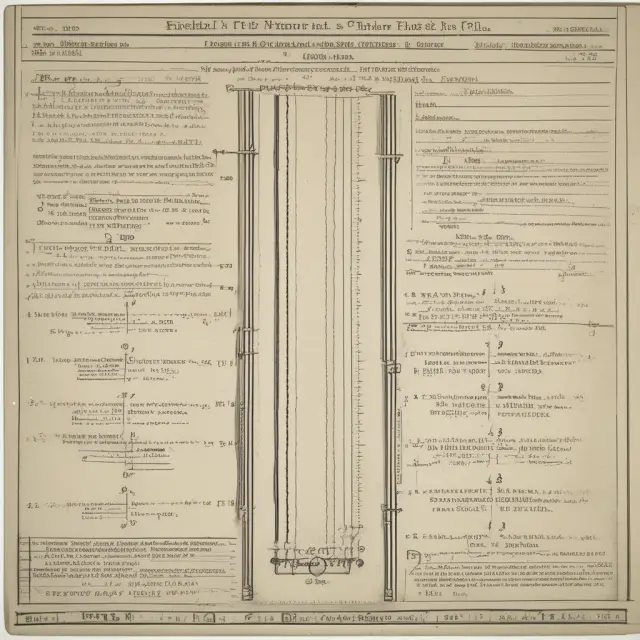
Understanding Charges on a HUD-1 Form
A HUD-1 form is an essential document in mortgage transactions, specifically those involving reverse mortgages and refinancing. It serves as a comprehensive list of charges for all parties involved. Prior to October 3, 2015, the HUD-1 was the standard real estate settlement form used in such transactions. Although the Closing Disclosure form replaced it for most mortgage transactions, understanding the charges on a HUD-1 form remains crucial for institutional investors.
The HUD-1 form is divided into two columns: one for borrower’s charges and another for seller’s charges. Let’s delve deeper into each column and explore common charges found in both.
Borrower’s Charges:
A. Loan origination fee: This charge refers to the cost of originating a loan. It is typically a percentage of the total mortgage amount. For instance, if your mortgage is $250,000 and the origination fee is 1%, you will pay $2,500 as part of your closing costs.
B. Discount points: Discount points are optional fees that buyers can choose to pay when taking out a mortgage loan. Each point represents 1% of the total loan amount. These fees enable borrowers to buy down their interest rates, which can help lower monthly mortgage payments over the life of the loan. For example, if you decide to pay two discount points on a $250,000 mortgage, you would pay an additional $5,000 at closing.
C. Credit report: Your lender will request your credit report as part of the mortgage application process. A fee is charged for this service, usually around $30 to $50.
D. Appraisal and flood certification fees: These charges cover the cost of assessing the property value and determining whether it falls within a floodplain. The appraisal fee can range from $300 to $400, while flood certifications typically cost around $150 to $275.
E. Prepaid interest charges: These charges represent the amount of interest accrued between the mortgage closing date and the first payment due date. Institutional investors should pay close attention to these charges as they can significantly impact cash flow during the initial months of a new loan.
F. Homeowner’s insurance fees: This charge covers the cost of homeowner’s insurance, which is mandatory for most mortgages to protect the lender against property damage or loss. The fee varies depending on the insurer and location.
G. Property taxes: Institutional investors should note that property tax charges may include prorated amounts paid by both buyers and sellers. These charges ensure that property taxes are current upon closing and for the upcoming year, typically due around February 1 of each year.
H. Owner’s title insurance: Title insurance protects the lender against claims on the property that might arise from prior liens or ownership disputes. This fee is usually a one-time charge, typically amounting to around $1,000 to $3,000.
I. Lender’s title insurance: Similar to owner’s title insurance, lender’s title insurance protects the lender’s interest in the property against any potential claims that may impact their loan. The fee for lender’s title insurance is typically lower than the owner’s title insurance fee, around $250 to $750.
J. Closing agent fees: These charges cover the services rendered by the settlement or closing agent, which include preparing and disbursing funds from the HUD-1 form, as well as other related duties. The fee varies based on location and complexity of the transaction.
Seller’s Charges:
A. Real estate commission: This charge represents the amount paid to the realtor for selling the property. Commission rates typically range between 5% and 6% of the sale price, but can be negotiated.
B. Any contractually agreed-upon credit to the buyer: In some cases, the seller may agree to give the buyer a credit towards closing costs as part of the sales agreement. This credit would appear on the HUD-1 form under the seller’s charges column.
C. Mortgage payoff information: The mortgage payoff amount refers to the total amount required to pay off any existing mortgages or liens against the property. This charge is typically a significant line item in the seller’s column but is essential for the transaction’s completion.

Itemizing Charges on the HUD-1 Form
The HUD-1 form is a standardized document used to itemize all charges and credits that apply to buyers and sellers in reverse mortgage transactions and mortgage refinances. This section offers an in-depth examination of how each charge is itemized and calculated on this essential mortgage document.
Layout and Organization
The HUD-1 form’s primary purpose is to display all fees related to the closing process, broken down into two columns. The left-hand column represents borrower charges, while the right-hand column denotes seller charges. This layout ensures clarity for all parties involved in the transaction, including buyers, sellers, and lenders.
Understanding Charges
The borrower’s side of the form covers costs associated with the mortgage process, such as loan origination fees, discount points, credit report payments, appraisal and flood certification fees, and prepaid interest charges. Additionally, the list includes homeowner’s insurance fees, property taxes, owner’s title insurance, lender’s title insurance, and closing agent fees.
The seller’s column displays charges related to real estate commissions, any agreed-upon credits to the buyer, and mortgage payoff information. Typically, the seller’s charges are lower than those of the borrower.
Adding Up Totals
After itemizing all charges on each side of the HUD-1 form, the figures must be totaled. Once the totals have been calculated, they are transferred to the front page of the form, where the borrower’s required cash payment and the seller’s payout amount are displayed. The recto, or front side of the HUD-1 form, also includes essential details such as settlement date, property information, and transaction type.
Transitioning from HUD-1 to Closing Disclosure
Since October 3, 2015, most real estate transactions have transitioned from using the HUD-1 form to the Closing Disclosure form. This change was implemented as part of the Dodd-Frank Act and is designed to provide borrowers with a clearer understanding of their final closing costs before signing the document.
In conclusion, understanding how charges are itemized on a HUD-1 form is crucial for institutional investors and mortgage professionals alike. Proper knowledge of this process not only helps in accurately reviewing the document but also fosters efficient communication between all parties involved in the transaction.

Transition from HUD-1 to Closing Disclosure Forms
The shift from the HUD-1 form to the Closing Disclosure (CD) form was a significant change for mortgage transactions in the United States. This transition took place on October 3, 2015, and affected most real estate transactions, except reverse mortgages and refinances which continue to utilize the HUD-1 form. Understanding why this change occurred and examining the differences between these two documents is crucial for institutional investors involved in mortgage financing.
Background: The HUD-1 Settlement Statement
The HUD-1 form, also known as the HUD-1 Settlement Statement, was a standardized document used by creditors or their closing agents to itemize all charges and credits associated with borrowers and sellers during mortgage transactions. This form had been in use since 1978 for reverse mortgages and refinances, with its purpose being to provide transparency regarding the transaction costs. However, its usage was extended to most real estate transactions until October 3, 2015.
The HUD-1 form’s two-page layout had a specific organization. The reversed side contained two columns: the left column itemized borrower charges while the right column represented seller charges. The borrower’s charges typically included loan origination fees, discount points, credit report fees, appraisal and flood certification costs, prepaid interest charges, homeowner and lender title insurance premiums, closing agent fees, and property taxes.
Transition to Closing Disclosure: Reasons and Effects
The Consumer Financial Protection Bureau (CFPB) introduced the TILA-RESPA Integrated Disclosure (TRID) rule on October 3, 2015, which led to the replacement of the HUD-1 form by the CD form for most real estate transactions. The primary reasons behind this change include:
- Enhancing transparency: The new rule aimed to improve clarity and understanding for consumers regarding closing costs and loan terms.
- Providing earlier disclosures: Consumers were given more time, i.e., 3 days before the closing, to review their Closing Disclosure form and ask any questions or clarifications related to costs.
- Simplifying the mortgage process: The CD form was designed to simplify the entire mortgage transaction process by merging the HUD-1 Settlement Statement and the Good Faith Estimate (GFE) into a single, clearer document.
Comparison of HUD-1 and Closing Disclosure Forms
The most apparent difference between these two forms is their purpose and applicability. The HUD-1 form was utilized for reverse mortgages and mortgage refinances until October 3, 2015, whereas the Closing Disclosure form became mandatory for all other real estate transactions. A side-by-side comparison of both documents reveals several notable differences:
- Layout and Structure: The HUD-1 form had a two-page layout with columns for borrower and seller charges, while the CD form consists of a five-page document that includes finalized figures for all closing fees and costs to the borrower, as well as loan terms and projected monthly mortgage payments.
- Timing: Under regulations, consumers must receive their Closing Disclosure at least 3 days prior to closing, whereas HUD-1 forms were required to be delivered one day before settlement.
- Disclosures: The CD form combines various disclosures from the old HUD-1 and GFE into a single document for improved clarity and ease of understanding.
In conclusion, the transition from the HUD-1 form to the Closing Disclosure form was a significant shift in mortgage transactions, aimed at enhancing transparency, providing earlier disclosures, and simplifying the mortgage process. This change affected most real estate transactions, except for reverse mortgages and refinances which continue to use the HUD-1 form. Understanding these differences is crucial for institutional investors involved in mortgage financing.

Reverse Mortgages and HUD-1 Forms
One specific type of mortgage transaction that still makes use of the HUD-1 form is a reverse mortgage. A reverse mortgage enables homeowners aged 62 or older to tap into their home equity by borrowing against it. Instead of making monthly payments towards the loan, as with a traditional mortgage, the lender pays the borrower. The repayment becomes due when the homeowner passes away, sells the property, or no longer resides there as their primary residence.
Although reverse mortgages were once covered under the HUD-1 form in its entirety, since October 2015, they have also been subject to the Closing Disclosure form for other mortgage transactions. The transition from HUD-1 to Closing Disclosure forms was a result of the Dodd-Frank Act and its regulations (TILA-RESPA Integrated Disclosure Rule).
The HUD-1 form’s role in reverse mortgages remains important because it offers a standardized layout for all closing costs, making it easier for both the borrower and lender to understand and compare charges. While the Closing Disclosure form is more comprehensive in its detailing of loan terms and projected monthly payments, the HUD-1 form plays an essential part in this transaction type by providing a clear, side-by-side comparison of charges between the borrower and seller (or lender in the case of refinancing).
To illustrate the usage and organization of a HUD-1 form for reverse mortgages, we’ll take a closer look at the itemization of charges on both columns.
Itemizing Charges on the HUD-1 Form for Reverse Mortgages
The left-hand column, also known as the borrower’s column, is where all the fees and charges the borrower will be responsible for are listed. This may include origination fees, loan insurance premiums, and closing costs such as appraisal fees or title insurance. The right-hand column, or seller’s column, represents any credits or charges to the lender in reverse mortgage transactions.
A few common examples of borrower charges found on a HUD-1 form for reverse mortgages include:
- Origination Fee: A charge imposed by the lender for processing the loan application and making the loan. The origination fee may be negotiable and usually ranges between 0% and 5%.
- Loan Insurance Premium: Reverse mortgages require insurance to protect the borrower from potential loan default or non-repayment, so an insurance premium is a necessary charge. The Federal Housing Administration (FHA) insures most reverse mortgages with their Home Equity Conversion Mortgage (HECM) program; therefore, all reverse mortgage transactions incur an FHA mortgage insurance premium.
- Closing Costs: These costs may include appraisal fees for determining the value of your home, title search and insurance charges to ensure clear ownership and legal right to sell, and settlement or attorney’s fees. The closing costs can vary significantly depending on your location.
It is crucial to note that a reverse mortgage’s total monthly payment might not cover all the closing costs and insurance premiums in full when you close on the loan. Instead, these charges may be added to your loan balance, which you repay over time using the funds disbursed from your reverse mortgage.
Comparing HUD-1 Forms with Closing Disclosure Forms
Although both forms have their unique features and purposes, it is essential for institutional investors to understand how they compare when dealing with reverse mortgages. As previously mentioned, since October 2015, the Closing Disclosure form has become the primary document used in most mortgage transactions. However, HUD-1 forms remain a crucial component of the reverse mortgage process due to their clear side-by-side comparison of charges between the borrower and the lender/seller.
In conclusion, understanding the role of the HUD-1 form in reverse mortgage transactions is crucial for institutional investors. By providing a standardized layout for all closing costs and offering an easily comparable representation of charges on both sides of the transaction, the HUD-1 form simplifies the reverse mortgage process and helps ensure that borrowers make informed decisions regarding their home equity financing options.
Understanding the Impact of Regulations on HUD-1 Forms
Since the introduction of the Dodd-Frank Wall Street Reform and Consumer Protection Act in 2010, significant changes have affected the use and format of the HUD-1 form. While it remains relevant for reverse mortgages and mortgage refinances, this section will discuss the impact of Dodd-Frank on the HUD-1 form and its replacement by the Closing Disclosure form in most real estate transactions since Oct. 3, 2015.
The Dodd-Frank Act, enacted to promote the financial stability of the United States, established the Consumer Financial Protection Bureau (CFPB) and introduced new regulations for mortgage disclosures. One such change was the mandatory use of the Closing Disclosure form in place of the HUD-1 form for most mortgage transactions, except for reverse mortgages and refinances.
The Closing Disclosure form serves to provide borrowers with a clearer understanding of their closing costs by offering a detailed breakdown of charges and credits in an easy-to-understand format. The five-page form is intended to be delivered three business days before the scheduled closing, providing ample time for potential questions and clarifications between the lender and borrower.
The primary difference between the HUD-1 and Closing Disclosure forms lies in their structure. While both documents aim to provide an itemized list of charges and credits, the Closing Disclosure form organizes information more intuitively, with distinct sections for loan costs, closing costs, and escrow accounts.
The transition from HUD-1 to Closing Disclosure has resulted in several advantages for borrowers. The increased transparency offered by the Closing Disclosure form helps ensure that borrowers are well-informed about all costs related to their mortgage transaction. Moreover, the requirement to deliver the form three days before closing provides an opportunity for borrowers to review and ask questions regarding any discrepancies or misunderstandings.
The HUD-1 form still plays a vital role in reverse mortgage transactions and refinances. Reverse mortgages remain exempt from the Closing Disclosure requirement, as their unique structure makes it difficult to fully disclose all charges and credits in the format prescribed by Dodd-Frank. Consequently, the HUD-1 form continues to be an essential component of these transactions.
In summary, the impact of regulations on the HUD-1 form has been significant, with the Closing Disclosure form taking center stage for most mortgage transactions since Oct. 3, 2015. However, reverse mortgages and refinances still rely on the HUD-1 form to ensure a transparent, informed closing process for borrowers.

Best Practices for Reviewing a HUD-1 Form
Reviewing a HUD-1 form is an essential task that every borrower must undertake before closing on their mortgage transaction. As previously mentioned, the HUD-1 form (also known as the HUD-1 Settlement Statement) lists all charges and credits associated with a mortgage loan or refinancing transaction. Although this form has been replaced by the Closing Disclosure for most transactions since October 3, 2015, it is still crucial for borrowers to understand how to review their HUD-1 form if they are involved in reverse mortgages or pre-October 2015 mortgage refinancing.
First and foremost, carefully examine both the front page and back page of the form. The front page displays the total amounts to be paid by the borrower and the seller at closing. It’s essential to verify that these figures are accurate, particularly when comparing them to the estimated charges and credits on the Loan Estimate and Good Faith Estimate forms you received earlier in the process.
Now, let’s focus on the HUD-1 form’s reverse side (verso). This is where you will find a detailed itemization of all borrower and seller charges. The left-hand column lists the borrower’s charges, while the right-hand column displays the corresponding seller’s charges. Take your time to review each line item, ensuring that they align with the information provided on your Loan Estimate and Good Faith Estimate forms, as well as your understanding of the mortgage transaction.
While examining these items, consider asking the following questions:
Are all fees listed on this form consistent with what was discussed during the loan application process?
Are there any discrepancies between the charges on this form and the Loan Estimate or Good Faith Estimate forms you received earlier?
Are there any unexplained charges or unfamiliar acronyms, and if so, ask for clarification from your settlement agent, loan officer, or real estate attorney?
Have you received all necessary disclosures related to the transaction?
If you notice any discrepancies or unclear items on the HUD-1 form, contact your settlement agent, loan officer, or legal counsel as soon as possible to request clarification and ensure a smooth closing process. It’s also recommended that you bring a trusted friend or family member along for support during the review process.
Remember that a thorough understanding of the charges on your HUD-1 form is critical to ensuring that all costs are accurate, and that you have no unwelcome surprises at closing. The potential financial consequences and legal implications of missing discrepancies can be severe, making it an essential step in protecting your investment.
Additionally, familiarize yourself with the differences between the HUD-1 form and the Closing Disclosure form. While the HUD-1 form is used for reverse mortgages and pre-October 2015 mortgage refinancing transactions, the Closing Disclosure form replaced it for most other types of mortgage loans. By knowing which form to expect for your specific transaction, you can more effectively prepare yourself and ensure a successful closing process.
In conclusion, reviewing a HUD-1 form may seem like an intimidating task, but by following these best practices and maintaining open communication with your loan officer, settlement agent, or legal counsel, you’ll be well on your way to ensuring that all charges and credits are accurate and fully understood before closing.

The Importance of Properly Understanding a HUD-1 Form
A HUD-1 form is an essential document in mortgage transactions, specifically in those involving reverse mortgages and mortgage refinancing. Despite the transition to Closing Disclosure forms for most real estate deals since 2015, it is still crucial for borrowers to understand the significance of a HUD-1 form and its potential implications.
Misunderstanding or neglecting to review this document thoroughly can lead to financial losses, missed opportunities, or legal complications. By gaining a solid grasp of the various components in a HUD-1 form and their meanings, borrowers can make informed decisions that protect their investments and minimize risks. Let’s explore some potential consequences of not properly understanding a HUD-1 form:
Financial Consequences
A poorly reviewed HUD-1 form could result in unanticipated charges or misunderstood fees. In real estate transactions, unexpected costs can add up quickly and potentially derail the financing process for an individual or institution. For example:
- A borrower might not notice additional fees related to the loan origination or title insurance.
- Overlooking a discrepancy between the amount listed on the HUD-1 form and the actual closing costs can lead to financial losses.
- Neglecting to understand the implications of certain charges, like prepaid interest, could result in unnecessary expenses or missed savings opportunities.
Legal Implications
A misunderstood HUD-1 form may also bring about legal complications. For example:
- Failing to identify and question discrepancies on a HUD-1 form can lead to the signing of an incorrect document, which may impact the legality of the mortgage or loan agreement.
- A borrower might inadvertently agree to unfavorable loan terms, unintentionally waiving certain rights or benefits, due to insufficient review and understanding of the HUD-1 form.
To mitigate these risks, it’s imperative that individuals or institutions involved in reverse mortgage transactions take the time to thoroughly examine the HUD-1 form prior to closing. Understanding the various charges listed on this document, their implications, and how they are calculated can prevent potential financial losses and legal complications.
In the next section, we will further discuss the significance of each charge listed on a HUD-1 form, providing examples and insights that can help you make informed decisions when reviewing your own mortgage documents.

FAQ: Frequently Asked Questions about HUD-1 Forms
As a seasoned institutional investor, you’ve likely encountered the HUD-1 form during various mortgage transactions, particularly reverse mortgages and refinancing deals. This section aims to address some common concerns and queries regarding the use, purpose, and impact of HUD-1 forms in real estate transactions.
What is a HUD-1 form?
A HUD-1 form, also known as a HUD-1 Settlement Statement, serves as a standardized document that mortgage lenders or their closing agents utilize to compile all charges and credits for the buyer and seller in a consumer credit mortgage transaction. It’s primarily used for reverse mortgages and mortgage refinance transactions. As of October 3, 2015, the Closing Disclosure form replaced HUD-1 forms for most real estate transactions, except those involving reverse mortgages or refinancing deals that occurred before this date.
What information is provided in a HUD-1 form?
The HUD-1 lists all closing costs and is required to be used as the standard real estate settlement document in reverse mortgage and mortgage refinance transactions. It must be given to all parties involved at least one day prior to the closing, although figures may be added, corrected, or updated up until the time the parties gather for the closing ceremony. The form has two columns: one for borrower charges and the other for seller charges. Common borrower charges include mortgage-related fees such as origination fees, discount points, credit report payments, appraisal fees, flood certification costs, and prepaid interest charges. Homeowner’s insurance fees, property taxes, title insurance, and closing agent fees are also included in this column. The seller’s itemized charges typically involve the real estate commission, any agreed-upon credits to the buyer, and mortgage pay-off information. Seller charges generally amount to lower figures compared to borrower charges.
When should a HUD-1 form be received?
Borrowers must receive a HUD-1 form at least one day prior to the closing. However, figures may still be added, corrected, or updated until the parties are seated for the closing ceremony.
Why has the HUD-1 form been replaced in most transactions?
The Dodd-Frank Wall Street Reform and Consumer Protection Act of 2010 mandated that lenders provide borrowers with a Closing Disclosure form instead of the traditional HUD-1 form for all mortgage transactions, except reverse mortgages and refinancing deals. The Closing Disclosure form contains finalized figures for closing fees and costs, loan terms, projected monthly mortgage payments, and closing costs. Borrowers must receive this form at least three days before the closing to allow time for any clarification or dispute resolution of fees and charges.
Are there specific regulations regarding HUD-1 forms?
Yes, borrowers must be provided with a HUD-1 form if they are involved in reverse mortgage or refinancing deals. The government requires lenders to provide the form at least one day before closing, but figures can still be updated up until the closing ceremony. Mortgage lending discrimination is prohibited under federal law. If you suspect discrimination based on race, religion, sex, marital status, public assistance use, national origin, disability, or age, steps can be taken by filing a report with either the Consumer Financial Protection Bureau or the U.S. Department of Housing and Urban Development (HUD).
 Next entry · No. 2,248Understanding the Hungarian Forint (HUF): History, Key Features, and Economic Significance for Institutional Investors
See also
-
 No. 3,396
25 Mar 2025
19 min
Understanding Negative Pledge Clauses: Protecting Lenders and Bondholders
Business Finance
No. 3,396
25 Mar 2025
19 min
Understanding Negative Pledge Clauses: Protecting Lenders and Bondholders
Business Finance -
 No. 3,152
05 Mar 2025
19 min
Mortgage-Backed Securities (MBS): Understanding Their Role in Finance and Investment
Business Finance
No. 3,152
05 Mar 2025
19 min
Mortgage-Backed Securities (MBS): Understanding Their Role in Finance and Investment
Business Finance -
 No. 2,949
16 Feb 2025
12 min
Loan Locks: How a Mortgage Rate Lock Works, What It Costs, and When to Lock
Mortgage
No. 2,949
16 Feb 2025
12 min
Loan Locks: How a Mortgage Rate Lock Works, What It Costs, and When to Lock
Mortgage -
 No. 5,302
28 Aug 2025
16 min
Understanding Unrecorded Deeds: Implications for Buyers and Sellers
Real Estate
No. 5,302
28 Aug 2025
16 min
Understanding Unrecorded Deeds: Implications for Buyers and Sellers
Real Estate -
 No. 4,789
16 Jul 2025
21 min
Subleasing: Understanding the Legal Transfer of Tenancy from Existing Tenant to a Third Party
Real Estate
No. 4,789
16 Jul 2025
21 min
Subleasing: Understanding the Legal Transfer of Tenancy from Existing Tenant to a Third Party
Real Estate -
 No. 4,293
07 Jun 2025
20 min
Understanding the Real Estate Settlement Procedures Act (RESPA): Disclosures, Requirements, and Prohibitions
Real Estate
No. 4,293
07 Jun 2025
20 min
Understanding the Real Estate Settlement Procedures Act (RESPA): Disclosures, Requirements, and Prohibitions
Real Estate