Understanding Credit Cards: A Comprehensive Guide for Institutional Investors

Understanding Credit Cards: A Comprehensive Guide for Institutional Investors - Learn about credit card features, differences, terminology, fees, building…
What is a Credit Card?
A credit card is a type of payment method that allows users to borrow funds to make purchases, up to a predetermined limit. Unlike debit cards, which deduct funds directly from your checking account at the time of purchase, credit cards extend an extension of credit, requiring repayment with interest. This financing feature offers several benefits for consumers, including convenience, cash flow flexibility, and rewards programs.
The primary advantage of using a credit card lies in its flexibility to pay for purchases over time or earn rewards points, miles, or cash back. Additionally, credit cards often come with various features like 0% introductory APRs on balance transfers or purchases, fraud protection, travel insurance, and extended warranties on purchased items.
To illustrate further, consider an investor who plans a substantial investment in the stock market but is short of funds at present. By applying for a credit card with a large limit, they can make their investment purchase without having to wait until they accumulate sufficient cash. Repaying the borrowed amount in installments over time enables them to maintain a steady cash flow while earning potential rewards and benefits.
Key Differences Between Credit Cards and Debit Cards
Though both credit and debit cards offer various transactional conveniences, there are essential differences between the two:
- Functionality: While debit cards access funds directly from your checking account to make purchases, credit cards allow you to borrow funds from the card issuer, requiring repayment with interest.
- Spending Limits: Credit cards offer extended lines of credit that may exceed your actual savings or disposable income. In contrast, debit cards limit transactions based on the available balance in your checking account.
- Rewards and Cash Back: Many credit cards reward users for spending through points, miles, or cash back programs. Debit cards do not typically offer such incentives.
- Interest and Fees: Credit card usage may be accompanied by interest charges if the balance is not paid off in full each month. Debit card transactions do not accrue interest but may involve ATM fees for withdrawals.
- Fraud Protection: Credit cards often provide robust fraud protection measures to safeguard your purchases from unauthorized transactions, whereas debit card users are typically responsible for reporting and disputing any unauthorized transactions within specific time frames.
Understanding the features and differences between credit and debit cards enables investors to make informed decisions based on their financial goals and preferences. In certain situations, a combination of both might be ideal for managing personal finances effectively.

Credit Cards vs. Debit Cards: Key Differences
When deciding between a credit card and a debit card, it’s essential for investors to understand the fundamental differences between these two payment methods. Both offer convenience in managing financial transactions but cater to various needs and preferences. In this section, we will compare credit cards and debit cards based on their functionality, advantages, and disadvantages.
Functionality:
Credit cards allow cardholders to borrow funds from a lender and pay for goods or services upfront. The borrowed money must be paid back with interest (if any) within the agreed-upon timeframe. In contrast, debit cards connect directly to a checking account, pulling funds when making purchases instead of borrowing.
Advantages:
Credit Cards
- Build credit history
- Offer rewards programs and cashback incentives
- Provide purchase protection against theft or damage
- Offer extended warranties on certain items
- Flexibility in case of emergencies, such as travel or medical expenses
Debit Cards
- No interest charges when payments are made within the set timeframe (usually 30 days)
- Automatically withdrawing funds from checking accounts reduces the likelihood of overspending
- Simplified financial management with consolidated account access for easier monitoring
- Safer transactions compared to carrying cash or checks
- Generally lower fees than credit cards, particularly when traveling internationally
Disadvantages:
Credit Cards
- Interest charges on unpaid balances can add up over time if not paid off in full each month
- Security concerns, as sensitive information is shared with third parties to maintain an account
- Higher annual fees for premium rewards cards
- Risk of overspending when making purchases beyond available funds (resulting in overdraft fees)
- Longer resolution time when disputing transactions or errors on statements
Debit Cards
- No credit line extension, limiting potential spending power
- Lack of rewards programs and cashback incentives
- Limited access to funds before the paycheck is deposited (depends on account balance)
- Higher fees for using an out-of-network ATM or withdrawing cash (compared to credit cards)
- No grace period for interest charges on cash advances
Investor Considerations
Institutional investors should consider their unique financial situations and preferences when deciding between a credit card and debit card. Credit cards can offer advantages like building credit history, providing flexibility during emergencies, and offering rewards programs, making them a suitable option for those who can effectively manage their spending and pay off balances in full each month.
On the other hand, investors with stricter budgets or lower risk tolerance might prefer debit cards, as they eliminate the risk of racking up high-interest debt and allow better control over available funds. Ultimately, the choice between a credit card and debit card comes down to personal financial goals, spending habits, and comfort levels when it comes to managing credit and cash flow.
To sum up, understanding the key differences between credit cards and debit cards is crucial for investors seeking financial success. Each payment method has its advantages and disadvantages, and making an informed decision can result in optimizing one’s financial strategy.

Credit Card Terminology
When venturing into the realm of credit cards, it’s essential for institutional investors to be familiar with specific jargon and definitions. In this section, we explore some key terms that can help navigate the complex world of credit cards:
1. Annual Percentage Rate (APR): A measure representing the total annual cost of credit expressed as a percentage rate. It takes into account fees, interest rates, and other charges, making it an essential figure for evaluating the true cost of borrowing from a card issuer.
2. Balance Transfer: The process of moving outstanding debts from one credit card to another. Balance transfers can save money by providing lower introductory interest rates on transferred balances or even allow extending payment terms, making it an attractive option for some investors seeking debt consolidation and streamlined monthly payments.
3. Cash Advance: Withdrawing cash against the available credit line extended by a credit card issuer. A cash advance typically incurs higher fees and interest rates compared to regular purchases. It’s essential for institutional investors to be aware of these charges, as cash advances can lead to additional costs that may impact overall investment strategies.
4. Credit Limit: The maximum amount of credit available on a credit card. This limit is set based on the applicant’s creditworthiness and is periodically reviewed by the issuer. Institutional investors must understand their credit limits and avoid exceeding them to maintain good credit standing.
5. Grace Period: A time window during which no interest charges are imposed for new purchases made using a credit card. This grace period typically lasts around 21 days, allowing investors to pay off balances in full before any interest begins accruing. Maximizing the use of grace periods can lead to significant savings on interest expenses.
6. Secured Credit Card: A type of credit card that requires a cash deposit as collateral for extending credit. This security deposit determines the credit limit, offering an entry point for individuals with little or no credit history. Once an individual demonstrates responsible usage, they may be eligible to transition to an unsecured card with potentially higher credit limits and better terms.
By mastering these essential credit card terminologies, institutional investors can confidently navigate the complexities of the credit card market and make informed decisions that align with their investment objectives.

How Do Credit Scores Impact Your Credit Card Application?
Your credit score is a three-digit number that represents your creditworthiness and influences your ability to be approved for a credit card or the terms of the card offer you receive, including interest rates and credit limits. Understanding how credit scores are calculated and what factors influence them can help you maximize your credit potential when applying for a new credit card.
Credit Scores: Calculation and Components
Credit scores are determined by calculating a mathematical model that evaluates several aspects of your financial history, such as:
- Payment History (35%): This component assesses the consistency in making timely payments on loans and credit card accounts. Late payments or missed payments can negatively impact your score.
- Credit Utilization Ratio (30%): Calculated by dividing the amount of debt owed by the total available credit limit, this ratio indicates how much of your borrowing capacity is being utilized. Generally, a lower credit utilization ratio improves your score.
- Length of Credit History (15%): Longer credit histories indicate better credit management skills and are more favorable to lenders.
- Credit Mix (10%): Having a diverse range of credit types, such as mortgage loans, auto loans, and credit cards, demonstrates good financial management.
- New Credit (10%): Applying for new credit or opening numerous credit accounts in a short period can lower your score due to the perceived risk of increased debt.
Factors Influencing Credit Scores: What Else Matters?
While the five factors mentioned above make up the majority of what impacts your credit score, there are other variables that can influence it as well, including:
- Inquiries: When you apply for a new credit card or loan, the lender initiates a hard inquiry on your credit report, which temporarily lowers your score by 2-5 points. Multiple inquiries in a short time frame can harm your credit standing further.
- Derogatory Marks: Bankruptcies, foreclosures, repossessions, and other negative marks on your credit history remain for seven to ten years from the date of occurrence. These events significantly lower your score but gradually improve over time as you demonstrate responsible financial behavior.
- Balance Transfers: Transferring a balance from one card to another can impact your credit score due to the hard inquiry required to open the new account and potential changes to your credit utilization ratio if the transferred balance is significant.
- Authorized Users: Adding someone as an authorized user to your credit card does not directly affect your credit score, but their actions can influence it through your payment history and credit utilization.
- Employment History: Although not a direct factor in calculating your credit score, having a stable employment history is often viewed positively by lenders when reviewing your application.
In conclusion, understanding the components of your credit score and the factors that influence it can help you make informed decisions about applying for new credit cards or improving your existing credit profile. By practicing responsible financial habits, such as making on-time payments, maintaining a low credit utilization ratio, and monitoring your credit report for errors, you can boost your creditworthiness and secure favorable terms when seeking new credit opportunities.

Types of Credit Cards: Understanding Rewards, Secured, and Prepaid
Credit cards come in various forms designed to cater to different consumers’ financial situations, credit histories, and preferences. In this section, we will discuss three primary types of credit cards: rewards cards, secured cards, and prepaid cards. Each type offers distinct features, benefits, and differences that investors should understand when managing their finances.
1) Rewards Cards
Rewards cards are popular among consumers seeking additional value from their purchases. These cards offer incentives such as cash back, discounts, or reward miles for making eligible transactions. Reward programs may vary significantly depending on the issuer and credit card type. Some rewards cards cater to specific spending categories like travel, gasoline, dining, or groceries, allowing cardholders to maximize their earnings in those areas. Others offer general rewards that apply across all purchases, providing flexibility for users. To optimally leverage rewards cards, investors must familiarize themselves with the terms and conditions of each program, including reward redemption options, expiration dates, and any associated fees or restrictions.
2) Secured Cards
Secured credit cards differ from rewards cards in that they require a security deposit to establish an account. The size of the deposit correlates with the credit line granted to cardholders. For individuals who have limited or poor credit histories, secured cards can serve as an alternative entry point to the world of credit and an opportunity to demonstrate responsible usage. Over time, consistent and on-time payments can lead to upgraded credit status, making it easier for consumers to transition to unsecured cards with higher credit limits and lower interest rates.
3) Prepaid Cards
Prepaid credit cards differ from secured cards in that they do not require a security deposit but instead function like debit cards, allowing users to load funds onto the card before making purchases. With prepaid cards, consumers cannot accrue debt or interest charges since they must maintain a positive balance to use the card. This feature makes them an attractive option for individuals seeking to avoid the pitfalls associated with credit usage or who prefer the convenience of having a single payment instrument for various expenses.
In conclusion, understanding the different types of credit cards can help investors make informed decisions regarding their financial needs and goals. By exploring rewards cards, secured cards, and prepaid cards, consumers can optimize their spending, build credit history, and maintain financial control.
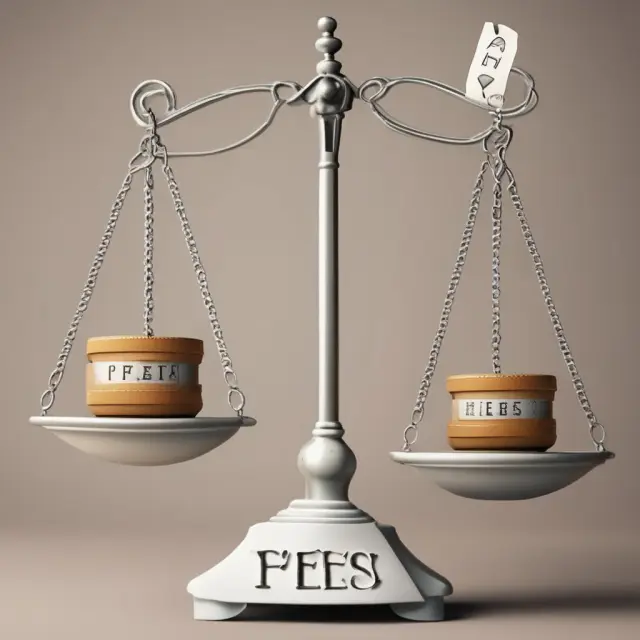
Credit Card Fees: Understanding Annual Fee, Late Payment Fee, and Other Charges
A credit card is a financial product that allows users to borrow money for making purchases and paying for services. While the convenience of using a credit card comes with several benefits, it also comes with certain fees. In this section, we will discuss three common fees associated with credit cards: annual fees, late payment fees, and balance transfer fees, among others.
Annual Fee
An annual fee is a flat charge that some credit card issuers impose on cardholders for maintaining their credit card account. Not all credit cards come with an annual fee; however, those that offer rewards programs, special features, or exclusive perks may charge a fee ranging from $0 to several hundred dollars. For instance, high-end travel reward cards like the American Express Platinum Card may charge an annual fee of around $695.
Annual fees can have a significant impact on your bottom line, especially if you are an institutional investor managing a large portfolio. To determine whether the annual fee is worth it, consider the benefits that come with the card and how frequently you will use them. For instance, if you travel extensively and plan to take advantage of airport lounge access, global entry/TSA precheck fees, or flight discounts offered by the card, then the annual fee may be justified.
Late Payment Fee
A late payment fee is charged when a cardholder fails to make their monthly minimum payment on time. Late payments can lead to higher interest rates and a damaged credit score. Credit card issuers typically charge a flat fee of $25 to $37 for a late payment, depending on the specific terms outlined in the card agreement.
Late fees can add up quickly if you miss multiple payments or make only the minimum payment, causing your balance to grow and increasing the interest charges. To avoid late payment fees, set up automatic payments or reminders, monitor due dates, and ensure sufficient funds are available each month.
Balance Transfer Fees
A balance transfer fee is a one-time charge applied when you move an outstanding balance from one credit card to another with a lower interest rate or better rewards program. Balance transfer fees typically range between 3% and 5% of the amount transferred, although some cards might offer promotional periods with no balance transfer fees.
When deciding whether to make a balance transfer, consider the transfer fee, the new card’s interest rate, and how long it will take you to pay off the transferred balance before interest accrues. For instance, if you are transferring a $5,000 balance with a 12% APR from one card to another that offers a 0% introductory rate for 18 months but charges a 3% balance transfer fee, calculate whether the savings during the promotional period outweigh the transfer fee.
Other Fees
Some credit cards may impose additional fees like cash advance fees, foreign transaction fees, or over-the-limit fees depending on their terms and conditions. Cash advance fees are typically a flat fee plus a percentage of the amount withdrawn, while foreign transaction fees can range from 1% to 3% per transaction when making purchases outside your home country. Over-the-limit fees may be charged when you exceed your credit limit, causing your account to go into an overdraft status.
To minimize unwanted fees, review the card agreement carefully and understand the terms and conditions before activating your card. By being aware of these charges and avoiding unnecessary transactions that trigger them, you can save money and maintain a healthy relationship with your credit card issuer.

Building Credit History with Credit Cards
Credit cards can serve as powerful tools for building and maintaining good credit history. By using a credit card responsibly, consumers can demonstrate their ability to manage debt and make timely payments, which are essential components of strong credit scores. In turn, having a good credit history can lead to extended lines of credit, lower interest rates, and an improved financial position.
For those who lack a credit history or have limited credit, secured credit cards provide a viable solution. Secured credit cards require cardholders to deposit a sum of money upfront as collateral against their line of credit. Since the risk to the lender is minimized with this approach, issuers are more inclined to extend credit to individuals who may not otherwise qualify due to a lack of established credit history. By using a secured credit card and making regular, on-time payments, consumers can demonstrate their financial responsibility, ultimately paving the way for potential upgrades to unsecured credit cards.
However, it is crucial to note that building good credit history requires more than just responsible use of a credit card; maintaining a low debt-to-income ratio and keeping credit utilization under your credit limit are also essential factors. By making regular, on-time payments, avoiding late payments, and minimizing debt accumulation, consumers can build a solid credit foundation, enabling them to access favorable loan terms in the future.
Additionally, becoming an authorized user on someone else’s established credit account can help jumpstart the process of building credit history. When you are added as an authorized user, their positive payment and credit usage patterns will be reflected on your credit report, providing a foundation for establishing your own creditworthiness. However, it is essential to ensure that the cardholder has good financial habits and practices, as any negative behavior can also impact your credit standing.
It’s important to remember that using credit cards responsibly and building strong credit history goes beyond just making on-time payments. Utilization rate, or the amount of available credit being used relative to the total limit, plays a significant role in determining creditworthiness. Keeping utilization low and maintaining a reasonable balance-to-limit ratio are essential for maximizing your credit score and demonstrating financial maturity.
In summary, using credit cards wisely is an effective strategy for building a solid credit foundation, which can lead to numerous benefits such as lower interest rates, increased borrowing power, and improved access to loans and other forms of credit. By understanding the importance of timely payments, maintaining low utilization rates, and exploring options like secured or co-signed cards, consumers can set themselves on the path to a strong credit history and a more financially secure future.

Credit Card Security: Protecting Yourself from Fraud
When it comes to credit card usage, security remains a paramount concern for institutional investors and the general public alike. Understanding potential threats and taking preventive measures can help you safeguard your financial information and minimize the risk of fraud.
One common form of credit card fraud is identity theft, which involves someone stealing your personal information to open unauthorized credit accounts in your name, or assuming your identity to make purchases with existing ones. Another threat is skimming, where a criminal installs an electronic device to capture your card data as you swipe it at a gas pump or ATM. Phishing scams, which often come through emails or text messages, ask for sensitive information like account numbers and passwords.
To safeguard yourself from these threats, follow these best practices:
- Monitor your accounts: Regularly review your credit card statements to check for unauthorized charges or suspicious activity. Contact your issuer immediately if you notice any discrepancies.
- Enable two-factor authentication: Two-factor authentication adds an extra layer of security by requiring a verification code, usually sent via text message or email, to access your account online.
- Use strong passwords: Ensure your credit card and online banking passwords are unique, complex, and difficult for others to guess.
- Protect your personal information: Be cautious when sharing your Social Security number or other sensitive data online or over the phone, and limit who has access to this information.
- Use secure networks: Avoid conducting financial transactions on public Wi-Fi networks, as they may not be secure. Instead, use a virtual private network (VPN) or cellular data to connect to your bank or investment accounts.
- Keep cards in sight: When making purchases, ensure that you retain possession of your credit card at all times and never leave it unattended, especially when using it for transactions involving third parties, such as ride-sharing services.
- Be cautious with phishing emails: Do not click on links or provide sensitive information to unsolicited emails, even if they seem legitimate. Instead, contact the issuer directly through their official website or customer service line.
By adhering to these practices, you can significantly reduce your risk of falling victim to credit card fraud and protect your hard-earned assets. Remember, a little vigilance goes a long way in maintaining financial security.

Credit Card Regulations: Understanding the Legal Framework
The regulatory landscape surrounding credit cards is extensive and constantly evolving to protect consumers, maintain fair competition among issuers, and ensure transparency in practices. Two significant acts have shaped the current state of credit card regulations: The Truth in Lending Act (TILA) and the Credit Card Accountability, Responsibility, and Disclosure Act (CARD Act).
The Truth in Lending Act (TILA), first enacted in 1968 and amended several times since, is a federal law that requires creditors to clearly disclose the terms of their loans, including all associated costs, before consumers make borrowing decisions. Specifically, TILA mandates that financial institutions:
– Disclose annual percentage rates (APRs) for loan offers, which can help consumers compare the cost of different offers more effectively.
– Provide written disclosures, including credit card terms and conditions, in a clear format so that consumers can understand the information easily.
– Offer a three-day right to cancel new loans, which allows borrowers to reconsider their decision before being formally bound by the loan’s terms.
The Credit Card Accountability, Responsibility, and Disclosure Act (CARD Act), enacted in 2009, aimed to address concerns about unfair billing practices, such as retroactive interest rate increases and hidden fees, that could put consumers at a financial disadvantage. Some key provisions of the CARD Act include:
– Prohibition of arbitrary rate increases for existing balances, meaning credit card issuers can only raise rates on new purchases if they have given notice at least 45 days beforehand.
– Restrictions on double-cycle billing and penalty fees, which limit how credit card issuers can calculate interest charges on outstanding balances and impose penalties for late payments or returned checks.
– Requirements for clear and concise disclosures, such as easy-to-understand statements that show how monthly payments apply to balance transfers, new purchases, and existing debt.
These regulations impact both credit card issuers and consumers by setting the ground rules for transparency, fairness, and consumer protection in the credit card marketplace. By understanding these regulations, institutional investors can make informed decisions about which cards best serve their needs and how to use them effectively.

FAQ: Common Questions About Credit Cards
Institutional investors often encounter various questions about credit cards when making financial decisions. In this section, we answer some of the most frequently asked questions regarding credit cards.
Q: What is a credit card?
A: A credit card is a financial instrument that enables borrowing money to make purchases or access cash, with the condition that cardholders repay the borrowed funds along with any applicable interest and additional fees.
Q: How do credit cards differ from debit cards?
Credit cards involve borrowing money for purchases, whereas debit cards draw directly from available funds in your checking account. Credit cards offer benefits like rewards programs and extended payment terms but can lead to higher interest charges if balances are not paid off promptly.
Q: What is an annual percentage rate (APR) on a credit card?
An APR represents the annualized percentage cost of borrowing money from a credit card issuer, including any fees or other charges. It’s essential to understand that APR can vary significantly depending on factors such as credit score, card type, and payment history.
Q: What are common types of credit card fees?
Credit cards may charge various fees like annual fees, late payment fees, balance transfer fees, cash advance fees, and foreign transaction fees. These charges can add up quickly and significantly impact an investor’s bottom line.
Q: How do credit scores influence credit card applications?
An applicant’s credit score plays a significant role in determining whether they will be approved for a credit card and what terms, such as APR or credit limit, they will receive. Good credit scores typically lead to lower interest rates, more favorable terms, and increased access to lucrative rewards programs.
Q: What is the difference between secured and unsecured credit cards?
Secured credit cards require collateral, like a security deposit, as a form of guarantee for lenders against potential losses from delinquent or defaulted payments. Unsecured credit cards do not demand any collateral and offer higher lines of credit but are more challenging to acquire for those with poor credit histories.
Q: How can I build credit history using credit cards?
By making timely, responsible payments on a regular basis, users can effectively build strong credit scores through the use of credit cards, extending their lines of credit, and potentially upgrading from secured to unsecured options over time. Building a solid credit history is critical for accessing favorable loan terms in the future.
Understanding these common questions about credit cards is crucial for institutional investors as they navigate complex financial landscapes. Stay informed to make well-informed decisions and secure long-term financial success.
 Next entry · No. 821Understanding Credit Default Swaps (CDS): Types, Mechanics, Market Size, Uses and Impact on Financial Markets
See also
-
 No. 829
16 Jun 2024
19 min
Understanding Credit Scores: The Key to Securing Finances and Investments
Credit & Loans
No. 829
16 Jun 2024
19 min
Understanding Credit Scores: The Key to Securing Finances and Investments
Credit & Loans -
 No. 5,942
13 Sep 2026
19 min
How Long It Takes to Pay Off a Credit Card at $8,000 and 22.15%
Personal Finance
No. 5,942
13 Sep 2026
19 min
How Long It Takes to Pay Off a Credit Card at $8,000 and 22.15%
Personal Finance -
 No. 1,746
31 Oct 2024
19 min
Understanding Ethereum Gas: Definition, Importance, Calculation and Current Fees
Crypto
No. 1,746
31 Oct 2024
19 min
Understanding Ethereum Gas: Definition, Importance, Calculation and Current Fees
Crypto -
 No. 1,499
24 Sep 2024
17 min
Understanding Finance Charges: Definition, Types, Regulations, and Impact on Investors
Business Finance
No. 1,499
24 Sep 2024
17 min
Understanding Finance Charges: Definition, Types, Regulations, and Impact on Investors
Business Finance -
 No. 1,253
19 Aug 2024
22 min
Understanding Electronic Money: Functions, Mechanisms and Implications
Finance Policy
No. 1,253
19 Aug 2024
22 min
Understanding Electronic Money: Functions, Mechanisms and Implications
Finance Policy -
 No. 1,174
07 Aug 2024
17 min
Understanding Earnings Management: Techniques, Legalities, and Implications for Investors
Business Finance
No. 1,174
07 Aug 2024
17 min
Understanding Earnings Management: Techniques, Legalities, and Implications for Investors
Business Finance