Understanding Documentary Collection: A Form of Trade Finance for Exporters and Importers

Discover the ins and outs of Documentary Collection – a lesser-known yet effective form of trade finance for exporters & importers, including components…
Introduction to Documentary Collection
Documentary collection is a trade finance method where an exporter receives payment from an importer after both parties exchange essential shipping documents through their respective banks. This financing technique, often considered less popular than advance cash payments and open account terms due to its unique risks and benefits, plays a vital role in international commerce, especially when trust between trading partners is well established or legal systems are robust.
In documentary collection, the exporter’s bank forwards documents, like shipping documents and a bill of exchange or draft, to the importer’s bank once payment has been received. The exporter gains title to the shipped merchandise as soon as their bank collects payment from the importer’s bank.
The significance of documentary collections lies in its ability to minimize the risks involved in international transactions for both buyers and sellers. It allows a buyer to inspect goods before making payment, while the seller retains possession until funds are received.
Two Key Elements: Shipping Documents and Bills of Exchange
Documentary collection comprises two crucial components: shipping documents and bills of exchange or drafts. Shipping documents include commercial invoices, certificates of origin, insurance certificates, packing lists, and bills of lading. These documents enable the importer to clear customs, take possession of goods, and verify that payment is due.
The bill of exchange or draft represents a formal demand for payment from the seller (exporter) to the buyer. In documentary collection, banks handle the transaction by exchanging these essential documents and collecting payment based on their terms: either sight drafts (requiring immediate payment) or time drafts (payment on a specified date).
Distinctions Between Sight Drafts and Time Drafts
Documentary collections can be categorized into two types, depending on when the importer pays: sight drafts and time drafts. With a sight draft, the importer is required to pay in full at the moment they receive the documents, ensuring reduced risk for the seller. Conversely, time drafts enable the importer to delay payment until the agreed-upon date, increasing risk for the exporter but potentially offering advantages such as longer credit terms or buyer convenience.
The Role of Banks in Documentary Collections
In documentary collections, banks act as intermediaries between buyers and sellers by exchanging documents and releasing them only after receiving payment or acceptance of a time draft. The remitting bank (exporter’s) collects the shipping documents from the seller and sends them to the collecting bank (importer’s). Once the collecting bank confirms receipt of payment or acceptance, it releases the documents to the importer.
Benefits and Drawbacks: A Balanced Assessment of Documentary Collections
Documentary collections offer numerous advantages for exporters and importers alike, including reduced risk compared to open account transactions and tighter control over the shipment process. However, they also present risks such as potential delays due to banking procedures and increased transaction costs compared to advance payment methods. Understanding these pros and cons is essential when considering whether or not to use documentary collections in international trade.
Step by Step Process of Export and Documentary Collection: From Start to Finish
- A sale agreement between the buyer and seller outlines terms, including the use of documentary collection as the preferred payment method.
- The exporter prepares shipping documents and sends them to their bank (remitting bank).
- The remitting bank forwards the documents to the importer’s bank (collecting bank) along with a request for payment.
- The collecting bank receives the documents and notifies the buyer that they have been received.
- The buyer pays the draft or accepts a time draft.
- Once payment is confirmed, the collecting bank releases the shipping documents to the importer.
- The importer uses these documents to collect their goods from the seller’s country.
By understanding the various aspects of documentary collections and how they function, both exporters and importers can make informed decisions about using this financing method in their international business dealings.

Components of a Documentary Collection
Documentary collection involves several essential shipping documents that facilitate international trade transactions between exporters and importers. These papers include commercial invoices, certificates of origin, insurance certificates, packing lists, and the bill of exchange or draft.
1. Shipping Documents: The primary function of these documents is to enable customs clearance and merchandise delivery by verifying the following details:
– Transaction values
– Item descriptions
– Exporter and importer details
– Incoterms ® terms
– Freight and insurance information
2. Bill of Exchange or Draft: A document known as a bill of exchange (draft) is crucial in documentary collections. It acts as a formal demand for payment from the exporter to the importer, with the buyer’s bank issuing it to collect the funds from the importer. The draft will often include the agreed-upon payment amount and due date.
In summary, document collection involves the exchange of essential shipping documents for payment between two parties, the exporter and the importer, facilitated by their respective banks. By understanding the components involved, exporters and importers can make informed decisions regarding this trade finance methodology.
FAQs:
Question 1: What is a documentary collection?
Answer: Documentary collection is a financing technique where an exporter receives payment from an importer upon presentation of shipping documents for the imported merchandise, which are then released to the buyer after verification by their bank.
Question 2: Why is a bill of exchange or draft important in documentary collections?
Answer: The bill of exchange, also known as a draft, functions as a formal demand for payment from the exporter to importer and serves as an instrument to initiate the collection process between banks involved.
Question 3: What are the differences between sight drafts and time drafts in documentary collections?
Answer: The primary distinction lies in how and when payment is made to the exporter. With a sight draft, the buyer must pay at the moment they receive the draft prior to document release. Alternatively, with time drafts, buyers have a specific date to pay before the documents are released.

Types of Documentary Collections: Sight Draft vs. Time Draft
Documentary collection is a unique and intriguing method of trade finance that enables exporters to receive payment in exchange for shipping documents from their importers, following the presentation of these documents to the importer’s bank. While documentary collections are less common than advance cash payments or open account terms, understanding this form of financing offers essential insights for international businesses and traders dealing with export transactions. This section explores the two primary types of documentary collections: sight drafts and time drafts (Brownbridge & Bell, 2018).
A Sight Draft: An Expeditious Payment Method
Sight drafts represent the most commonly used type of documentary collection due to their speedy payment process. The term “sight” in a sight draft denotes that the importer is required to pay the face amount to the exporter’s bank when presented with the bill of exchange or draft (Brownbridge & Bell, 2018). This means that no documents are released by either party until payment is made. Consequently, sight drafts significantly lower the exporter’s risk because once the importer’s bank has received the funds from the importer, it will release the shipping documents to the exporter’s bank. These documents enable the exporter to reclaim ownership of their goods and complete the transaction (Brownbridge & Bell, 2018).
A Time Draft: A More Flexible Payment Method
In contrast, time drafts allow importers a more extended period to pay for shipped goods. Instead of requiring payment at sight, time drafts mandate that payments be made on a specific date mentioned in the bill of exchange or draft (Brownbridge & Bell, 2018). Once the buyer has accepted the time draft, the bank releases the documents to the importer, enabling the importation and delivery of goods. However, the exporter assumes greater risk when dealing with time drafts because the documents can be released before payment is made, leaving the exporter without immediate recourse if the importer fails to meet their obligation (Brownbridge & Bell, 2018).
Comparing the Risks and Usage of Sight Drafts vs. Time Drafts
The primary difference between these two types of documentary collections lies in the level of risk assumed by the exporter. While sight drafts provide a more immediate and secure means of payment, they are less flexible as they require payment upfront (Brownbridge & Bell, 2018). Conversely, time drafts offer greater flexibility for importers but involve higher risks for exporters because documents can be released before payment is made (Brownridge & Bell, 2018). The choice between these two types of documentary collections depends on the trust and relationship between trading partners, as well as the legal systems in their respective countries. Sight drafts are typically preferred in transactions involving parties with a long-standing business relationship or those located in countries with strong contract enforcement (Brownbridge & Bell, 2018). In contrast, time drafts may be more suitable for new trading partners or for businesses dealing in countries with weaker legal systems where the risk of non-payment is higher.
References:
Brownbridge, R., & Bell, S. (2018). Trade Finance Documentary Collections and Letters of Credit: A Practical Guide. Wiley.

Understanding the Role of Banks in Documentary Collection
Documentary collections are a vital aspect of international trade finance, particularly for exporters and importers dealing with large-value transactions. In this intricate process, banks play crucial roles in facilitating the exchange of documents and funds between the two parties. Here’s an in-depth look at how remitting and collecting banks work together to secure a successful documentary collection transaction.
Documentary collections are unique because they allow the exporter to receive payment after shipping their goods. The buyer, who is responsible for purchasing these goods from the exporter, initiates the process by requesting documents from the seller’s bank (referred to as the remitting or advising bank). These documents include essential shipping documents like commercial invoices, bills of lading, packing lists, and insurance policies.
Once the exporter’s bank receives the buyer’s request for documents, it forwards them to the importer’s bank (collecting or receiving bank), which is located in the country where the goods will be imported. The collecting bank then contacts the importer, asking for payment against the presented documents. There are two types of documentary collections that define when payments occur:
1. Documents Against Payment
In a documents-against-payment transaction, the buyer must pay the full amount to the importer’s bank at sight – immediately upon receiving the documents. This process is also known as “clean collection.” The exporter is protected because their bank does not release the documents until payment has been made, ensuring that the seller receives payment before the goods are released.
2. Documents Against Acceptance
In a documents-against-acceptance transaction, the buyer accepts the draft (a formal demand for payment from the seller) and agrees to pay on a specified due date. The collecting bank releases the documents to the buyer once they accept the draft. This type of collection is also called “negotiable documents,” as the buyer can use the documents to negotiate payment with their own bank.
Regardless of the type of collection, banks play a significant role in managing risk for both parties involved. The remitting bank does not assume any financial responsibility and only acts as an intermediary. Instead, it relies on its reputation and the importer’s bank to ensure that payment is made before releasing documents.
Banks also help maintain legal procedures by keeping records of transactions and ensuring that proper documentation exists for customs clearance. Additionally, they provide a level of security for both sides by allowing parties to transact without having to physically meet or exchange large sums of money.
To summarize, documentary collections are a critical component in international trade finance, enabling exporters and importers to secure payment after shipping their goods. Banks play essential roles as intermediaries, managing risk, ensuring proper documentation, and facilitating the exchange of funds between parties. Their involvement is crucial for successful transactions and helps build trust between buyers and sellers.

Advantages and Disadvantages of Documentary Collections
Documentary collections offer numerous benefits for both exporters and importers, making it a popular financing method in international trade. However, it is essential to acknowledge that this form of trade finance comes with some risks as well. In this section, we will discuss the advantages and disadvantages of using documentary collections for international business transactions.
Advantages of Documentary Collections:
1. Reduced Risk: Documentary collection offers exporters a reduced risk compared to open account transactions since the importer’s bank is responsible for confirming payment before releasing the documents. This process ensures that the exporter is paid in full once the shipping documents are received by the collecting bank, giving them peace of mind regarding non-payment issues.
2. Improved Cash Flow: Documentary collections provide a more predictable cash flow as the seller receives payment only after the buyer confirms acceptance or pays for the draft. This arrangement is beneficial for exporters since they do not need to wait long periods before receiving their payment, unlike traditional open account transactions where payment might be delayed until the goods are sold and revenue is collected.
3. Enhanced Flexibility: Documentary collections offer more flexibility than letters of credit as there are fewer formalities involved in the transaction. For instance, there is no need for an intermediary bank or a commission charge when using documentary collections. This feature allows businesses to save time and resources during their trade transactions.
Disadvantages of Documentary Collections:
1. Additional Costs: While documentary collections are more cost-effective than letters of credit, they still come with certain costs. For instance, the exporter bears the expenses related to preparing and forwarding the shipping documents to the collecting bank. These costs might include courier fees or charges from the bank handling the collection process.
2. Longer Turnaround Times: Documentary collections take longer to complete than letters of credit or advance payments. This extended processing time is due to the need for the importer’s bank to verify payment and the exporter’s bank to release the documents to the collecting bank. The additional delay can negatively impact a business’s cash flow, especially when dealing with perishable goods or time-sensitive projects.
3. Higher Complexity: Documentary collections involve various documents and intricate processes that require thorough understanding and coordination between all parties involved (buyer, seller, exporter’s bank, importer’s bank, and the freight forwarder). Misunderstandings or errors in document handling can lead to delays and financial losses for any party.
4. Limited Use: Documentary collections are not suitable for every transaction as they require a certain level of trust between the buyer and seller. This method is most commonly used when both parties have a long-standing relationship, are located in countries with robust legal systems, and have established business reputations. In contrast, it may be less appropriate for smaller or newer companies that lack the financial resources or experience to handle the risks associated with documentary collections.
In conclusion, while documentary collections provide numerous benefits, such as reduced risk, improved cash flow, enhanced flexibility, and convenience, they also come with some disadvantages like additional costs, longer turnaround times, higher complexity, and limited use. It is crucial for businesses to weigh the pros and cons carefully when deciding whether or not to utilize this form of trade finance for their international transactions.
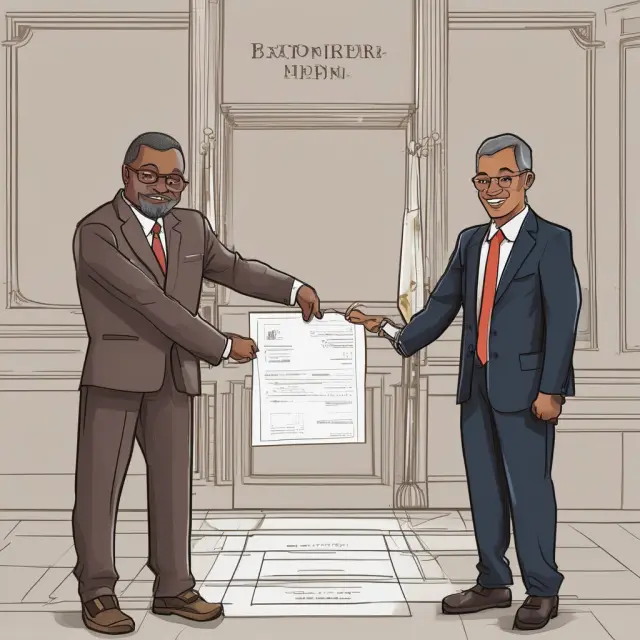
Step by Step Process in Export and Documentary Collection
Documentary collection is a type of trade finance transaction that enables an exporter’s bank to forward shipping documents to the importer’s bank upon receiving payment from the buyer. This intricate process ensures the timely transfer of merchandise and funds between parties, making it a popular choice for international transactions. Let us delve deeper into the steps involved in this intriguing financial dance:
1. Sale Agreement
The first step begins with both the exporter and importer agreeing on the sale price, shipping details, and terms of payment – which is typically a documentary collection.
2. Preparation and Delivery of Goods
Next, the exporter delivers the goods to the freight forwarder or port where they will be exported. The documents are then prepared and sent to the remitting bank, also known as the exporter’s bank.
3. Forwarding Documents to Collecting Bank
The remitting bank forwards the documents to the collecting bank, which is the importer’s bank. This allows the collecting bank to verify that the shipment has been made and that all documents are in order.
4. Request for Payment from Importer
Once the documents arrive at the collecting bank, they are presented to the buyer. The buyer’s bank then demands payment from the buyer for the released documents, either upon sight (immediate) or on a specified date. This is known as sight draft or time draft, respectively.
5. Payment Confirmation
Once the importer pays the invoiced amount or accepts the time draft, the collecting bank releases the documents to the buyer. The buyer can now use these documents to collect their merchandise.
6. Delivery of Merchandise
The importer finally receives their shipped goods and completes the transaction. This process ensures that both parties have fulfilled their obligations – the exporter has been paid, and the importer has received their desired merchandise.
It is important to note that documentary collections carry risks for sellers as they rely on the importer’s bank’s integrity to release documents only after receiving payment. However, the benefits of this method include reduced transaction costs and streamlined logistics compared to other financing methods such as letters of credit or advance payments.

Risks Involved in Documentary Collections
Documentary collections, while a valuable tool for international trade transactions, do involve certain risks for exporters. These risks can be mitigated by understanding them and taking preventative measures.
The primary risk for exporters lies in the potential misuse of the documents involved. As mentioned previously, the shipping documents – including bills of lading and invoices – are essential for releasing title to the merchandise and import clearance. If these documents fall into the wrong hands, an exporter may face financial loss due to fraud or double financing.
Another risk arises when dealing with buyers in countries with weaker legal systems or enforcement of contracts. In such cases, there’s a chance that the buyer might refuse to pay or delay payment after receiving and using the documents, potentially leaving the exporter without recourse. This concern is particularly relevant for transactions involving time drafts, where payment is due at a later date, rather than on sight.
To minimize these risks, it’s crucial for exporters to work with reputable banks that have a strong track record in handling documentary collections. Additionally, they should consider implementing measures such as:
- Verifying the identity and creditworthiness of buyers before engaging in transactions.
- Working with banks that require an irrevocable confirmed draft, which guarantees payment even if the importer fails to honor their commitment.
- Utilizing various shipping and payment security methods, like bank guarantees or documentary collections with a sight draft.
- Maintaining open lines of communication with both the buyer and the banks involved.
- Ensuring all documents are in order before release to minimize the chances of errors or discrepancies that could lead to delays or disputes.
In conclusion, while documentary collections offer benefits for exporters and importers alike, it is essential to be aware of the potential risks involved and take preventative measures to mitigate them. By working with reputable banks, conducting thorough due diligence on buyers, and maintaining effective communication, exporters can significantly reduce their exposure to risk in documentary collections transactions.

Countries where Documentary Collections are Preferred
Documentary collections are a time-tested and efficient method for international trade between trustworthy partners and in countries with strong legal systems. The preference for documentary collection arises from its numerous advantages, which include lower transaction costs, quicker processing times, and reduced reliance on intermediaries compared to other financing instruments such as letters of credit (LC) or open account transactions (OA).
One primary reason that documentary collections are popular in certain countries is their strong legal frameworks. In countries with robust contract enforcement mechanisms, the risks associated with documentary collections can be significantly lower than those of more complex and costly financing methods like LCs. This is because, with documentary collection, both parties—the exporter (issuer) and importer (acceptor)—are held responsible for fulfilling their obligations as outlined in the bill of exchange (draft).
When using documentary collections, banks act as intermediaries that facilitate the exchange of documents between buyers and sellers. The process is simple: once the buyer confirms the shipment’s arrival and authenticates the documents, they provide payment to the exporter’s bank in exchange for the released shipping documents. This method allows both parties to maintain financial and operational independence while ensuring that risk exposure remains within acceptable levels.
Compared to LCs, documentary collections do not require the involvement of issuing or confirming banks, which significantly reduces transaction costs and processing times. However, they still provide similar levels of security for both buyers and sellers. Since the importer’s bank releases the documents only after receiving payment, documentary collections offer protection against non-payment risks. Conversely, exporters also enjoy peace of mind knowing that their banks will not issue documents unless payment has been confirmed.
This form of trade finance is most commonly used in countries where contract enforcement is efficient and reliable. For example, the United States, European Union, Switzerland, Japan, South Korea, and Singapore have well-developed legal systems that make documentary collections a preferred choice for international transactions.
In conclusion, documentary collections serve as an effective and flexible alternative to traditional financing methods, such as letters of credit or open account transactions, in countries with strong legal frameworks and trustworthy trading partners. By enabling both parties to maintain control over their financial transactions while mitigating risks, documentary collections continue to be a popular choice for international trade finance arrangements.

Documentary Collections vs Other Trade Finance Instruments
When comparing documentary collections with other trade finance instruments like letters of credit and advance payments, understanding their differences helps exporters and importers choose the most suitable method for their businesses. Each instrument comes with unique benefits and risks that should be carefully considered before making a transaction.
Let’s compare documentaries collections, letters of credit, and advance payments:
1. Letters of Credit (LC):
A letter of credit is a bank guarantee issued to the seller, ensuring payment will be made if certain conditions are met. The importer opens an account with the bank, which agrees to pay the seller upon presentation of the specified documents. This instrument reduces the risk for both parties by providing financial assurance from the issuing bank and offering the importer protection against receiving damaged or non-conforming goods.
Documentary collections lack this security, as the payment comes directly from the buyer or their bank after documents have been presented. While this method is less expensive, it also comes with additional risks. For instance, the seller may be unaware of any disputes between the buyer and the importer until they are faced with non-payment.
2. Advance Payments:
In an advance payment arrangement, the exporter receives full or partial payment before shipping the goods to the importer. This method is beneficial for both parties, as it reduces risk for the seller and provides the buyer with more time to inspect the merchandise upon arrival before making the final payment. However, advance payments can be costly due to the added fees associated with this arrangement.
Documentary collections contrast by having the importer’s bank release funds in exchange for shipping documents only after receiving payment from the buyer or their bank. This approach reduces the need for upfront payments and offers potential savings on transaction costs.
In conclusion, documentary collections differ significantly from letters of credit and advance payments when it comes to risk management, transaction costs, and financial security. By considering these differences, exporters and importers can make informed decisions about which trade finance instrument best fits their business needs and priorities.
FAQs about Documentary Collection
Documentary collection is an essential yet lesser-known method of trade finance. Below are answers to common questions regarding this process.
What is documentary collection?
Documentary collection, also known as documents against payment or against acceptance, is a trade financing mechanism where the exporter receives payment from the importer in exchange for shipping documents confirming the delivery of goods.
How does it differ from other forms of trade finance?
Compared to advance cash payments and letters of credit, documentary collections are less expensive but carry some added risk as neither bank assumes responsibility for the financial transaction. It is most commonly used between trustworthy parties or in countries with robust legal systems.
What documents are included in a documentary collection?
The primary shipping documents involved include commercial invoices, certificates of origin, insurance certificates, and packing lists. A crucial document, called a bill of exchange or draft, acts as a formal demand for payment from the seller (exporter) to the buyer.
What are the risks involved in documentary collections?
An exporter may face higher risk when dealing with time drafts, which allow the importer to accept and pay later, compared to sight drafts that require immediate payment before document release. However, if the documents are released after acceptance but before payment, there’s a risk the importer might not fulfill their obligation to pay on time or at all.
What is the role of banks in documentary collections?
The remitting bank and collecting bank act as intermediaries between buyers and sellers by handling the exchange of documents and funds. The collecting bank holds the shipping documents until payment has been made from the importer, while the remitting bank releases them once payment is confirmed.
What are the benefits of documentary collections?
Documentary collections offer several advantages, such as reduced transaction costs compared to letters of credit and faster processing times due to fewer formalities involved. Additionally, it can be more convenient for both parties since payment only occurs after goods have been shipped and documents verified.
In which countries is documentary collection most commonly used?
Countries with strong legal systems and reliable enforcement of contracts are more likely to rely on documentary collections as they minimize the need for a third-party intermediary like a letter of credit issuing bank. Common examples include those in Europe, North America, and Northeast Asia.
 Next entry · No. 1,102Understanding the Dodd-Frank Wall Street Reform and Consumer Protection Act: Key Provisions, Impact, and Criticisms
See also
-
 No. 2,906
13 Feb 2025
21 min
Understanding Liquefied Natural Gas (LNG): Global Production, Demand, and Uses
Energy Finance
No. 2,906
13 Feb 2025
21 min
Understanding Liquefied Natural Gas (LNG): Global Production, Demand, and Uses
Energy Finance -
 No. 5,025
05 Aug 2025
19 min
Understanding Trade Finance: Facilitating Global Business Transactions
Business Finance
No. 5,025
05 Aug 2025
19 min
Understanding Trade Finance: Facilitating Global Business Transactions
Business Finance -
 No. 3,400
25 Mar 2025
19 min
Negotiable Instruments: Understanding the Function, Types, and Significance of Transferable Financial Documents
Business Finance
No. 3,400
25 Mar 2025
19 min
Negotiable Instruments: Understanding the Function, Types, and Significance of Transferable Financial Documents
Business Finance -
 No. 1,521
27 Sep 2024
21 min
Understanding Financial Intermediaries: How They Work, Types, Benefits, and Examples
Finance Policy
No. 1,521
27 Sep 2024
21 min
Understanding Financial Intermediaries: How They Work, Types, Benefits, and Examples
Finance Policy -
 No. 1,486
22 Sep 2024
19 min
Understanding the Federal Housing Administration (FHA) Loan: Benefits, Requirements, and Types
Mortgage
No. 1,486
22 Sep 2024
19 min
Understanding the Federal Housing Administration (FHA) Loan: Benefits, Requirements, and Types
Mortgage -
 No. 1,478
21 Sep 2024
20 min
Understanding the Federal Reserve System: Monetary Policy, Banks, and Functions
Finance Policy
No. 1,478
21 Sep 2024
20 min
Understanding the Federal Reserve System: Monetary Policy, Banks, and Functions
Finance Policy