Understanding the Federal Housing Administration (FHA) Loan: Benefits, Requirements, and Types
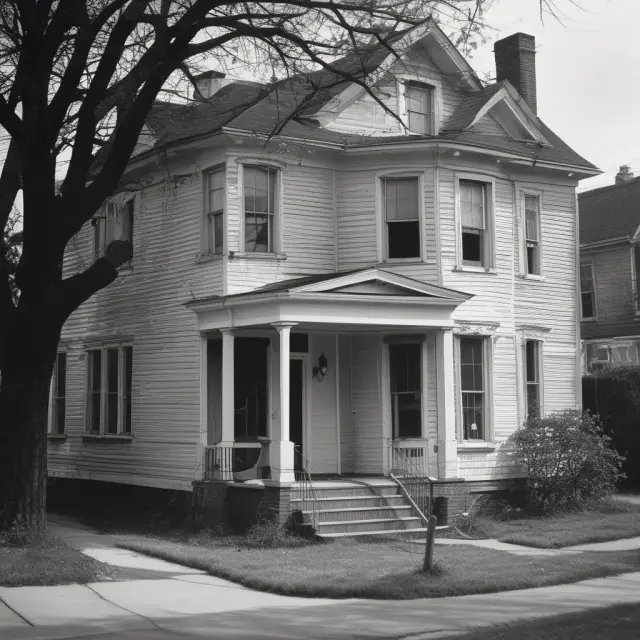
Discover the ins and outs of Federal Housing Administration (FHA) loans: benefits, types, and requirements.
Overview of FHA Loans
A Federal Housing Administration (FHA) loan is a type of mortgage insured by the United States government, enabling homebuyers with lower credit scores and smaller down payments to purchase real estate. FHA loans are designed to make homeownership accessible to those who may not meet the stringent requirements for conventional mortgages. Let’s delve deeper into understanding how an FHA loan works, its eligibility criteria, benefits, and various types.
How Does an FHA Loan Work?
An FHA loan functions as a mortgage issued by approved lenders but insured by the Federal Housing Administration. The FHA guarantees repayment of the loan to the lender in case the borrower defaults, making it easier for banks to approve loans for those with less-than-ideal credit scores and down payments.
Borrowers must purchase mortgage insurance as part of their FHA loan. This insurance protects the lender against potential losses due to the borrower defaulting on their loan or failing to pay property taxes and homeowners insurance. The premiums for this insurance are typically added to the monthly mortgage payment.
The FHA does not directly lend money; instead, it insures loans issued by banks and other financial institutions. This reduced risk for the lender makes them more willing to offer mortgages to those with less-than-perfect credit scores and smaller down payments.
Historically, FHA loans originated as a response to the housing market crisis during the Great Depression. At that time, the homeownership rate in the United States was dismally low, and the majority of Americans were renters instead of homeowners. In an effort to reverse this trend, Congress established the Federal Housing Administration in 1934, with a mandate to make home loans more accessible to the general public.
Understanding FHA Loans: Requirements and Benefits
To qualify for an FHA loan, potential borrowers must meet specific eligibility criteria, including credit score, down payment, debt-to-income ratio, and employment history requirements. Let’s explore these conditions in detail.
Credit Score Requirements: The minimum credit score for obtaining an FHA loan is 500, although a higher score may be preferred by some lenders. Applicants with scores between 500 and 579 must provide a down payment of at least 10%, while those with a credit score of 580 or above can make a down payment as low as 3.5%.
Down Payment: FHA loans require a minimum down payment of 3.5% for applicants with good credit scores and a maximum loan-to-value ratio of 96.5%. If your credit score falls below 580, you may be required to make a higher down payment – up to 10%.
Debt-to-Income Ratio: Your monthly mortgage payment, along with other debts, must not exceed 31% of your gross monthly income. Additionally, all monthly debt payments and the proposed mortgage payment should not exceed 43% of your gross monthly income (the back-end ratio).
Employment History: Prospective borrowers must demonstrate steady employment and income to ensure they can afford the monthly mortgage payments. A minimum employment history of two years is typically preferred, but exceptions may be made for those with shorter employment histories under specific circumstances.
Types of FHA Loans: Traditional Mortgage, HECM (Home Equity Conversion Mortgage), 203(k) Mortgage Program, Energy Efficient Mortgage Program, and Section 245(a) Loan Program.
Stay tuned for the next sections, where we will delve into the various types of FHA loans in detail, including their features, benefits, and eligibility requirements.

How Does an FHA Loan Work?
A Federal Housing Administration (FHA) loan is a popular home financing option that enables individuals with lower credit scores and limited down payments to purchase or refinance properties. In simple terms, an FHA loan is a mortgage issued by a lender that’s insured against default risk by the Federal Housing Administration (FHA). The guarantee from the government reduces the bank’s risk in issuing loans to high-risk borrowers.
The Process of Obtaining an FHA Loan:
When applying for an FHA loan, a potential borrower goes through several steps with the lender. The lender evaluates their credit score and income, verifies their employment history, and assesses their down payment amount. Once approved, the lender issues the mortgage, and the FHA guarantees a portion of it to protect against default.
Banks’ Role in FHA Loans:
While the Federal Housing Administration insures the loans, the actual issuance is carried out by banks or other financial institutions. These institutions have reduced risk since they don’t bear the responsibility for default repayments if a borrower fails to make payments. Applicants are required to purchase mortgage insurance premiums, with the payments going directly to the FHA.
Understanding Mortgage Insurance Premiums:
Mortgage insurance premiums are an essential component of FHA loans. These fees compensate the FHA for assuming risk and guaranteeing a portion of the loan. Typically, FHA borrowers pay a 1.75% upfront mortgage insurance premium (UFMIP) as part of their closing costs and monthly mortgage insurance premiums (MIP), which can range from 0.45% to 1.05%, depending on their loan term and credit score.
In conclusion, an FHA loan is a valuable option for individuals with lower credit scores and limited down payments. Through the government’s guarantee, banks are more willing to issue mortgages to those who might not otherwise qualify. The process involves mortgage insurance premiums paid by borrowers that protect against default risks. In the next section, we’ll discuss the eligibility requirements for obtaining an FHA loan, including credit score and down payment minimums.

Requirements for Obtaining an FHA Loan
Federal Housing Administration (FHA) loans are a popular mortgage option due to their accessibility, which makes them attractive for borrowers with lower credit scores and limited down payments. But what does it take to secure an FHA loan? Let’s discuss the requirements in detail.
Eligibility Criteria
To begin the application process, you must ensure that you meet the following eligibility criteria:
- Be of legal age as determined by your state laws.
- Reside lawfully within the United States.
- Possess a valid Social Security number.
- Demonstrate financial readiness to repay the loan (as evidenced through credit history and income).
Credit Scores
Applicants must have a minimum credit score of 500. However, those with a credit score between 500 and 579 can still apply but will be required to put down a 10% down payment. A credit score of 580 or higher is necessary for a down payment as low as 3.5%.
Down Payment
FHA loans have more flexible down payment requirements compared to conventional mortgages. The minimum down payment is typically 3.5%, but borrowers with lower credit scores may need to put down 10% instead.
Income Verification and Steady Employment History
Lenders will examine your employment history for the past two years, as well as your payment history for bills such as rent or utilities. They require evidence of recent and steady employment to ensure that you have a consistent income stream capable of making mortgage payments. If you’ve been self-employed for less than two years but more than one year, your application may still be considered if you can show a solid work and income history in the same or a related occupation before becoming self-employed.
Demonstrating financial stability is crucial for securing an FHA loan, as the lender must believe that the applicant will be able to make good on their commitment to repay the mortgage. The front-end ratio and back-end ratio should not exceed 31% and 43% of your gross income, respectively.
In summary, FHA loans offer an opportunity for individuals with lower credit scores and limited down payments to purchase a home. By adhering to the eligibility criteria, maintaining good credit, providing a sufficient down payment, and demonstrating a history of steady employment and financial responsibility, you can increase your chances of securing an FHA loan.

Types of FHA Loans: Traditional Mortgage
Federal Housing Administration (FHA) loans offer flexibility and affordability for those who might not otherwise qualify for a mortgage. Among the various types of FHA loans, the traditional mortgage is one of the most popular options. In this section, we’ll discuss what an FHA traditional mortgage is, its down payment requirements, and how it compares to conventional mortgages.
What Is an FHA Traditional Mortgage?
An FHA traditional mortgage is a home loan issued by approved financial institutions in accordance with the guidelines set forth by the Federal Housing Administration (FHA). This type of mortgage allows borrowers to finance their primary residence, typically with more flexible credit and down payment requirements compared to conventional loans. The government’s insurance coverage for the loan reduces the risk associated with lending to potentially less creditworthy individuals.
Down Payment Requirements for an FHA Traditional Mortgage
To be eligible for an FHA traditional mortgage, the following minimum down payment requirements apply:
– Borrowers with a credit score of at least 580 can make a down payment as low as 3.5%.
– Those with scores between 500 and 579 can still qualify but must pay a 10% down payment.
Comparing FHA and Conventional Loans: Credit Scores and Down Payments
While both types of loans serve different borrower profiles, it is crucial to understand how credit scores and down payments differ between the two options.
Credit Score Requirements
– For conventional mortgages, the minimum credit score required ranges between 620 and 640 depending on the lender.
– Conventional loans often grant lower interest rates for those with excellent credit scores above 700.
Down Payment Requirements
– FHA loans offer lower down payment requirements, allowing borrowers to put as little as 3.5% down with good credit.
– Conventional loans usually ask for a minimum of 3% to 20% down depending on the lender’s preference.
In summary, while both types of mortgages offer unique advantages and disadvantages, an FHA traditional mortgage is suitable for those with lower credit scores or limited down payment savings, whereas conventional loans may be preferred by borrowers with better credit profiles and larger down payments available. By understanding the differences between these two loan types, homebuyers can make informed decisions regarding their financing options.

FHA Loans: Home Equity Conversion Mortgage (HECM)
Home Equity Conversion Mortgages (HECMs), commonly known as reverse mortgages, are a type of FHA loan designed for seniors aged 62 and above. This unique mortgage program allows homeowners to tap into their home equity while retaining ownership of the property. Instead of making monthly mortgage payments to a lender, you receive monthly payments from your home’s equity.
Applicants must meet specific requirements to be eligible for an HECM loan:
- Age: Seniors aged 62 and above can apply.
- Property: The primary residence (single-family, townhouse, or approved condominium unit) must be owned outright or nearly paid off.
- Counseling: Participate in an FHA-approved HECM counseling session to understand the financial implications and obligations of the reverse mortgage.
- Financial assessment: Applicants undergo a financial assessment to ensure they meet debt coverage requirements and have adequate resources for property maintenance, property taxes, and insurance payments.
Advantages of an HECM loan:
- Supplemental income: Receive monthly payments to supplement your retirement income, helping you maintain your current lifestyle.
- Access to home equity: You can use the money from a reverse mortgage for any purpose, such as paying off debts, medical expenses, or home improvements.
- Flexible payment options: Choose between receiving monthly payments, a lump sum, a line of credit, or a combination of both.
- No mandatory repayment: As long as you live in the property and pay your property taxes and insurance premiums, there are no monthly mortgage payments to make.
- Freedom from financial uncertainty: A reverse mortgage provides security against potential market fluctuations and unexpected expenses by converting home equity into a reliable source of income.
Disadvantages of an HECM loan:
- Higher upfront costs: Borrowers must pay closing costs, mortgage insurance premiums, and other fees when taking out an HECM loan.
- Reduced estate value: The total amount borrowed, including accruing interest, must be repaid once the homeowner moves or passes away, reducing the remaining equity for heirs.
- Potential tax implications: Consult a tax professional to understand the potential tax consequences of receiving reverse mortgage proceeds and any income generated from them.
- Inheritance complications: If you have dependents or are planning to leave your home as an inheritance, it’s essential to consider how a reverse mortgage may impact their future financial situation.
FHA Loans: 203(k) Mortgage Program
The FHA 203(k) mortgage program is a popular option for those looking to purchase and renovate a property. With this loan, potential homebuyers can finance the cost of necessary repairs, improvements, or upgrades within the loan itself. This makes it an attractive choice for individuals interested in buying fixer-uppers or homes that require some level of restoration.
Benefits of a 203(k) Loan
The key benefits of obtaining a 203(k) loan include:
- All renovation costs are included: One major advantage is the ability to finance all the repairs and upgrades within a single mortgage, making it more convenient for homebuyers.
- Lower down payment: The same low down payment requirements as traditional FHA loans apply to 203(k) mortgages – just 3.5% with a credit score of 580 or higher.
- Flexibility: This loan offers flexibility in terms of the types and extent of renovations, making it suitable for various projects.
Requirements for a 203(k) Loan
To be eligible for an FHA 203(k) mortgage, there are specific requirements that must be met:
- The property must be a single-family home, condominium, townhouse, or multifamily property (up to four units).
- The repairs and improvements must total at least $5,000 but not exceed the maximum limit set by the FHA.
- The borrower must demonstrate that they have the ability to pay the mortgage and the associated renovation costs.
- A consultation with an FHA-approved appraiser is required to assess the property’s value after repairs, ensuring it complies with minimum property standards set by HUD.
Examples of Renovations
Renovations covered under a 203(k) loan can include:
- Structural repairs and improvements (foundation, roofing, walls, etc.)
- Electrical, plumbing, heating, and cooling system upgrades
- Kitchen and bathroom remodels
- Flooring and painting projects
- Exterior work like siding or windows replacement
- Accessibility modifications for individuals with disabilities
- Landscaping and site improvements
Conclusion
The FHA 203(k) mortgage program offers homebuyers the opportunity to finance necessary repairs, renovations, or upgrades within their loan, making it a convenient choice for purchasing fixer-uppers. With lower down payment requirements and the flexibility to accommodate various projects, this loan has proven to be a popular alternative for many individuals in the housing market.
FHA Loans: Energy Efficient Mortgage Program
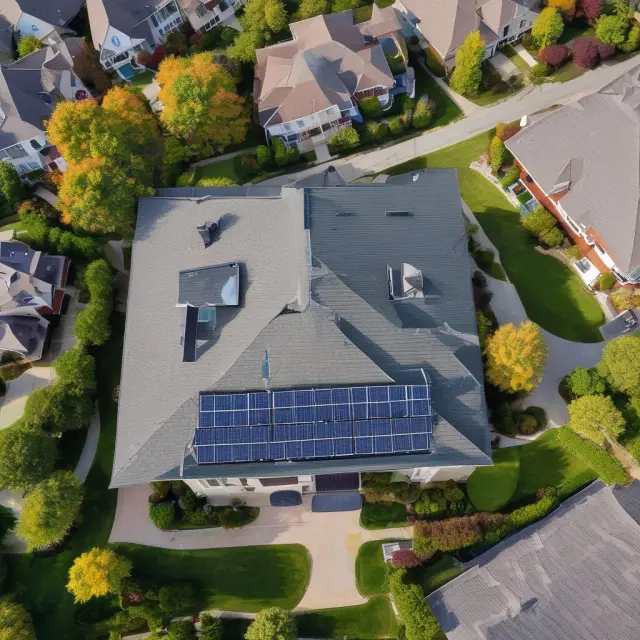
An Energy Efficient Mortgage (EEM) is a mortgage that includes extra funds to pay for energy-efficient home improvements. This program, offered by the Federal Housing Administration (FHA), was designed to help homeowners reduce their utility bills through retrofits and upgrades focused on improving energy efficiency. EEMs can significantly decrease monthly expenses for families, making housing more affordable.
EEMs are attractive for those seeking eco-friendly options, as they provide an opportunity to make home improvements that not only benefit the environment but also lower long-term costs. Improvements may include installing new insulation, solar panels, wind energy systems, or energy-efficient heating and cooling systems. These modifications contribute to a more sustainable living space while increasing property value.
Eligibility for an EEM is contingent upon several factors. First, the homeowner must meet standard FHA loan requirements, which include having a valid Social Security number, proof of employment and income, and a credit score above 500 (minimum 580 for the lowest down payment). Additionally, borrowers are required to provide documentation of their current utility bills and estimates for proposed improvements.
EEMs can be applied for during the mortgage application process or after closing, with the latter referred to as a streamline EEM. Streamlined applications do not require an appraisal if certain conditions are met, simplifying the process for homeowners who wish to make energy-saving upgrades.
When applying for an Energy Efficient Mortgage, it is essential to understand that the borrower’s ability to repay the loan remains a crucial factor in the approval decision. The lender will consider income and debt ratios to ensure that the mortgage payment, along with homeowners insurance and property taxes, does not exceed 31% of their gross monthly income (front-end ratio). Likewise, total monthly debts, including the mortgage, should be less than 43% of the borrower’s gross monthly income (back-end ratio).
The benefits of an Energy Efficient Mortgage go beyond lower energy bills and reduced environmental impact. By financing improvements through the mortgage rather than paying out-of-pocket, homeowners can benefit from lower overall costs due to a longer repayment period. Moreover, this program enables families to make upgrades they might otherwise deem unaffordable, improving their living space while enhancing their long-term financial security.
In summary, the FHA Energy Efficient Mortgage (EEM) is an excellent option for homeowners seeking a more cost-effective and eco-friendly living environment. By offering extra funds to finance energy-efficient improvements, this program can help reduce monthly utility expenses, improve property value, and create a more sustainable and comfortable dwelling space.

FHA Loans: Section 245(a) Loan Program
Understanding the intricacies of the Federal Housing Administration (FHA) loan program can be overwhelming for potential homebuyers due to its wide range of offerings. Among these loan types, one stands out for borrowers expecting their income to increase: Section 245(a) loans. This unique FHA loan option includes two subtypes – Graduated Payment Mortgages (GPMs) and Growing Equity Mortgages (GEMs) – designed to offer more flexibility in payment schedules while keeping the homeownership dream within reach for those with varying financial circumstances.
Graduated Payment Mortgage (GPM): A Low Initial Monthly Payment With a GPM, borrowers benefit from lower initial monthly mortgage payments that gradually increase over time. This feature enables new homeowners to adjust their budgets as their income grows, allowing them to manage their cash flow effectively while working towards building long-term equity in their homes.
Growing Equity Mortgage (GEM): A Flexible Payment Schedule for Long-Term Homeowners
The Growing Equity Mortgage (GEM) offers another solution to suit the unique needs of homebuyers. This loan type features scheduled increases in monthly principal payments, enabling borrowers to reduce their overall loan term and pay off their mortgage faster while simultaneously building greater equity in their property. The growing equity mortgage is especially attractive for those who anticipate higher future income or wish to retire their mortgage sooner.
Benefits of Section 245(a) Loans
Section 245(a) loans cater to homebuyers with varying income trajectories and financial circumstances, making them a versatile loan option for those seeking flexibility in their payment schedules. These loans boast several benefits:
- Adaptability: GPMs and GEMs cater to different borrower needs, offering flexible payment plans that adapt to changing income levels or personal preferences.
- Flexible Income Requirements: FHA’s income requirements are less rigid compared to conventional loans, which makes Section 245(a) loans more accessible for a broader range of applicants.
- Lower Down Payments: Similar to other FHA loans, borrowers can secure this loan type with minimal down payments (as low as 3.5%), making homeownership more affordable.
Requirements for Section 245(a) Loans
To be eligible for a Section 245(a) loan, applicants must meet specific requirements:
- Meet the FHA’s minimum credit score requirement (currently set at 500).
- Demonstrate a steady employment history.
- Prove sufficient income to cover monthly mortgage payments and other debt obligations.
- Provide valid documentation of all financial information, including bank statements, W-2 forms, and pay stubs.
In conclusion, Section 245(a) loans represent an essential component of the FHA loan program, offering valuable benefits for homebuyers with varying income trajectories and financial situations. By providing flexible payment plans through Graduated Payment Mortgages (GPMs) and Growing Equity Mortgages (GEMs), this loan type empowers borrowers to build long-term equity in their homes while managing their cash flow effectively. Ultimately, the Section 245(a) loan program is a crucial stepping stone for many individuals seeking to realize the dream of homeownership.

Comparing FHA Loans to Conventional Loans
When considering a home mortgage, two popular options are the Federal Housing Administration (FHA) loan and the conventional loan. Both loans serve different purposes for various types of borrowers. Here, we compare FHA loans versus conventional mortgages in terms of credit score requirements, down payments, and insurance.
Credit Score Requirements
– FHA Loans: Applicants with a minimum credit score of 580 can secure an FHA loan with a down payment as low as 3.5%. A credit score between 500 and 579 may allow for loan approval, but the borrower must provide a 10% down payment.
– Conventional Loans: Lenders typically require a higher minimum credit score (620 or above) to approve conventional mortgage applications, with down payments ranging from 3% to 20%.
Down Payments
– FHA Loans: The FHA loan requires a smaller down payment compared to conventional loans. With a minimum credit score of 580, the down payment can be as low as 3.5%. If a borrower has a credit score between 500 and 579, they may still qualify with a 10% down payment.
– Conventional Loans: Banks demand varying down payments for conventional mortgages, depending on the lender’s risk assessment of the applicant. Down payments range between 3% and 20%.
Insurance:
– FHA Loans: All FHA loans require mortgage insurance premiums (MIP) to be paid. Upfront MIP can be financed into the loan, while annual MIP must be paid monthly for the life of the loan, even after reaching 20% equity.
– Conventional Loans: Private mortgage insurance (PMI) is required for those making a down payment of less than 20%. PMI is typically cancelled once the homeowner reaches 20% equity in their home. However, some lenders may require mortgage insurance if the loan-to-value ratio remains above 80% or if the borrower’s credit score is below a certain level.
Determining which loan type to pursue depends on factors such as one’s creditworthiness, down payment abilities, and personal preferences regarding monthly payments and long-term costs. Both FHA loans and conventional mortgages have their unique benefits and requirements, making it essential for prospective homebuyers to conduct thorough research before making a decision.

FAQs about FHA Loans
Frequently Asked Questions (FAQs) About Federal Housing Administration (FHA) loans can help clarify the many aspects of this unique home financing option. In this section, we’ll address common questions surrounding eligibility, requirements, and benefits.
Who can apply for an FHA loan?
An FHA loan is designed to help people who struggle to obtain a mortgage from traditional lenders due to their credit score or limited cash reserves. It does not have income restrictions, meaning anyone can apply.
What are the credit requirements for an FHA loan?
To qualify, you must have a minimum credit score of 580, though exceptions can be made for scores between 500 and 579 if you make a down payment of at least 10%. If your credit score is below 580, consult with an FHA-approved lender to discuss your options.
How much is the minimum down payment for an FHA loan?
You can put as little as 3.5% down on a home purchase with an FHA loan, making it more accessible to first-time homebuyers and others who may not have substantial savings.
What is mortgage insurance, and why is it required for an FHA loan?
Mortgage insurance (MIP) is an additional cost that protects the lender against potential losses due to borrower default. Since the federal government insures FHA loans, you’re required to pay two types of MIP: an upfront fee and an annual premium.
Do I have to live in the property to get an FHA loan?
Yes, FHA loans are intended for primary residence home purchases or refinances. If you plan on using the property as a rental or investment property, consider other mortgage options like conventional or portfolio loans.
How long do I need to have a steady employment history for an FHA loan?
To qualify, you must prove that you’ve been employed for at least two years before applying for the mortgage. Self-employed individuals may still be eligible with a solid work and income history in the same or related occupation for the two years prior to becoming self-employed.
Is an FHA loan better than a conventional mortgage?
Ultimately, the best mortgage option depends on your individual circumstances, including credit score, down payment availability, and financial situation. FHA loans may be more suitable for those with poorer credit or limited savings, while conventional mortgages offer lower insurance premiums for borrowers with good credit and a substantial down payment.
What is the difference between an FHA 203(k) loan and a traditional mortgage?
An FHA 203(k) loan allows you to finance the cost of necessary repairs or improvements as part of your home purchase or refinance, making it ideal for those buying fixer-uppers. A traditional mortgage does not include these costs in the loan amount.
Can I use an FHA loan for a second home or investment property?
No, FHA loans are only intended for primary residence purposes, meaning they cannot be used to purchase vacation homes or rental properties. For such transactions, consider alternative financing options like conventional mortgages or portfolio loans.
 Next entry · No. 1,487Understanding the Federal Home Loan Bank System: A Comprehensive Guide for Institutional Investors
See also
-
 No. 1,473
21 Sep 2024
22 min
Understanding the Federal Housing Administration (FHA) and Its Impact on Homeownership
Real Estate
No. 1,473
21 Sep 2024
22 min
Understanding the Federal Housing Administration (FHA) and Its Impact on Homeownership
Real Estate -
 No. 5,960
24 Sep 2026
12 min
10% vs 20% Down: What the Extra $40,000 Is Actually Worth
Mortgage
No. 5,960
24 Sep 2026
12 min
10% vs 20% Down: What the Extra $40,000 Is Actually Worth
Mortgage -
 No. 3,389
24 Mar 2025
19 min
Understanding Negative Amortization: Risks and Considerations for Institutional Investors
Mortgage
No. 3,389
24 Mar 2025
19 min
Understanding Negative Amortization: Risks and Considerations for Institutional Investors
Mortgage -
 No. 3,275
15 Mar 2025
20 min
Understanding Mortgages: A Comprehensive Guide for Institutional Investors
Mortgage
No. 3,275
15 Mar 2025
20 min
Understanding Mortgages: A Comprehensive Guide for Institutional Investors
Mortgage -
 No. 5,938
10 Sep 2026
16 min
Renting vs Buying a Home: The Real Math
Real Estate
No. 5,938
10 Sep 2026
16 min
Renting vs Buying a Home: The Real Math
Real Estate -
 No. 2,763
02 Feb 2025
21 min
Understanding Land Contracts: Seller Financing vs. Bank Financing
Real Estate
No. 2,763
02 Feb 2025
21 min
Understanding Land Contracts: Seller Financing vs. Bank Financing
Real Estate