Understanding the Federal Home Loan Bank System: A Comprehensive Guide for Institutional Investors

A comprehensive guide for institutional investors on the role, structure, benefits, regulation, and future of the Federal Home Loan Bank System.
Introduction to the Federal Home Loan Bank (FHLB) System
The Federal Home Loan Bank (FHLB) System, consisting of 11 regional banks located throughout the United States, plays a vital role in facilitating funding for other banks and lenders to finance various community needs such as housing, infrastructure projects, and economic development. Established during the Great Depression era, this system operates under the oversight of the Federal Housing Finance Agency (FHFA) and is designed to provide a consistent source of cash for its members, primarily focusing on mortgage financing.
History and Role
The FHLB System was created in response to the economic turmoil caused by the Great Depression. With the intention of reviving the housing market and stimulating economic growth, the system provides low-cost funds to member banks, allowing them to lend more freely and affordably to their customers. While the FHLB is overseen by a government bureau, it does not receive any direct taxpayer funding; instead, the 11 regional banks within the system are privately capitalized cooperatives.
Structure:
The structure of the FHLB System includes both regional banks and member institutions. Member banks purchase stock in their respective FHLBank and must engage in real estate lending as a condition for membership. The FHLBanks issue consolidated obligations (bonds) to raise funds, which are backed collectively by all 11 banks within the system, creating a lower-risk investment opportunity.
Key Services
FHLBs offer various services aimed at supporting their members, primarily focusing on mortgage financing and community investments. This includes long-term and short-term loans called “advances,” which member banks can then pass along to their own customers in the form of lower interest rates. FHLBs also provide specialized grants and loans for affordable housing projects, economic development initiatives, and other programs designed to improve local communities.
Evolving Through History
Throughout its nearly 90-year history, the FHLB System has seen numerous changes in membership, regulations, and oversight bodies. Initially created under the Federal Home Loan Bank Act of 1932, it was designed to help revive the housing market during the Great Depression. Over time, the system expanded to include various federal programs such as the Affordable Housing Program, Community Investment Program, Mortgage Partnership Finance Program, and Mortgage Purchase Program. As membership evolved from primarily savings and loan institutions to commercial banks and insurance companies, regulations have adjusted accordingly.
Current State
With approximately 6,600 members consisting of banks, credit unions, thrifts, and certified community development financial institutions, the FHLB System plays a crucial role in maintaining a consistent funding stream for its members. As of December 31, 2021, the combined assets held by these 11 regional banks amounted to $723.2 billion. Despite occasional challenges and criticisms, the FHLB continues to be a vital component in the U.S. financial system.
Conclusion:
In conclusion, the Federal Home Loan Bank System represents a significant piece of American economic history, providing consistent funding opportunities for member banks and contributing to the growth and development of local communities through mortgage financing and other supportive programs. While its structure and focus may evolve over time, its mission to promote affordable housing and support economic growth remains as important today as it was during the Great Depression.
Structure of the FHLB System: Ownership, Capitalization, and Funding
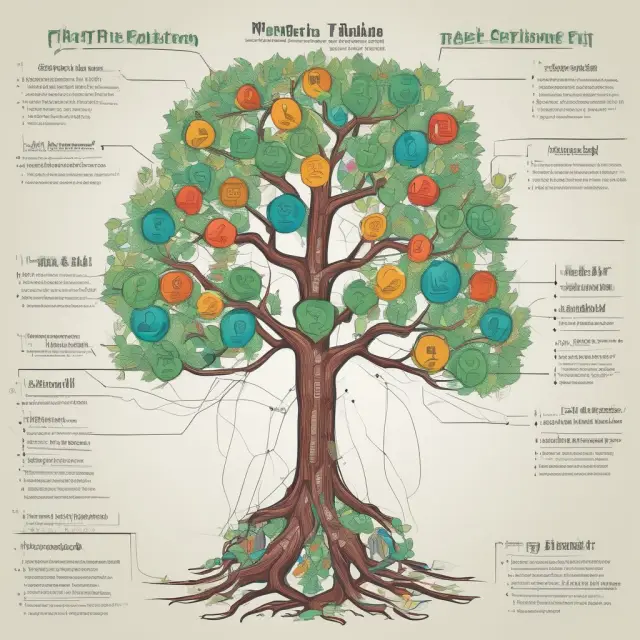
The Federal Home Loan Bank (FHLB) System is a cooperative network comprised of 11 regional banks in the United States. Each bank is privately owned by its member institutions – local financial entities that are required to engage in real estate lending as part of their membership. These banks, while not funded directly by the government, issue consolidated obligations (bonds) on the open market to generate funds for providing loans and grants to their members.
Cooperative Nature
The FHLBs operate as a cooperative system. Membership is restricted to financial institutions that actively participate in real estate lending or community investment initiatives. The unique ownership structure of these banks allows them to maintain lower costs and overhead, which in turn enables them to provide their members with access to low-cost loans for mortgage financing and other community investments.
Capitalization:
The FHLBs do not receive any direct government funding; instead, they are capitalized by their member institutions. The cooperative structure allows these banks to issue stocks and maintain a strong balance sheet while providing essential services to their members. Members of the FHLB gain equity as they invest in the bank by purchasing stock, which also entitles them to participate in decision-making processes within the organization.
Funding:
The FHLBs raise funds primarily through issuing consolidated obligations (COs)—securities backed collectively by all banks in the system—in the capital markets. The FHLB Office of Finance, responsible for debt issuance on behalf of all 11 regional banks, manages this process. While each bond is issued individually by an FHLBank, they are collectively guaranteed by the entire system, providing investors with a lower-risk investment opportunity.
Funding Methods
The FHLBs provide liquidity to their members through various funding methods such as advances (short-term loans), long-term mortgages, and credit facilities. The cooperative structure allows member institutions to borrow funds from the FHLB at a lower cost than they could secure elsewhere, allowing them to extend credit to their own customers more easily.
The FHLBs’ primary focus is on mortgage financing and related community investments. They offer both short-term and long-term loans to their members, which are then passed along to consumers and businesses in the form of home mortgages and other forms of credit. Additionally, they provide specialized grants and loans for affordable housing and economic development projects, with the aim of creating stronger communities and improving living standards.

FHLB Services: Types and Focus Areas
The Federal Home Loan Bank System (FHLB) prides itself on offering various services tailored to its members, primarily focusing on mortgage financing and community investments. As cooperatives, the 11 regional banks within the network provide their member institutions with access to essential funds at competitive rates. The benefits extend beyond low-cost loans by incorporating specialized grants and initiatives aimed at enhancing affordable housing and economic development.
Long-Term and Short-Term Loans: FHLBanks serve as a significant source of liquidity for their members, offering both long-term and short-term loans known as advances. The flexibility to choose the tenor of loans allows banks to meet their specific funding needs efficiently and effectively.
Mortgage Financing: A major emphasis lies within mortgage financing. While FHLBs do not ensure or guarantee mortgage loans like other government-sponsored enterprises, such as Fannie Mae and Freddie Mac, they provide a vital service by acting as intermediaries between member banks. This setup enables these financial institutions to lend to their customers at more competitive rates, which translates into affordable housing options for individuals and families.
Community Investments: The Federal Home Loan Bank System is deeply committed to supporting community investments. By providing funds, FHLBs enable their members to invest in local projects that contribute to infrastructure development, economic growth, and overall quality of life within their communities.
Specialized Grants and Loans for Affordable Housing: To increase affordable housing opportunities, the Federal Home Loan Bank System offers specialized grants and loans through various programs. The Affordable Housing Program (AHP) and Community Investment Program (CIP), among others, are aimed at enhancing and expanding affordable housing initiatives across the country.
Mortgage Partnership Finance Program: The Mortgage Partnership Finance (MPF) program is a popular initiative that allows FHLB members to sell mortgage loans originated through their portfolio to an FHLBank for subsequent securitization and sale in the secondary market. This collaboration between member institutions and FHLBs fosters increased liquidity, reduced risk exposure, and improved access to capital markets for community lenders.
The 11 regional Federal Home Loan Banks play a crucial role in sustaining the flow of funds that support both individual and community needs. Their services extend beyond traditional banking by addressing specific concerns and challenges faced within the housing sector. Through their focus on mortgage financing, community investments, and specialized grants and loans, these cooperatives remain at the forefront of financial innovation, ensuring their continued relevance in today’s dynamic marketplace.

History of the FHLB System: Creation, Evolution, and Significant Milestones
The Federal Home Loan Bank (FHLB) System was established during The Great Depression to provide financial relief and stimulate economic growth in the United States. Its creation came through the passage of the Federal Home Loan Bank Act of 1932, marking the beginning of this cooperative network that would go on to become a vital component of the U.S. housing finance system.
Originating during one of the nation’s most challenging periods, the FHLB was designed to address the devastating effects of The Great Depression, particularly within the banking industry. With the goal to make homeownership more accessible and encourage mortgage lending, the Federal Home Loan Bank Act provided the framework for a system of 12 regional wholesale banks. This initial structure mirrored the 12 Federal Reserve Regional Banks. Each bank would provide banks in its region with access to low-cost funds specifically for mortgages, enabling them to lend more freely and stimulate demand in the residential real estate market.
The FHLB was initially funded with a total of $125 million. It was overseen by the Federal Home Loan Bank Board, which was responsible for ensuring its mission remained on track. However, significant changes would occur over time as the financial landscape and regulatory environment evolved.
As the banking industry adjusted in response to The Great Depression, so did the FHLB System. One key development saw savings and loan institutions dominating the membership roster. This trend continued until the 1980s and ’90s, when the Savings and Loan Crisis led to a decline in their numbers. In their place, commercial banks and insurance companies emerged as the primary members of the FHLB network.
The Federal Home Loan Bank Board was dissolved in 1989, with regulatory responsibility shifting to the Federal Housing Finance Board (FHFB) and the Office of Thrift Supervision (OTS). Since 2008, the system has been regulated by the Federal Housing Finance Agency (FHFA), which maintains a critical role in ensuring the financial stability and soundness of the FHLB System.
Over its almost nine-decade history, the FHLB’s impact on the housing market and economy has been substantial. Proponents argue that it plays an essential role in facilitating the continuous flow of funds to the residential mortgage market, making homeownership more accessible for millions while also providing funding for rental properties, small businesses, and community development initiatives. Critics, however, claim the FHLB’s use of federally subsidized programs can distort housing market economics, potentially leading to irresponsible lending practices and volatile real estate cycles.
Today, the FHLB System is composed of 11 regional banks that manage a combined total of over $723 billion in assets as of December 31, 2021. This impressive figure underscores the significant role the FHLB plays within the U.S. financial landscape and its ongoing commitment to supporting community investments and mortgage lending.
Key Players: FHLBanks, Members, and Oversight Agencies
The Federal Home Loan Bank System (FHLB) consists of 11 regional banks known as Federal Home Loan Banks (FHLBanks), which act as a bridge between the central banking system and commercial financial institutions. These banks are unique in that they are cooperatives, owned by their member institutions. Let’s delve deeper into the role of these banks, their members, and the oversight agencies that regulate them.
FHLBanks: Role and Interactions with Member Institutions
The FHLBanks are spread across 11 regions in the U.S., each serving specific states or areas. They provide funds to member institutions, acting as a primary source of liquidity for these banks. The FHLBanks operate on a cooperative basis, meaning that they share risks and rewards among their members. This structure allows them to offer competitive funding solutions and maintain low operating costs.
A bank becomes a member of the FHLBank by purchasing stock in the regional bank that serves its area. Membership is a significant commitment, as banks must engage primarily in real estate lending activities to join. Once admitted into the cooperative, members can access a range of services, including discount window borrowing facilities and various funding programs.
The FHLBanks offer different types of advances, such as securities-backed lines of credit, term advances, and standing purchase and sale agreements. These advances serve to help member institutions meet their reserve requirements or fund specific projects while keeping a sufficient amount of liquidity on hand. In return for this access to funds, the FHLBanks charge interest rates that are typically lower than what members could obtain from other sources.
The strong relationship between FHLBanks and their members is evident in their reciprocal nature, as the success of one institution often impacts the others. For instance, when a member bank experiences financial difficulties, its challenges can spread to the FHLBank and its fellow members. Conversely, the performance of a healthy member bank positively contributes to the stability and growth of the entire cooperative.
Oversight Agencies: Current and Historical Perspectives
The Federal Home Loan Bank System is overseen by the Federal Housing Finance Agency (FHFA), an independent agency within the U.S. Department of Housing and Urban Development. The FHFA’s role encompasses regulation, supervision, and oversight of both FHLBanks and other housing-related entities, such as Fannie Mae and Freddie Mac.
The FHLB System’s history has seen numerous changes in regulatory bodies. Its origins date back to the Federal Home Loan Bank Act of 1932, which established the Federal Home Loan Bank Board (FHLBB) to oversee the system. The FHFB was created in its place in 1989, while oversight responsibility was transferred to the Office of Thrift Supervision (OTS). Since then, the FHFA has held the mantle since 2008.
These regulatory agencies play a critical role in ensuring that the FHLBanks maintain strong financial performance and operate within the guidelines set forth by their respective statutes. By enforcing rules related to capital adequacy, liquidity, risk management, and internal controls, they help safeguard the stability of the broader financial system.

Benefits and Criticisms: Perspectives on FHLB’s Role in the U.S. Financial System
The Federal Home Loan Bank (FHLB) System is a unique entity within the U.S. financial system, offering significant benefits to its member institutions and communities they serve while also attracting criticism for various reasons. In this section, we will discuss both sides of the FHLB coin: the advantages it brings in terms of housing finance and economic growth, as well as criticisms that question its role in the economy and potential risks.
Advantages and Impact on Housing Finance
FHLBanks provide low-cost loans to their member institutions, allowing them to extend mortgages with favorable terms to individuals seeking homeownership. FHLBs have been instrumental in maintaining a steady supply of funding for the residential mortgage market, thereby increasing affordability and accessibility of housing across the United States. Additionally, they offer specialized programs focused on affordable housing and economic development, which help create stronger communities by encouraging investment in essential infrastructure and local businesses.
One of the most significant impacts of FHLBs is their ability to facilitate homeownership, making it an achievable goal for more Americans. As a result, millions have been able to secure mortgages and build stable lives for themselves and their families. Furthermore, providing funding for rental properties and small businesses helps create jobs and spur economic growth.
Criticisms and Potential Risks
Despite these advantages, there are valid criticisms of the FHLB System. Some argue that it can distort market economics by creating an unfair advantage for member institutions in accessing funding, potentially leading to irresponsible lending practices and financial instability. Furthermore, critics question whether the federal government should play a role in subsidizing the mortgage industry through its support of the FHLB System.
Another concern is that the increasing interconnectedness of the financial system could result in distress among FHLBanks spreading more widely throughout the capital markets and the economy if any difficulties arise. The recent growth in FHLB membership and reliance on FHLB funding further intensifies this risk. In fact, there have been instances where FHLB institutions faced financial difficulties, such as the case of FHLB Seattle that led to its merger with FHLB Des Moines. However, it’s important to note that during the 2008 financial crisis, FHLBanks did not require a government bailout, unlike their counterparts Fannie Mae and Freddie Mac.
In conclusion, the Federal Home Loan Bank System offers significant benefits in terms of providing affordable housing opportunities and economic growth. However, its role in the U.S. financial system is not without controversy and potential risks. Balancing these factors requires a nuanced understanding of the FHLB’s unique structure, impact on the economy, and the perspectives of various stakeholders.

Current State: Assets, Membership, and Market Size
The Federal Home Loan Bank (FHLB) System has remained a critical pillar in the U.S. financial landscape since its establishment during the Great Depression. Today, FHLBanks continue to play an essential role in providing funds to their member banks and lenders for various purposes, including housing, infrastructure, economic development, and community investments.
Recent Financial Performance and Assets Held by FHLBanks
As of December 31, 2021, the total combined assets held by the 11 regional FHLBanks amounted to $723.2 billion – a testament to their substantial presence in the financial sector (Federal Housing Finance Agency). Over the past year, these banks have continued to issue consolidated obligations in the capital markets to raise funds for lending purposes.
Membership and Reliance on FHLB Funding
The current makeup of FHLB members includes around 6,600 banks, credit unions, insurance companies, thrifts, and certified community development financial institutions (Federal Home Loan Bank). These institutions rely heavily on the low-cost funding provided by FHLBanks to offer competitive rates and terms to their own customers. In fact, approximately 80% of U.S. lending institutions count on Federal Home Loan Banks for this crucial support.
Size and Importance of the Federal Home Loan Bank System in the U.S. Economy
The FHLB System’s significance goes beyond its sizeable financial resources; it plays a vital role in stimulating economic growth by enabling members to extend credit to individuals and businesses, particularly those that may not have access to traditional financing sources. This support for community investments, affordable housing, and infrastructure projects ultimately enhances the quality of life for millions of Americans.
In conclusion, the Federal Home Loan Bank System stands as a critical contributor to the U.S. financial sector. Its 11 regional banks provide essential funds to member institutions to finance various initiatives that create economic opportunities and improve living standards. With its strong financial performance, extensive membership base, and significant impact on the economy, the FHLB System continues to serve as a cornerstone of the nation’s financial infrastructure.
Regulation: Past and Present
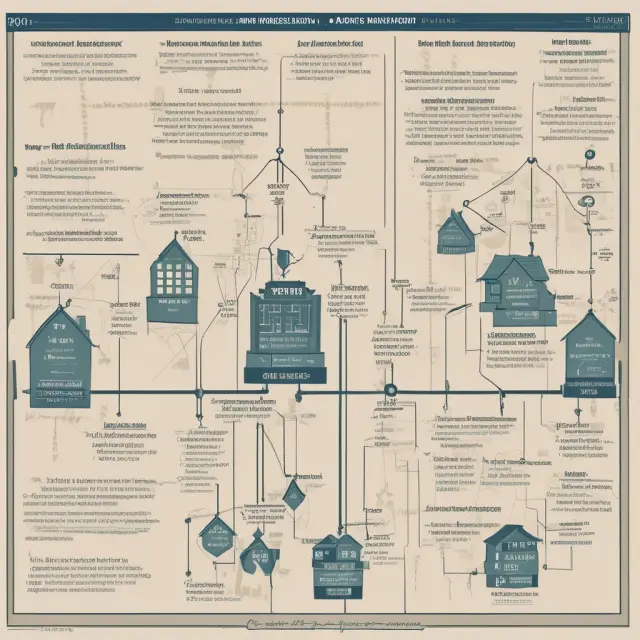
The Federal Home Loan Bank System’s (FHLB) regulatory framework has seen several changes throughout its history, transitioning from the Federal Home Loan Bank Board to the Office of Thrift Supervision and finally being overseen by the Federal Housing Finance Agency. Understanding this evolution is crucial for investors considering FHLB securities as part of their portfolio.
Originally, the FHLB was regulated by the Federal Home Loan Bank Board. Established in 1932 under the Federal Home Loan Bank Act, it oversaw the 12 regional Federal Home Loan Banks (FHLBanks) and set banking policies for member institutions. However, this board was discontinued in 1989, with regulatory responsibility transferred to the Federal Housing Finance Board (FHFB) and oversight to the Office of Thrift Supervision (OTS).
During its tenure, the OTS maintained a strong focus on maintaining the financial stability of thrift institutions. Following the Savings and Loan Crisis in the late 1980s and 1990s, the OTS took several actions to address weaknesses within the system, including strengthening capital requirements, improving risk management practices, and increasing supervisory efforts.
In 2008, the Housing and Economic Recovery Act (HERA) created the Federal Housing Finance Agency (FHFA) to oversee Fannie Mae, Freddie Mac, and the 12 Federal Home Loan Banks. The FHFA took over all regulatory responsibilities from the OTS in January 2009. This marked a significant shift for the FHLBs as the FHFA assumed greater oversight of the banks’ business operations, capital plans, stress testing requirements, and financial reporting.
The FHLBs remain under the purview of the FHFA today, allowing the agency to maintain an active role in ensuring their continued financial stability and adherence to safe and sound banking practices. This oversight is crucial as FHLBs play a vital role in providing funding and liquidity to other banks and lending institutions, facilitating mortgage financing and community investments that contribute to economic growth.

Future Outlook: Challenges and Opportunities for FHLBanks
The Federal Home Loan Bank System (FHLB) has been a cornerstone of the U.S. financial system since its creation during the Great Depression. While it has faced several challenges throughout history, it continues to adapt and evolve in response to changing economic conditions and market developments. In this section, we’ll examine some potential challenges that FHLBanks may face in the coming years as well as opportunities for growth within their mission.
Challenges: Increasing Interconnectedness in the Financial System
One of the most significant challenges facing FHLBanks is the increasing interconnectedness in the financial system. As banks and other financial institutions become more connected, there is a heightened risk that any distress among FHLBanks could spread more widely throughout the capital markets and the economy. In fact, this very concern was at the heart of the discussion surrounding FHLB Seattle’s merger with FHLB Des Moines in 2015.
Another challenge for FHLBanks is maintaining their relevance as the financial landscape continues to change. With the emergence of new fintech companies and non-bank lenders, traditional banks face increased competition. To remain competitive and continue providing value to their members, FHLBanks must adapt to these changes and find ways to offer innovative solutions that differentiate them from competitors.
Opportunities: Expanding Reach and Growth
Despite the challenges, there are also significant opportunities for growth within the Federal Home Loan Bank System. One potential area of expansion is in the realm of community investments. By increasing their focus on affordable housing, economic development, and other initiatives aimed at improving neighborhoods and supporting local economies, FHLBanks can continue to fulfill their mission while generating value for their members.
Another opportunity lies in collaborating with fintech companies and non-bank lenders. While these entities may pose a threat, they also represent potential partners that could help FHLBanks expand their reach and offer new services to their members. By embracing technology and partnering with innovative organizations, FHLBanks can create synergies that benefit both parties while enhancing their overall value proposition.
Conclusion: The Future of the Federal Home Loan Bank System
The future of the Federal Home Loan Bank System is filled with challenges and opportunities alike. While there are risks associated with increasing interconnectedness in the financial system, there is also potential for growth through expanded community investments and collaborations with fintech companies and non-bank lenders. As FHLBanks continue to evolve and adapt to changing market conditions, they will remain a vital component of the U.S. financial landscape and an essential resource for their members.

FAQs: Commonly Asked Questions About the Federal Home Loan Bank System
One of the most frequently asked questions about the Federal Home Loan Bank (FHLB) System revolves around its nature. Here are some common inquiries and their corresponding answers to help clarify the misconceptions surrounding this vital financial system.
Is FHLB a Government Agency or Bank?
No, the Federal Home Loan Bank System is not a government agency. It was established by the Federal Home Loan Bank Act of 1932 as a cooperative network of 11 regional banks in the U.S. While it is overseen by the Federal Housing Finance Agency (FHFA), it is not a government entity itself.
What Role Do FHLBs Play in the Financial System?
FHLBanks act as intermediaries between borrowing banks and the capital markets. They provide low-cost loans, known as advances, to their member institutions, allowing them to extend credit to consumers and businesses for home purchases or community investments.
How Many FHLBs Are There?
The Federal Home Loan Bank System consists of 11 regional banks that serve various geographic areas across the United States. These banks provide funding to around 6,600 member institutions, including commercial banks, savings and loans, credit unions, insurance companies, and certified community development financial institutions (CDFIs).
How Does FHLB Funding Work?
FHLBanks issue consolidated obligations in the capital markets to raise funds for their operations. These debt instruments are collectively backed by all 11 banks in the system, making them a relatively low-risk investment for buyers. The interest rates on these loans are then passed down to the member institutions, who can use this funding to extend credit to customers.
What Types of Loans Does FHLB Provide?
FHLBs offer both long-term and short-term loans to their members. Their primary focus is real estate financing, including mortgage financing and community investments aimed at affordable housing and economic development. They also act as secondary market outlets for members interested in selling mortgage loans.
How Do FHLBs Impact the Economy?
FHLBanks play a crucial role in the U.S. economy by ensuring that funds flow to various sectors, including housing and small businesses. By providing low-cost financing options to their member institutions, they help stimulate economic growth and development. However, critics argue that FHLBs’ federally subsidized programs can lead to irresponsible lending practices and volatile real estate markets.
What Happened to the Seattle and Des Moines Banks?
In 2015, FHLB Seattle merged with FHLB Des Moines due to financial difficulties. However, it’s important to note that overall, FHLB practices remain strong. During the subprime mortgage crisis of 2008, for example, FHLBanks did not require any government bailouts and increased their lending efforts when other sources of funding dried up.
In conclusion, understanding the Federal Home Loan Bank System is crucial for investors and financial professionals looking to gain insight into this vital piece of the U.S. financial infrastructure. By addressing common misconceptions through FAQs and a comprehensive exploration of the FHLB’s structure, services, history, and impact, readers can deepen their knowledge and appreciation for this essential cooperative network.
 Next entry · No. 1,488Understanding Fiat Money: Advantages, Disadvantages, and Examples
See also
-
 No. 1,700
24 Oct 2024
19 min
Understanding Fully Vesting: Key Considerations for Institutional Investors
Business Finance
No. 1,700
24 Oct 2024
19 min
Understanding Fully Vesting: Key Considerations for Institutional Investors
Business Finance -
 No. 4,374
13 Jun 2025
21 min
Understanding Relief Rallies: Definition, Identification and Implications for Institutional Investors
Business Finance
No. 4,374
13 Jun 2025
21 min
Understanding Relief Rallies: Definition, Identification and Implications for Institutional Investors
Business Finance -
 No. 3,369
22 Mar 2025
18 min
Understanding Normal-Course Issuer Bids (NCIB): A Canadian Stock Repurchase Program for Institutional Investors
Business Finance
No. 3,369
22 Mar 2025
18 min
Understanding Normal-Course Issuer Bids (NCIB): A Canadian Stock Repurchase Program for Institutional Investors
Business Finance -
 No. 3,350
21 Mar 2025
18 min
Understanding the National Stock Exchange of India Limited (NSE): A Comprehensive Guide for Institutional Investors
Business Finance
No. 3,350
21 Mar 2025
18 min
Understanding the National Stock Exchange of India Limited (NSE): A Comprehensive Guide for Institutional Investors
Business Finance -
 No. 3,300
17 Mar 2025
20 min
Understanding Multi-Factor Models: The Key Tool for Institutional Investors
Business Finance
No. 3,300
17 Mar 2025
20 min
Understanding Multi-Factor Models: The Key Tool for Institutional Investors
Business Finance -
 No. 3,298
17 Mar 2025
21 min
Maximizing Diversification: Understanding Multi-Asset Class Investing for Institutional Investors
Business Finance
No. 3,298
17 Mar 2025
21 min
Maximizing Diversification: Understanding Multi-Asset Class Investing for Institutional Investors
Business Finance