Understanding Durable Goods Orders: A Comprehensive Guide for Institutional Investors

A comprehensive guide for institutional investors on understanding durable goods orders, their significance as an economic indicator, and interpreting the…
Overview of Durable Goods Orders
Durable goods orders is a monthly survey conducted by the U.S. Census Bureau that provides insight into industrial activity, acting as a significant economic indicator for investors and economists. This section sheds light on the definition, significance, and role of durable goods orders within the broader manufacturing sector.
Definition and Significance
Durable goods orders reflect the total value of new orders placed with domestic manufacturers for delivery of long-lasting manufactured goods in the near term or future. The change in the total value is measured and released to the public as an essential economic indicator, revealing trends about the economy’s health. By understanding durable goods orders data, investors can make informed decisions based on future earnings potential for manufacturing industries such as machinery, technology, and transportation.
As a critical economic indicator, durable goods orders provide more depth than most indicators when assessing supply chain dynamics and identifying the long-term sales and earnings outlooks for various sectors.
Economic Indicator
Durable goods orders serve to gauge business and consumer confidence levels in the economy. Companies tend to purchase durable goods only when they believe the economic climate is improving, suggesting an upward trend. Conversely, a decline in orders may point to a downturn. By monitoring trends in durable goods orders, investors can assess the future direction of the manufacturing sector and its impact on overall economic growth.
Role in Manufacturing Sector
The manufacturing sector contributes significantly to the economy, and durable goods orders offer valuable insights into this area. Durable goods are items that last for at least three years, including machinery, industrial equipment, computers, aircraft, and even large commercial planes. As companies infrequently purchase these items, an uptick in orders can create a ripple effect in the manufacturing industry, potentially leading to increased employment opportunities and higher stock prices.
Stay tuned for the next section, where we will dive deeper into what durable goods actually are and explore some real-life examples of this vital economic indicator.

What are Durable Goods?
Understanding durable goods orders involves examining new orders placed with domestic manufacturers for the delivery of long-lasting manufactured goods, commonly referred to as durable goods. This monthly survey conducted by the U.S. Census Bureau serves as a significant economic indicator for investors due to its ability to reveal trends within the supply chain. Durable goods orders offer unique insights into industries such as machinery, technology manufacturing, and transportation, making them an essential tool for assessing earnings potential.
Durable goods are characterized by their longevity: they last three years or more. Examples of durable goods include machinery, computer equipment, industrial machinery, raw steel, steam shovels, tanks, and commercial airplanes. Large orders in these sectors can greatly influence the month-to-month results, making it essential to consider excluding data from the defense and transportation industries when analyzing trends.
The release of durable goods orders comes in two parts: an advance report on durable goods and manufacturers’ shipments, inventories, and orders. By understanding these reports, investors can gain valuable insight into the manufacturing sector, which plays a crucial role in economic growth.
Why Do Durable Goods Orders Matter to Investors?
Durable goods orders provide essential information about the health of economies and are closely monitored by investors for several reasons:
- Earnings Potential: By examining durable goods orders, investors can assess future sales and earnings potential in industries such as machinery, technology manufacturing, and transportation. A high number indicates an improving economy and growing demand for these products.
- Business Confidence: Durable goods orders help gauge business confidence and economic optimism. When businesses invest in new equipment or technologies, it suggests they believe the economy will continue to strengthen.
- Consumer Spending: The manufacturing lead time on capital goods is usually longer than that of consumer goods. By examining durable goods orders trends, investors can anticipate future changes in consumer spending as business confidence and earnings increase.
- Supply Chain Insights: Durable goods orders offer valuable insights into the entire supply chain, from raw materials to production and distribution. This information can help investors make informed decisions about which sectors and industries are most likely to experience growth or challenges.
- Economic Indicator: Durable goods orders are an essential economic indicator as they provide a strong indication of future economic conditions. Investors rely on this data to help them make more informed investment decisions.
Investing in the Context of Durable Goods Orders: Best Practices
To effectively invest based on durable goods orders, consider these best practices:
- Monitor Long-Term Trends: Rather than relying solely on month-to-month fluctuations, it’s important to focus on long-term trends in the data. By averaging several months of results, investors can obtain a more accurate representation of the health of various industries and sectors.
- Exclude Defense and Transportation Sectors: While durable goods orders are comprehensive, their volatility necessitates excluding industries with significant seasonal fluctuations or external factors that can significantly impact orders, such as defense and transportation.
- Stay Informed on Global Economic Conditions: Given the global scale of manufacturing, trade wars between countries can influence investor decisions based on durable goods orders data. Stay informed about potential economic policy changes to ensure a proper understanding of market conditions.
- Consider Market Sentiment and Psychology: Durable goods orders are influenced by both economic factors and market sentiment. Keep track of market psychology to gain a more complete perspective on the investment landscape.
- Diversify Your Portfolio: Investing based solely on durable goods orders data can be risky. To minimize portfolio risk, consider diversifying your holdings across various sectors and industries. This approach will help ensure long-term growth while minimizing exposure to any single sector’s volatility.
By following these best practices, investors can effectively utilize durable goods orders data to inform their investment decisions and stay ahead of market trends.

Measuring Durable Goods Orders: Methodology and Data Releases
Durable goods orders is a vital economic indicator for assessing the health of manufacturing industries and providing insight into future sales and earnings potential for various sectors. Conducted monthly by the U.S. Census Bureau, this comprehensive survey focuses on new orders placed with domestic manufacturers for long-lasting manufactured goods, termed durable goods. These items are characterized as having a lifespan exceeding three years, such as machinery, technological equipment, and industrial machinery (BLS, 2018). The Census Bureau reports the total value of these orders in two separate releases: the advance report on new orders for durable goods and the manufacturers’ shipments, inventories, and orders report.
The Advance Report on Durable Goods
This initial release, released approximately two weeks after the month end, reveals the percentage change from the previous month and the total value of new orders for the reporting period (Census Bureau, n.d.). The data is broken down into sectors such as transportation equipment, defense aircraft, and computers. It’s important to note that advance reports are considered preliminary and may be subject to revisions in subsequent months.
Manufacturers’ Shipments, Inventories, and Orders Report:
The second release, typically available three to four weeks after the month end, provides a more detailed analysis of manufacturers’ shipments, inventories, orders, order backlogs, and cancellations (Census Bureau, n.d.). This report offers a comprehensive assessment of economic activity within various industries, allowing for a more nuanced understanding of trends.
The significance of durable goods orders data lies in its ability to provide insight into the manufacturing sector’s performance and future sales potential. A high number indicates a strengthening economy, while a decrease signals an economic downturn. The data is also useful for identifying business spending trends, which can influence investor decisions and overall market sentiment.
When analyzing durable goods orders data, it’s essential to consider special situations such as trade wars and tariffs that can impact business spending on new equipment and appliances. For instance, the imposition of tariffs between major trading partners can cause uncertainty, leading businesses to delay investments in capital goods. Conversely, tax incentives or monetary policy changes can boost orders for durable goods and contribute to a positive economic outlook.
In conclusion, durable goods orders play an integral role in understanding current industrial activity and predicting future trends within the manufacturing sector. By closely examining the data from these monthly reports, investors can make informed decisions regarding potential investments in various industries and asset classes, ultimately contributing to a well-rounded investment strategy.
FAQs:
What is the difference between durable goods and non-durable goods?
Durable goods are manufactured items that last for three years or more, whereas non-durable goods typically have a lifespan of less than three years.
How often is the durable goods orders data released?
The advance report on new orders for durable goods is released approximately two weeks after the end of the month, while the manufacturers’ shipments, inventories, and orders report is released about three to four weeks after the month end.
What industries are included in the durable goods sector?
Major sectors within the durable goods category include transportation equipment, defense aircraft, computers, machinery, and electrical equipment.
Why are durable goods orders important for investors?
Durable goods orders provide insight into future sales and earnings potential for various industries, helping investors make informed decisions regarding investments in stocks or bonds. Additionally, they can serve as an indicator of the overall economic climate.
How does trade policy affect durable goods orders?
Trade policies such as tariffs can impact businesses’ spending on new equipment and appliances, potentially leading to a delay or reduction in durable goods orders. Conversely, tax incentives or monetary policy changes can boost orders for durable goods and contribute to a positive economic outlook.
Interpreting the Data: Understanding Trends and Volatility
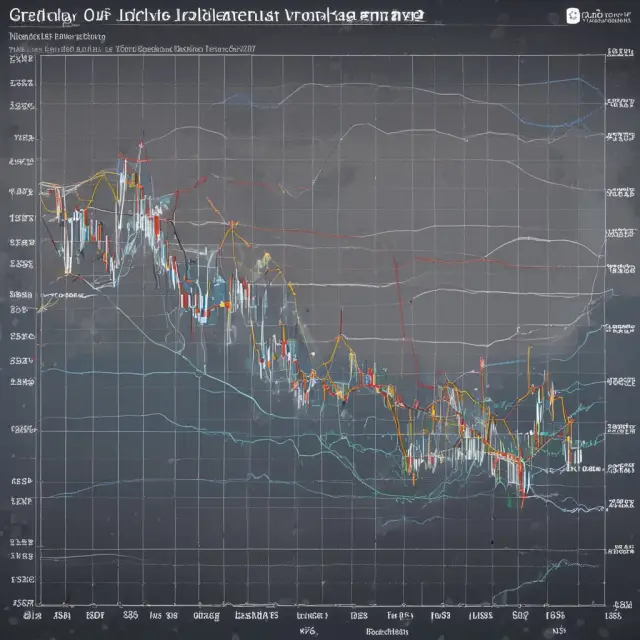
When deciphering durable goods orders data, it’s essential to understand trends and volatility for making informed investment decisions. Durable goods orders provide insight into both current industrial activity and future sales potential in key industries like machinery, technology manufacturing, and transportation. Let us explore how trends and volatility impact this important economic indicator.
Trends: By observing the overall trend in durable goods orders, investors can gather valuable insights about the health of various industries and the economy as a whole. A rising trend typically indicates increased confidence among businesses and consumers, which may result in higher investment in long-lasting goods. Conversely, a declining trend may indicate economic uncertainty, potentially leading to decreased spending on new equipment and appliances. Moreover, trends can help investors determine the potential impact on sales and earnings for companies involved in manufacturing or supplying durable goods.
Volatility: Durable goods orders data is often subjected to volatility due to the nature of long-term investment cycles and external factors such as trade policies. Revisions are also a common occurrence given the time it takes for factories to build and deliver products, making it essential to consider multiple months’ worth of data when analyzing trends.
For example, during periods of economic growth, businesses may place large orders for new equipment or machinery to expand production capacity, causing a sudden surge in durable goods orders. On the other hand, downturns can lead to significant decreases in demand and result in lower orders, as businesses cut back on investments to conserve cash.
A critical aspect of interpreting durable goods orders data is understanding the role of trade policies and external factors on business spending and investment decisions. For instance, during times of heightened trade tensions or uncertainty, companies might delay investments due to the perceived risk, causing a short-term dip in durable goods orders. This could impact various industries differently depending on their reliance on international markets for production or supply chain logistics.
By taking these trends and volatilities into account when assessing durable goods orders data, investors can better anticipate future sales and earnings potential for companies within the manufacturing sector while also gaining a deeper understanding of the economic environment.

The Economic Impact of Durable Goods Orders
Durable goods orders hold significant importance for investors as they offer insights into the economic health of industries such as machinery, technology manufacturing, and transportation. By analyzing trends in durable goods orders, investors can assess the current state of business and consumer confidence, predict potential future sales and earnings growth, and evaluate the overall impact on the manufacturing sector.
Businesses typically invest in durable goods when they are confident about the economy’s direction, making an increase in durable goods orders a clear indicator of an uptrending economy. Additionally, the manufacturing sector, which represents a major component of the overall economic output, heavily relies on durable goods orders to gauge future production demands and workforce needs. Conversely, decreasing durable goods orders can suggest that businesses are hesitant to invest in new projects, leading to potential reductions in employment opportunities and slower economic growth.
Consumer confidence plays a critical role in shaping durable goods orders as consumers tend to purchase long-lasting items like appliances, vehicles, and electronics when they feel optimistic about the economy’s future prospects. A surge in durable goods orders can thus serve as a leading indicator of improved consumer sentiment and an overall strengthening economic climate. Conversely, declining durable goods orders may reflect growing uncertainty among consumers, potentially signaling a downward trend.
Durable goods orders data can also be volatile and prone to revisions due to their long-term nature. As such, investors often analyze multiple months of averages to account for this volatility and gain a more comprehensive understanding of the trends affecting various industries. Additionally, seasonal adjustments may be necessary to accurately interpret the impact of durable goods orders data, particularly when considering volatile sectors like transportation and defense.
Trade policies such as tariffs can significantly influence durable goods orders by altering business spending patterns. For instance, businesses may delay investments or scale back their purchasing plans in response to potential tariff implications, creating uncertainty that can negatively impact the overall economic growth. Historical examples, such as the Great Recession, illustrate the significant role durable goods orders play in reflecting broader economic trends and predicting future sales and earnings possibilities for various industries.
By closely monitoring trends in durable goods orders, investors can make informed decisions regarding potential investments and adjust their portfolios accordingly to capture opportunities arising from changing business and consumer sentiment.

Special Considerations: Trade Wars and Tariffs
Durable goods orders data can offer significant insights for institutional investors regarding economic trends, especially when it comes to understanding how trade wars and tariffs might impact business spending. When countries engage in trade conflicts or impose tariffs on imports from each other, businesses may be reluctant to invest in new equipment or make large purchases due to potential cost increases.
Trade tensions between the US and China serve as a prime example of this phenomenon. Several American manufacturers rely on Chinese suppliers for raw materials or source components from them while assembling their products domestically. In response to trade disputes, businesses might be reluctant to invest in new machinery and technology, fearing higher costs due to potential tariffs on imported parts or raw materials.
The psychological effect of looming trade wars can also lead to reduced spending on durable goods. Companies may hold off on investing in new equipment and technology until the situation becomes clearer. This uncertainty can create a ripple effect, causing lower orders for durable goods, which could potentially lead to a slowdown in manufacturing sector growth.
Moreover, looking back at history reveals that trade tensions have significantly affected durable goods orders data. The Great Recession from 2007-2009 serves as a stark reminder of this relationship. During this period, businesses slashed their investments in new equipment and technologies due to lower demand from consumers, who were also reining in spending amidst economic uncertainty. This resulted in a sharp decline in durable goods orders, with the numbers plunging by 38% between December 2007 and March 2009.
Thus, it is crucial for institutional investors to stay updated on geopolitical developments that could impact trade relationships and subsequently influence durable goods orders data. By monitoring these trends, they can make informed investment decisions and gain a competitive edge in the market.

How to Use Durable Goods Orders Data for Investing
Understanding the long-term potential for sales and earnings is a critical aspect of investing in various industries, especially those heavily reliant on durable goods. The data released monthly in the “Advance Report on Durable Goods” and the “Manufacturers’ Shipments, Inventories, and Orders” reports provides investors with valuable insights into these trends, helping them make informed decisions based on the health of the manufacturing sector.
Durable goods orders are essential indicators for monitoring the economy’s overall direction since they reflect new orders placed by businesses and consumers for long-lasting manufactured goods with delivery scheduled in the near term or future. These goods include machinery, technology equipment, raw steel, commercial planes, and other items designed to last three years or more. Investors often focus on durable goods orders excluding the defense and transportation sectors due to their volatility.
By analyzing durable goods orders data, investors can anticipate the economic trends that influence future sales and earnings potential for various industries. For example, an increase in durable goods orders suggests a strong economy with improving business and consumer confidence, leading to higher demand for expensive items. On the other hand, decreasing orders indicate a contracting economy and potential weakness in earnings for companies that produce or sell these long-lasting goods.
One important consideration when interpreting durable goods orders data is their volatility and susceptibility to revisions. As a result, analysts typically assess trends over several months to gain a more comprehensive understanding of the underlying patterns and trends in the manufacturing sector. In doing so, investors can use this information to identify potential investment opportunities and evaluate risks associated with various industries and companies.
Additionally, trade disputes between countries may lead to businesses reducing their spending on durable goods due to uncertainty surrounding raw material sourcing and production costs. The imposition or threat of tariffs can further impact manufacturers by altering their cost structures, ultimately affecting the demand for durable goods and influencing earnings potential.
Understanding how durable goods orders data can be used is crucial for institutional investors seeking a comprehensive perspective on the health of the manufacturing sector and its impact on overall economic growth. By monitoring trends and staying informed about this essential economic indicator, investors can effectively anticipate shifts in market conditions and make strategic decisions based on accurate information.

Interpreting the Data: Seasonal Adjustments and Exclusions
Seasonality is a factor that can have a significant impact on durable goods orders data, especially when considering trends over time or comparing one month’s data to another. To address seasonal fluctuations, the Census Bureau performs seasonal adjustments to smooth out monthly data, making it easier for analysts and investors to interpret trends more accurately. Seasonally adjusted figures account for known seasonal patterns in economic data, allowing researchers to identify underlying economic movements.
The advance report on durable goods orders includes two sets of numbers: the unadjusted number and the seasonally adjusted number. The unadjusted figure represents the raw, unfiltered data collected by the Census Bureau, while the seasonally adjusted data reflects the impact of seasonal trends removed to reveal the underlying economic conditions.
Two sectors often excluded from durable goods orders analysis due to their significant seasonality are defense and transportation. Defense spending is influenced by government contracts that can result in large order increases or decreases depending on geopolitical events and budget appropriations. Transportation, specifically airplanes, experiences strong monthly variations as orders can be highly concentrated in a few large orders, making it difficult to evaluate trends without removing their impact.
Investors who rely on durable goods orders data for investment decisions should understand that seasonal adjustments and exclusions are crucial when evaluating the underlying economic conditions. By taking these factors into account, investors can make more informed decisions about market trends and capitalize on potential investment opportunities.
Here’s an example of how understanding seasonality impacts the interpretation of durable goods orders data. In December 2019, Boeing announced a large order for aircraft, causing a surge in transportation-related durable goods orders that could potentially overshadow other sectors’ performance during the month. By excluding transportation or adjusting for seasonal factors, analysts can gain a clearer understanding of the trends and fluctuations affecting manufacturing industries as a whole.
In conclusion, the Census Bureau’s durable goods orders survey is an essential economic indicator that provides insight into the current state of industrial activity. Understanding how to interpret data, including seasonal adjustments and exclusions, is crucial for investors seeking to make informed decisions based on trends within the manufacturing sector. By keeping these considerations in mind, investors can gain a more accurate representation of underlying economic conditions and capitalize on potential investment opportunities.

Conclusion: Durable Goods Orders as a Critical Economic Indicator
Durable goods orders hold immense significance for investors and economists as an economic indicator, providing valuable insights into the manufacturing sector’s current activity and future trends. By understanding durable goods orders and their potential implications, we can make more informed decisions when it comes to our investments.
To recap, durable goods orders are new orders placed with domestic manufacturers for delivery of long-lasting manufactured goods in the near term or future. Durable goods include machinery, equipment, and items that last three years or more, such as computers, industrial machinery, steam shovels, raw steel, airplanes, and commercial planes. The Census Bureau releases two reports each month on durable goods orders: an advance report and manufacturers’ shipments, inventories, and orders.
As a leading economic indicator, durable goods orders provide insights into business and consumer confidence, economic growth, and the health of key industries like machinery, technology manufacturing, and transportation. A strong increase in durable goods orders typically signals a growing economy, while a decrease might indicate an economic downturn. It’s important to note that this data can be volatile, so analysts often look at trends over several months to make accurate assessments.
However, it is crucial to consider special circumstances that could impact the manufacturing sector and durable goods orders. For instance, trade wars between countries and tariffs can significantly influence businesses’ decisions regarding new equipment investments, leading to changes in durable goods orders and potential consequences for the broader economy. The 2007-2009 recession offers a prime example of how volatile durable goods orders can be, as they plummeted by almost 40% during that period due to businesses cutting back on capital investment amidst uncertain economic conditions.
In conclusion, understanding durable goods orders and their implications is crucial for investors seeking to make informed decisions based on the latest data available. By staying up-to-date with this essential economic indicator and monitoring trends in the manufacturing sector, we can identify opportunities for long-term investments and gain a competitive edge.

FAQ: Frequently Asked Questions about Durable Goods Orders
What are durable goods orders?
Answer: Durable goods orders refer to the total value of new orders placed with domestic manufacturers for the delivery of long-lasting manufactured goods, which can last three years or more. These items include machinery and equipment, transportation equipment, computers, electronics, and other similar products.
How is the data collected?
Answer: The U.S. Census Bureau conducts a monthly survey to gather the data for durable goods orders. This information comes from approximately 5,000 manufacturing companies, which supply data on new orders received during the survey month for a selected sample of their total orders.
What is an advance report on durable goods?
Answer: The advance report on durable goods, also known as New Orders—Durable Goods, is published around 15 days after the end of each month by the U.S. Census Bureau. This release contains preliminary data on new orders for all sectors except defense and transportation, providing investors with a timely snapshot of economic activity.
What are manufacturers’ shipments, inventories, and orders?
Answer: A more comprehensive report, Manufacturers’ Shipments, Inventories, and Orders (Census Bureau Series M3), is published approximately 45 days after the end of each month. This detailed report covers new orders for all manufacturing sectors, including defense and transportation industries, and includes data on manufacturers’ shipments, inventories, and orders for the previous month.
Why are durable goods orders an essential economic indicator?
Answer: Durable goods orders serve as a valuable economic indicator because they give insights into the health of various industries—specifically machinery, technology manufacturing, and transportation—which can help investors understand future sales and earnings potential. By measuring new orders for long-lasting items, investors can anticipate demand for these products in the months to come.
What sectors are excluded from durable goods orders data?
Answer: Two sectors, defense and transportation, are often excluded from durable goods orders analysis due to their significant volatility. Defense spending can fluctuate significantly based on government contracts, while the transportation sector is subject to seasonal demand patterns. Investors prefer to focus on orders excluding these sectors for a more stable analysis of economic trends.
What is the relationship between durable goods orders and business confidence?
Answer: Durable goods orders are linked to the level of business and consumer confidence in the economy. When companies and consumers believe the economy is improving, they are more likely to invest in new equipment and appliances. A surge in durable goods orders can indicate a positive economic outlook.
What impact do trade wars have on durable goods orders?
Answer: Trade tensions between countries can lead to businesses and consumers delaying their investment decisions for new equipment or technology due to uncertainty about tariffs and potential price increases. This, in turn, can result in lower durable goods orders and a negative impact on the manufacturing sector.
How do revisions to durable goods orders data affect investors?
Answer: The volatile nature of durable goods orders data often results in revisions, which can influence investors’ decisions. Revisions may be due to changes in classification of orders or late reporting by manufacturers. Investors should be aware that the figures may change, and it is essential to consider several months of averages for a more accurate assessment of trends.
 Next entry · No. 1,155Understanding Duration in Fixed Income Investing: Measuring Sensitivity to Interest Rate Changes
See also
-
 No. 2,232
20 Dec 2024
18 min
Understanding the NAHB/Wells Fargo Housing Market Index: A Key Indicator for Investors
Business Finance
No. 2,232
20 Dec 2024
18 min
Understanding the NAHB/Wells Fargo Housing Market Index: A Key Indicator for Investors
Business Finance -
 No. 5,712
01 Oct 2025
17 min
Understanding Wholesale Trade: A Key Economic Indicator for Institutional Investors
Business Finance
No. 5,712
01 Oct 2025
17 min
Understanding Wholesale Trade: A Key Economic Indicator for Institutional Investors
Business Finance -
 No. 2,633
22 Jan 2025
20 min
Understanding the Job Openings and Labor Turnover Survey (JOLTS): An Indicator for Institutional Investors
Business Finance
No. 2,633
22 Jan 2025
20 min
Understanding the Job Openings and Labor Turnover Survey (JOLTS): An Indicator for Institutional Investors
Business Finance -
 No. 2,560
16 Jan 2025
19 min
Understanding the ISM Manufacturing Index: A Comprehensive Guide for Institutional Investors
Business Finance
No. 2,560
16 Jan 2025
19 min
Understanding the ISM Manufacturing Index: A Comprehensive Guide for Institutional Investors
Business Finance -
 No. 1,740
30 Oct 2024
20 min
Understanding Gapping: Types, Causes and Trading Strategies in Finance
Business Finance
No. 1,740
30 Oct 2024
20 min
Understanding Gapping: Types, Causes and Trading Strategies in Finance
Business Finance -
 No. 1,389
08 Sep 2024
20 min
Understanding Excise Taxes: A Comprehensive Guide for Institutional and Professional Investors
Business Finance
No. 1,389
08 Sep 2024
20 min
Understanding Excise Taxes: A Comprehensive Guide for Institutional and Professional Investors
Business Finance