Understanding Gapping: Types, Causes and Trading Strategies in Finance

Discover the intricacies of gapping in finance - Understand types, causes, and effective trading strategies.
What is Gapping?
Gapping is an intriguing phenomenon that occurs when the price of a financial asset opens at a level significantly different from its previous close, without any trading activity between the two. This difference in price levels creates a discontinuity on a security’s price chart, known as a gap. These occurrences can be seen in various securities, including stocks, currencies, and commodities, whenever markets open after extended hours or when major news events cause sudden shifts in market sentiment.
Understanding the concept of gapping is crucial for investors and traders alike, as it can provide valuable insights into potential trading opportunities and the overall trend of an asset. In this section, we will explore the various types of gaps, their causes, and how they can be used to inform trading strategies.
Types of Gaps:
Gapping comes in different shapes and sizes, depending on the magnitude of the price difference and its relation to the broader trend. Four primary types of gaps exist, each with distinct characteristics and implications for traders: common gaps, breakaway gaps, runaway gaps, and exhaustion gaps.
Common Gaps
These are the most frequent type of gap, occurring when the price difference between the open and close is relatively small. Common gaps do not carry significant analytical value as they typically represent normal market fluctuations and do not usually result in large profits or losses for traders.
Breakaway Gaps
A breakaway gap represents a larger price difference that occurs when a stock breaks out of a well-defined trendline, support level, or resistance level. Breakaway gaps signify the beginning of a new trend and can provide significant opportunities for traders looking to capitalize on the emerging trend. They often serve as powerful confirmation signals, suggesting that the underlying trend is likely to continue for an extended period.
Runaway Gaps
Runaway gaps occur during strong trends and represent significant price differences in the direction of the prevailing trend. These gaps confirm the strength of the trend and can lead to substantial profits for traders who enter positions following the gap formation. As with breakaway gaps, runaway gaps may provide essential confirmation signals, indicating that a trend is likely to continue until a significant counter-trend force emerges.
Exhaustion Gaps
An exhaustion gap represents a large price difference that occurs near the end of a trend or during periods of strong market volatility. These gaps are considered bearish, as they suggest that the underlying trend is nearing its exhaustion and may be due for a reversal. Exhaustion gaps can provide valuable opportunities for traders to enter short positions before a potential trend reversal or take profits on long positions before a significant correction occurs.
Stay tuned for further exploration of gapping, including their causes, trading strategies, and examples in our upcoming sections!
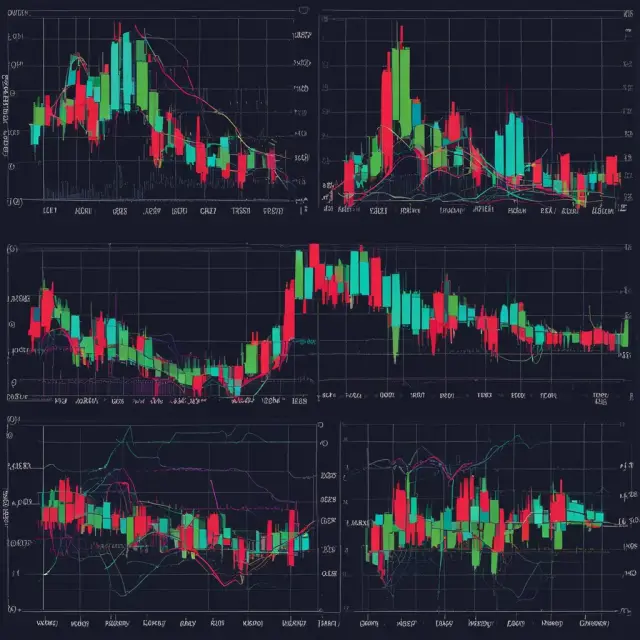
Types of Gaps
Understanding the different types of gaps – common, breakaway, runaway, and exhaustion – is crucial for traders as each gap provides a distinct signal. In finance, gapping refers to a price discontinuity when the opening price is significantly different from the previous day’s closing price with no trading activity in between.
1. Common Gaps:
Common gaps occur frequently and are typically partial gaps, meaning that the gap size is relatively small compared to other types of gaps. These gaps don’t offer significant analytical insights since the price difference is minimal and usually insignificant.
2. Breakaway Gaps:
Breakaway gaps are full gaps that occur when a security breaks through significant resistance or support levels, signaling the start of a new trend. These gaps indicate a strong shift in sentiment, and the following price movement tends to continue in the gap direction for several weeks.
3. Runaway Gaps:
Runaway gaps are another type of full gap that occurs during an ongoing trend. They represent a significant price move that further confirms the strength of the existing trend. Runaway gaps are typically large and can offer valuable information to traders regarding potential market trends.
4. Exhaustion Gaps:
Exhaustion gaps occur when a strong trend is nearing its end and represent the final surge in price movement before a reversal. These gaps appear near the end of an uptrend or downtrend and can be identified by their size, which is often larger than usual. A significant shift in market sentiment follows exhaustion gaps, and they can act as critical signals for traders looking to enter a new trend.
In summary, understanding different types of gaps, their significance, and when they occur in the financial markets is essential for successful trading strategies. By analyzing common, breakaway, runaway, and exhaustion gaps, traders can make informed decisions based on price movements and market trends.

Gapping: When and Where it Occurs
In finance, gapping refers to a significant difference or discontinuity in the price of a security between trading sessions. This phenomenon can be observed when a stock opens at a price significantly different from its closing price on the previous day, with no intervening trades recorded. Gapping may occur in any instrument where trading is not continuous but can also happen in securities that trade 24 hours a day.
Gapping can manifest as partial or full gaps:
– Partial gap: The opening price is higher or lower than the previous close, but within the previous day’s range.
– Full gap: The open is outside of the previous day’s range.
Understanding the occurrence and significance of gapping requires insight into their various types, causes, and implications for trading strategies.
Gaps can be categorized based on their position in the overall trend or price movement:
Common gaps – These are minor price movements, with little significance, as they fall within the previous day’s price range, offering limited analytical value.
Breakaway gaps – A breakaway gap occurs when a security breaks through significant resistance or support levels, indicating a shift in market sentiment and potential for a strong trending move.
Runaway gaps – Large price gaps that occur during a powerful trend can serve as confirmation of the existing trend’s strength and continuity.
Exhaustion gaps – Occurring near the end of a trend, exhaustion gaps signal a possible reversal in the market direction.
A gap can lead to the filling or gap-down/gap-up situation where the price moves back to fill the gap. However, not all gaps get filled, especially for breakaway and runaway gaps. Understanding when and where gapping may occur is essential for traders and investors alike.
Stocks typically experience gaps following earnings announcements or unexpected news events during non-trading hours when markets are closed. Currencies can also gap as a result of changes in global economic conditions, interest rates, or political developments. In volatile markets, where rapid price swings are common, gapping is more likely to occur frequently.
In conclusion, gapping is an important concept for traders and investors as it offers insight into the market’s underlying sentiment and potential trending movements. Understanding different types of gaps and their significance can help in making informed trading decisions and maximizing opportunities.

Understanding Common Gaps
Common gaps are partial gaps that occur frequently and have limited significance. They represent differences between the closing price of one trading day and the opening price of the next without any significant move in the underlying asset price after the gap formation. While common gaps may seem insignificant, they can provide clues to potential trends or reversals.
Common Gaps: Characteristics and Significance
Characteristics of common gaps include:
– Small size compared to other types of gaps
– Lack of major news or announcements contributing to the gap
– Limited follow-through after the gap formation
Despite their apparent insignificance, common gaps can be important indicators for short-term traders. They might signify a potential trend reversal if they occur within an established uptrend or downtrend. In some cases, common gaps could represent a pause in an ongoing price movement before resuming the trend.
Common Gaps: Examples and Significance in Trading
Consider the example of a stock with a long-term uptrend showing frequent common gaps. A trader who has been holding a long position might be concerned if they notice a large common gap forming during their holding period. This may indicate that the price is losing momentum, and it could be a sign that the trader should consider selling or reducing their position to minimize potential losses.
On the other hand, a short-term trader might see an opportunity to enter into a buy position if they notice a common gap in a downtrended stock. A gap down in a downtrend can sometimes signal a short-term reversal before resuming the trend lower. However, it is crucial for short-term traders to exercise caution when considering entering positions based on common gaps as they may not always result in profitable trades.
Conclusion
Common gaps are an essential concept in understanding the world of finance and investment. While they might seem insignificant due to their small size and frequent occurrence, they can provide valuable insights for both long-term and short-term traders. By recognizing common gaps’ characteristics and potential implications, investors and traders can make informed decisions and adjust their strategies accordingly.
However, it is essential to remember that common gaps are not always reliable indicators of future price movements. They should be used in conjunction with other technical and fundamental analysis tools for more accurate predictions and risk management.
In the next section, we will delve deeper into breakaway gaps – full gaps that signal a strong trending move. Stay tuned to learn how to use these powerful indicators to maximize your trading opportunities.

Breakaway Gap: Signal for Strong Trending Moves
The term ‘gapping’ refers to a significant price difference between the previous day’s closing price and the opening price of a financial instrument, with no trading activity in-between. One common occurrence of gapping is when market fundamentals change rapidly during hours when markets are typically closed, such as after earnings reports or company news releases. Gapping can manifest in stocks, currencies, and other assets, signaling shifts in the overall trend. This section will focus on breakaway gaps, their significance, and how they indicate strong trending moves.
Breakaway gaps represent a substantial price change that occurs when the price opens significantly above or below previous support or resistance levels. These gaps signal a shift in market sentiment, as large-scale buying or selling pressure has caused a considerable gap between the closing price of one trading day and the opening price on the subsequent day. Breakaway gaps typically occur after extended consolidation periods, signaling the start of a new trend.
For instance, let’s consider an example involving a tech stock that has been trading in a narrow range for several weeks. The stock suddenly experiences a breakaway gap when important news is released, such as a promising earnings report or significant acquisitions/mergers, which creates a surge in demand that leads to a large price gap upwards. This move confirms the beginning of an uptrend, with subsequent price action confirming the continuation of this trend.
Breakaway gaps can be characterized by their size and the strong sentiment driving them. They often indicate significant shifts in market dynamics, which may lead to profitable trading opportunities for those willing to capitalize on these trends. Traders might enter positions following a breakaway gap, aiming to ride the trend until a potential exhaustion or reversal occurs. In contrast, some traders may use this opportunity to fade the gap, entering trades opposite to the prevailing trend and aiming to profit from eventual price corrections.
To summarize, breakaway gaps represent an essential concept in technical analysis for understanding trends and shifts in market sentiment. By analyzing these gaps, traders can gain valuable insights into potential trading opportunities and position themselves accordingly to benefit from emerging trends.

Runaway Gaps: Large, Confirming the Trend
Investors and traders alike encounter various types of gaps when studying price charts. One such type is a runaway gap. A runaway gap is a significant price gap that occurs during an ongoing trend. This gap reinforces the directional trend by suggesting that there’s more room for the stock to move in that particular direction.
Runaway gaps typically follow a breakaway gap, which marks the beginning of a new trend. These large gaps can occur in either uptrends or downtrends and are often associated with high trading volume. A runaway gap demonstrates strong investor conviction and may indicate a considerable move in the asset’s price.
Understanding Runaway Gaps: When and Where They Occur
Runaway gaps appear when there’s an extended period of price movement in one direction, with no significant resistance or support levels in sight. In other words, the gap represents the momentum of the trend continuing unabated, making it a powerful indicator for traders.
For instance, in an uptrend, a runaway gap will occur when the stock opens significantly higher than its previous close, leaving a large void in the price chart. Similarly, during a downtrend, a runaway gap presents itself as an extended drop below the previous closing price, creating a noticeable gap on the downside.
The Significance of Runaway Gaps: Trading Implications and Strategies
Traders can use runaway gaps for both confirmation of existing trends and entry points into new positions. A runaway gap signals a continuation of the prevailing trend, indicating strong investor sentiment in that direction. This information can be valuable to traders looking for opportunities to capitalize on the move or hedge their current positions accordingly.
One potential strategy is to enter a long position during an uptrend once a runaway gap occurs. Conversely, if a downtrend is present, a short position could be initiated following a significant downside runaway gap. However, it’s important to note that this approach carries risk and should only be executed after performing thorough analysis and considering potential stop-loss orders.
Another strategy involves waiting for the price to retrace to or near the previous day’s close before entering a position. This method reduces the initial risk of entering too early, but it may also limit potential profits if the trend continues unabated without retracement.
In conclusion, runaway gaps are important indicators in finance and investment, providing valuable information on price trends and investor sentiment. These large gaps can confirm existing trends and offer entry points for traders looking to capitalize on continued market movements. Proper analysis and risk management techniques should be employed when using runaway gaps as part of a trading strategy.
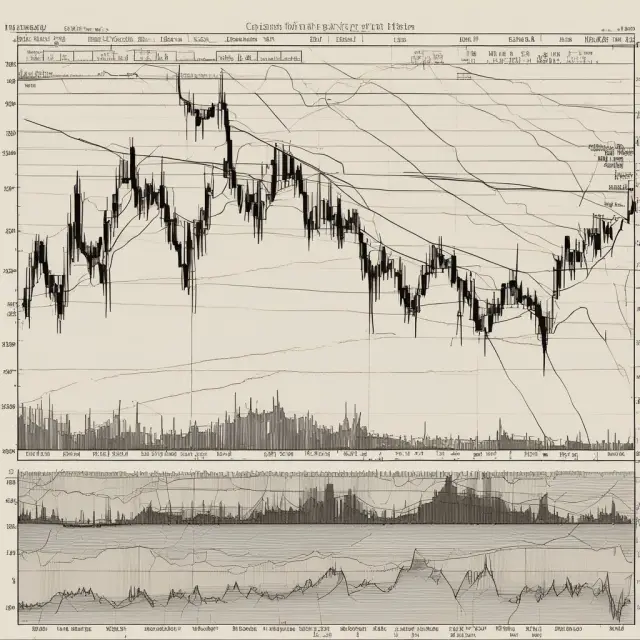
Exhaustion Gap: Signal for Reversals
An exhaustion gap occurs when the stock or security experiences a significant price movement after which there’s a pullback or reversal. These gaps typically appear at the end of an uptrend or downtrend, serving as a potential indication of a forthcoming trend reversal. Understanding how exhaustion gaps work can help traders capitalize on these situations and make informed decisions regarding their positions.
Types of Exhaustion Gaps
There are three primary types of exhaustion gaps: common, breakaway, and runaway gaps. Common gaps occur when the price moves slightly beyond the previous day’s range but typically fill quickly without significant trend continuation. Breakaway gaps form when a strong trending move breaks through significant resistance or support levels and is followed by continuous price action in the same direction. Runaway gaps are similar to breakaway gaps, but they occur during an already established trend, indicating that the trend’s strength has not waned and will likely continue.
Identifying Exhaustion Gaps
Exhaustion gaps can be identified through several key characteristics. These include:
- Large Price Movements: Exhaustion gaps represent significant price moves, which can be either up or down depending on the direction of the trend.
- Short Duration: Unlike breakaway or runaway gaps, exhaustion gaps usually don’t last long and are filled relatively quickly.
- High Trading Volume: Large trading volumes often accompany exhaustion gaps due to an influx of traders attempting to buy or sell at the gap price, creating a high-volume bar on the chart.
- Confirmation with Subsequent Price Action: Exhaustion gaps are confirmed when the subsequent price action shows a clear reversal trend following the gap.
Trading Strategies Based on Exhaustion Gaps
Exhaustion gaps can provide valuable opportunities for traders looking to enter or exit positions based on trend reversals. Some common strategies include:
- Buying the Dip: After an exhaustion gap in an uptrend, traders may look to buy at the gap price level, anticipating a potential rebound.
- Selling the Peak: In a downtrend, exhaustion gaps can represent opportunities for selling at the gap price level before the trend resumes its downward movement.
- Fading the Gap: Traders may also employ a fading strategy where they enter a trade in the opposite direction of the gap to exploit potential short-term movements.
In conclusion, exhaustion gaps serve as essential indicators for traders looking to capitalize on trend reversals. By understanding their characteristics and implementing appropriate trading strategies, investors can potentially profit from these situations and mitigate risks associated with market volatility.

Stop Loss Orders and Gapping Risks
Gapping can lead to significant losses for traders when their stop loss orders are filled unexpectedly. This occurs due to the sudden price difference or gap between the last traded price and the opening price of the next trading session. In this section, we discuss gapping risks related to stop loss orders and ways to minimize them.
The primary concern for traders when dealing with gaps is the potential for their stop loss order being filled at an unintended price level. When a stop loss order is set below the current market price (for long positions) or above the current market price (for short positions), there exists the possibility that the stock may gap significantly during off-market hours and open at a price that triggers the stop loss order, thereby resulting in an unintended trade.
To minimize this risk, traders can adopt the following practices:
- Avoid placing stop loss orders directly before company earnings or major announcements that can potentially cause gaps.
- Reduce position sizes during periods of heightened volatility to limit potential losses arising from unexpected price movements.
- Use wider stop loss distances to account for potential gaps while maintaining an acceptable level of risk exposure.
For traders in a short position, similar risks and considerations apply when dealing with gaps. A trader may have a valid short position at a given price with a stop loss set above that price. However, if the stock gaps down significantly overnight, the stop loss order may be triggered, leading to an unwanted purchase of the stock and additional losses beyond their initial exposure.
In conclusion, gapping is a natural occurrence in financial markets, especially during periods of heightened volatility or significant news announcements. Understanding its implications for stop loss orders is crucial for traders to mitigate potential risks and maintain control over their positions. By adopting best practices, such as avoiding placing stop loss orders before earnings or major announcements, reducing position sizes during volatile periods, or using wider stop loss distances, traders can minimize the risk of being adversely affected by gaps in the market.

Gapping Trading Strategies: Profiting from Gaps
When the price of a security opens significantly above or below the previous day’s closing price with no trading activity in between, it creates what we call a gap. This phenomenon, known as gapping, offers valuable insights and opportunities for traders. In this article section, we will discuss strategies to profit from gaps by buying or selling them and fading the gap.
Buying the Gap
Day traders often employ the ‘gap and go’ strategy in which they enter a long position on the day the stock gaps with a stop-loss order typically placed beneath the low of the gap bar. To increase the chances of a profitable trade, these gaps should occur above a significant resistance level and trade on heavy volume.
Alternatively, traders can wait for prices to fill the gap and place a limit order to buy the stock near the previous day’s close. This strategy is particularly useful when dealing with breakaway or runaway gaps, which often signal more upside potential in the trend.
Selling the Gap
Conversely, traders may enter short positions following a gap down by selling at the market price immediately after the gap occurs. To minimize risk and protect profits, stop-loss orders are placed above the high of the gap bar.
Fading the Gap
Gaps can also present opportunities for contrarian trading strategies where traders take positions in the opposite direction of the gap, expecting the price to eventually revert to the mean. This strategy involves placing stop-loss orders at the opposite end of the gap (above for a gap up and below for a gap down) while setting profit targets near the previous day’s close.
As with any trading strategy, it is essential to evaluate market conditions and risk appetite before making any decisions. Gapping strategies can be particularly effective in trending markets but require careful attention to risk management. By mastering these techniques, traders can capitalize on gaps and potentially gain significant profits.

Gapping as an Investing Signal
The occurrence of gaps can offer significant insights to traders and long-term investors. Understanding the different types of gaps and their implications is crucial to effectively implementing strategies to profit from these market anomalies.
Breakaway Gaps
A breakaway gap, also known as a continuation gap, occurs when a security breaks above or below a resistance or support level with an increase in volume. Breakaway gaps typically signal the beginning of a new trend or phase and are often confirmed by further price movement in the direction of the gap. For example, if a stock experiences a breakaway gap upwards, it may indicate a bullish trend is underway, while a bearish trend may be indicated after a gap downwards.
Runaway Gaps
A runaway gap is another significant gap type and can occur during an already established trend. Runaway gaps represent large price movements that confirm the ongoing strength of the prevailing trend. In a bull market, for instance, a runaway gap up would suggest increased buying pressure and potential for further gains. Conversely, in a bear market, it could indicate accelerating selling pressures and increasing downside risks.
Exhaustion Gaps
On the other hand, exhaustion gaps occur near the end of a trend and are often followed by reversals or trend changes. Exhaustion gaps can be identified by their large size and high volume as they represent the last significant price movement before a potential trend change. These gaps serve as an opportunity for traders to profit from the subsequent price movements in the opposite direction of the preceding trend.
Identifying Gapping Opportunities
Understanding how and when gapping occurs can be essential for successful trading and long-term investment strategies. Breakaway gaps, runaway gaps, and exhaustion gaps offer various entry and exit points depending on one’s investment objectives and risk tolerance. Long-term investors may look to enter a position following a breakaway or runaway gap, while traders might seek opportunities to profit from trend reversals caused by exhaustion gaps.
Strategies for Profiting from Gapping
The strategies employed to profit from gapping can vary depending on the type of gap and individual trading goals. Traders may look to buy or sell the gap immediately following its occurrence, while others might wait for confirmation of a trend before entering a position. Stop loss orders can help minimize potential losses during periods of increased volatility caused by gapping.
Avoiding Gapping Risks
While gapping presents opportunities for profits, it also poses risks to traders and investors. Stops can be hit unexpectedly due to gaps, leading to losses or premature exits from a position. To mitigate this risk, traders should consider reducing position size during periods of heightened volatility or implementing more robust stop loss strategies.
In conclusion, gapping is an essential concept in the world of finance and investments that can offer valuable insights for both short-term and long-term trading opportunities. By understanding the different types of gaps, their causes, and potential implications, traders and investors alike can develop effective strategies to profit from these price movements while minimizing associated risks.
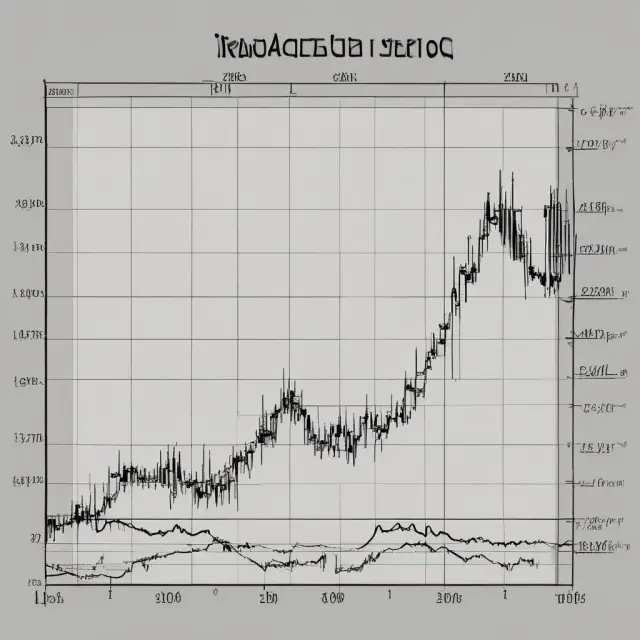
FAQs about Gapping
Gapping is a common occurrence in the financial markets, but it can be confusing for many traders and investors. In this section of the article, we answer some frequently asked questions about gapping to help better understand its causes, types, and significance for trading strategies.
What causes gapping?
A gap occurs when the price of a security opens at a significant distance from the previous day’s closing price with no trading activity in between. This discontinuity in the price chart can be caused by market fundamentals shifting rapidly during hours when markets are closed, like an earnings call after-hours or unexpected news announcements.
What are the different types of gaps?
- Common gaps: These gaps occur frequently and have little significance as they represent slight differences in price between the previous day’s close and the opening price.
- Breakaway gaps: A breakaway gap occurs when the price moves above a significant resistance area or below a support area on the gap, signaling the start of a strong trending move.
- Runaway gaps: These large gaps indicate that the trend is still strong enough to cause a gap in the trend direction and show the likelihood of further price movement in the gap direction.
- Exhaustion gaps: Exhaustion gaps occur near the end of the trend and can signal potential reversals or exhaustions.
Where does gapping typically occur?
Gapping can occur in any instrument where trading action closes and then reopens, such as stocks, currencies, commodities, and indices. The most common place for gapping to occur is during earnings reports and news announcements.
What should traders be aware of regarding stop loss orders and gapping?
Gapping can cause a trader’s stop loss order to be filled at an unexpected price due to the price gap. This risk can be reduced by avoiding trading directly before company earnings and news announcements, as well as reducing position size during periods of high volatility.
How do traders use gapping for trading strategies?
- Buying or selling the gap: Some traders enter positions after a gap occurs, either by buying or selling at the open price or waiting for prices to fill the gap and entering a limit order near the previous day’s close.
- Fading the gap: Contrarian traders may use a fading strategy to take advantage of gapping by entering trades in the opposite direction, assuming most gaps tend to be filled over time.
 Next entry · No. 1,741Garage Liability Insurance: Understanding the Essentials for Automotive Businesses
See also
-
 No. 1,713
26 Oct 2024
18 min
Fungibility in Finance: Understanding Fungible vs Non-Fungible Assets
Business Finance
No. 1,713
26 Oct 2024
18 min
Fungibility in Finance: Understanding Fungible vs Non-Fungible Assets
Business Finance -
 No. 1,128
01 Aug 2024
19 min
Understanding Downtrends in Finance: Characteristics, Identification, and Impact
Business Finance
No. 1,128
01 Aug 2024
19 min
Understanding Downtrends in Finance: Characteristics, Identification, and Impact
Business Finance -
 No. 1,754
01 Nov 2024
19 min
Understanding Gross Domestic Product: Components, Types, and Importance
Finance Policy
No. 1,754
01 Nov 2024
19 min
Understanding Gross Domestic Product: Components, Types, and Importance
Finance Policy -
 No. 228
07 Apr 2024
19 min
Understanding the Ask: The Offer Price and Its Role in Financial Markets
Markets
No. 228
07 Apr 2024
19 min
Understanding the Ask: The Offer Price and Its Role in Financial Markets
Markets -
 No. 5,861
14 Oct 2025
18 min
Understanding Yield Curves: Normal, Inverted, and Flat – Predictors of Economic Transitions
Business Finance
No. 5,861
14 Oct 2025
18 min
Understanding Yield Curves: Normal, Inverted, and Flat – Predictors of Economic Transitions
Business Finance -
 No. 3,114
02 Mar 2025
25 min
Understanding Market Makers: Role, Functions, and Key Players
Business Finance
No. 3,114
02 Mar 2025
25 min
Understanding Market Makers: Role, Functions, and Key Players
Business Finance