Understanding Gaps in Finance: Types, Significance, and Strategies

Learn about various types, significance, and strategies for identifying gaps in financial markets, including common, breakaway, runaway, exhaustion gaps.…
Introduction to Gaps in Financial Markets
Gaps are significant price discontinuities that occur when the opening price of a financial asset or security is significantly different from its previous day’s close. These gaps, visible as empty spaces on a price chart, are often attributed to market-moving news or events that cause an influx of buy or sell orders during off-hours.
A gap represents a noticeable change in market sentiment and can serve as an essential indicator for traders seeking opportunities in financial markets. To fully grasp the implications of gaps and their importance, it’s crucial to differentiate between the four primary types: Common Gaps, Breakaway Gaps, Runaway Gaps, and Exhaustion Gaps.
Understanding Gap Types: Common, Breakaway, Runaway, and Exhaustion
1. Common Gaps: A common gap occurs when there is no significant news or event preceding the price shift. These gaps typically get filled within a few days, as they do not signal a major trend reversal or continuation.
2. Breakaway Gaps: Breakaway gaps occur when the opening price breaks above a support or resistance level, indicating a strong shift in market sentiment. This type of gap usually signals the beginning of a new trend and is accompanied by an increase in trading volume.
3. Runaway Gaps: A runaway gap is characterized by intense investor interest that skips over sequential price points without any trading activity between them. This type of gap is often seen as a continuation of an existing trend.
4. Exhaustion Gaps: An exhaustion gap occurs after a prolonged uptrend and signals a potential reversal in the trend direction. This gap represents a significant shift from buying to selling activity, which can lead to profit-taking or bearish sentiment.
Interpreting Market Signals and Traders’ Strategies
Gaps signify substantial changes in market dynamics and can be used as entry or exit points for traders looking to capitalize on the ensuing price movements. The ability to correctly identify the type of gap is crucial for making informed decisions, as each type comes with its unique implications and potential opportunities.
By understanding these gap types and their significance, traders can develop strategies tailored to capitalize on the price movements that follow. For instance, common gaps may offer entry points for trend continuation trades, while breakaway gaps could signal a shift in market sentiment, requiring more cautious approaches or adjustments to existing positions.
The Importance of Proper Analysis and Strategy Implementation
In conclusion, gaps serve as important indicators in financial markets, providing valuable information about market sentiment and trends. While they may seem easy to spot on a chart, correctly identifying the type of gap is crucial for traders seeking to make profitable decisions. By mastering the nuances of common, breakaway, runaway, and exhaustion gaps, investors and traders can enhance their understanding of price movements and effectively implement strategies designed to capitalize on these opportunities.

Types of Gaps: Common, Breakaway, Runaway, Exhaustion
In finance, a gap represents a significant discontinuity in the price chart of an asset or security, where its value opens higher or lower than the previous day’s close without any trading activity in between. There are four primary types of gaps that can occur in financial markets: Common Gaps, Breakaway Gaps, Runaway Gaps, and Exhaustion Gaps. Understanding each type’s characteristics and implications is crucial for investors and traders looking to make informed decisions.
Common Gaps: The most frequent type of gap, a common gap, occurs when the price opens at a different level than the previous day’s close but remains within the established price range. These gaps usually form during periods of moderate volatility and are often filled within a few trading sessions (see Figure 1). Common gaps do not typically require a significant news event or fundamental reason for their occurrence and can be caused by supply and demand imbalances, intraday price movements, or even random market fluctuations.
Figure 1: Common gap example. The price opens slightly above the previous day’s close without any major news catalysts or price movements outside of the established price range.
Breakaway Gaps: Breakaway gaps occur when a security breaks through essential support or resistance levels, often during a trading range (see Figure 2). This type of gap acts as a powerful technical signal indicating a shift in market sentiment and potential trend reversal or continuation. For instance, if the price opens significantly higher than the previous day’s close and closes above an established resistance level, it may indicate the beginning of an uptrend (see Figure 3). Similarly, a breakaway gap can occur when the price breaks below critical support levels, indicating a potential downtrend.
Figure 2: Breakaway gap example. The price opens above an established resistance level, which is now acting as support, signaling a possible trend reversal or continuation.
Runaway Gaps: Runaway gaps are characterized by significant price movements that skip over multiple price levels without any trading activity (see Figure 4). These gaps can occur during periods of high market volatility and intense investor interest, typically fueled by major news events, earnings reports, or other fundamental catalysts. The price can gap significantly higher or lower, depending on the nature of the news event or catalyst.
Figure 3: Breakaway gap example – uptrend continuation. A breakaway gap occurs when the price opens above a resistance level and closes above it, potentially signaling a trend continuation.
Figure 4: Runaway gap example. The price gaps significantly higher in response to a major news event or fundamental catalyst, bypassing multiple price levels without any trading activity.
Exhaustion Gaps: Exhaustion gaps are another type of gap that can appear after prolonged periods of price advances (see Figure 5). These gaps occur when the demand for a security suddenly disappears, leading to an abrupt drop in prices. An exhaustion gap signals a potential reversal or trend continuation, depending on whether it marks the end of an uptrend or a correction within a downtrend.
Figure 5: Exhaustion gap example. The price gaps significantly lower after a prolonged period of advancement, signaling a possible reversal or trend continuation, depending on the broader market context.
Each type of gap carries unique implications for traders and investors. For instance, breakaway gaps can indicate potential trend shifts and are often accompanied by high trading volumes. Runaway gaps can result from significant news events and require a deep understanding of the underlying fundamental drivers. Exhaustion gaps may signal a reversal or continuation depending on the broader market context, making them essential to identify for successful trend trading strategies.
Understanding these gap types and their implications is crucial for investors and traders alike, as they can provide valuable insights into market sentiment and potential price movements. Keep in mind that while gaps are relatively easy to spot, correctly identifying their types requires a thorough analysis of market conditions and fundamental drivers.
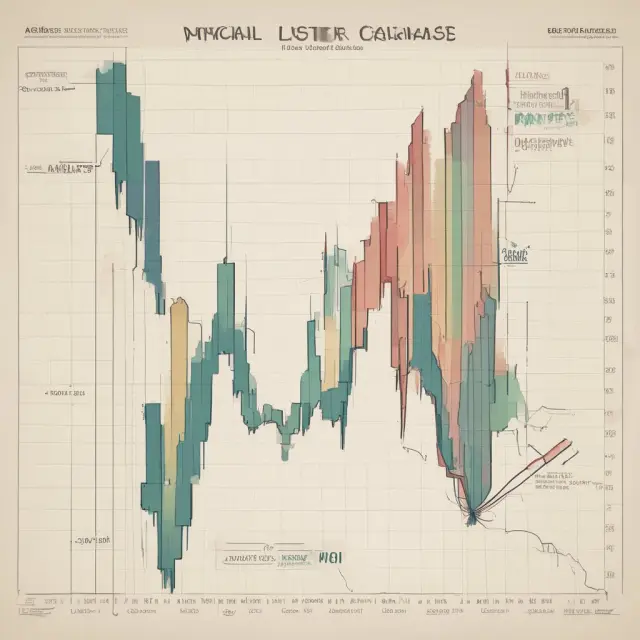
Understanding the Significance of a Gap in Finance
Gaps occur when there is a noticeable absence of trading activity between the closing price of one day and the opening price of the next. The most common cause of this phenomenon is the release of significant news or events that significantly impact market sentiment, leading to an abrupt change in price. While gaps are easy to spot on a chart, they carry more than just aesthetic value for traders: they can serve as crucial indicators of market movements and trends.
The appearance of a gap signifies a shift in market dynamics and investor behavior. Depending on its size and context, a gap can indicate the start of a new trend or the reversal of an existing one. Gaps occur when there is a discontinuity between trading sessions, often due to major news or events that cause investors to buy or sell securities in large quantities.
For instance, earnings reports, mergers and acquisitions, or regulatory decisions can trigger gaps. These gaps represent a change in investor sentiment and can provide valuable information for traders looking to capitalize on market movements. To understand the significance of gaps further, it’s essential to familiarize yourself with the four types: common gaps, breakaway gaps, runaway gaps, and exhaustion gaps.
Common gaps are not directly linked to any specific news or events but rather occur due to random fluctuations in supply and demand. These gaps usually get filled quickly, often within a few trading sessions, making them less valuable for traders seeking long-term opportunities. Breakaway gaps, on the other hand, represent the start of a new trend as prices break through resistance or support levels. Breakaway gaps occur when significant news or events cause a sharp price move that exceeds established resistance or support levels.
A runaway gap is another type of gap that occurs in response to strong investor interest and can result in extended price movements. In contrast to common and breakaway gaps, runaway gaps are not necessarily filled quickly and can indicate a significant shift in market dynamics. Finally, exhaustion gaps signal the end of an existing trend by marking the point where prices reverse direction. These gaps often occur after a prolonged period of strong price movement in one direction and can provide valuable entry or exit points for traders.
To make informed decisions when dealing with gaps, it’s essential to understand their significance in the context of market trends and investor sentiment. By keeping abreast of news events and economic indicators, traders can better anticipate gap occurrences and adjust their strategies accordingly. This proactive approach can help mitigate potential losses from misinterpreting gaps and maximize gains through strategic buying or selling opportunities.
In conclusion, understanding the significance of gaps is crucial for investors and traders seeking to capitalize on market movements and trends. By familiarizing yourself with the different types of gaps and their implications, you’ll be well-equipped to make informed decisions and navigate the complexities of financial markets.

Spotting a Gap: Recognizing the Difference Between Common and Breakaway Gaps
Identifying gaps in financial charts is crucial for traders as they can signify significant price movements and potential opportunities. There are four distinct types of gaps: common, breakaway, runaway, and exhaustion. Understanding the differences between them can help traders capitalize on these situations.
Common gaps occur when the price opens at a different level than the previous close, but within the price range of the previous day. These gaps tend to be quick to fill and usually do not require a significant reason for their formation. For instance, common gaps may result from small news events or even technical factors like resistance levels.
Breakaway gaps, on the other hand, are more consequential as they occur when the price breaks above or below a well-defined support or resistance level. A breakaway gap can signify the start of a new trend and is typically accompanied by increased trading volume. This type of gap represents a significant shift in market sentiment, making it an essential tool for active traders.
The visual distinction between common and breakaway gaps lies mainly in the presence or absence of a clear support or resistance level at the price point where the gap occurs. Common gaps are more random in nature and may not have a specific reason behind their formation, while breakaway gaps signal a potential turning point for an asset.
To profit from these gaps, traders can employ various strategies depending on the type of gap and their own investment objectives. For instance, breakaway gaps may be exploited by buying or selling at the moment of the breakout, assuming that the trend will continue after the gap is filled. Conversely, common gaps might provide opportunities for entering positions once they are filled or reversing existing trades if the price action suggests a continuation of the previous trend.
In conclusion, understanding the differences between common and breakaway gaps is essential for traders seeking to make informed decisions based on market movements. The ability to distinguish between these two gap types enables traders to capitalize on potential opportunities in the financial markets.

Strategies for Playing a Runaway or Exhaustion Gap
Understanding the implications of runaway and exhaustion gaps and strategies for profiting from them is crucial knowledge for traders seeking to maximize their returns. These gaps occur when there is an intense period of buying or selling activity, often triggered by significant news or events that cause a surge in demand or supply for a security. In this section, we’ll discuss how to identify these types of gaps and the strategies for taking advantage of them.
Runaway Gap
A runaway gap occurs when there is no trading activity between the price point where the gap began and where it ended. This type of gap represents intense investor interest and can lead to significant price movements. When identifying a runaway gap, look for large, sustained volume on both the day of the gap and the days following it. This surge in volume signifies that institutions and high net worth individuals are making substantial trades, making it an excellent opportunity for retail traders to follow suit.
To profit from a runaway gap, consider buying the stock at or near the opening price on the first trading day following the gap. This approach allows traders to capitalize on the trend momentum created by the runaway gap. However, it’s important to remember that these gaps can sometimes be short-lived and may result in whipsaw movements or reversals. In such cases, setting a stop loss order at a suitable distance from the entry price can help minimize potential losses.
Exhaustion Gap
An exhaustion gap is a technical signal marked by a break lower in prices on a daily chart, which occurs after a rapid rise in a stock’s price over several weeks or even months prior. This signal reflects a significant shift from buying to selling activity and typically coincides with falling demand for a stock. Identifying an exhaustion gap requires keeping an eye on the underlying trend and being aware of any bearish news or events that could cause a reversal in sentiment.
To profit from an exhaustion gap, consider selling short the stock at the opening price on the day following the gap. This strategy allows traders to capitalize on the downward momentum created by the exhaustion gap. However, like with runaway gaps, it’s essential to set a stop loss order to minimize potential losses if the trend does not continue in the expected direction.
In conclusion, understanding and profiting from runaway and exhaustion gaps requires a solid grasp of market sentiment and trends. By utilizing these strategies, traders can capitalize on the price movements created by significant news or events and potentially generate substantial returns. However, it’s crucial to remember that all trades involve risk, and careful consideration should be given to each opportunity before executing any trade.

Limitations and Risks of Trading Based on Gaps in Finance
While understanding gaps in finance can offer valuable insights for traders, it is essential to acknowledge the limitations and risks involved. The primary challenge lies in accurately interpreting the type of gap that occurs since misjudging a gap can lead to missed opportunities or potentially significant losses.
Misinterpretation Risks
One major risk of trading based on gaps is the potential for misinterpreting the type of gap. A common gap may be mistaken as a breakaway, runaway, or exhaustion gap due to its appearance on the chart. The consequences of such an error could mean entering or exiting a trade at the wrong time. For instance, if a trader sells during a common gap expecting it to be an exhaustion gap but it turns out to be a reversal or breakaway gap instead, they may miss the opportunity for profit and even experience losses.
Missed Opportunities
Another risk involves missing opportunities due to gaps. Although gaps are easier to identify than other chart patterns, their transient nature means that traders must act swiftly to capitalize on them. A delayed entry into a trade can result in losing out on potential profits or even experiencing losses once the gap is filled. To minimize this risk, it’s crucial for traders to have a reliable system or strategy for recognizing gaps and making quick decisions based on their analysis.
Emotional Reactions
The emotional response to gaps can also pose a significant risk. Gaps, especially large ones, tend to evoke strong reactions from traders. Fear or excitement might lead traders to make hasty decisions that contradict their overall trading strategy. In some cases, the fear of missing out (FOMO) may tempt traders into taking on excessive risks, which can negatively impact their portfolio’s performance.
Best Practices for Minimizing Risks
To mitigate the limitations and risks of trading based on gaps in finance, it is recommended that traders adopt a disciplined approach to analyzing and executing trades based on gaps. This includes:
- Properly identifying the type of gap using reliable charting tools and techniques.
- Understanding the significance of each gap type and its implications for trading strategies.
- Implementing risk management measures, such as stop-loss orders, to limit potential losses.
- Staying informed about market news and events that could cause gaps.
- Developing a well-defined trading strategy based on a thorough understanding of gaps and their role in financial markets.
- Exercising patience and discipline when executing trades based on gaps.
- Continuously monitoring market conditions to adapt strategies as needed.
By following these best practices, traders can increase their chances of successfully capitalizing on the opportunities presented by gaps while minimizing potential risks.

Using Technical Indicators to Identify Gaps in Finance
Gapping is a significant phenomenon that can provide valuable insights for traders looking to capitalize on price movements in the financial markets. To effectively detect and interpret gaps, it’s essential to employ technical indicators as part of your analysis toolkit. In this section, we will explore popular indicators used to identify gaps and their implications.
1. Moving Averages
Moving averages are trend-following indicators that help smooth out price data by calculating the average value of a security’s price over a specified time frame. This indicator can be particularly useful when determining whether a gap represents a short-term fluctuation or the start of a new trend. For example, a bullish gap in an uptrend with a confirmed moving average crossover could indicate continued upward momentum.
2. Bollinger Bands
Bollinger Bands are volatility indicators that consist of three lines: the middle line (simple moving average), upper band, and lower band. These bands widen when volatility increases and narrow during periods of low volatility. When a gap occurs within these bands, it can suggest increased price momentum in the direction of the gap. Conversely, a gap outside the bands could indicate an extreme move that may reverse shortly.
3. MACD (Moving Average Convergence Divergence)
MACD is a trend-following momentum indicator that measures the difference between two moving averages: short-term and long-term. The MACD line plots the difference between the two moving averages, while the signal line plots the nine-day exponential moving average of the MACD line. When the MACD line crosses above the signal line, it may indicate a bullish trend, while a bearish trend is suggested by a MACD line crossing below the signal line. A gap accompanied by a bullish MACD crossover could represent a strong uptrend, while a bearish MACD crossover with a gap could suggest a downtrend.
In conclusion, gaps can be potent tools for traders when identified and interpreted correctly. By incorporating technical indicators into your analysis, you can gain a deeper understanding of the underlying market dynamics and make more informed decisions regarding entry and exit points in your trades. However, it’s essential to remember that no indicator is foolproof and each comes with its limitations. Be sure to practice due diligence and consider multiple indicators before making any investment decisions based on gaps.

Case Studies: Successful Trades Based on Gaps
Gapping, especially full gaps, can lead to significant opportunities for profitable trades in the financial markets. In this section, we explore three historical examples of successful trades based on gaps, providing insights into each case and lessons that traders can apply to their own strategies.
1. The Amazon Breakaway Gap (AMZN): On October 27, 2017, Amazon.com, Inc.’s stock experienced a breakaway gap after months of sideways consolidation (see Figure 1). As the chart shows, the stock price opened significantly higher than the previous day’s close, accompanied by an enormous surge in trading volume. This breakaway gap marked the beginning of a new trend higher for Amazon, which continued until September 2018, when its stock price reached $2,050.
Figure 1: Amazon (AMZN) Breakaway Gap in October 2017
Lesson: Identifying and reacting to breakaway gaps can provide traders with substantial returns. In the case of Amazon, this strategy yielded an impressive profit for those who capitalized on the opportunity.
2. The Runaway Gap in Alphabet (GOOGL): During April 2017, Alphabet’s stock saw a runaway gap as its price continued to rise, extending its existing uptrend (see Figure 2). In this instance, there was no significant news or event that triggered the gap; rather, it resulted from intense investor interest.
Figure 2: Alphabet (GOOGL) Runaway Gap in April 2017
Lesson: Keep an eye out for runaway gaps as they often indicate strong trends and present opportunities to enter the market at favorable prices.
3. The Exhaustion Gap in Netflix (NFLX): In June 2015, Netflix experienced an exhaustion gap, characterized by a sharp decline in price after a prolonged uptrend (see Figure 3). This type of gap is typically seen as a bearish signal, indicating the potential for a reversal or correction.
Figure 3: Netflix (NFLX) Exhaustion Gap in June 2015
Lesson: Being aware of exhaustion gaps can help traders recognize when a trend may be nearing its end, potentially allowing them to take profits or reduce exposure before a potential decline.
In conclusion, understanding the various types of gaps and their implications is crucial for successful trading. These historical examples demonstrate that properly recognizing and reacting to gaps can lead to substantial profits. However, it’s essential to exercise caution and thoroughly assess each situation before executing trades based on gap analysis.

FAQs About Trading Based on Gaps in Finance
Gaps are intriguing phenomena for traders as they often signal significant market moves. However, gaps can be misunderstood, and trading based on them comes with risks. In this section, we answer common questions about the role of gaps in finance, their limitations, and best practices for profitably navigating these price discontinuities.
What is a gap?
A gap is an area discontinuity in a security’s chart where its price either rises or falls from the previous day’s close with no trading occurring in between.
What causes a gap?
Gaps typically occur due to news or events that cause a surge of buyers or sellers into the market, moving the price away from the previous close without any trading activity taking place between the two points.
Are gaps common?
Yes, gaps are quite common in financial markets and can appear in various types, such as common gaps, breakaway gaps, runaway gaps, and exhaustion gaps.
What’s the difference between a gap and a partial gap?
A gap occurs when the opening price is significantly higher or lower than the previous day’s close without any trading activity in between. A partial gap happens when the opening price is within the previous day’s range but still represents a meaningful shift from the previous closing price.
What do gaps indicate about market sentiment?
Gaps can signify a change in sentiment and may suggest the beginning of a new trend or a reversal of an existing one, depending on the type of gap. For instance, breakaway gaps may signal the start of a strong uptrend, while exhaustion gaps may indicate that a long-term upward trend is coming to an end.
What are some risks associated with trading based on gaps?
The primary risk of trading based on gaps is misinterpreting their meaning or mistiming trades, potentially resulting in missed opportunities and losses. Additionally, emotional reactions driven by fear or greed can lead traders into making hasty decisions that negatively impact their investment portfolios.
What strategies can be used to profit from gaps?
Traders can employ various strategies for taking advantage of gaps. For example, they may use breakaway gaps as an entry point for entering a new position, aiming for a potential continuation of the trend. Alternatively, they could use exhaustion gaps as an opportunity to sell or exit a position, anticipating a potential reversal in price direction.
What are the best practices for trading based on gaps?
To profitably trade based on gaps, it is essential to:
- Understand the different types of gaps and their implications;
- Use sound risk management techniques, such as stop-loss orders or position sizing;
- Analyze the underlying fundamentals driving the gap;
- Monitor market conditions and volatility closely;
- Stay informed about news events that may influence price movements.
Can gaps be filled?
Common and runaway gaps usually get filled, while breakaway and exhaustion gaps may not fill entirely or might take longer to do so. Understanding the type of gap can help traders anticipate when a potential reversal may occur.
What is the significance of trading volume in gaps?
Trading volume plays an essential role in determining the validity and reliability of gaps. High trading volumes during gaps can provide strong confirmation that a significant price shift has occurred, while low volumes might signal a false or insignificant gap.
Can gaps be predicted?
Although it is impossible to predict exact prices with certainty, traders can increase their chances of identifying potential gaps by monitoring news events and market sentiment closely. Utilizing technical analysis tools such as moving averages and trend indicators can also help in recognizing patterns and trends that may lead to price discontinuities.
How long do gaps take to fill?
The time it takes for a gap to fill depends on various factors, including the type of gap, market conditions, and volatility. It is essential to analyze these factors when assessing the potential profitability and risk involved in trading based on gaps.

Conclusion: Maximizing Opportunities Through Gap Analysis
Understanding gaps in finance is crucial for traders seeking an edge in the ever-changing markets. Gaps represent discontinuities in security prices, appearing as empty spaces on a chart when no trading activity occurred between the previous day’s close and the opening price. These events can indicate significant shifts in market sentiment or trends, offering valuable opportunities for traders if identified correctly.
Gaps come in various forms: Common gaps, breakaway gaps, runaway gaps, and exhaustion gaps. Each type carries its unique significance for traders (Fig. 1). Common gaps tend to be brief, often filling quickly and accompanied by average trading volume. Breakaway gaps occur when a security breaks through established support or resistance levels, marking a potential trend reversal or continuation. Runaway gaps result from intense investor interest, as the market skips price points without any trading activity. Lastly, exhaustion gaps signal an end to a prolonged uptrend, as selling pressure overpowers buying demand.
Determining the type of gap is critical for devising effective trading strategies. A misidentified gap could lead to missed opportunities or losses. For instance, mistaking a common gap for a breakaway gap may cause an investor to enter a position prematurely and miss the potential profit from the actual trend shift (Fig. 2).
To maximize opportunities through gap analysis, traders must be well-versed in identifying different types of gaps and their underlying causes. News events or earnings reports often trigger gaps, making it essential for investors to stay informed about market developments.
Fig. 1: Types of Gaps
Fig. 2: Mistaken Breakaway vs. Common Gap
Understanding the significance of a gap begins with recognizing its cause. For example, a breakaway gap signifies a trend reversal or continuation, making it crucial to analyze factors influencing market sentiment at the time. Conversely, a common gap may only represent a brief price discontinuity and may not require immediate action from traders (Fig. 3).
Fig. 3: Breakaway vs. Common Gap Analysis
Strategies for exploiting gaps vary depending on the gap type. For instance, traders may benefit from entering positions during a breakaway gap, riding the trend until it runs its course. Alternatively, they could target common gaps for profit-taking opportunities once the gap is filled (Fig. 4).
Fig. 4: Trading Strategies Based on Gap Types
In summary, understanding gaps and their implications for financial markets can be a powerful tool for traders seeking to profit from market discontinuities. By distinguishing between the various types of gaps and employing appropriate trading strategies, investors can capitalize on emerging trends and position themselves for success.
FAQs:
What is the difference between common and breakaway gaps?
Answer: Common gaps are brief price discontinuities that tend to fill quickly, while breakaway gaps represent a significant trend shift when a security breaks through established support or resistance levels.
How can I tell if a gap will be filled?
Answer: Identifying the type of gap and analyzing market sentiment are crucial factors in determining whether a gap is likely to be filled. For instance, common gaps typically fill quickly, while breakaway gaps may signal the beginning of a new trend.
What causes runaway gaps?
Answer: Runaway gaps occur when there is intense investor interest, causing the market to skip price points without any trading activity. This type of gap often signals a strong trend and may indicate significant news or developments.
Can I profit from exhaustion gaps?
Answer: Exhaustion gaps can mark the end of an uptrend, creating opportunities for traders to profit from selling as the selling pressure overwhelms buying demand. However, proper analysis is crucial to identify exhaustion gaps and determine their significance in a given market context.
How do I recognize a breakaway gap?
Answer: A breakaway gap occurs when a security breaks through established support or resistance levels, signaling a potential trend reversal or continuation. This type of gap may be accompanied by increased trading volume and should prompt further analysis to determine its implications for the market.
 Next entry · No. 1,739Understanding Gap Insurance: Protecting Against Financial Losses in Auto Financing
See also
-
 No. 1,705
25 Oct 2024
20 min
Understanding Fund Flow: A Key Indicator for Institutional Investors
Business Finance
No. 1,705
25 Oct 2024
20 min
Understanding Fund Flow: A Key Indicator for Institutional Investors
Business Finance -
 No. 1,120
30 Jul 2024
17 min
Understanding Double Tops in Finance: A Bearish Technical Reversal Pattern
Business Finance
No. 1,120
30 Jul 2024
17 min
Understanding Double Tops in Finance: A Bearish Technical Reversal Pattern
Business Finance -
 No. 5,778
07 Oct 2025
19 min
Understanding Workable Indication: A Flexible Pricing Technique in Municipal Bond Markets
Finance Policy
No. 5,778
07 Oct 2025
19 min
Understanding Workable Indication: A Flexible Pricing Technique in Municipal Bond Markets
Finance Policy -
 No. 2,705
28 Jan 2025
20 min
Understanding Kicker Pattern in Candlestick Charting: A Powerful Reversal Signal for Investors
Market Trends
No. 2,705
28 Jan 2025
20 min
Understanding Kicker Pattern in Candlestick Charting: A Powerful Reversal Signal for Investors
Market Trends -
 No. 5,908
17 Oct 2025
26 min
Understanding Zero Plus Ticks in Finance and Investment: An Essential Guide for Institutional Investors
Business Finance
No. 5,908
17 Oct 2025
26 min
Understanding Zero Plus Ticks in Finance and Investment: An Essential Guide for Institutional Investors
Business Finance -
 No. 5,878
15 Oct 2025
20 min
Understanding the Z Designation in Nasdaq Stocks: A Comprehensive Guide for Institutional Investors
Business Finance
No. 5,878
15 Oct 2025
20 min
Understanding the Z Designation in Nasdaq Stocks: A Comprehensive Guide for Institutional Investors
Business Finance